Sociology 646 The Sociological Imagination and Race and


- Slides: 13
Sociology 646 The Sociological Imagination and Race and Ethnicity
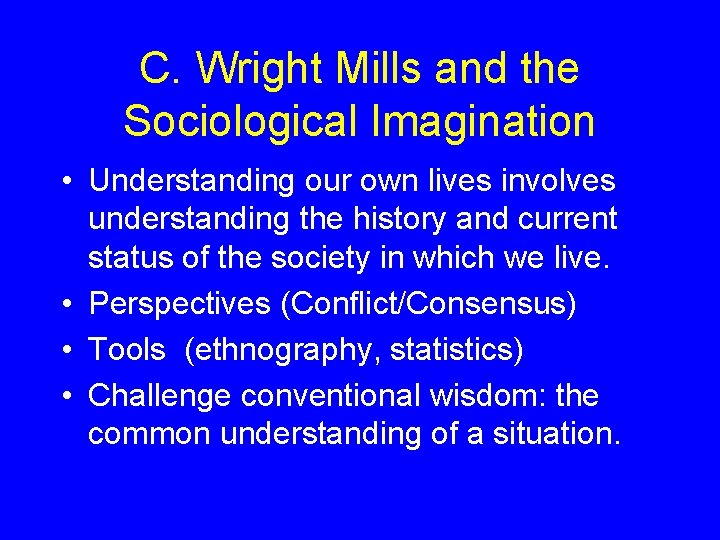
C. Wright Mills and the Sociological Imagination • Understanding our own lives involves understanding the history and current status of the society in which we live. • Perspectives (Conflict/Consensus) • Tools (ethnography, statistics) • Challenge conventional wisdom: the common understanding of a situation.
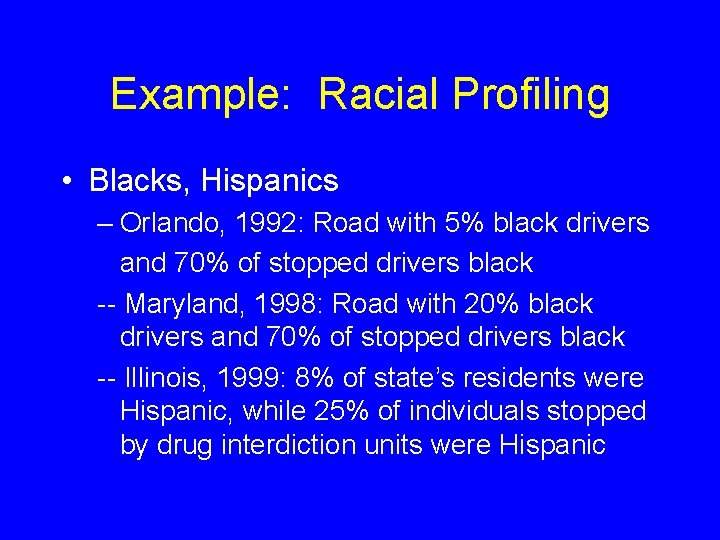
Example: Racial Profiling • Blacks, Hispanics – Orlando, 1992: Road with 5% black drivers and 70% of stopped drivers black -- Maryland, 1998: Road with 20% black drivers and 70% of stopped drivers black -- Illinois, 1999: 8% of state’s residents were Hispanic, while 25% of individuals stopped by drug interdiction units were Hispanic
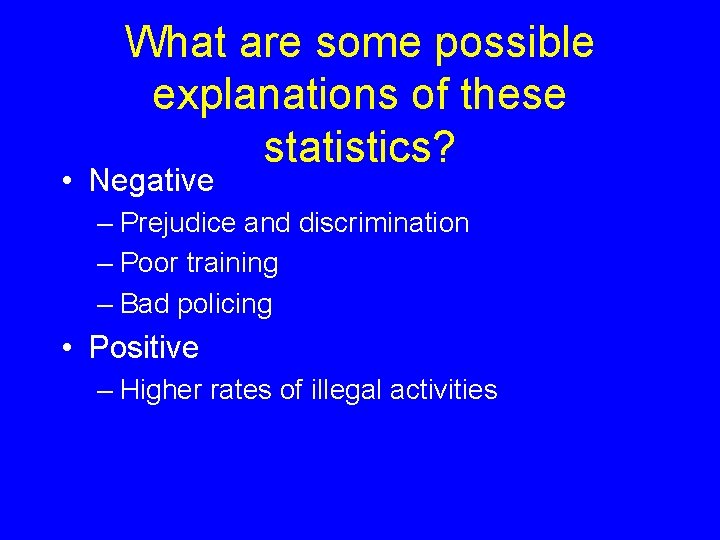
What are some possible explanations of these statistics? • Negative – Prejudice and discrimination – Poor training – Bad policing • Positive – Higher rates of illegal activities
Racial Profiling of Muslims and Arabs • Targeting 5, 000 young men from Muslim countries for questioning after 9/11, 2001. • FBI: talk to everyone who might have information • Muslim leaders: racial profiling • What do you think: was this good or bad?
What sociological questions can we pose? • How are racial and ethnic relations structured? • How do racial and ethnic relations compare to the past and other countries? • What does the past and current state of racial and ethnic relations suggest about our “human nature”?
Applied to racial profiling • What is the structure, extent, nature, and form of racial profiling? • How does racial and ethnic profiling here compare to other countries and the past? • What does racial profiling reveal about our human nature? – Racial divide – We have not resolved all of our issues
Applied to Segregation on College Campuses • Definition • Nature and Structure? (Examples) • Compared to the past? • What does this tell us about ourselves?
Applied to UNC situation • Facts: Freshmen reading assignment; book about the Koran; led to legal attempts to stop (separation of church and state) • Nature and Structure? • Compared to the past? • What does this tell us about ourselves?
Some classic examples 1. An American Dilemma by Gunnar Myrdal (1944) 2. The Declining Significance of Race by William Julius Wilson (1978) 3. Legacies: The Story of the Immigrant Second Generation by Alejandro Portes and Ruben Rumbaut (2001)
Mitchell Duneier: Sidewalk • Slim’s Table • Ethnography: Participant Observation • Class, race, and gender issues
Mary Waters: Ethnic Options • Motivated by own ethnicity (really Irish) • Qualitative interviews • Significance of European ethnic identities and difference from racial identities
Schuman, Steeh, Bobo, Krysan: Racial Attitudes • Based on statistical analyses of survey data • Encyclopedic: lots of information and analysis • Bottom line: endorse equality, differ over means