PREVENTING AND HEALING INJURIES with YOGA RACHEL KRENTZMAN
- Slides: 19
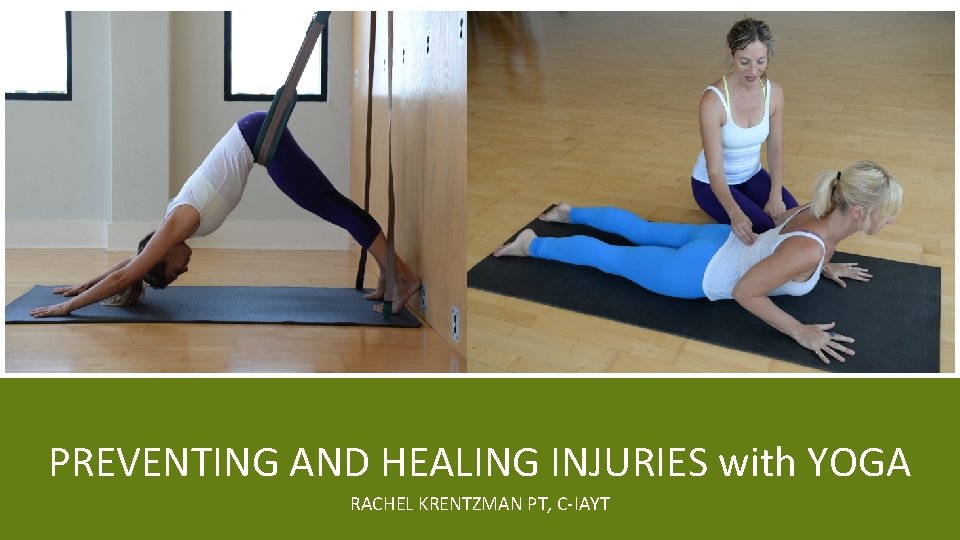
PREVENTING AND HEALING INJURIES with YOGA RACHEL KRENTZMAN PT, C-IAYT
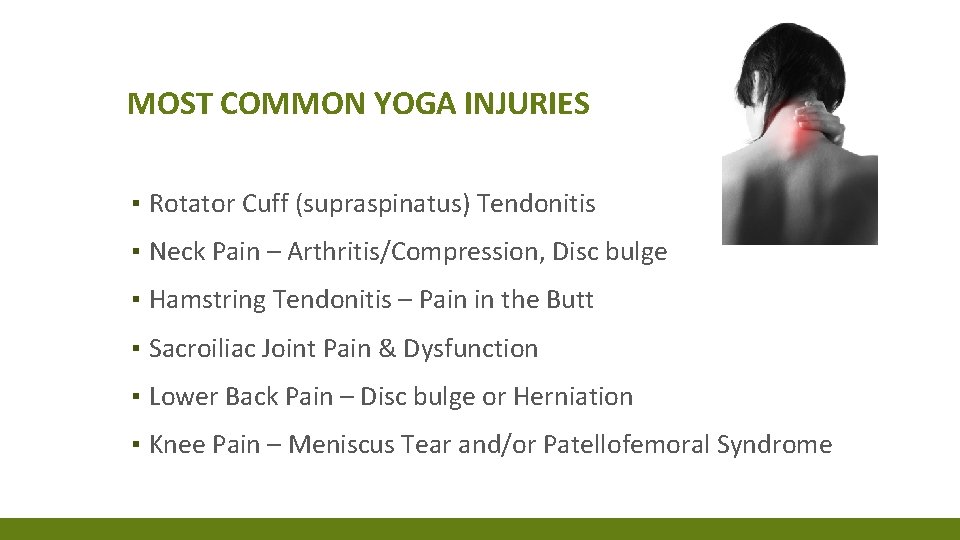
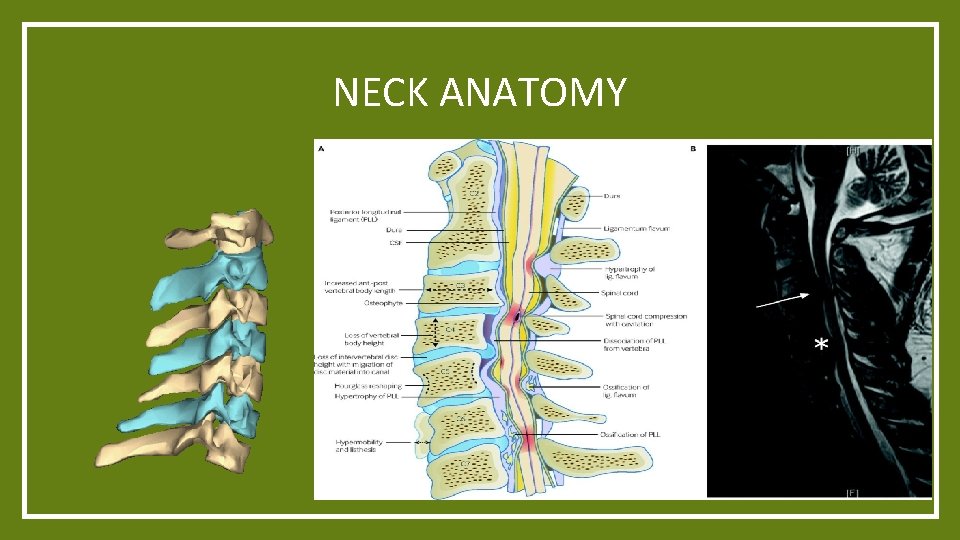
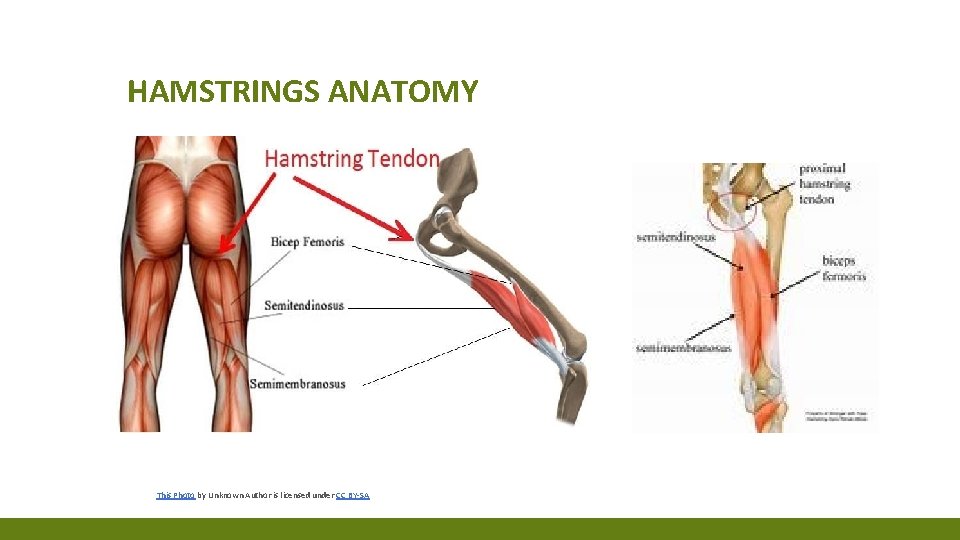
MOST COMMON YOGA INJURIES ▪ Rotator Cuff (supraspinatus) Tendonitis ▪ Neck Pain – Arthritis/Compression, Disc bulge ▪ Hamstring Tendonitis – Pain in the Butt ▪ Sacroiliac Joint Pain & Dysfunction ▪ Lower Back Pain – Disc bulge or Herniation ▪ Knee Pain – Meniscus Tear and/or Patellofemoral Syndrome
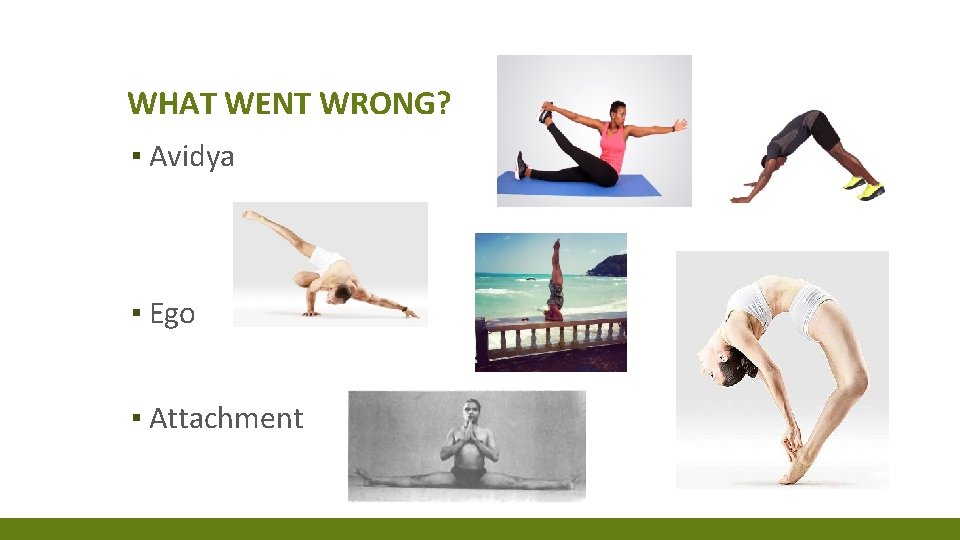
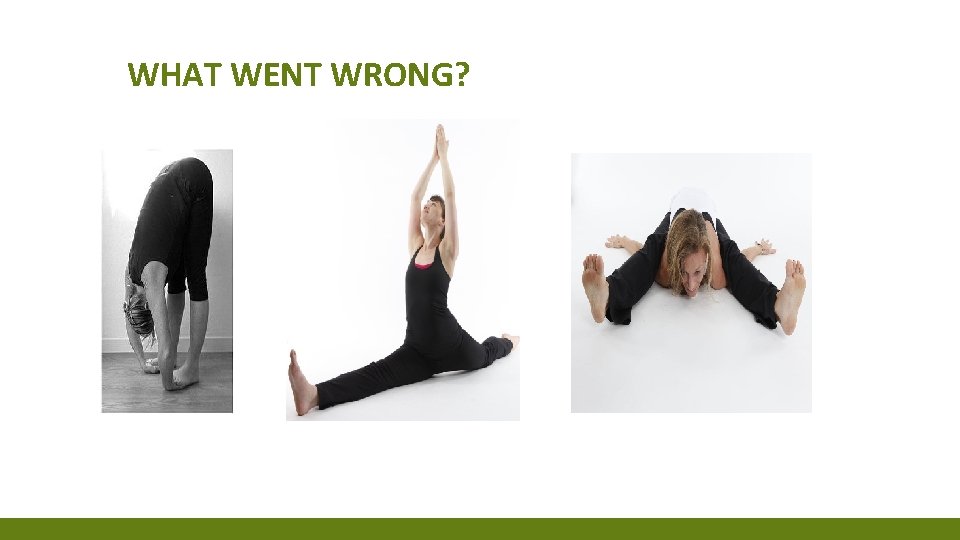
WHAT WENT WRONG? ▪ Avidya ▪ Ego ▪ Attachment
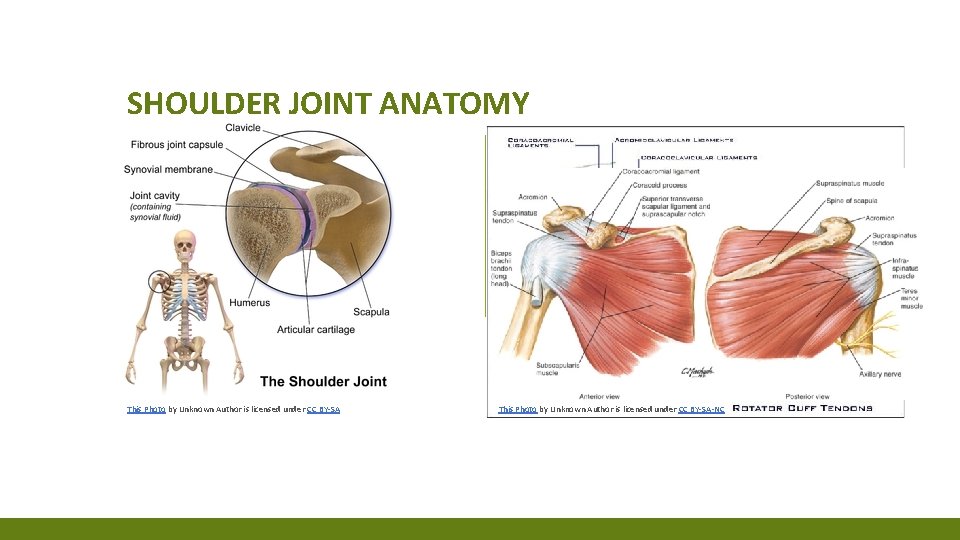
SHOULDER JOINT ANATOMY ▪ First bullet point here ▪ Second bullet point here ▪ Third bullet point here This Photo by Unknown Author is licensed under CC BY-SA Class Group 1 Group 2 Class 1 82 95 Class 2 76 88 Class 3 84 90 This Photo by Unknown Author is licensed under CC BY-SA-NC
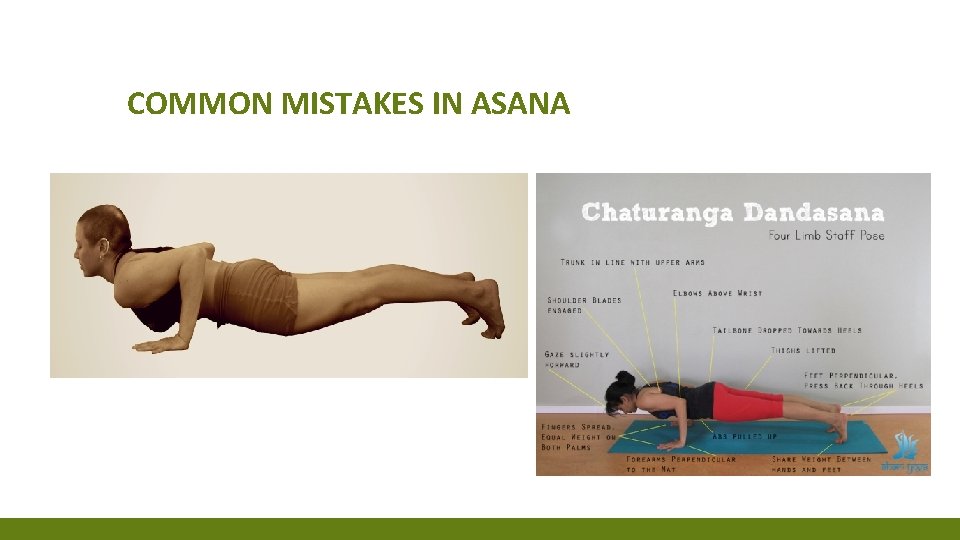
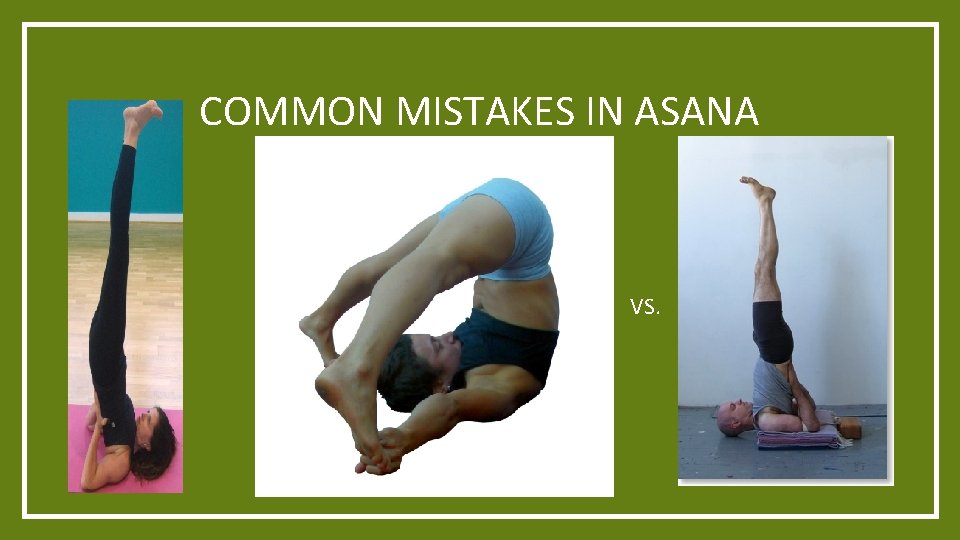
COMMON MISTAKES IN ASANA ▪ Second bullet point here ▪ Third bullet point here
NECK ANATOMY This Photo by Unknown Author is licensed under CC BYSA This Photo by Unknown Author is licensed under CC BY
COMMON MISTAKES IN ASANA VS. This Photo by Unknown Author is licensed under CC BY-SA-NC
HAMSTRINGS ANATOMY This Photo by Unknown Author is licensed under CC BY-SA INJURY
WHAT WENT WRONG?
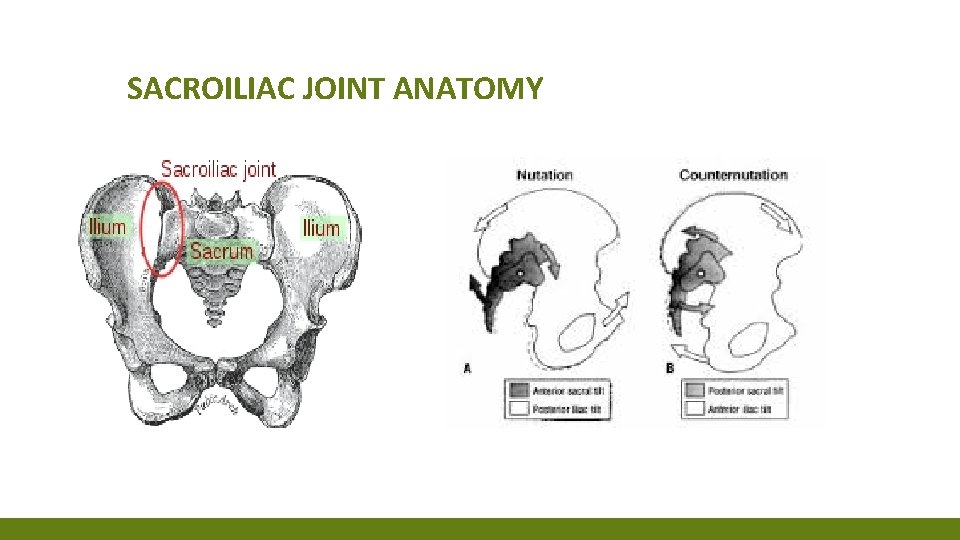
SACROILIAC JOINT ANATOMY
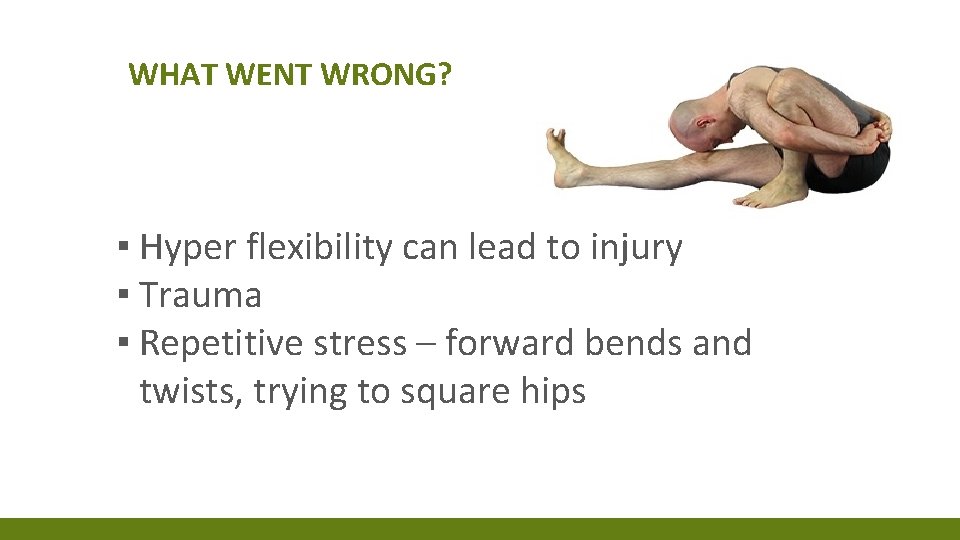
WHAT WENT WRONG? ▪ Hyper flexibility can lead to injury ▪ Trauma ▪ Repetitive stress – forward bends and twists, trying to square hips
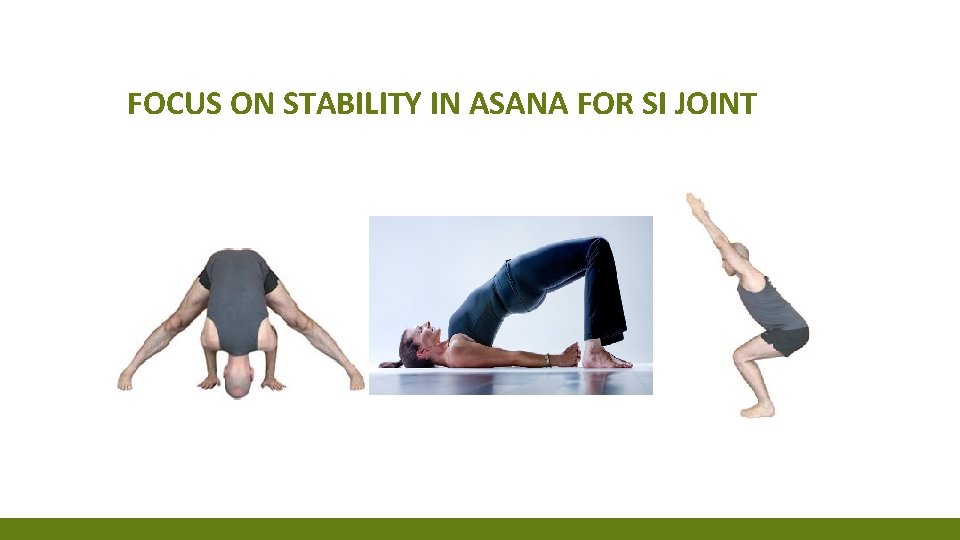
FOCUS ON STABILITY IN ASANA FOR SI JOINT
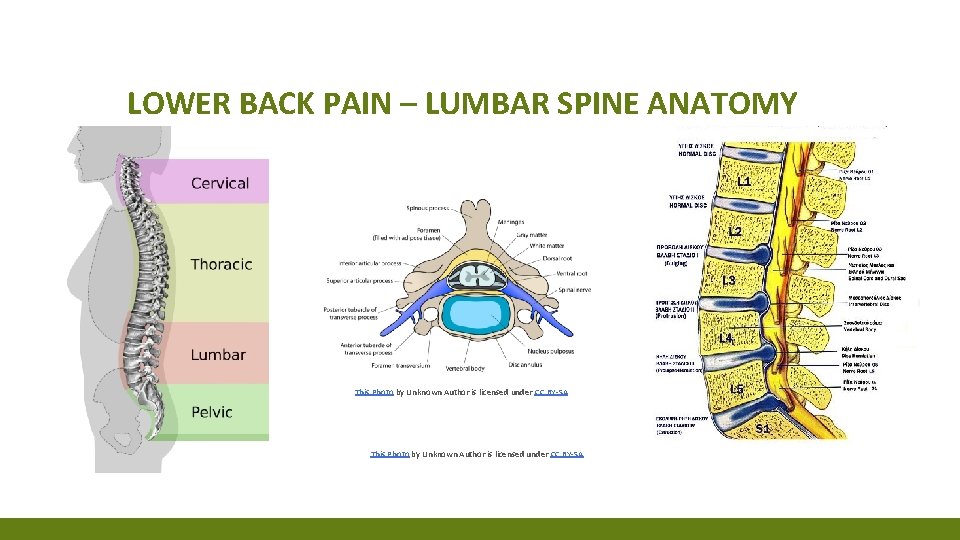
LOWER BACK PAIN – LUMBAR SPINE ANATOMY This Photo by Unknown Author is licensed under CC BY-SA
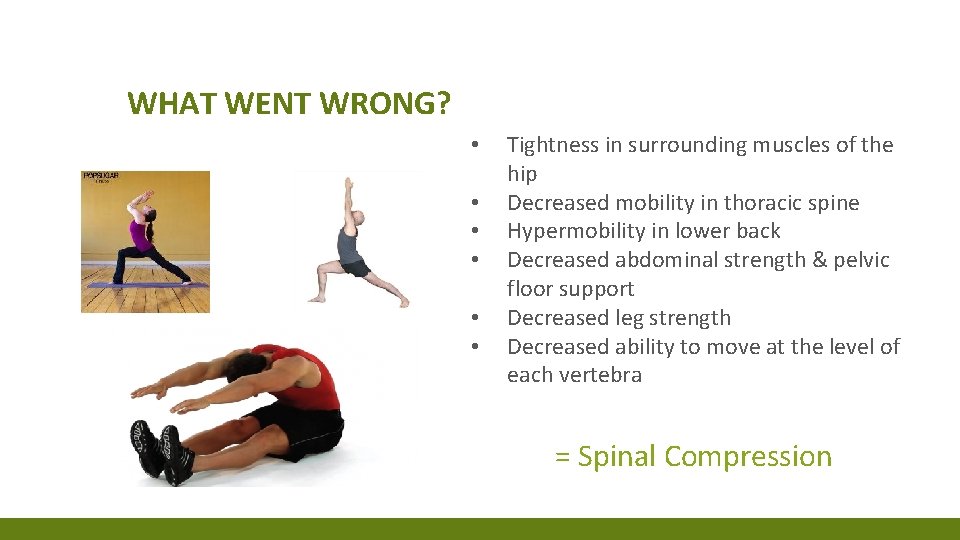
WHAT WENT WRONG? • • • Tightness in surrounding muscles of the hip Decreased mobility in thoracic spine Hypermobility in lower back Decreased abdominal strength & pelvic floor support Decreased leg strength Decreased ability to move at the level of each vertebra = Spinal Compression
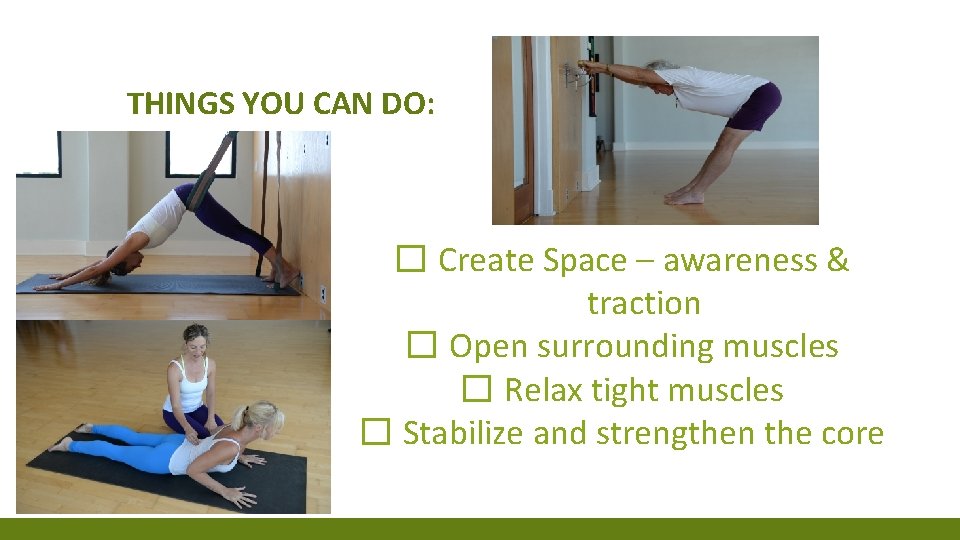
THINGS YOU CAN DO: � Create Space – awareness & traction � Open surrounding muscles � Relax tight muscles � Stabilize and strengthen the core
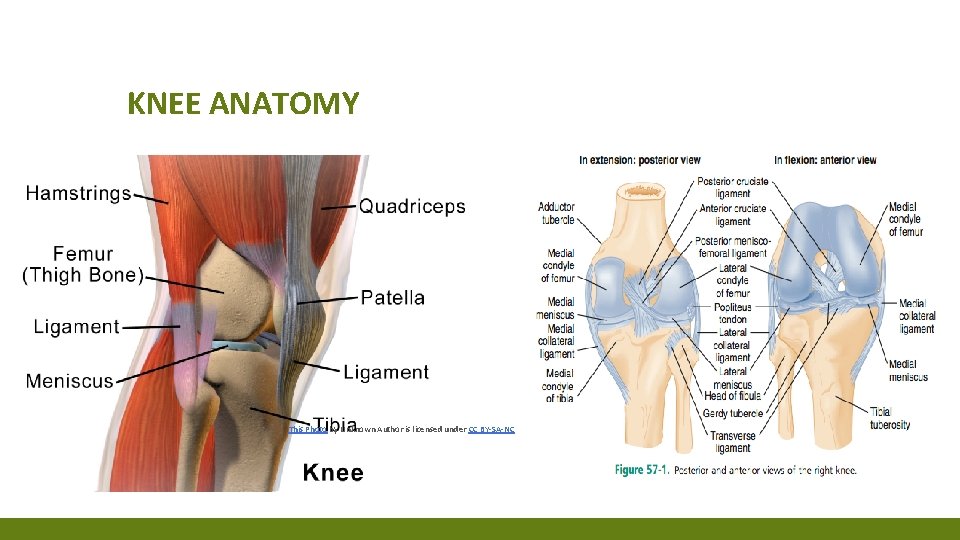
KNEE ANATOMY This Photo by Unknown Author is licensed under CC BY-SA-NC
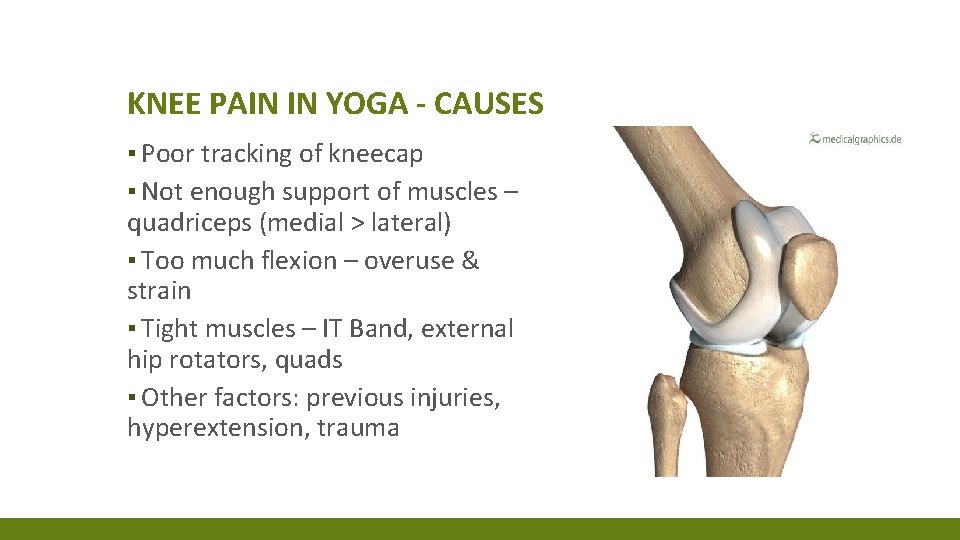
KNEE PAIN IN YOGA - CAUSES ▪ Poor tracking of kneecap ▪ Not enough support of muscles – quadriceps (medial > lateral) ▪ Too much flexion – overuse & strain ▪ Tight muscles – IT Band, external hip rotators, quads ▪ Other factors: previous injuries, hyperextension, trauma
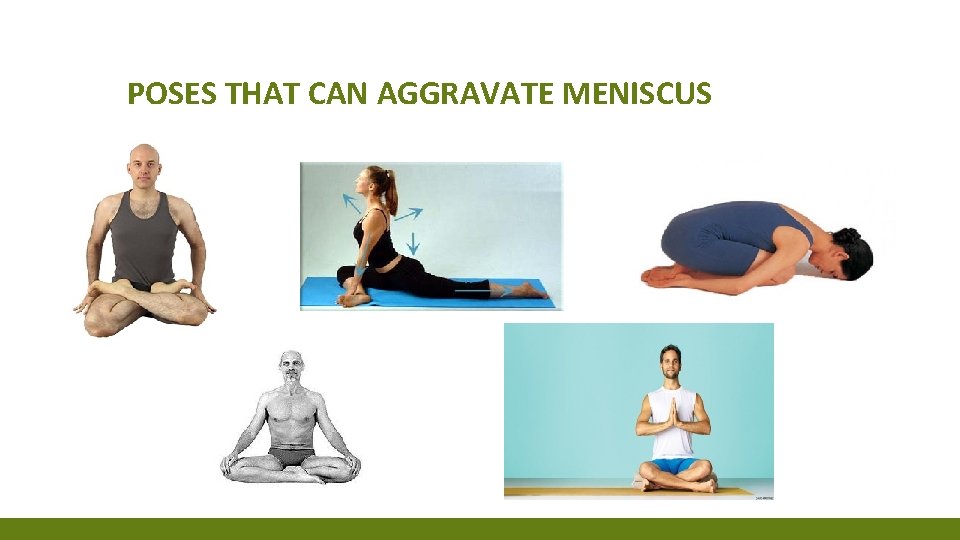
POSES THAT CAN AGGRAVATE MENISCUS
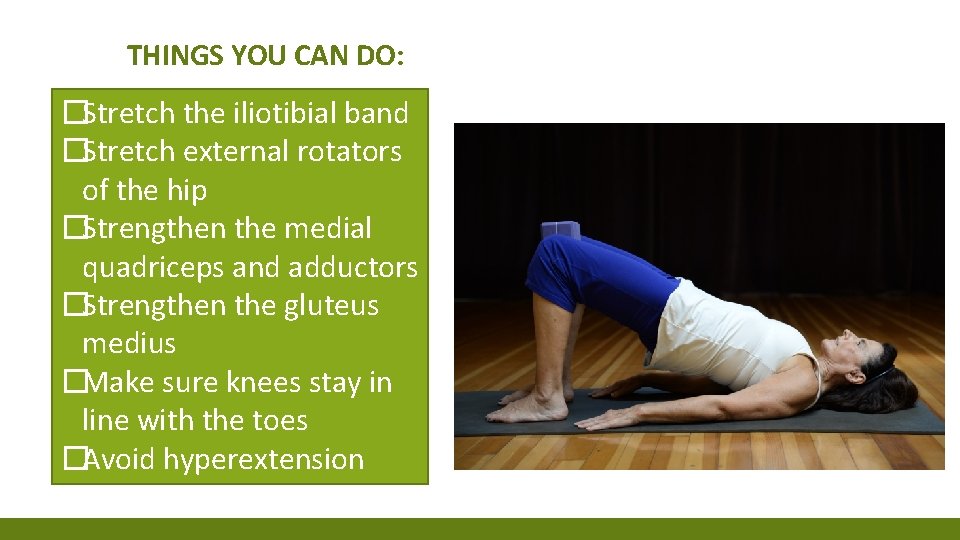
THINGS YOU CAN DO: �Stretch the iliotibial band �Stretch external rotators of the hip �Strengthen the medial quadriceps and adductors �Strengthen the gluteus medius �Make sure knees stay in line with the toes �Avoid hyperextension