Policy Vacuums and Conceptual Muddles Policy Vacuums and



- Slides: 15
Policy Vacuums and Conceptual Muddles
Policy Vacuums and Conceptual Muddles A new technology appears. • A muddle: What sort of thing is it? • A policy vacuum: How should it be used, regulated, sold or whatever?
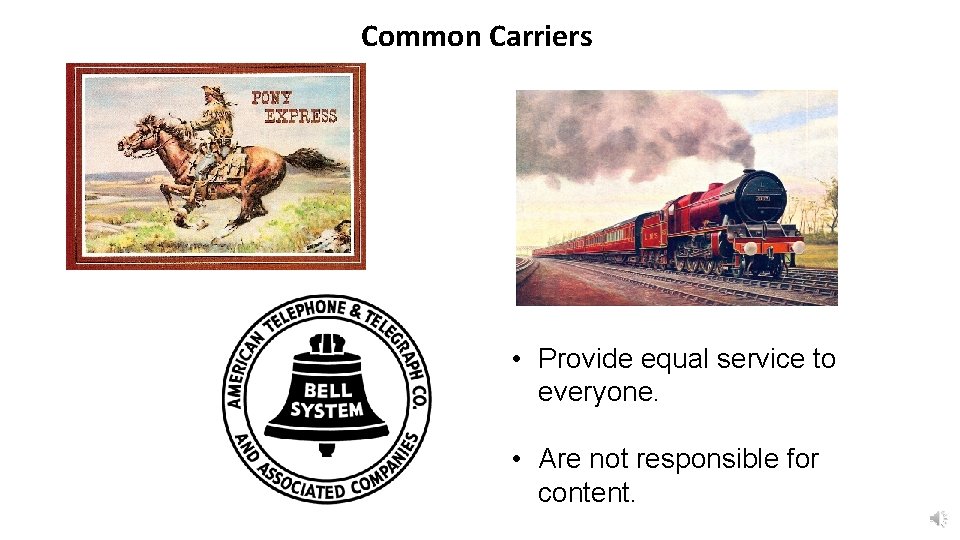
Common Carriers • Provide equal service to everyone. • Are not responsible for content.
Not Common Carriers
Vacuums and Muddles Title I: Information services (e. g. , websites) Title II: Common carriers
Vacuums and Muddles The Internet appears. It is accessible by using a phone. The phone system is a common carrier. But what about broadband? • 1996 Telecommunications act silent, so little/no regulation • 2002 : ISPs are categorized under Title I. • ~2010: FCC tries to push for “net neutrality” • 2014 D. C. Court of Appeals threw out the new rules. • 2015: ISPs are categorized under Title II. • 2016: D. C. Court of Appeals upheld net neutrality rules. • 2017: Back to Title I.
A Muddle and a Vacuum • Computer programs become economically significant assets. • Policy vacuum: How should this intellectual property be protected? • Conceptual muddle: What is a program? • Is it text? • Is it an invention? • Is it mathematics?
More Muddles and Vacuums? Pause here and see if you can think of a couple more examples. Think about new technologies and how they can be used. Go on to the next slides for some that we have thought of.
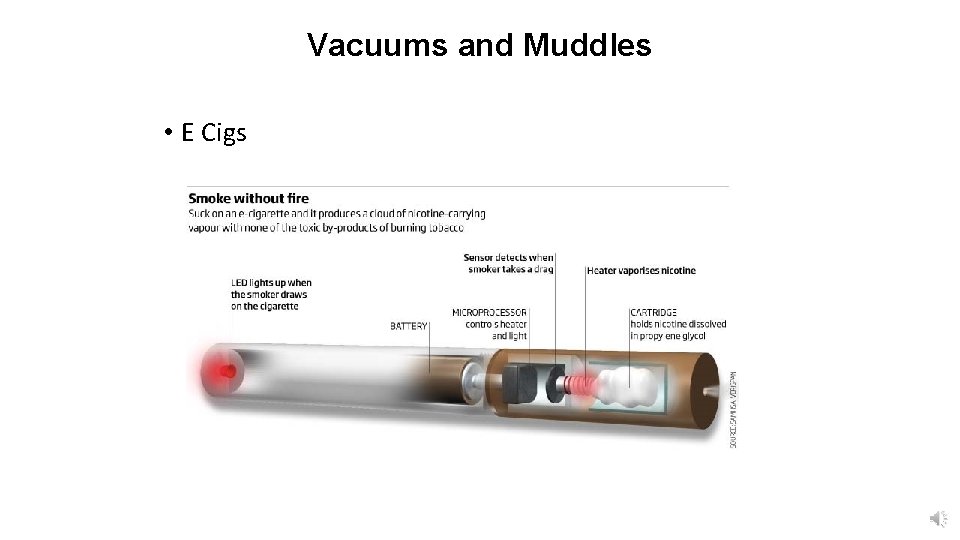
Vacuums and Muddles • E Cigs
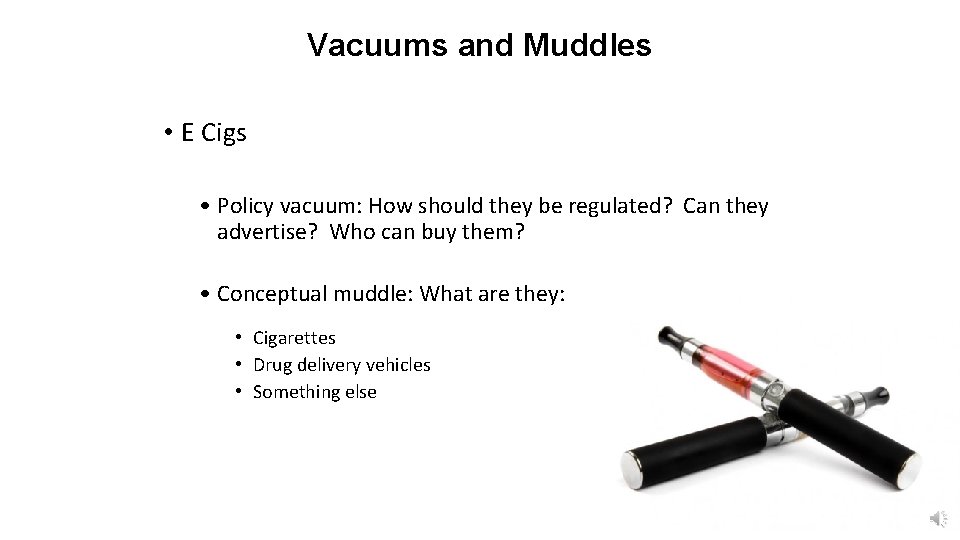
Vacuums and Muddles • E Cigs • Policy vacuum: How should they be regulated? Can they advertise? Who can buy them? • Conceptual muddle: What are they: • Cigarettes • Drug delivery vehicles • Something else
Vacuums and Muddles
Vacuums and Muddles • The police confiscate your laptop, hoping to find incriminating evidence. But you’ve encrypted it. • Policy vacuum: Can the police force you to decrypt it? • Conceptual muddle: • Is giving up the password “testimony”? If so, the 5 th Amendment protects you from being forced to “incriminate yourself”. • Or is giving it up an act (like being fingerprinted) If so, you can be forced to do it.
Your Encrypted Hard Drive January 23, 2012: a Colorado U. S. District Judge, in a case against a woman accused of bank fraud, that the woman must decrypt her laptop. That decision was upheld by the 10 th US Circuit Court of Appeals on February 22, 2012. February 23, 2012: the 11 th US Circuit Court of Appeals, in a case against a man accused of child pornography, ruled that forcing the man to decrypt his computer would be a breach of the Fifth Amendment.
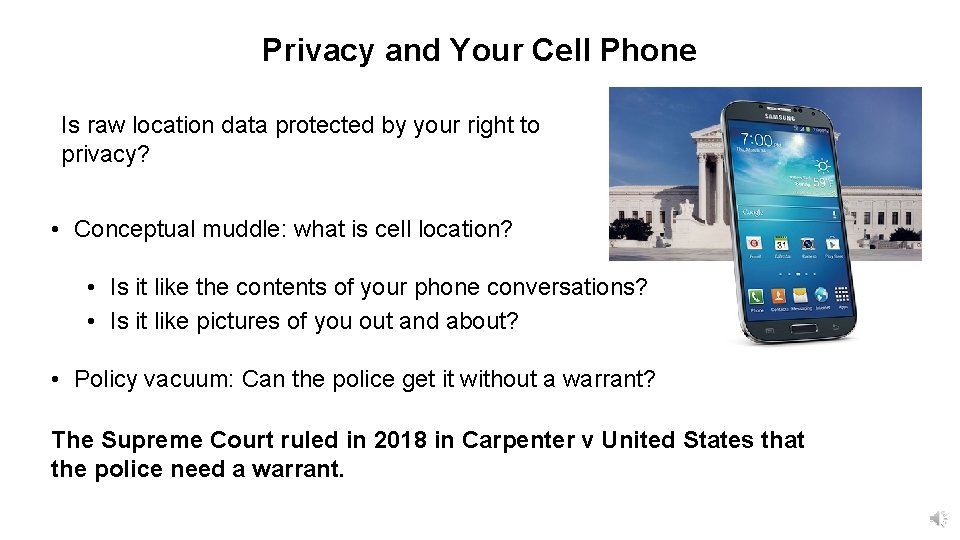
Privacy and Your Cell Phone Is raw location data protected by your right to privacy? • Conceptual muddle: what is cell location? • Is it like the contents of your phone conversations? • Is it like pictures of you out and about? • Policy vacuum: Can the police get it without a warrant? The Supreme Court ruled in 2018 in Carpenter v United States that the police need a warrant.
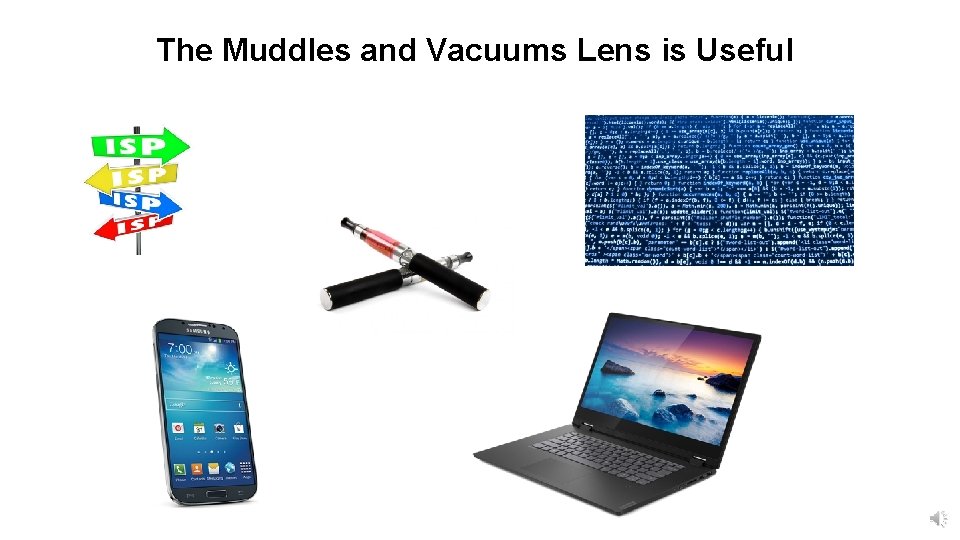
The Muddles and Vacuums Lens is Useful