Culture The sum total of knowledge attitudes and
- Slides: 16
Culture • `The sum total of knowledge, attitudes and habitual behaviour patterns shared and transmitted by the members of a particular society‘ Ralph Linton (1940). • The pattern of life within a community, the regularly recurring activities and material and social arrangements characteristic of a particular group'. Ward Goodenough (1957):
Cultureof beliefs, expressive • “Culture is the framework symbols, and values in terms of which individuals define their feelings and make their judgements” (Geertz 1957 American Anthropologist 59: 32 -54). • Geertz 1973: `an historically transmitted pattern of meaning embodied in symbols, a system of inherited conceptions expressed in symbolic form by means which men communicate' (1973: 89).
Culture is a way of life • Material Objects • Ideas, Attitudes Values • Behaviour • Everything that people think and do in society is Culture – which is relative • Food, Music Arts, Language, Religion
Dimensions of Culture Values Norms Ideas/Beliefs Attitudes Symbols Traditions Artifacts Language
Characteristics of Culture • • Culture is learned Culture is unconscious Culture is shared Culture is integrated Culture is Symbolic Culture is a way of life Culture is Dynamic Culture is Relative
Culture is learned • Enculturation – learning of appropriate behaviour of one’s own culture e. g how to respect elders, how to conduct yourself in temples/place of worship or in the classroom etc. • Acculturation – learning of appropriate behaviour of the host culture or another culture.
Culture is unconscious • Think of examples
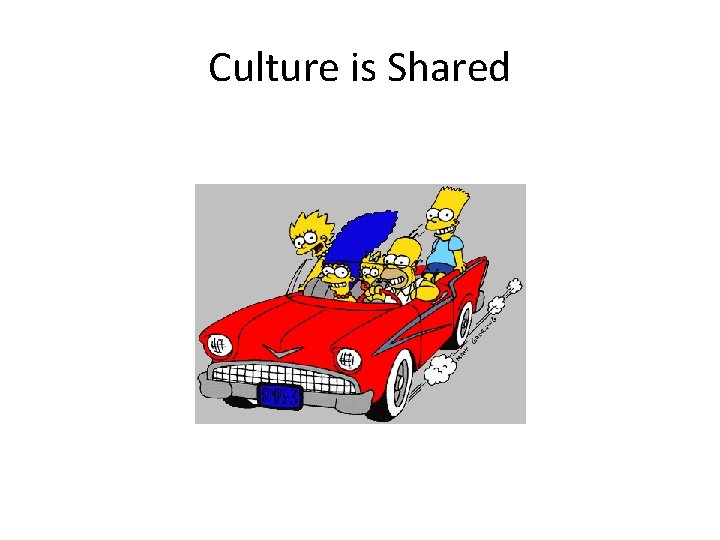
Culture is Shared
Culture is Relative • A certain practice in different parts of the country or world – think of examples
Culture is Integrated • • • Kinship Religion Economics Medicine Law and Politics
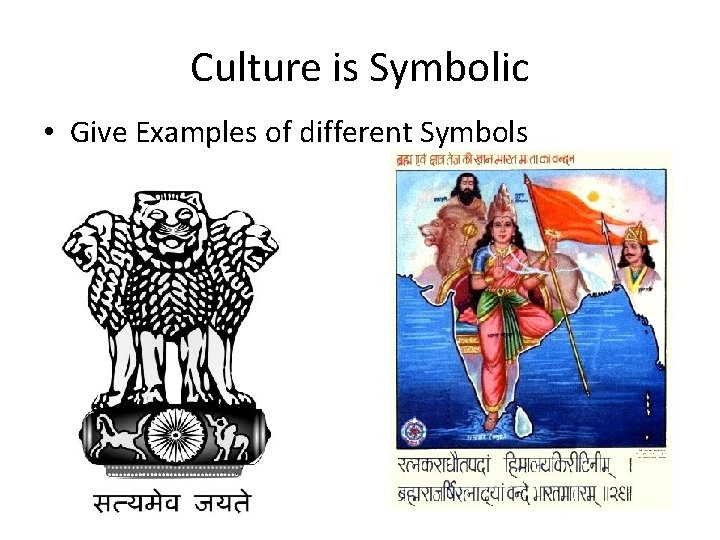
Culture is Symbolic • Give Examples of different Symbols
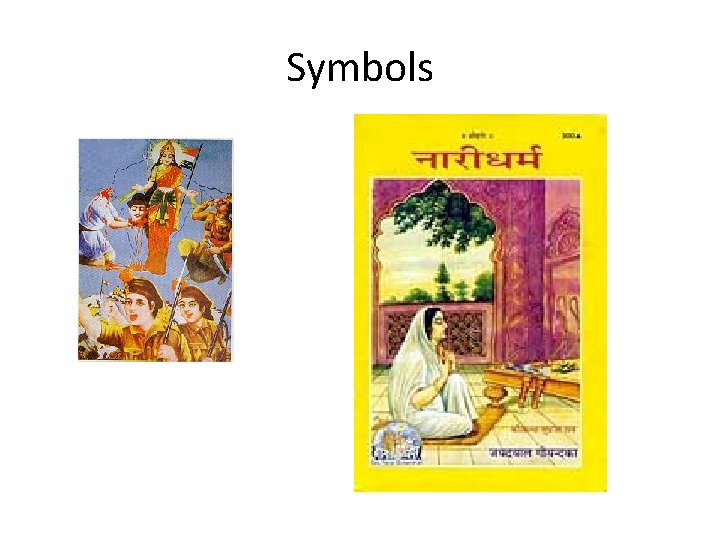
Symbols
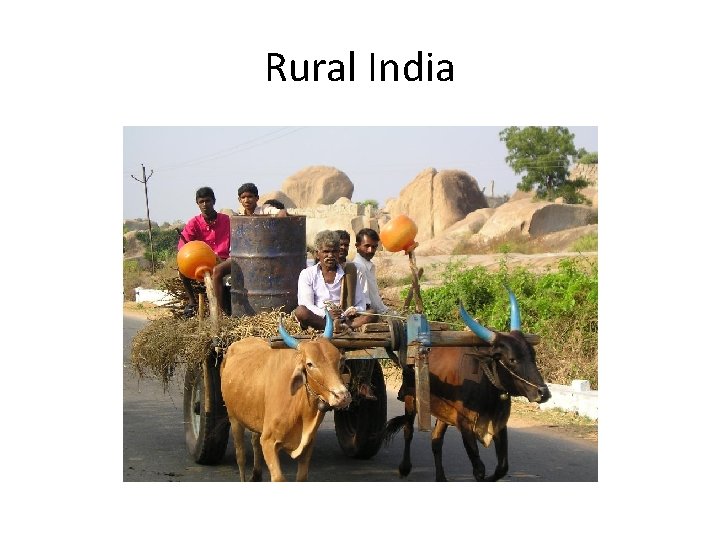
Rural India
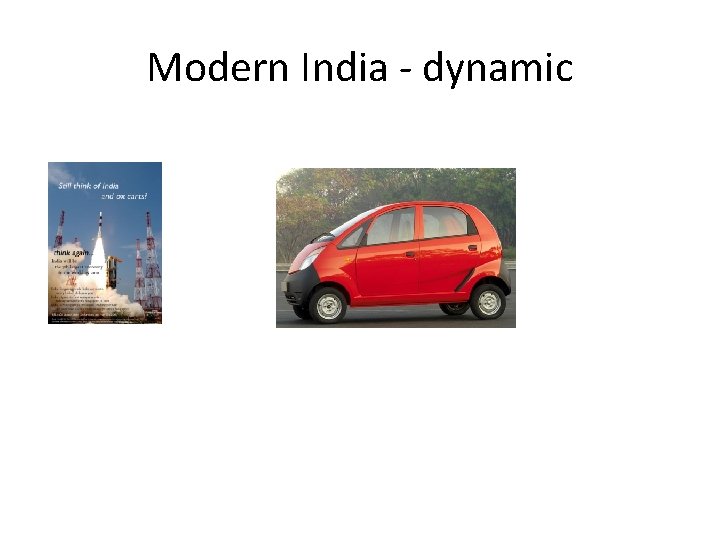
Modern India - dynamic
Multicultural • • • Co-existence of different cultures Different languages and dialects Clothes, style of dressing Behaviour Norms and traditions
Why do Humans have Culture? • To communicate - makes the actions of individuals Intelligible to others • A tool Gives meaning to differences • Identity Adaptive • What is its function?