Characteristics The word plankton comes from the greek


- Slides: 40
Characteristics:
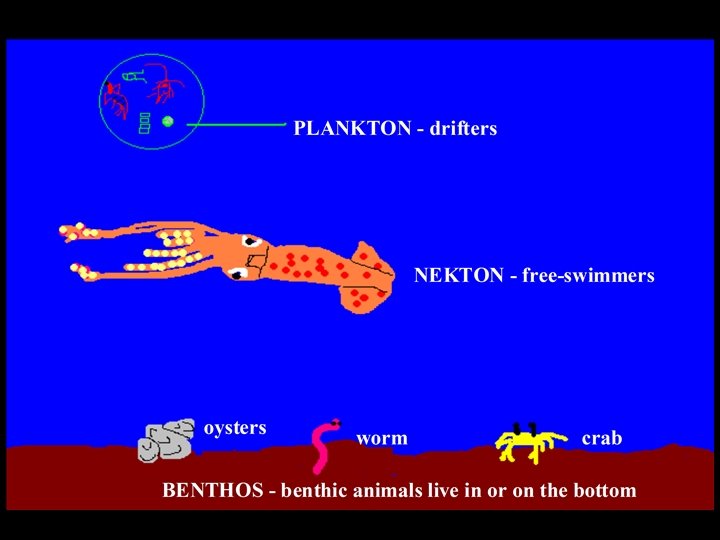
The word plankton comes from the greek word planktos which means “wanderer. ”
Plankton are
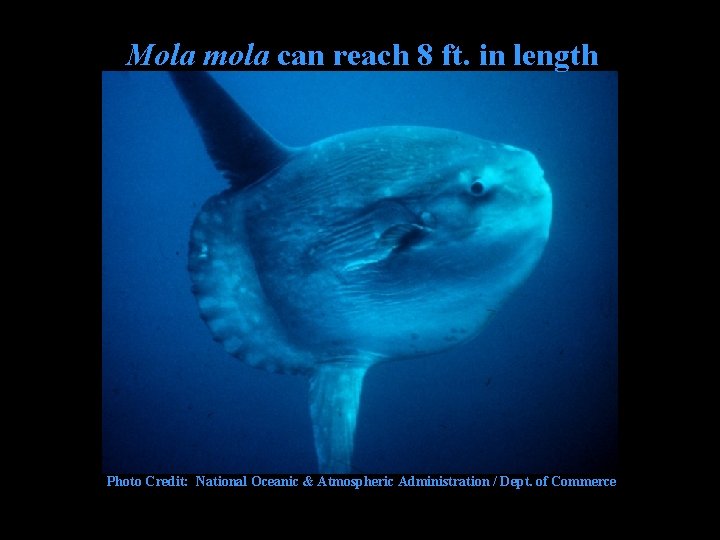
• Mola – the largest plankton in the ocean! • Why is it called a plankton when it looks so much like a fish?
Mola mola can reach 8 ft. in length Photo Credit: National Oceanic & Atmospheric Administration / Dept. of Commerce
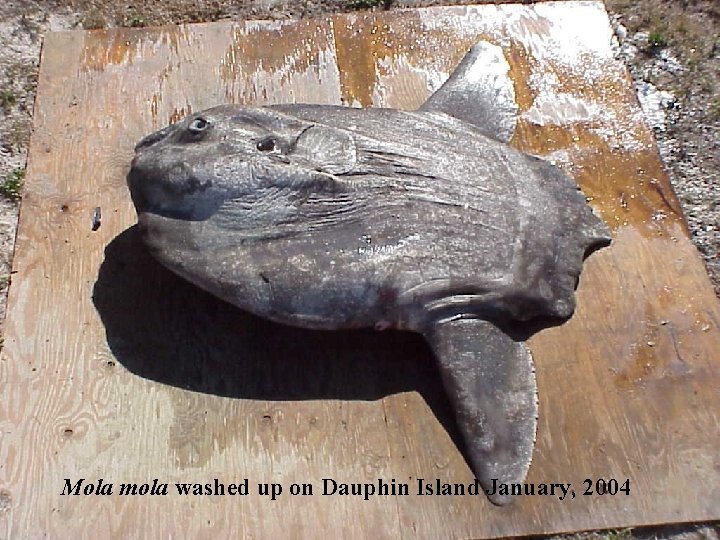
Mola mola washed up on Dauphin Island January, 2004
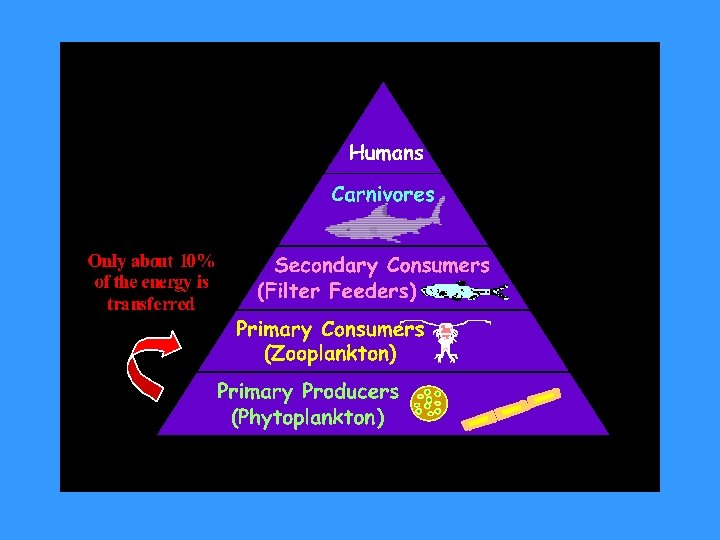
Groupings of Plankton 1) Phytoplankton - primary producers 2) Zooplankton - consumers
Groupings of Plankton 3) Holoplankton - zooplankton that spend their whole lives as plankton 4) Meroplankton - zooplankton that spend only part of their lives as plankton
Common Phytoplankton Where Are The Phytoplankton? http: //neptune. gsfc. nasa. gov/STAFF/brianc/what_are_phyto. htm l
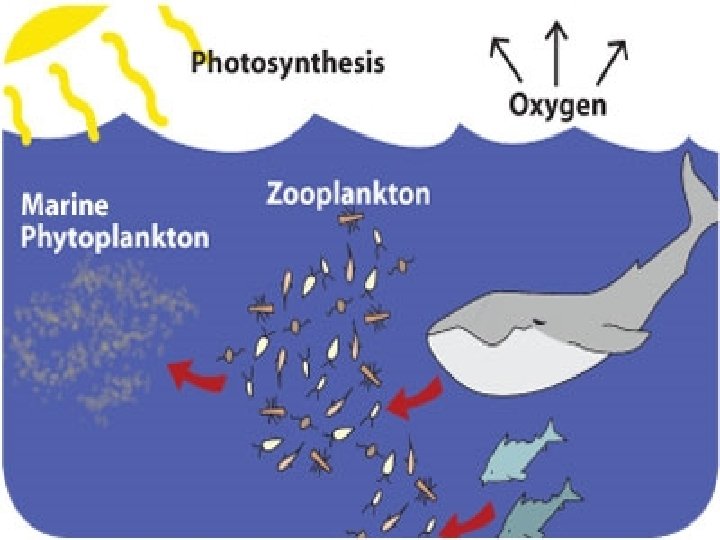
Phytoplankton are tiny, photosynthetic organisms. This means they can manufacture their own food using energy from sunlight, producing oxygen as a by-product.
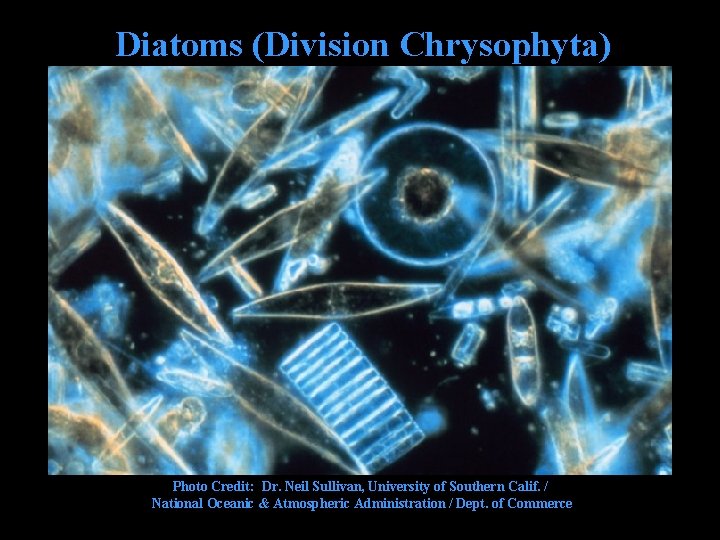
Diatoms (Division Chrysophyta) Photo Credit: Dr. Neil Sullivan, University of Southern Calif. / National Oceanic & Atmospheric Administration / Dept. of Commerce
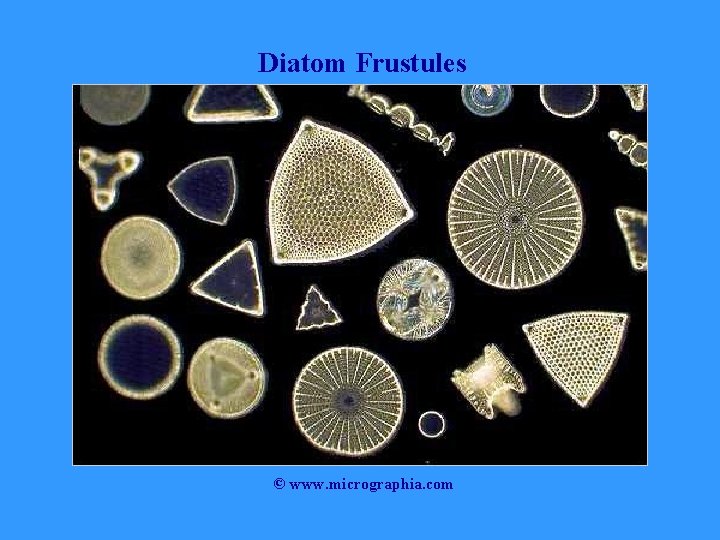
Diatom Frustules © www. micrographia. com
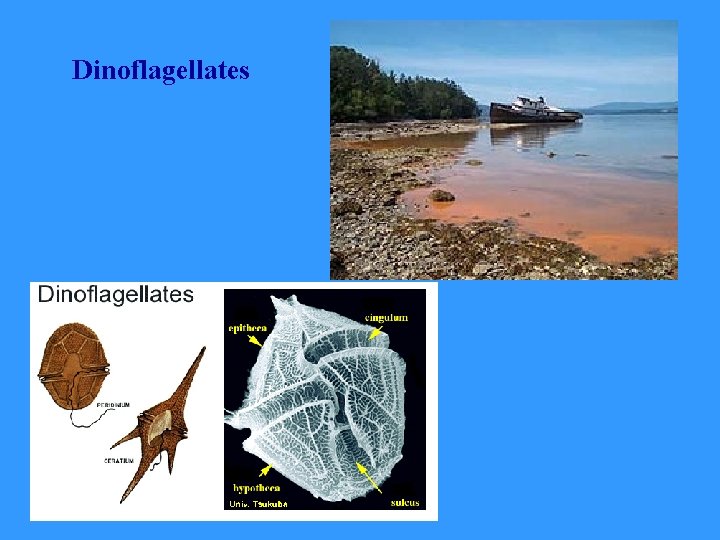
Dinoflagellates
Common Zooplankton
Zooplankton are floating or weakly swimming animals that rely on water currents to move any great distance.
THIS IS NOT REAL!!! BUT HE DOES LOOK LIKE A COPOPOD
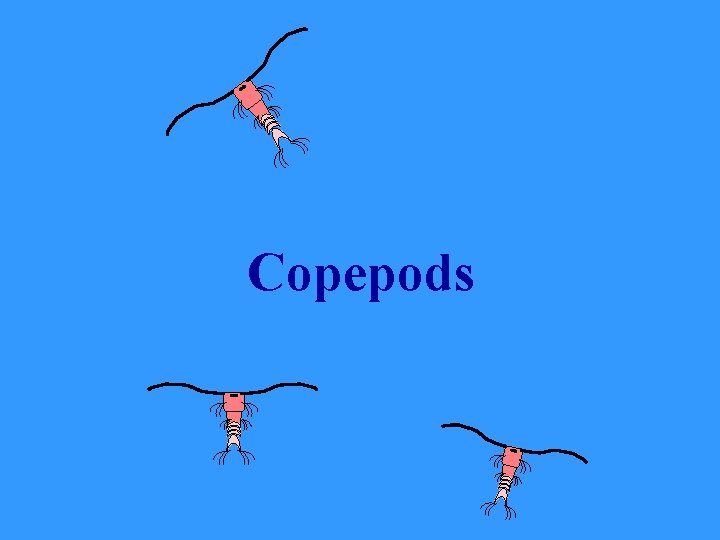
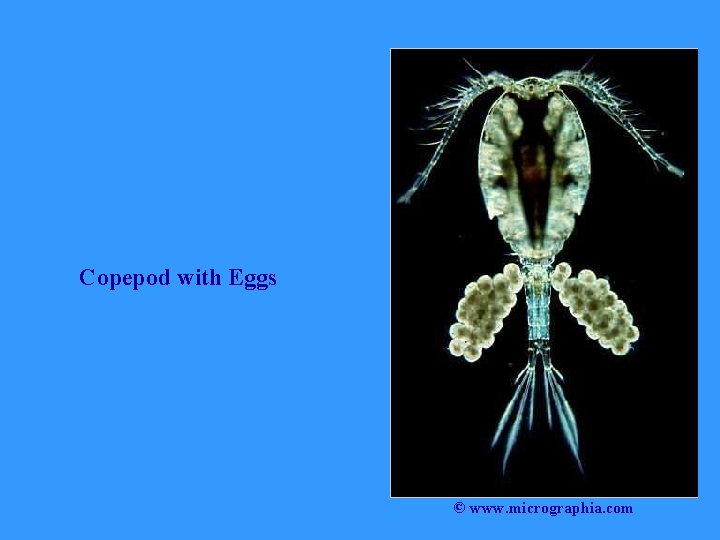
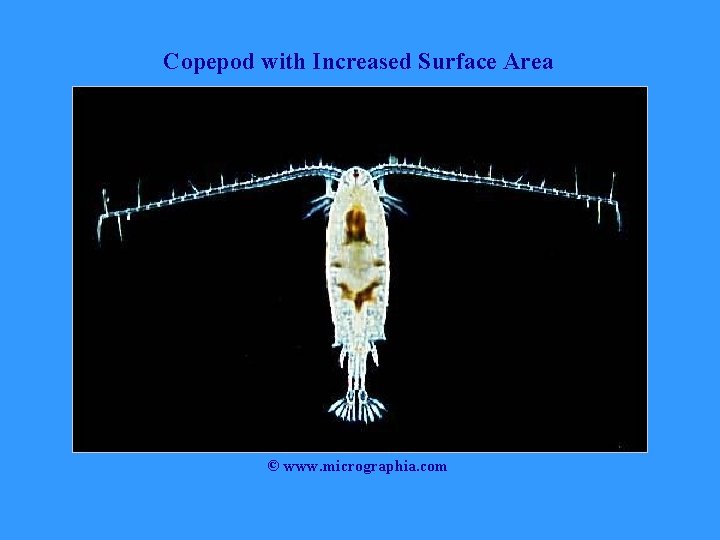
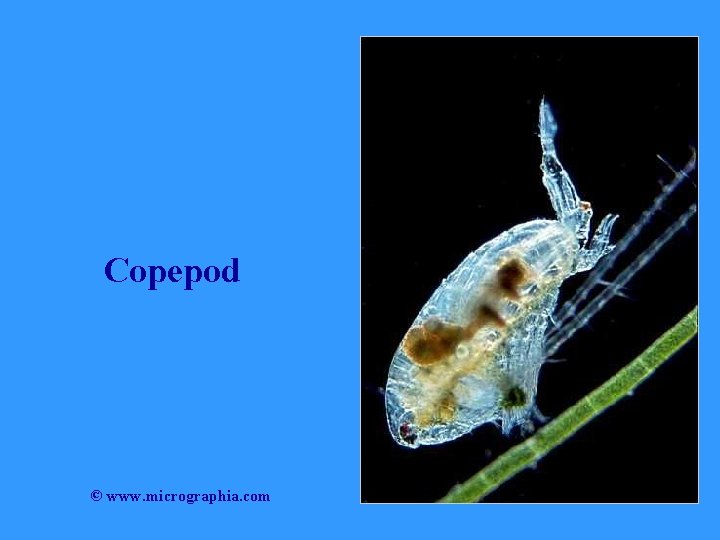
Copepods
Copepod with Eggs © www. micrographia. com
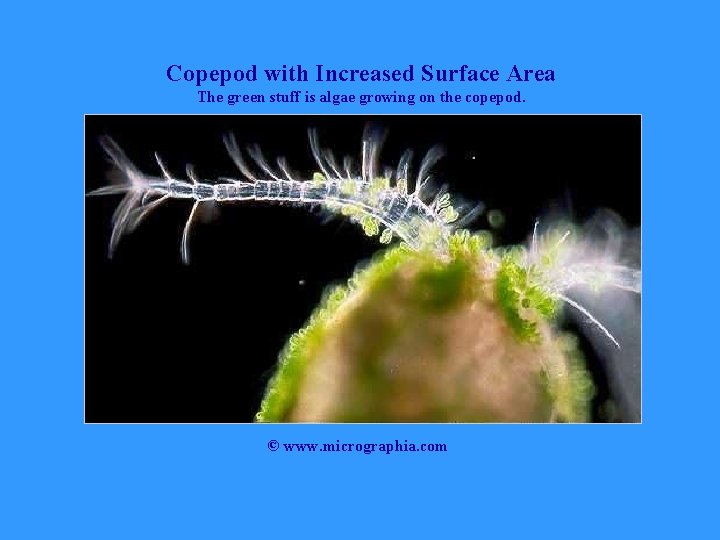
Copepod with Increased Surface Area © www. micrographia. com
Copepod with Increased Surface Area The green stuff is algae growing on the copepod. © www. micrographia. com
Copepod © www. micrographia. com
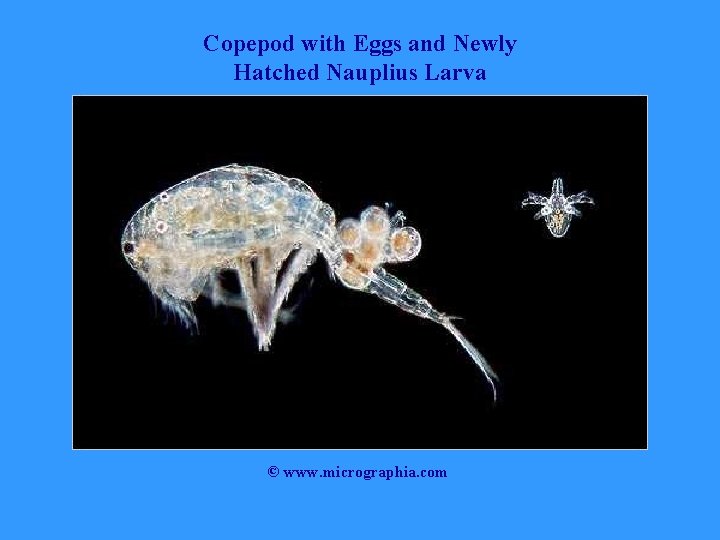
Copepod with Eggs and Newly Hatched Nauplius Larva © www. micrographia. com
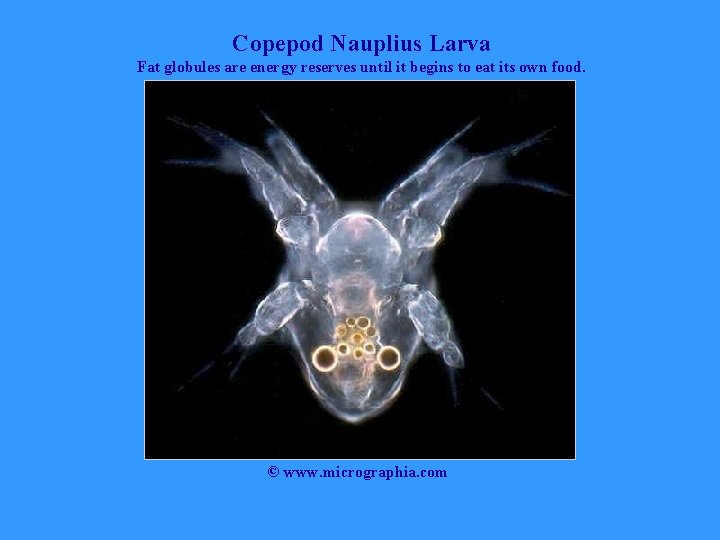
Copepod Nauplius Larva Fat globules are energy reserves until it begins to eat its own food. © www. micrographia. com
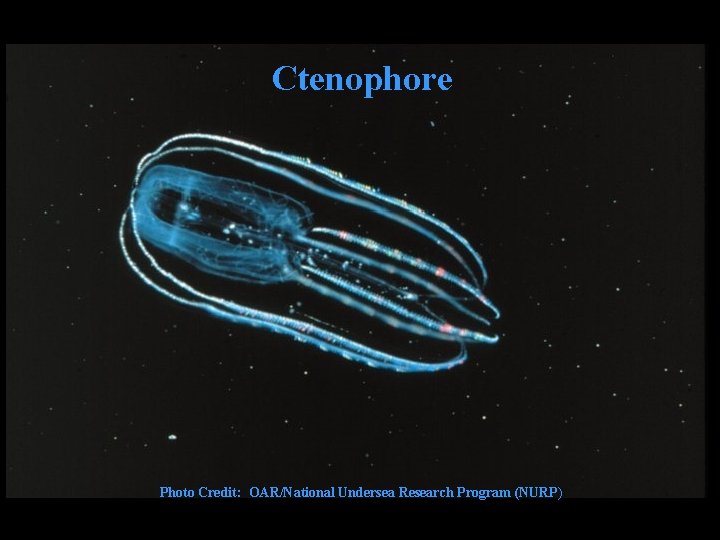
Ctenophore Photo Credit: OAR/National Undersea Research Program (NURP)
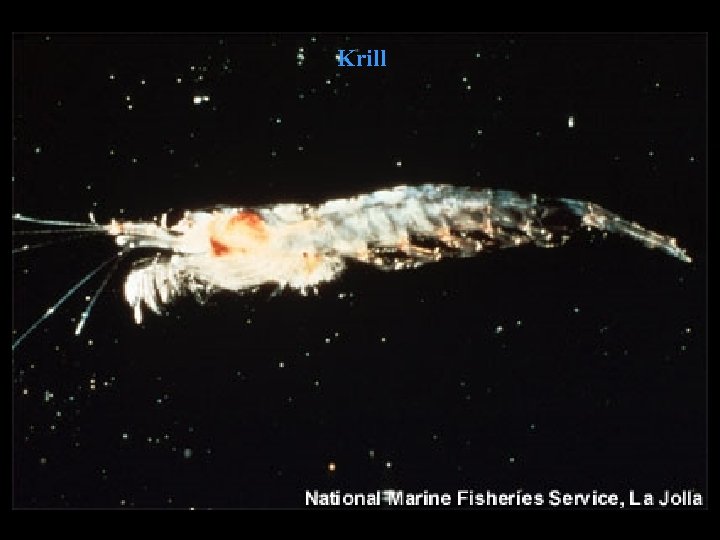
Krill
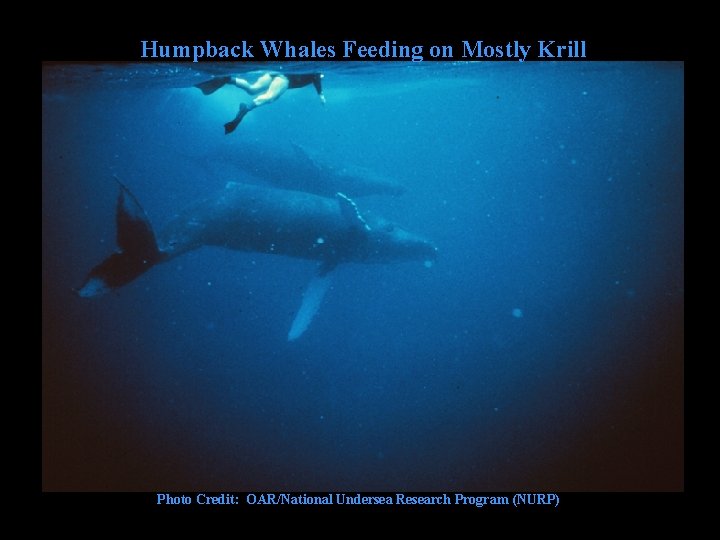
Humpback Whales Feeding on Mostly Krill Photo Credit: OAR/National Undersea Research Program (NURP)
Some Holoplankton…. . In case you didn’t know
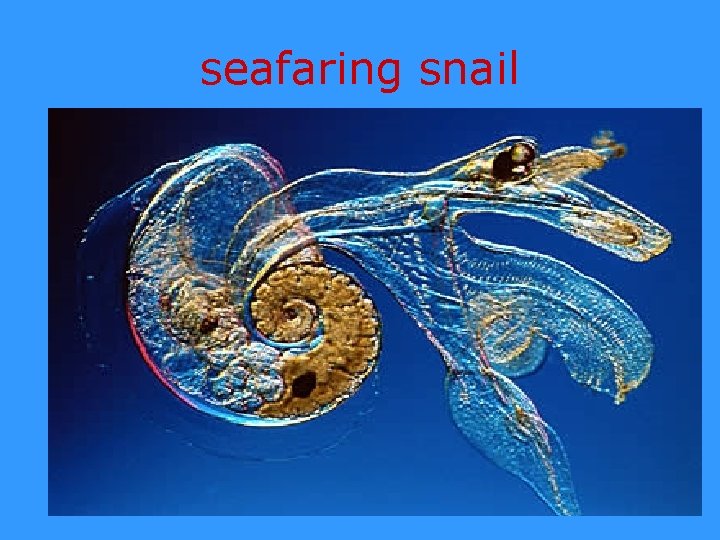
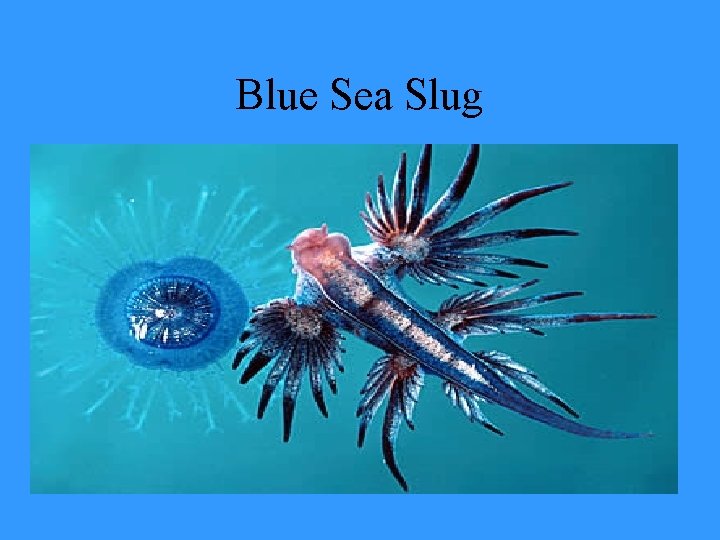
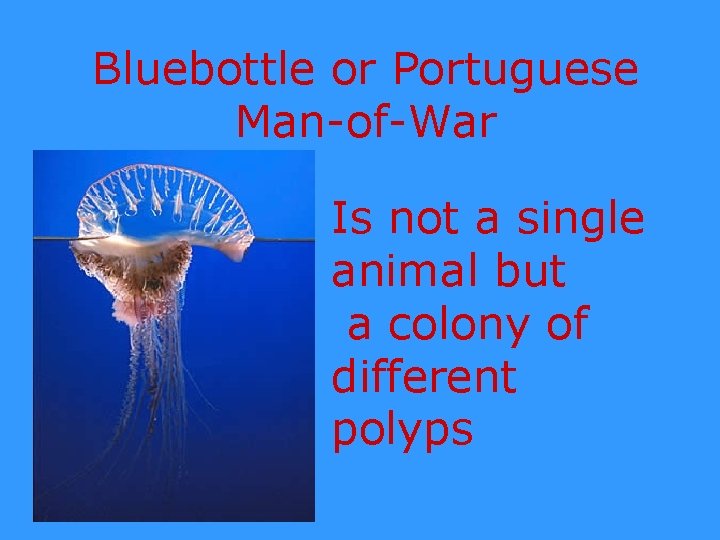
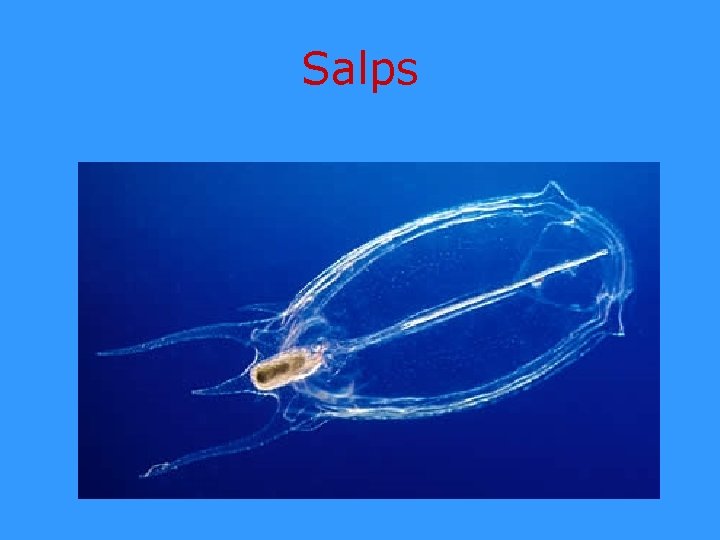
Holoplankton spend their entire lives as part of the plankton
seafaring snail
Blue Sea Slug
Bluebottle or Portuguese Man-of-War Is not a single animal but a colony of different polyps
Salps
Some Meroplankton…. . Just to name a few
Meroplankton spend only the larval or early stages of their life as part of the plankton and spend their adult lives on the reef.
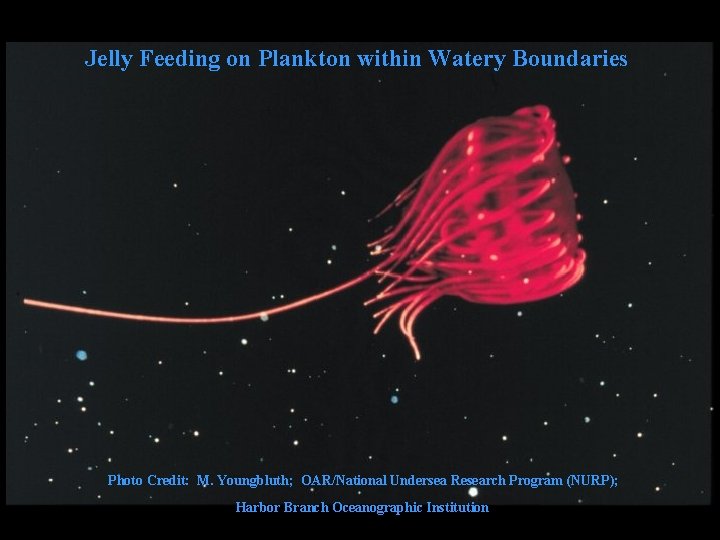
Jelly Feeding on Plankton within Watery Boundaries Photo Credit: M. Youngbluth; OAR/National Undersea Research Program (NURP); Harbor Branch Oceanographic Institution
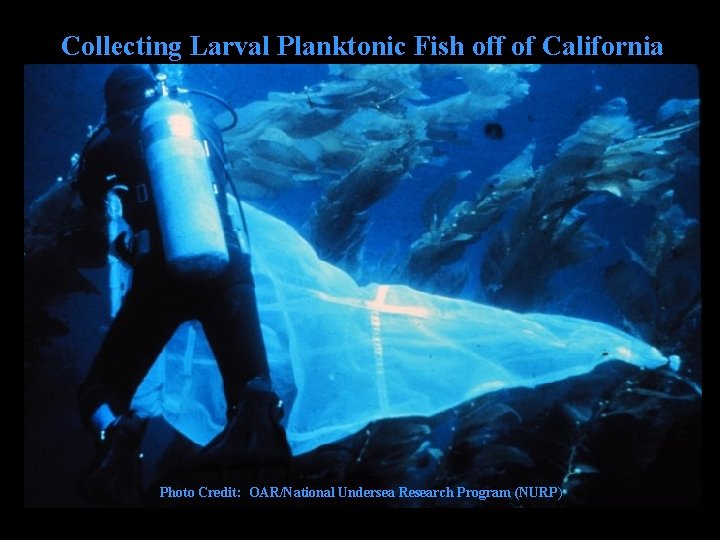
Collecting Larval Planktonic Fish off of California Photo Credit: OAR/National Undersea Research Program (NURP)