Card from a Fortran program Z1 Y W1
- Slides: 31
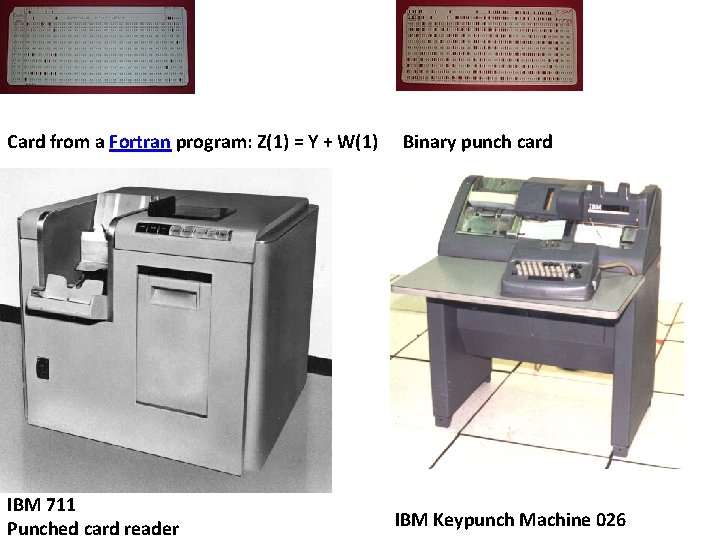
Card from a Fortran program: Z(1) = Y + W(1) IBM 711 Punched card reader Binary punch card IBM Keypunch Machine 026
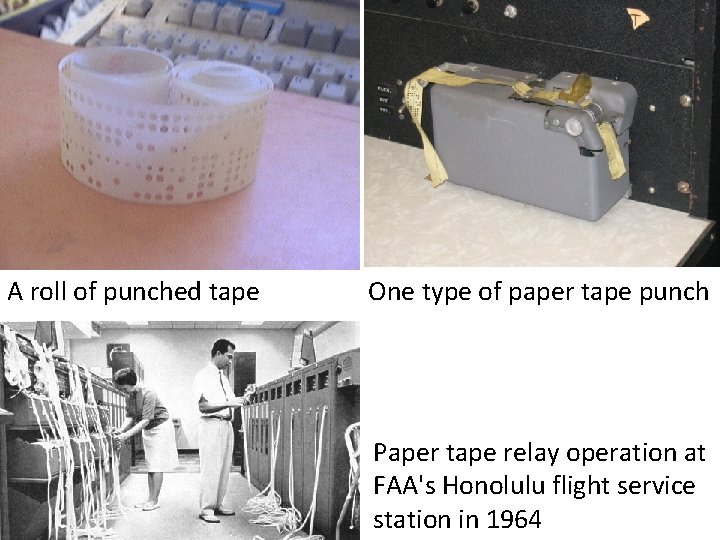
A roll of punched tape One type of paper tape punch Paper tape relay operation at FAA's Honolulu flight service station in 1964
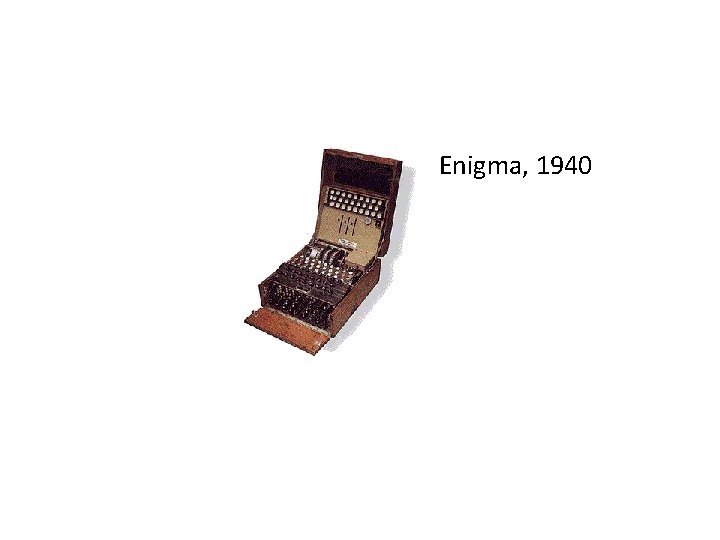
Enigma, 1940
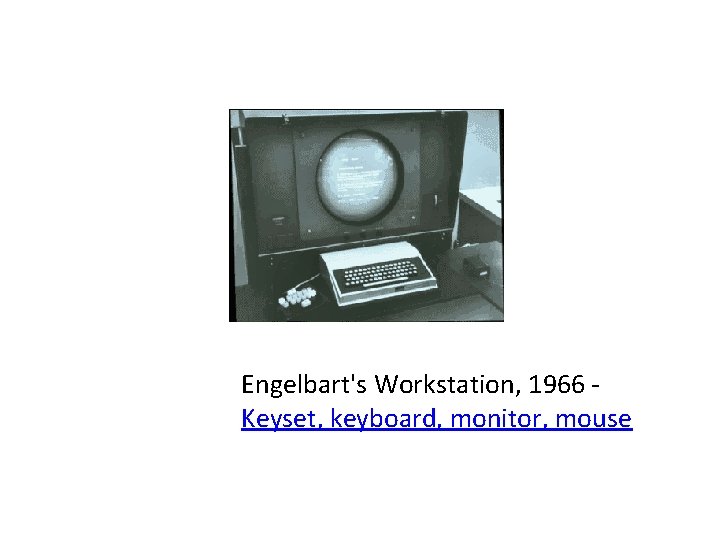
Engelbart's Workstation, 1966 Keyset, keyboard, monitor, mouse
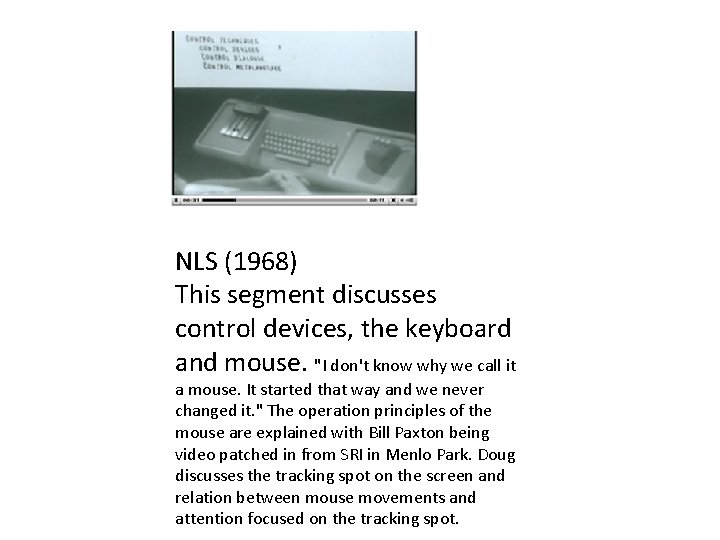
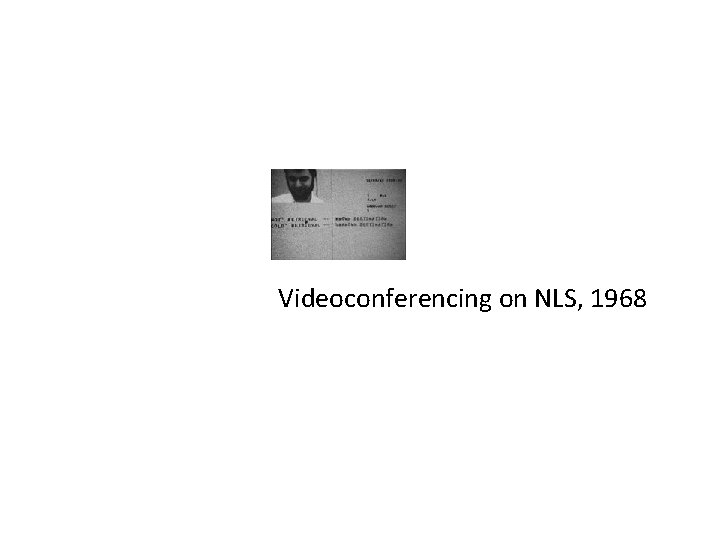
NLS (1968) This segment discusses control devices, the keyboard and mouse. "I don't know why we call it a mouse. It started that way and we never changed it. " The operation principles of the mouse are explained with Bill Paxton being video patched in from SRI in Menlo Park. Doug discusses the tracking spot on the screen and relation between mouse movements and attention focused on the tracking spot.
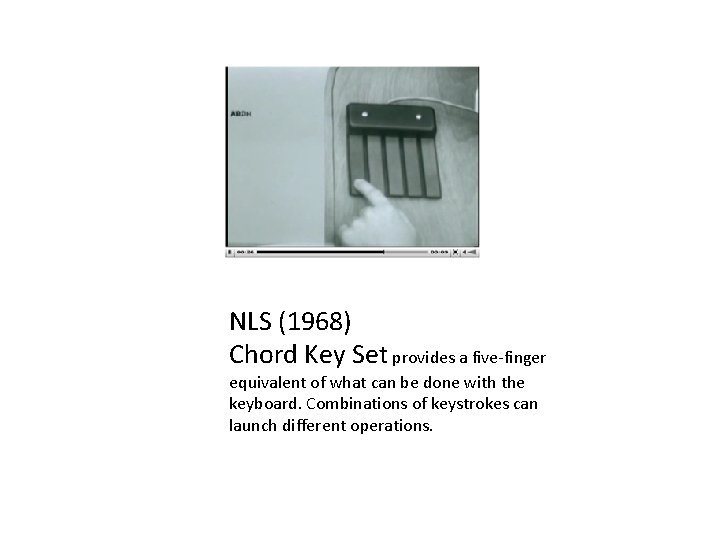
NLS (1968) Chord Key Set provides a five-finger equivalent of what can be done with the keyboard. Combinations of keystrokes can launch different operations.
Videoconferencing on NLS, 1968
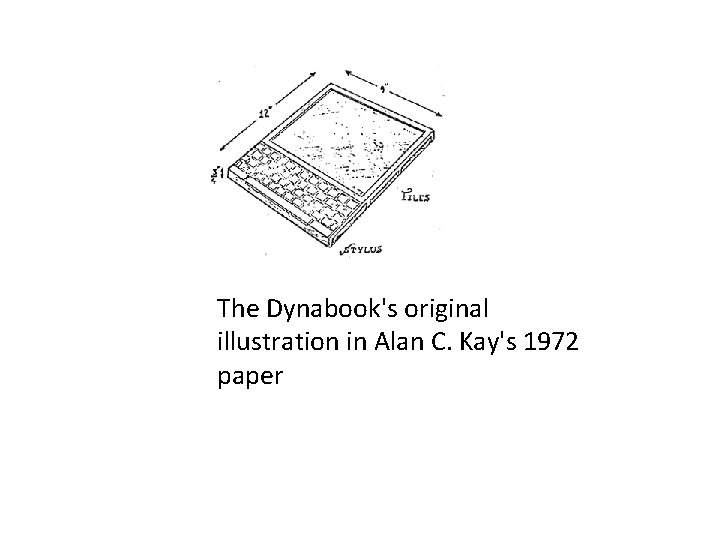
The Dynabook's original illustration in Alan C. Kay's 1972 paper
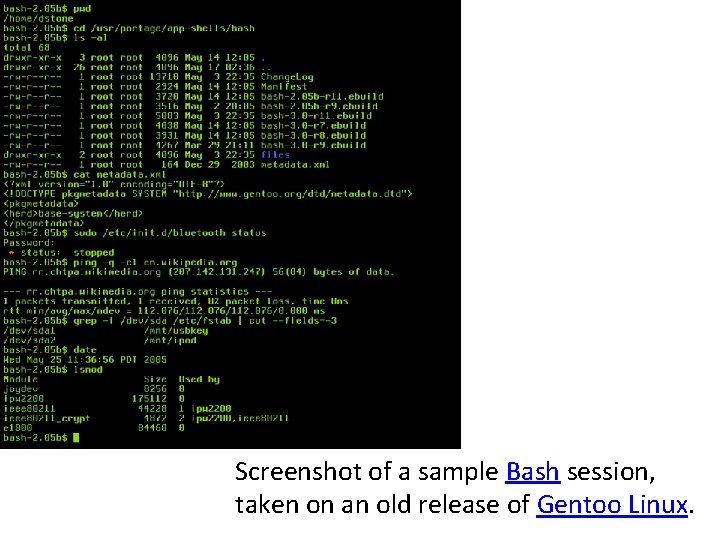
Screenshot of a sample Bash session, taken on an old release of Gentoo Linux.
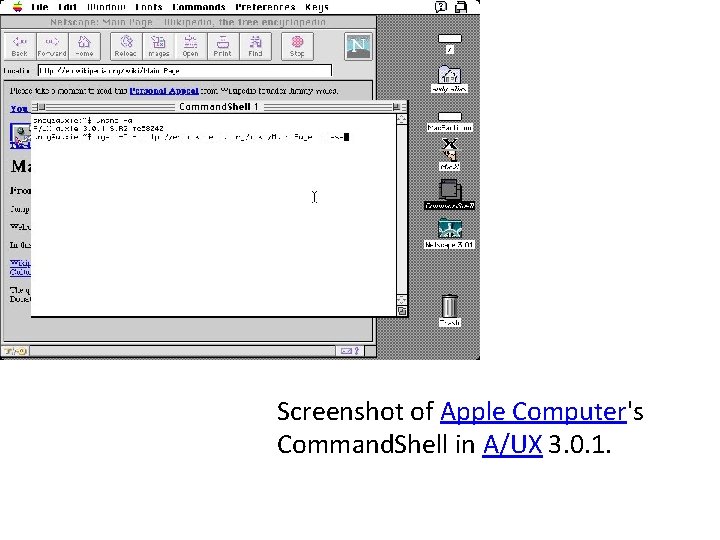
Screenshot of Apple Computer's Command. Shell in A/UX 3. 0. 1.
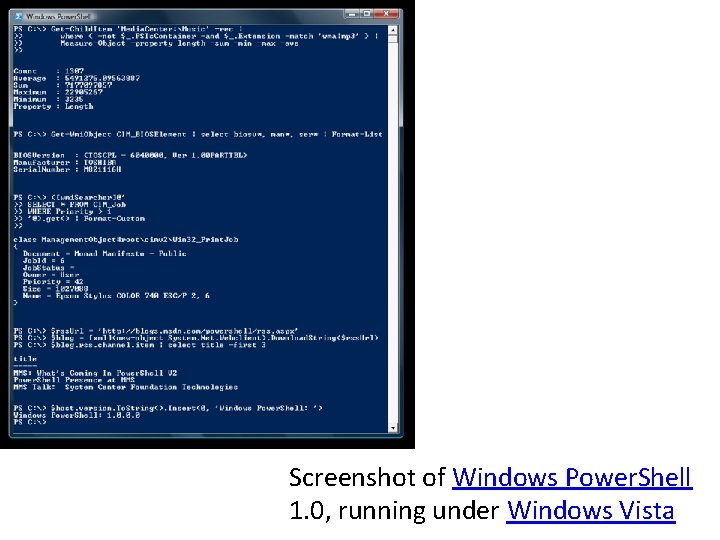
Screenshot of Windows Power. Shell 1. 0, running under Windows Vista
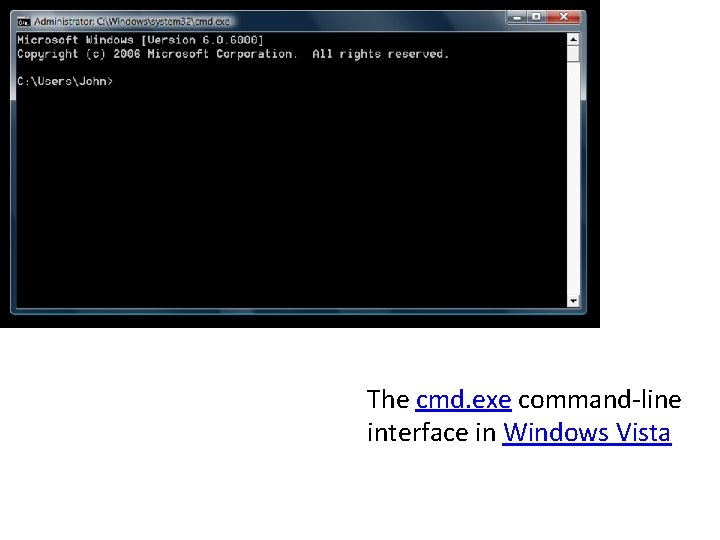
The cmd. exe command-line interface in Windows Vista
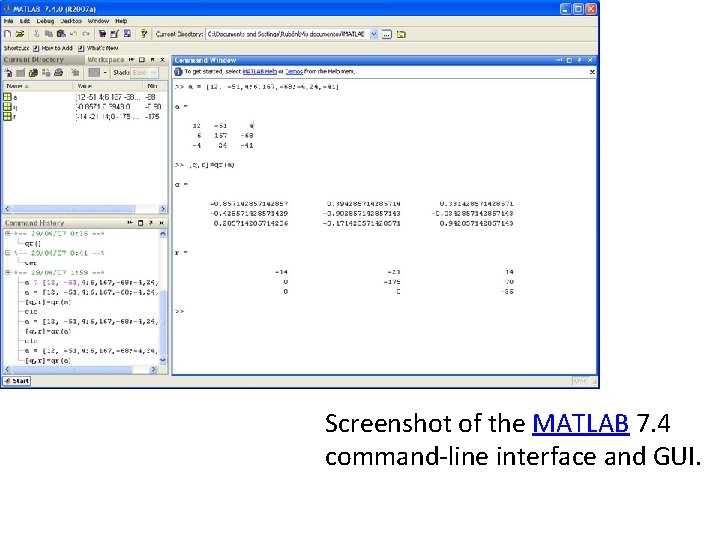
Screenshot of the MATLAB 7. 4 command-line interface and GUI.
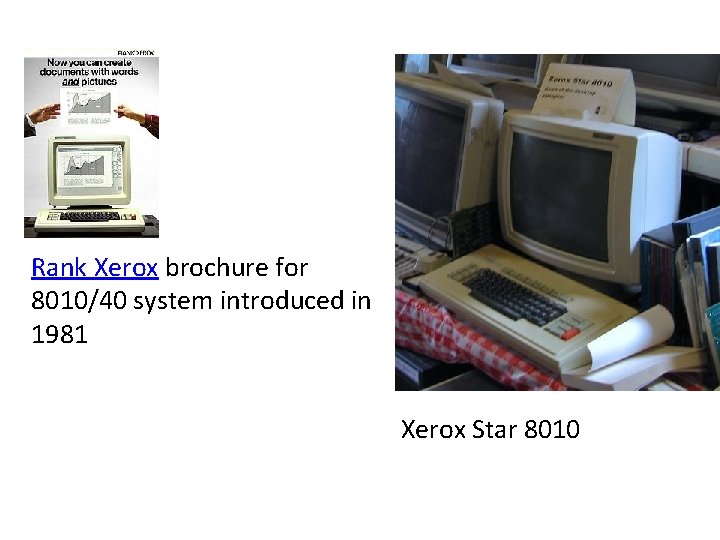
Rank Xerox brochure for 8010/40 system introduced in 1981 Xerox Star 8010
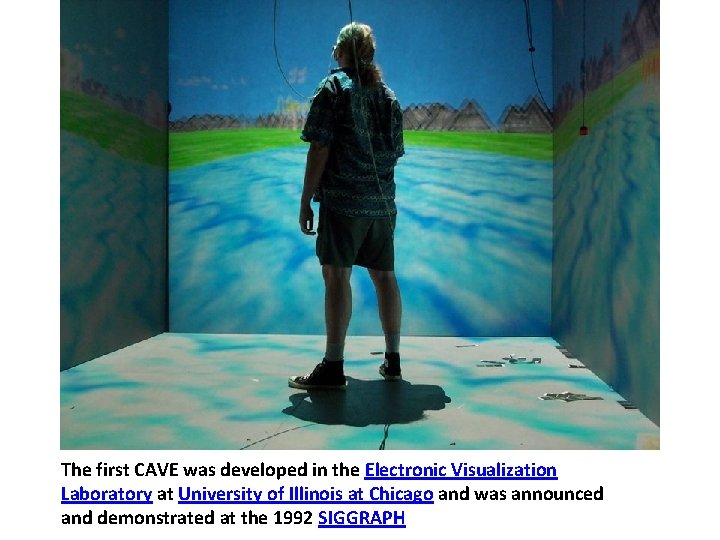
The first CAVE was developed in the Electronic Visualization Laboratory at University of Illinois at Chicago and was announced and demonstrated at the 1992 SIGGRAPH
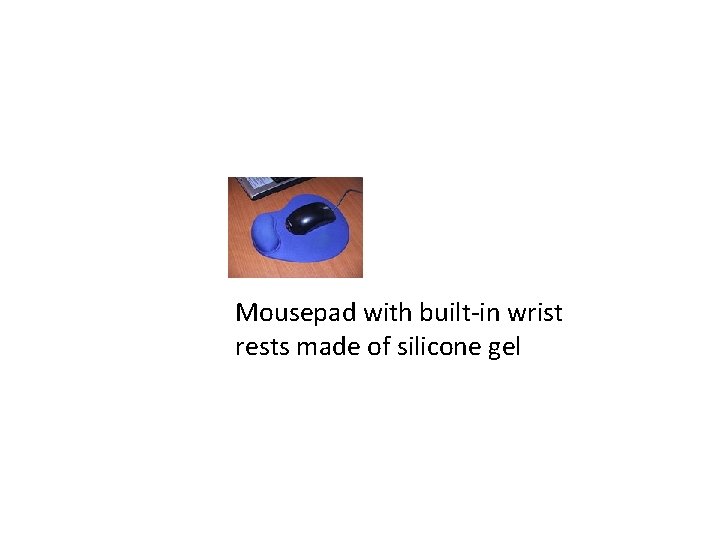
Mousepad with built-in wrist rests made of silicone gel
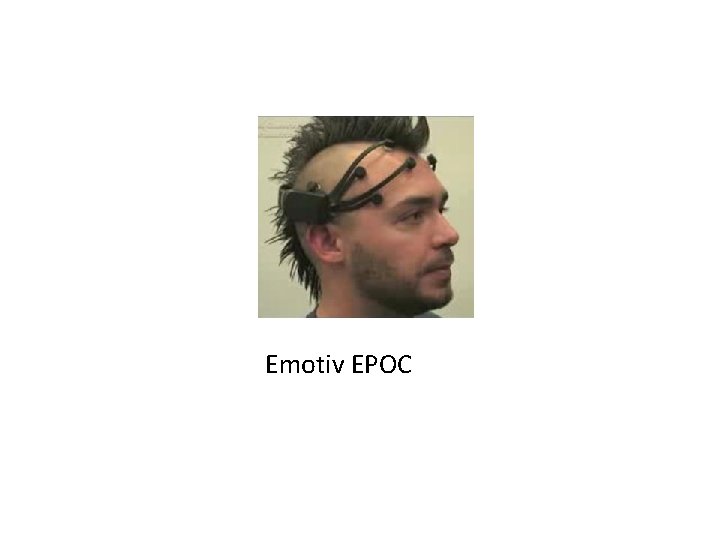
Emotiv EPOC
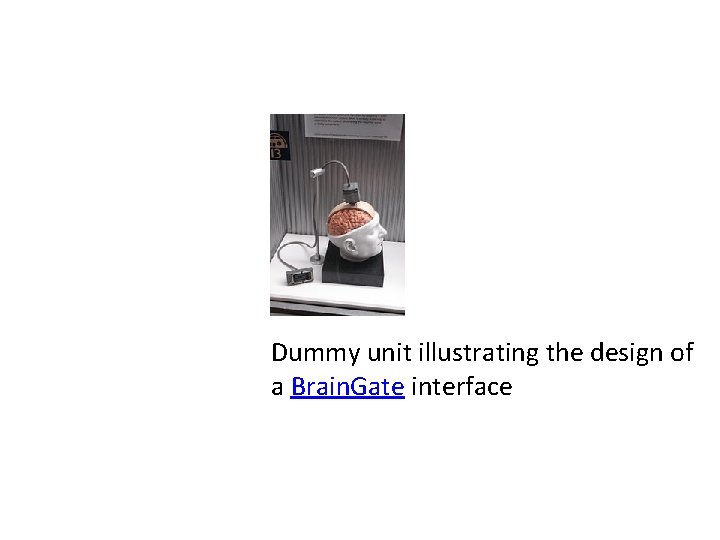
Dummy unit illustrating the design of a Brain. Gate interface
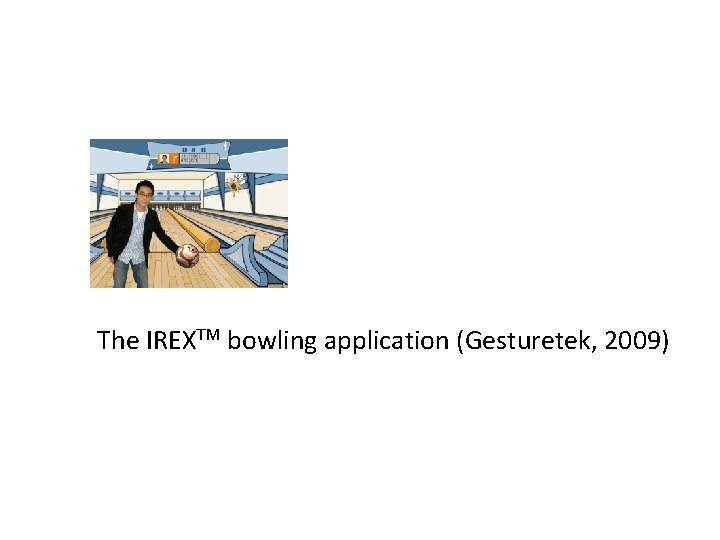
The IREXTM bowling application (Gesturetek, 2009)
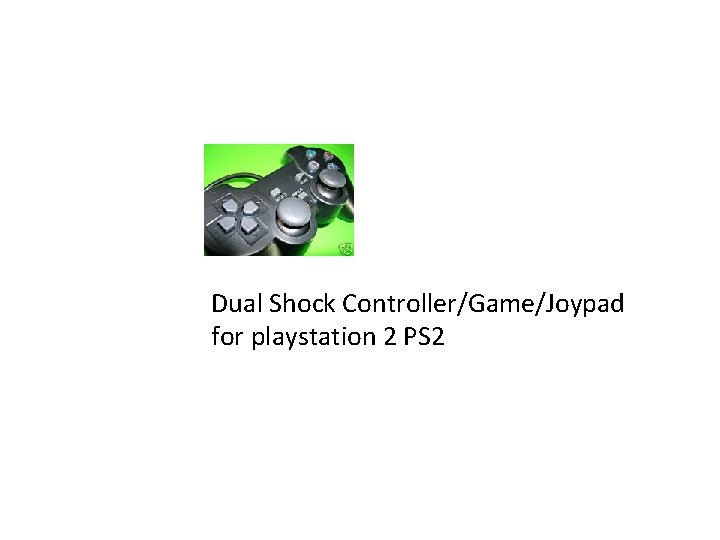
Dual Shock Controller/Game/Joypad for playstation 2 PS 2
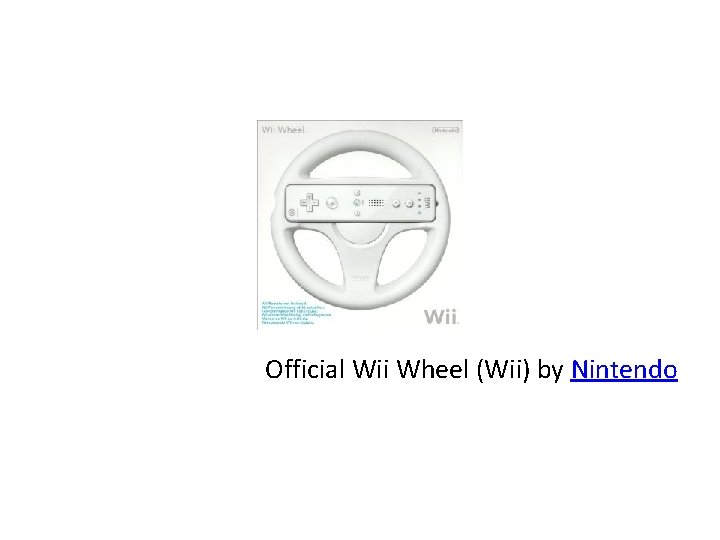
Official Wii Wheel (Wii) by Nintendo
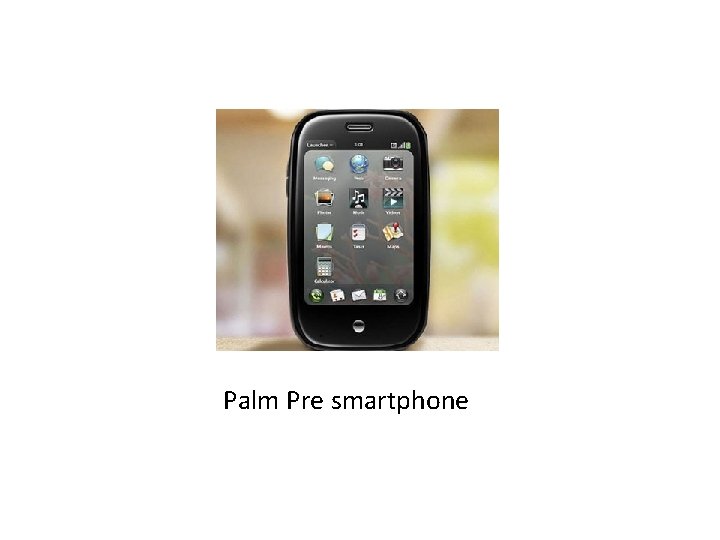
Palm Pre smartphone
Star World (Maggie Parker)
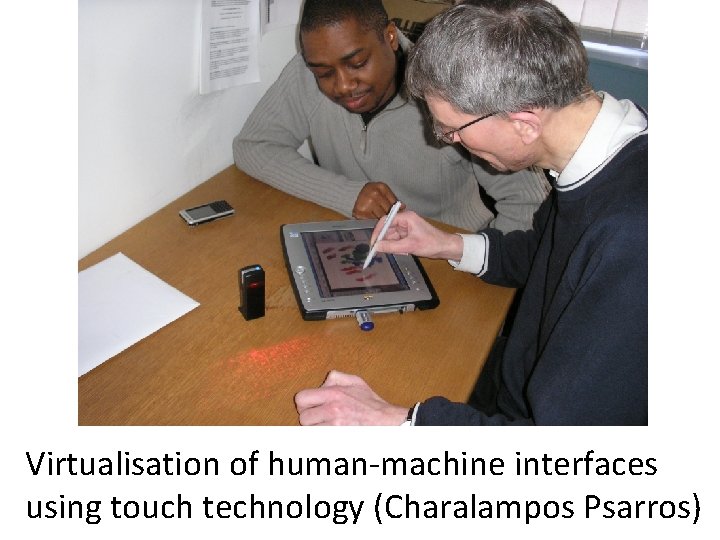
Virtualisation of human-machine interfaces using touch technology (Charalampos Psarros)