
Zoom etiquette Mute yourself please it stops you

- Slides: 25
Zoom etiquette • Mute yourself please – it stops you getting lots of feedback. • The session should last around 45 minutes. • Use the chat function to ask questions and I will pick them up at the end. • You will need paper and a pen. • Make sure your phone is to hand so you can take photos of the slides. Let’s go!!!
A Level English Language This is a linear A Level meaning you will only have external exams in summer 2022. You will have internal exams at Christmas of Y 1, summer of Y 1 and Christmas of Y 2.
What does the course look like? What is a neologism? What other questions do you have? Why does language change?
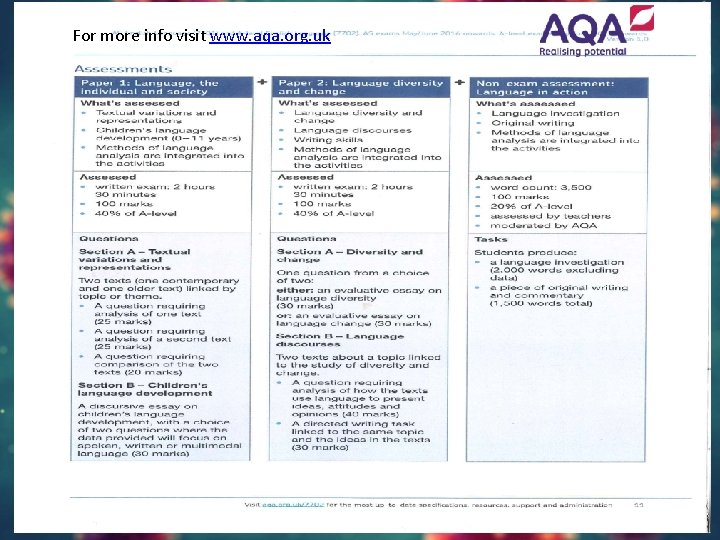
Key info…take a photo!
For more info visit www. aqa. org. uk
Terminology Throughout the year you will hear and learn lots of new words and names of theorists. Start keeping an alphabetised log today!
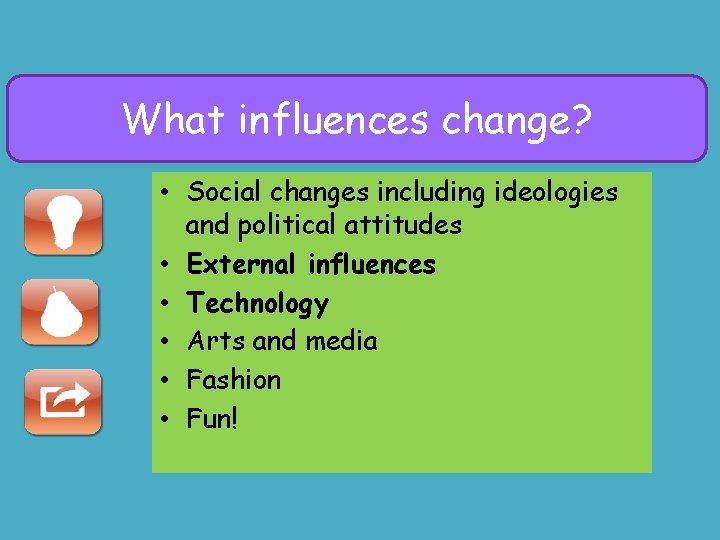
What influences change? • Social changes including ideologies and political attitudes • External influences • Technology • Arts and media • Fashion • Fun!
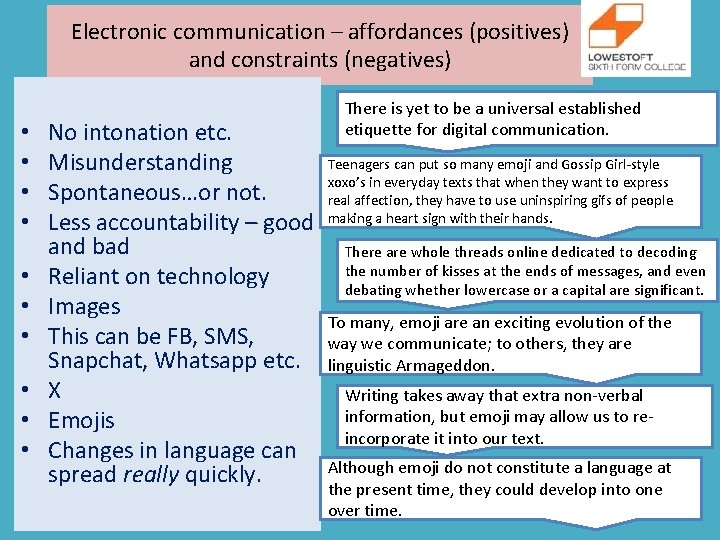
Electronic communication – affordances (positives) and constraints (negatives) • • • No intonation etc. Misunderstanding Spontaneous…or not. Less accountability – good and bad Reliant on technology Images This can be FB, SMS, Snapchat, Whatsapp etc. X Emojis Changes in language can spread really quickly. There is yet to be a universal established etiquette for digital communication. Teenagers can put so many emoji and Gossip Girl-style xoxo’s in everyday texts that when they want to express real affection, they have to use uninspiring gifs of people making a heart sign with their hands. There are whole threads online dedicated to decoding the number of kisses at the ends of messages, and even debating whether lowercase or a capital are significant. To many, emoji are an exciting evolution of the way we communicate; to others, they are linguistic Armageddon. Writing takes away that extra non-verbal information, but emoji may allow us to reincorporate it into our text. Although emoji do not constitute a language at the present time, they could develop into one over time.
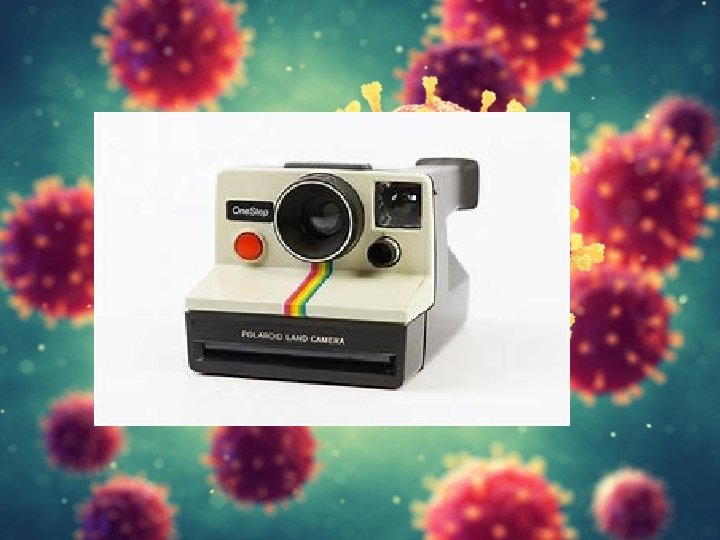
One of the most noticeable things that change in language are nouns (although grammar, sounds and meanings change too). • What new terms (known as neologisms) have arisen because of technology? eg. “tag me!”
When something new happens, we look to language to make sense of the change: we use words that are new to us and we come up with completely new words - neologisms.
Living with Miley Cyrus List all of the new words and phrases you have heard or used over the last three months that have been coined as a result of Covid 19 (there’s one!) 1. Find the hashtag #coronaspeak on Twitter. 2. Go onto https: //public. oed. com/updates/new-words -list-april-2020/and look at the entries for April.
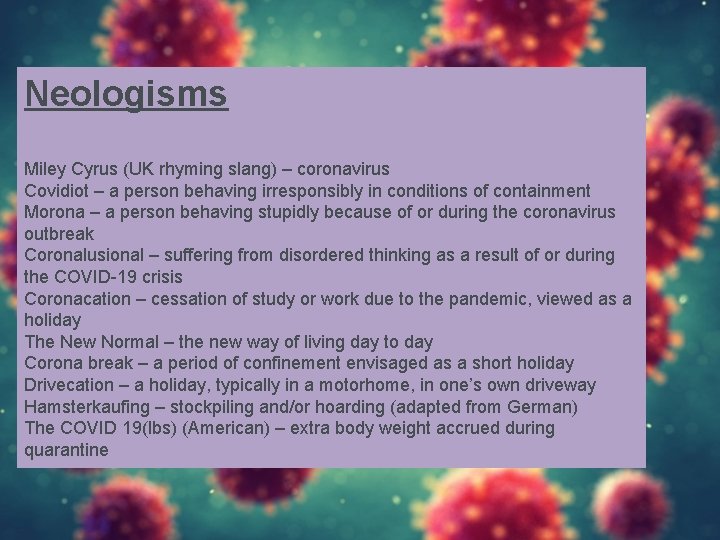
Neologisms Miley Cyrus (UK rhyming slang) – coronavirus Covidiot – a person behaving irresponsibly in conditions of containment Morona – a person behaving stupidly because of or during the coronavirus outbreak Coronalusional – suffering from disordered thinking as a result of or during the COVID-19 crisis Coronacation – cessation of study or work due to the pandemic, viewed as a holiday The New Normal – the new way of living day to day Corona break – a period of confinement envisaged as a short holiday Drivecation – a holiday, typically in a motorhome, in one’s own driveway Hamsterkaufing – stockpiling and/or hoarding (adapted from German) The COVID 19(lbs) (American) – extra body weight accrued during quarantine
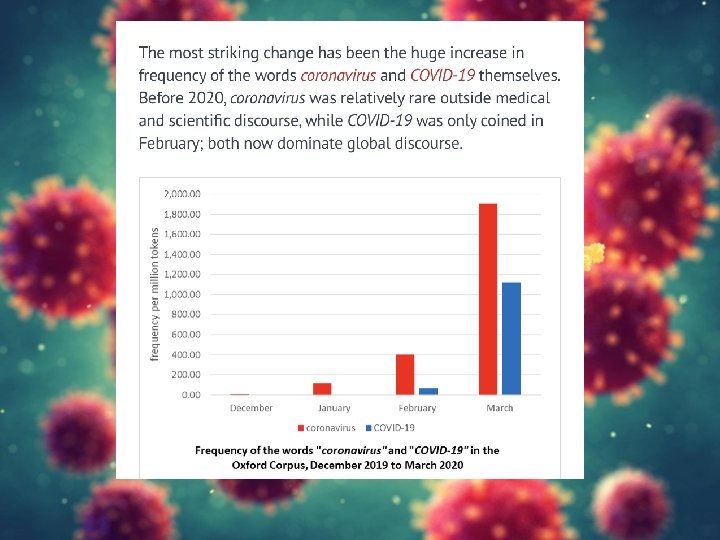
SO WHY? The language of social crises • While the scope of lexical innovation in relation to coronavirus is unprecedented, we only need to look to other periods of history to see how such linguistic creativity manifests itself in times of serious social crisis. • World War II gave us “radar” (RAdio Detection And Ranging) • More recently, the UK’s departure from the EU (colloquially known as “Brexit”) gave us a variety of terms including “brexiteers”, “remoaners”, and “regrexit” – while conversations were dominated by new concepts such as “backstops”, “hard borders”, and “cliff edges”.
Language unites • In his widely cited article on linguistic creativity, Ronald Carter, former Professor of modern English language at the University of Nottingham, makes the point that “verbal play is often undertaken for humorous purposes, serving in part to bring people closer together”, as well as challenging the “normal” view of things. Carter goes on to argue that inventive language is not just ornamental, but practical. • In a mere three months, coronavirus has fundamentally changed our ways of living. It has closed businesses and transformed our working patterns. This new vocabulary has come to be a utilitarian shorthand for talking about coronavirusrelated issues – from the impact the virus had on our working lives, to the influence of the lockdown measures – or even just a way to poke fun and laugh at the world around us. Self-isolate Air-bridge
Social glue This new vocabulary also helps people articulate their worries about the biggest health crisis we have seen in generations. It brings people together around a set of collective cultural reference points – a kind of lexical “social glue”. In the absence of the regular social contact, shared talk is an important part of helping people feel connected to one another.
How has technology played a part? Perhaps one of the biggest factors in the spread of coronavirus terminology is the fact that we’re more digitally connected than ever before Instant access social media is now an integral part of our lives – and we share content with friends and family through a variety of social media outlets. The scale of our online connections means that there are now far more opportunities for individuals to coin a new term and share it beyond their immediate local communities. In times of significant social or civic change, linguistic creativity not only reflects the major preoccupations of the time, but also shows how people gather to talk about new challenges and contexts.
SUMMER PROJECT and keep up to date… l 6 fc__engdept @Sixth. Language
Part 1. Read and make notes 1. . https: //theconversation. com/coronavirus-hasled-to-an-explosion-of-new-words-and-phrasesand-that-helps-us-cope-136909 2. https: //www. bbc. com/worklife/article/2020052 2 -why-weve-created-new-language-forcoronavirus
Part 2. Research Go onto www. oed. co. uk and look at the entries for April Find the hashtag #coronaspeak on Twitter Follow @davcr on Twitter. Follow @tonythorne 007 on Twitter. Follow @Sixth. Language on Twitter and search through looking for retweets on the subject of #coronaspeak. • Follow @10 Downing. Street • • • Compile a list (a corpus lingua) on a timeline beginning in Febrary and ending. . ?
Part 3. Take it further…categorising language change in the time of Rona. 1. Watch the video here…https: //www. kcl. ac. uk/news/spotlight-on-covidpandemic-language-and-the-role-of-linguists-1 2. Make notes on what he has to say about how language has changed, who uses this new lexicon and why and how he would categorise it. 3. Now have a go at categorising your lists.