
Zika Virus Prof Dr Abdelraouf A Elmanama Medical
ﺯﻳﻜﺎ ﻓﻴﺮﻭﺱ Zika Virus Prof. Dr. Abdelraouf A. Elmanama Medical Laboratory Sciences Department Islamic University-Gaza
OUTLINE Introduction Classification of zika virus Structure of zika virus Epidemiology Transmission The cycle of the disease Diagnosis Treatment Prevention and control
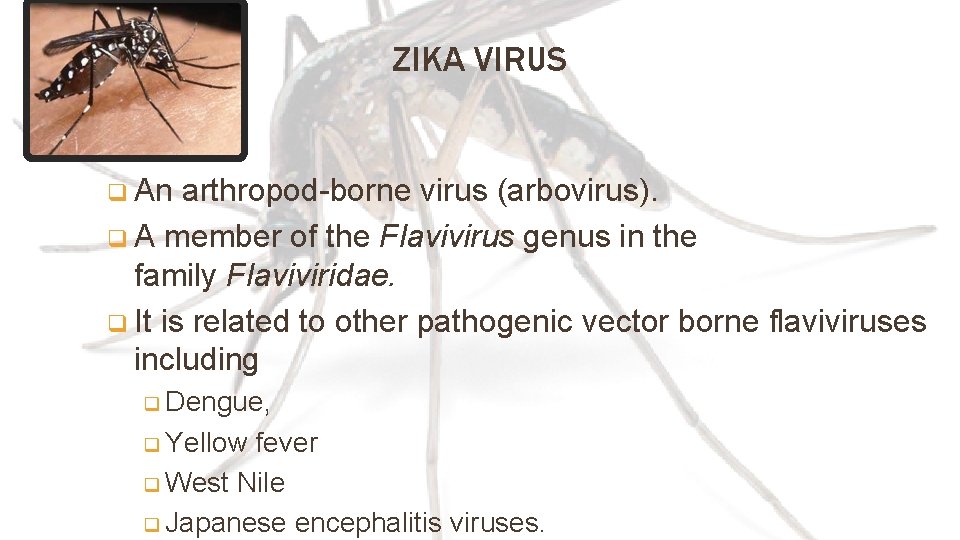
ZIKA VIRUS q An arthropod-borne virus (arbovirus). q A member of the Flavivirus genus in the family Flaviviridae. q It is related to other pathogenic vector borne flaviviruses including q Dengue, q Yellow fever q West Nile q Japanese encephalitis viruses.
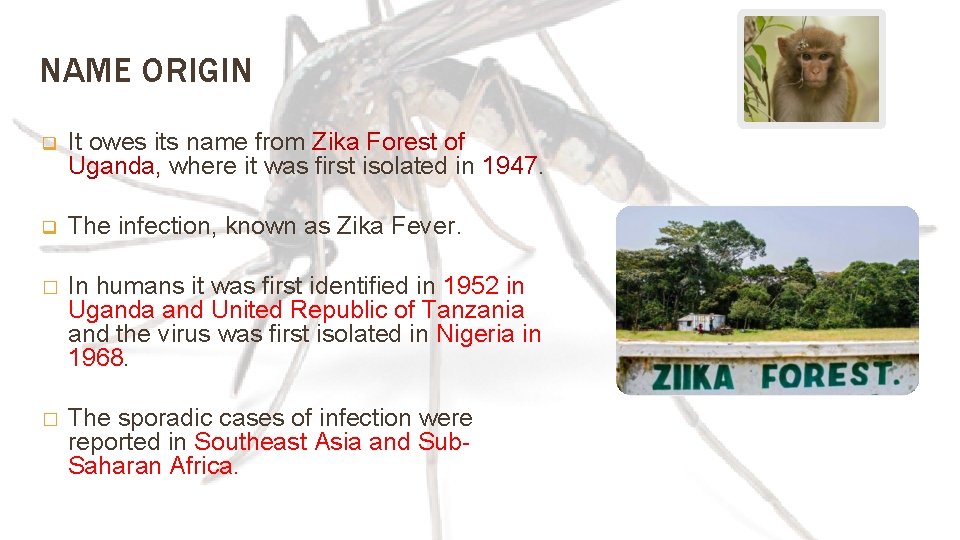
NAME ORIGIN q It owes its name from Zika Forest of Uganda, where it was first isolated in 1947. q The infection, known as Zika Fever. � In humans it was first identified in 1952 in Uganda and United Republic of Tanzania and the virus was first isolated in Nigeria in 1968. � The sporadic cases of infection were reported in Southeast Asia and Sub. Saharan Africa.

SYSTEMATIC CLASSIFICATION OF ZIKA VIRUS Group IV ((+)ss. RNA) Family Flaviviridae Genus Flavivirus Species Zika virus

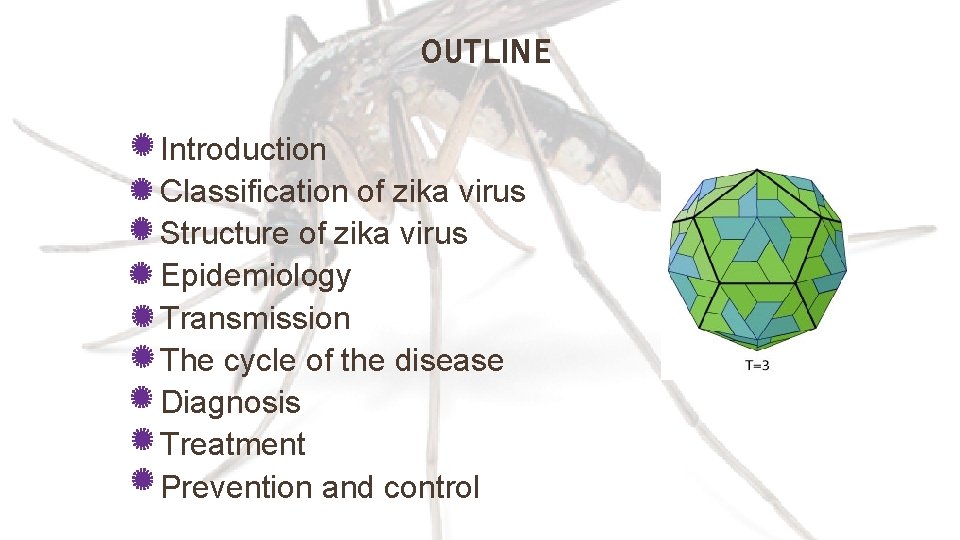
STRUCTURE OF ZIKA VIRUS q Zika virions are typically icosahedral-shaped. q They are enveloped. q 18 -45 nanometer in diameter.
q The genome is a positive strand RNA enclosed in a capsid and surrounded by a membrane. q The RNA contains 10, 794 nucleotides encoding 3, 419 amino acids. q The virus is inactivated by ether, sodium dexoxycholate and chloroform.
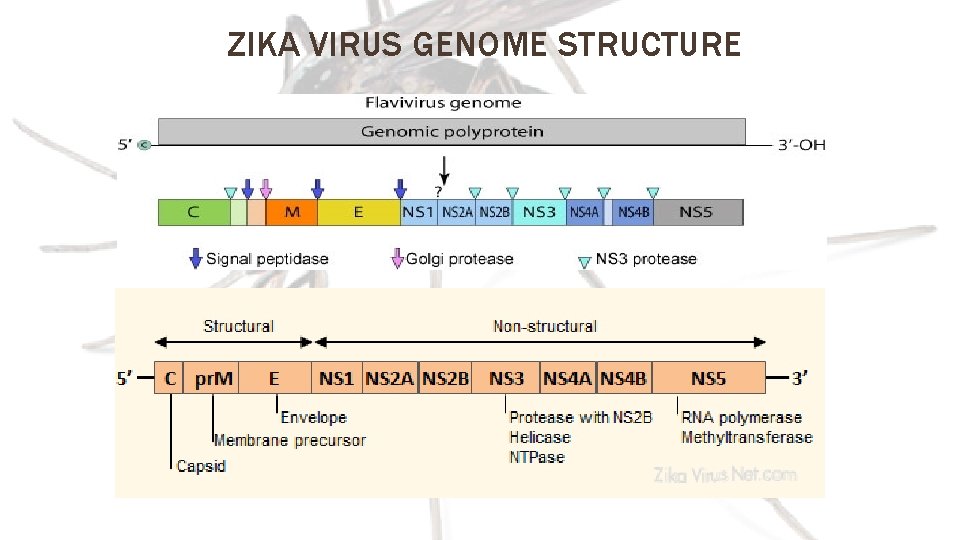
ZIKA VIRUS GENOME STRUCTURE
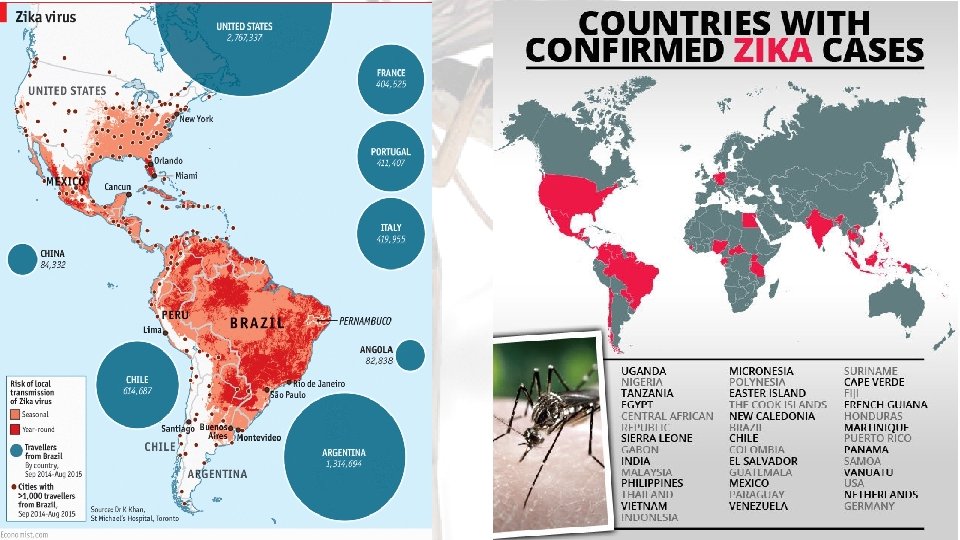
EPIDEMIOLOGY Zika virus was first isolated in 1947 from the blood of a Rhesus monkey in Zika forest, in Uganda q Subsequently, the virus was recovered from humans and mosquitoes in Uganda, Senegal, Nigeria, Ivory Coast, the Central African Republic and Malaysia. q An outbreak of Zika virus was reported in 2007 on Yap Island of Micronesia q Another outbreak in the Pacific was reported in French Polynesia in 2013 and later spread to New Caledonia q In 2015, Zika virus emerged in South America with further spread across the Americas. q
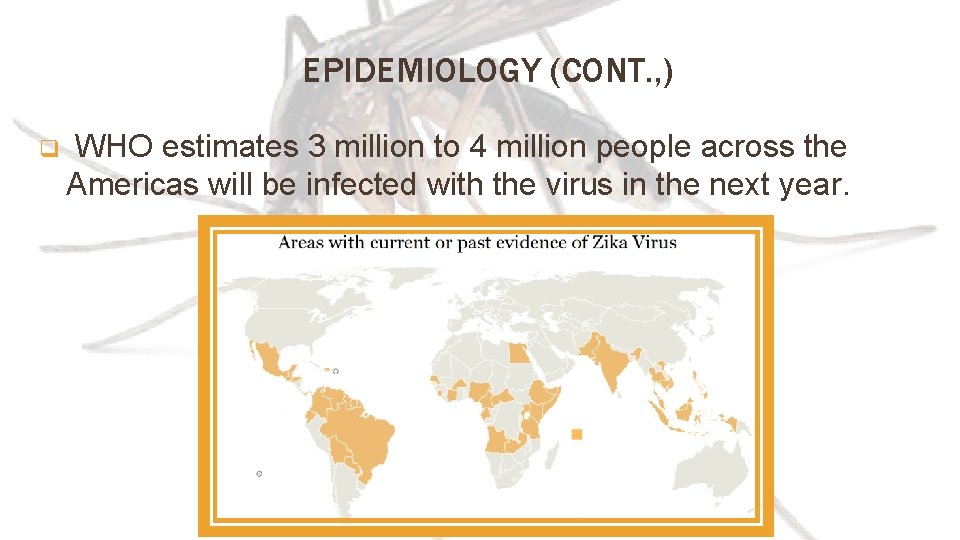
EPIDEMIOLOGY (CONT. , ) q WHO estimates 3 million to 4 million people across the Americas will be infected with the virus in the next year.
RECENT OUTBREAK � ZIKA virus moved out of Asia and Africa and caused an epidemic in YAP islands of Micronesia (2007) and French Polynesia, New Caledonia, The Cook Islands and in Easter Islands in 2013 and 2014. � In 2015 there has been an upsurge in ZIKA infection dramatically in America with Brazil being most affected; 444, 000 to 1. 3 million cases reported through December 2015. � It has been reported that ZIKA infection has spread to 23 countries across America.
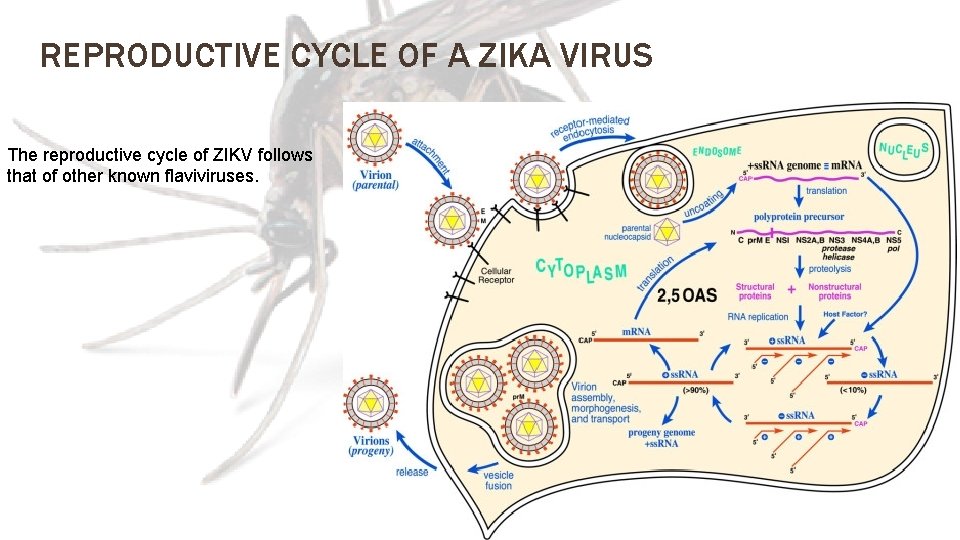
REPRODUCTIVE CYCLE OF A ZIKA VIRUS The reproductive cycle of ZIKV follows that of other known flaviviruses.
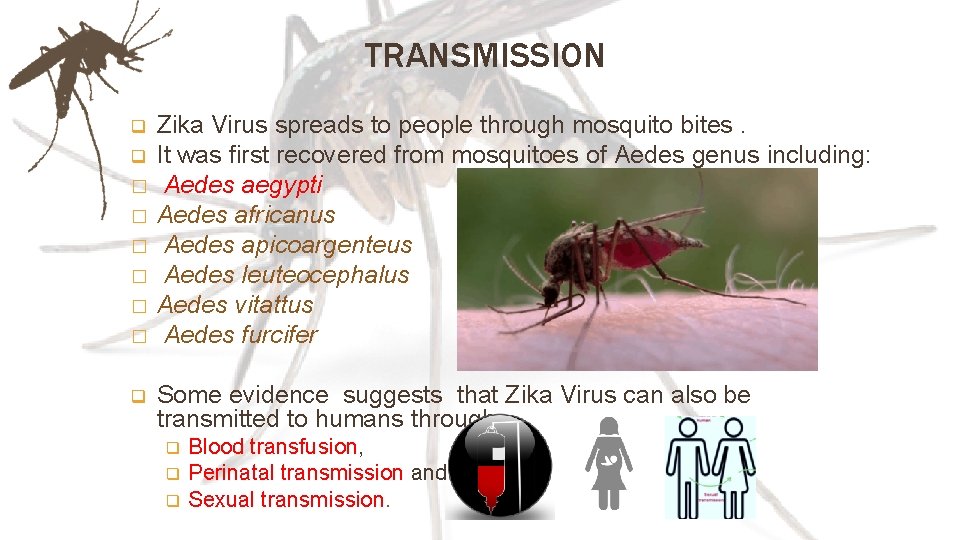
TRANSMISSION q q � � � q Zika Virus spreads to people through mosquito bites. It was first recovered from mosquitoes of Aedes genus including: Aedes aegypti Aedes africanus Aedes apicoargenteus Aedes leuteocephalus Aedes vitattus Aedes furcifer Some evidence suggests that Zika Virus can also be transmitted to humans through q q q Blood transfusion, Perinatal transmission and Sexual transmission.
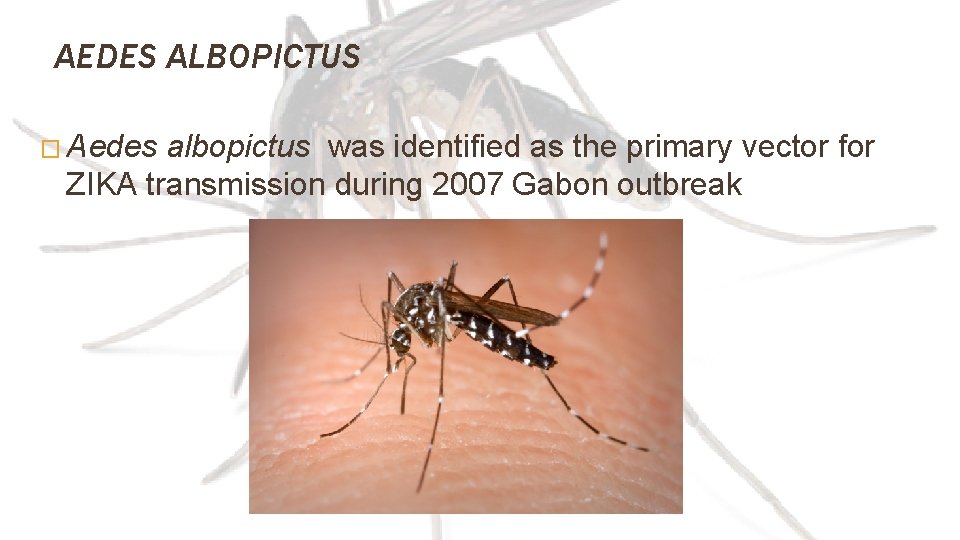
AEDES ALBOPICTUS � Aedes albopictus was identified as the primary vector for ZIKA transmission during 2007 Gabon outbreak
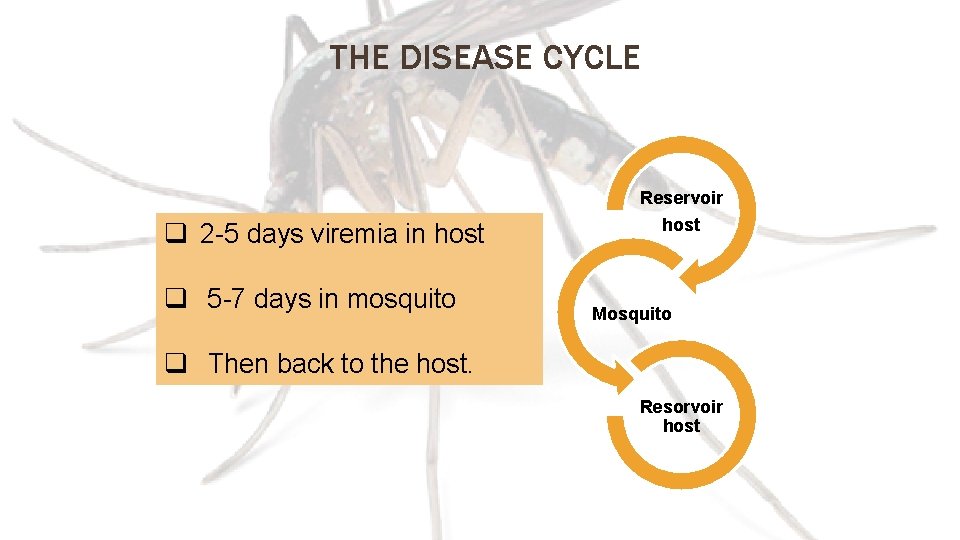
THE DISEASE CYCLE Reservoir q 2 -5 days viremia in host q 5 -7 days in mosquito host Mosquito q Then back to the host. Resorvoir host
PATHOGENESIS q Mosquito-borne flaviviruses are thought to replicate initially in dendritic cells near the site of inoculation. q Then spread to lymph nodes and the bloodstream. q Although flaviviral replication is thought to occur in cellular cytoplasm, one study suggested that Zika Virus antigens could be found in infected cell nuclei.
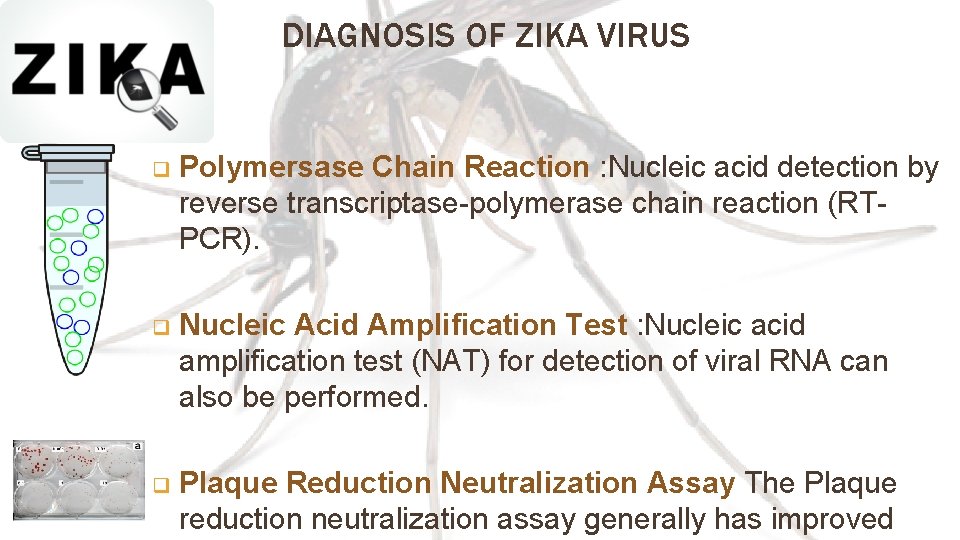
DIAGNOSIS OF ZIKA VIRUS q Polymersase Chain Reaction : Nucleic acid detection by reverse transcriptase-polymerase chain reaction (RTPCR). q Nucleic Acid Amplification Test : Nucleic acid amplification test (NAT) for detection of viral RNA can also be performed. q Plaque Reduction Neutralization Assay The Plaque reduction neutralization assay generally has improved
DIAGNOSIS OF ZIKA VIRUS (CONT. , ) � Serological Tests : � An ELISA has been developed to detect Ig. M to ZIKV only after five days. � NS 1 antigen can be detected by ELISA in acute phase specimens Important Note !!!!!! � Ig. M antibodies against Zika virus, dengue viruses, and other flaviviruses have strong cross-reactivity which may generate false positive results in serological tests.
PREVENTION AND CONTROL OF ZIKA VIRUS Avoid travel to areas with an active infestation. q Reducing mosquito populations through source reduction (removal and modification of breeding sites) q Reducing contact between mosquitoes and people through: � wearing clothes (preferably light-coloured) that cover as much of the body as possible � using physical barriers such as window screens � closed doors and windows � sleeping under mosquito nets � Using repellents q
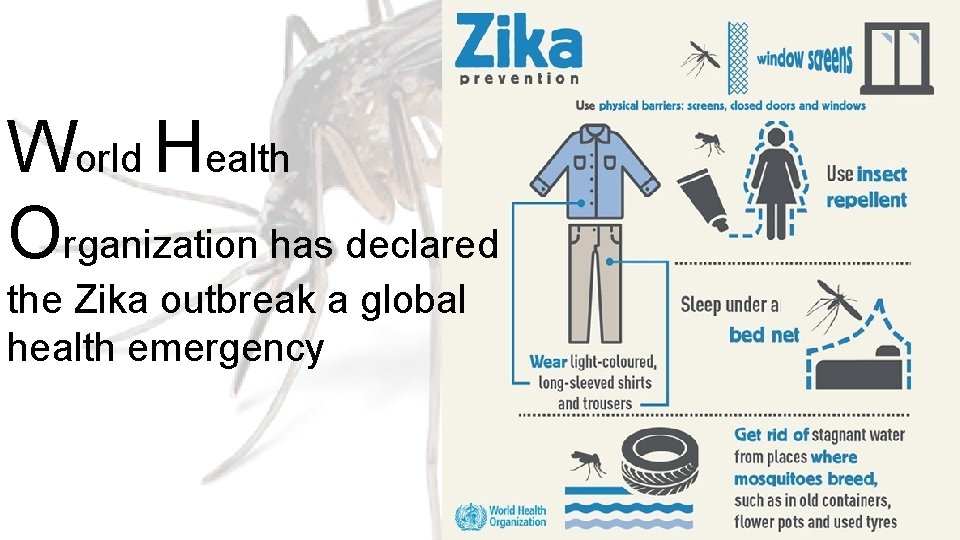
World Health Organization has declared the Zika outbreak a global health emergency
RECOMMENDATIONS A research to determine the types of mosquitoes in Gaza strip is urgently needed Mosquitoes control program should have been started from February. Biological control through the use of BT bacteria has proved effective in reducing the number of mosquitoes. Awareness campaign should be launched
THANK YOU
- Slides: 24