
ZephyrScience Photo Library Basis of the BOLD signal
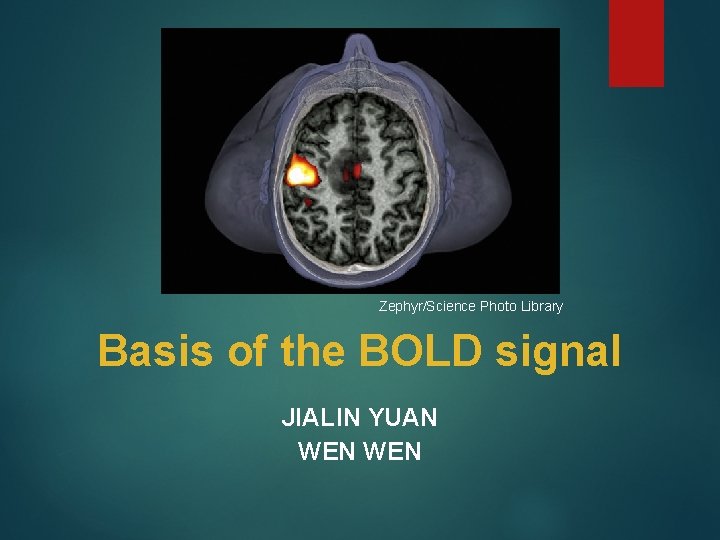
Zephyr/Science Photo Library Basis of the BOLD signal JIALIN YUAN WEN
2 thought emotion intelligent consciousness
3 functional magnetic resonance imaging, f. MRI
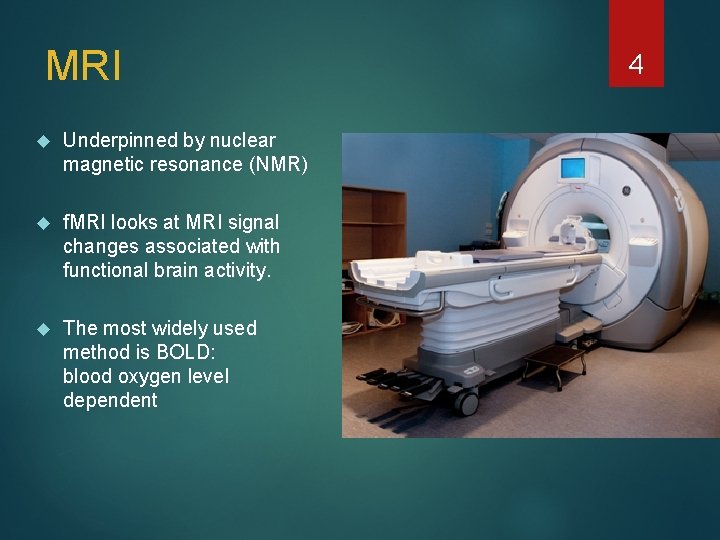
MRI Underpinned by nuclear magnetic resonance (NMR) f. MRI looks at MRI signal changes associated with functional brain activity. The most widely used method is BOLD: blood oxygen level dependent 4
Outline Basis 5 BOLD of MRI: Jialin Yuan signal: Wen
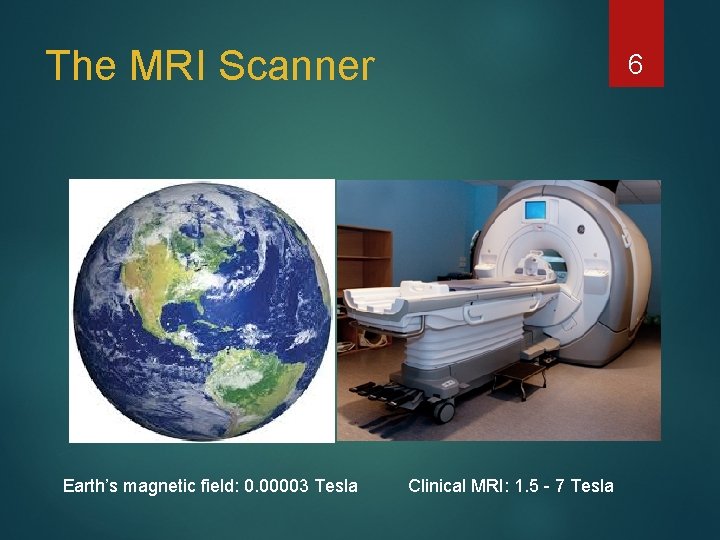
The MRI Scanner Earth’s magnetic field: 0. 00003 Tesla 6 Clinical MRI: 1. 5 - 7 Tesla
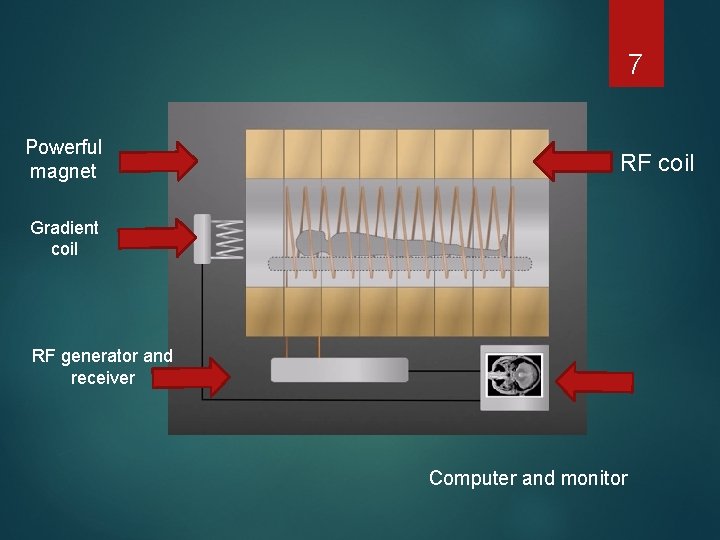
7 Powerful magnet RF coil Gradient coil RF generator and receiver Computer and monitor
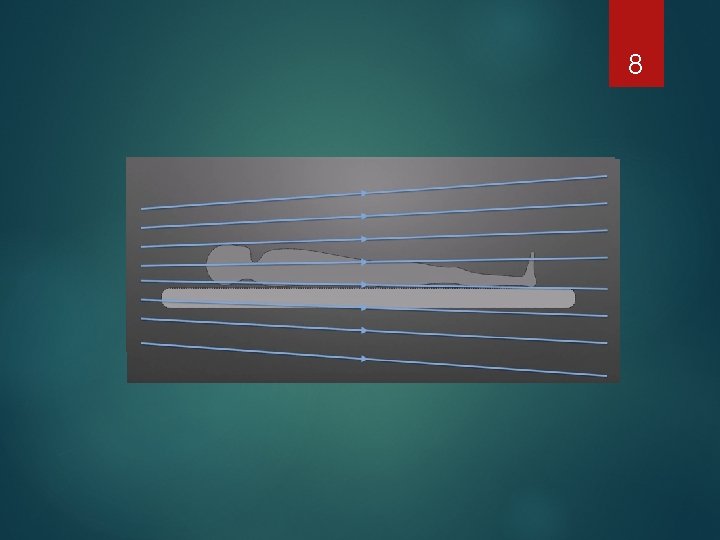
8
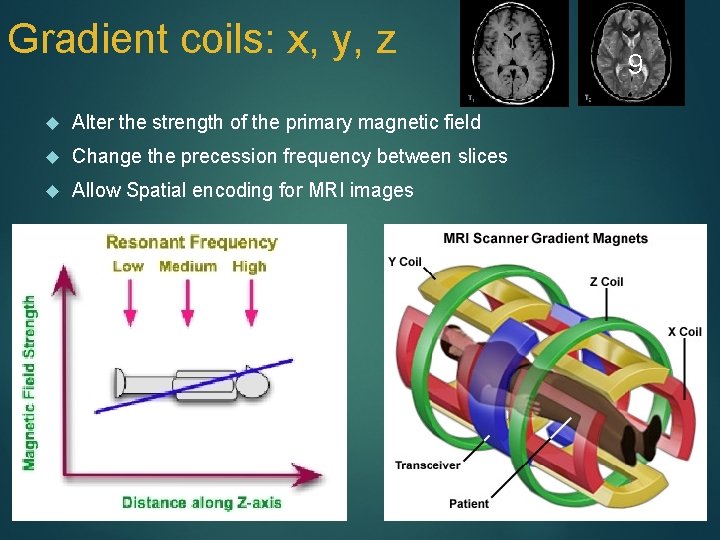
Gradient coils: x, y, z Alter the strength of the primary magnetic field Change the precession frequency between slices Allow Spatial encoding for MRI images 9
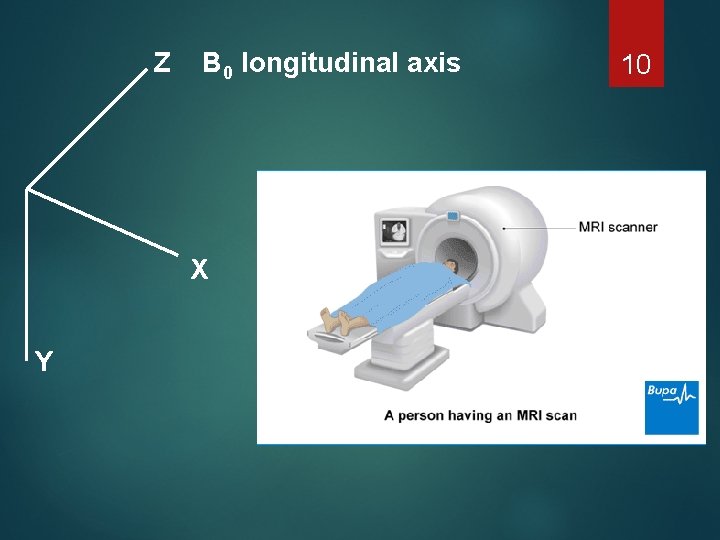
Z B 0 longitudinal axis X Y 10
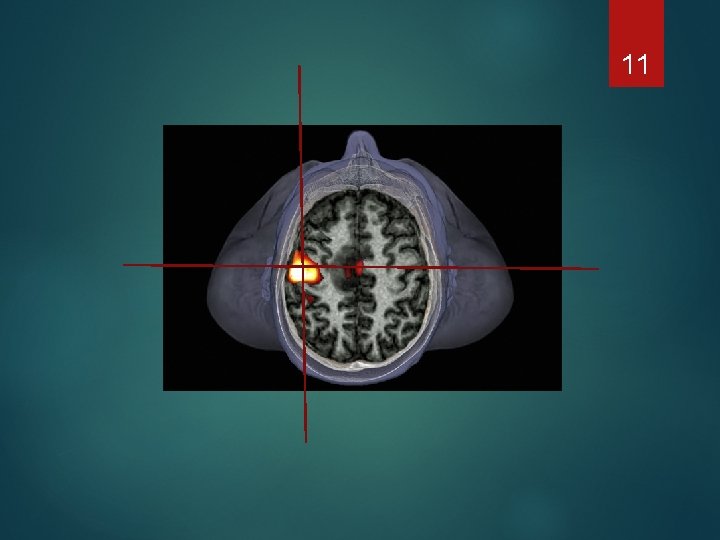
11
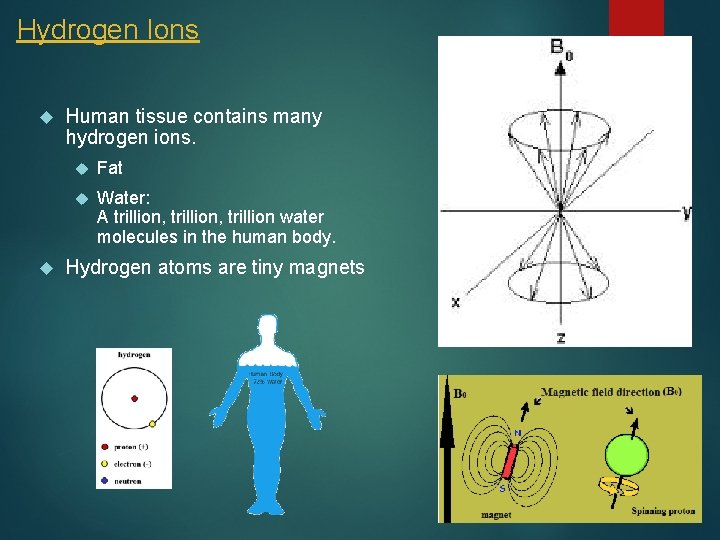
Hydrogen Ions 12 Human tissue contains many hydrogen ions. Fat Water: A trillion, trillion water molecules in the human body. Hydrogen atoms are tiny magnets
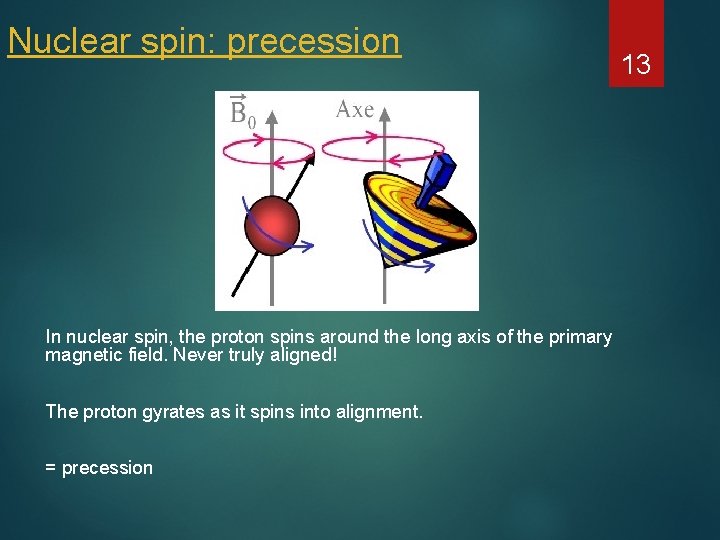
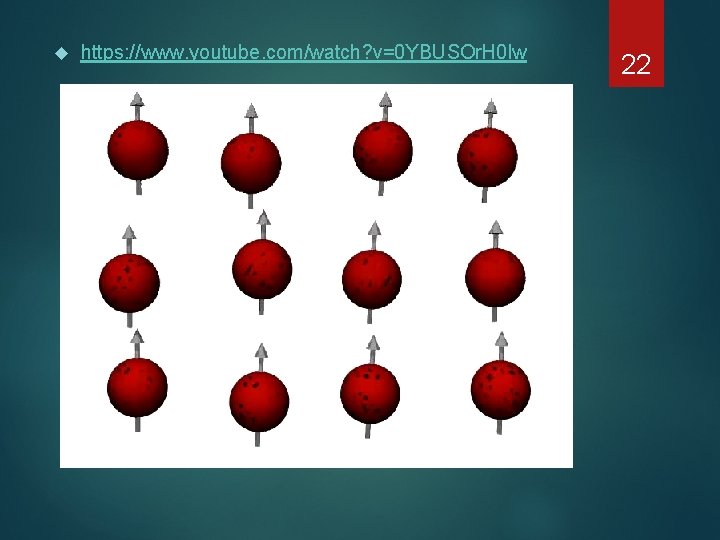
Nuclear spin: precession In nuclear spin, the proton spins around the long axis of the primary magnetic field. Never truly aligned! The proton gyrates as it spins into alignment. = precession 13
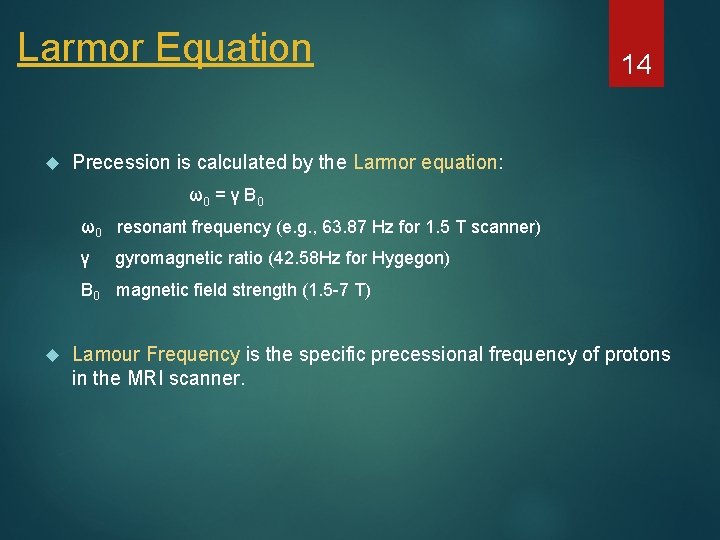
Larmor Equation 14 Precession is calculated by the Larmor equation: ω0 = γ Β 0 ω0 resonant frequency (e. g. , 63. 87 Hz for 1. 5 T scanner) γ gyromagnetic ratio (42. 58 Hz for Hygegon) Β 0 magnetic field strength (1. 5 -7 T) Lamour Frequency is the specific precessional frequency of protons in the MRI scanner.

Nuclear spin: precession Normally: Magnetic fields are randomly aligned In magnetic field of MRI: Spinning nuclei align to B 0 field 15
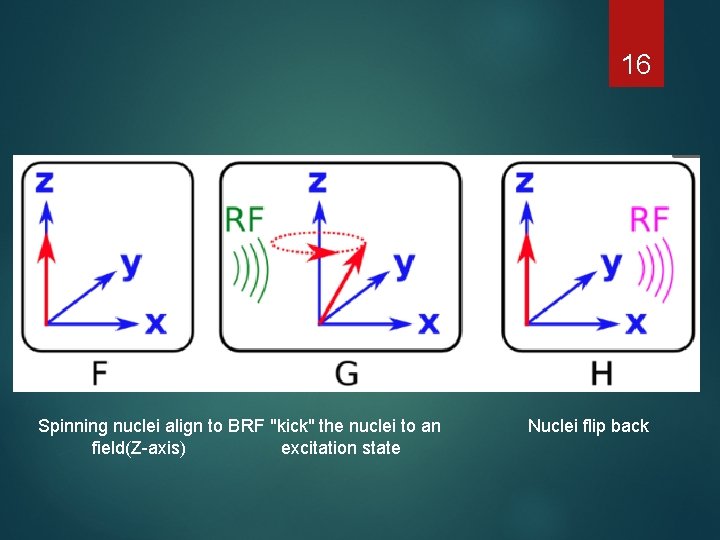
16 Spinning nuclei align to B RF "kick" the nuclei to an excitation state field(Z-axis) Nuclei flip back
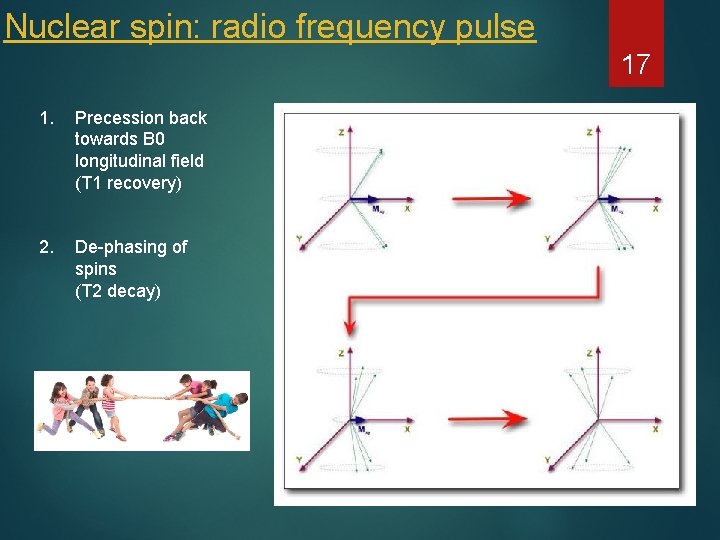
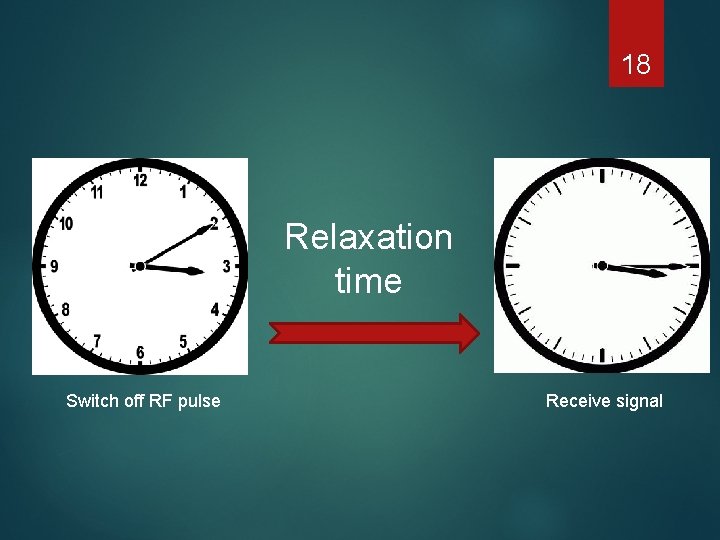
Nuclear spin: radio frequency pulse 17 1. Precession back towards B 0 longitudinal field (T 1 recovery) 2. De-phasing of spins (T 2 decay)
18 Relaxation time Switch off RF pulse Receive signal
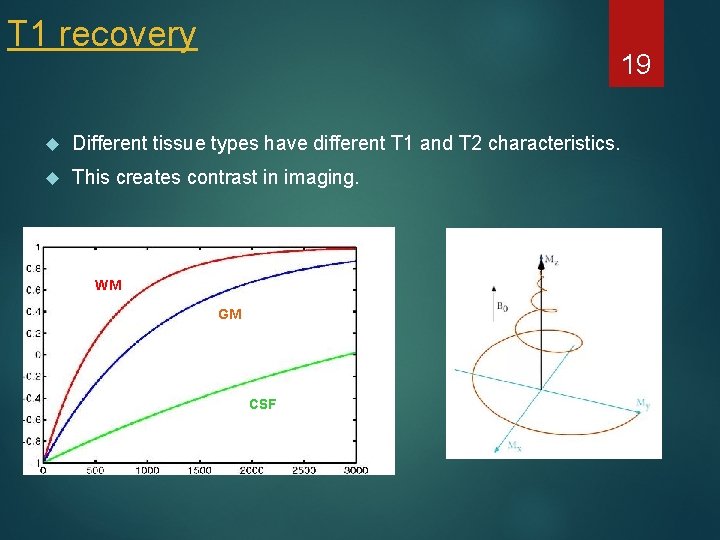
T 1 recovery 19 Different tissue types have different T 1 and T 2 characteristics. This creates contrast in imaging. WM GM CSF
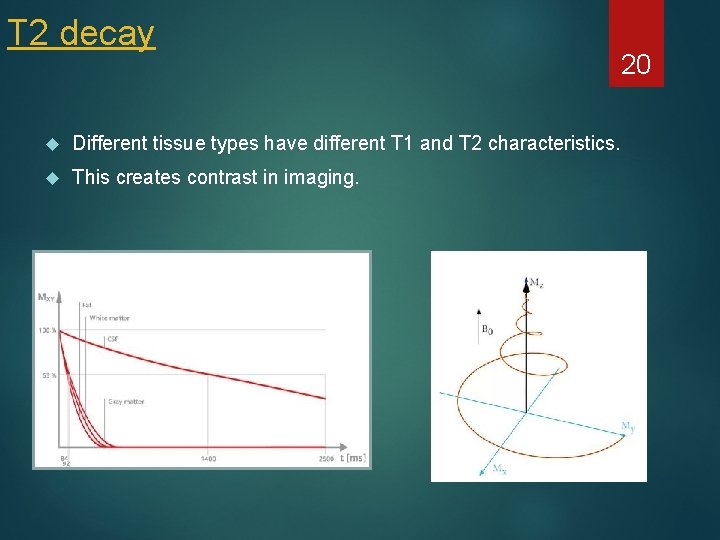
T 2 decay 20 Different tissue types have different T 1 and T 2 characteristics. This creates contrast in imaging.
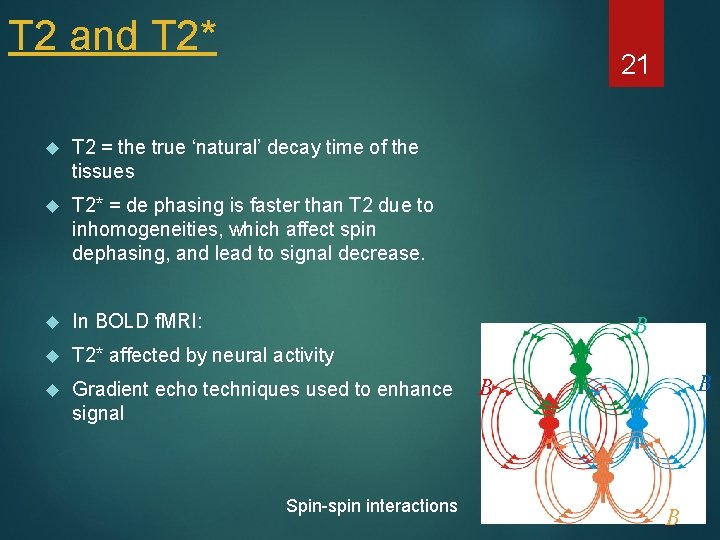
T 2 and T 2* 21 T 2 = the true ‘natural’ decay time of the tissues T 2* = de phasing is faster than T 2 due to inhomogeneities, which affect spin dephasing, and lead to signal decrease. In BOLD f. MRI: T 2* affected by neural activity Gradient echo techniques used to enhance signal B Spin-spin interactions B B B
https: //www. youtube. com/watch? v=0 YBUSOr. H 0 lw 22
23 The BOLD Signal
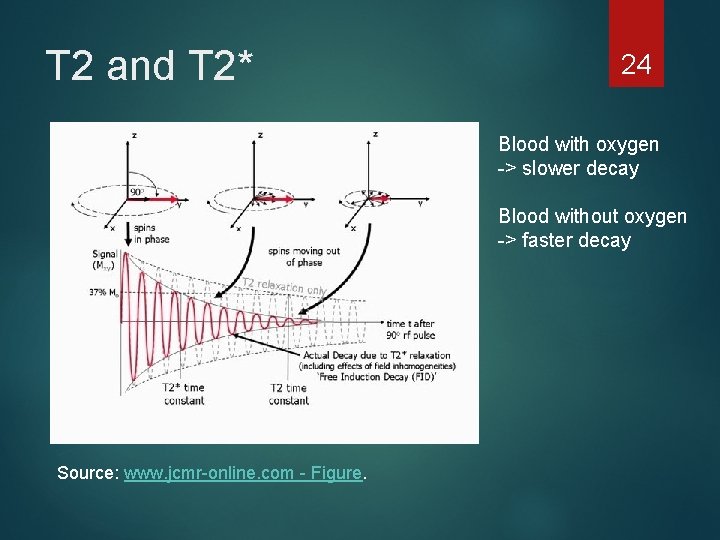
T 2 and T 2* 24 Blood with oxygen -> slower decay Blood without oxygen -> faster decay Source: www. jcmr-online. com - Figure.
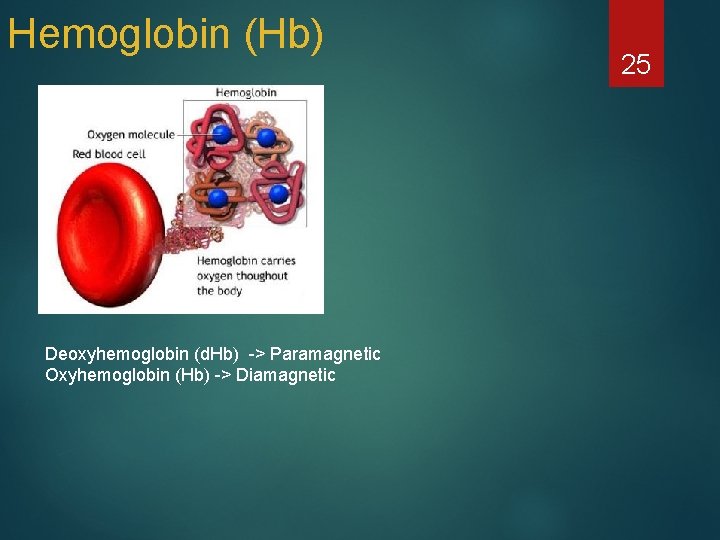
Hemoglobin (Hb) Deoxyhemoglobin (d. Hb) -> Paramagnetic Oxyhemoglobin (Hb) -> Diamagnetic 25
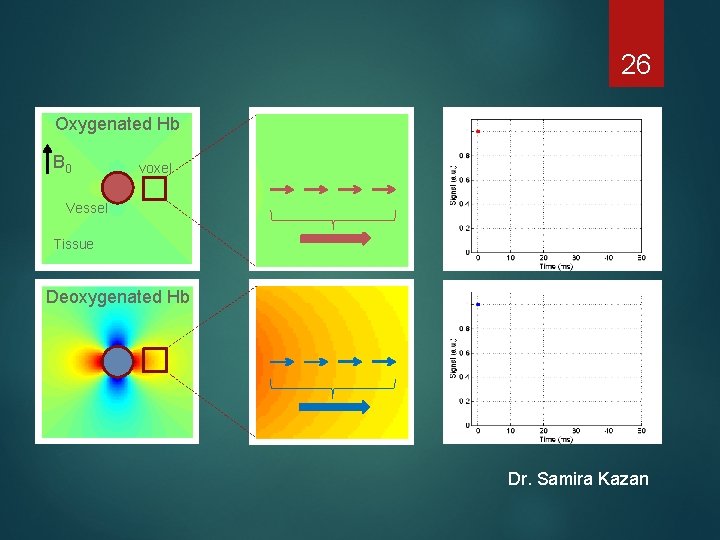
26 Oxygenated Hb B 0 voxel Vessel Tissue Deoxygenated Hb 26 Dr. Samira Kazan
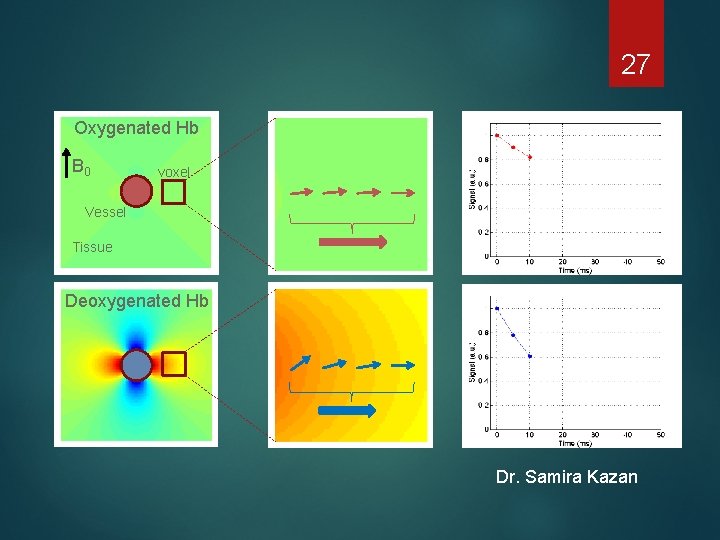
27 Oxygenated Hb B 0 voxel Vessel Tissue Deoxygenated Hb 27 Dr. Samira Kazan
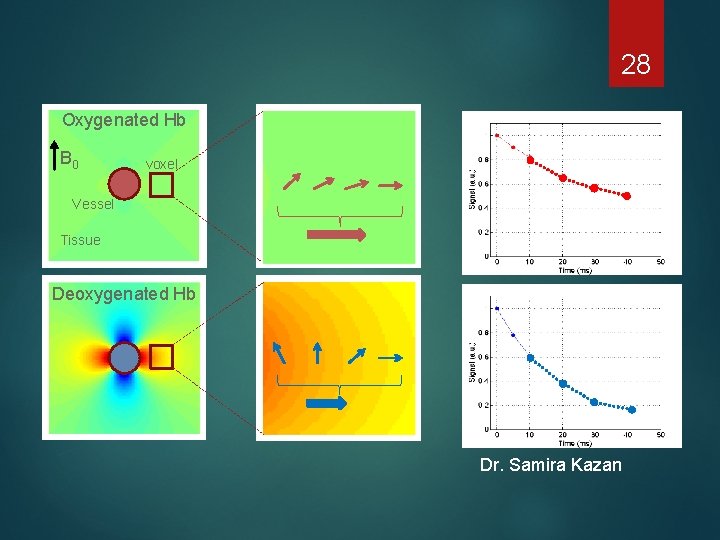
28 Oxygenated Hb B 0 voxel Vessel Tissue Deoxygenated Hb 28 Dr. Samira Kazan
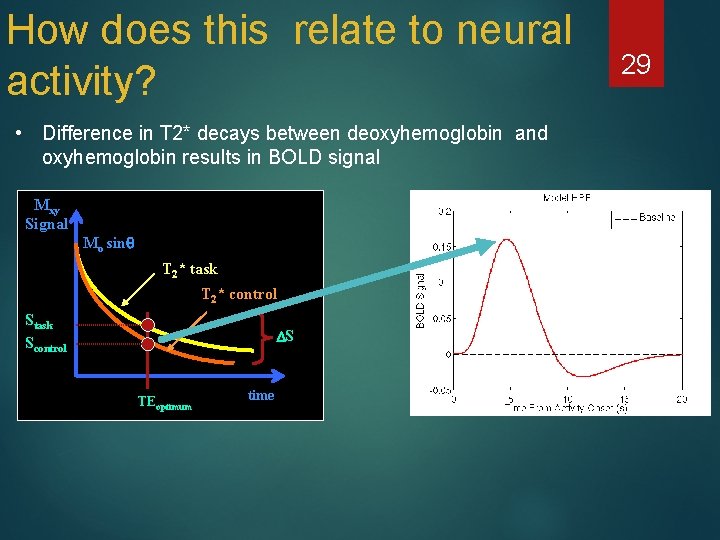
How does this relate to neural activity? • Difference in T 2* decays between deoxyhemoglobin and oxyhemoglobin results in BOLD signal Mxy Signal Mo sin T 2* task T 2* control Stask Scontrol S TEoptimum time 29
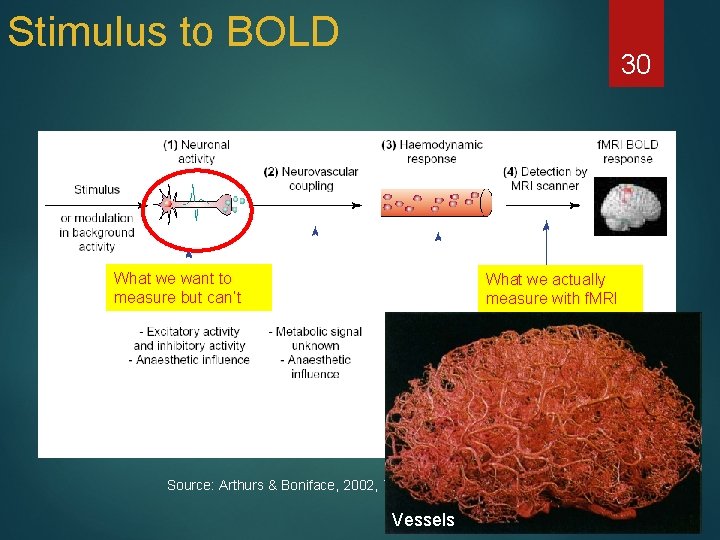
Stimulus to BOLD 30 What we want to measure but can’t What we actually measure with f. MRI Source: Arthurs & Boniface, 2002, Trends in Neurosciences Vessels
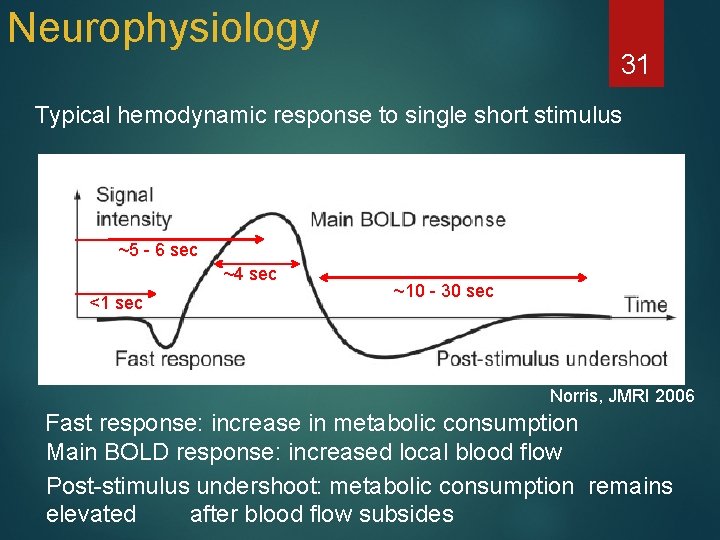
Neurophysiology 31 Typical hemodynamic response to single short stimulus Norris, JMRI, 2006 ~5 - 6 sec ~4 sec <1 sec ~10 - 30 sec Norris, JMRI 2006 Fast response: increase in metabolic consumption Main BOLD response: increased local blood flow Post-stimulus undershoot: metabolic consumption remains elevated after blood flow subsides
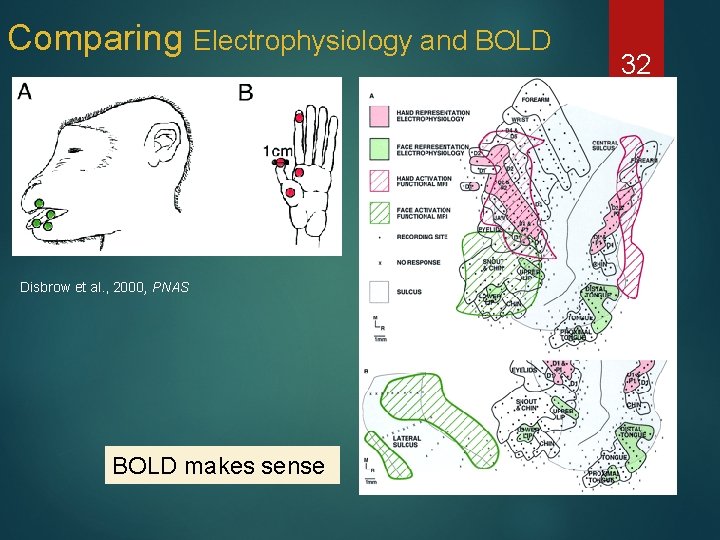
Comparing Electrophysiology and BOLD Disbrow et al. , 2000, PNAS BOLD makes sense 32
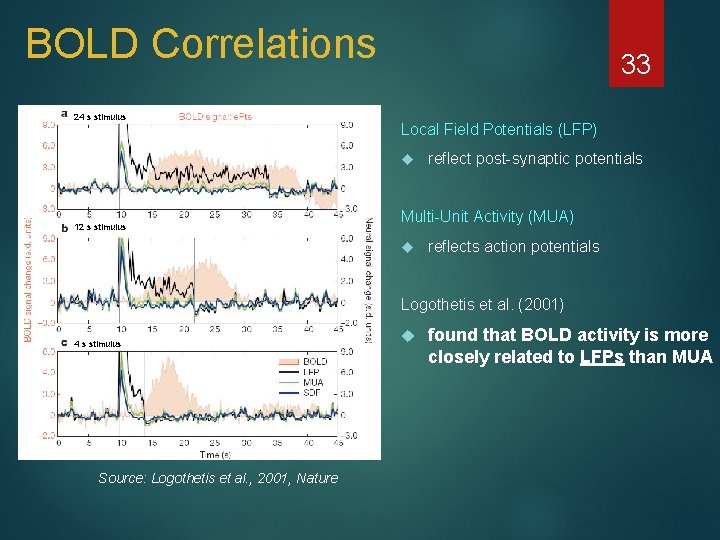
BOLD Correlations 24 s stimulus 33 Local Field Potentials (LFP) 12 s stimulus reflect post-synaptic potentials Multi-Unit Activity (MUA) reflects action potentials Logothetis et al. (2001) 4 s stimulus Source: Logothetis et al. , 2001, Nature found that BOLD activity is more closely related to LFPs than MUA
Advantages of BOLD High spatial localisation Non-invasive Increasing Enables availability visualising of entire brain areas/networks engaged in specific activities 34
Disadvantages of BOLD Indirect measure of oxygen consumption (Blood flow ≠ Neural activities) Difficult to differentiate between excitation/inhibition and neuromodulation (all need oxygen and glucose) 35

36 Thank you for you attention
- Slides: 36