
Your brain and nervous system How does it
Your brain and nervous system How does it work?
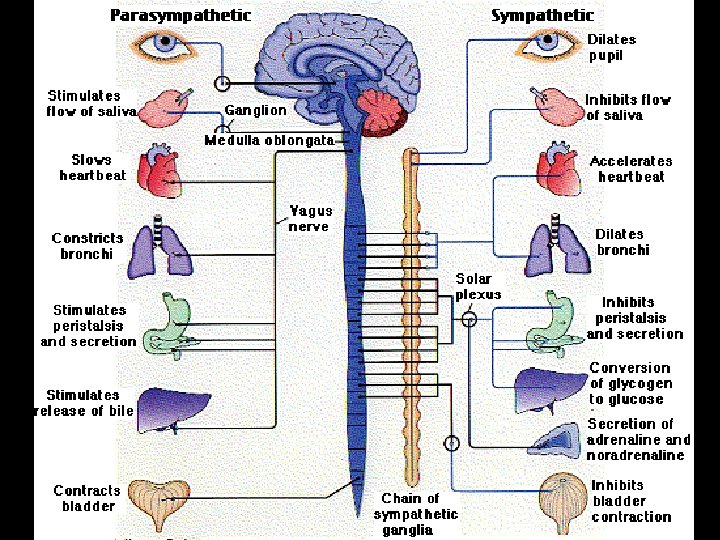
Parasympathetic vs. Sympathetic Divisions
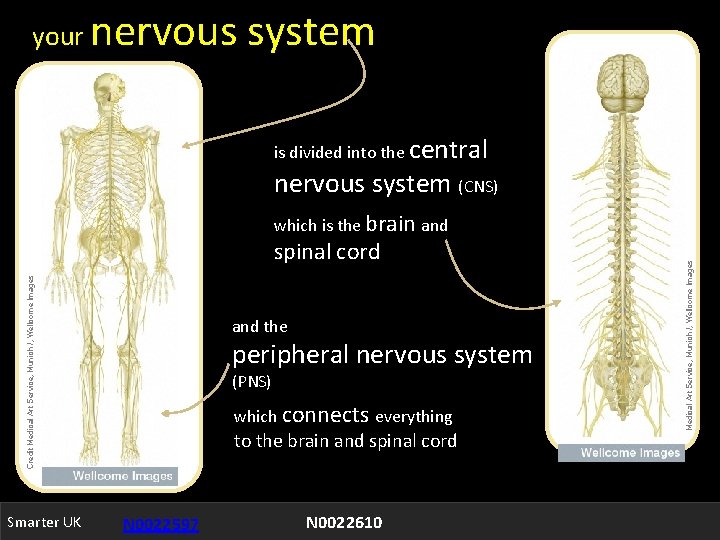
your nervous system is divided into the central nervous system (CNS) Credit Medical Art Service, Munich /, Wellcome Images spinal cord Smarter UK and the peripheral nervous system (PNS) which connects everything to the brain and spinal cord N 0022597 N 0022610 Medical Art Service, Munich /, Wellcome Images which is the brain and
• How is the Central nervous system protected? • Skull • Vertebrate • Layers of sheathing
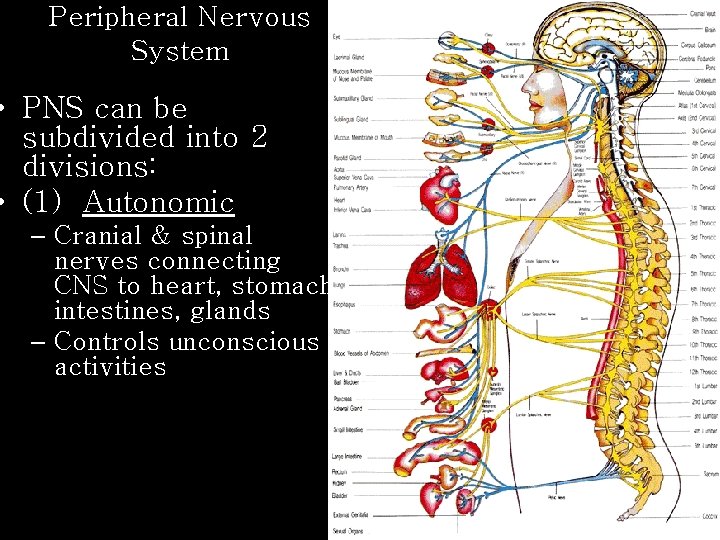
Peripheral Nervous System • PNS can be subdivided into 2 divisions: • (1) Autonomic – Cranial & spinal nerves connecting CNS to heart, stomach, intestines, glands – Controls unconscious activities
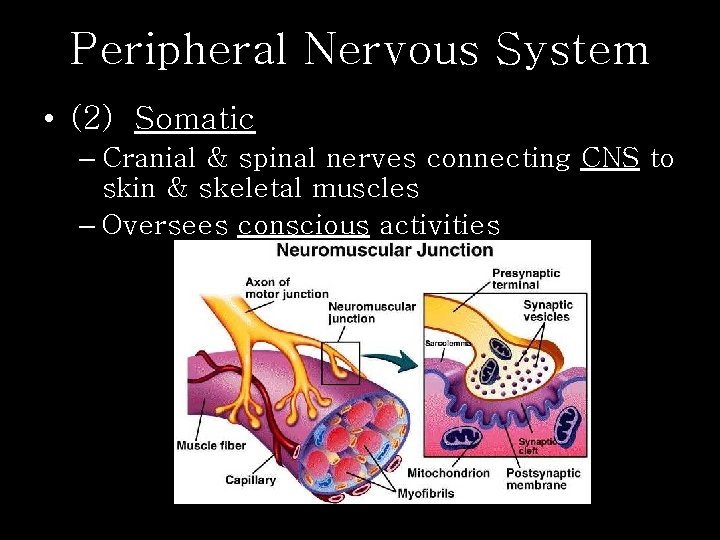
Peripheral Nervous System • (2) Somatic – Cranial & spinal nerves connecting CNS to skin & skeletal muscles – Oversees conscious activities
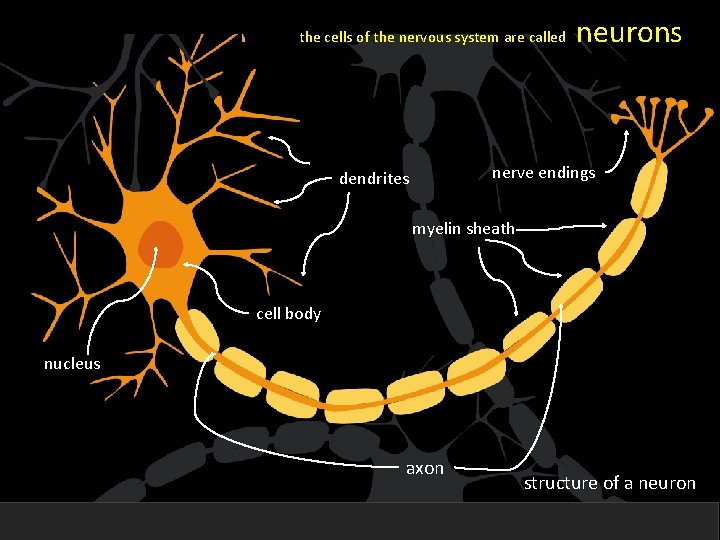
the cells of the nervous system are called neurons nerve endings dendrites myelin sheath cell body nucleus axon structure of a neuron
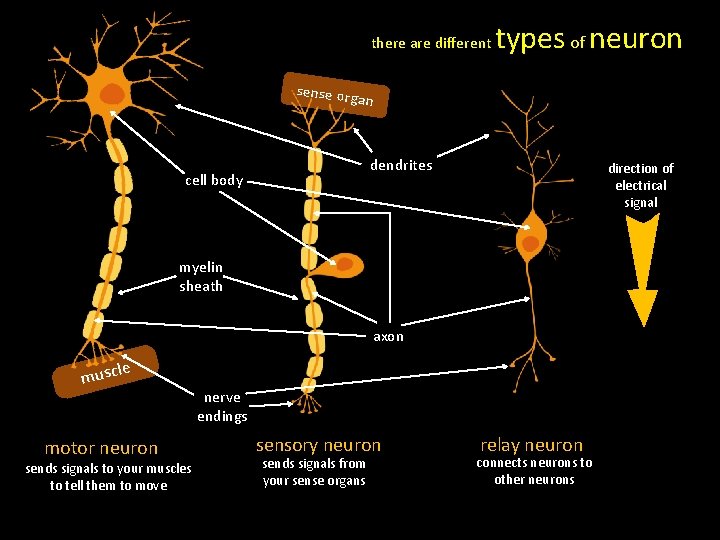
there are different types of neuron sense org an dendrites cell body direction of electrical signal myelin sheath axon musc le motor neuron sends signals to your muscles to tell them to move nerve endings sensory neuron sends signals from your sense organs relay neuron connects neurons to other neurons
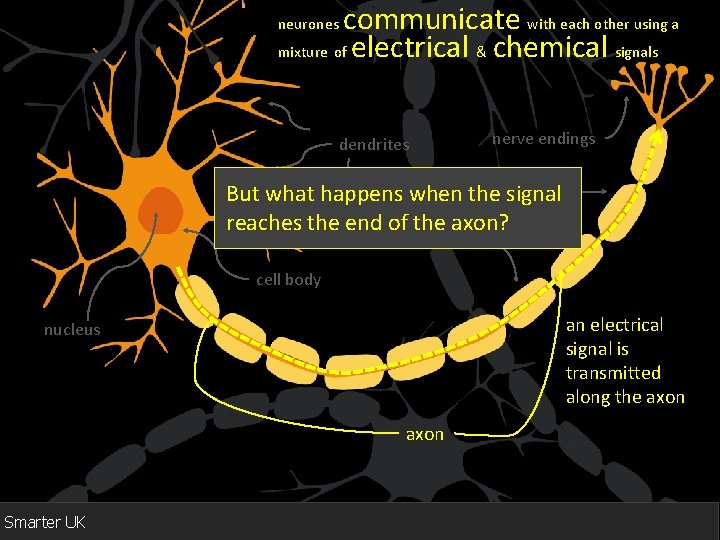
communicate with each other using a mixture of electrical & chemical signals neurones dendrites nerve endings myelin sheath But what happens when the signal reaches the end of the axon? cell body an electrical signal is transmitted along the axon nucleus axon Smarter UK
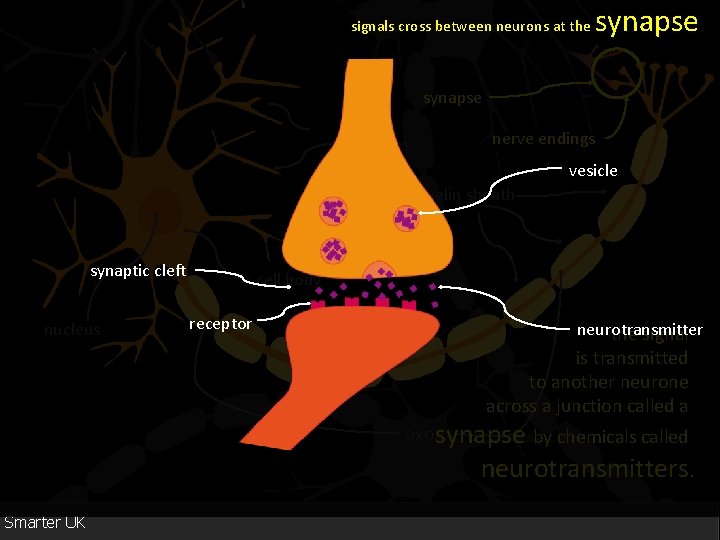
signals cross between neurons at the synapse dendrites nerve endings vesicle myelin sheath synaptic cleft nucleus cell body receptor neurotransmitter the signal is transmitted to another neurone across a junction called a axonsynapse by chemicals called neurotransmitters. Smarter UK
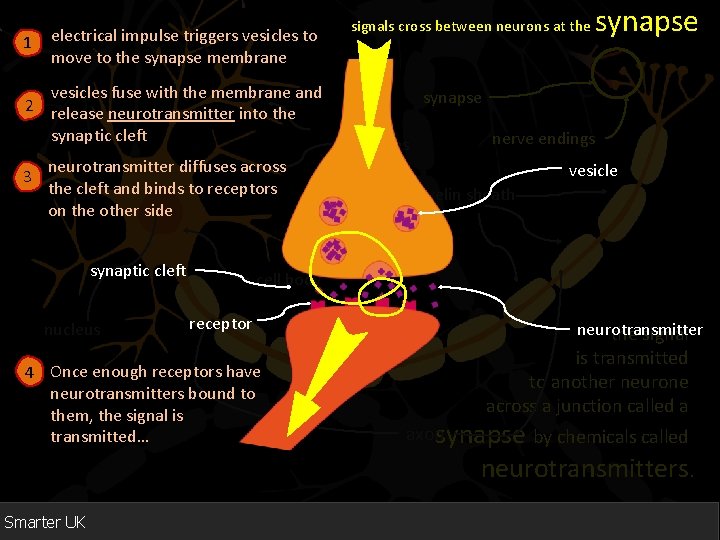
1 electrical impulse triggers vesicles to move to the synapse membrane vesicles fuse with the membrane and 2 release neurotransmitter into the synaptic cleft 3 neurotransmitter diffuses across the cleft and binds to receptors on the other side synaptic cleft nucleus signals cross between neurons at the synapse dendrites nerve endings vesicle myelin sheath cell body receptor 4 Once enough receptors have neurotransmitters bound to them, the signal is transmitted… neurotransmitter the signal is transmitted to another neurone across a junction called a axonsynapse by chemicals called neurotransmitters. Smarter UK
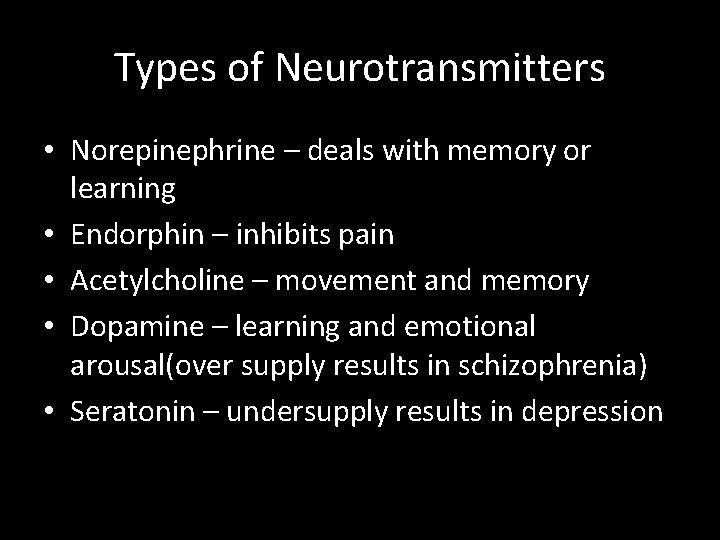
Types of Neurotransmitters • Norepinephrine – deals with memory or learning • Endorphin – inhibits pain • Acetylcholine – movement and memory • Dopamine – learning and emotional arousal(over supply results in schizophrenia) • Seratonin – undersupply results in depression
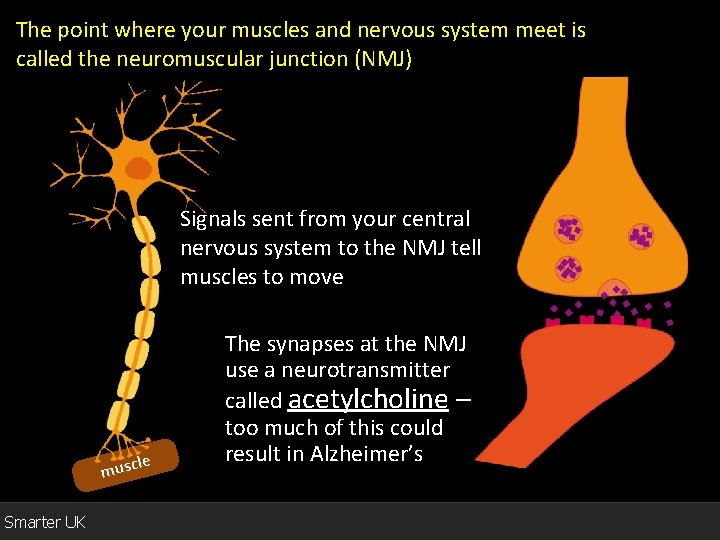
The point where your muscles and nervous system meet is called the neuromuscular junction (NMJ) Signals sent from your central nervous system to the NMJ tell muscles to move le musc Smarter UK The synapses at the NMJ use a neurotransmitter called acetylcholine – too much of this could result in Alzheimer’s
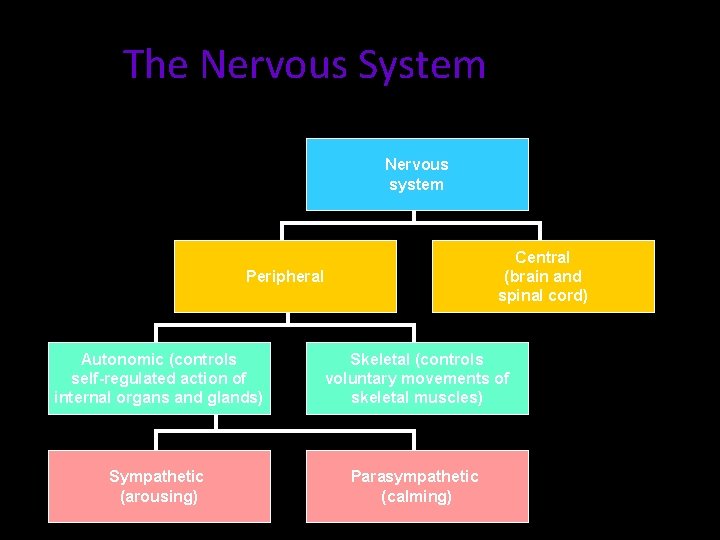
The Nervous System Nervous system Central (brain and spinal cord) Peripheral Autonomic (controls self-regulated action of internal organs and glands) Skeletal (controls voluntary movements of skeletal muscles) Sympathetic (arousing) Parasympathetic (calming)
Your brain changes and adapts What happens as our brains mature?
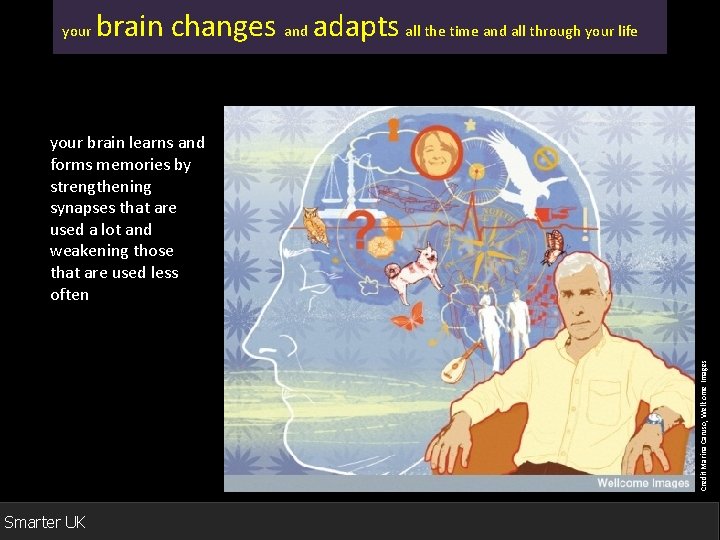
your brain changes and adapts all the time and all through your life Credit Marina Caruso, Wellcome Images your brain learns and forms memories by strengthening synapses that are used a lot and weakening those that are used less often Smarter UK
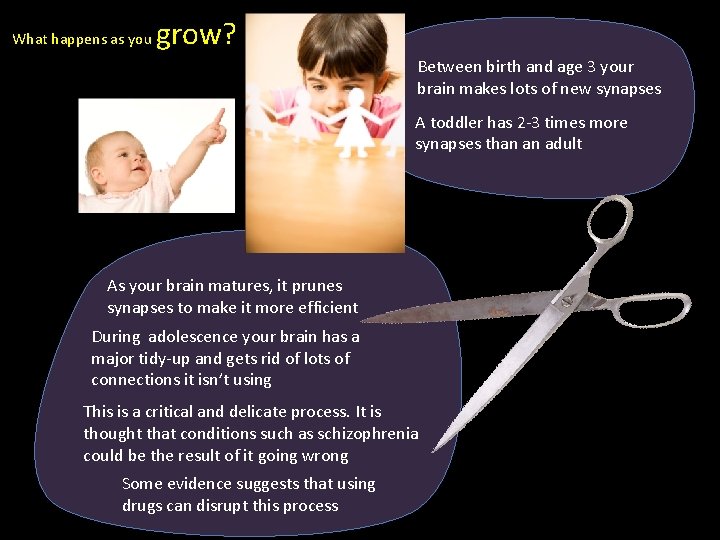
What happens as you grow? Between birth and age 3 your brain makes lots of new synapses A toddler has 2 -3 times more synapses than an adult As your brain matures, it prunes synapses to make it more efficient During adolescence your brain has a major tidy-up and gets rid of lots of connections it isn’t using This is a critical and delicate process. It is thought that conditions such as schizophrenia could be the result of it going wrong Some evidence suggests that using drugs can disrupt this process
- Slides: 17