
Year 9 10 and 11 AQA Design Technology





- Slides: 27
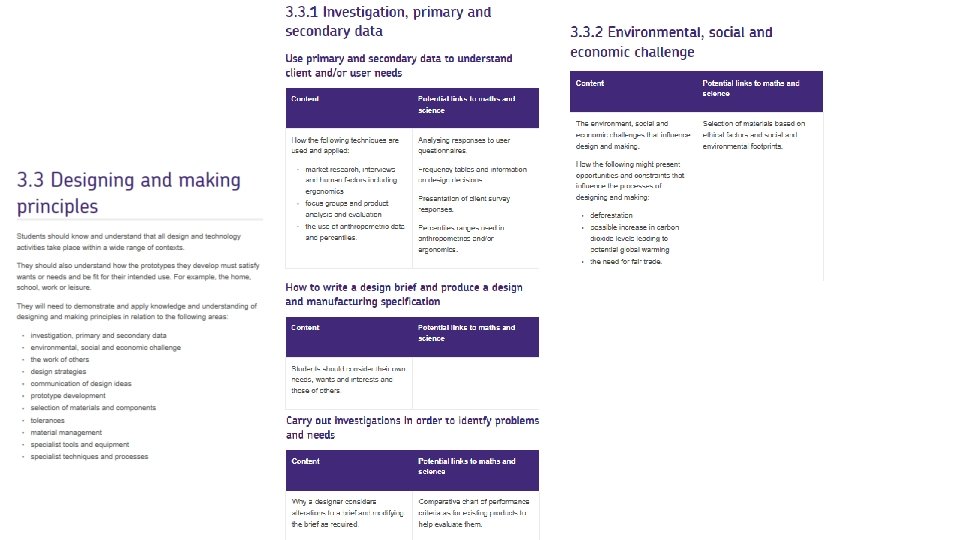
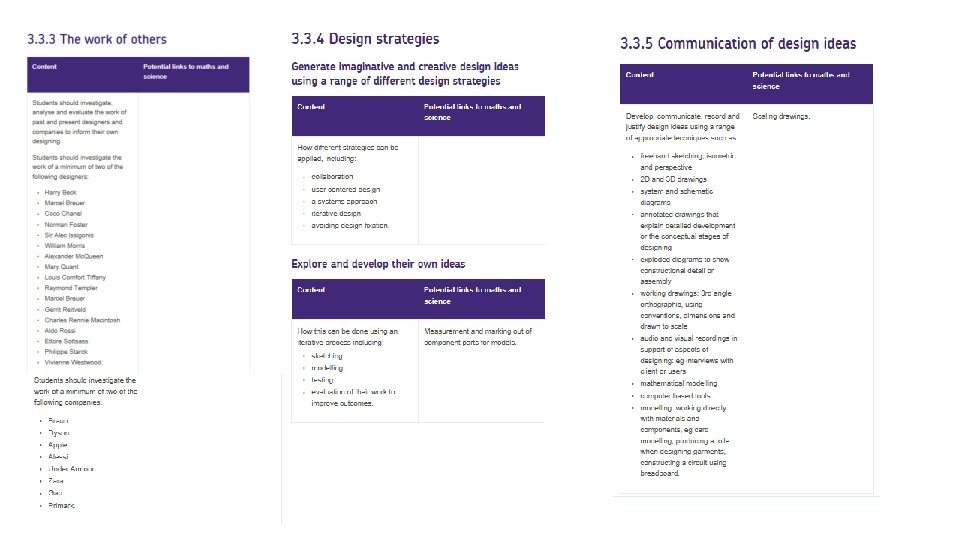
Year 9, 10 and 11 AQA Design & Technology Revision Content
Subject content- Revision topics Core Technical Principles Specialist Technical Principles Designing and Making Principles https: //www. bbc. co. uk/bitesize/examspecs/zby 2 bdm
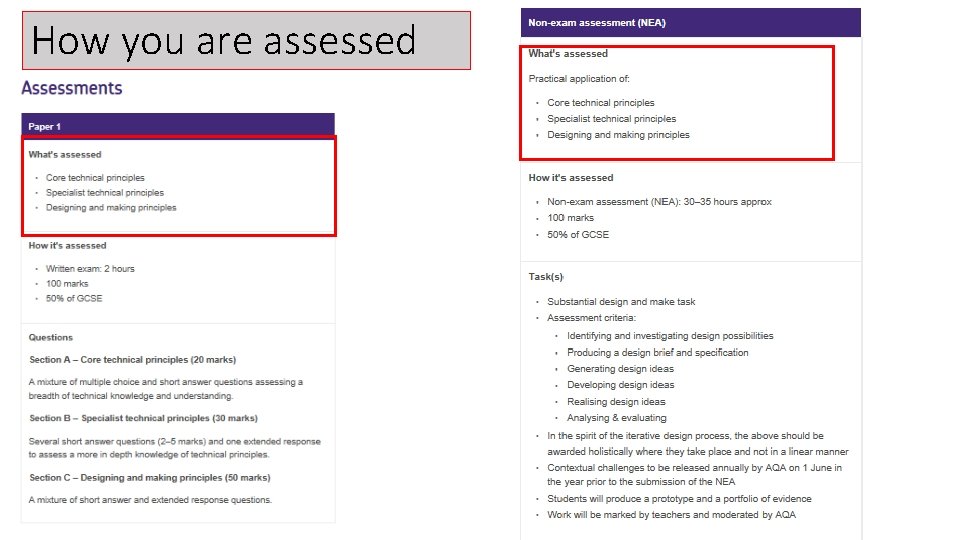
How you are assessed
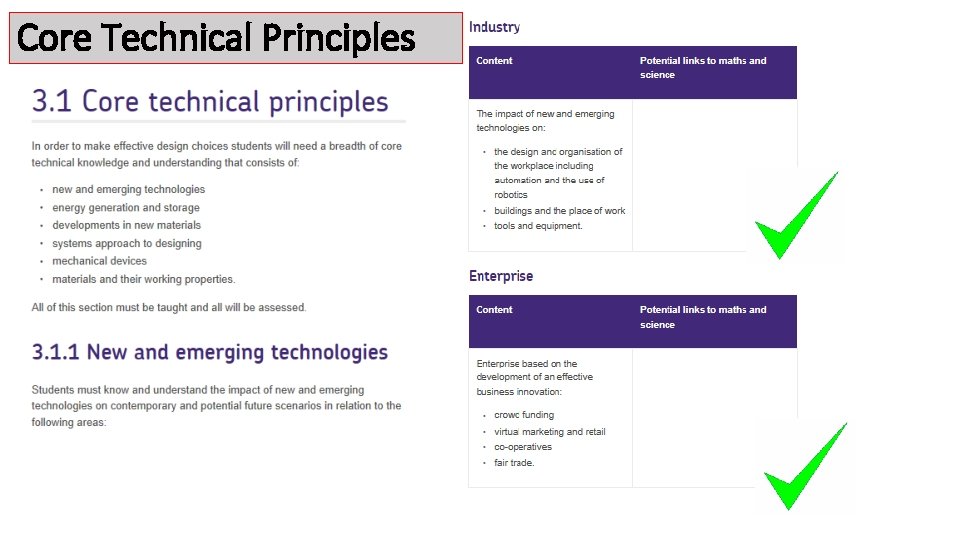
Core Technical Principles
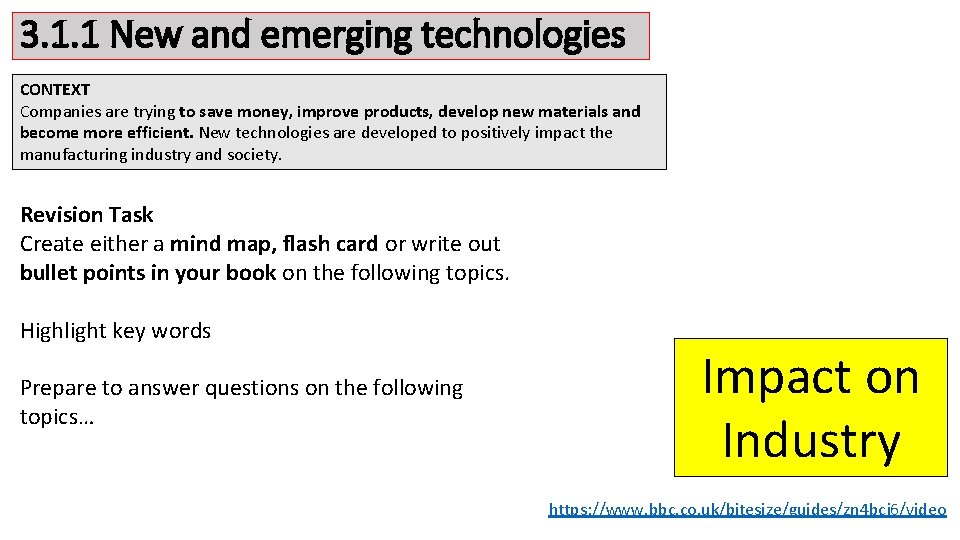
3. 1. 1 New and emerging technologies CONTEXT Companies are trying to save money, improve products, develop new materials and become more efficient. New technologies are developed to positively impact the manufacturing industry and society. Revision Task Create either a mind map, flash card or write out bullet points in your book on the following topics. Highlight key words Prepare to answer questions on the following topics… Impact on Industry https: //www. bbc. co. uk/bitesize/guides/zn 4 bcj 6/video
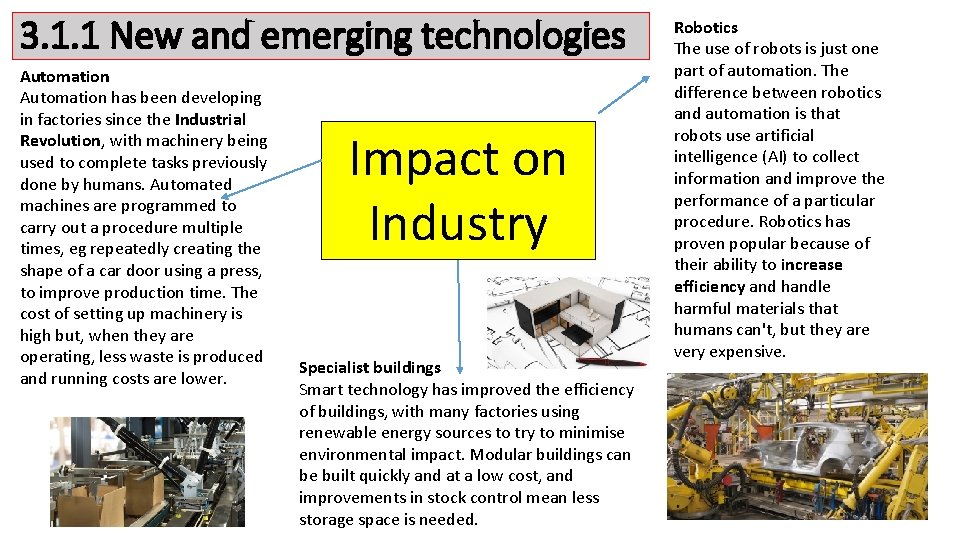
3. 1. 1 New and emerging technologies Automation has been developing in factories since the Industrial Revolution, with machinery being used to complete tasks previously done by humans. Automated machines are programmed to carry out a procedure multiple times, eg repeatedly creating the shape of a car door using a press, to improve production time. The cost of setting up machinery is high but, when they are operating, less waste is produced and running costs are lower. Impact on Industry Specialist buildings Smart technology has improved the efficiency of buildings, with many factories using renewable energy sources to try to minimise environmental impact. Modular buildings can be built quickly and at a low cost, and improvements in stock control mean less storage space is needed. Robotics The use of robots is just one part of automation. The difference between robotics and automation is that robots use artificial intelligence (AI) to collect information and improve the performance of a particular procedure. Robotics has proven popular because of their ability to increase efficiency and handle harmful materials that humans can't, but they are very expensive.
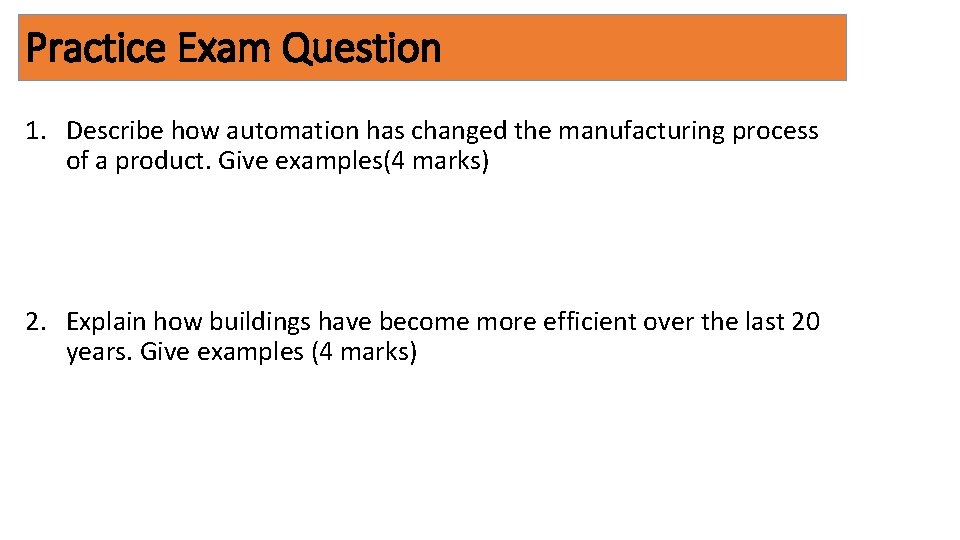
Practice Exam Question 1. Describe how automation has changed the manufacturing process of a product. Give examples(4 marks) 2. Explain how buildings have become more efficient over the last 20 years. Give examples (4 marks)
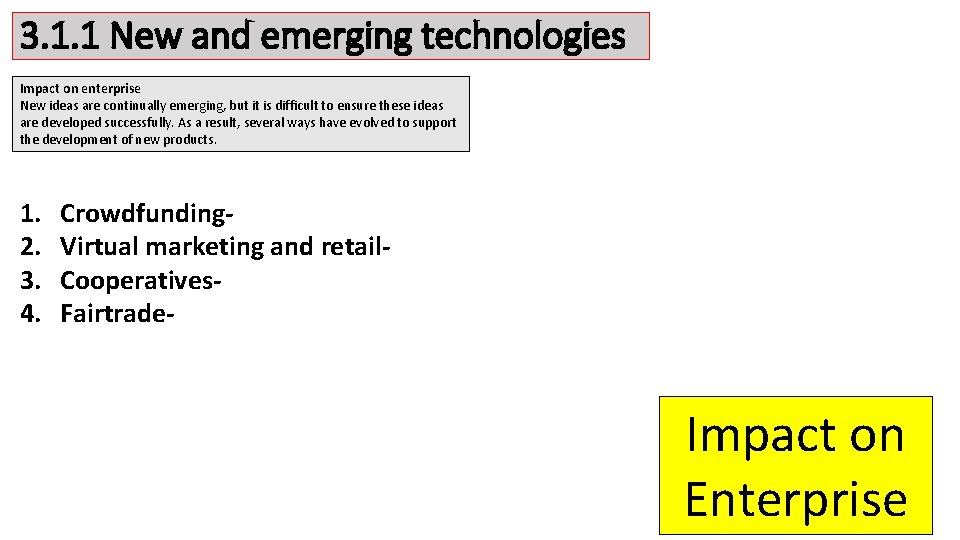
3. 1. 1 New and emerging technologies Impact on enterprise New ideas are continually emerging, but it is difficult to ensure these ideas are developed successfully. As a result, several ways have evolved to support the development of new products. 1. 2. 3. 4. Crowdfunding. Virtual marketing and retail. Cooperatives. Fairtrade- Impact on Enterprise
Crowdfunding Virtual marketing and retail Cooperatives Fair trade
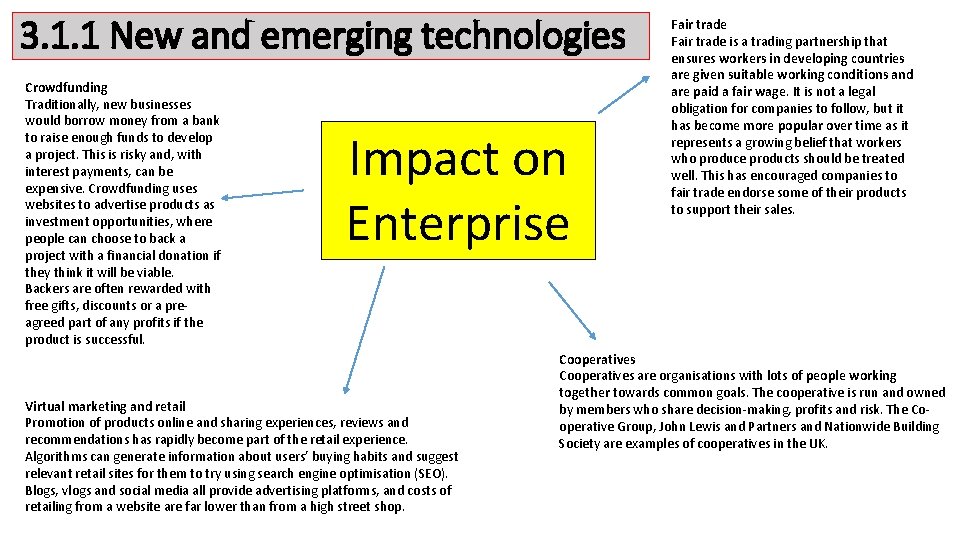
3. 1. 1 New and emerging technologies Crowdfunding Traditionally, new businesses would borrow money from a bank to raise enough funds to develop a project. This is risky and, with interest payments, can be expensive. Crowdfunding uses websites to advertise products as investment opportunities, where people can choose to back a project with a financial donation if they think it will be viable. Backers are often rewarded with free gifts, discounts or a preagreed part of any profits if the product is successful. Impact on Enterprise Virtual marketing and retail Promotion of products online and sharing experiences, reviews and recommendations has rapidly become part of the retail experience. Algorithms can generate information about users’ buying habits and suggest relevant retail sites for them to try using search engine optimisation (SEO). Blogs, vlogs and social media all provide advertising platforms, and costs of retailing from a website are far lower than from a high street shop. Fair trade is a trading partnership that ensures workers in developing countries are given suitable working conditions and are paid a fair wage. It is not a legal obligation for companies to follow, but it has become more popular over time as it represents a growing belief that workers who produce products should be treated well. This has encouraged companies to fair trade endorse some of their products to support their sales. Cooperatives are organisations with lots of people working together towards common goals. The cooperative is run and owned by members who share decision-making, profits and risk. The Cooperative Group, John Lewis and Partners and Nationwide Building Society are examples of cooperatives in the UK.
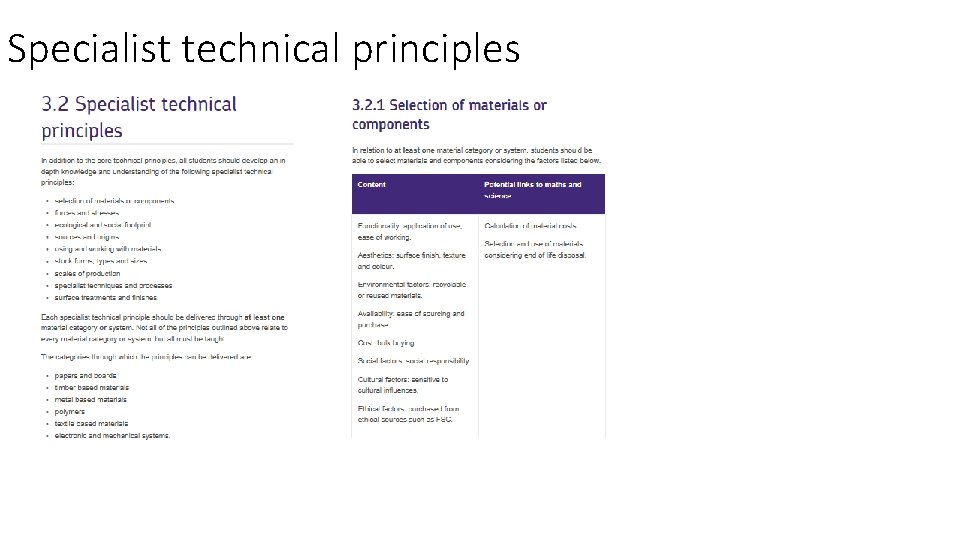
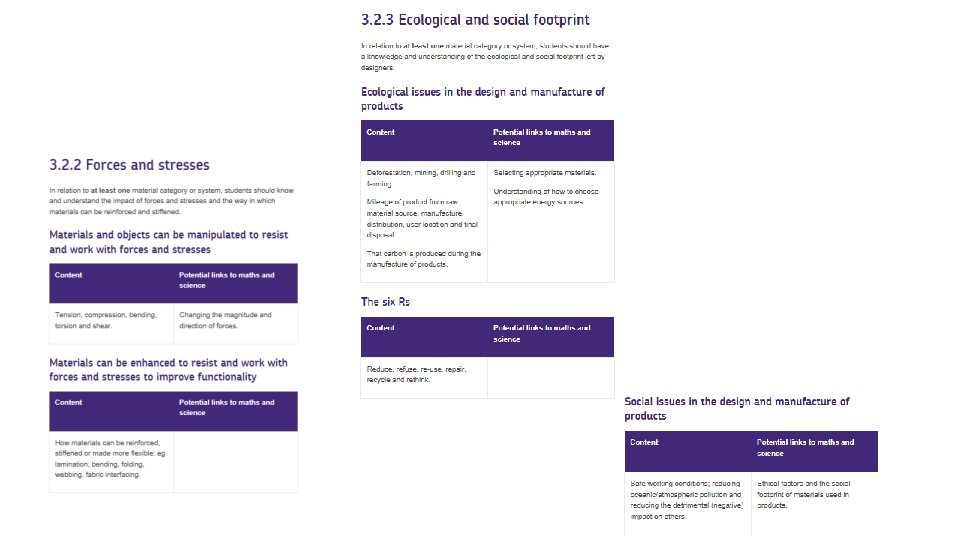
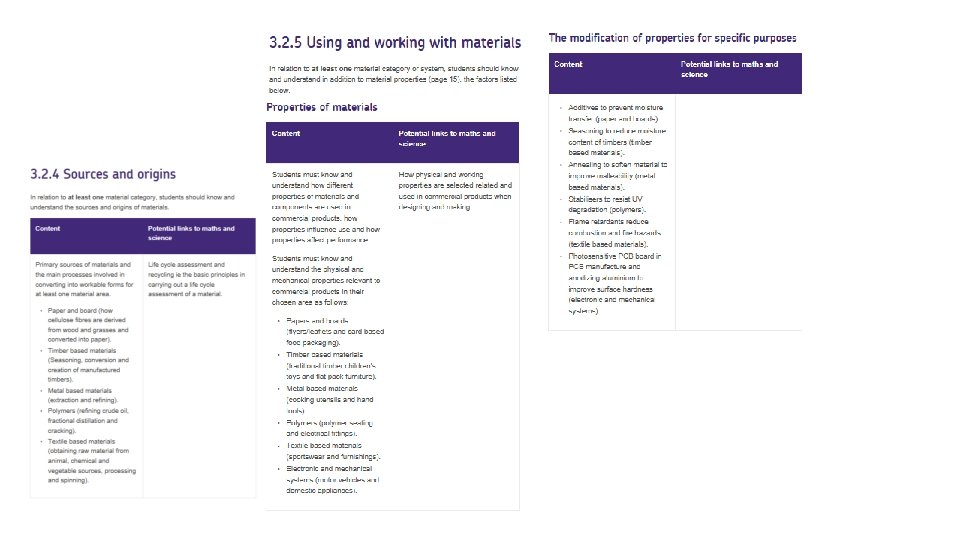
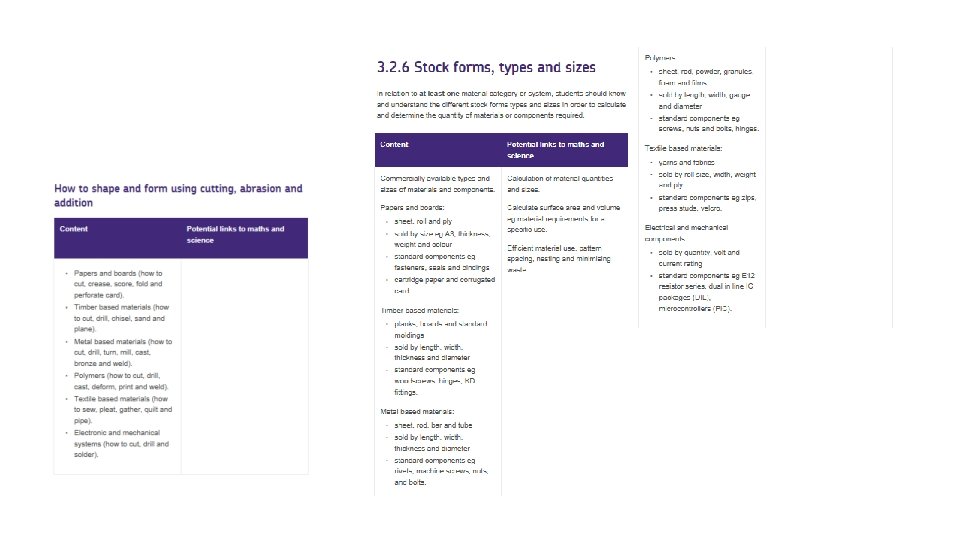
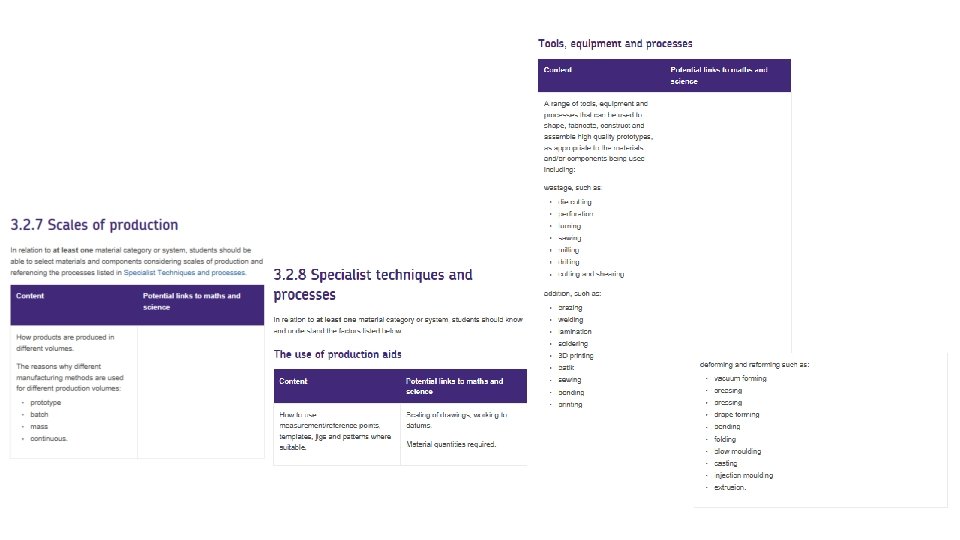
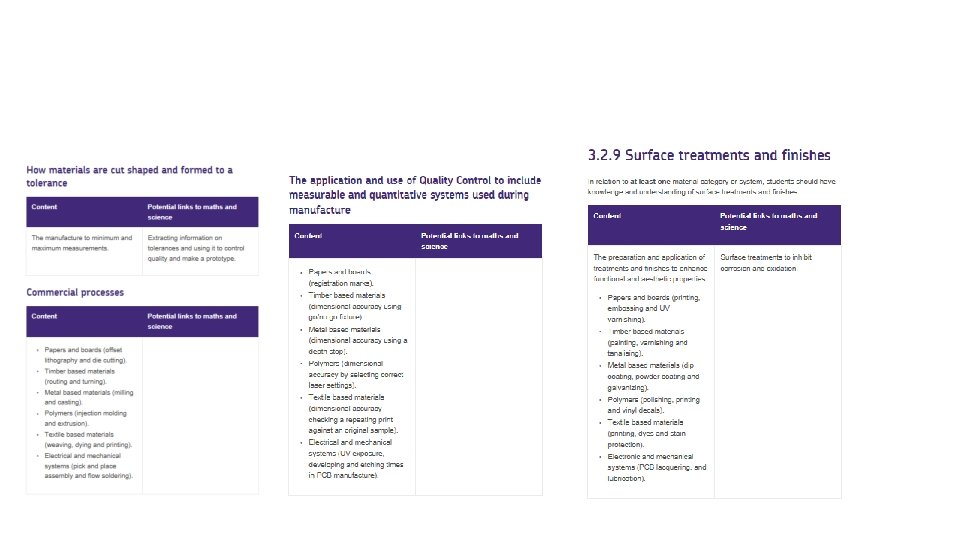
Specialist technical principles
Projects • Pewter keyring • Ergonomic project- Chair • Toothbrush holder • MDF desk tidy • Practice NEA- Birdhouse