
Year 7 Science Investigating Detective Skills Are you




- Slides: 72
Year 7 Science Investigating
Detective Skills Are you a good observer? Some of the skills that scientists use are the same as those used by a detective in solving a crime. Many crimes are solved because someone has made some very careful observations. Observations are things or events that you notice. Scientists use all 5 senses to observe:
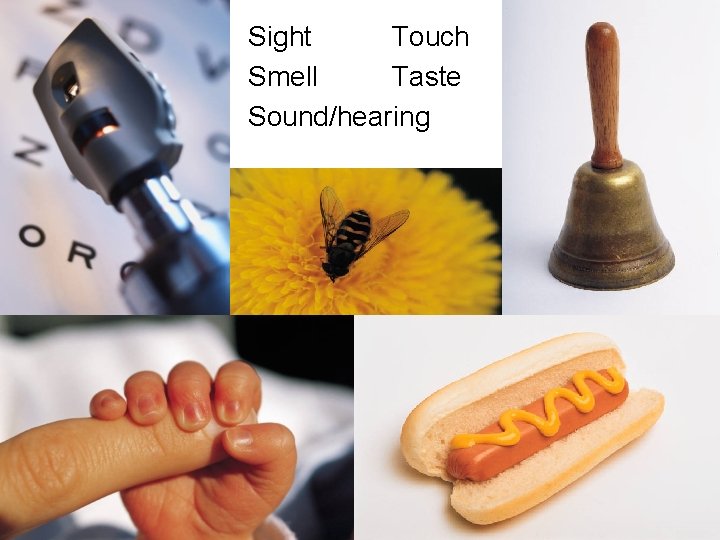
Sight Touch Smell Taste Sound/hearing
Optical Illusions
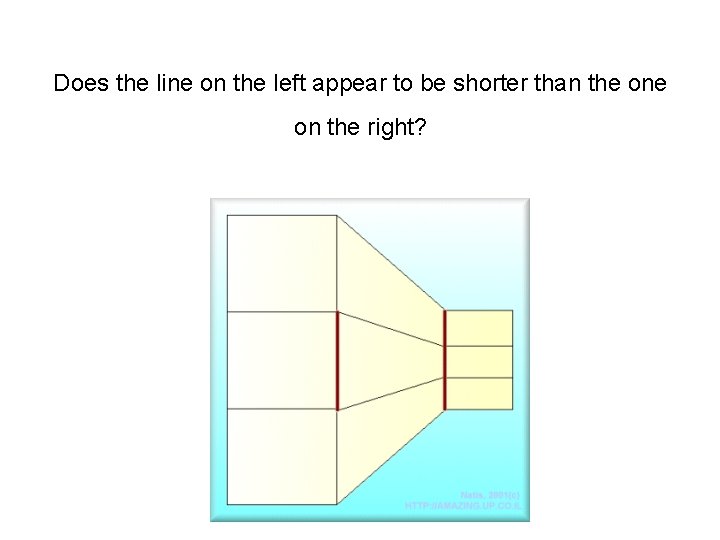
Does the line on the left appear to be shorter than the on the right?
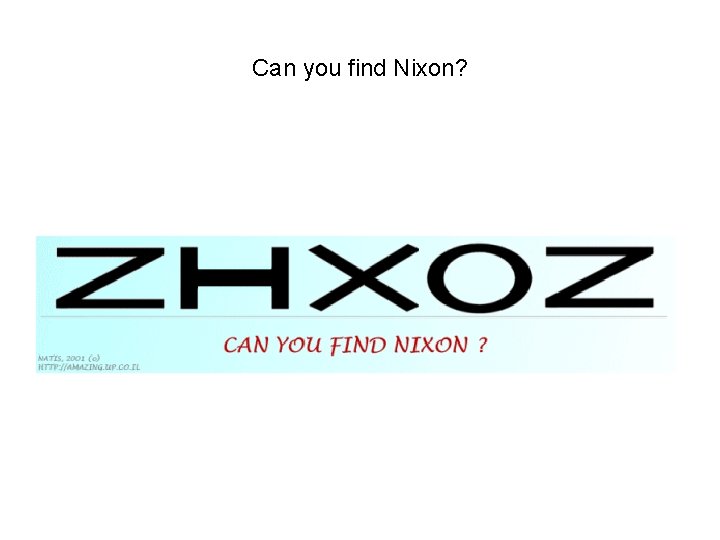
Can you find Nixon?
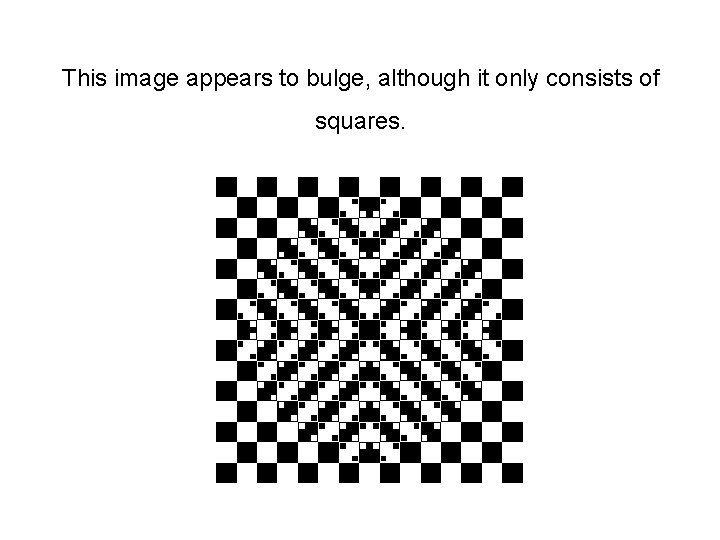
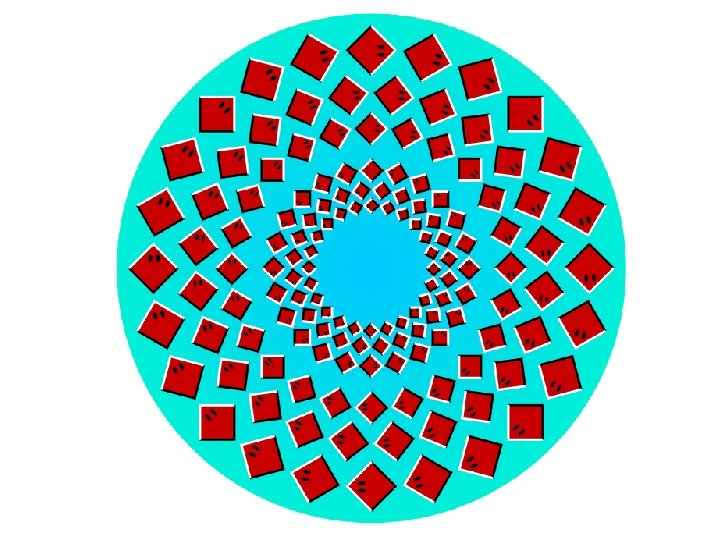
This image appears to bulge, although it only consists of squares.
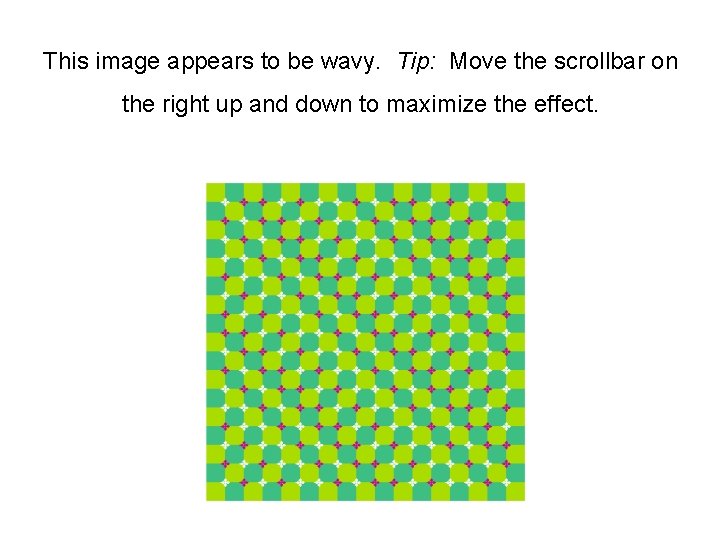
This image appears to be wavy. Tip: Move the scrollbar on the right up and down to maximize the effect.
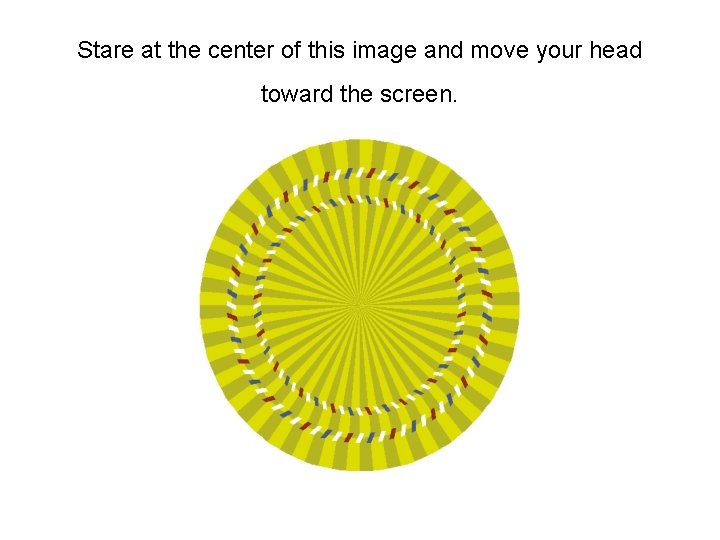
Stare at the center of this image and move your head toward the screen.
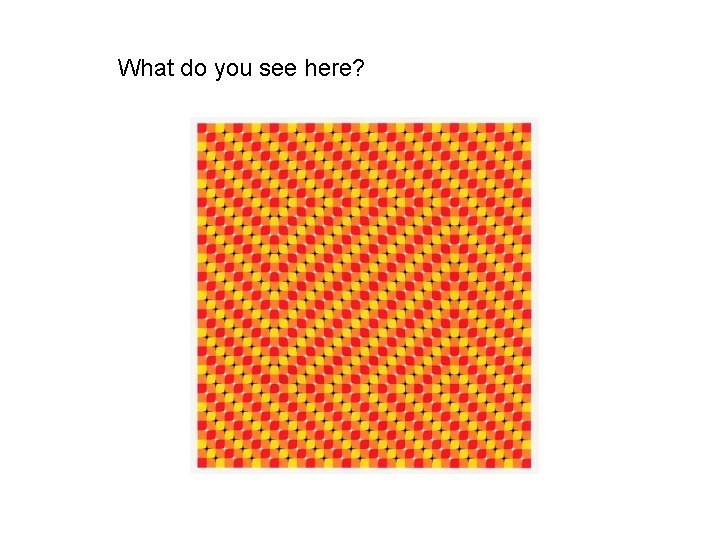
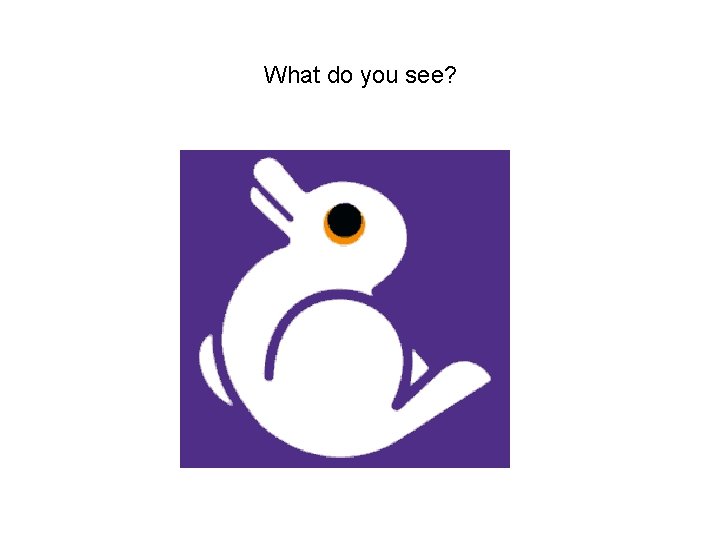
What do you see here?
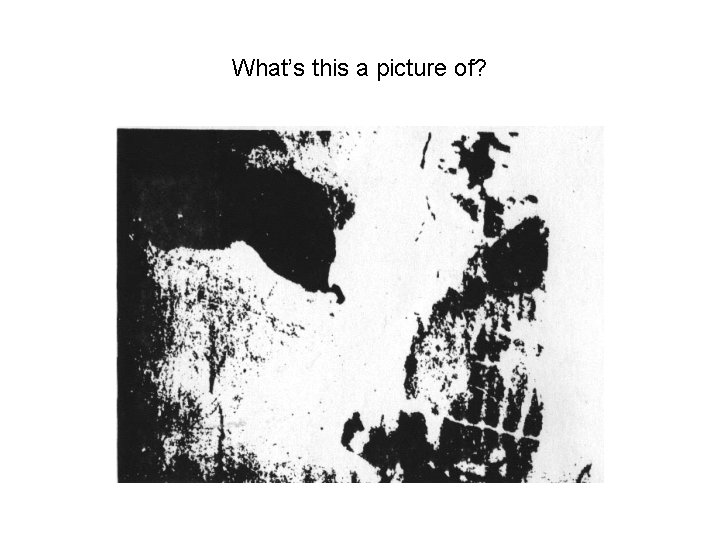
What’s this a picture of?
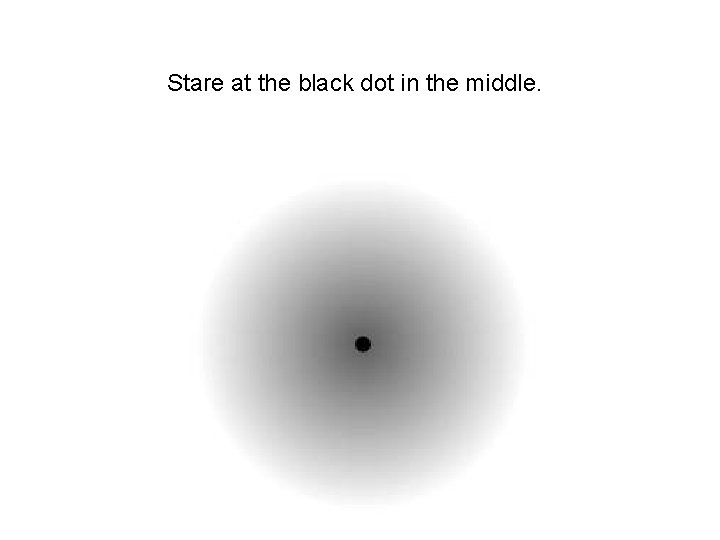
Stare at the black dot in the middle. •
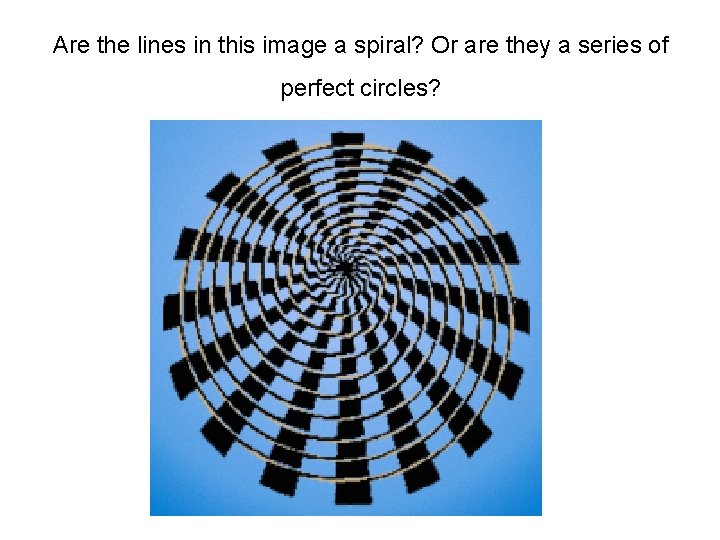
Are the lines in this image a spiral? Or are they a series of perfect circles? •
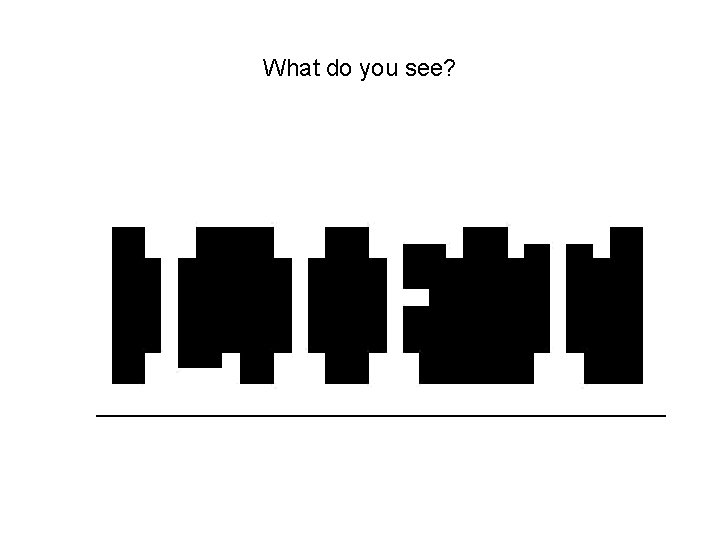
What do you see? •
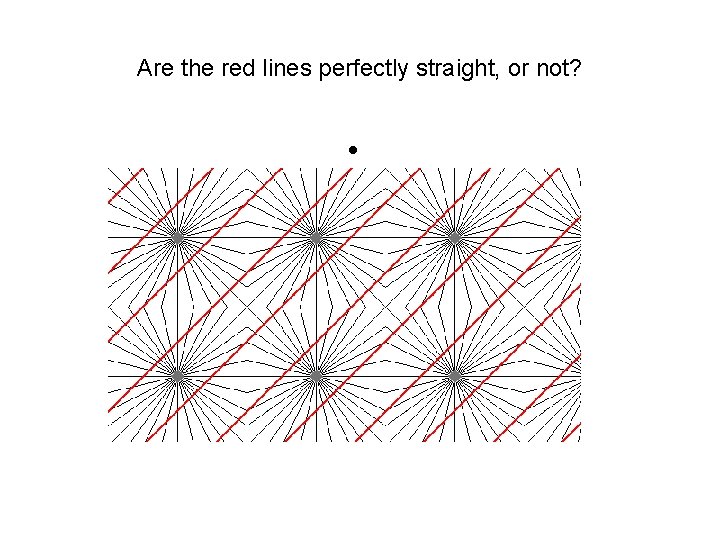
Are the red lines perfectly straight, or not? •
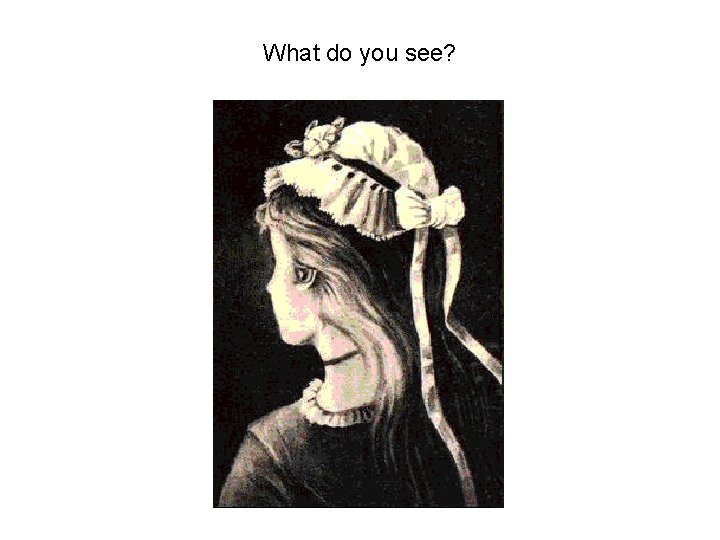
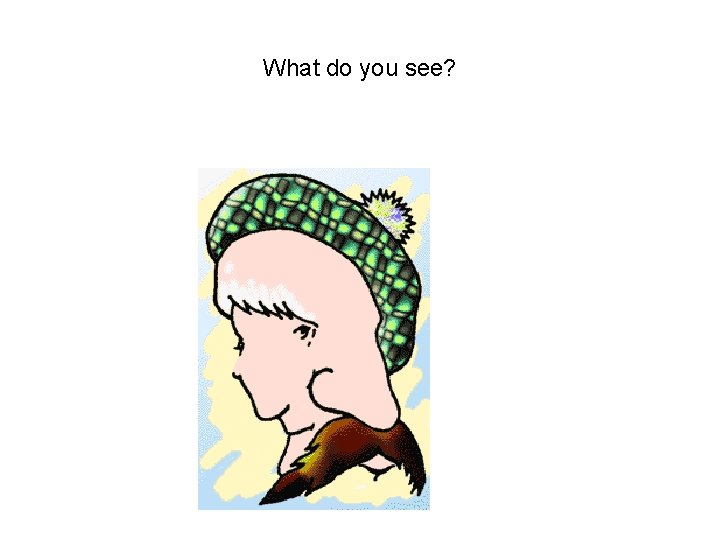
What do you see? •
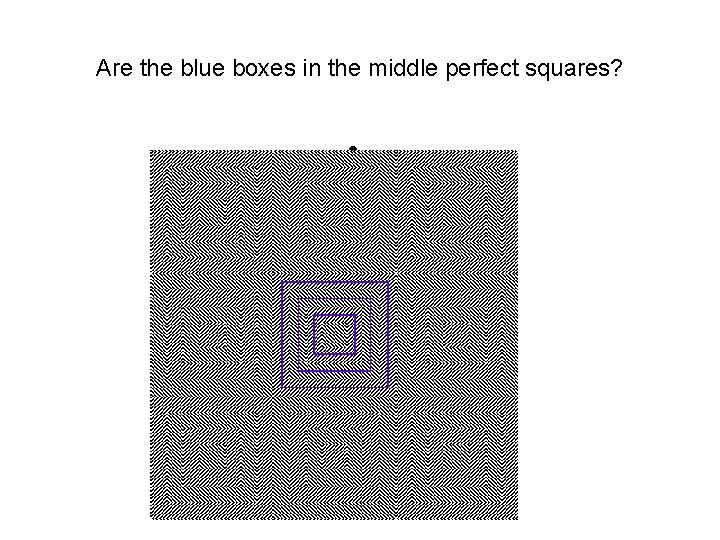
Are the blue boxes in the middle perfect squares? •
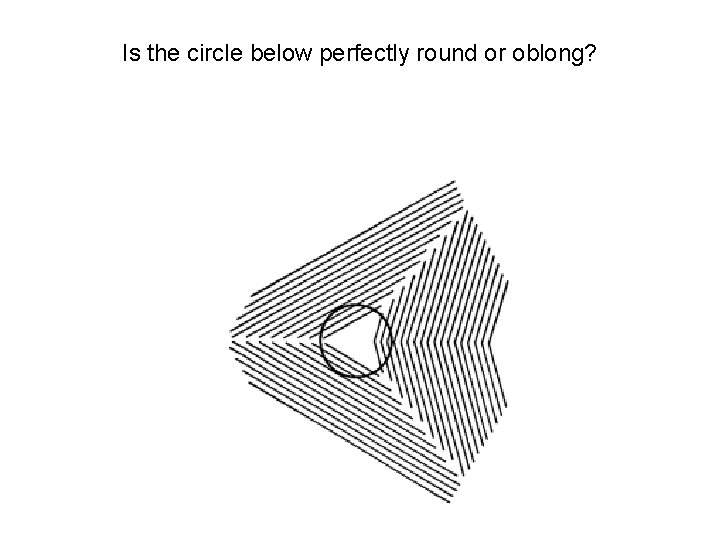
Is the circle below perfectly round or oblong?
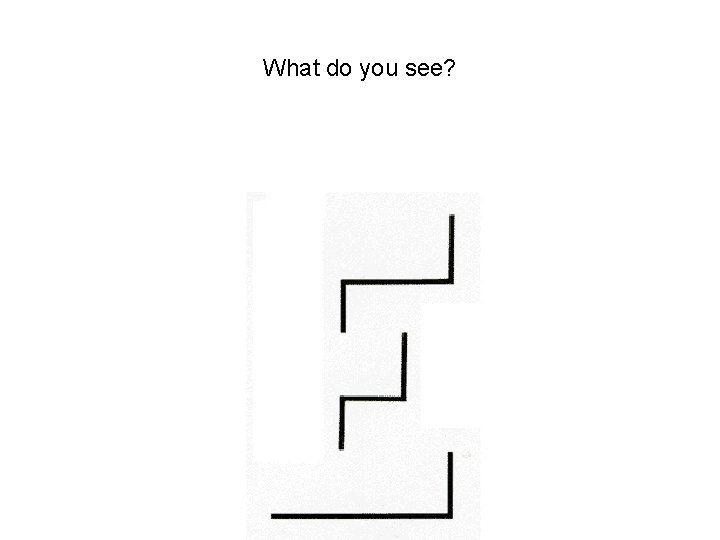
What do you see?
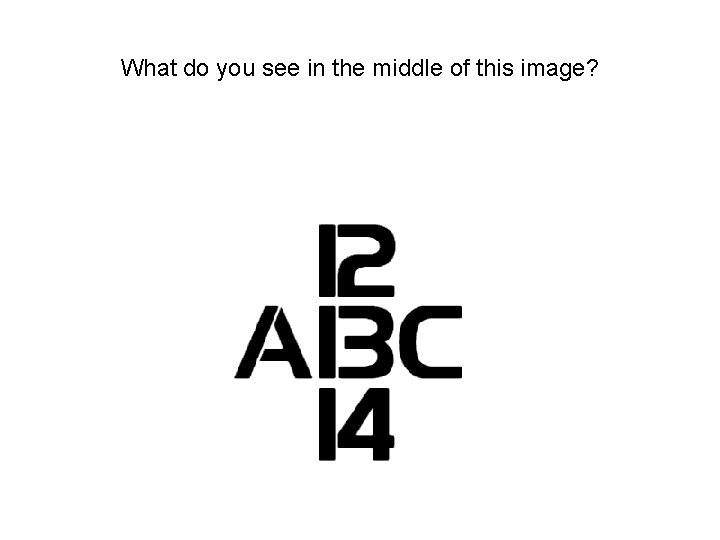
What do you see in the middle of this image?
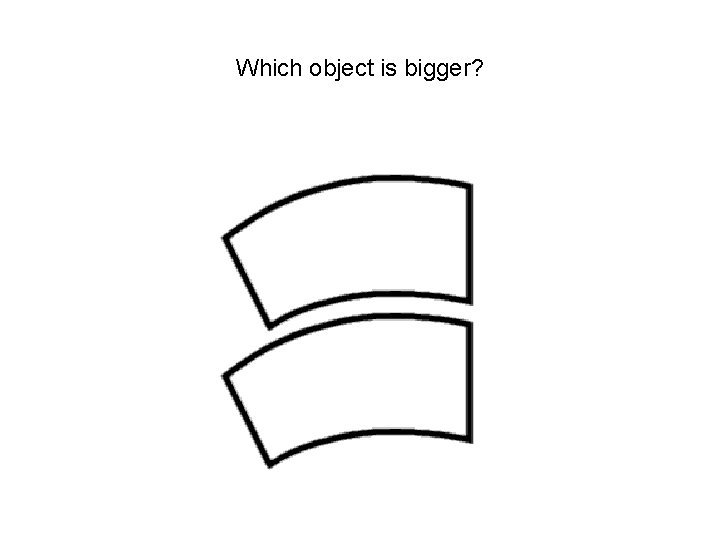
Which object is bigger?
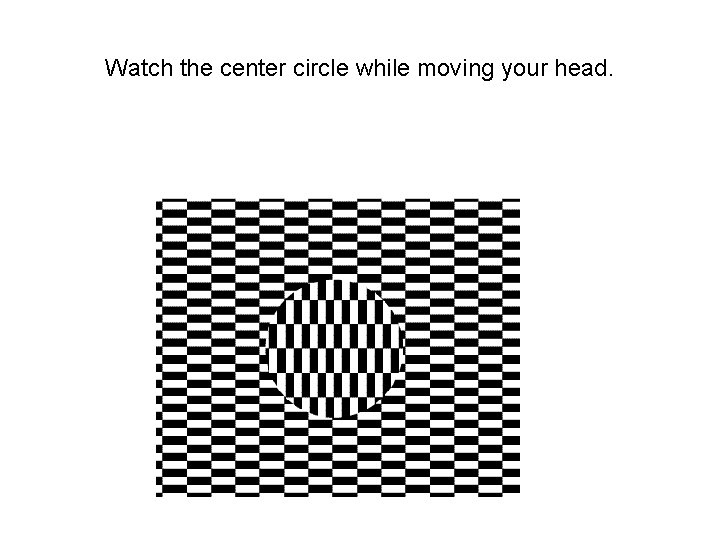
Watch the center circle while moving your head.
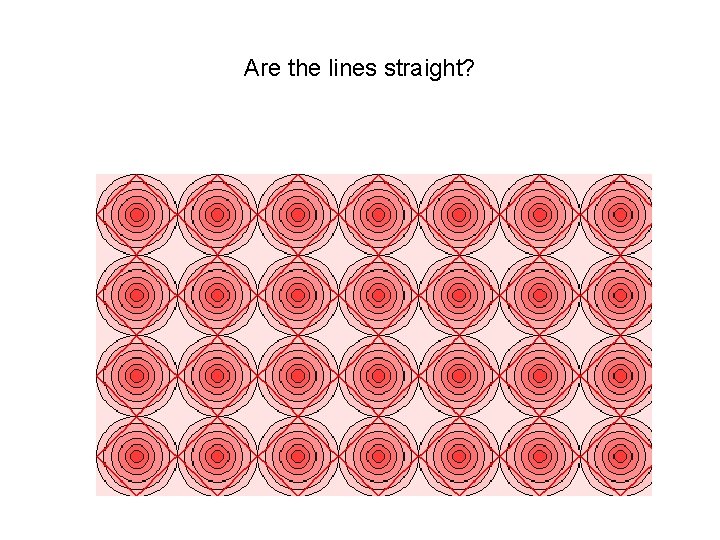
Are the lines straight?
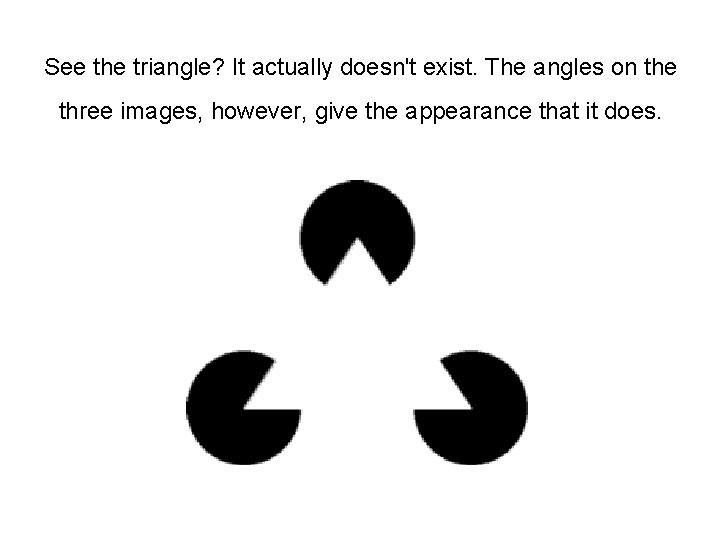
See the triangle? It actually doesn't exist. The angles on the three images, however, give the appearance that it does.
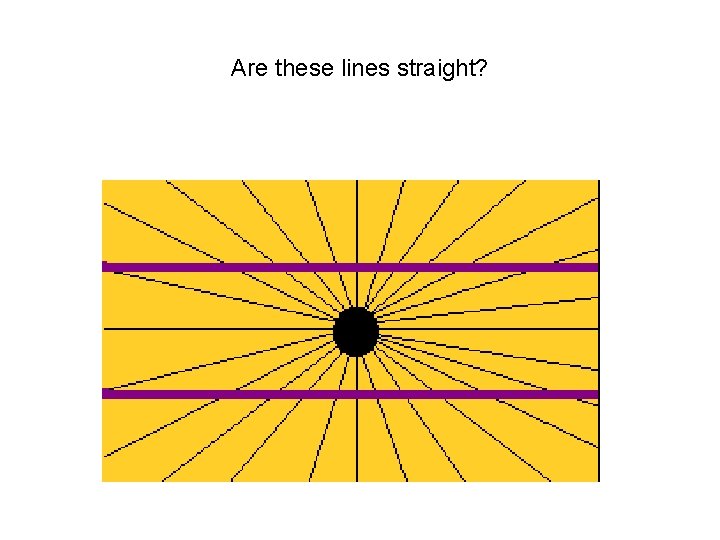
Are these lines straight?
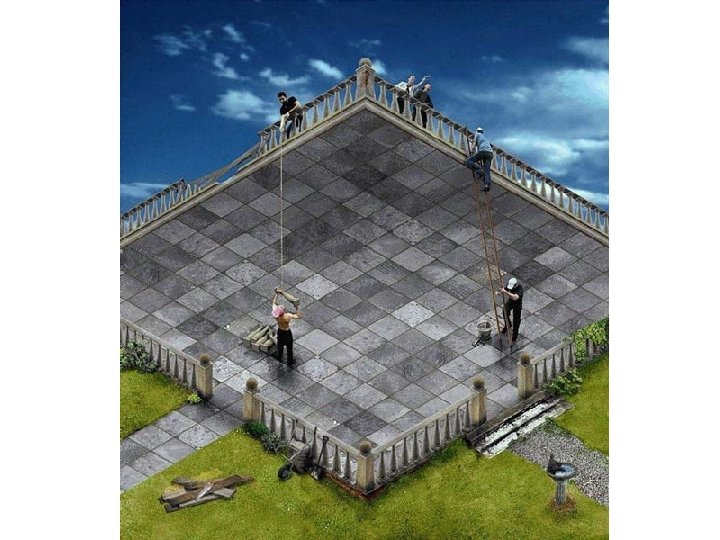
What do you see?
What do you see?
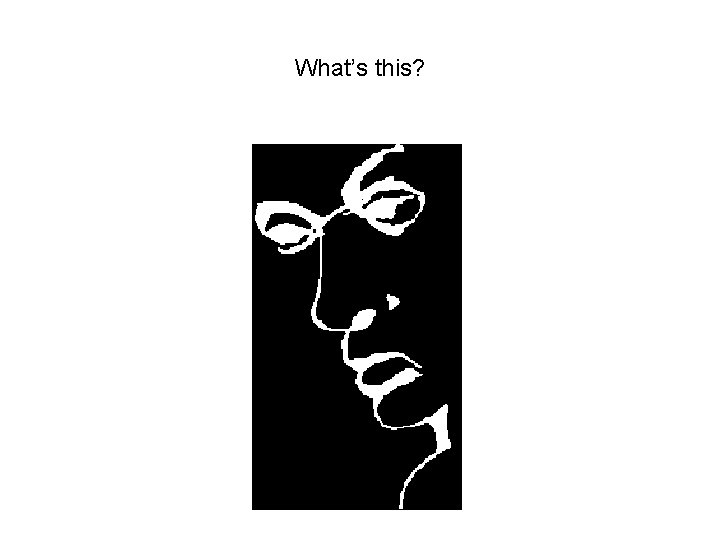
What’s this?
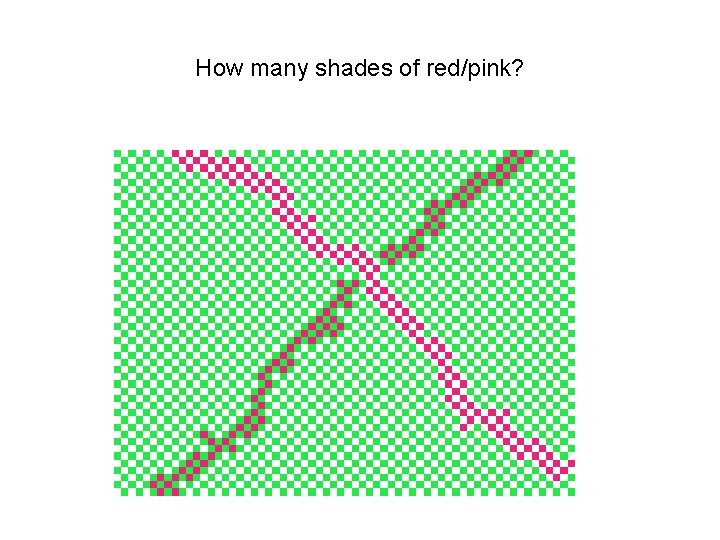
How many shades of red/pink?
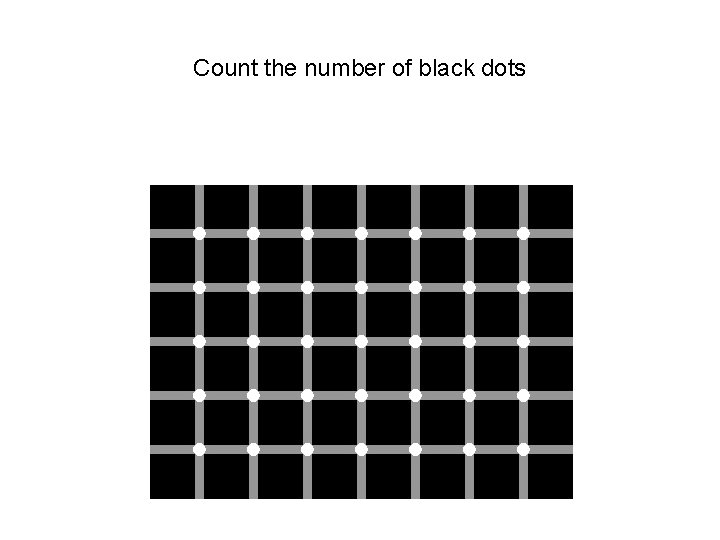
Count the number of black dots
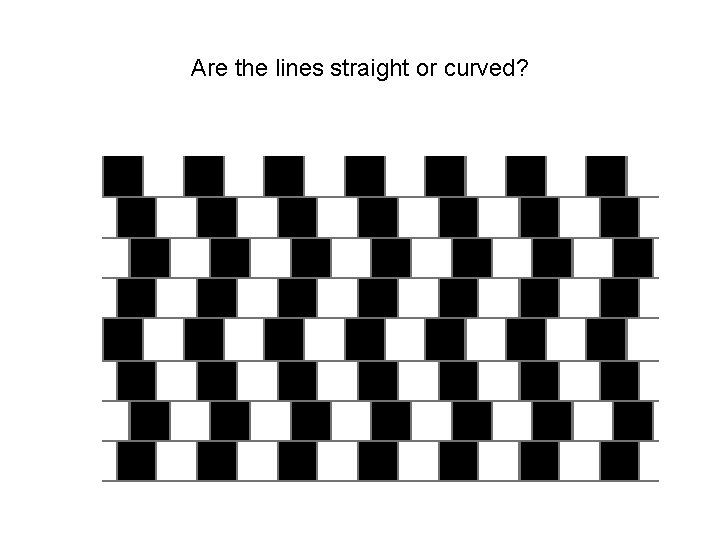
Are the lines straight or curved?
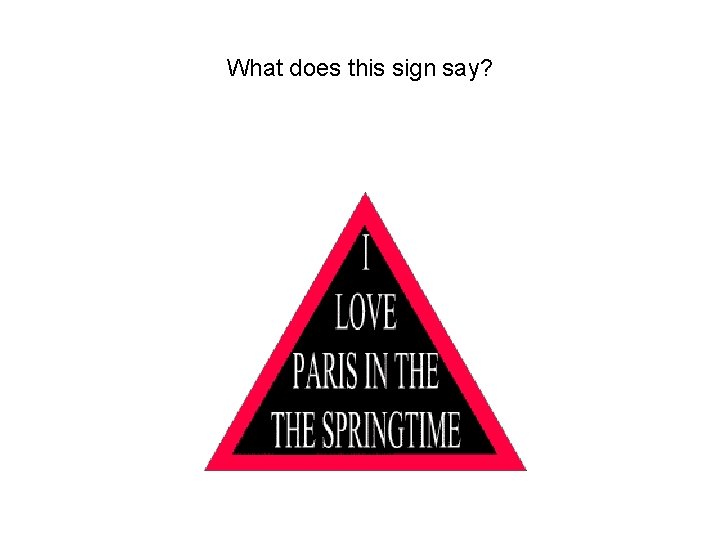
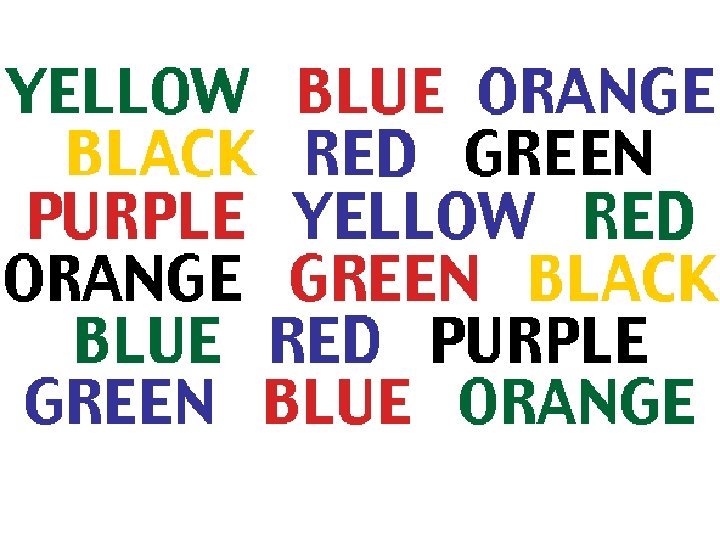
What does this sign say?
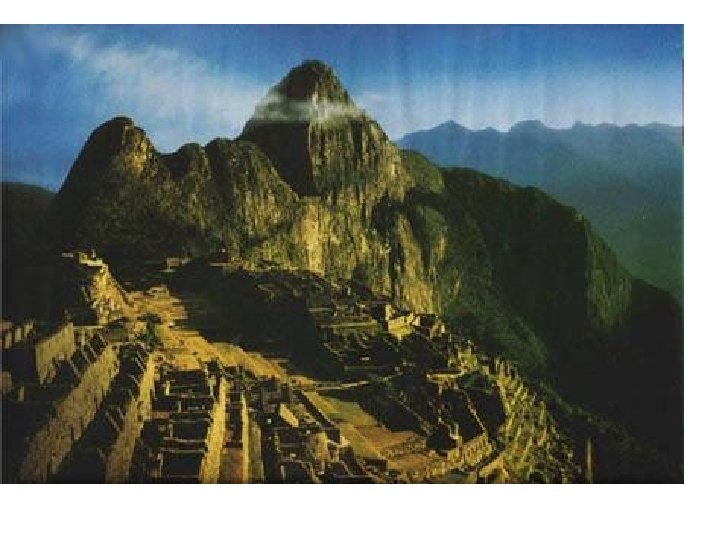
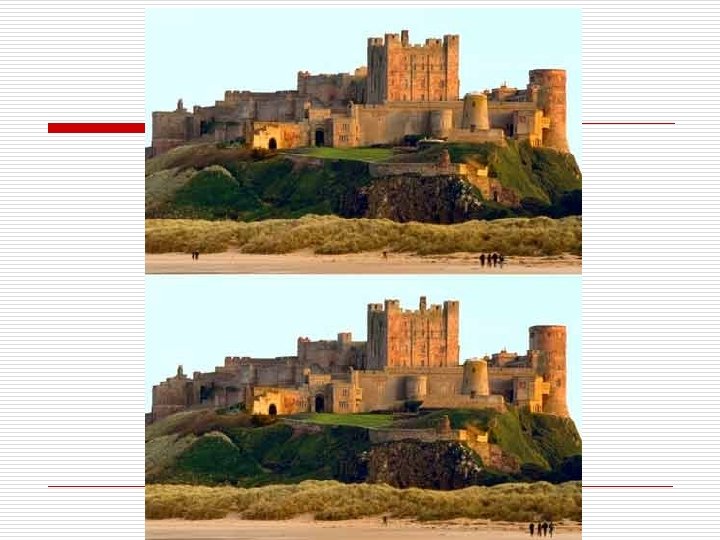
Like the picture? Click here to buy the poster! Take a look at this picture of some ancient ruins. . . Notice anything unusual about the mountains?
The Moral of the Story o If we have trouble judging simple things like the straightness and length of lines, of color, of motion where there is none, one must ask what other mistakes we are making in perception. o Can we really believe everything we think we see?
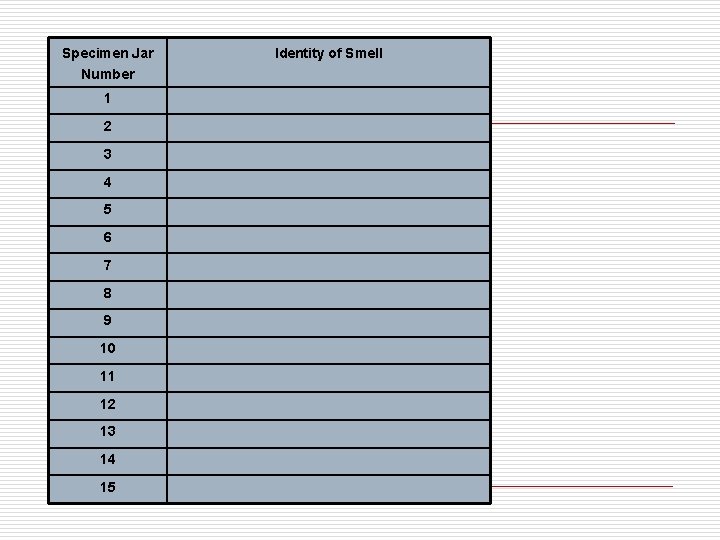
Practical Being Observant – Using Your Nose o Remove the lid from the specimen jars and attempt to identify each smell. Record your results in a table.
Specimen Jar Number 1 2 3 4 5 6 7 8 9 10 11 12 13 14 15 Identity of Smell
Observations o An observation is something that you notice using any of your senses. Being observant means using all your senses to notice things around you. It is important to be accurate in your observations. Some observations are: o Smelling onions in the kitchen o Finding that a fabric feels like satin o Seeing a man running down the street o Hearing an electronic alarm o Find that lemon juice tastes sour
Inference o An inference is a likely explanation of what you observed. It is how you explain the observation. The observation may or may not be true. o Here is some inferences you might have made about the observations above: o You will have onions with your dinner o Mum brought the fabric for the concert o The man is scared of dogs o A cat caused the alarm to sound o Lemons contain an acid
Hypothesis o o o o A hypothesis is a guess at an answer, which you test by doing an experiment. Some things cannot be tested by experiment, such as personal likes and dislikes. Some hypotheses you might make about the observations above. Onions smell more on a hot day than a cold day The fabric feels smooth because the fibres are close together The man running from the dog was bitten last year Cats climb onto cars, and the movement activates the car alarm Lemons are sour because they contain citric acid
Observations and Inferences o Observations are used to make an inference. An inference is a likely explanation of what you observed. For example; if you smell perfume, you can infer that someone has just sprayed deodorant. o A hypothesis is a guess at an answer, which you can test by experiment. For example; perfume smells because the particles in perfume attach to smell detectors in the nose. o After you have all the facts, you might be able to form a conclusion. A conclusion is a final outcome of your investigation.
o Complete the worksheet on Observations and Inferences o Light a candle and make as many observations and inferences as possible. (A famous scientist once made 53 observations of a burning candle!). Mark each point as either an observation or inference. o Complete the Experiment – Making Observations
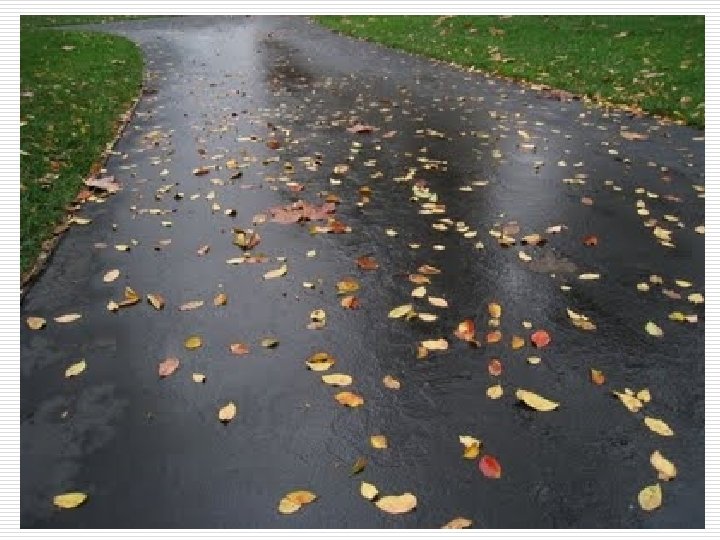
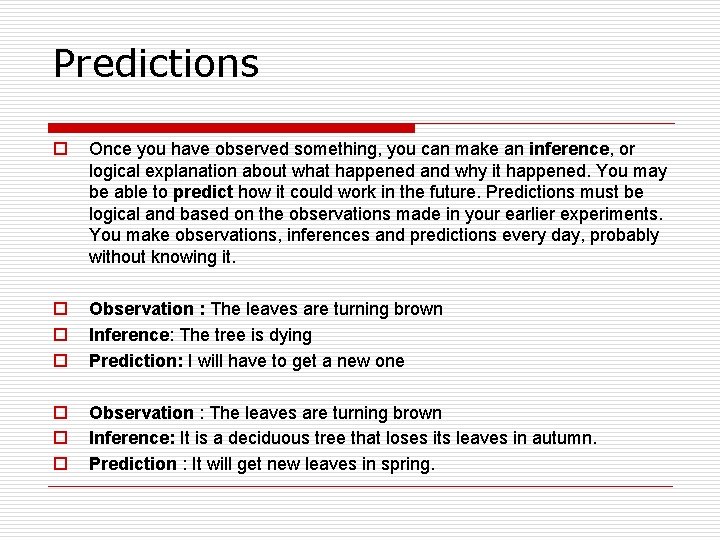
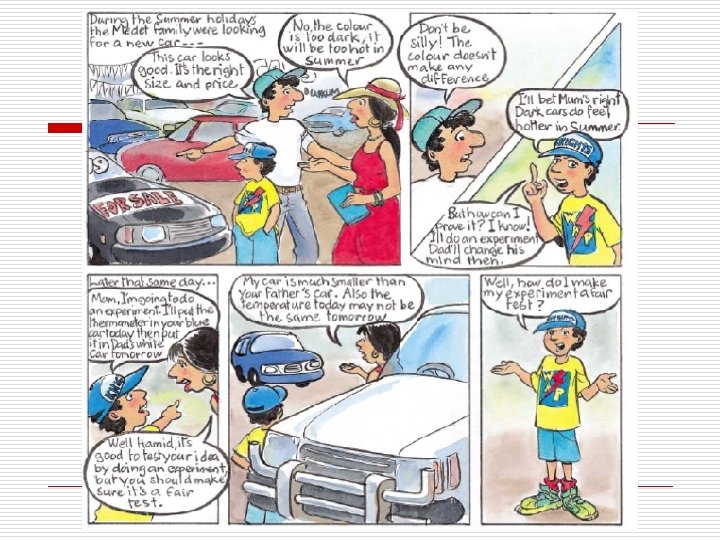
Predictions o Once you have observed something, you can make an inference, or logical explanation about what happened and why it happened. You may be able to predict how it could work in the future. Predictions must be logical and based on the observations made in your earlier experiments. You make observations, inferences and predictions every day, probably without knowing it. o o o Observation : The leaves are turning brown Inference: The tree is dying Prediction: I will have to get a new one o o o Observation : The leaves are turning brown Inference: It is a deciduous tree that loses its leaves in autumn. Prediction : It will get new leaves in spring.
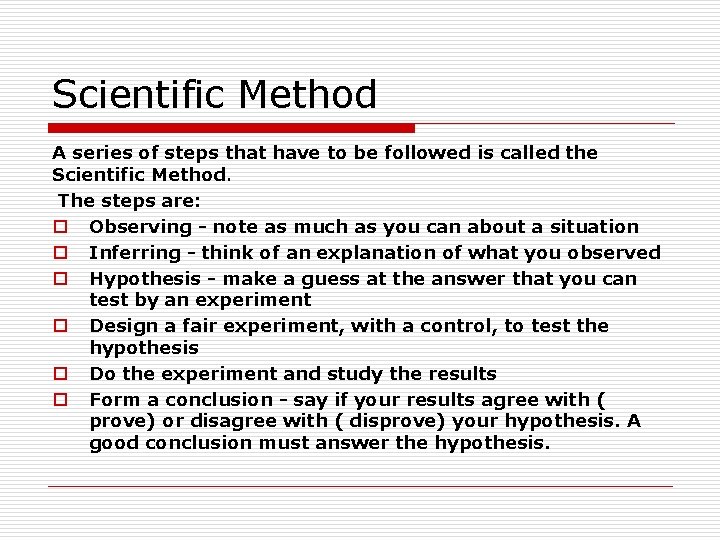
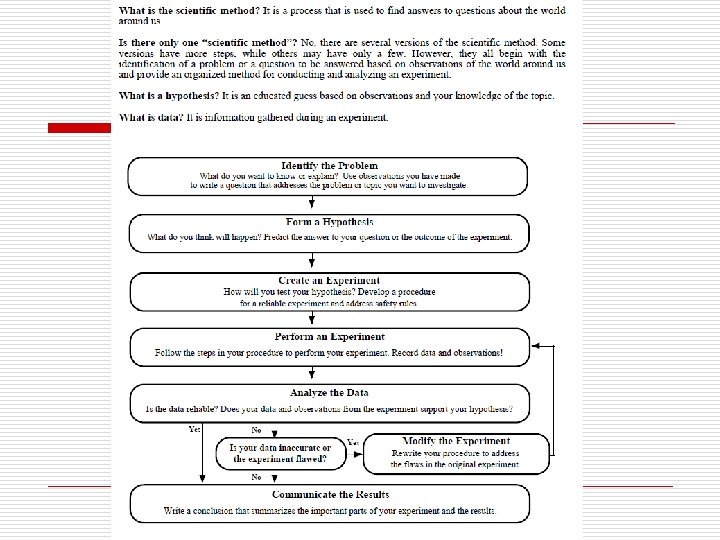
Scientific Method A series of steps that have to be followed is called the Scientific Method. The steps are: o Observing - note as much as you can about a situation o Inferring - think of an explanation of what you observed o Hypothesis - make a guess at the answer that you can test by an experiment o Design a fair experiment, with a control, to test the hypothesis o Do the experiment and study the results o Form a conclusion - say if your results agree with ( prove) or disagree with ( disprove) your hypothesis. A good conclusion must answer the hypothesis.
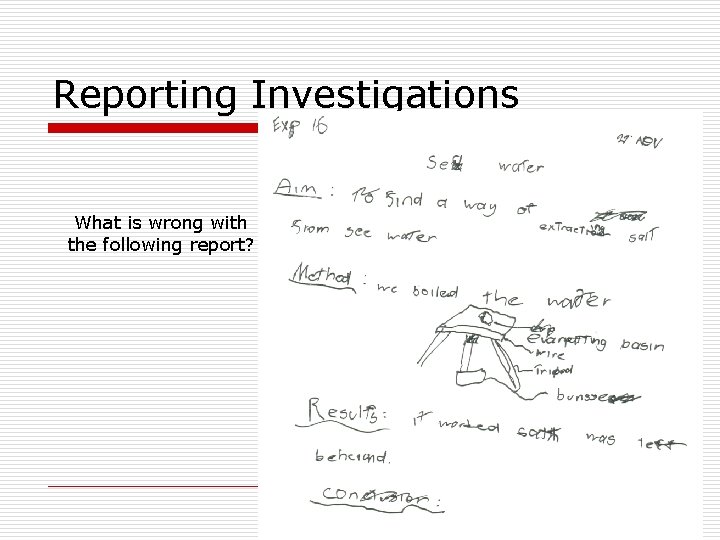
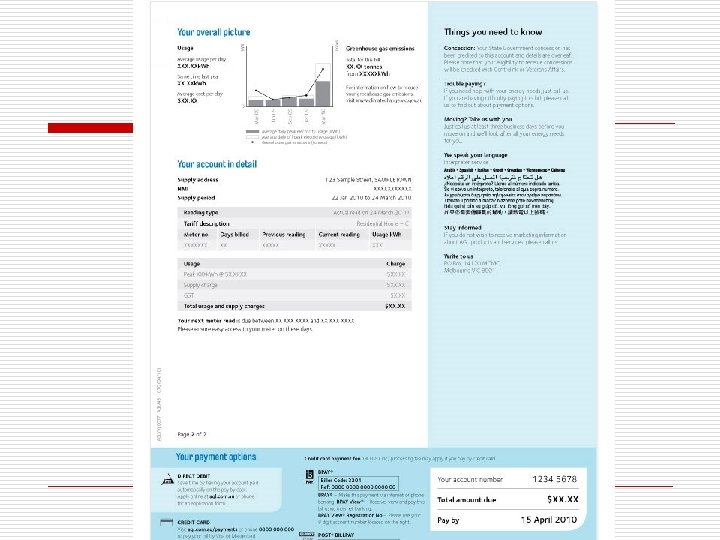
Reporting Investigations What is wrong with the following report?
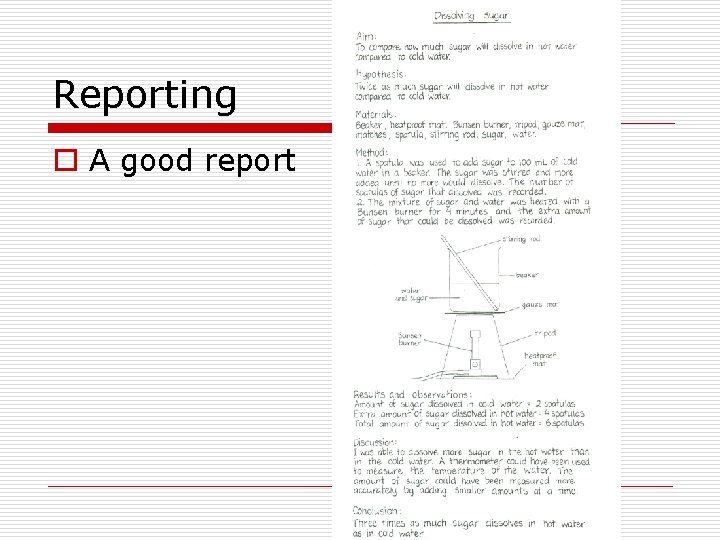
Reporting o A good report
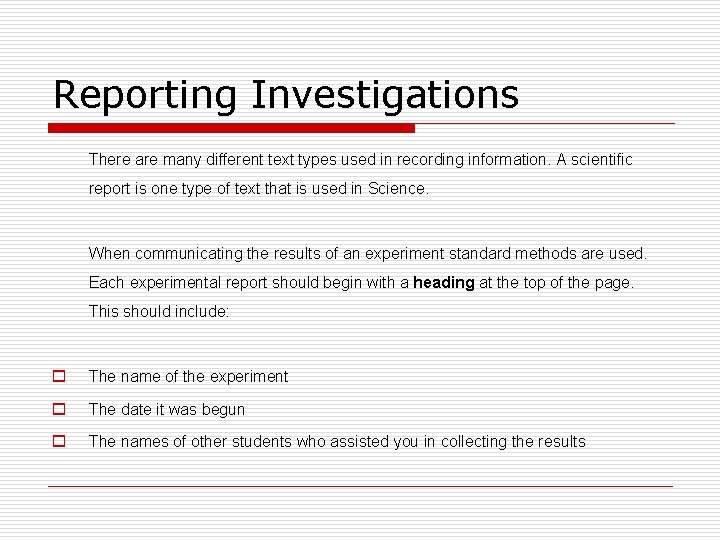
Reporting Investigations There are many different text types used in recording information. A scientific report is one type of text that is used in Science. When communicating the results of an experiment standard methods are used. Each experimental report should begin with a heading at the top of the page. This should include: o The name of the experiment o The date it was begun o The names of other students who assisted you in collecting the results
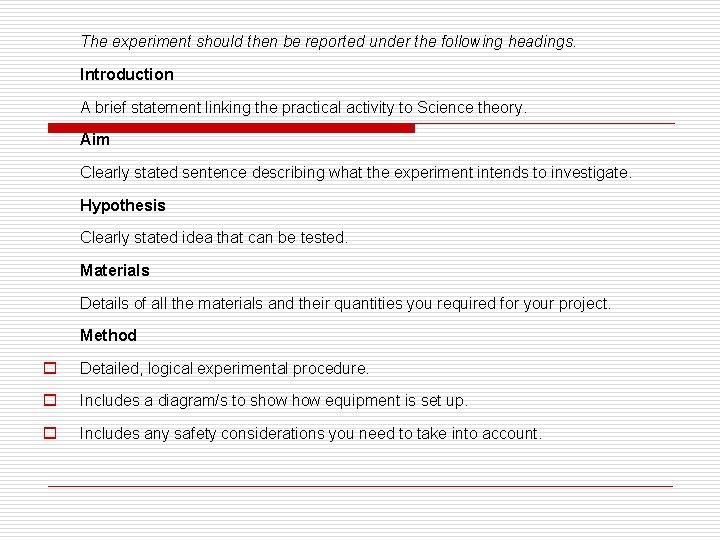
The experiment should then be reported under the following headings. Introduction A brief statement linking the practical activity to Science theory. Aim Clearly stated sentence describing what the experiment intends to investigate. Hypothesis Clearly stated idea that can be tested. Materials Details of all the materials and their quantities you required for your project. Method o Detailed, logical experimental procedure. o Includes a diagram/s to show equipment is set up. o Includes any safety considerations you need to take into account.
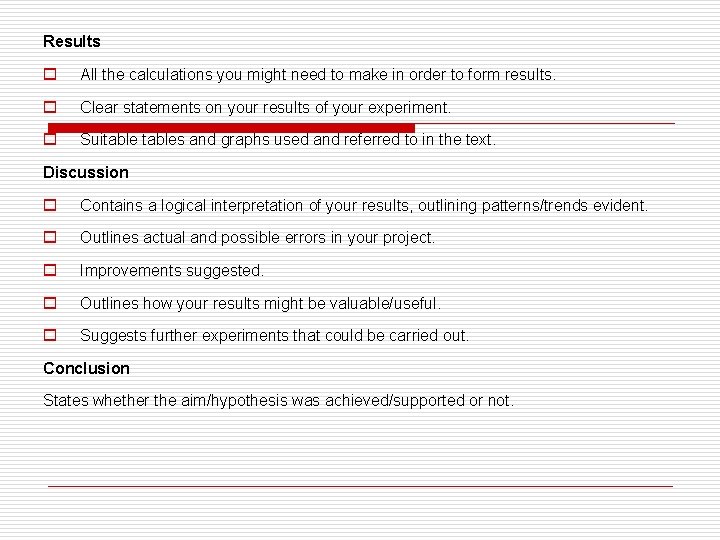
Results o All the calculations you might need to make in order to form results. o Clear statements on your results of your experiment. o Suitables and graphs used and referred to in the text. Discussion o Contains a logical interpretation of your results, outlining patterns/trends evident. o Outlines actual and possible errors in your project. o Improvements suggested. o Outlines how your results might be valuable/useful. o Suggests further experiments that could be carried out. Conclusion States whether the aim/hypothesis was achieved/supported or not.
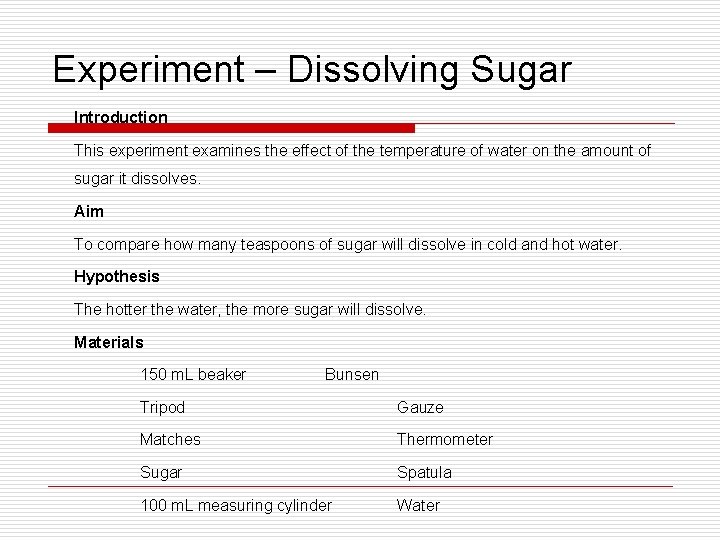
Experiment – Dissolving Sugar Introduction This experiment examines the effect of the temperature of water on the amount of sugar it dissolves. Aim To compare how many teaspoons of sugar will dissolve in cold and hot water. Hypothesis The hotter the water, the more sugar will dissolve. Materials 150 m. L beaker Bunsen Tripod Gauze Matches Thermometer Sugar Spatula 100 m. L measuring cylinder Water
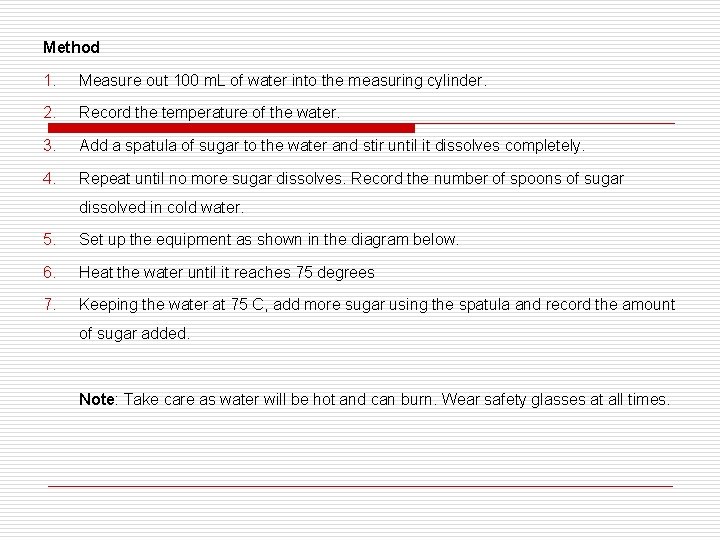
Method 1. Measure out 100 m. L of water into the measuring cylinder. 2. Record the temperature of the water. 3. Add a spatula of sugar to the water and stir until it dissolves completely. 4. Repeat until no more sugar dissolves. Record the number of spoons of sugar dissolved in cold water. 5. Set up the equipment as shown in the diagram below. 6. Heat the water until it reaches 75 degrees 7. Keeping the water at 75 C, add more sugar using the spatula and record the amount of sugar added. Note: Take care as water will be hot and can burn. Wear safety glasses at all times.
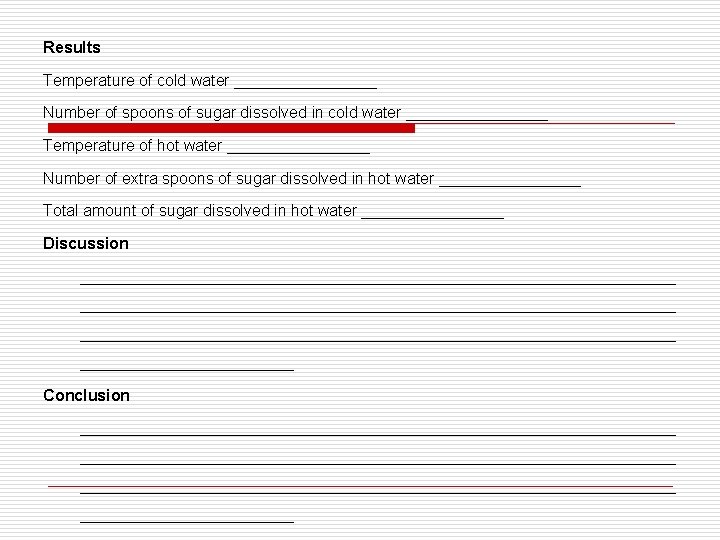
Results Temperature of cold water ________ Number of spoons of sugar dissolved in cold water ________ Temperature of hot water ________ Number of extra spoons of sugar dissolved in hot water ________ Total amount of sugar dissolved in hot water ________ Discussion ___________________________________________________________________ ____________ Conclusion ___________________________________________________________________ ____________
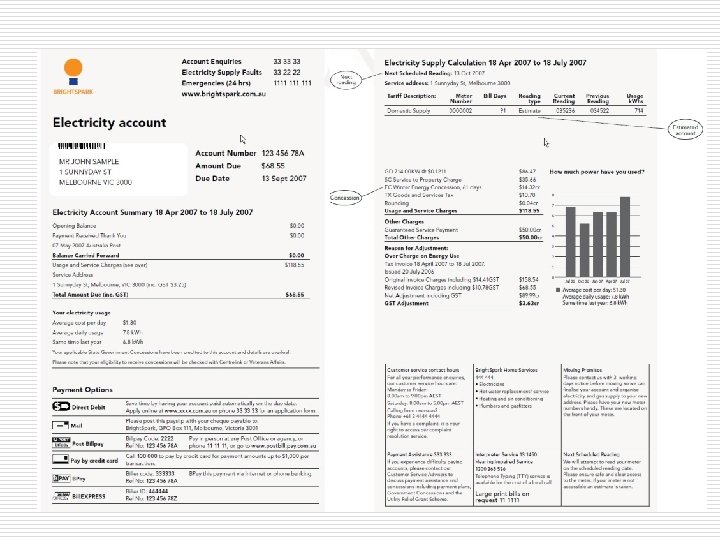
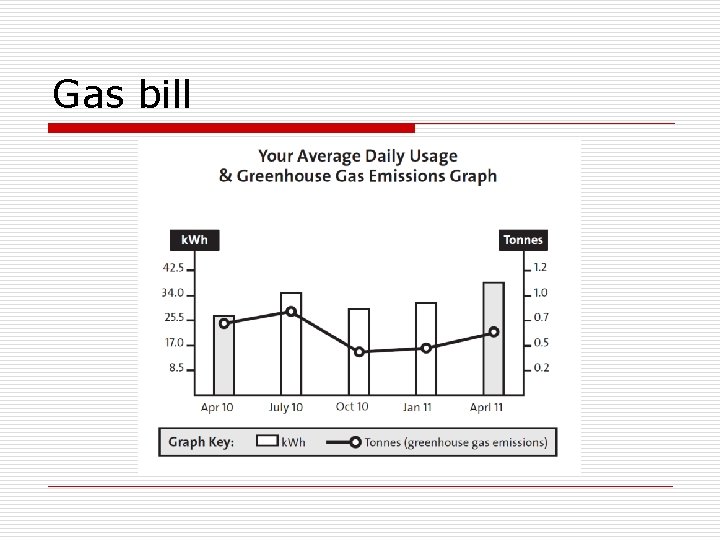
Gas bill
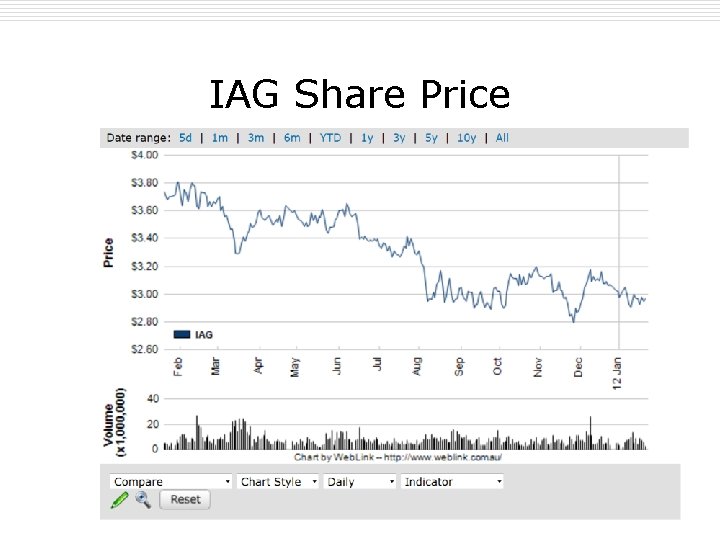
IAG Share Price
Coal Exports