
Year 6 Maths Home Learning Week beginning 4
Year 6 Maths Home Learning Week beginning 4. 5. 20
National Curriculum objectives: • Illustrate and name parts of circles, including radius, diameter and circumference and know that the diameter is twice the radius. • Interpret and construct pie charts and line graphs and use these to solve problems • Calculate and interpret the mean as an average • Lesson 1 – Name and measure parts of a circle • Lesson 2 – Parts of a circle RPS • Lesson 3 – Read and interpret pie charts VF • Lesson 4 – Apply pie charts to a context • Lesson 5 – Calculate and interpret the mean, median, mode and range
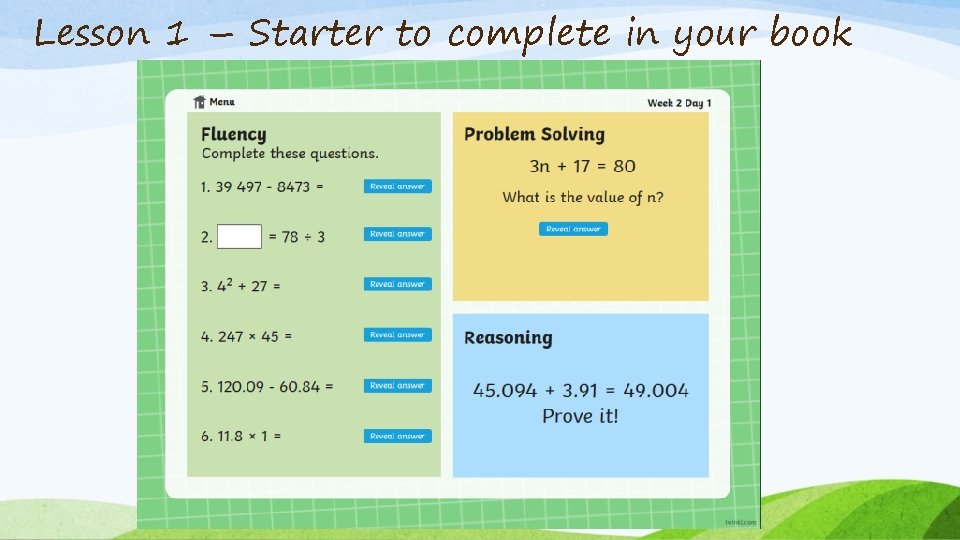
Lesson 1 – Starter to complete in your book
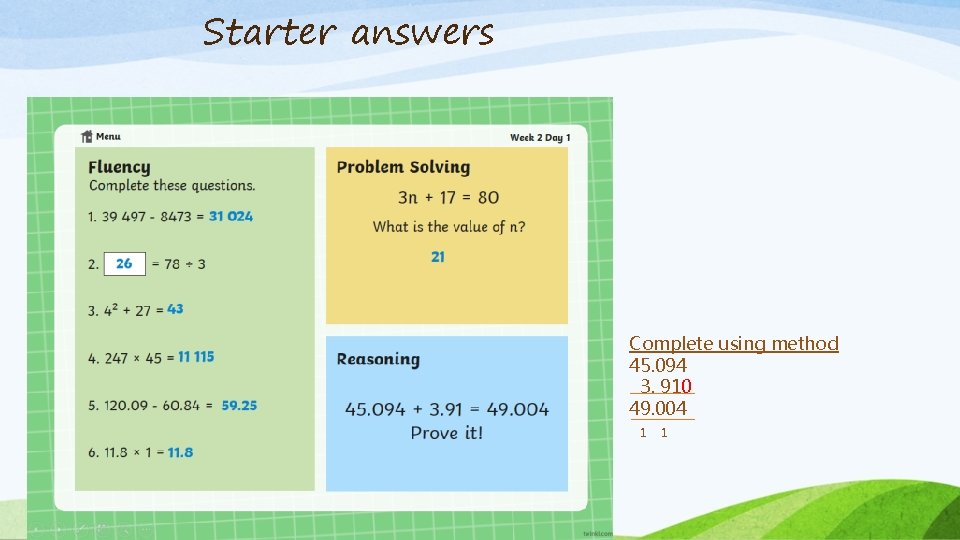
Starter answers Complete using method 45. 094 3. 910 49. 004 1 1
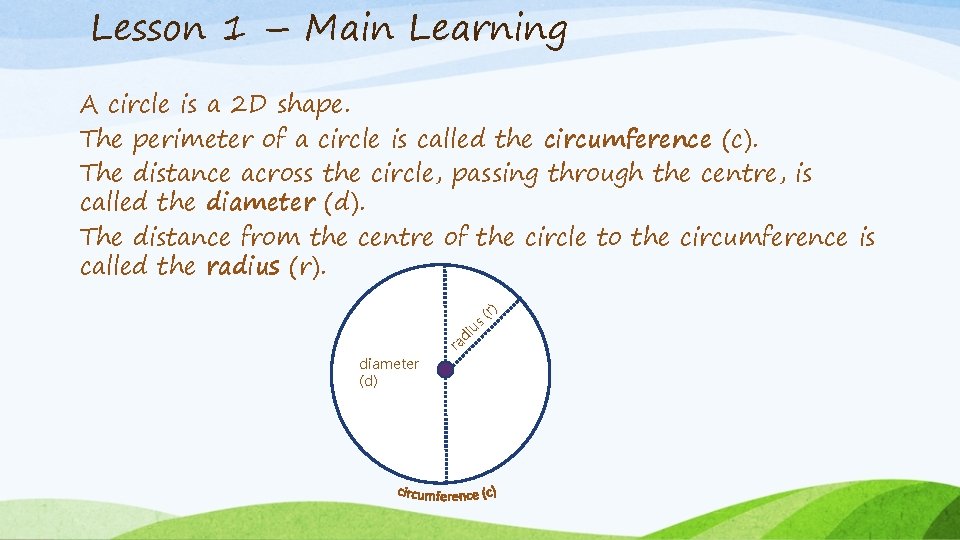
Lesson 1 – Main Learning A circle is a 2 D shape. The perimeter of a circle is called the circumference (c). The distance across the circle, passing through the centre, is called the diameter (d). The distance from the centre of the circle to the circumference is called the radius (r). us diameter (d) di a r ) (r

Main Learning – radius and diameter The diameter of a circle is always twice the length of the radius: r × 2 or 2 r = d radius Diameter
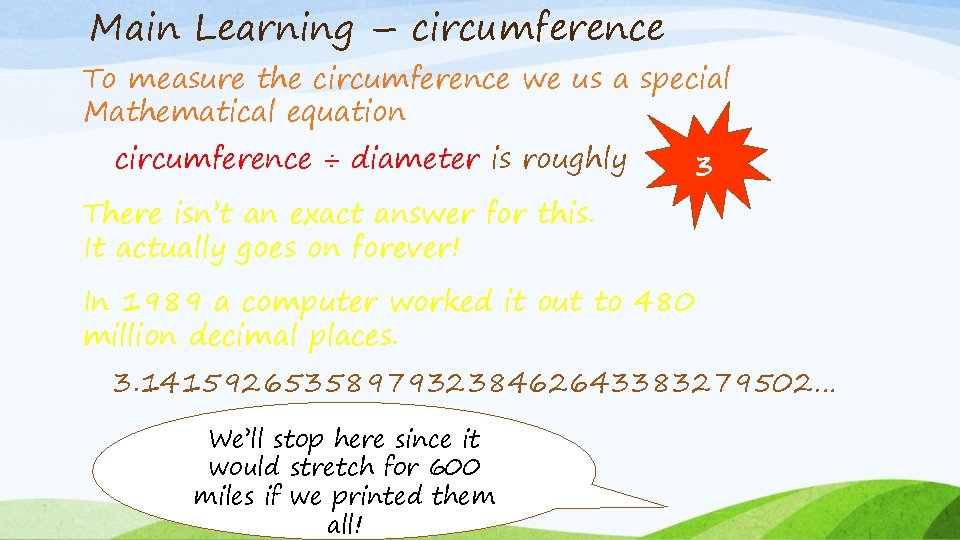
Main Learning – circumference To measure the circumference we us a special Mathematical equation circumference ÷ diameter is roughly There isn’t an exact answer for this. It actually goes on forever! 3 In 1989 a computer worked it out to 480 million decimal places. 3. 141592653589793238462643383279502… We’ll stop here since it would stretch for 600 miles if we printed them all!
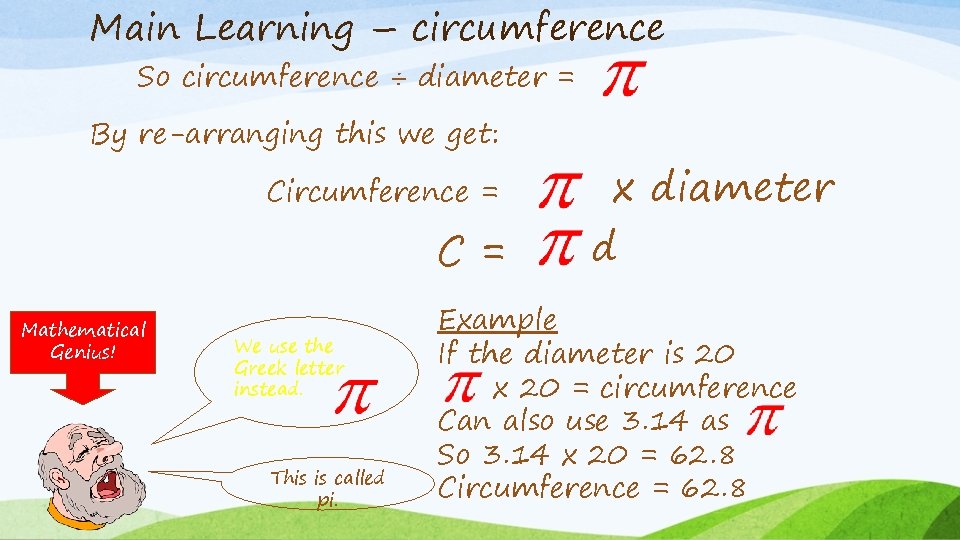
Main Learning – circumference So circumference ÷ diameter = By re-arranging this we get: Circumference = C = Mathematical Genius! We use the Greek letter instead. This is called pi. x diameter d Example If the diameter is 20 x 20 = circumference Can also use 3. 14 as So 3. 14 x 20 = 62. 8 Circumference = 62. 8
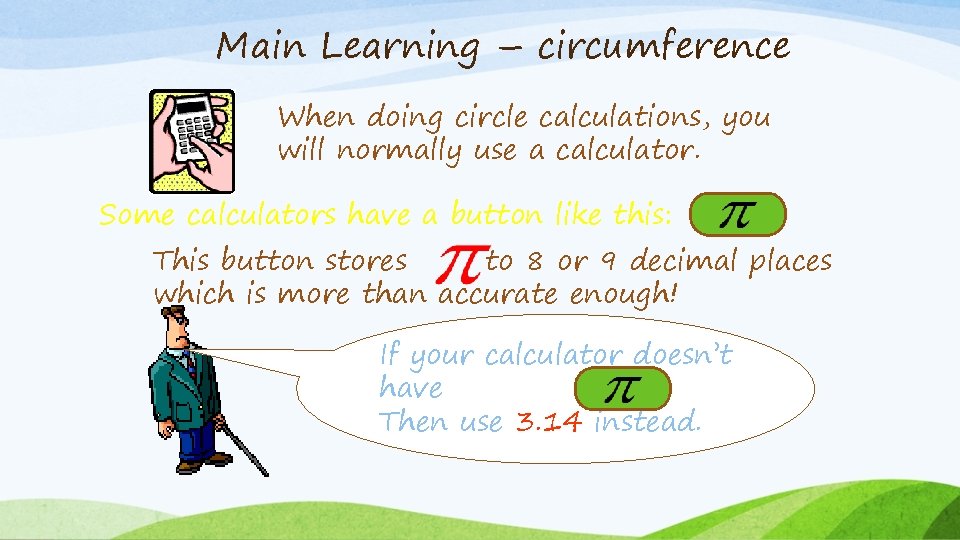
Main Learning – circumference When doing circle calculations, you will normally use a calculator. Some calculators have a button like this: This button stores to 8 or 9 decimal places which is more than accurate enough! If your calculator doesn’t have Then use 3. 14 instead.
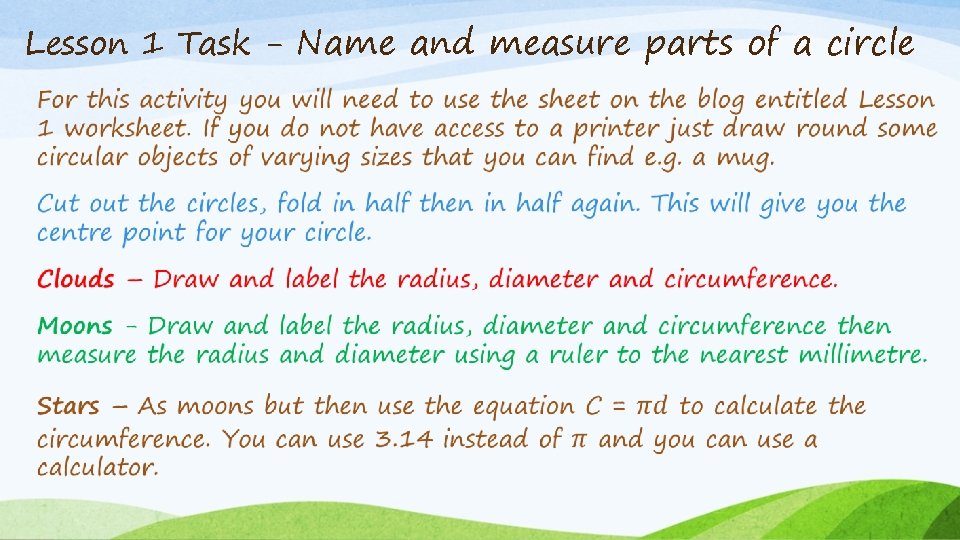
Lesson 1 Task - Name and measure parts of a circle •
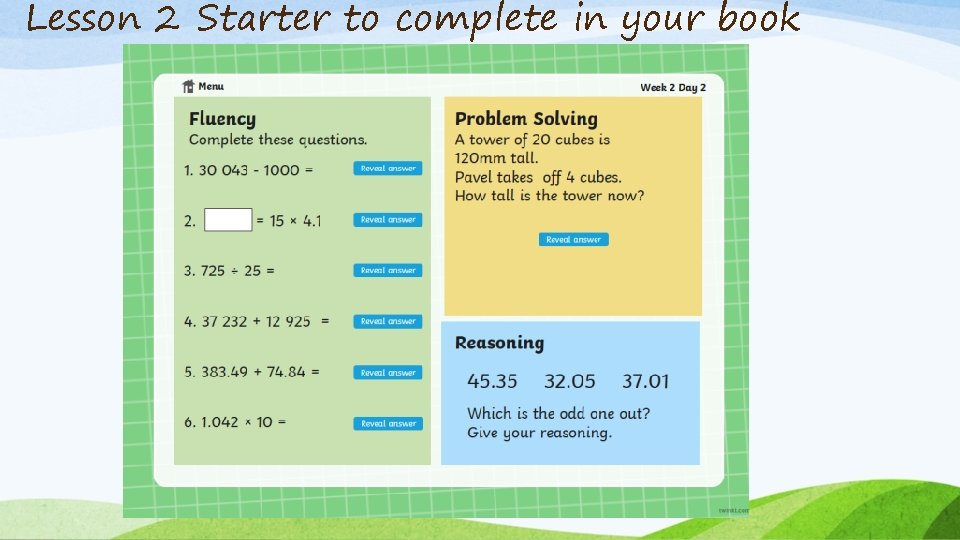
Lesson 2 Starter to complete in your book
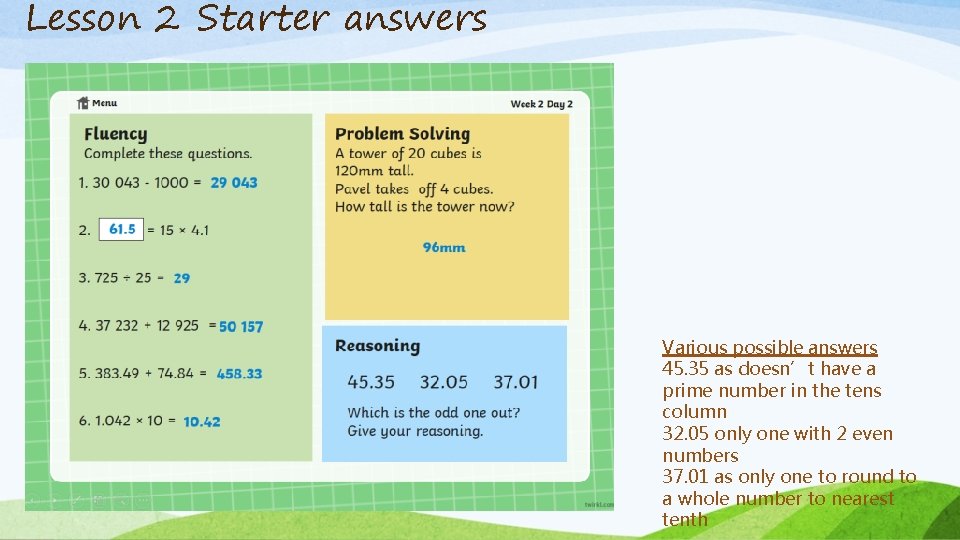
Lesson 2 Starter answers Various possible answers 45. 35 as doesn’t have a prime number in the tens column 32. 05 only one with 2 even numbers 37. 01 as only one to round to a whole number to nearest tenth
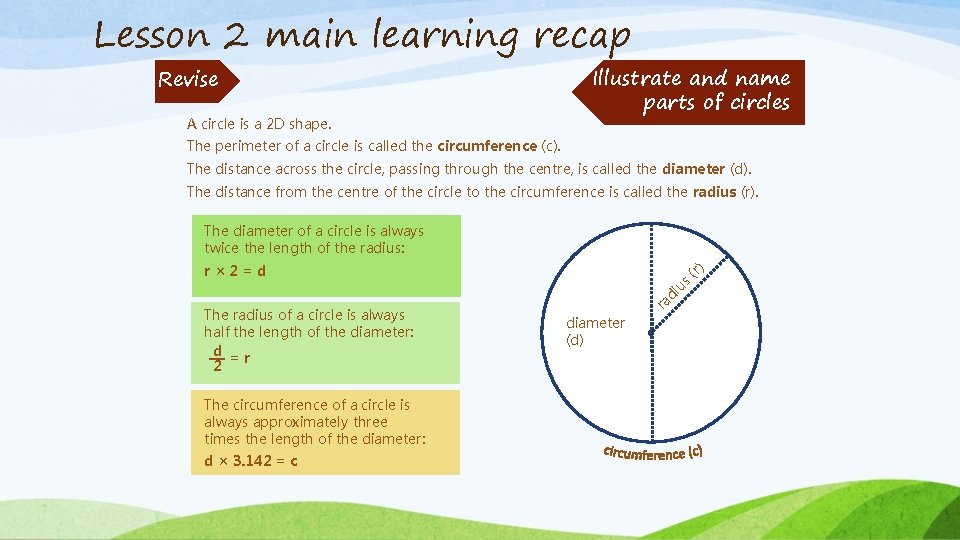
Lesson 2 main learning recap Revise A circle is a 2 D shape. Illustrate and name parts of circles The perimeter of a circle is called the circumference (c). The distance across the circle, passing through the centre, is called the diameter (d). The distance from the centre of the circle to the circumference is called the radius (r). The diameter of a circle is always twice the length of the radius: r× 2=d The radius of a circle is always half the length of the diameter: d =r 2 The circumference of a circle is always approximately three times the length of the diameter: d × 3. 142 = c us i d diameter (d) ra (r )
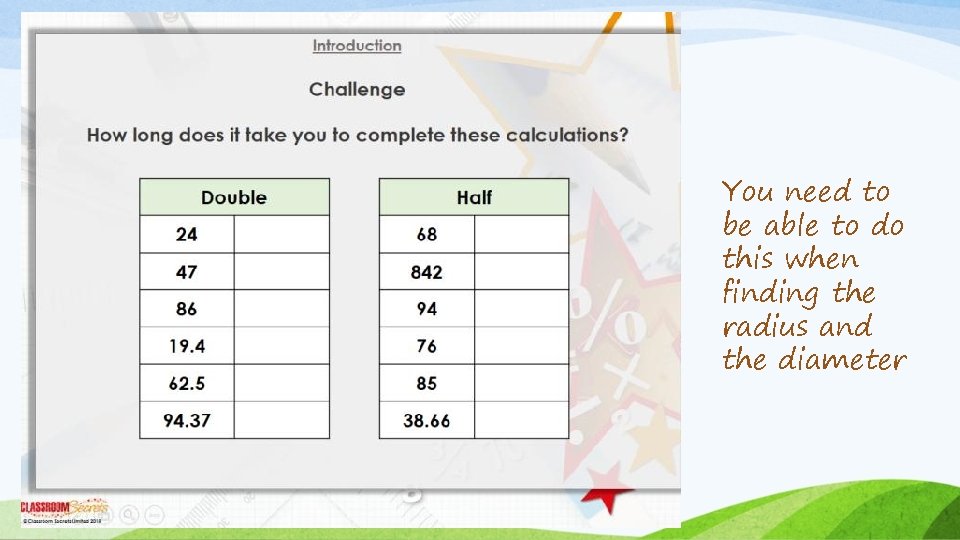
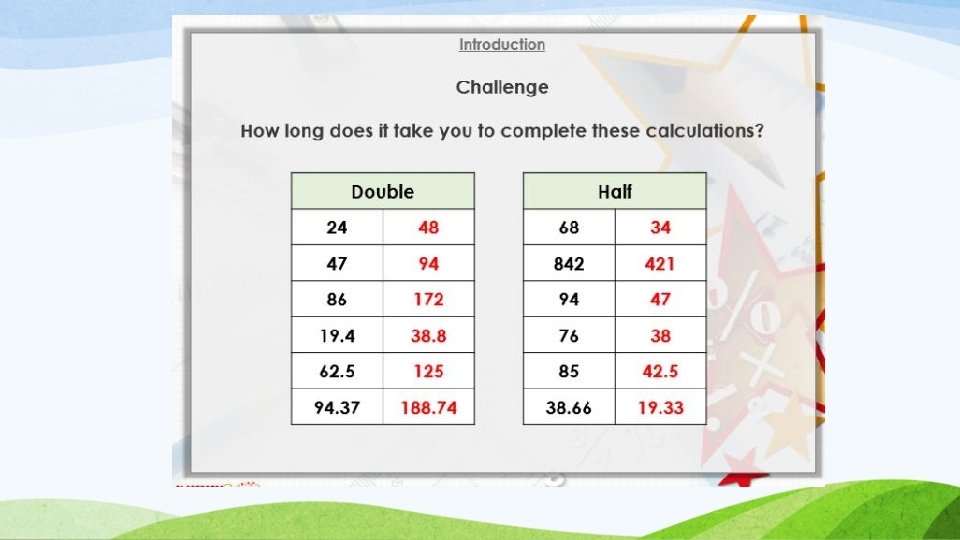
You need to be able to do this when finding the radius and the diameter
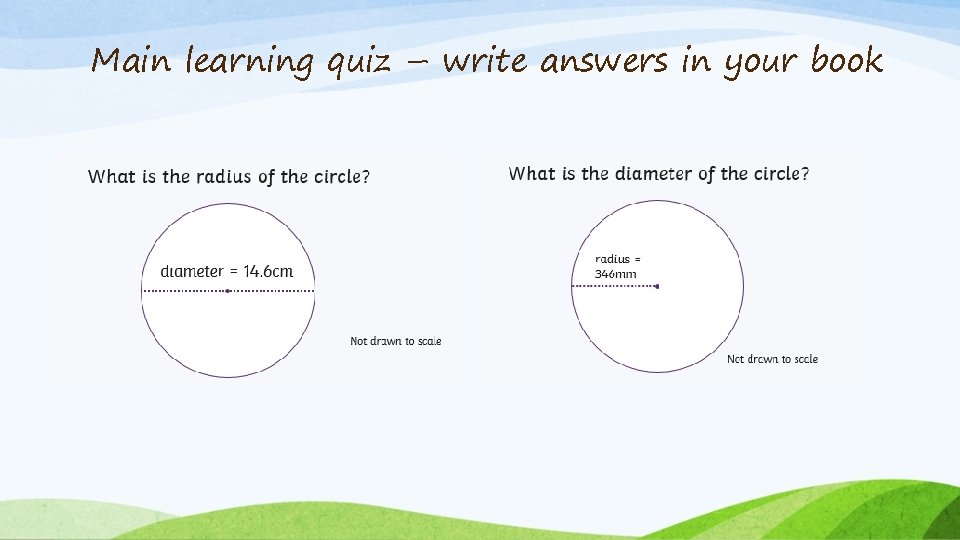
Main learning quiz – write answers in your book
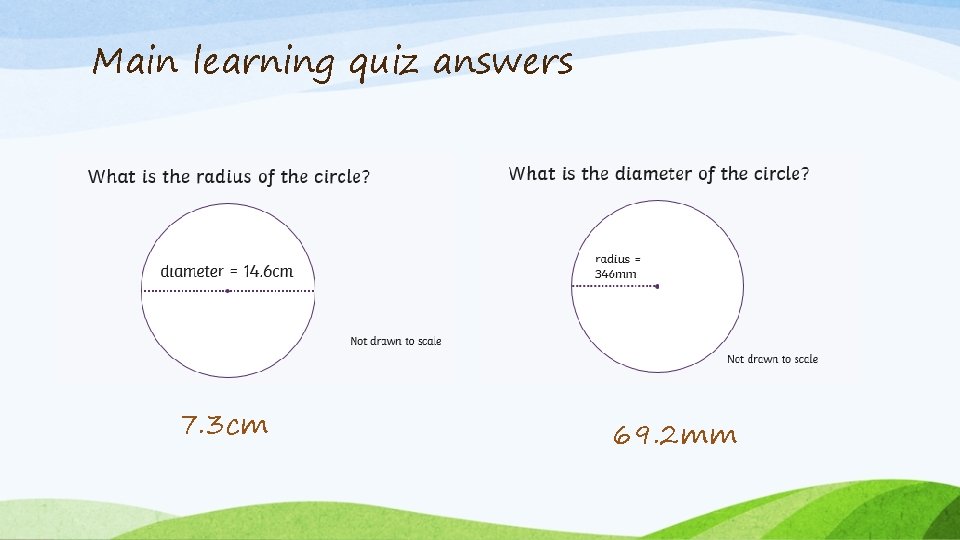
Main learning quiz answers 7. 3 cm 69. 2 mm
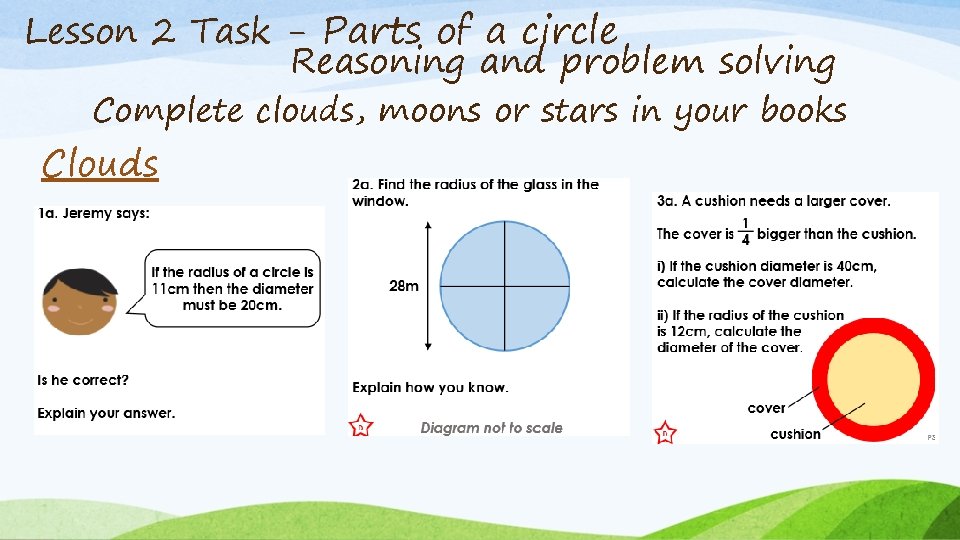
Lesson 2 Task - Parts of a circle Reasoning and problem solving Complete clouds, moons or stars in your books Clouds
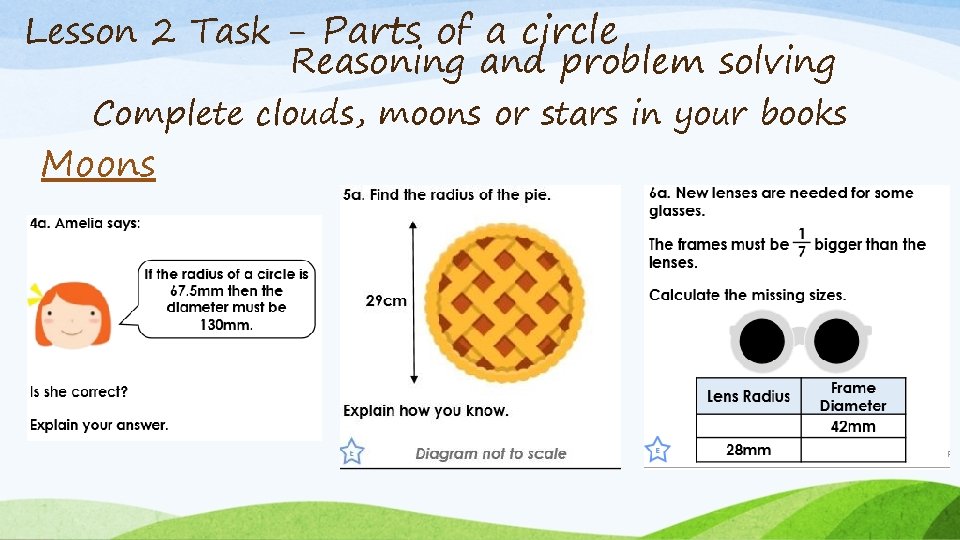
Lesson 2 Task - Parts of a circle Reasoning and problem solving Complete clouds, moons or stars in your books Moons
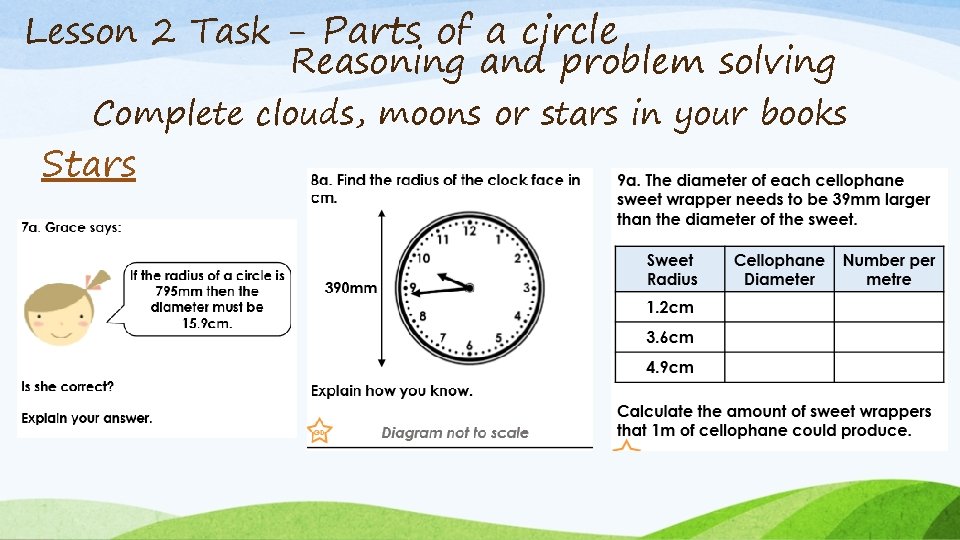
Lesson 2 Task - Parts of a circle Reasoning and problem solving Complete clouds, moons or stars in your books Stars
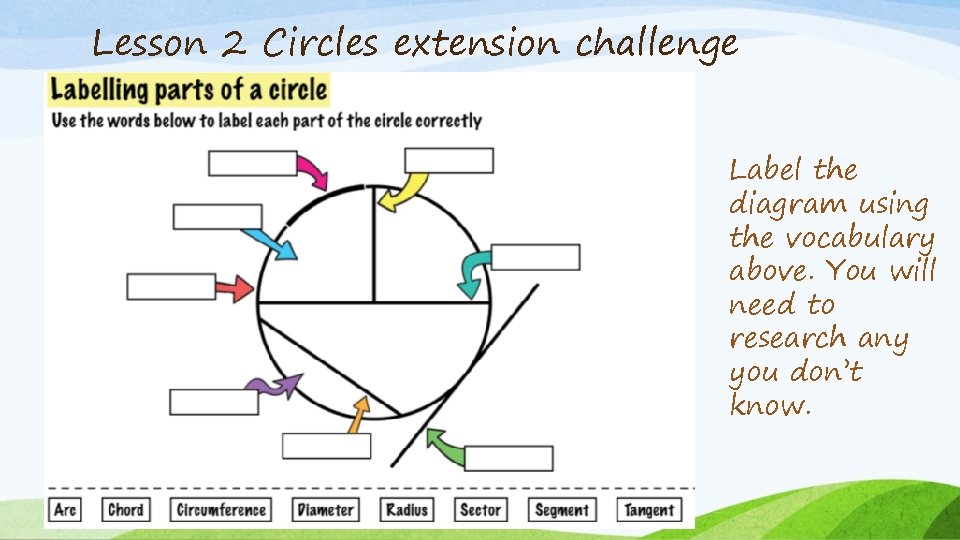
Lesson 2 Circles extension challenge Label the diagram using the vocabulary above. You will need to research any you don’t know.
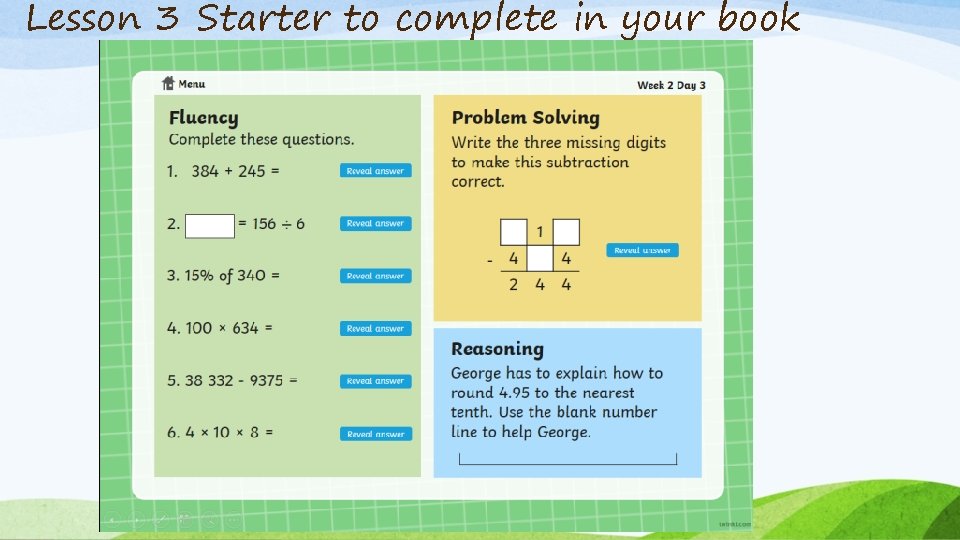
Lesson 3 Starter to complete in your book
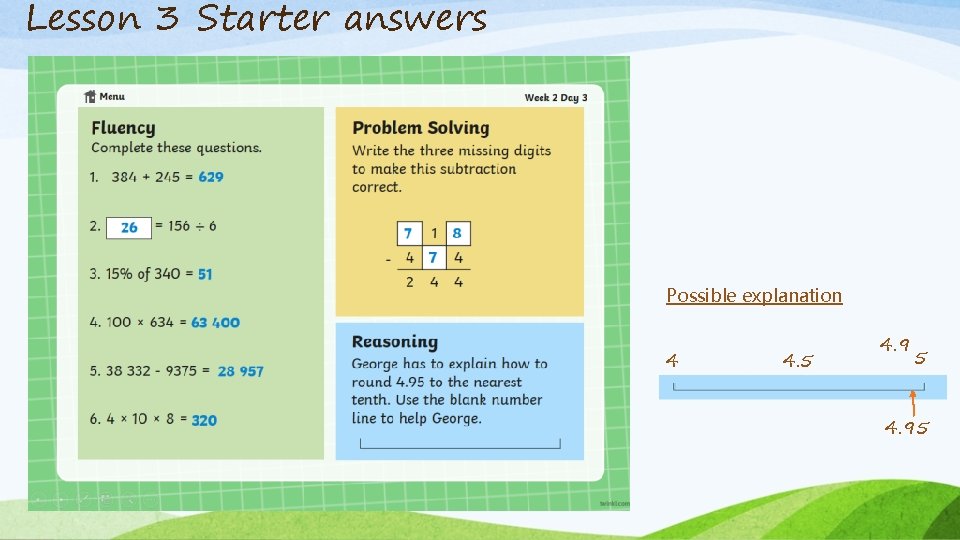
Lesson 3 Starter answers Possible explanation 4 4. 5 4. 95
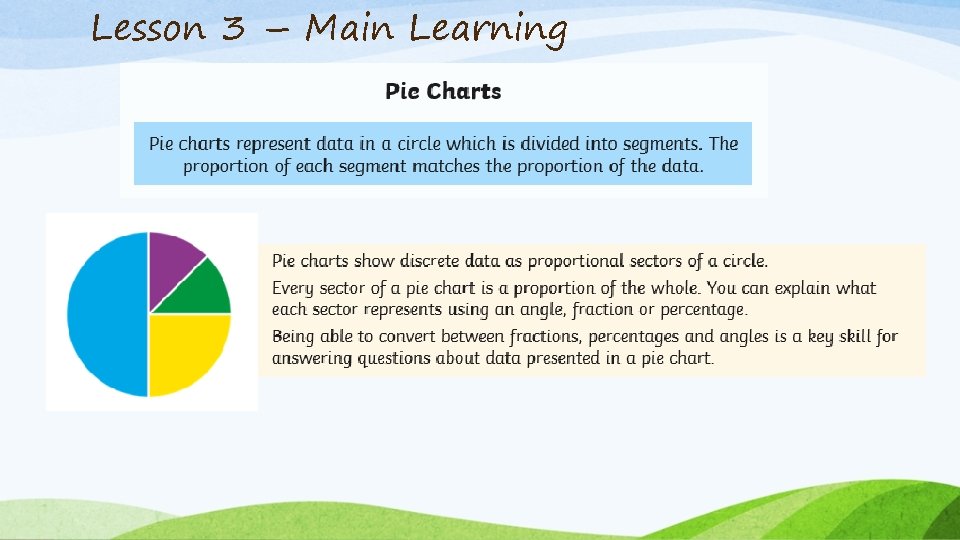
Lesson 3 – Main Learning
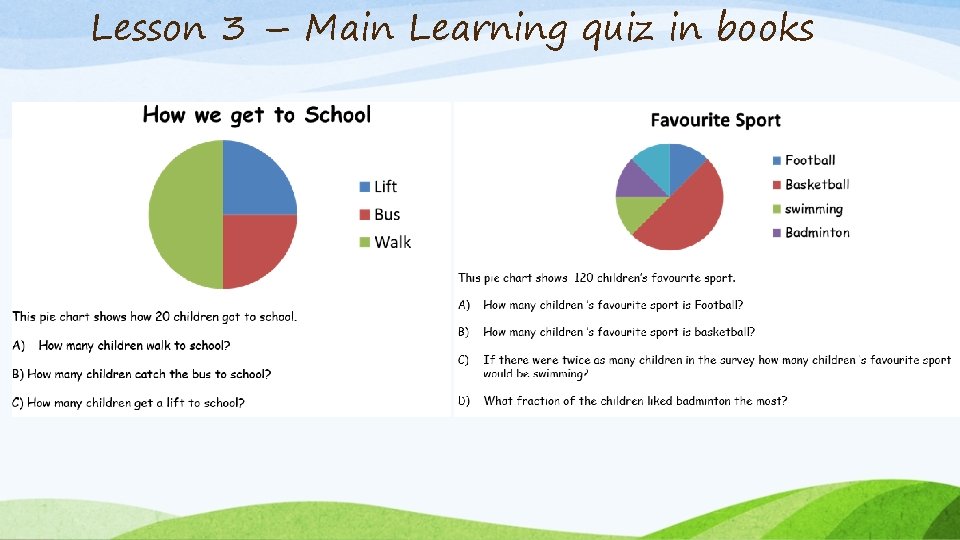
Lesson 3 – Main Learning quiz in books
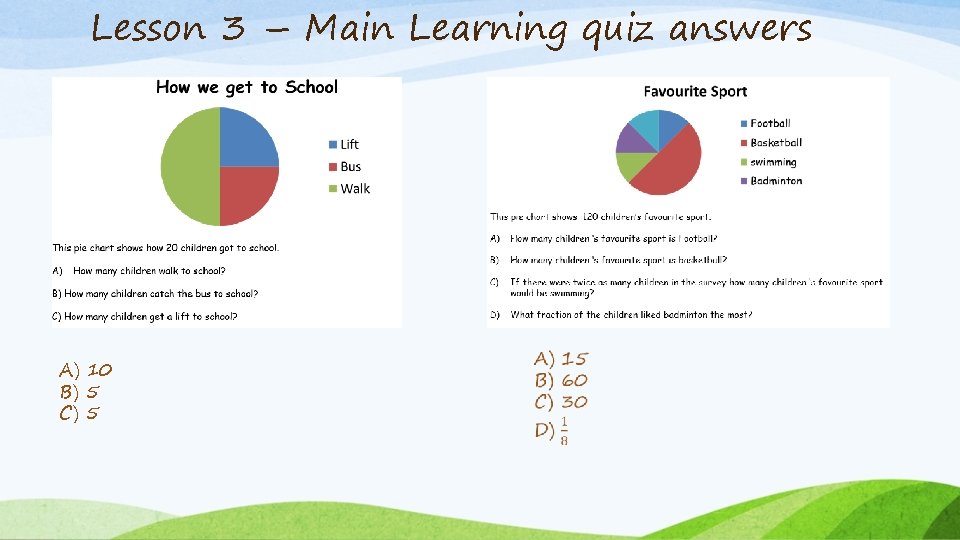
Lesson 3 – Main Learning quiz answers A) 10 B) 5 C) 5
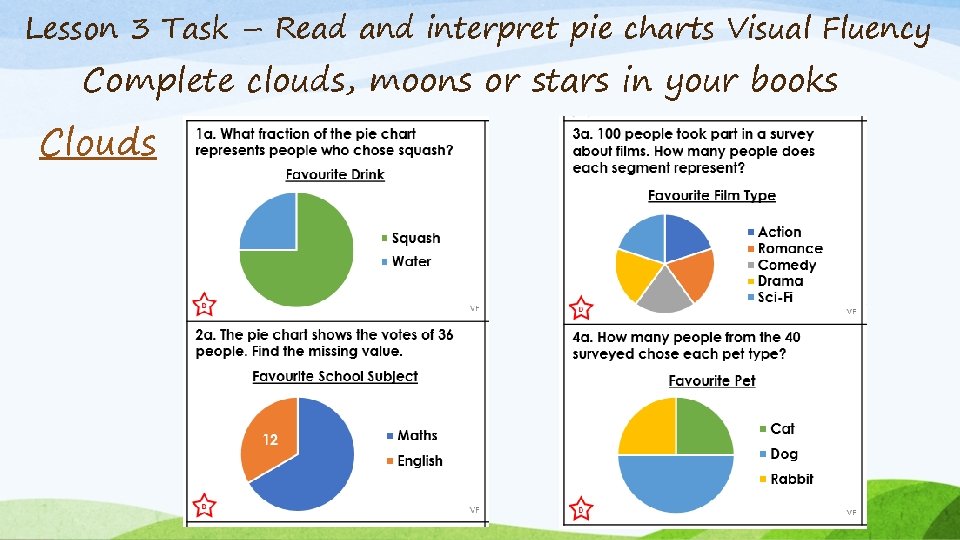
Lesson 3 Task – Read and interpret pie charts Visual Fluency Complete clouds, moons or stars in your books Clouds
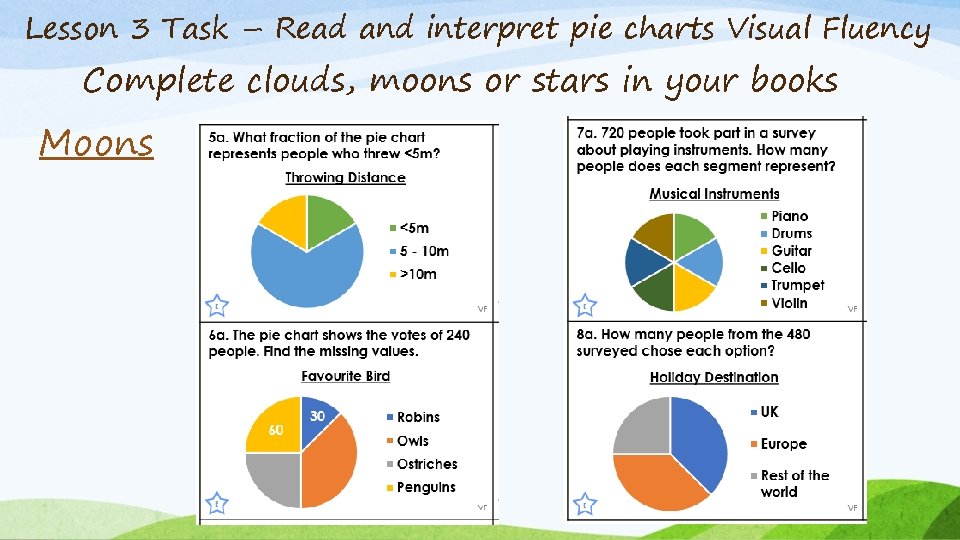
Lesson 3 Task – Read and interpret pie charts Visual Fluency Complete clouds, moons or stars in your books Moons
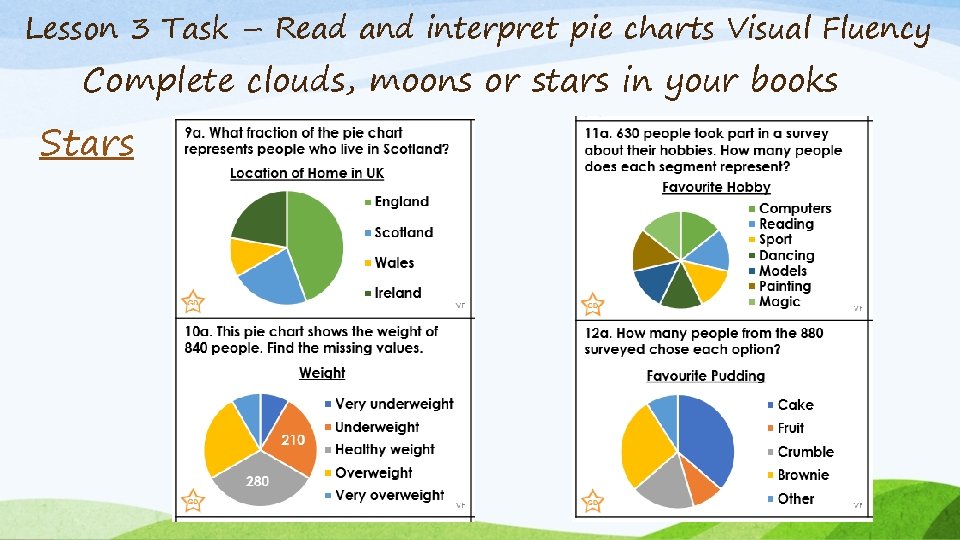
Lesson 3 Task – Read and interpret pie charts Visual Fluency Complete clouds, moons or stars in your books Stars
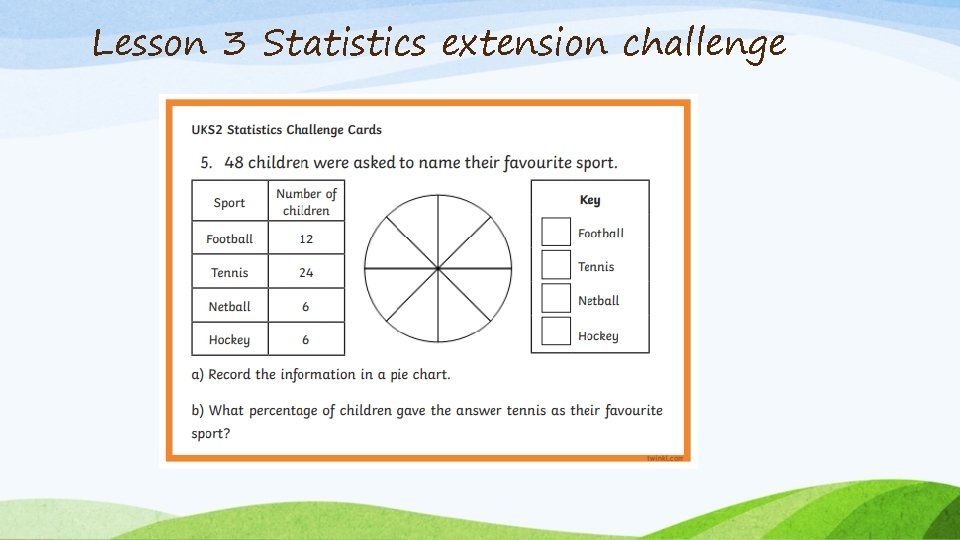
Lesson 3 Statistics extension challenge
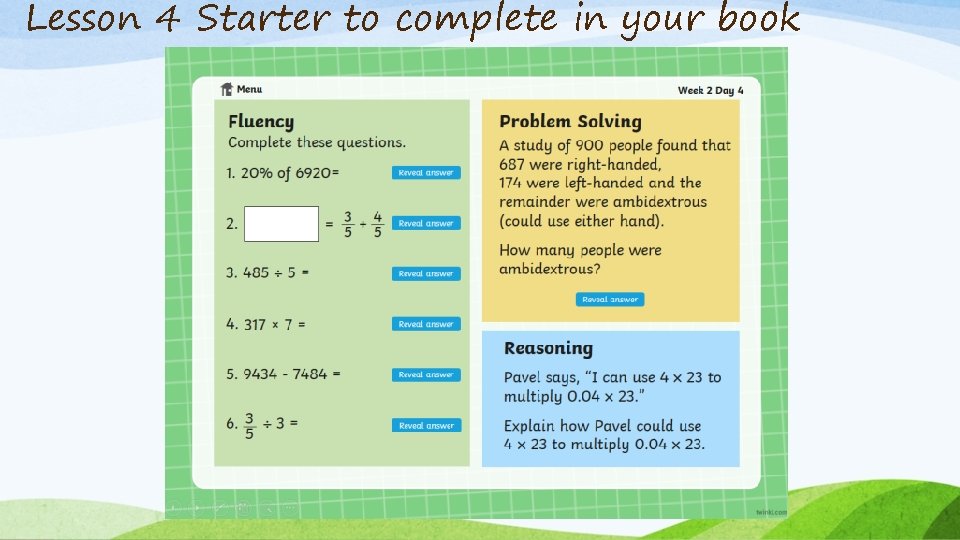
Lesson 4 Starter to complete in your book
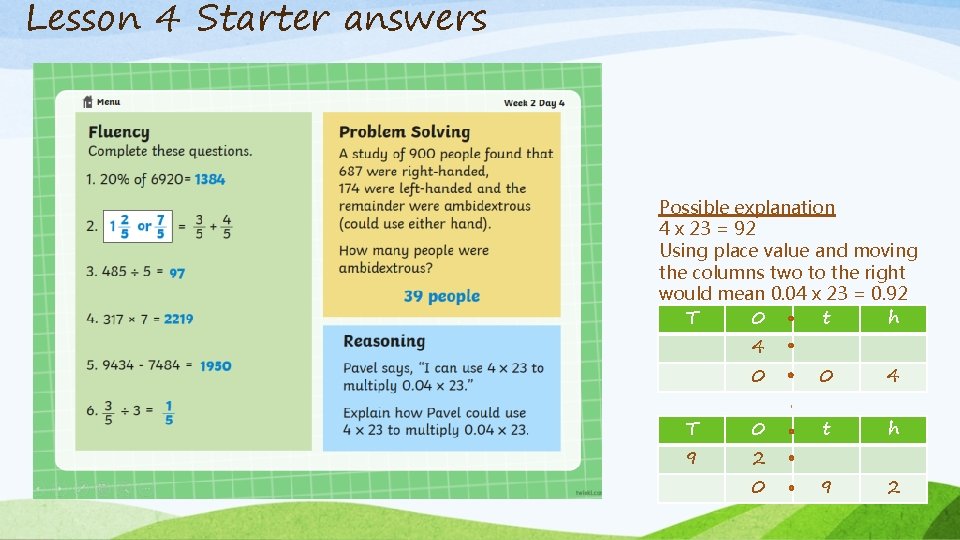
Lesson 4 Starter answers Possible explanation 4 x 23 = 92 Using place value and moving the columns two to the right would mean 0. 04 x 23 = 0. 92 T 0 t h 4 T 9 0 0 4 0 t h 0 9 2 2
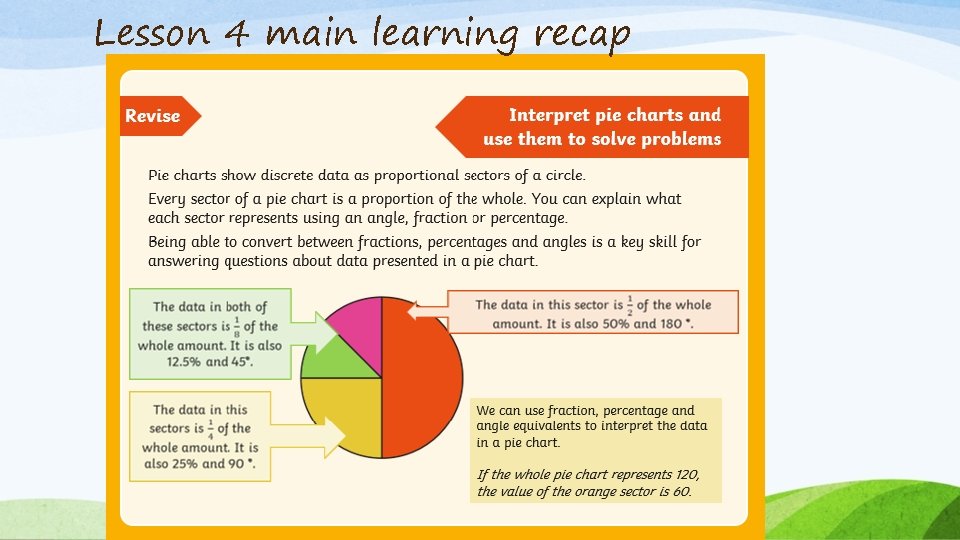
Lesson 4 main learning recap
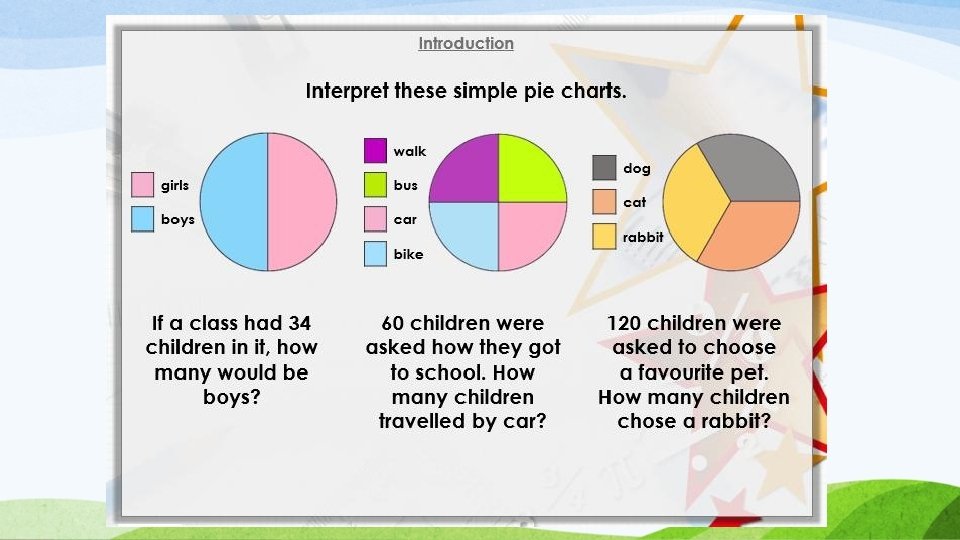
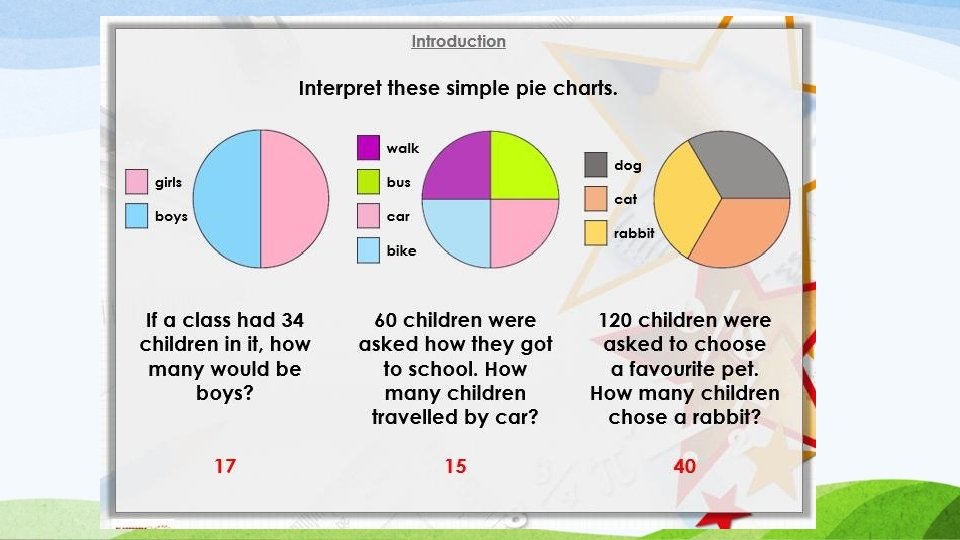
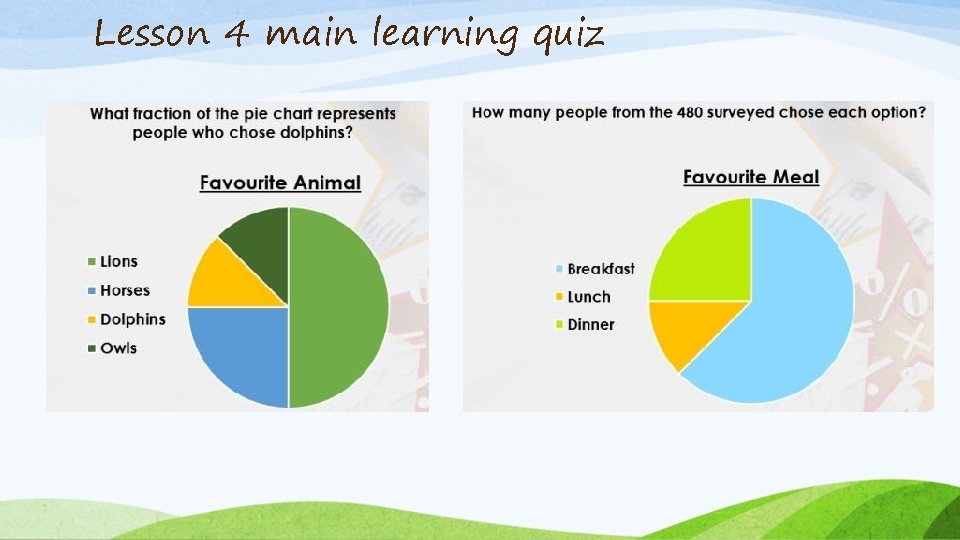
Lesson 4 main learning quiz
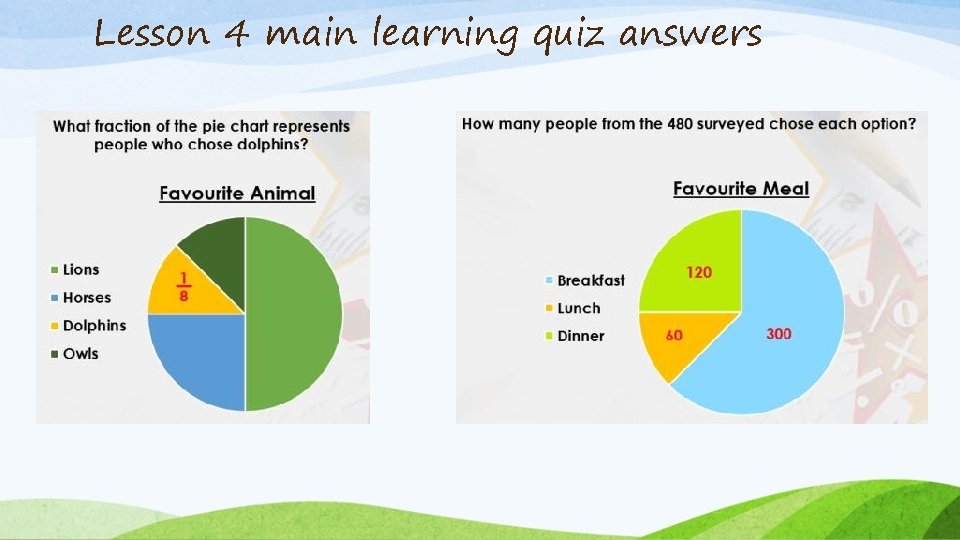
Lesson 4 main learning quiz answers
Lesson 4 Task – Apply Pie charts in a context You can choose clouds moons or stars to complete from the following slides. You can either print off the slide to complete in your book or just copy out the table, key and pie chart in your book. If possible try to trace the pie chart to ensure it is accurate.
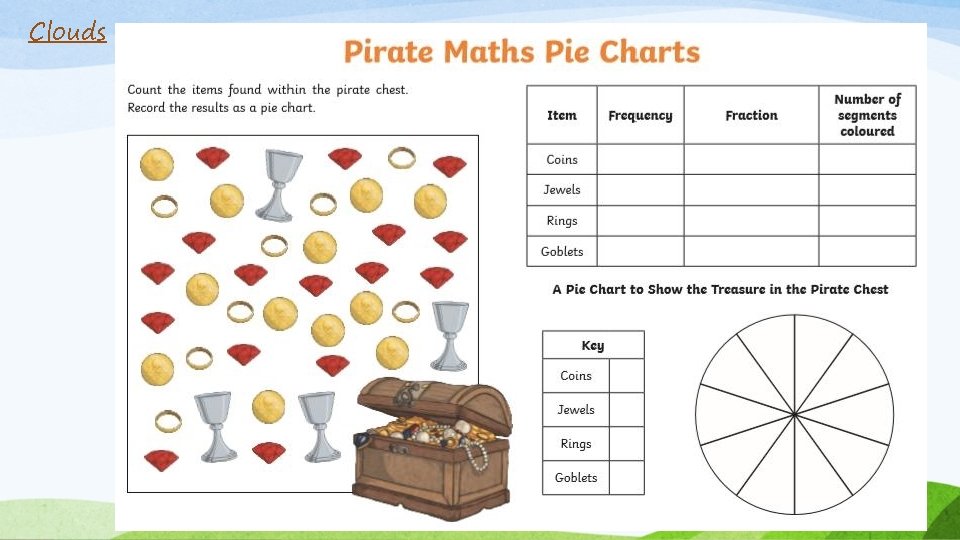
Clouds
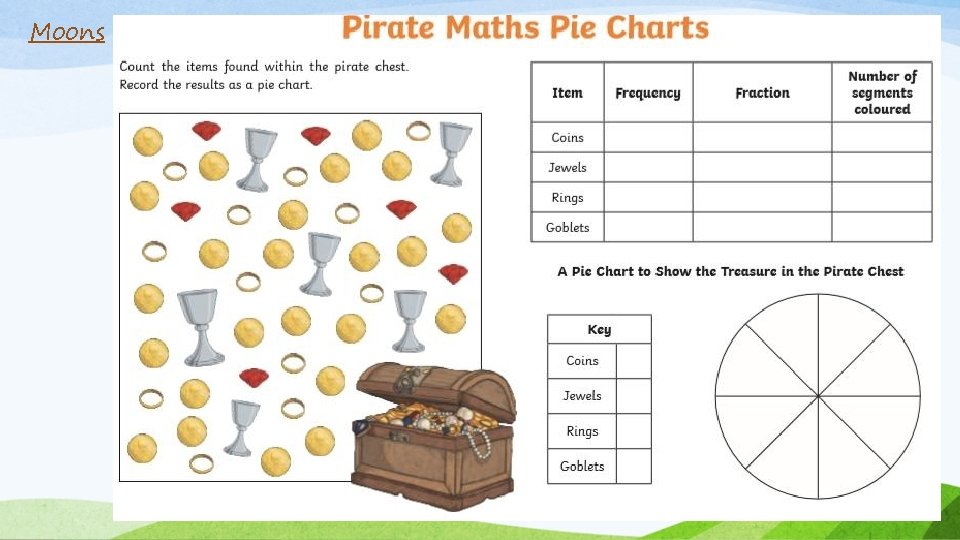
Moons
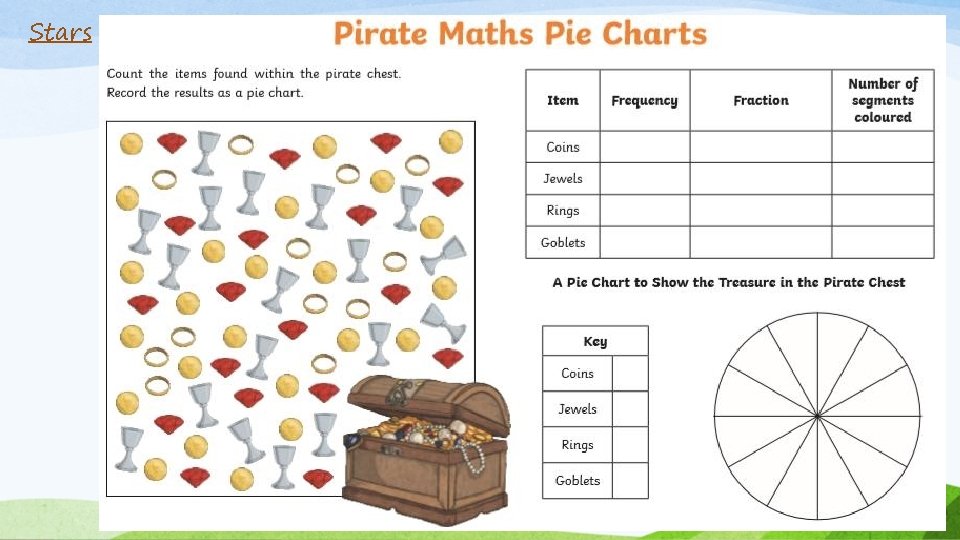
Stars
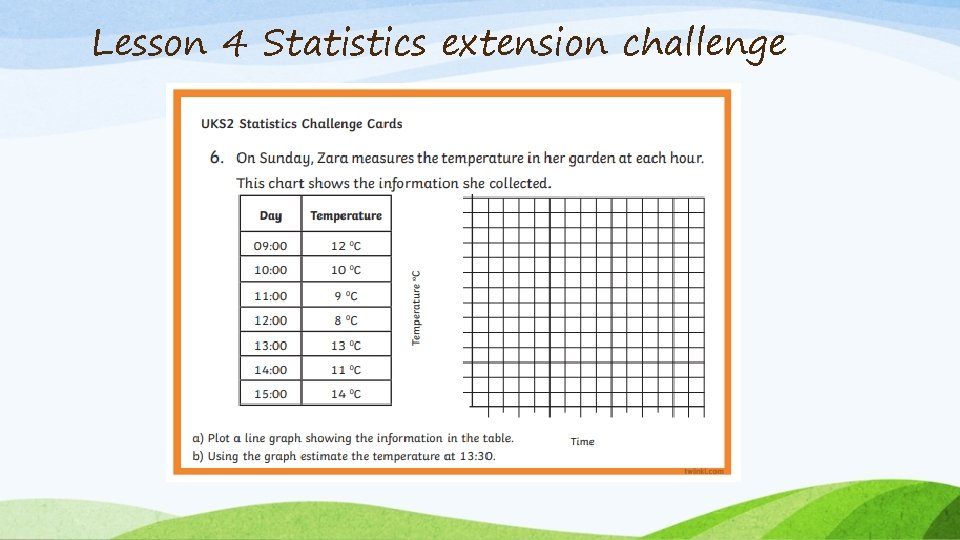
Lesson 4 Statistics extension challenge
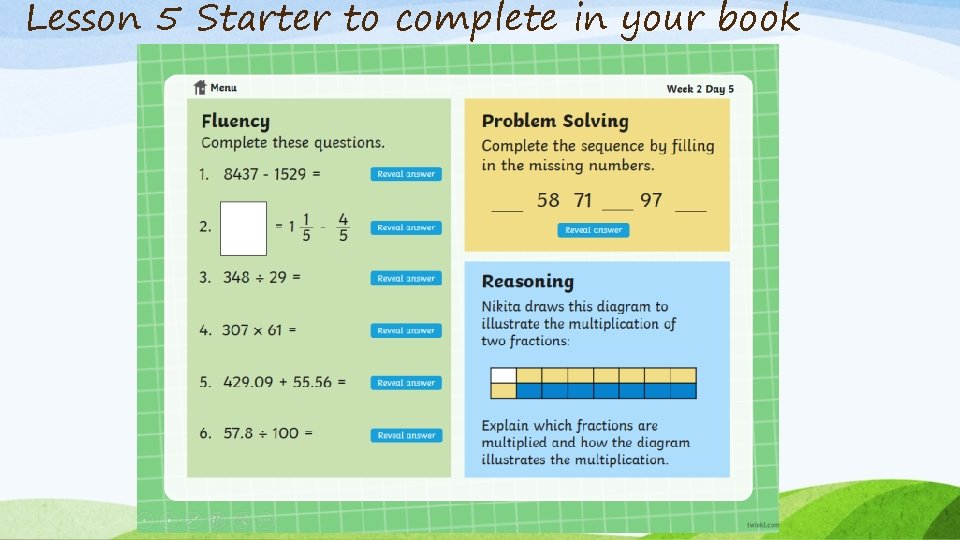
Lesson 5 Starter to complete in your book
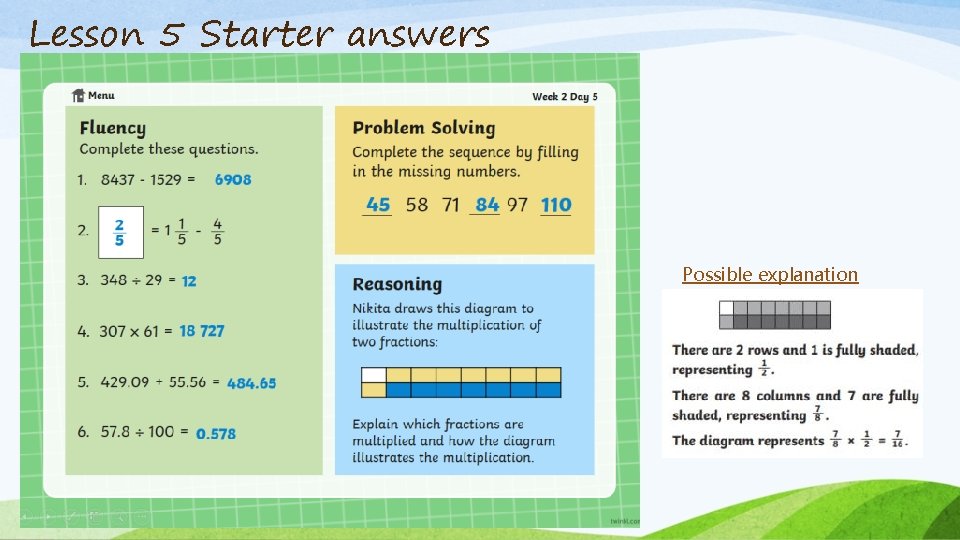
Lesson 5 Starter answers Possible explanation
Lesson 5 main learning Today we are going to recap our previous learning calculating the mean, mode, median and range. The best place to start is to revisit our educational Mean, Median & Mode Toads! Enjoy! Mean, Median & Mode toads
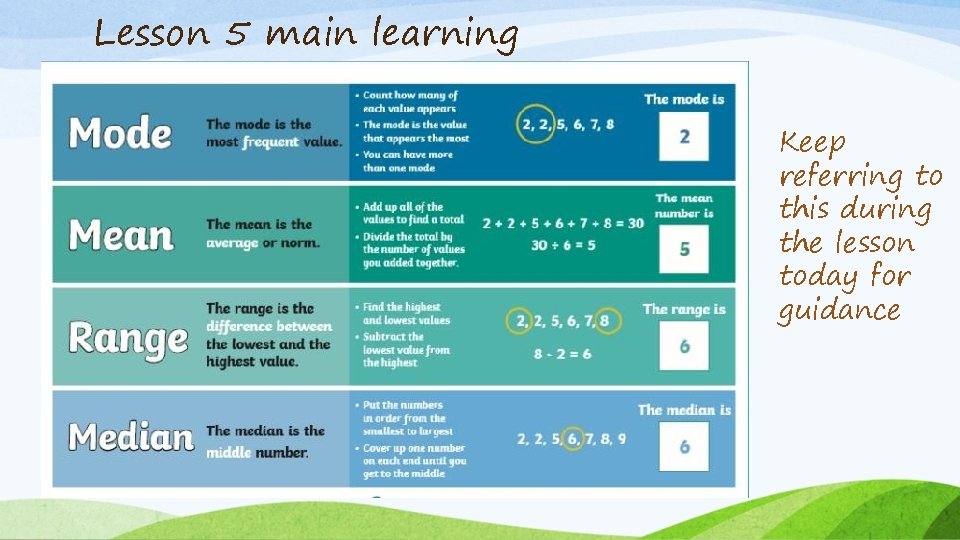
Lesson 5 main learning Keep referring to this during the lesson today for guidance
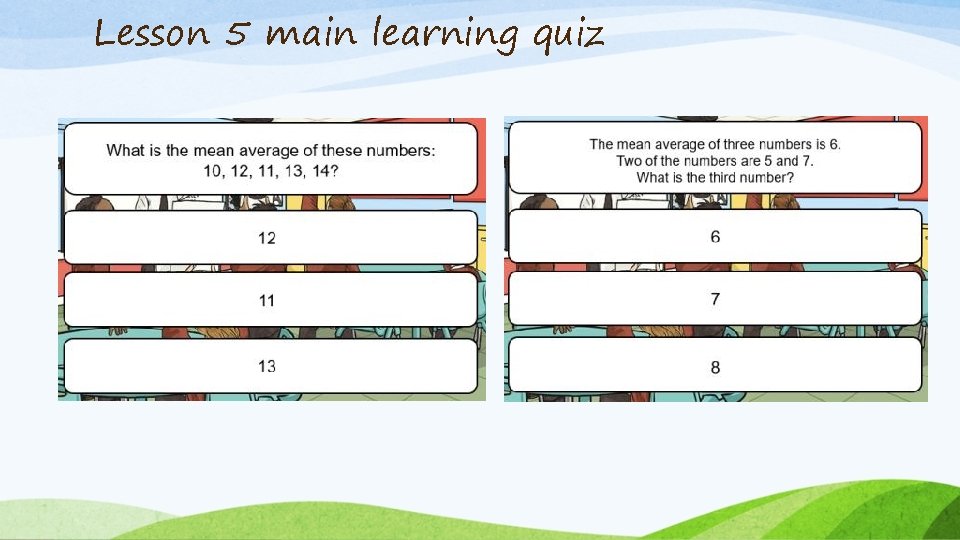
Lesson 5 main learning quiz
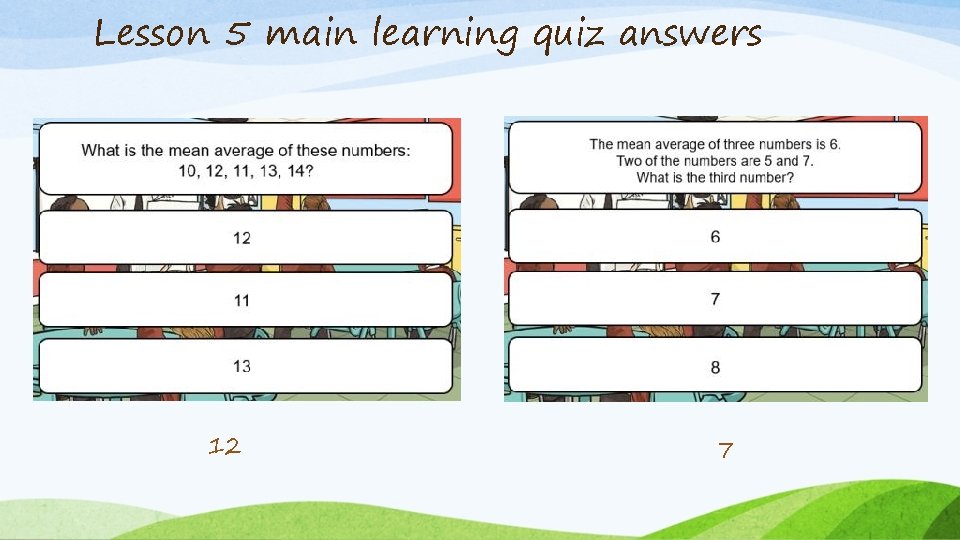
Lesson 5 main learning quiz answers 12 7
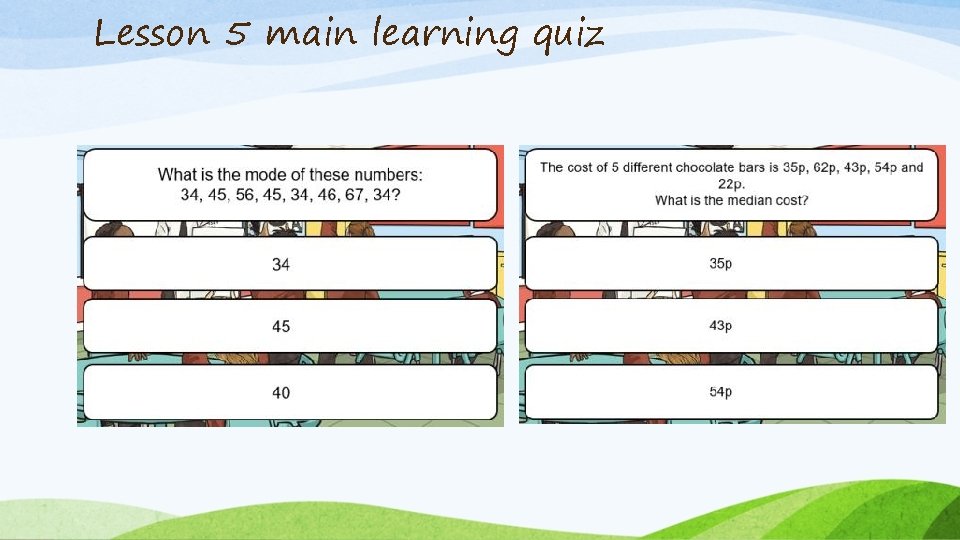
Lesson 5 main learning quiz
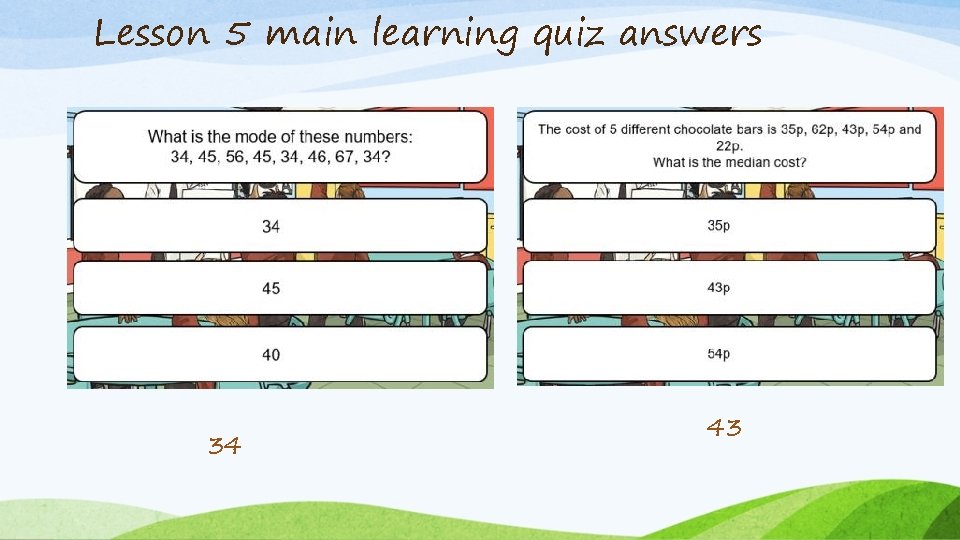
Lesson 5 main learning quiz answers 34 43
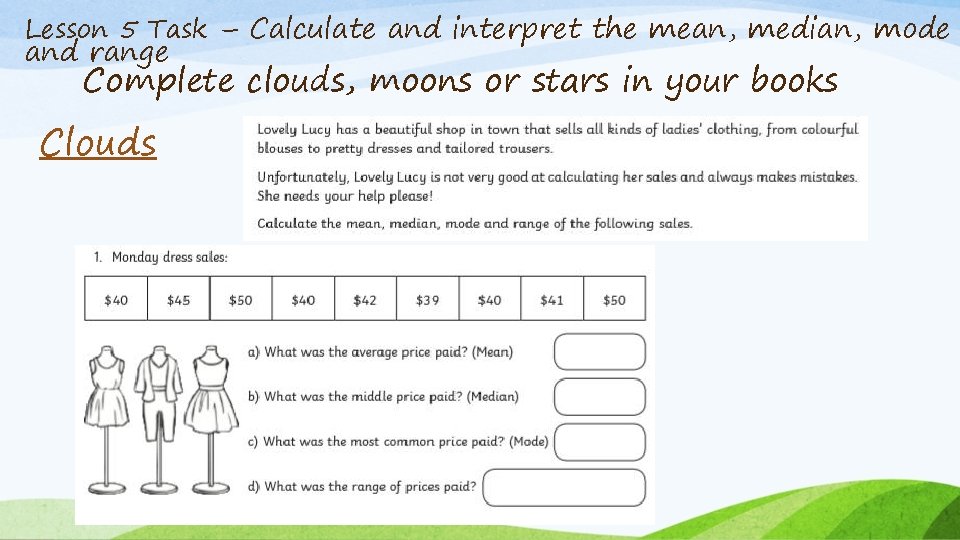
Lesson 5 Task – Calculate and interpret the mean, median, mode and range Complete clouds, moons or stars in your books Clouds
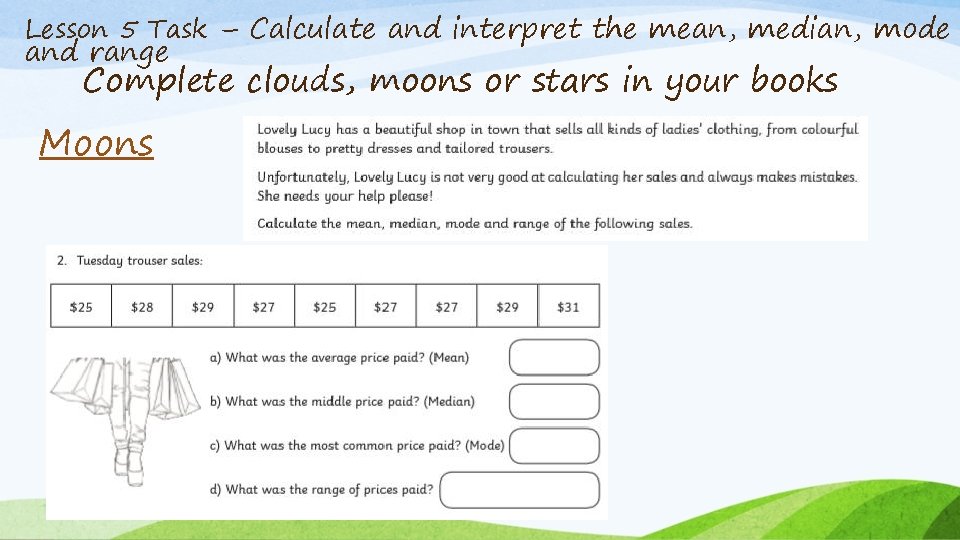
Lesson 5 Task – Calculate and interpret the mean, median, mode and range Complete clouds, moons or stars in your books Moons
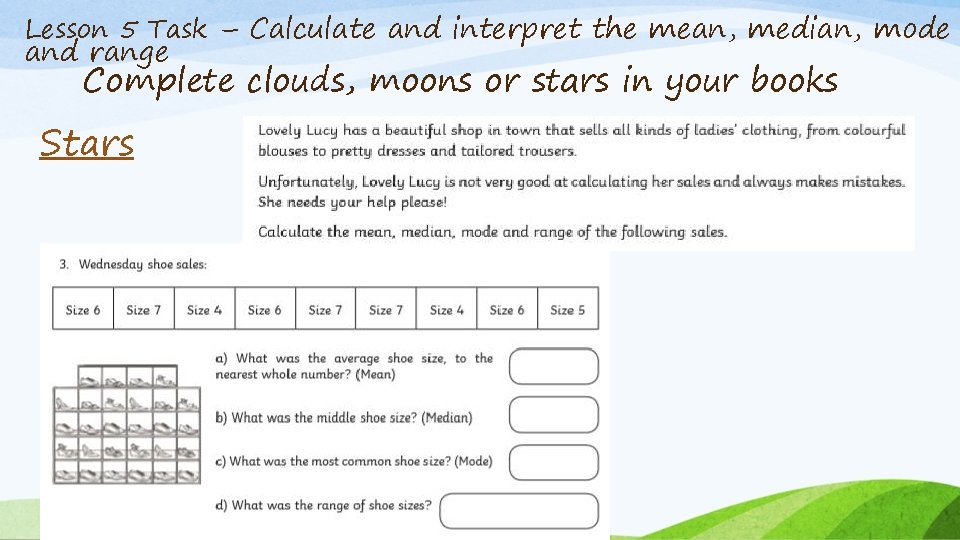
Lesson 5 Task – Calculate and interpret the mean, median, mode and range Complete clouds, moons or stars in your books Stars
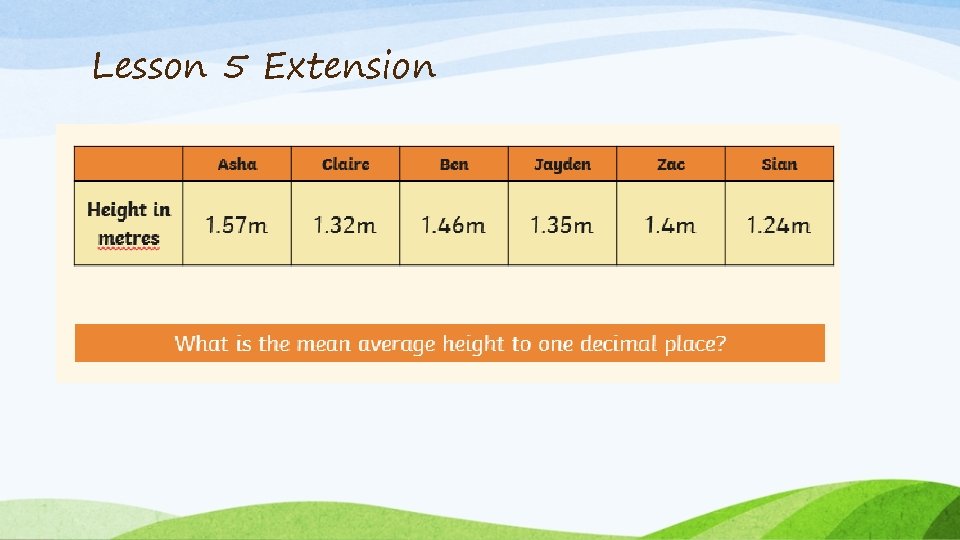
Lesson 5 Extension

Week completed – HOORAY!!
Main Task Answers Don’t be tempted to look ahead. Remember, you are only cheating yourself!!
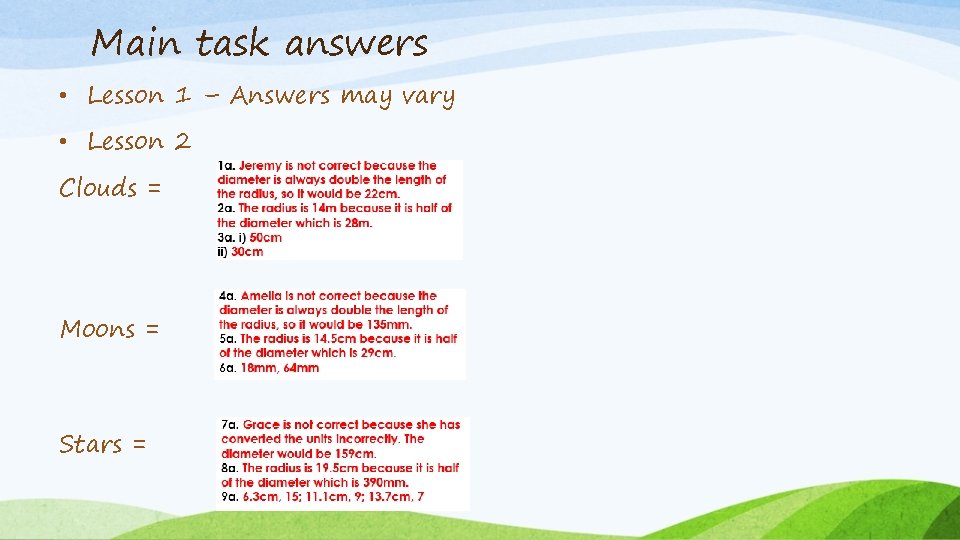
Main task answers • Lesson 1 – Answers may vary • Lesson 2 Clouds = Moons = Stars =
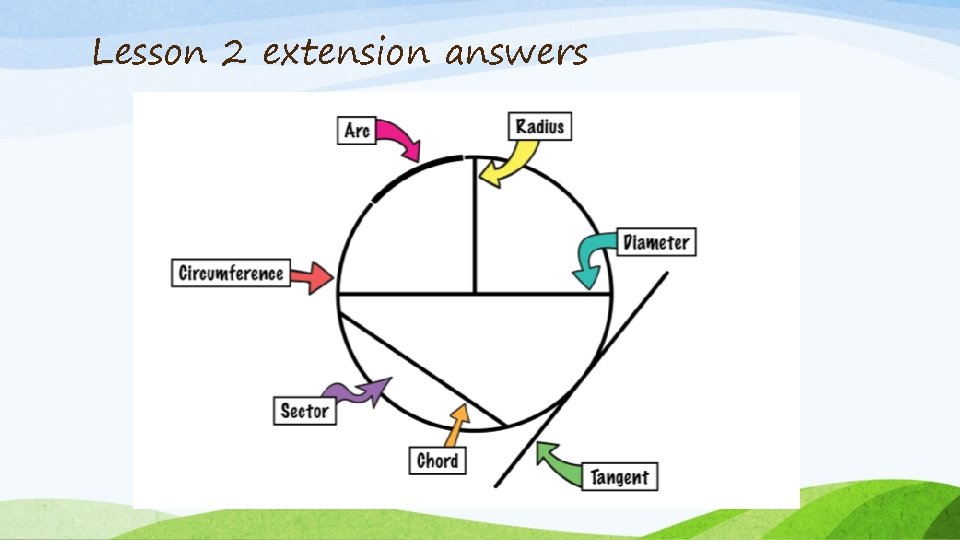
Lesson 2 extension answers
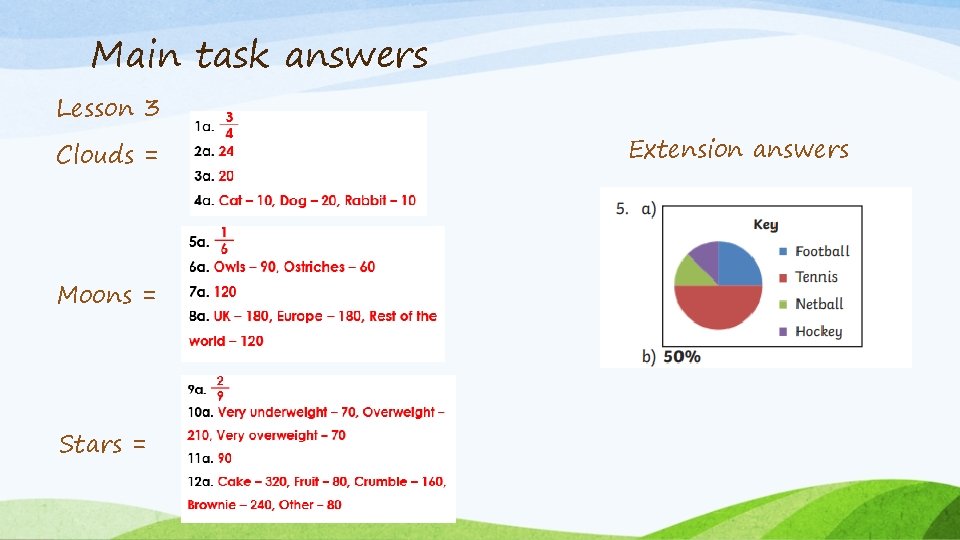
Main task answers Lesson 3 Clouds = Moons = Stars = Extension answers
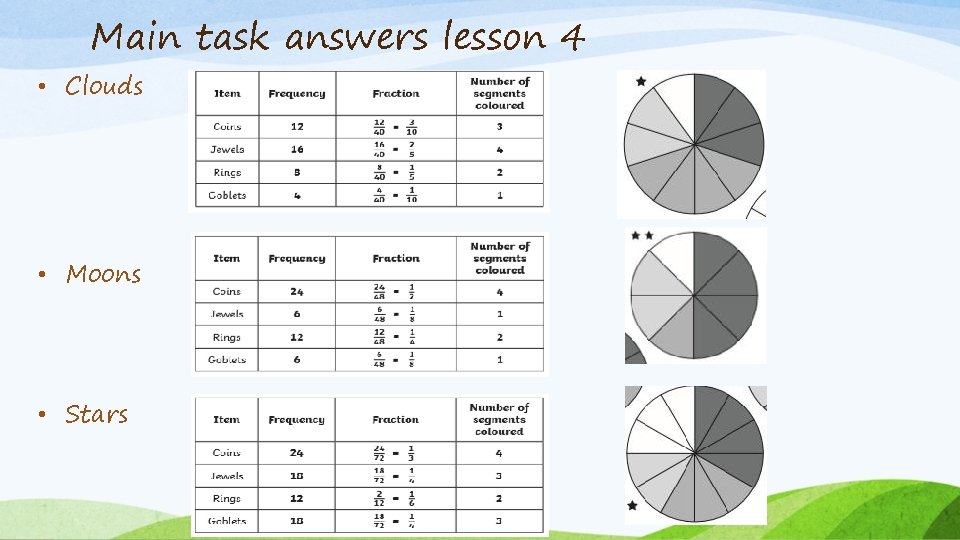
Main task answers lesson 4 • Clouds • Moons • Stars
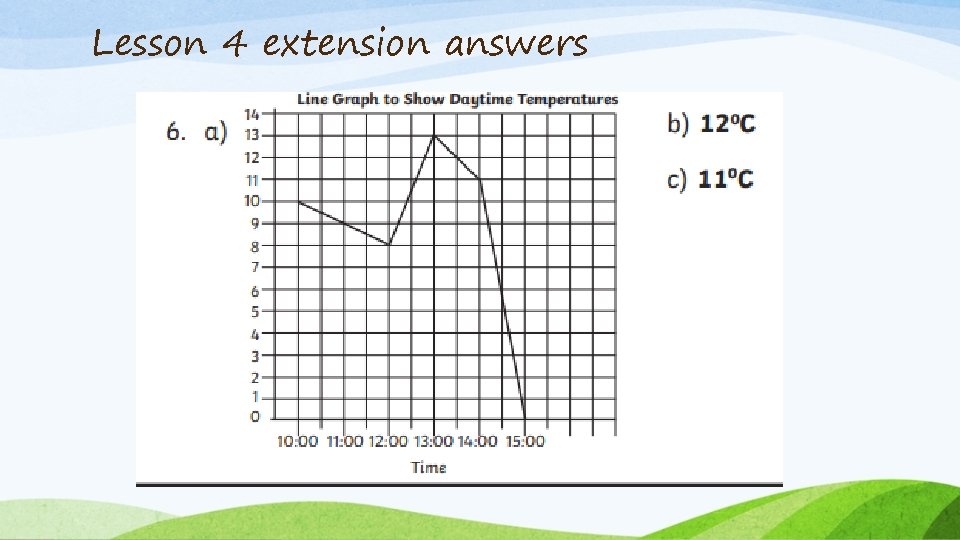
Lesson 4 extension answers
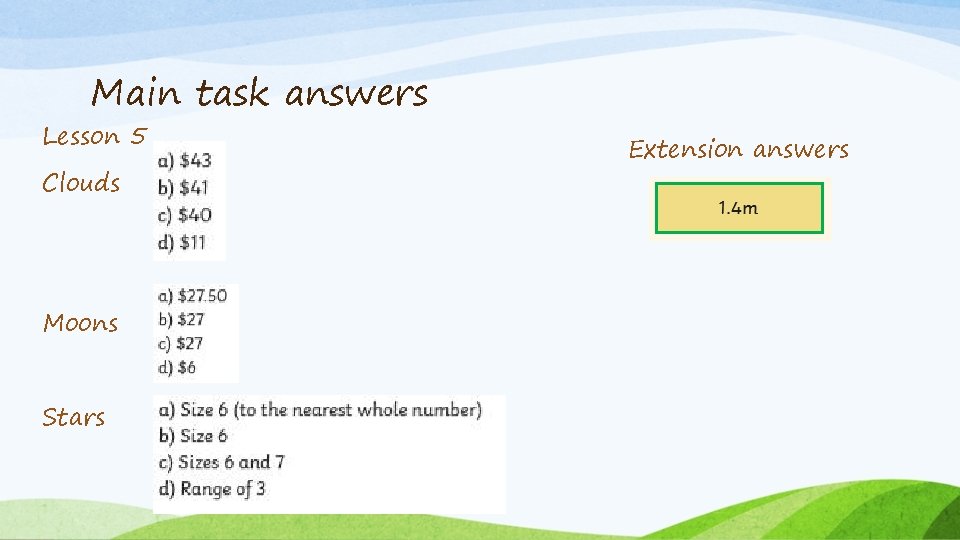
Main task answers Lesson 5 Clouds Moons Stars Extension answers
- Slides: 62