
YEAR 6 LIVING THINGS AND THEIR HABITATS CLASSIFICATION
YEAR 6 LIVING THINGS AND THEIR HABITATS CLASSIFICATION Registered charity number 1153740
Scientists estimate that Planet Earth is home to 8. 7 million species. Classification makes sense of this huge diversity. Photo: Zappys Technology Solutions
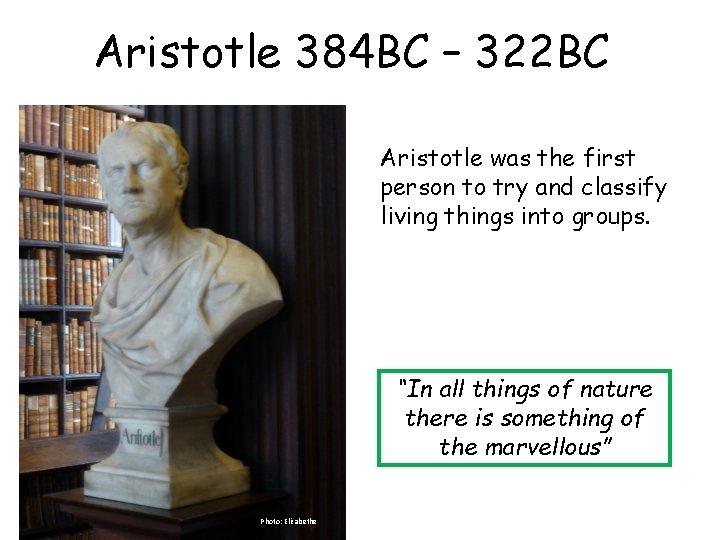
Aristotle 384 BC – 322 BC Aristotle was the first person to try and classify living things into groups. “In all things of nature there is something of the marvellous” Photo: Elizabethe
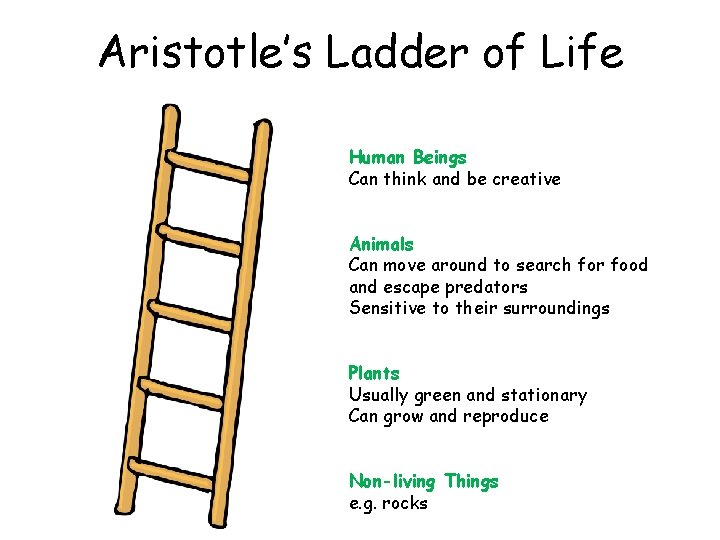
Aristotle’s Ladder of Life Human Beings Can think and be creative Animals Can move around to search for food and escape predators Sensitive to their surroundings Plants Usually green and stationary Can grow and reproduce Non-living Things e. g. rocks
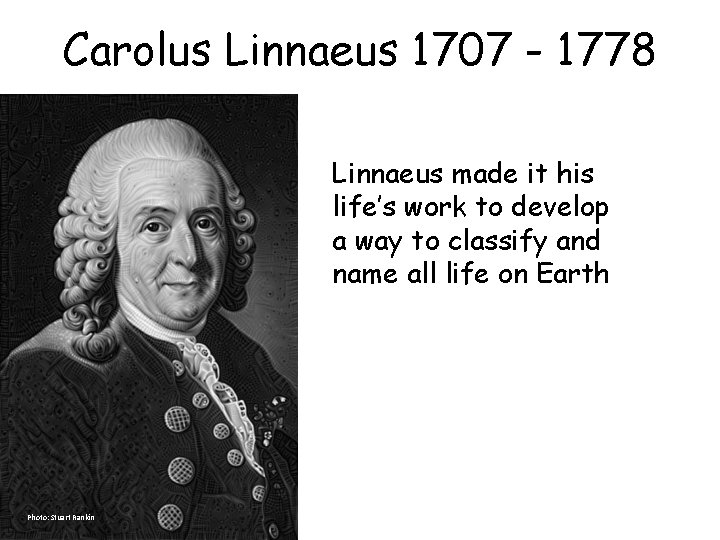
Carolus Linnaeus 1707 - 1778 Linnaeus made it his life’s work to develop a way to classify and name all life on Earth Photo: Stuart Rankin
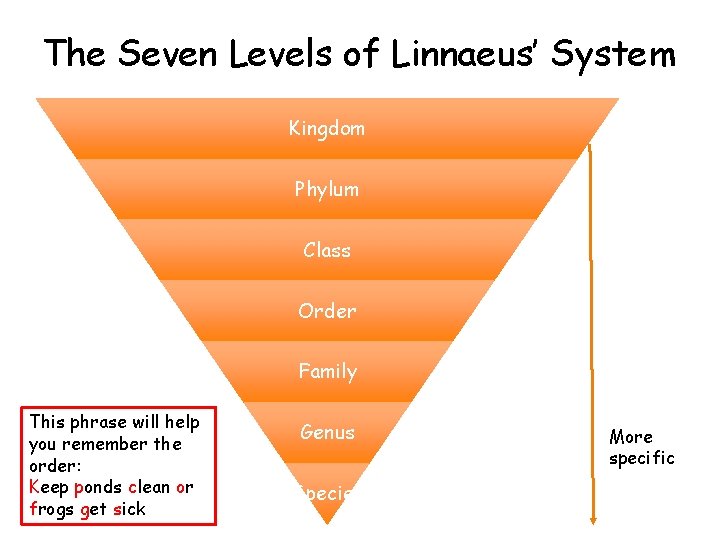
The Seven Levels of Linnaeus’ System Kingdom Phylum Class Order Family This phrase will help you remember the order: Keep ponds clean or frogs get sick Genus Species More specific
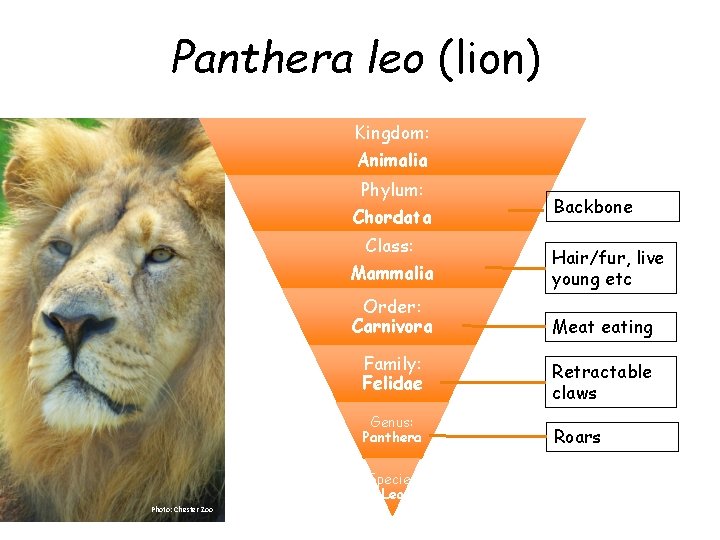
Panthera leo (lion) Kingdom: Animalia Phylum: Chordata Class: Mammalia Hair/fur, live young etc Order: Carnivora Meat eating Family: Felidae Genus: Panthera Species Leo Photo: Chester Zoo Backbone Retractable claws Roars
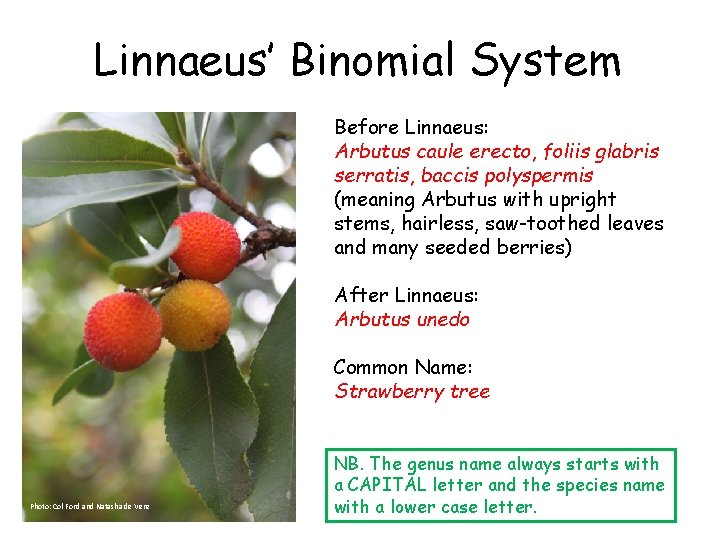
Linnaeus’ Binomial System Before Linnaeus: Arbutus caule erecto, foliis glabris serratis, baccis polyspermis (meaning Arbutus with upright stems, hairless, saw-toothed leaves and many seeded berries) After Linnaeus: Arbutus unedo Common Name: Strawberry tree Photo: Col Ford and Natasha de Vere NB. The genus name always starts with a CAPITAL letter and the species name with a lower case letter.
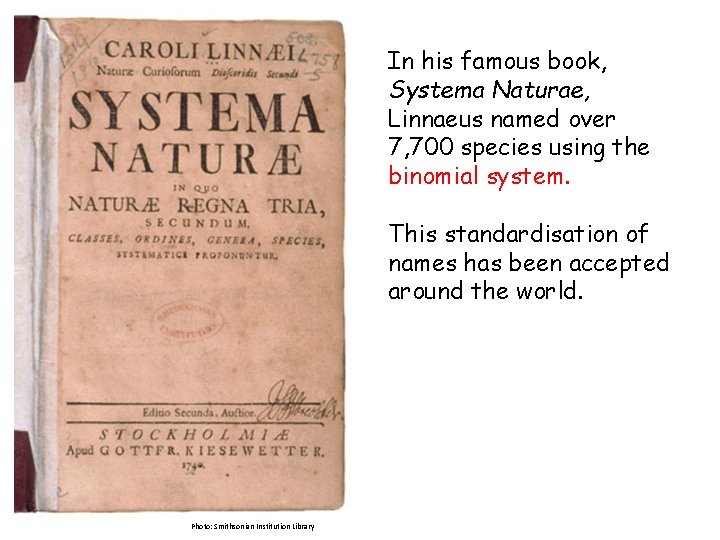
In his famous book, Systema Naturae, Linnaeus named over 7, 700 species using the binomial system. This standardisation of names has been accepted around the world. Photo: Smithsonian Institution Library
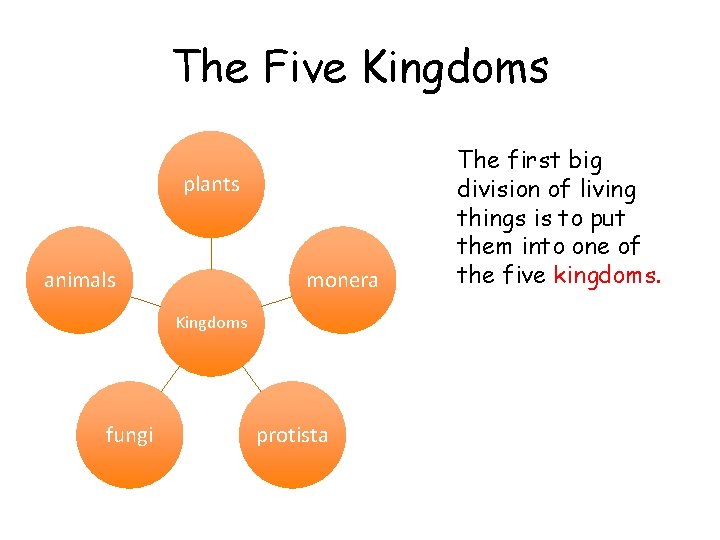
The Five Kingdoms plants animals monera Kingdoms fungi protista The first big division of living things is to put them into one of the five kingdoms.
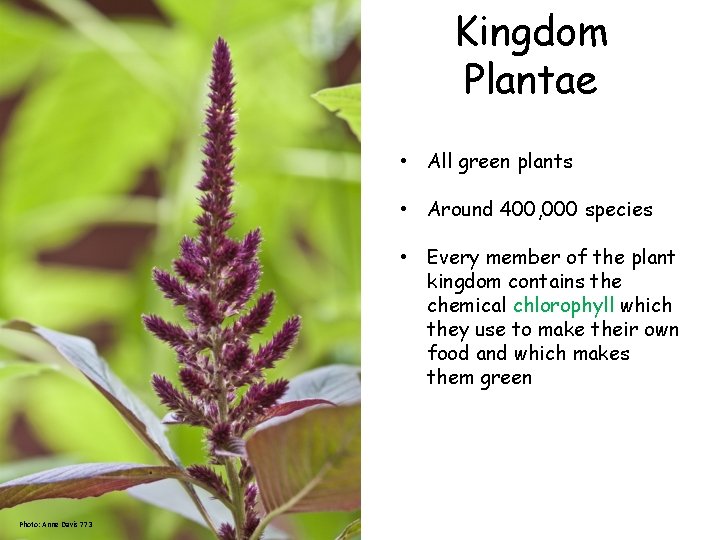
Kingdom Plantae • All green plants • Around 400, 000 species • Every member of the plant kingdom contains the chemical chlorophyll which they use to make their own food and which makes them green Photo: Anne Davis 773
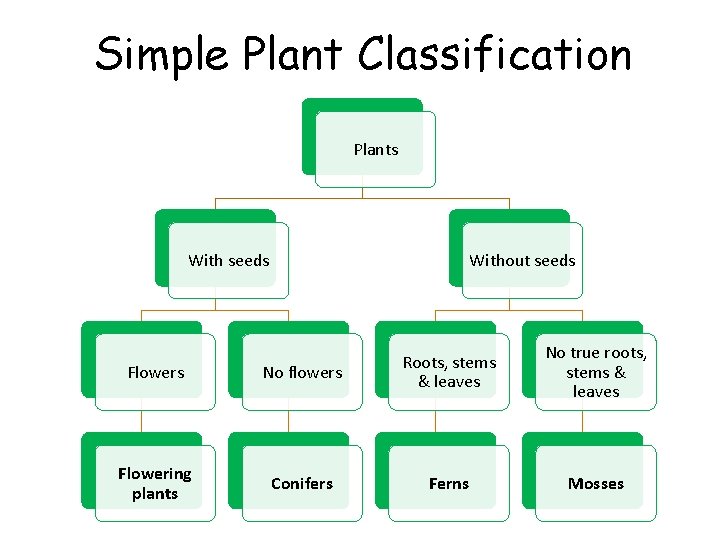
Simple Plant Classification Plants With seeds Without seeds Flowers No flowers Roots, stems & leaves Flowering plants Conifers Ferns No true roots, stems & leaves Mosses
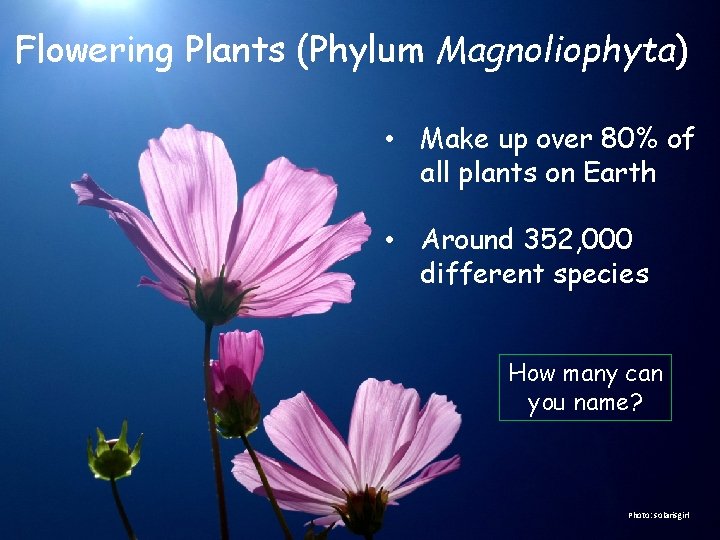
Flowering Plants (Phylum Magnoliophyta) • Make up over 80% of all plants on Earth • Around 352, 000 different species How many can you name? Photo: solarisgirl
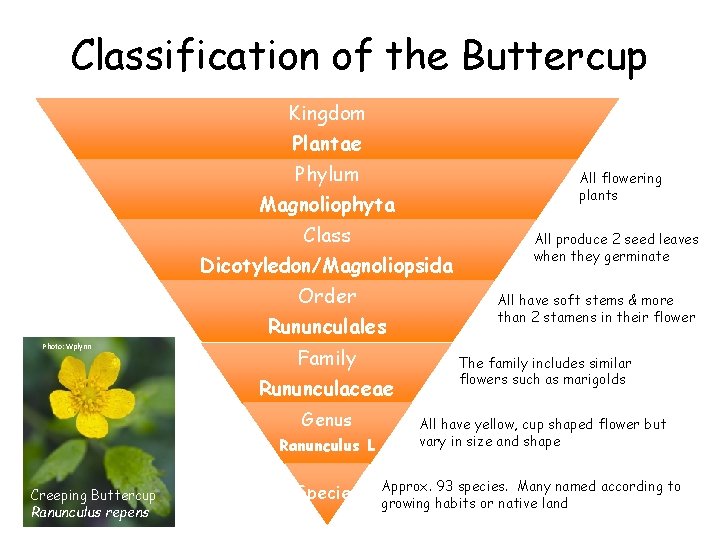
Classification of the Buttercup Kingdom Plantae Phylum Magnoliophyta All flowering plants Class Dicotyledon/Magnoliopsida Order Rununculales Photo: Wplynn Family Rununculaceae Genus Ranunculus L Creeping Buttercup Ranunculus repens Species All produce 2 seed leaves when they germinate All have soft stems & more than 2 stamens in their flower The family includes similar flowers such as marigolds All have yellow, cup shaped flower but vary in size and shape Approx. 93 species. Many named according to growing habits or native land
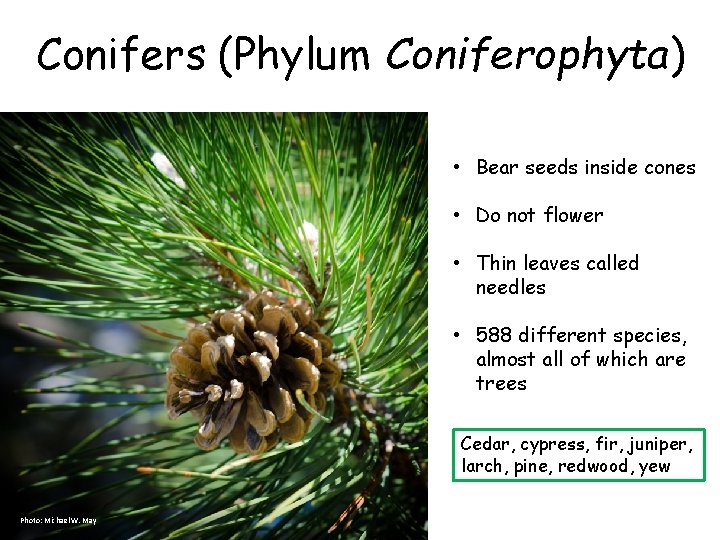
Conifers (Phylum Coniferophyta) • Bear seeds inside cones • Do not flower • Thin leaves called needles • 588 different species, almost all of which are trees Cedar, cypress, fir, juniper, larch, pine, redwood, yew Photo: Michael W. May
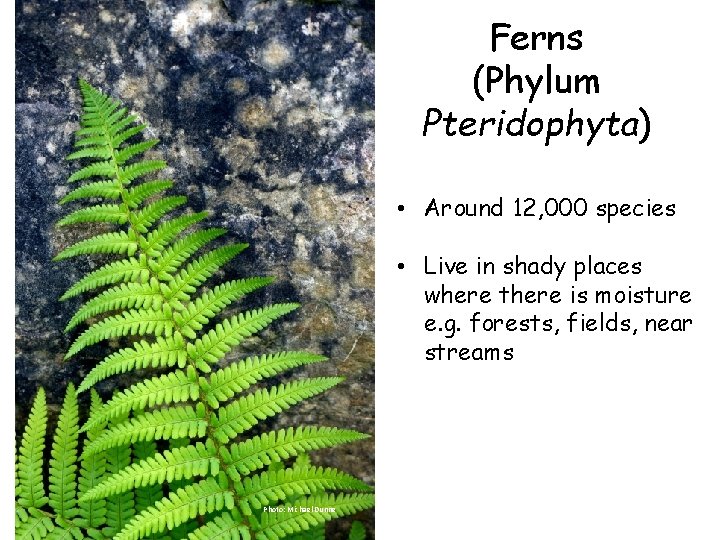
Ferns (Phylum Pteridophyta) • Around 12, 000 species • Live in shady places where there is moisture e. g. forests, fields, near streams Photo: Michael Dunne
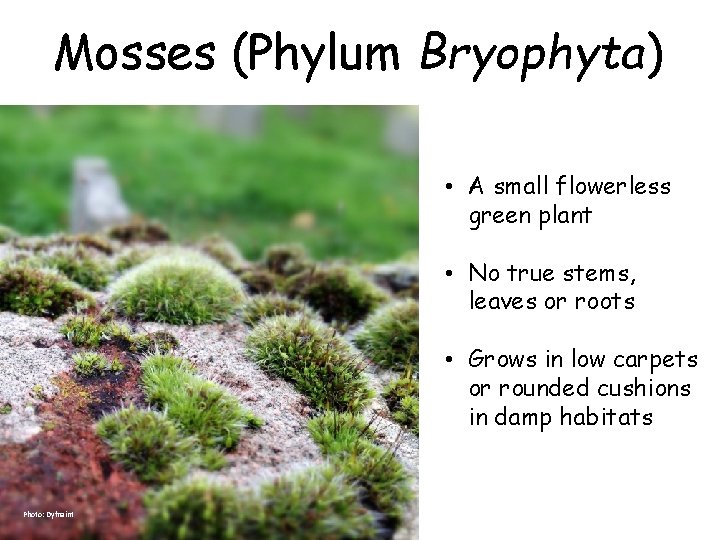
Mosses (Phylum Bryophyta) • A small flowerless green plant • No true stems, leaves or roots • Grows in low carpets or rounded cushions in damp habitats Photo: Dyfnaint
Credits YPTE would like to thank all the amazing photographers on Flickr who allow the use of their photos for non-commercial purposes. Your photos are helping young people to learn more about environmental issues. We couldn’t have created this presentation without you!
- Slides: 18