
www soumyadeepb wordpress com Identifying Research Priorities Setting

www. soumyadeepb. wordpress. com Identifying Research Priorities & Setting Research Agenda TSICon- 2014 Calcutta School of Tropical Medicine, Kolkata November 22, 2014 Dr. Soumyadeep Bhaumik Bio. Medical Genomics Centre, Kolkata, India drsoumyadeepbhaumik@gmail. com Dr. Soumyadeep. B

Agenda of Medicine… ‘We live in a world with infinite possibilities. Hearts are transplanted, DNA is decoded, and new medical discoveries are made every day. Yet we continue to be stymied by how best to reach those in resource-poor settings with the most basic care and medicines that we take for granted. What could break through this conundrum? ’ Bill Frist & Richard Sezibera. The Lancet, 2009; 374: 1485 -1486
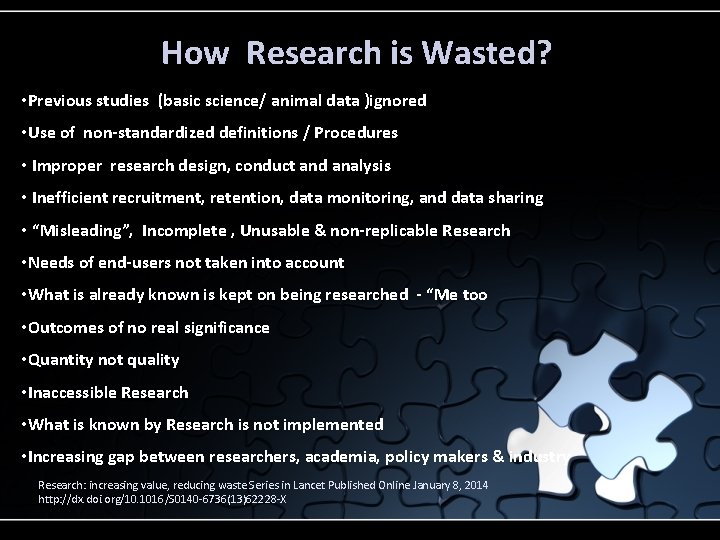
How Research is Wasted? • Previous studies (basic science/ animal data )ignored • Use of non-standardized definitions / Procedures • Improper research design, conduct and analysis • Inefficient recruitment, retention, data monitoring, and data sharing • “Misleading”, Incomplete , Unusable & non-replicable Research • Needs of end-users not taken into account • What is already known is kept on being researched - “Me too • Outcomes of no real significance • Quantity not quality • Inaccessible Research • What is known by Research is not implemented • Increasing gap between researchers, academia, policy makers & industry Research: increasing value, reducing waste Series in Lancet Published Online January 8, 2014 http: //dx. doi. org/10. 1016/S 0140 -6736(13)62228 -X
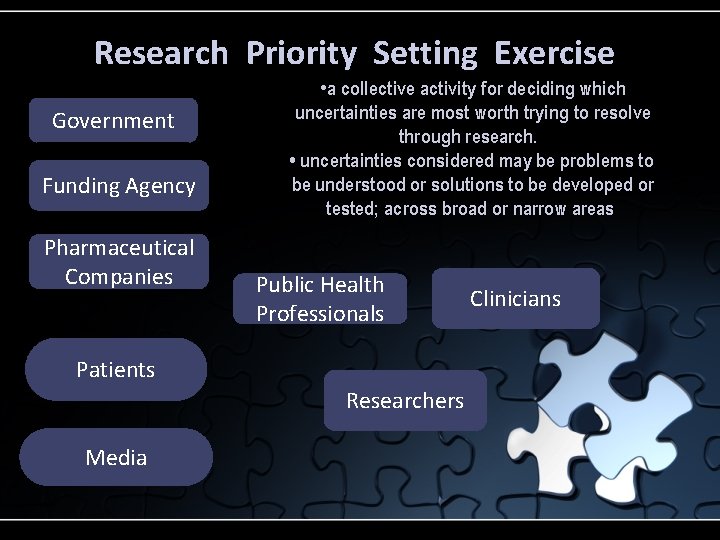
Research Priority Setting Exercise Government Funding Agency Pharmaceutical Companies • a collective activity for deciding which uncertainties are most worth trying to resolve through research. • uncertainties considered may be problems to be understood or solutions to be developed or tested; across broad or narrow areas Public Health Professionals Patients Researchers Media Clinicians
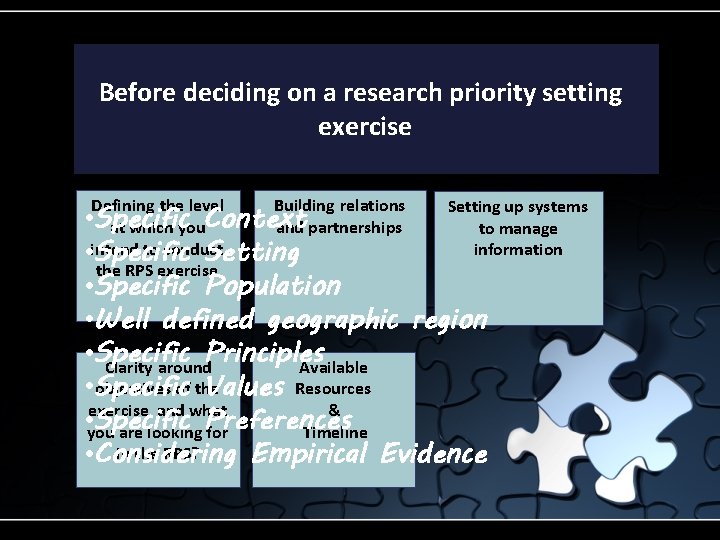
Before deciding on a research priority setting exercise Building relations Defining the level • Specific and partnerships at which you. Context to conduct • intend Specific Setting the RPS exercise Setting up systems to manage information • Specific Population • Well defined geographic region • Specific Principles Clarity around Available objectives of the • Specific Values Resources exercise and what & • you Specific are looking Preferences for Timeline in the RPS? • Considering Empirical Evidence

The Priority Setting Wheel
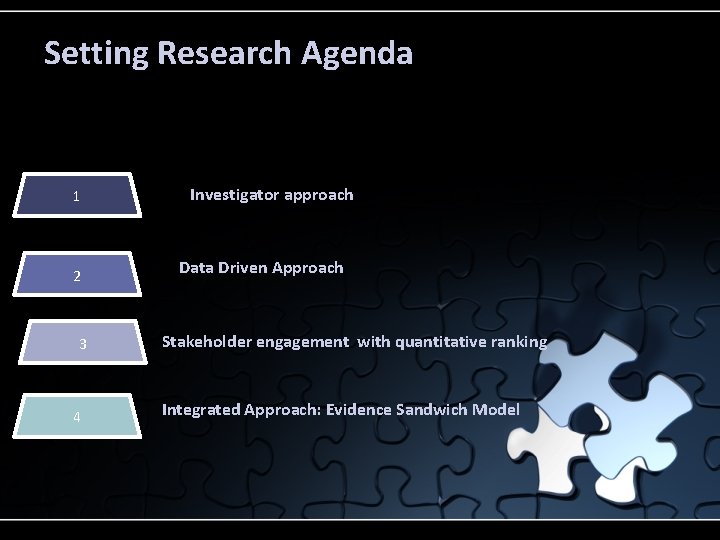
Setting Research Agenda 1 2 3 4 Investigator approach Data Driven Approach Stakeholder engagement with quantitative ranking Integrated Approach: Evidence Sandwich Model
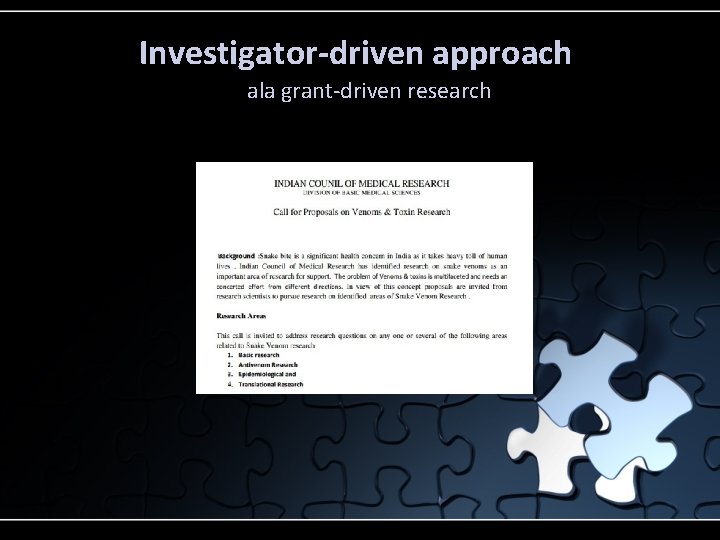
Investigator-driven approach ala grant-driven research
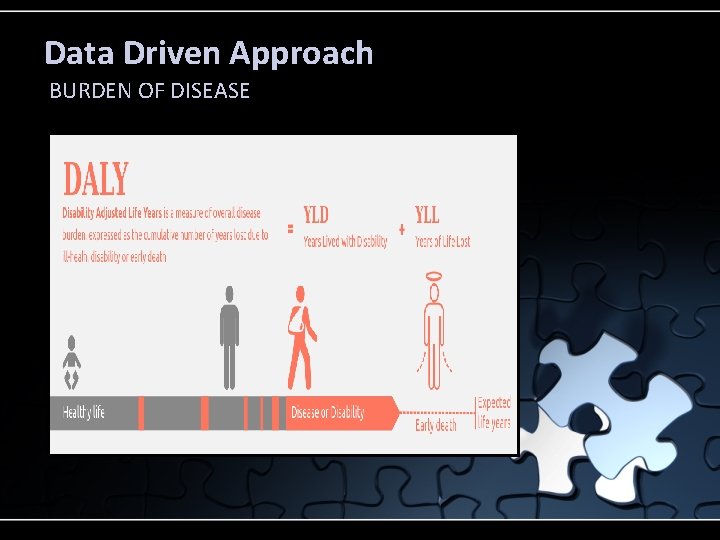
Data Driven Approach BURDEN OF DISEASE
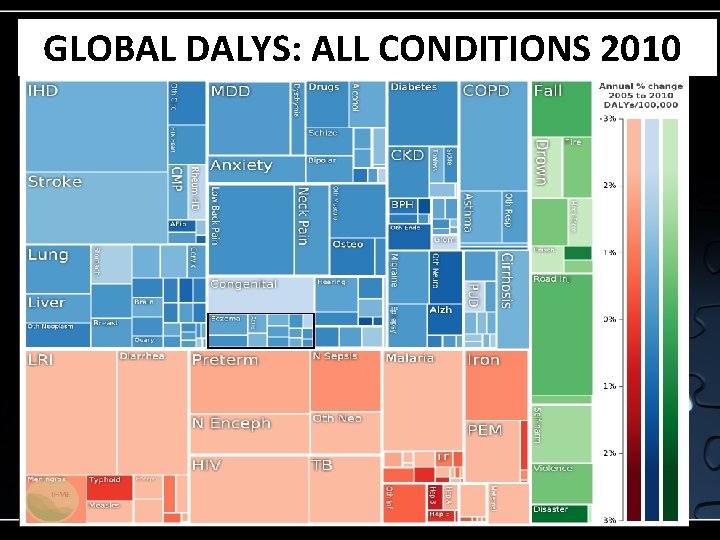
GLOBAL DALYS: ALL CONDITIONS 2010
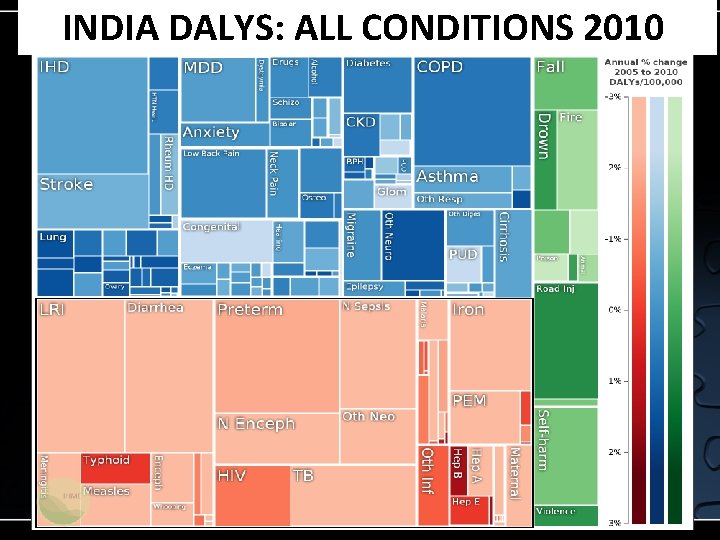
INDIA DALYS: ALL CONDITIONS 2010
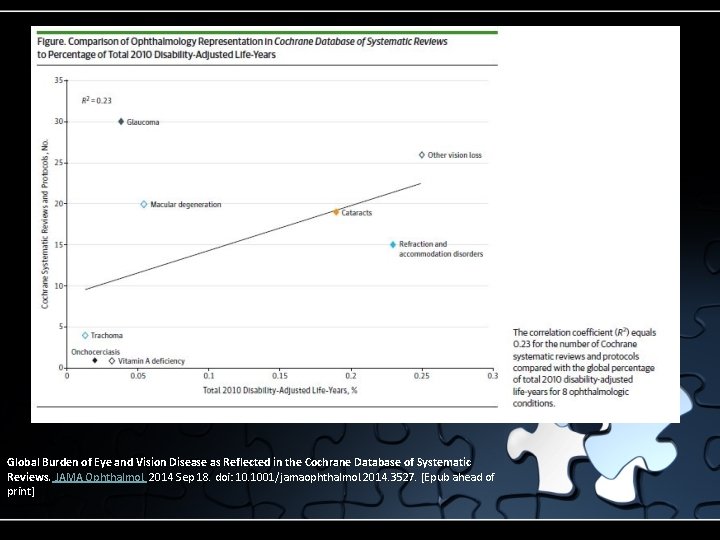
Global Burden of Eye and Vision Disease as Reflected in the Cochrane Database of Systematic Reviews. JAMA Ophthalmol. 2014 Sep 18. doi: 10. 1001/jamaophthalmol. 2014. 3527. [Epub ahead of print]
Stakeholder engagement with quantitative ranking Form a task force consisting of representatives of all stakeholders who sets criteria and ranks and scores priorities
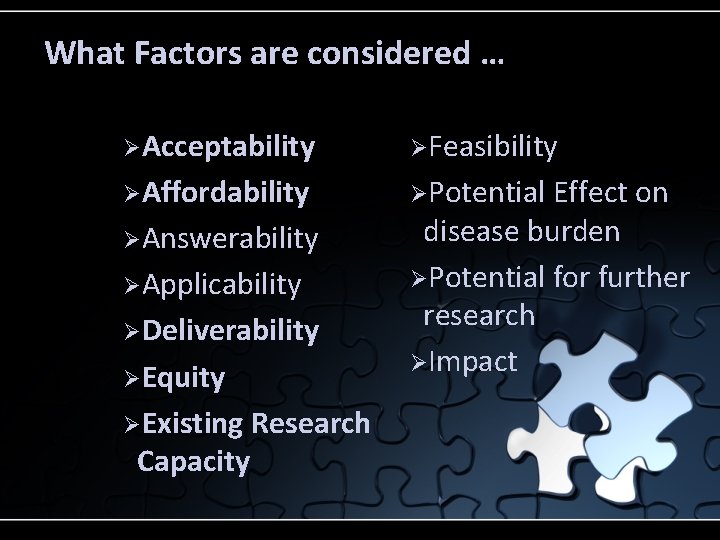
What Factors are considered … ØAcceptability ØFeasibility ØAffordability ØPotential ØAnswerability ØApplicability ØDeliverability ØEquity ØExisting Capacity Research Effect on disease burden ØPotential for further research ØImpact
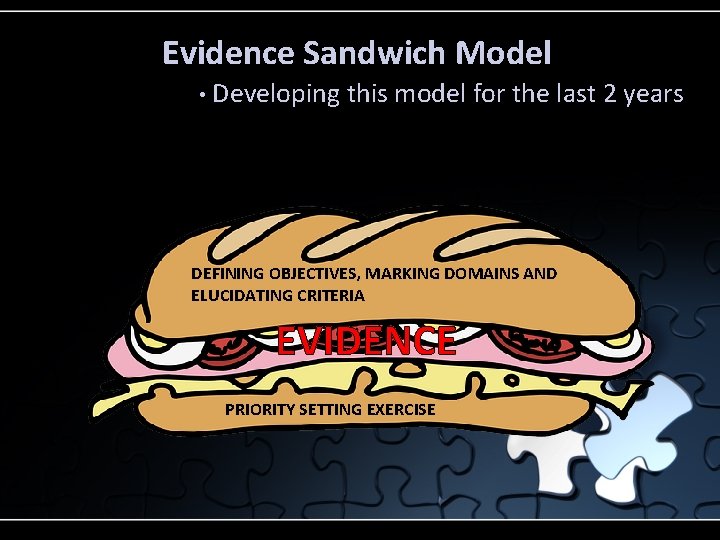
Evidence Sandwich Model • Developing this model for the last 2 years DEFINING OBJECTIVES, MARKING DOMAINS AND ELUCIDATING CRITERIA EVIDENCE PRIORITY SETTING EXERCISE
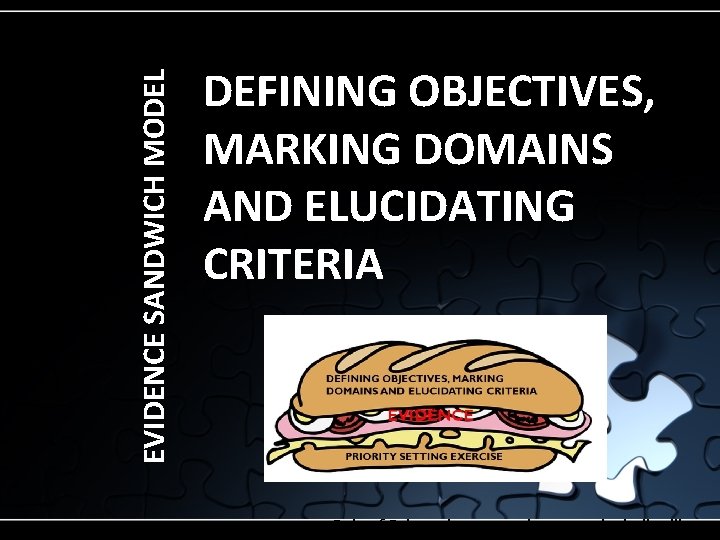
EVIDENCE SANDWICH MODEL DEFINING OBJECTIVES, MARKING DOMAINS AND ELUCIDATING CRITERIA Role of Epistemic community to set the ball rolling…
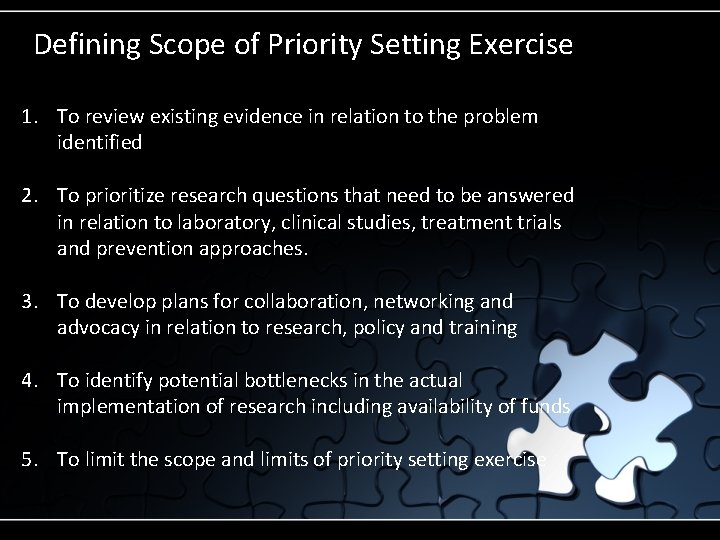
Defining Scope of Priority Setting Exercise 1. To review existing evidence in relation to the problem identified 2. To prioritize research questions that need to be answered in relation to laboratory, clinical studies, treatment trials and prevention approaches. 3. To develop plans for collaboration, networking and advocacy in relation to research, policy and training 4. To identify potential bottlenecks in the actual implementation of research including availability of funds 5. To limit the scope and limits of priority setting exercise
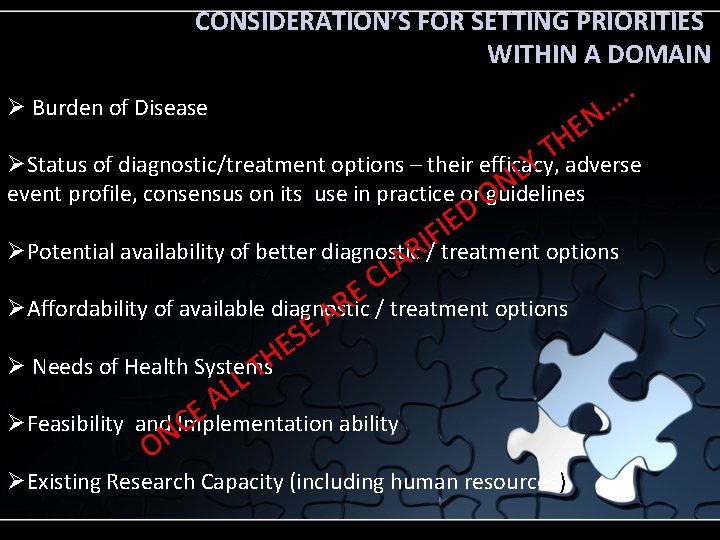
CONSIDERATION’S FOR SETTING PRIORITIES WITHIN A DOMAIN Ø Burden of Disease N E H . . … T ØStatus of diagnostic/treatment options – their efficacy, Y adverse L N event profile, consensus on its use in practice or O guidelines D E I F I ØPotential availability of better diagnostic. R/ treatment options A L C E / treatment options R ØAffordability of available diagnostic A E S E H Ø Needs of Health Systems T L L A E ØFeasibility and Implementation ability C ON ØExisting Research Capacity (including human resources)
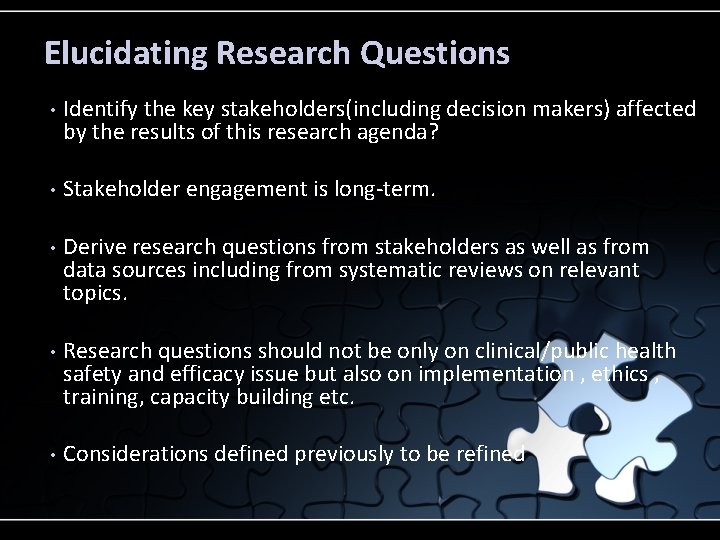
Elucidating Research Questions • Identify the key stakeholders(including decision makers) affected by the results of this research agenda? • Stakeholder engagement is long-term. • Derive research questions from stakeholders as well as from data sources including from systematic reviews on relevant topics. • Research questions should not be only on clinical/public health safety and efficacy issue but also on implementation , ethics , training, capacity building etc. • Considerations defined previously to be refined
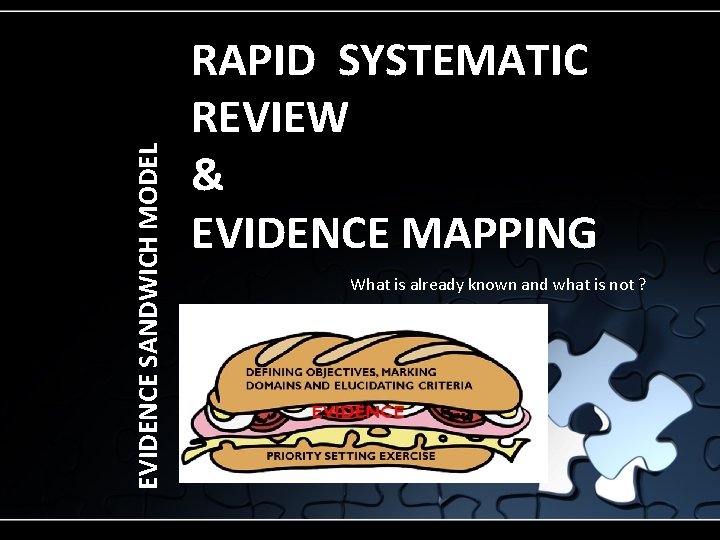
EVIDENCE SANDWICH MODEL RAPID SYSTEMATIC REVIEW & EVIDENCE MAPPING What is already known and what is not ?
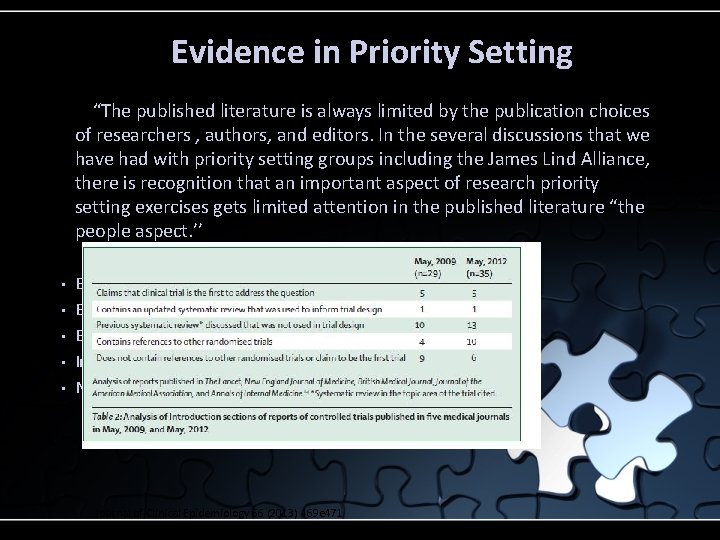
Evidence in Priority Setting “The published literature is always limited by the publication choices of researchers , authors, and editors. In the several discussions that we have had with priority setting groups including the James Lind Alliance, there is recognition that an important aspect of research priority setting exercises gets limited attention in the published literature “the people aspect. ’’ • • • Existing priorities and practices are extrapolated Based on misplaced premises Bias Inequity No room for “ lateral thinking “ Journal of Clinical Epidemiology 66 (2013) 469 e 471
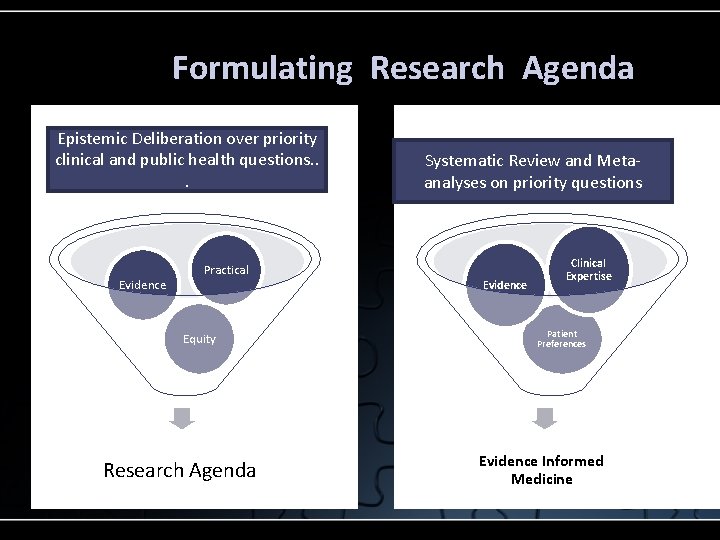
Formulating Research Agenda Epistemic Deliberation over priority clinical and public health questions. . . Evidence Practical Equity Research Agenda Systematic Review and Metaanalyses on priority questions Evidence Clinical Expertise Patient Preferences Evidence Informed Medicine
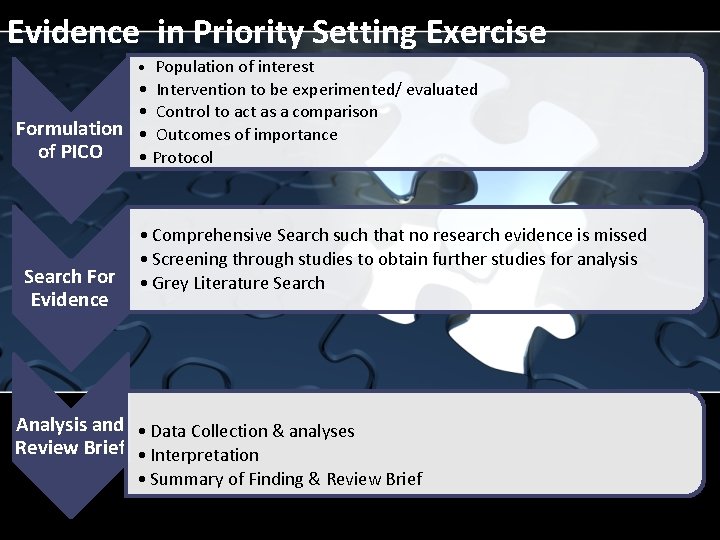
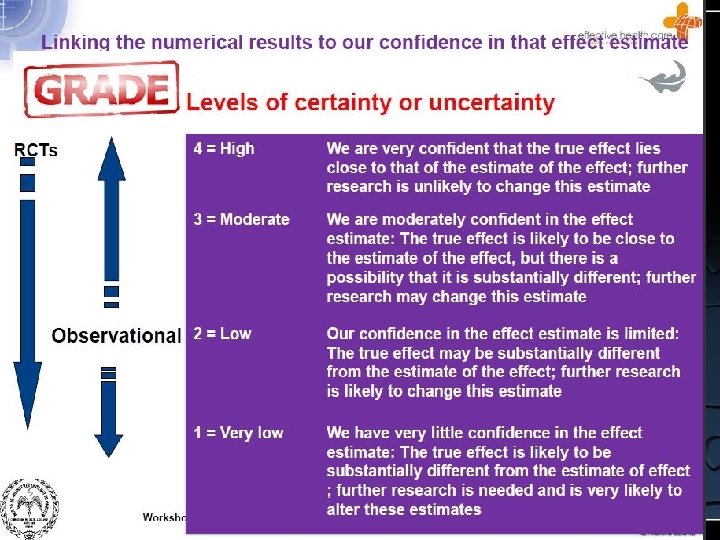
Evidence in Priority Setting Exercise • Population of interest • Intervention to be experimented/ evaluated • Control to act as a comparison Formulation • Outcomes of importance of PICO • Protocol Search For Evidence • Comprehensive Search such that no research evidence is missed • Screening through studies to obtain further studies for analysis • Grey Literature Search Analysis and • Data Collection & analyses Review Brief • Interpretation • Summary of Finding & Review Brief
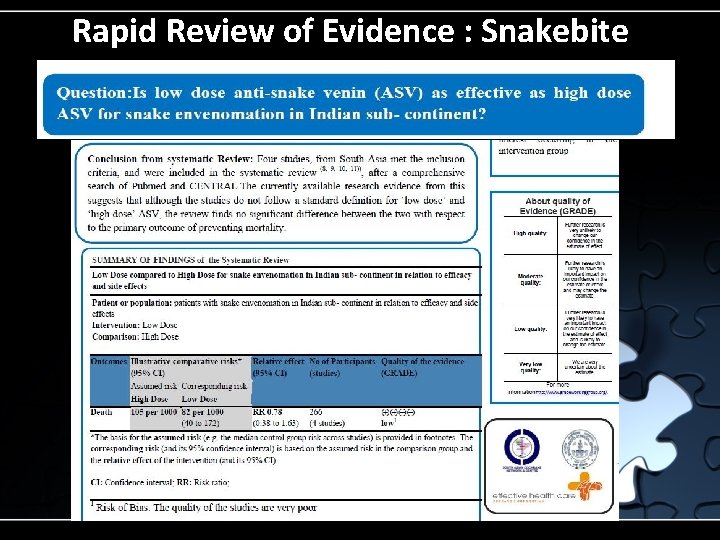
Rapid Review of Evidence : Snakebite
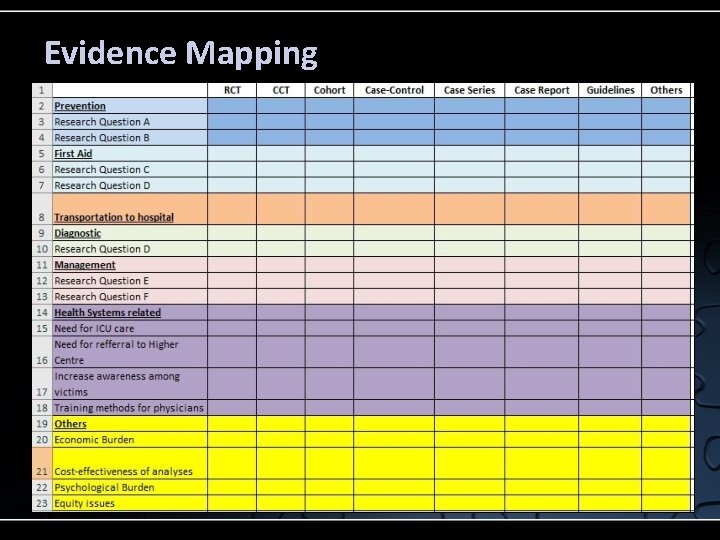
Evidence Mapping
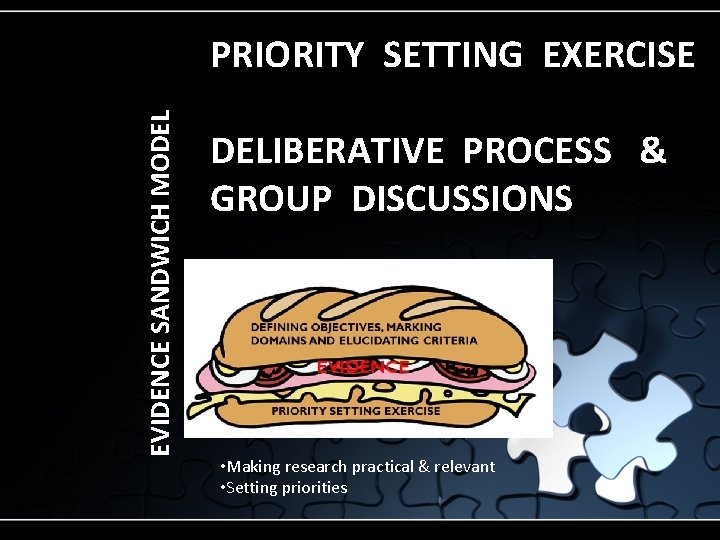
EVIDENCE SANDWICH MODEL PRIORITY SETTING EXERCISE DELIBERATIVE PROCESS & GROUP DISCUSSIONS • Making research practical & relevant • Setting priorities
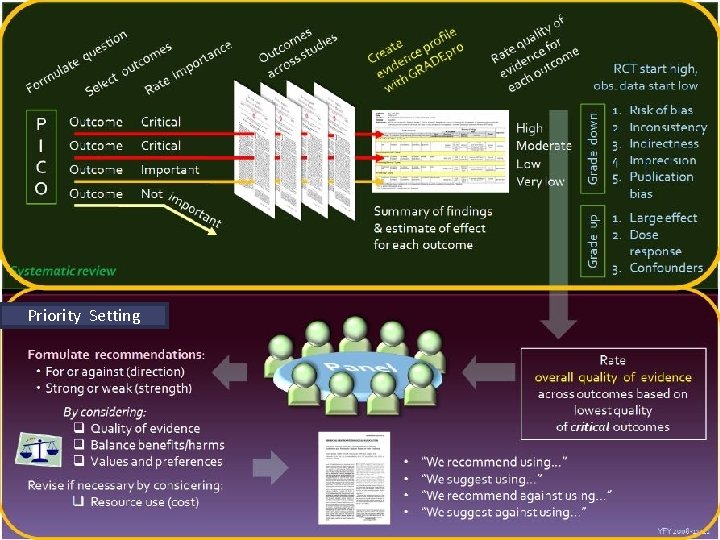
Priority Setting
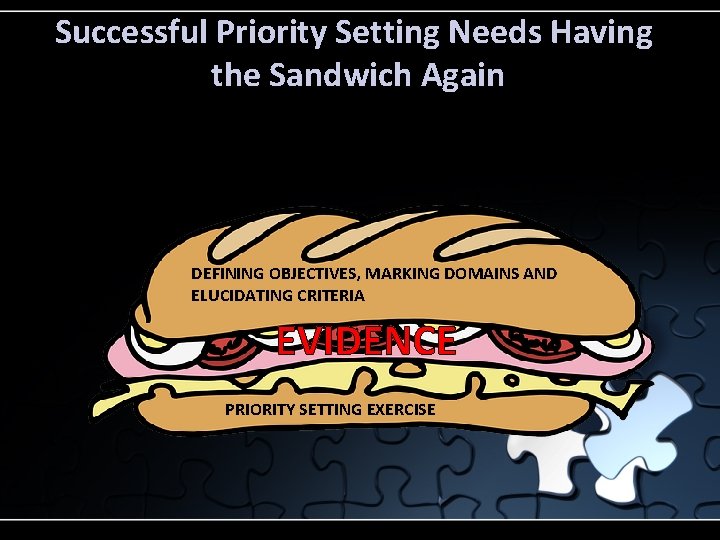
Successful Priority Setting Needs Having the Sandwich Again DEFINING OBJECTIVES, MARKING DOMAINS AND ELUCIDATING CRITERIA EVIDENCE PRIORITY SETTING EXERCISE
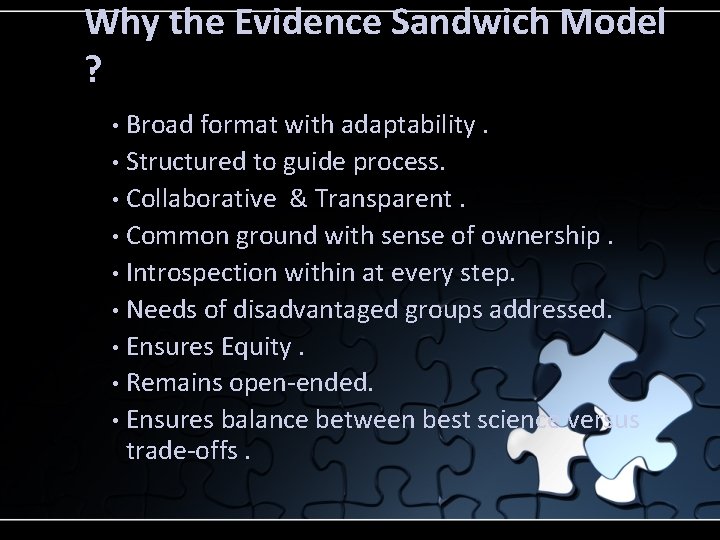
Why the Evidence Sandwich Model ? Broad format with adaptability. • Structured to guide process. • Collaborative & Transparent. • Common ground with sense of ownership. • Introspection within at every step. • Needs of disadvantaged groups addressed. • Ensures Equity. • Remains open-ended. • Ensures balance between best science versus trade-offs. •
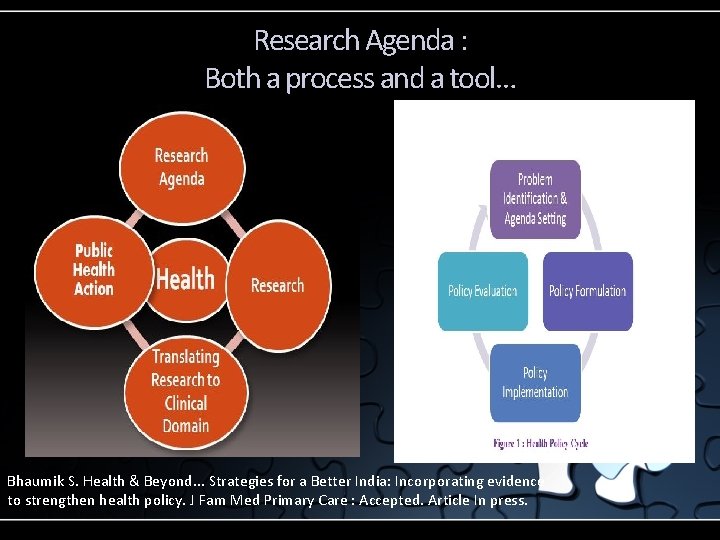
Research Agenda : Both a process and a tool… Bhaumik S. Health & Beyond. . . Strategies for a Better India: Incorporating evidence to strengthen health policy. J Fam Med Primary Care : Accepted. Article In press.
Thank You. All Slides to be available at : http: //capsmg. cochrane. org/ www. soumyadeepb. wordpress. com
- Slides: 32