
Write a summary of the differences between these
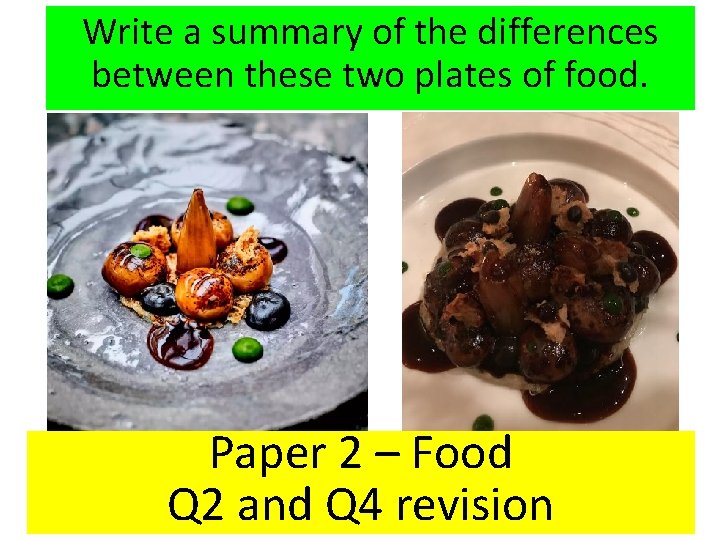
Write a summary of the differences between these two plates of food. Paper 2 – Food Q 2 and Q 4 revision
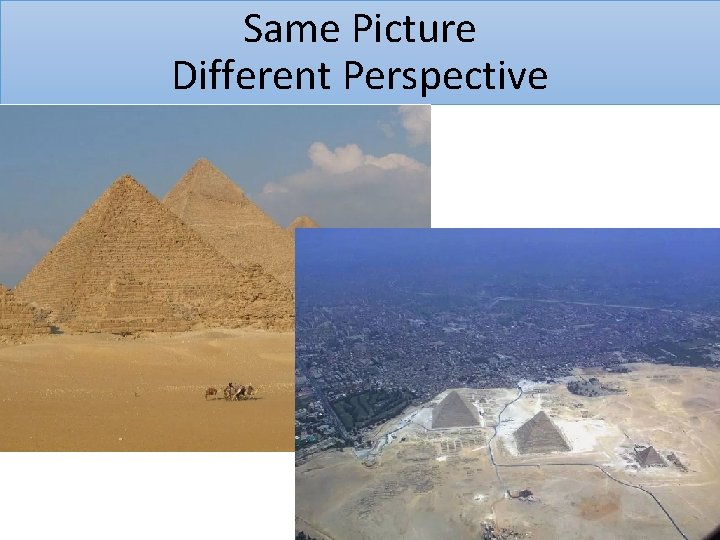
Same Picture Different Perspective
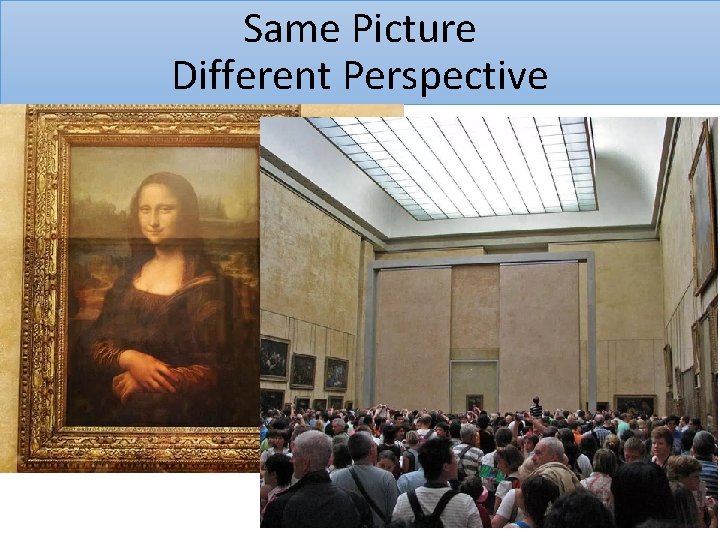
Same Picture Different Perspective
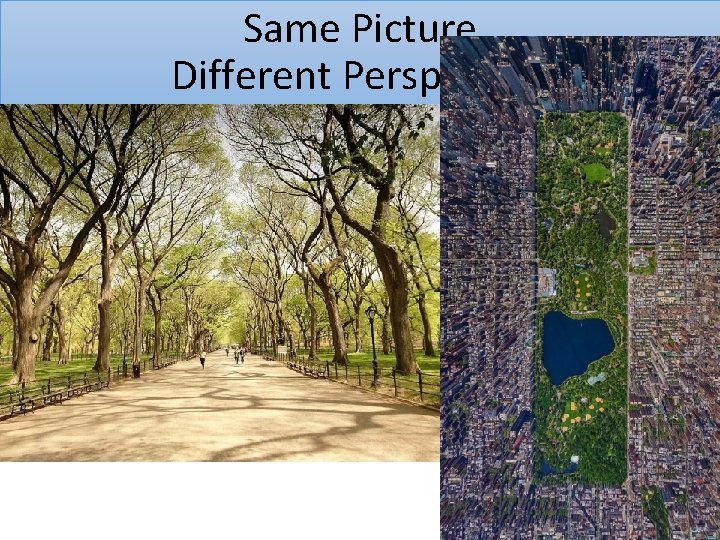
Same Picture Different Perspective
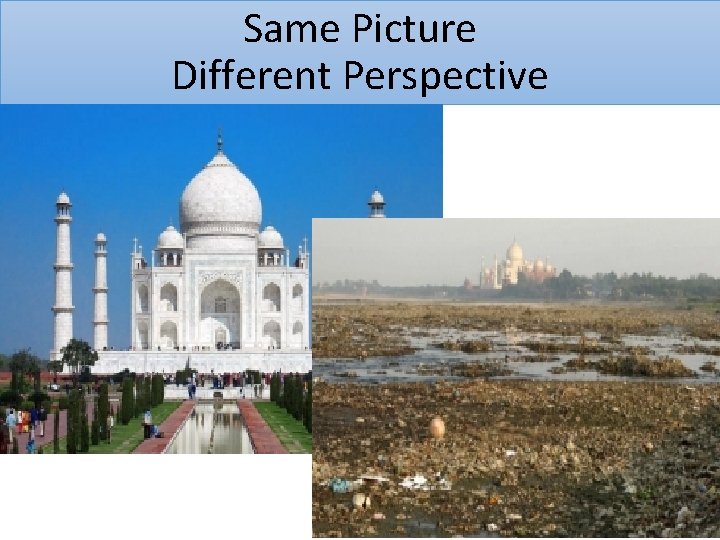
Same Picture Different Perspective
Thinking About Differences: Comparing
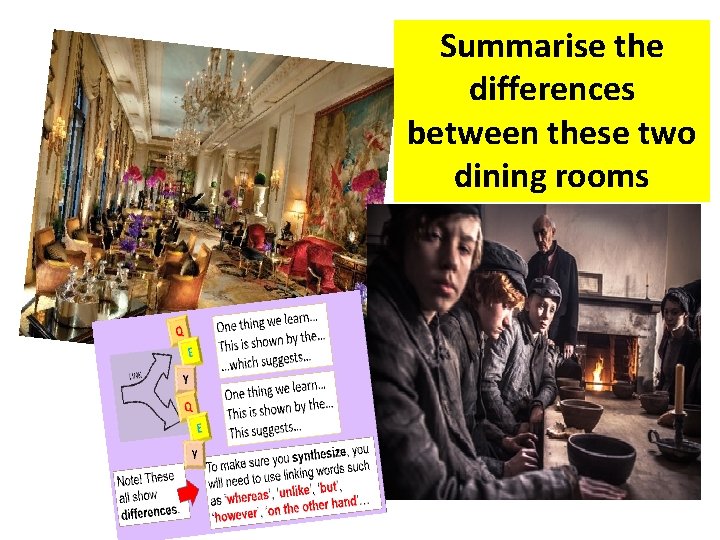
Summarise the differences between these two dining rooms
SECTION A: READING Q 4 16 marks 4 marks Q 1 Read the text Q 2 8 marks 12 marks Q 3
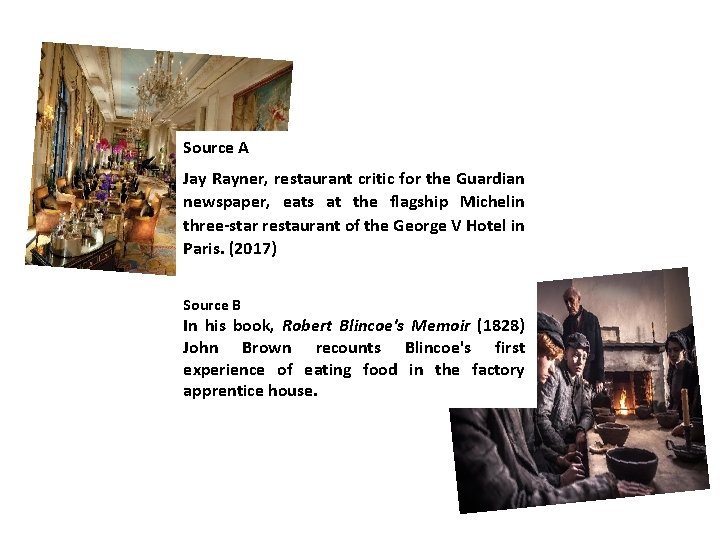
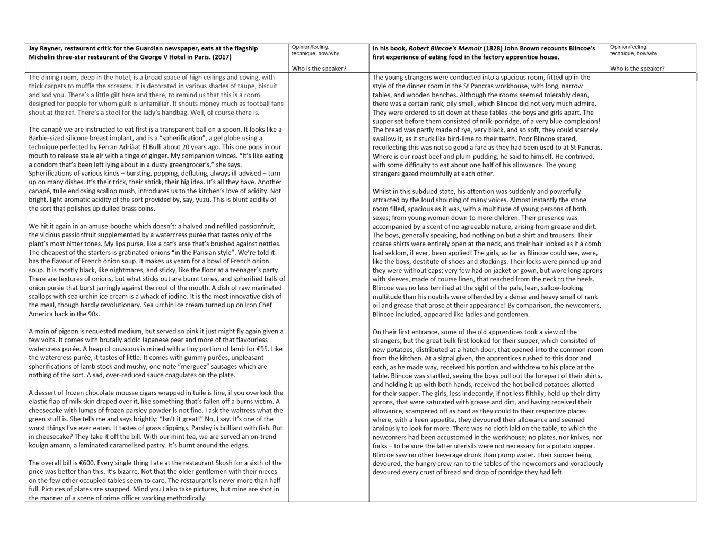
Source A Jay Rayner, restaurant critic for the Guardian newspaper, eats at the flagship Michelin three-star restaurant of the George V Hotel in Paris. (2017) Source B In his book, Robert Blincoe's Memoir (1828) John Brown recounts Blincoe's first experience of eating food in the factory apprentice house.
What’s the difference between an article and a memoir? What’s the difference between 2017 and 1860? What’s the difference between Jay Rayner and John Brown? What’s the difference between the two texts?
Walking Talking Reading…
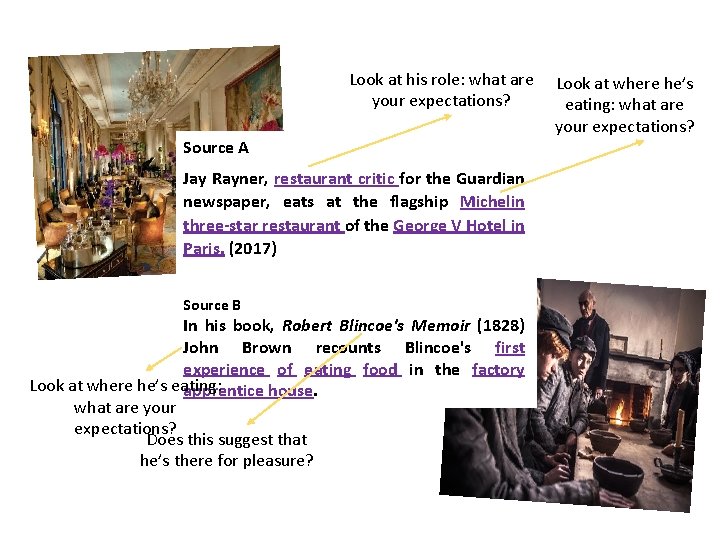
Look at his role: what are your expectations? Source A Jay Rayner, restaurant critic for the Guardian newspaper, eats at the flagship Michelin three-star restaurant of the George V Hotel in Paris. (2017) Source B In his book, Robert Blincoe's Memoir (1828) John Brown recounts Blincoe's first experience of eating food in the factory Look at where he’s eating: apprentice house. what are your expectations? Does this suggest that he’s there for pleasure? Look at where he’s eating: what are your expectations?
![[Q 1: True or False] As you’re reading, look for two differences between the](http://slidetodoc.com/presentation_image_h2/9bd3de82ce4f4a76ebf3ce2c66587183/image-14.jpg "[Q 1: True or False] As you’re reading, look for two differences between the")
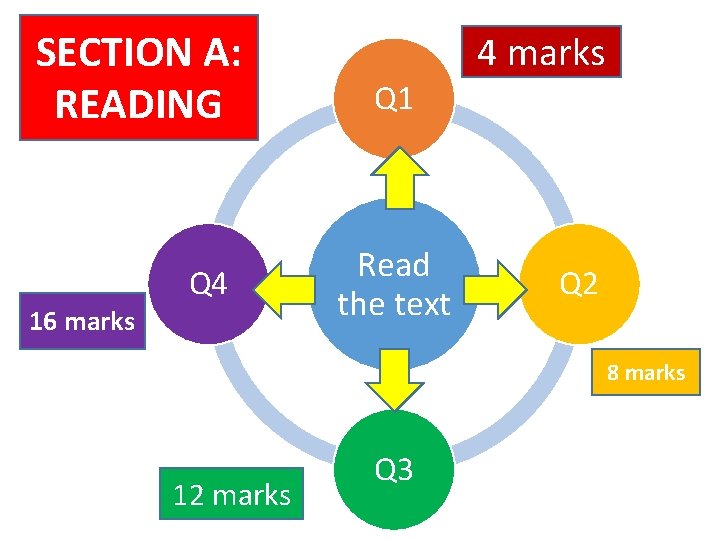
[Q 1: True or False] As you’re reading, look for two differences between the eating places. 4 marks Q 2: Write a summary of the differences in the eating places 8 marks [Q 3: Analyse Language] 12 marks Q 4: For this question, you need to refer to the whole of Source A, together with Source B. Compare how the two writers convey their different attitudes towards their eating experiences. As you’re reading, look for the attitudes towards their eating In your answer, you could: experiences. • compare their different perspectives • compare the methods they use to convey their perspectives • support your ideas with references to both texts 16 marks Read and highlight the t text: pick ou ces the differen s… and attitude
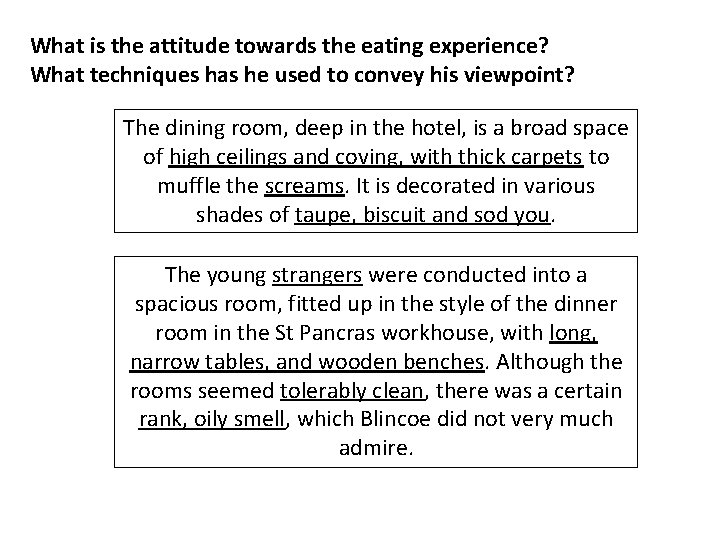
What is the attitude towards the eating experience? What techniques has he used to convey his viewpoint? The dining room, deep in the hotel, is a broad space of high ceilings and coving, with thick carpets to muffle the screams. It is decorated in various shades of taupe, biscuit and sod you. The young strangers were conducted into a spacious room, fitted up in the style of the dinner room in the St Pancras workhouse, with long, narrow tables, and wooden benches. Although the rooms seemed tolerably clean, there was a certain rank, oily smell, which Blincoe did not very much admire.
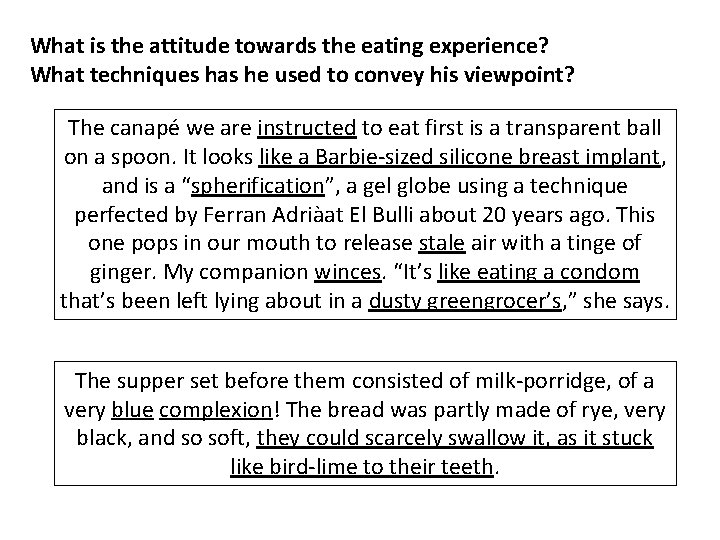
What is the attitude towards the eating experience? What techniques has he used to convey his viewpoint? The canapé we are instructed to eat first is a transparent ball on a spoon. It looks like a Barbie-sized silicone breast implant, and is a “spherification”, a gel globe using a technique perfected by Ferran Adriàat El Bulli about 20 years ago. This one pops in our mouth to release stale air with a tinge of ginger. My companion winces. “It’s like eating a condom that’s been left lying about in a dusty greengrocer’s, ” she says. The supper set before them consisted of milk-porridge, of a very blue complexion! The bread was partly made of rye, very black, and so soft, they could scarcely swallow it, as it stuck like bird-lime to their teeth.
Look for: • Differences between the eating places (Q 2) • Differences in the writer’s attitudes towards food (Q 4) • The way these attitudes are conveyed (Q 4)
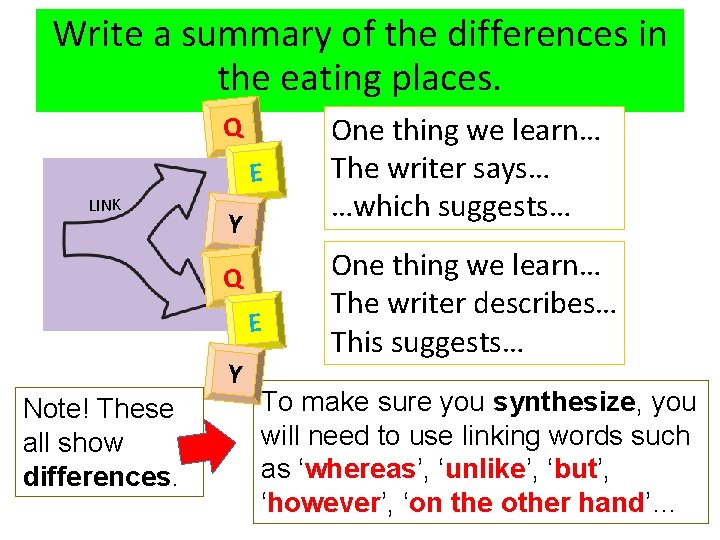
Write a summary of the differences in the eating places. Q E LINK Y Q E Y Note! These all show differences. One thing we learn… The writer says… …which suggests… One thing we learn… The writer describes… This suggests… To make sure you synthesize, you will need to use linking words such as ‘whereas’, ‘unlike’, ‘but’, ‘however’, ‘on the other hand’…
Question 4: For this question, you need to refer to the whole of Source A, together with Source B. Compare how the two writers convey their different attitudes towards food. In your answer, you could: • compare their different perspectives • compare the methods they use to convey their perspectives • support your ideas with references to both texts.
Examiner Feedback… Q 4 - COMPARATIVE- (almost mirrors Q 4 on paper 1 but x 2 texts) Need to identify WHAT Need to identify HOW Problems/patterns - not identifying writers' views - not identifying what writer has done or method used to convey view - most students just identify a technique but don't say why or how -don't compare -don't plan! What we don’t need to do: q We don’t need to describe what the texts are about in our opinion q We NEED TO focus on the writers’ views
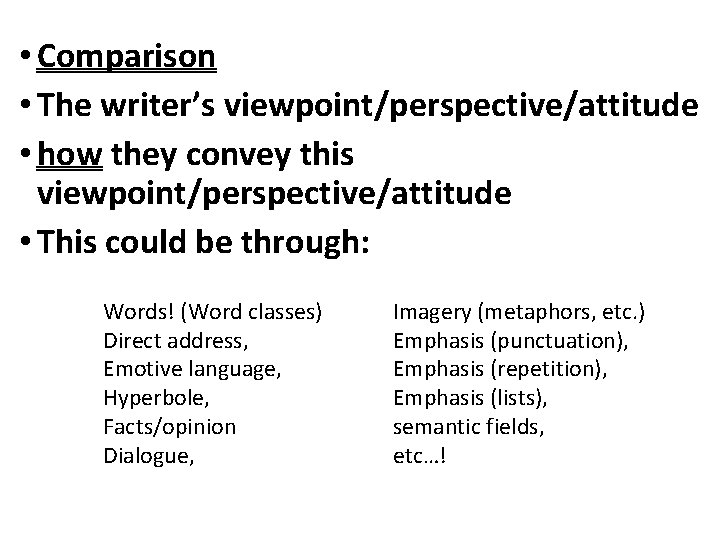
• Comparison • The writer’s viewpoint/perspective/attitude • how they convey this viewpoint/perspective/attitude • This could be through: Words! (Word classes) Direct address, Emotive language, Hyperbole, Facts/opinion Dialogue, Imagery (metaphors, etc. ) Emphasis (punctuation), Emphasis (repetition), Emphasis (lists), semantic fields, etc…!
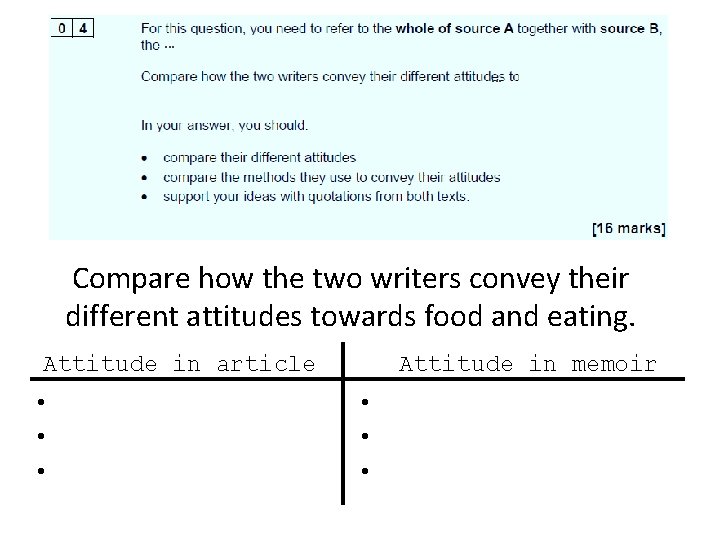
… … Compare how the two writers convey their different attitudes towards food and eating. Attitude in article • • • Attitude in memoir • • •
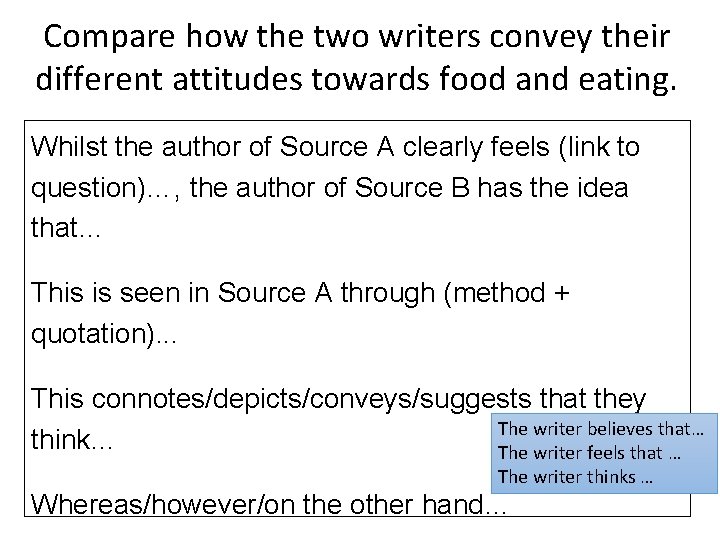
Compare how the two writers convey their different attitudes towards food and eating. Whilst the author of Source A clearly feels (link to question)…, the author of Source B has the idea that… This is seen in Source A through (method + quotation). . . This connotes/depicts/conveys/suggests that they The writer believes that… think… The writer feels that … The writer thinks … Whereas/however/on the other hand…
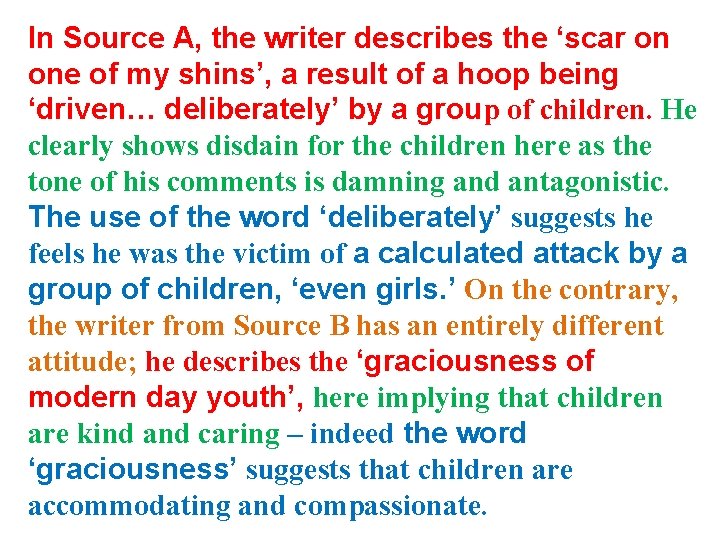
In Source A, the writer describes the ‘scar on one of my shins’, a result of a hoop being ‘driven… deliberately’ by a group of children. He clearly shows disdain for the children here as the tone of his comments is damning and antagonistic. The use of the word ‘deliberately’ suggests he feels he was the victim of a calculated attack by a group of children, ‘even girls. ’ On the contrary, the writer from Source B has an entirely different attitude; he describes the ‘graciousness of modern day youth’, here implying that children are kind and caring – indeed the word ‘graciousness’ suggests that children are accommodating and compassionate.
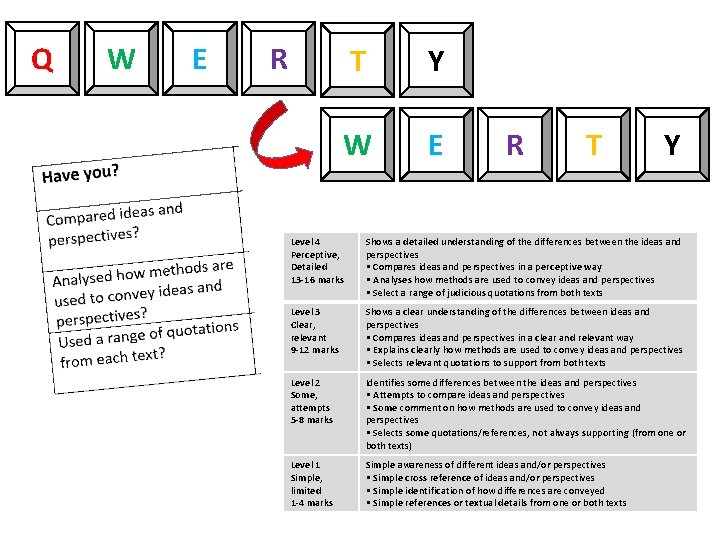
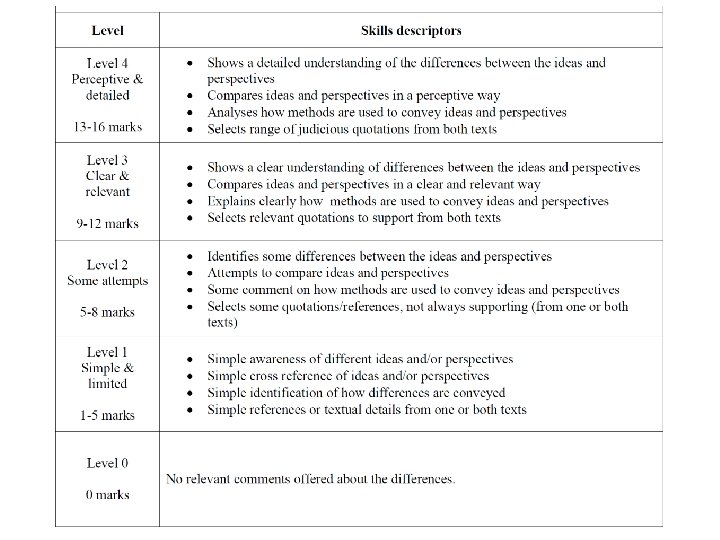
Q W E R T Y Level 4 Perceptive, Detailed 13 -16 marks Shows a detailed understanding of the differences between the ideas and perspectives • Compares ideas and perspectives in a perceptive way • Analyses how methods are used to convey ideas and perspectives • Select a range of judicious quotations from both texts Level 3 Clear, relevant 9 -12 marks Shows a clear understanding of the differences between ideas and perspectives • Compares ideas and perspectives in a clear and relevant way • Explains clearly how methods are used to convey ideas and perspectives • Selects relevant quotations to support from both texts Level 2 Some, attempts 5 -8 marks Identifies some differences between the ideas and perspectives • Attempts to compare ideas and perspectives • Some comment on how methods are used to convey ideas and perspectives • Selects some quotations/references, not always supporting (from one or both texts) Level 1 Simple, limited 1 -4 marks Simple awareness of different ideas and/or perspectives • Simple cross reference of ideas and/or perspectives • Simple identification of how differences are conveyed • Simple references or textual details from one or both texts
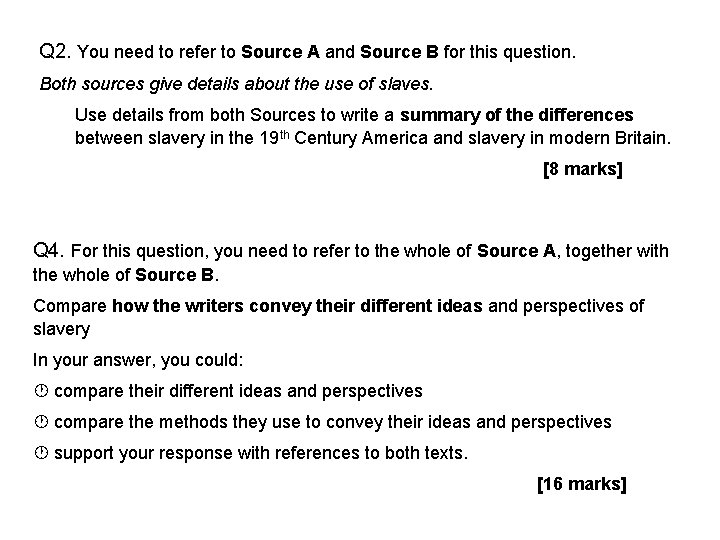
Q 2. You need to refer to Source A and Source B for this question. Both sources give details about the use of slaves. Use details from both Sources to write a summary of the differences between slavery in the 19 th Century America and slavery in modern Britain. [8 marks] Q 4. For this question, you need to refer to the whole of Source A, together with the whole of Source B. Compare how the writers convey their different ideas and perspectives of slavery In your answer, you could: compare their different ideas and perspectives compare the methods they use to convey their ideas and perspectives support your response with references to both texts. [16 marks]
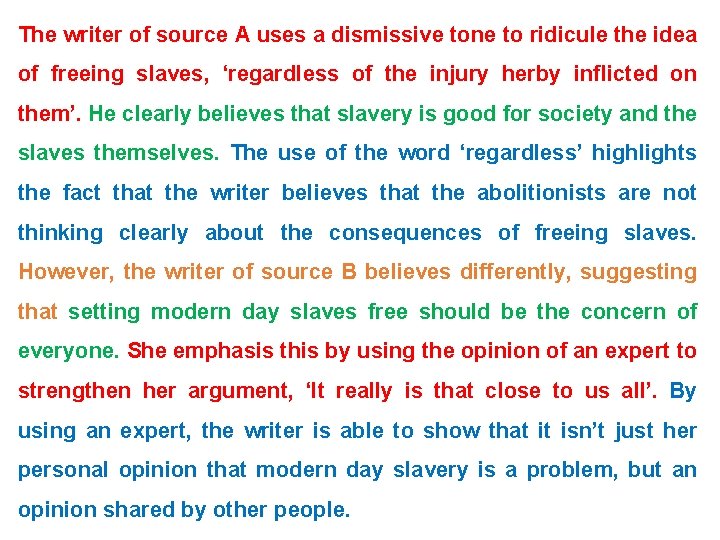
The writer of source A uses a dismissive tone to ridicule the idea of freeing slaves, ‘regardless of the injury herby inflicted on them’. He clearly believes that slavery is good for society and the slaves themselves. The use of the word ‘regardless’ highlights the fact that the writer believes that the abolitionists are not thinking clearly about the consequences of freeing slaves. However, the writer of source B believes differently, suggesting that setting modern day slaves free should be the concern of everyone. She emphasis this by using the opinion of an expert to strengthen her argument, ‘It really is that close to us all’. By using an expert, the writer is able to show that it isn’t just her personal opinion that modern day slavery is a problem, but an opinion shared by other people.
- Slides: 28