
World War II and Decolonization Terms to Know
- Slides: 39
World War II and Decolonization
Terms to Know • • Easter Rising Mac. Donald Great Depression Hitler appeasement Churchill Battle of Britain D-Day Gandhi Commonwealth
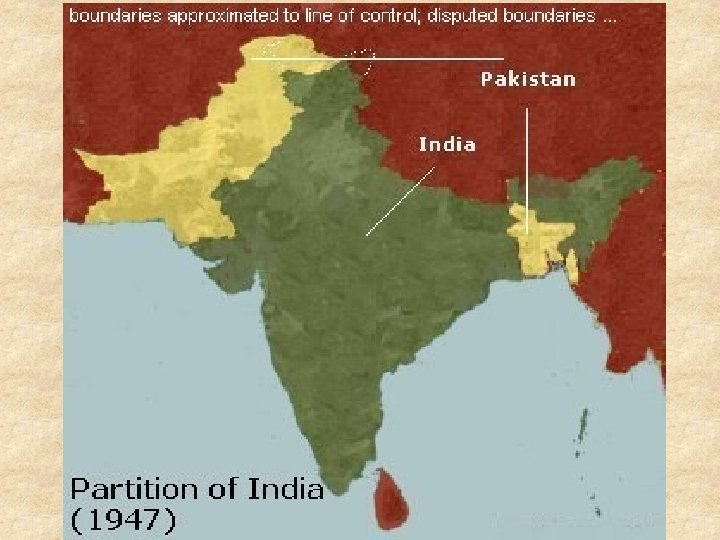
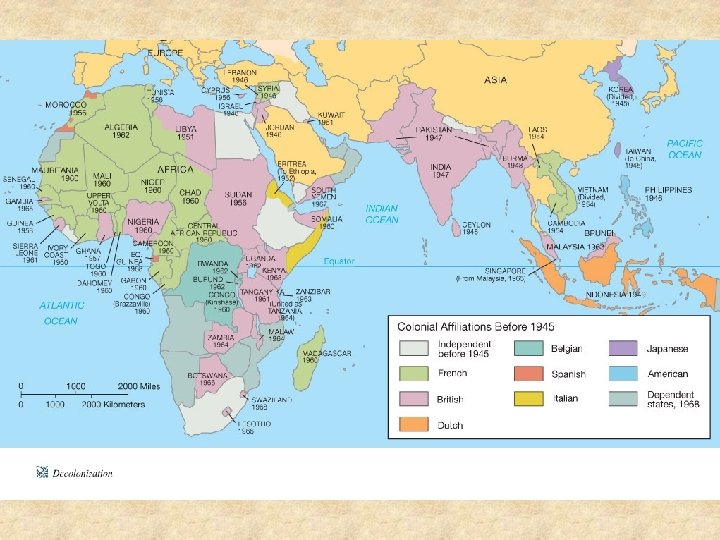
Focus of the Lecture • After World War I, Britain faced many problems. Ireland rebelled and gained its independence. Britain experienced economic difficulties in the 1920 s and 1930 s, which worsened as a result of the cost of World War II. Britain faced great danger in World War II, but in the end won the war. Following World War II, Britain granted independence to almost all of its former empire.
Study Questions • What political and economic problems did Britain face after the First World War? • Why did Britain appease Hitler? • How did England win the Battle of Britain? • Why did Britain grant independence to its colonies (decolonization)?
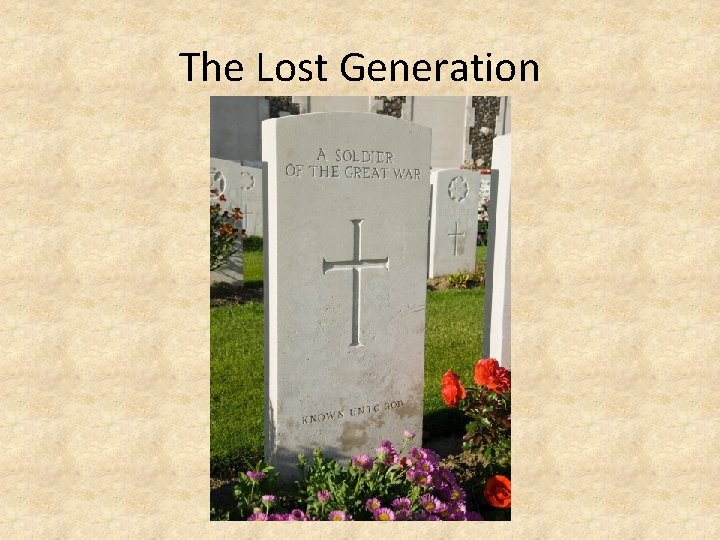
The Lost Generation
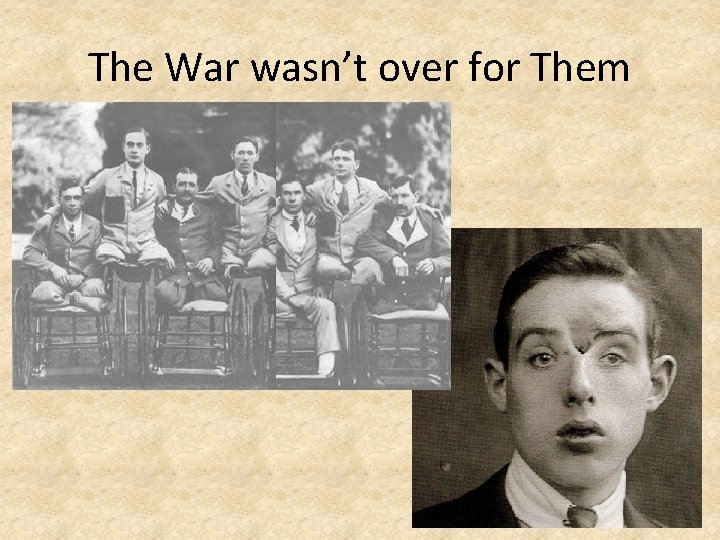
The War wasn’t over for Them
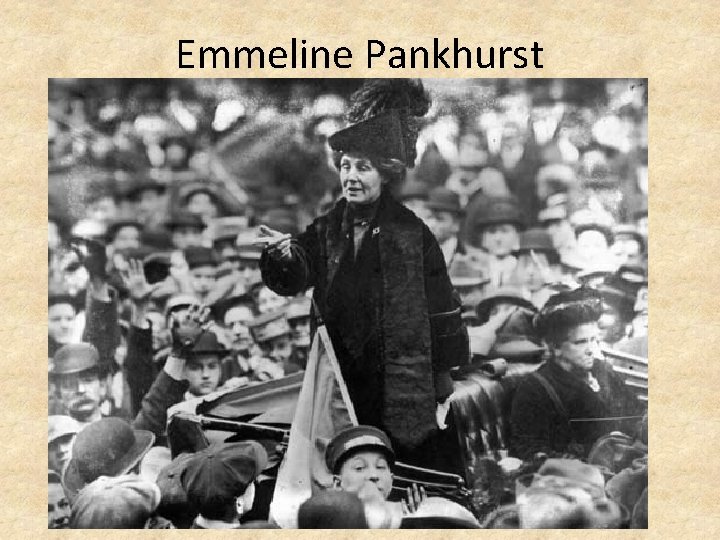
Emmeline Pankhurst
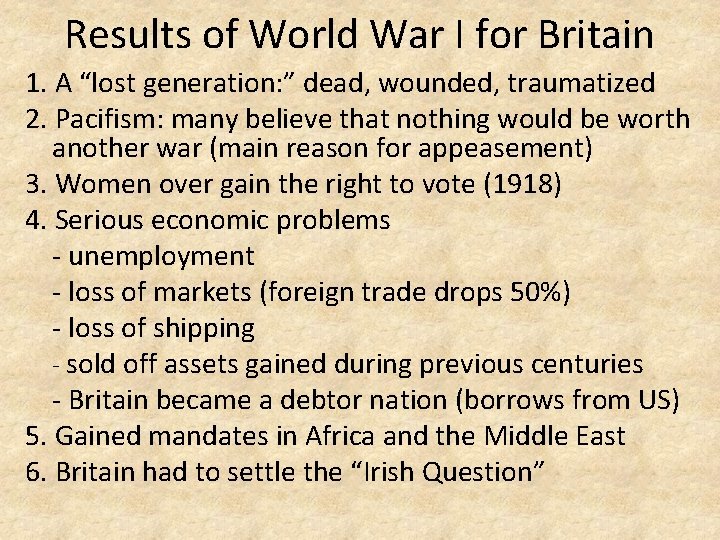
Results of World War I for Britain 1. A “lost generation: ” dead, wounded, traumatized 2. Pacifism: many believe that nothing would be worth another war (main reason for appeasement) 3. Women over gain the right to vote (1918) 4. Serious economic problems - unemployment - loss of markets (foreign trade drops 50%) - loss of shipping - sold off assets gained during previous centuries - Britain became a debtor nation (borrows from US) 5. Gained mandates in Africa and the Middle East 6. Britain had to settle the “Irish Question”
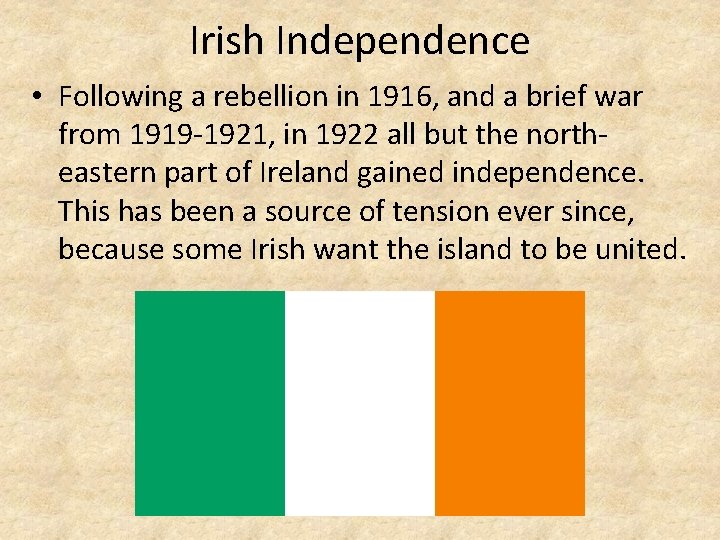
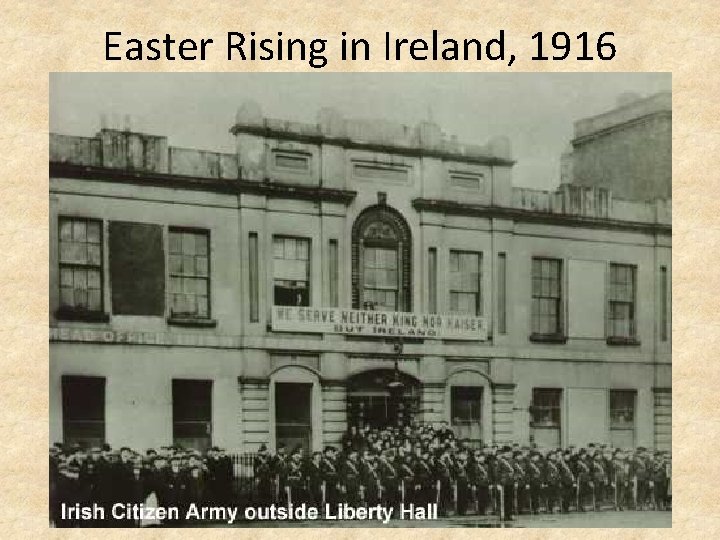
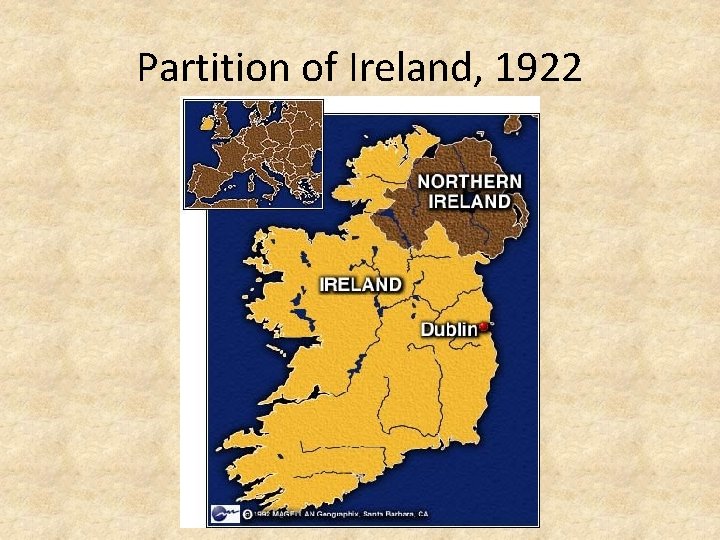
Irish Independence • Following a rebellion in 1916, and a brief war from 1919 -1921, in 1922 all but the northeastern part of Ireland gained independence. This has been a source of tension ever since, because some Irish want the island to be united.
Easter Rising in Ireland, 1916
Partition of Ireland, 1922
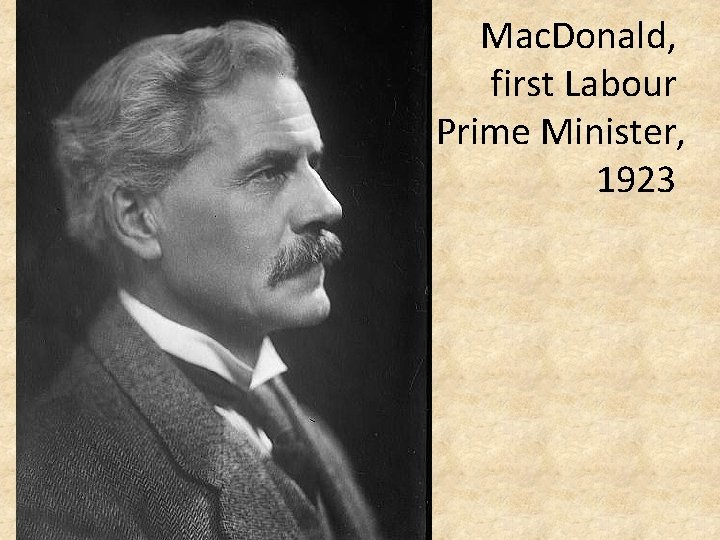
Mac. Donald, first Labour Prime Minister, 1923
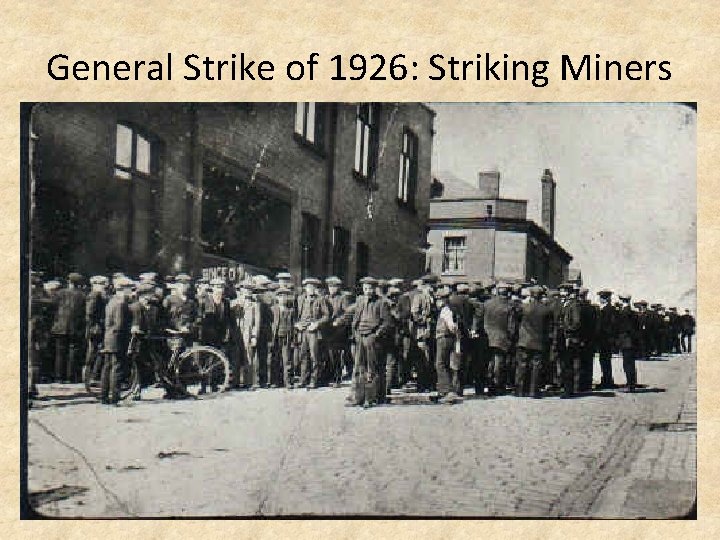
General Strike of 1926: Striking Miners
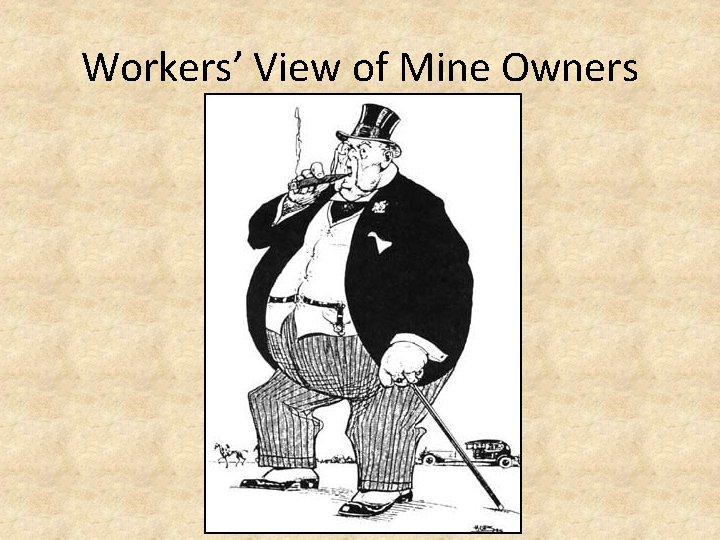
Workers’ View of Mine Owners
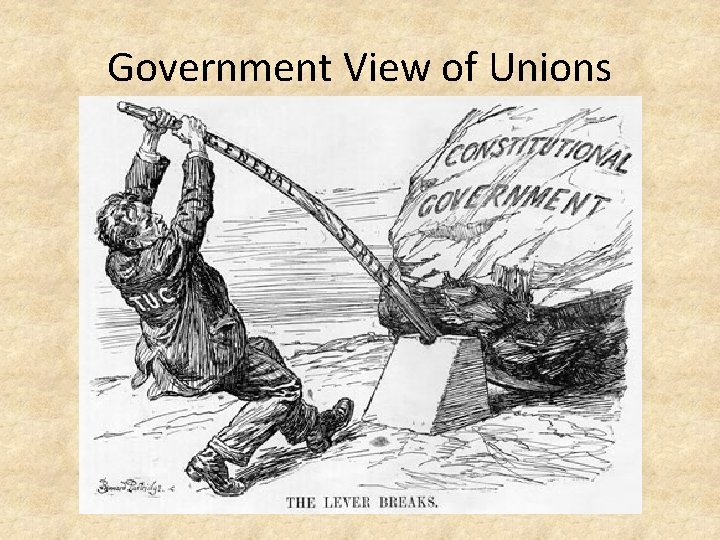
Government View of Unions
The Great Depression • Banks failed • Factories shut down causing unemployment • Foreign trade dropped even further; the British economy was based on exports—this was disastrous • Created a general sense of pessimism; Britain had won the First World War, but it seemed as if the results had been negative.
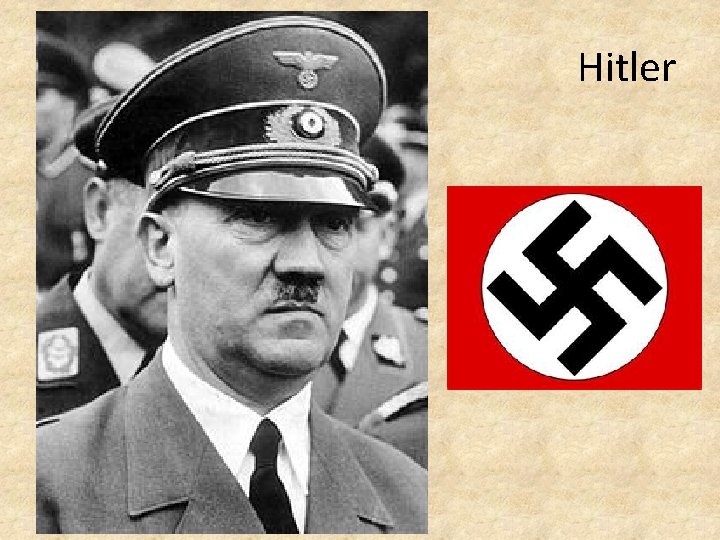
Hitler
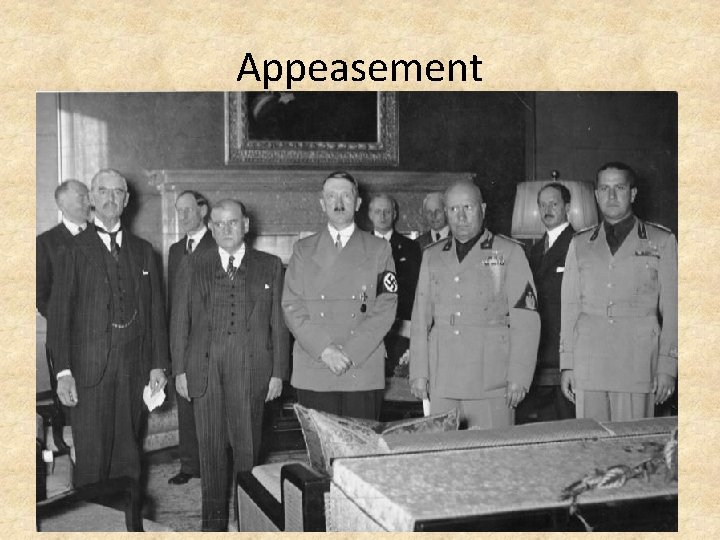
Appeasement
Reasons for Appeasement (giving in to Hitler) • Leaders (and people) in Britain and France did not want another war; they felt everything should be done to prevent another world war • Chamberlain thought Hitler was “honorable” • British felt Paris Peace settlement had been somewhat unfair to Germany
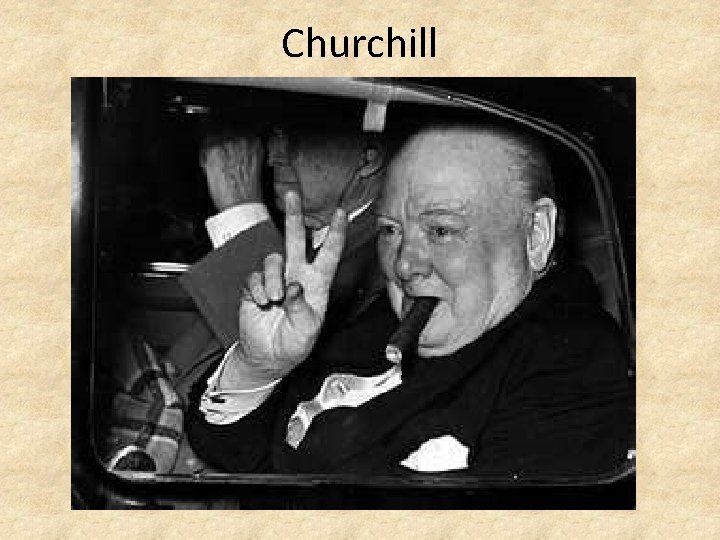
Churchill
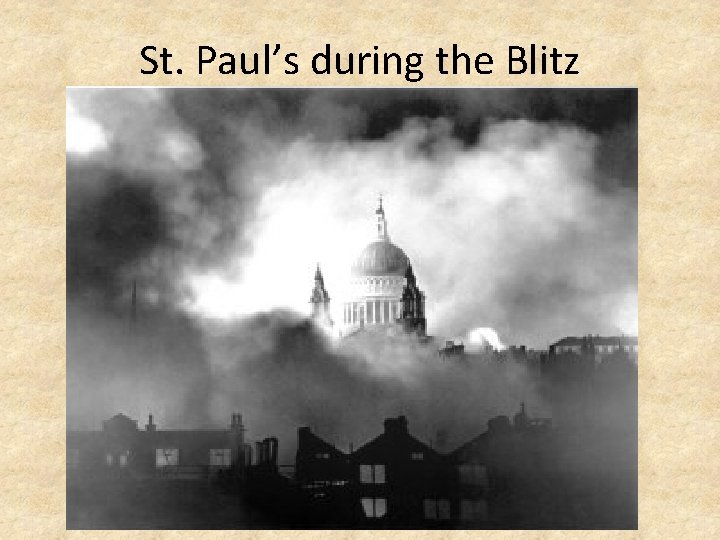
St. Paul’s during the Blitz
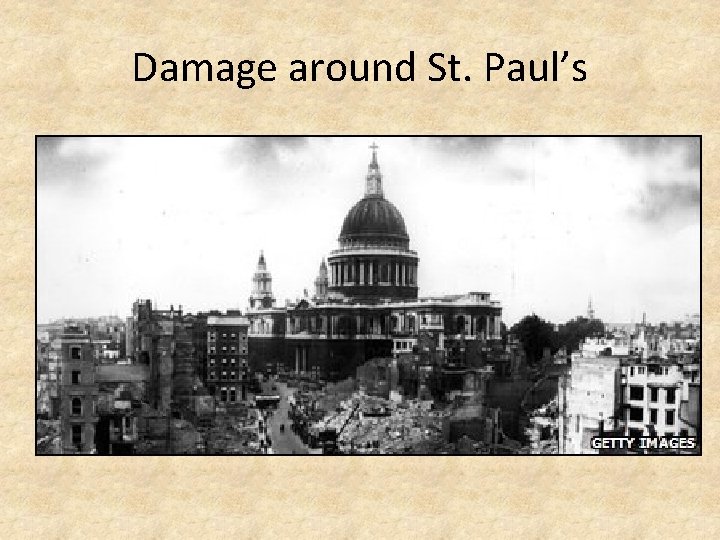
Damage around St. Paul’s
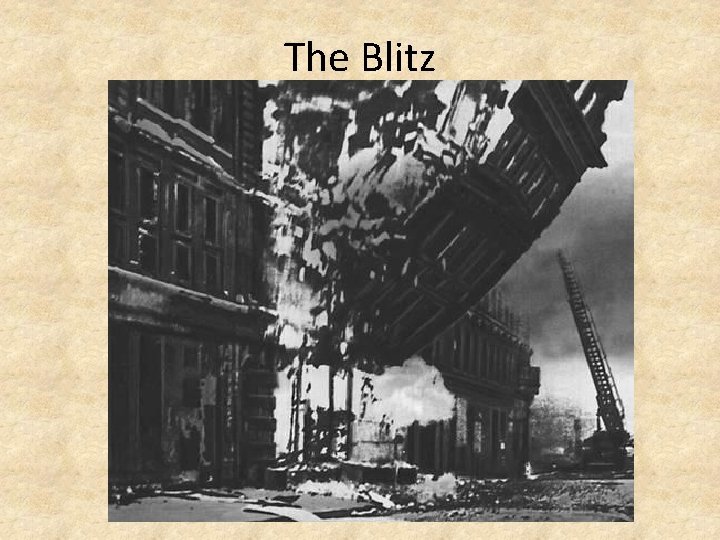
The Blitz
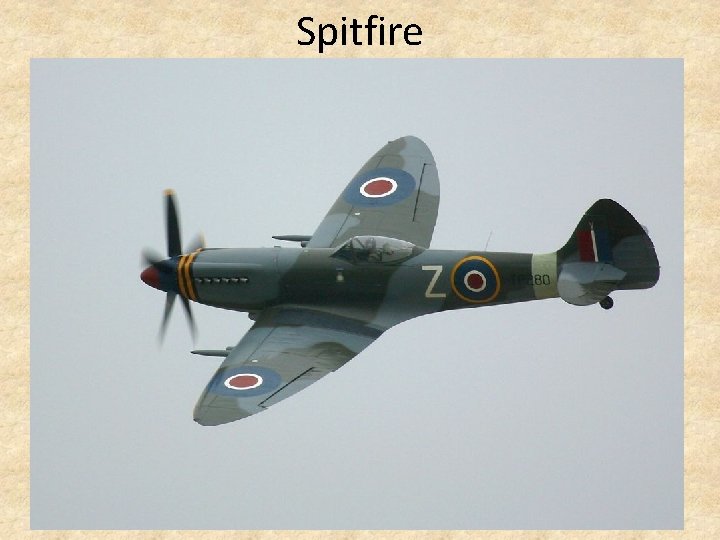
Spitfire
Rationing
Campaign in North Africa
D-Day: The Invasion of France
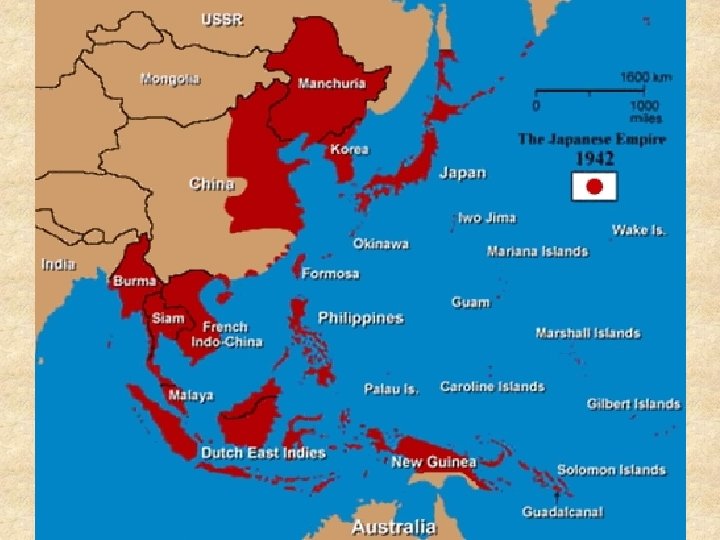
War with Japan
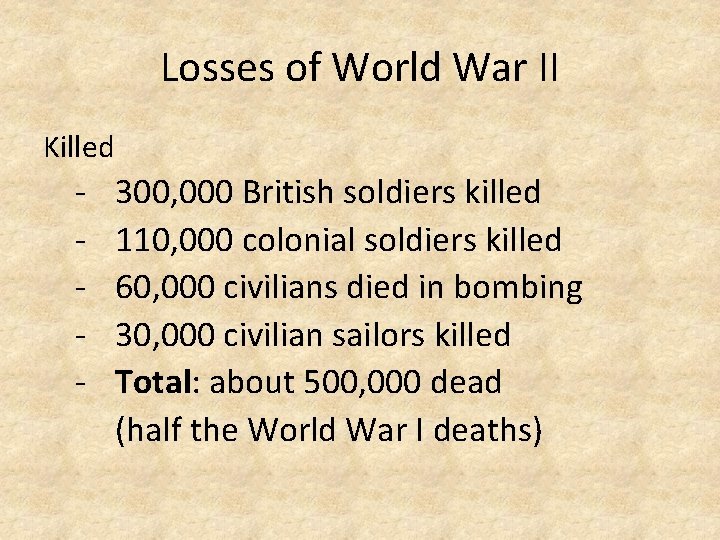
Losses of World War II Killed - 300, 000 British soldiers killed 110, 000 colonial soldiers killed 60, 000 civilians died in bombing 30, 000 civilian sailors killed Total: about 500, 000 dead (half the World War I deaths)
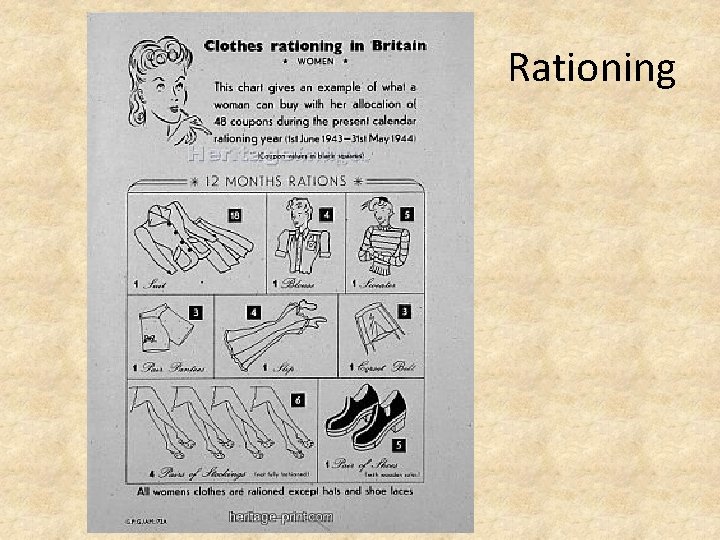
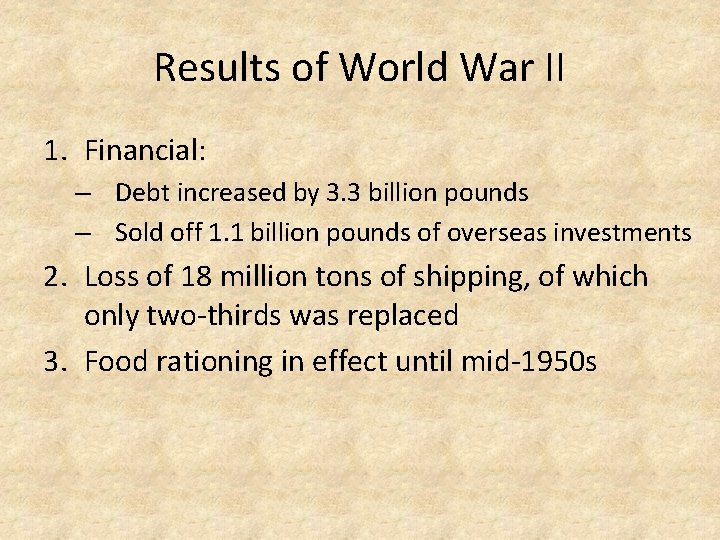
Results of World War II 1. Financial: – Debt increased by 3. 3 billion pounds – Sold off 1. 1 billion pounds of overseas investments 2. Loss of 18 million tons of shipping, of which only two-thirds was replaced 3. Food rationing in effect until mid-1950 s
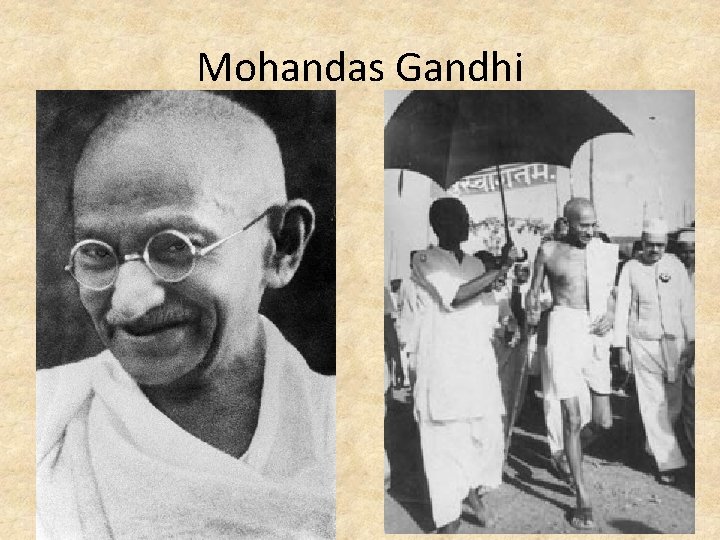
Mohandas Gandhi
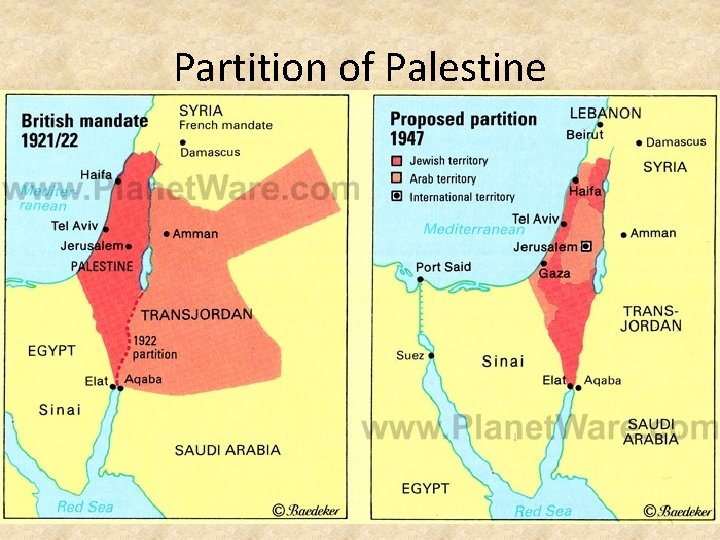
Partition of Palestine
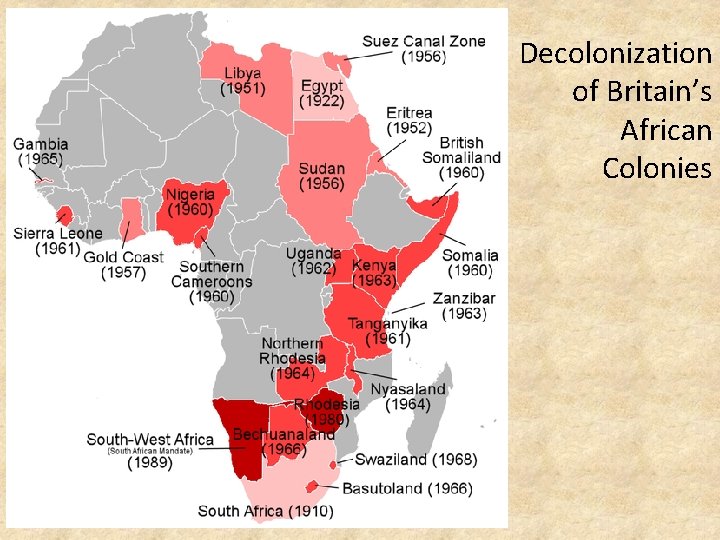
Decolonization of Britain’s African Colonies
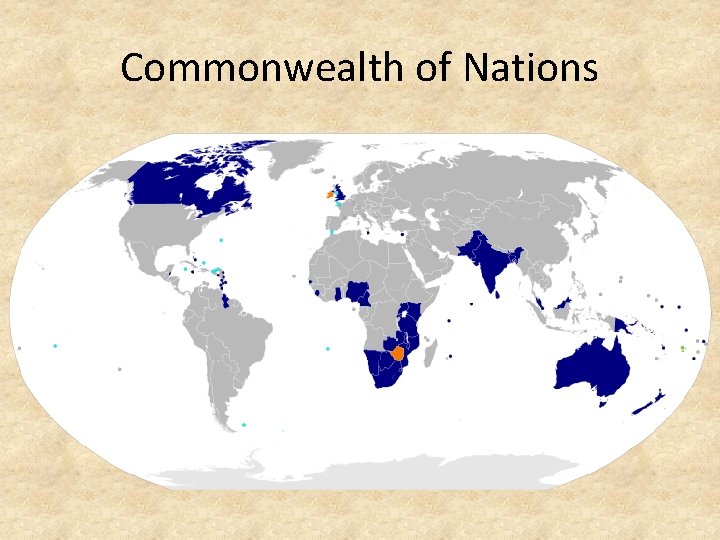
Commonwealth of Nations
Commonwealth of Nations • Organization of former British colonies united by voluntary allegiance to crown • Their laws could not be declared invalid by Parliament • Members receive favorable terms of trade
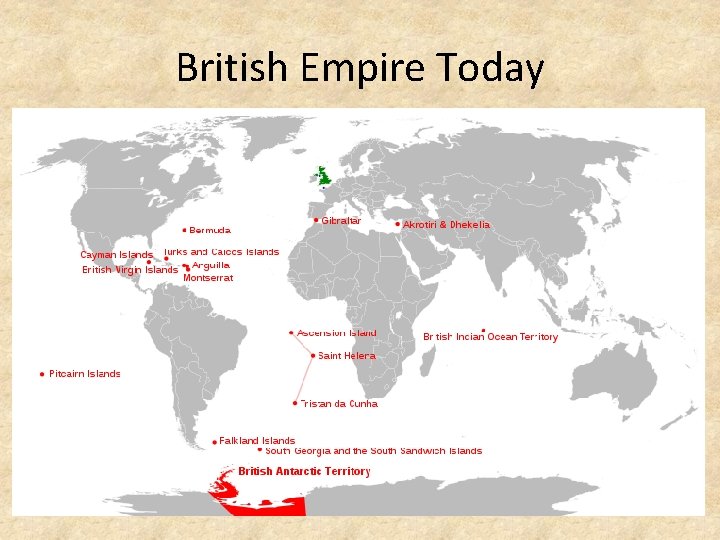
British Empire Today