
World War I The War to End All

- Slides: 99
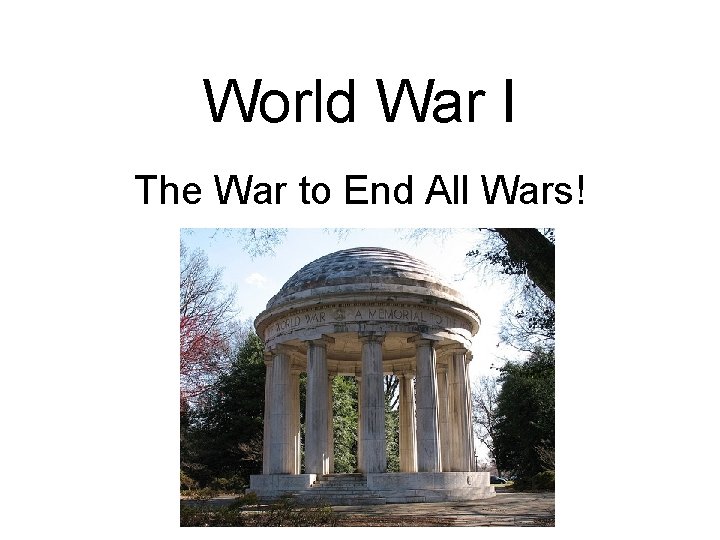
World War I The War to End All Wars!
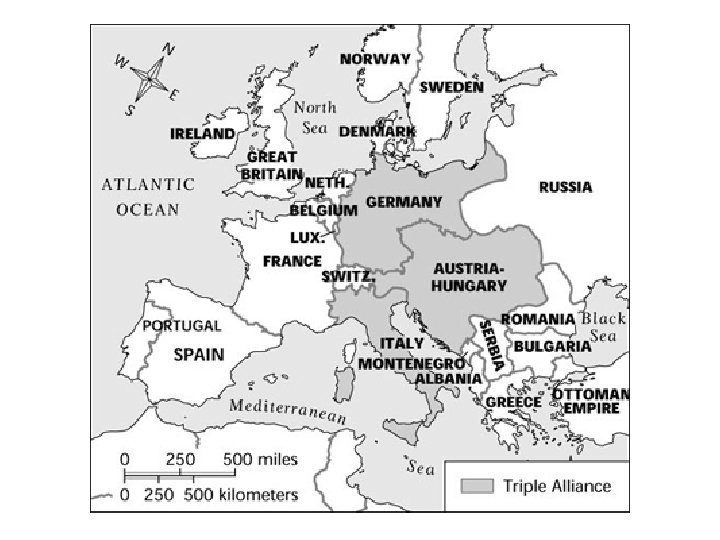
Main Causes of WWI • • Militarism – growth of militaries Alliances Imperialism Nationalism – pride in your country
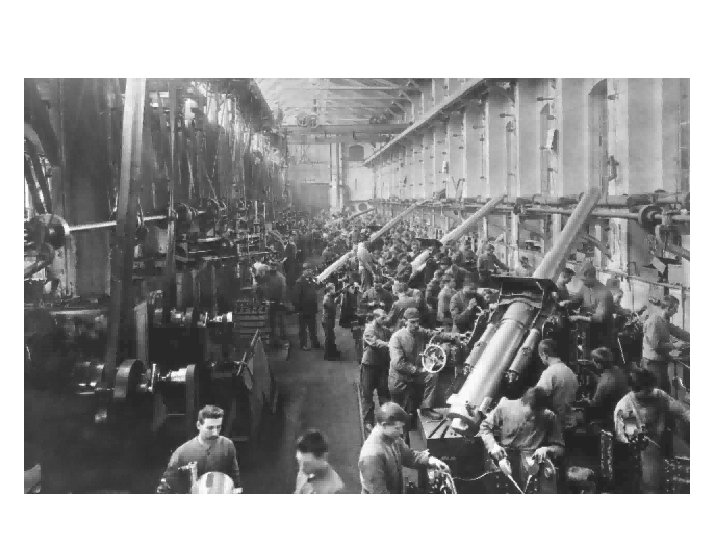
Militarism • The build up of armies, navies and weaponry • Imperialist nations had sparked an arms race to defend their holdings and possibly gain or regain territory.
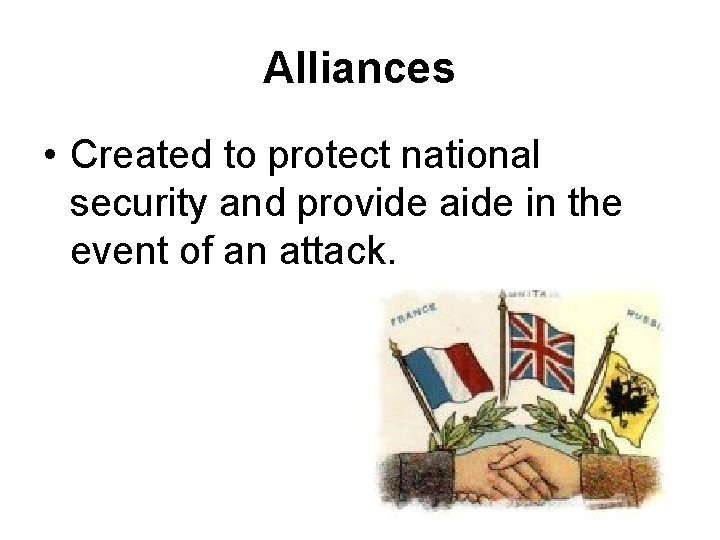
Alliances • Created to protect national security and provide aide in the event of an attack.
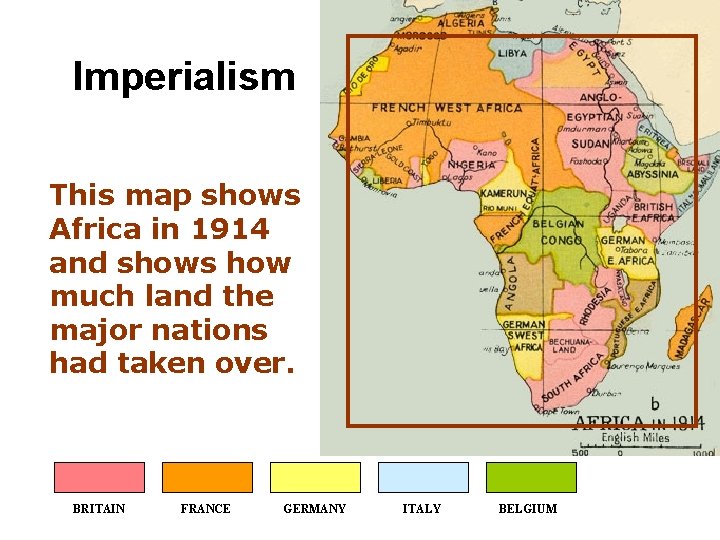
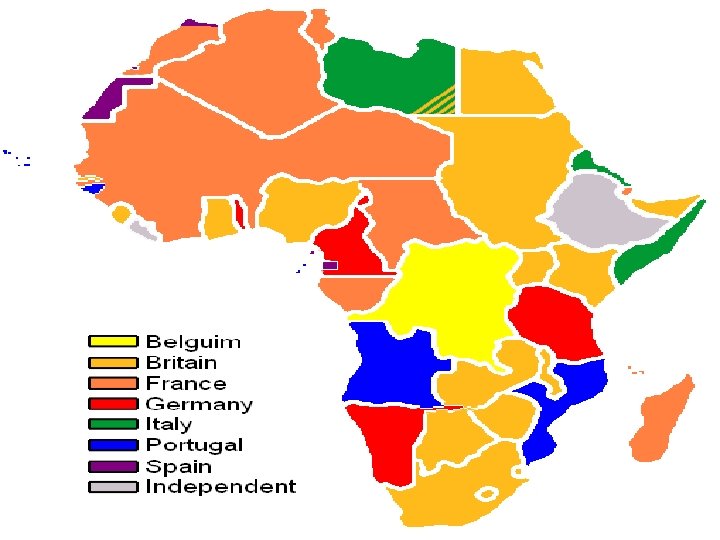
Imperialism • Dividing up areas of the world among the more powerful countries • European powers competed with each other for raw materials and colonies
Imperialism This map shows Africa in 1914 and shows how much land the major nations had taken over. BRITAIN FRANCE GERMANY ITALY BELGIUM
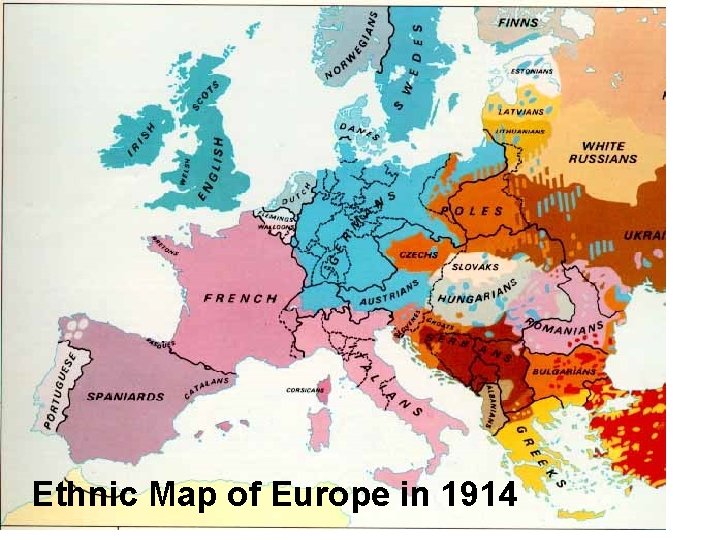
Nationalism • Nations who wanted back land that had natives living there (France and Russia) • Areas that wanted to gain national independence from countries that had engulfed their culture (Czechs and Poles)
Nationalism Ethnic Map of Europe in 1914
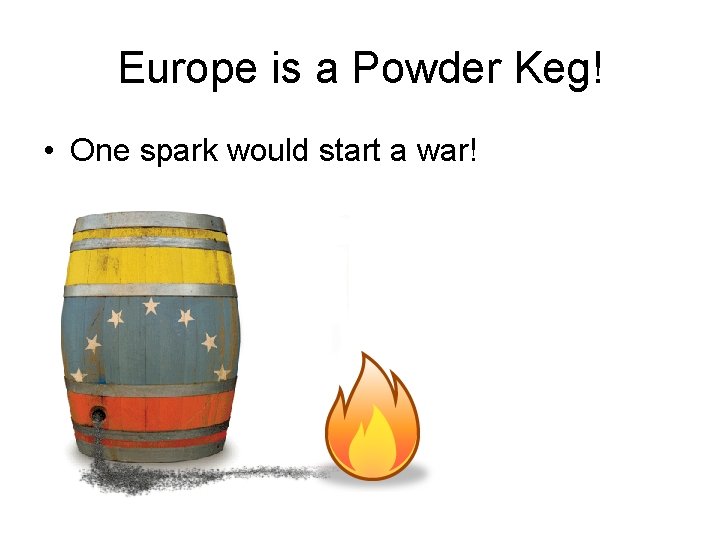
Europe is a Powder Keg! • One spark would start a war!
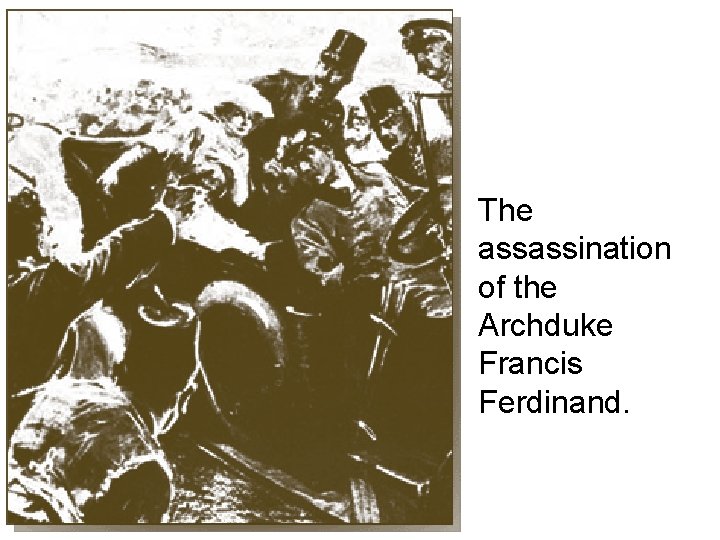
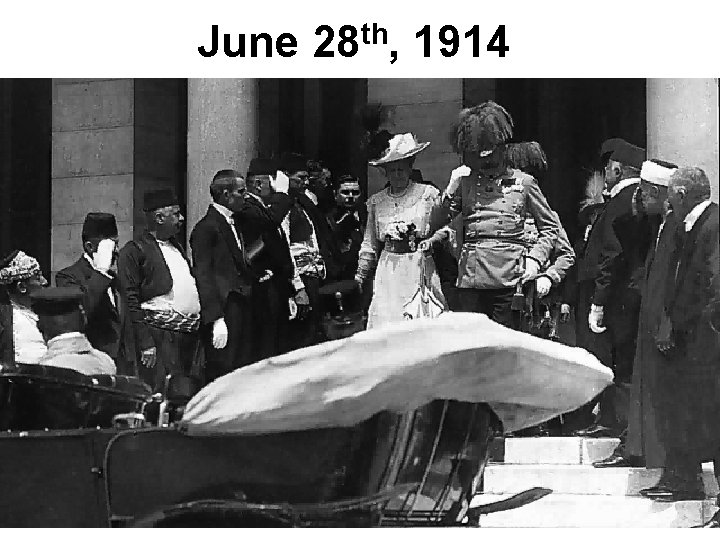
• The assassination of the Archduke Francis Ferdinand.
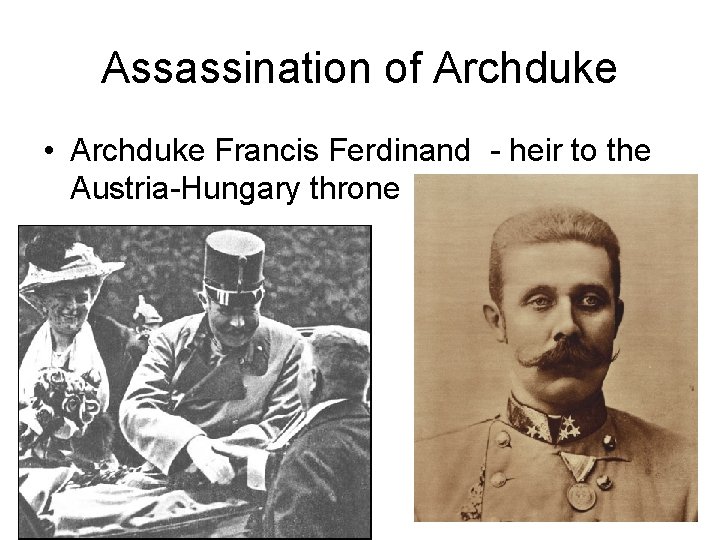
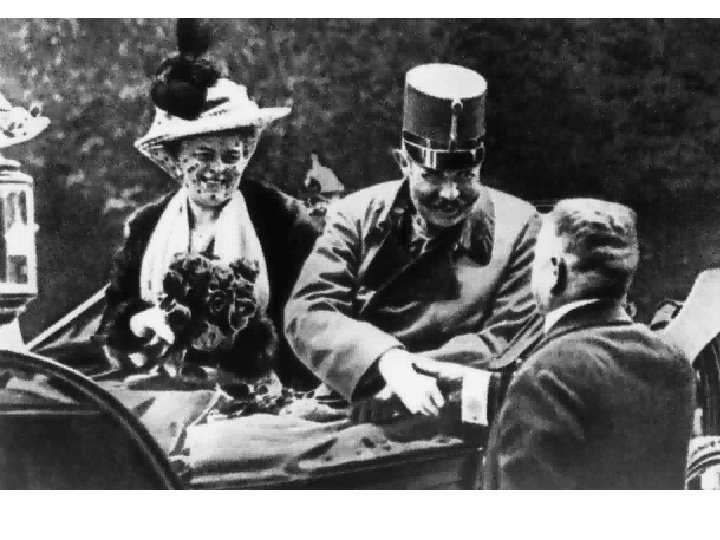
Assassination of Archduke • Archduke Francis Ferdinand - heir to the Austria-Hungary throne
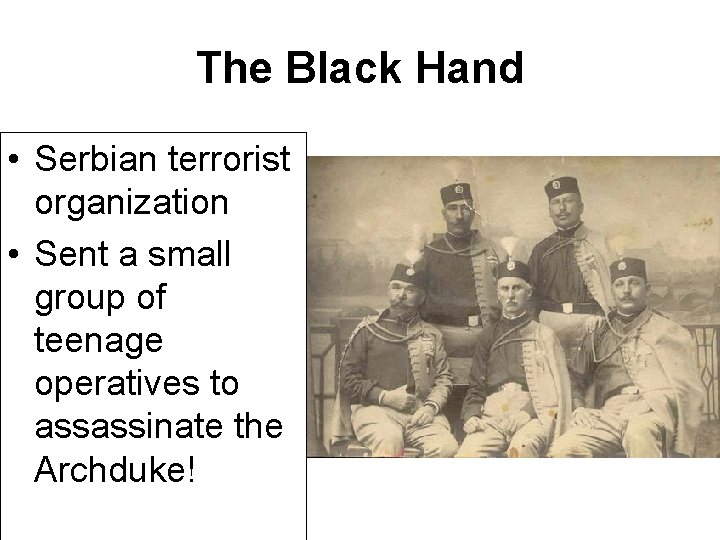
The Black Hand • Serbian terrorist organization • Sent a small group of teenage operatives to assassinate the Archduke!
June th 28 , 1914
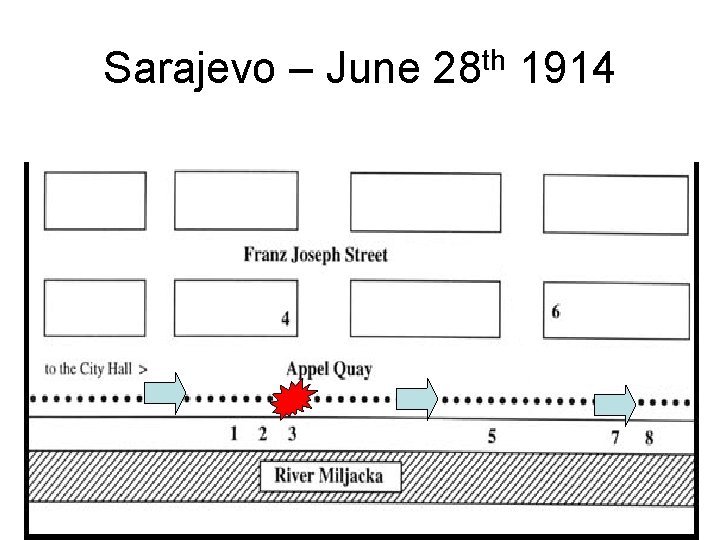
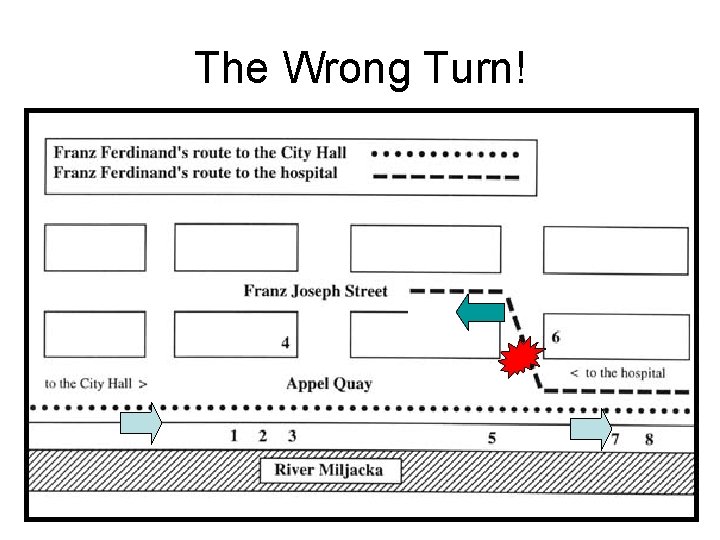
Sarajevo – June 28 th 1914
The Wrong Turn!
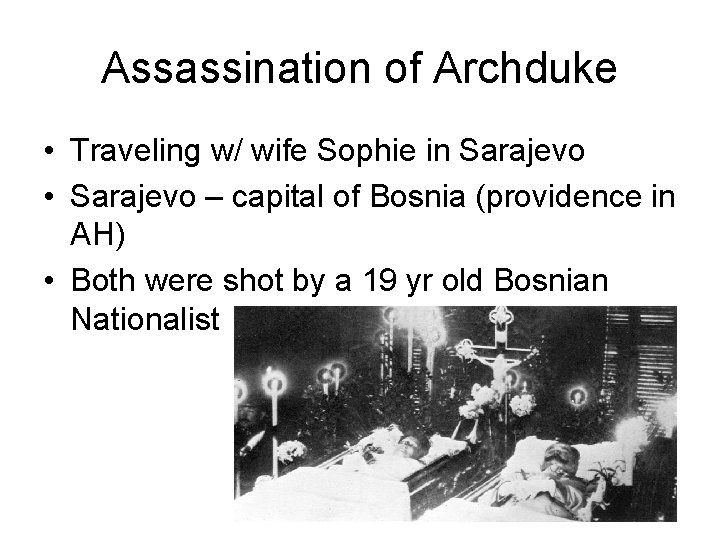
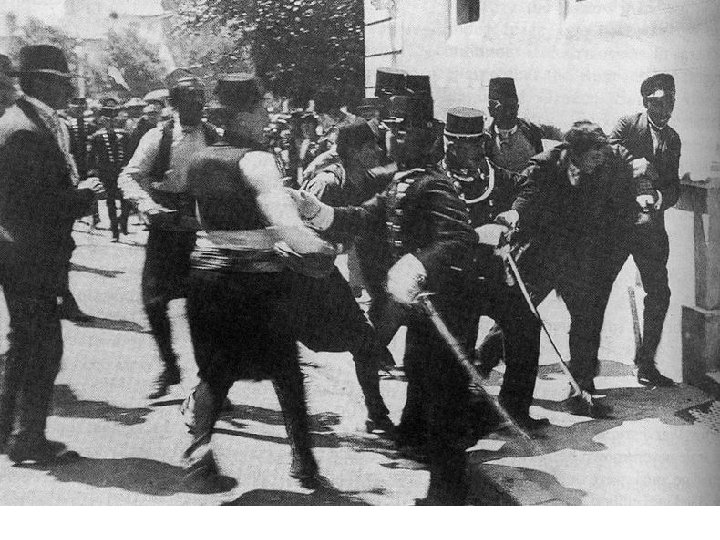
Assassination of Archduke • Traveling w/ wife Sophie in Sarajevo • Sarajevo – capital of Bosnia (providence in AH) • Both were shot by a 19 yr old Bosnian Nationalist
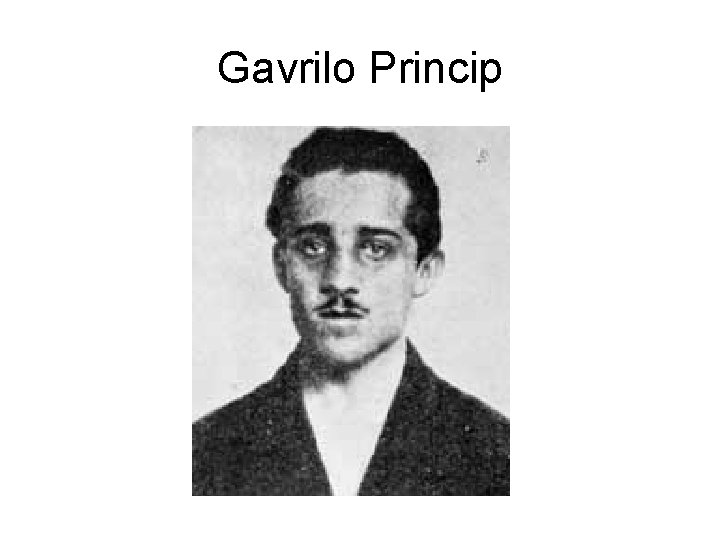
Gavrilo Princip
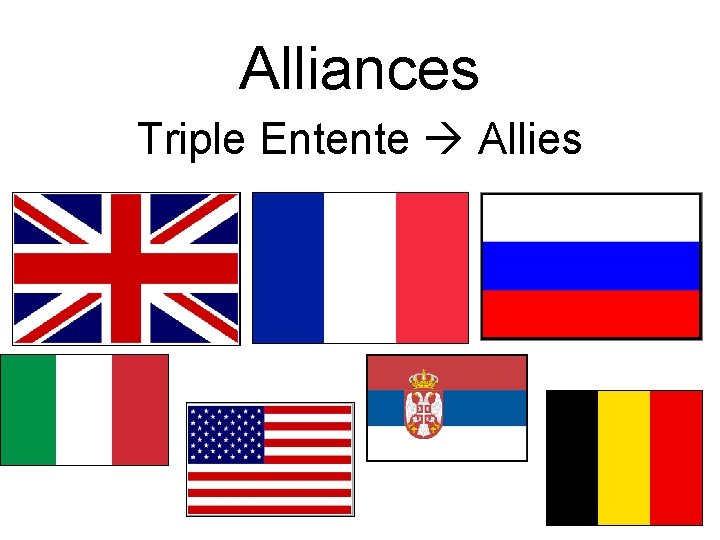
Alliances Triple Entente Allies
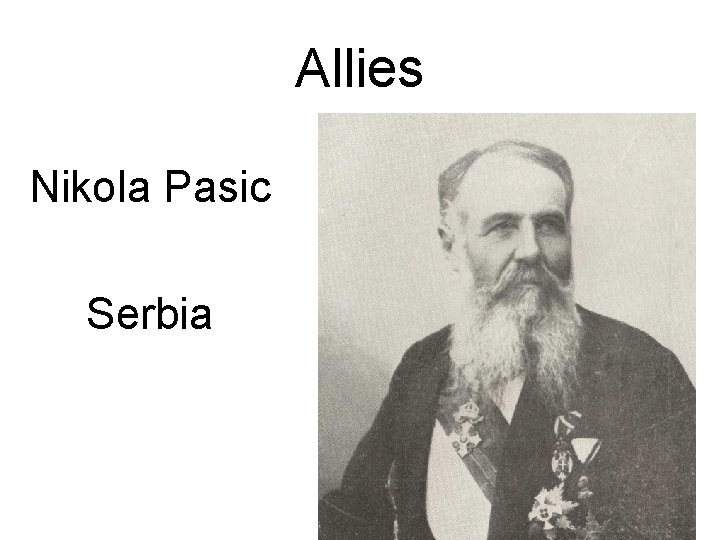
Allies Nikola Pasic Serbia
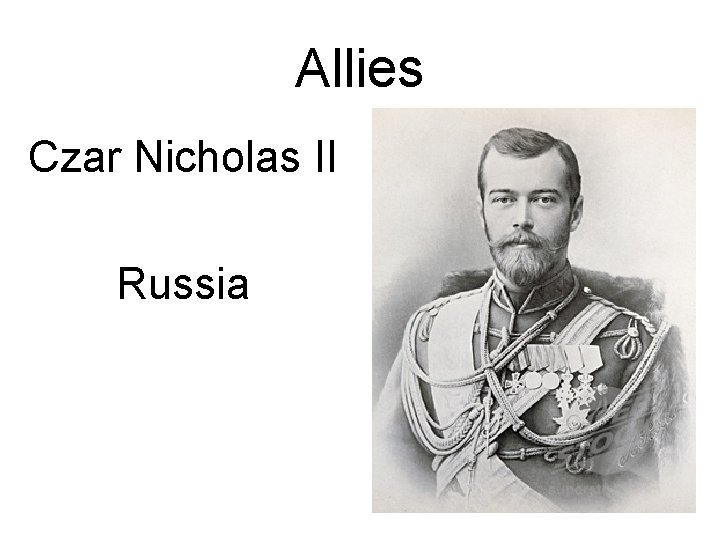
Allies Czar Nicholas II Russia
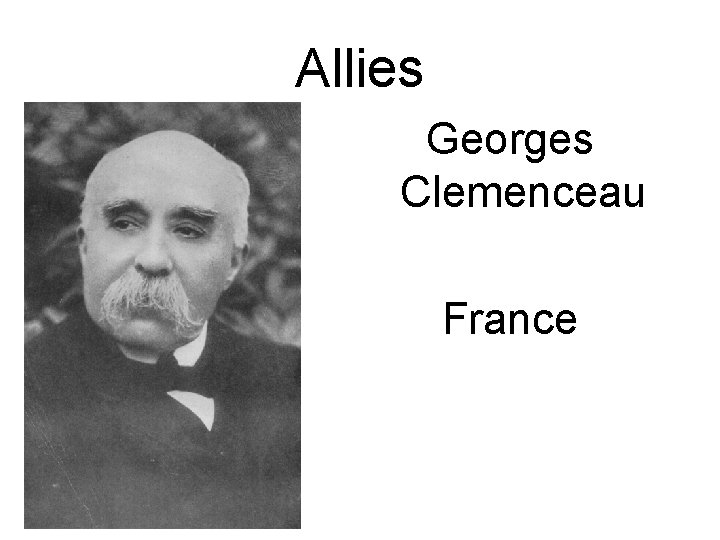
Allies Georges Clemenceau France
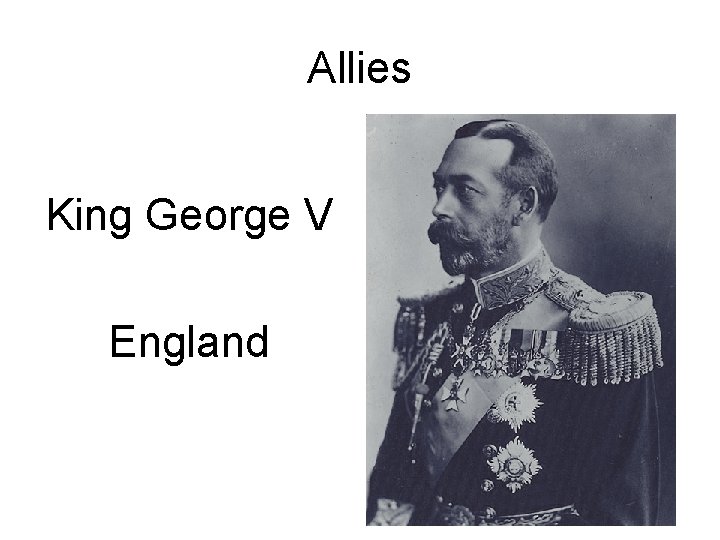
Allies King George V England
Allies Vittorio Orlando Italy
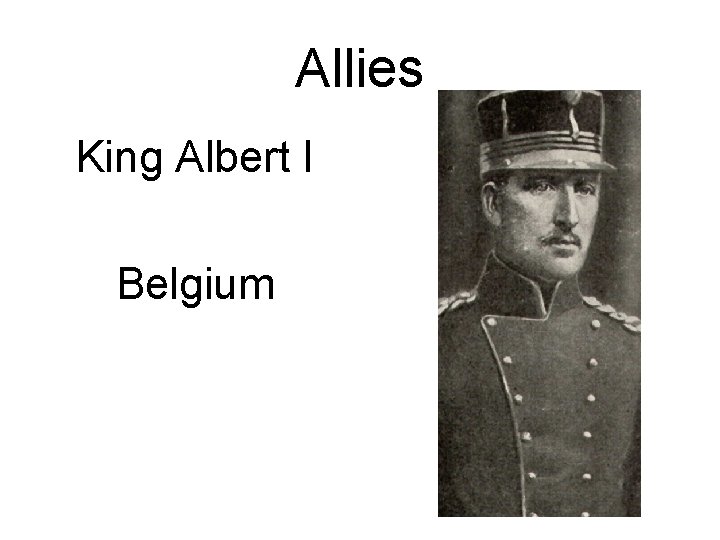
Allies King Albert I Belgium
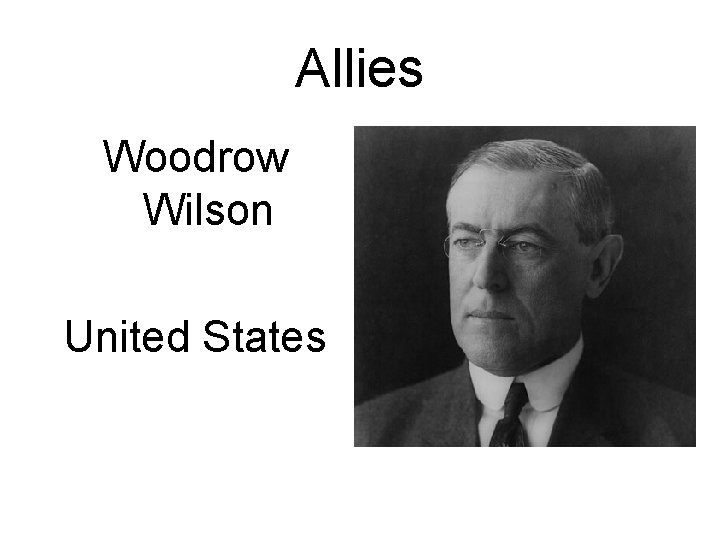
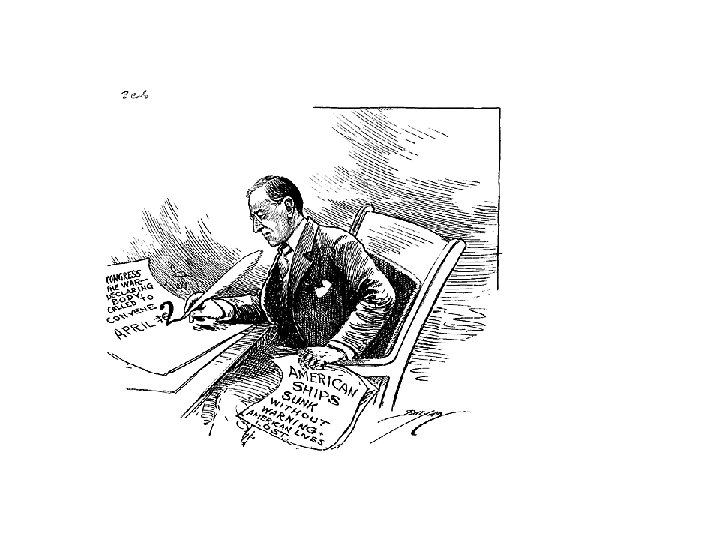
Allies Woodrow Wilson United States
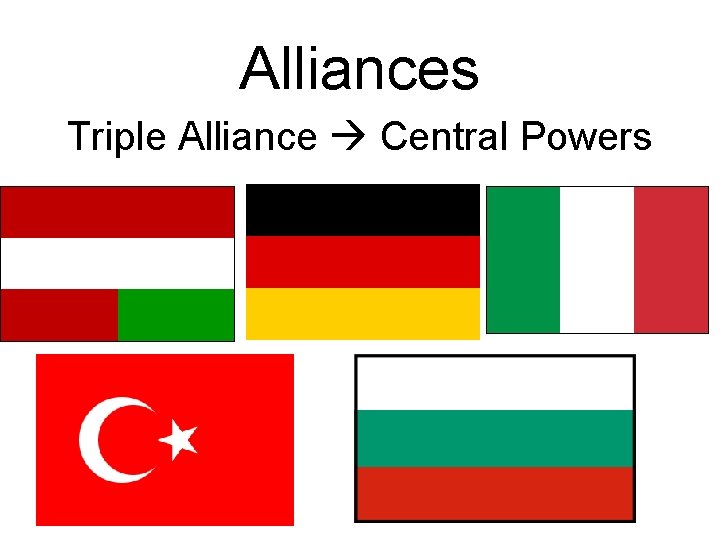
Alliances Triple Alliance Central Powers
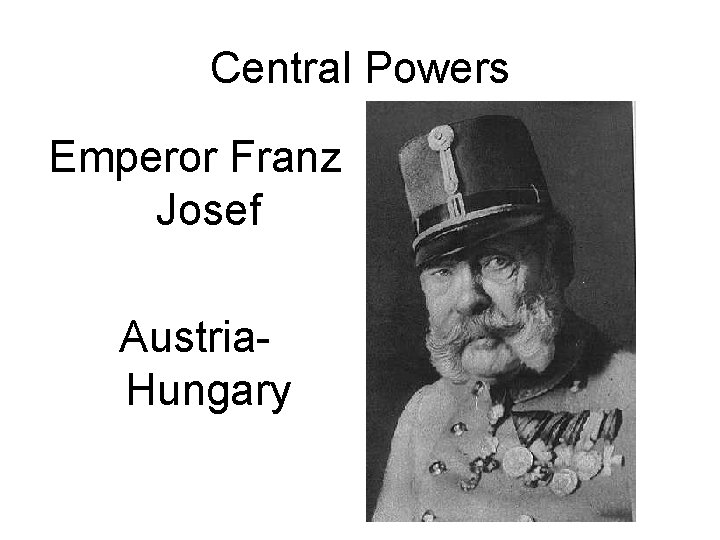
Central Powers Emperor Franz Josef Austria. Hungary
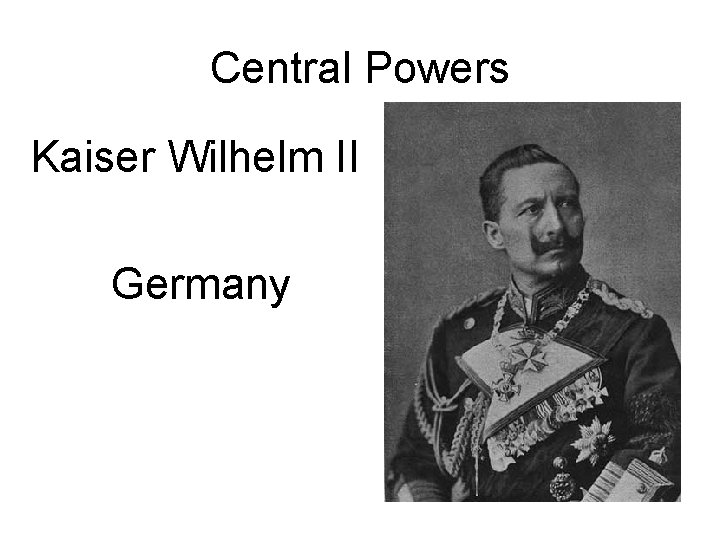
Central Powers Kaiser Wilhelm II Germany
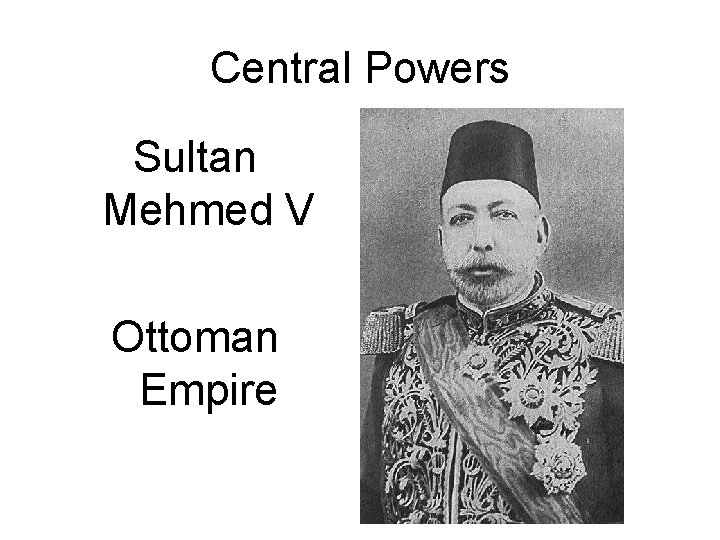
Central Powers Sultan Mehmed V Ottoman Empire
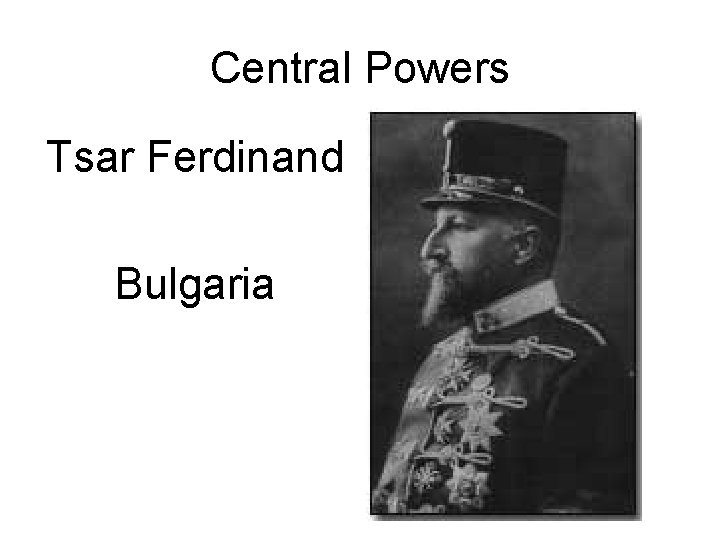
Central Powers Tsar Ferdinand Bulgaria
World War I • Everyone thought war would end in a week • Instead had a stalemate – neither side could gain an advantage
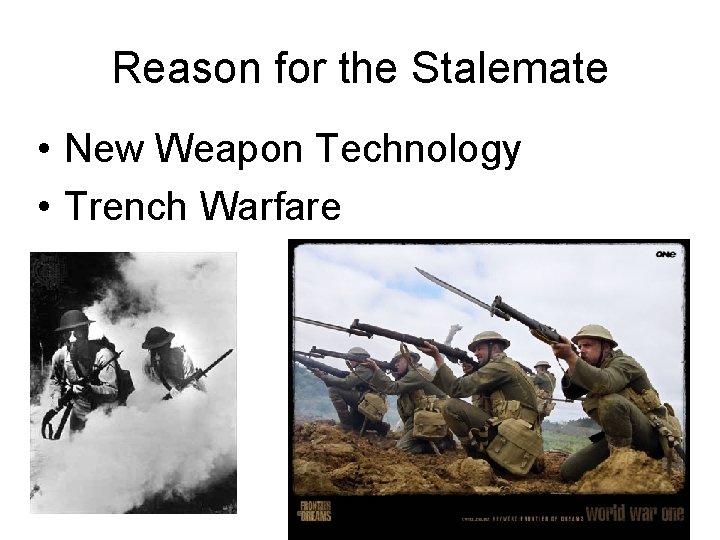
Reason for the Stalemate • New Weapon Technology • Trench Warfare
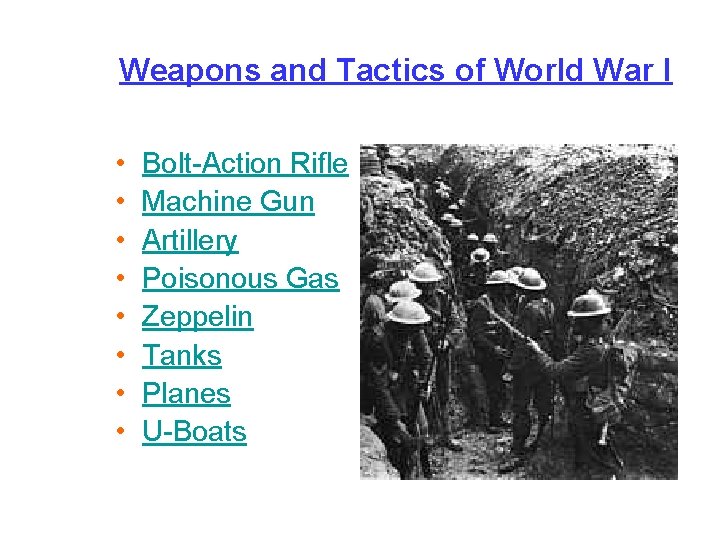
Weapons and Tactics of World War I • • Bolt-Action Rifle Machine Gun Artillery Poisonous Gas Zeppelin Tanks Planes U-Boats
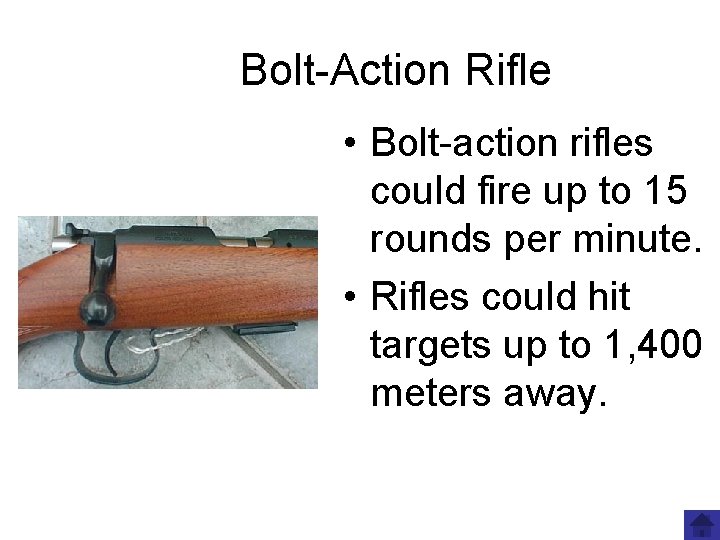
Bolt-Action Rifle • Bolt-action rifles could fire up to 15 rounds per minute. • Rifles could hit targets up to 1, 400 meters away.
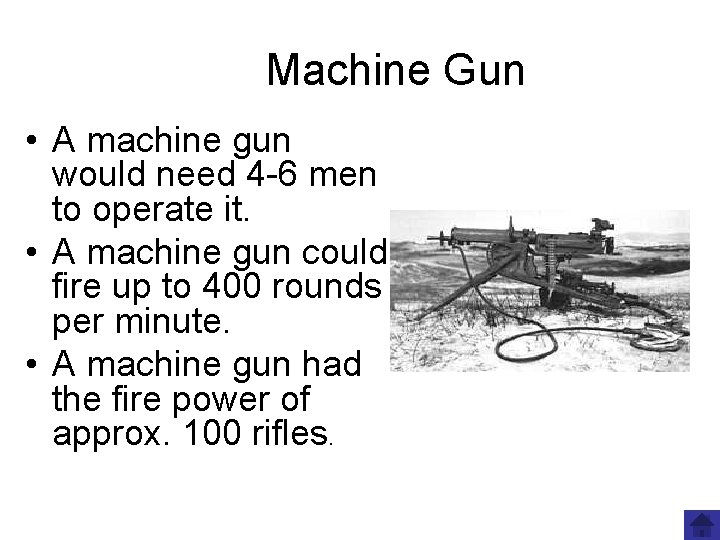
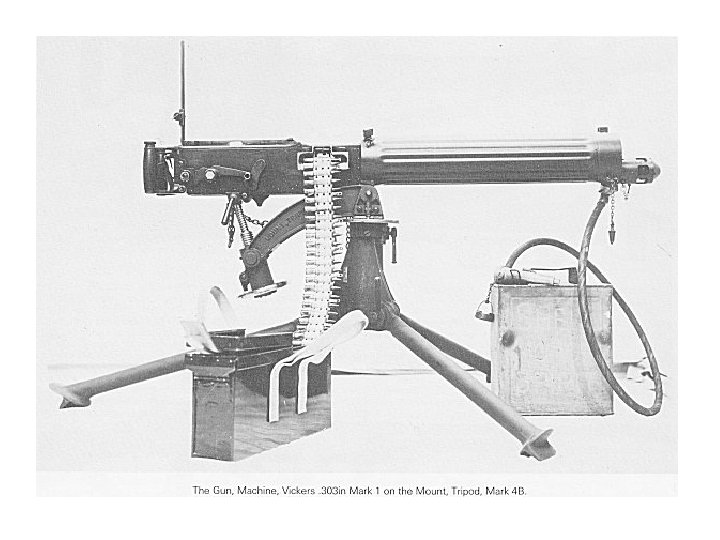
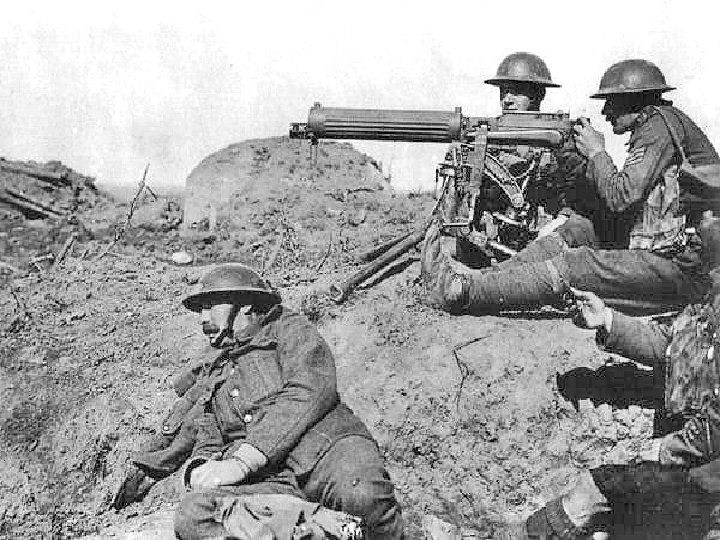
Machine Gun • A machine gun would need 4 -6 men to operate it. • A machine gun could fire up to 400 rounds per minute. • A machine gun had the fire power of approx. 100 rifles.
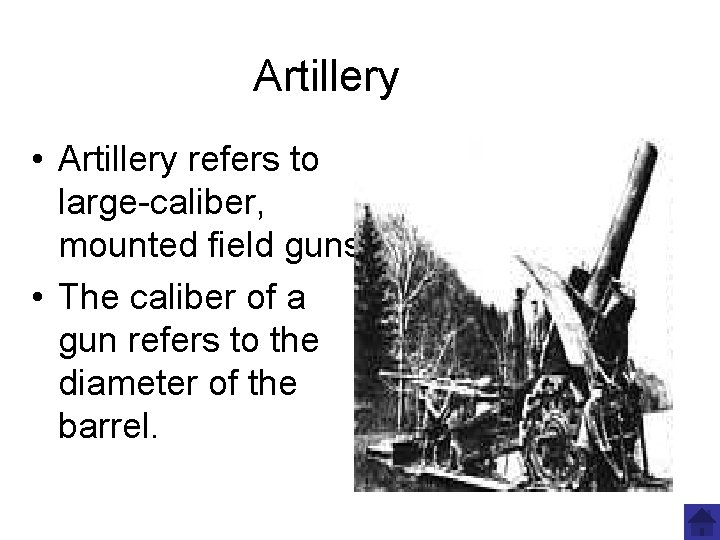
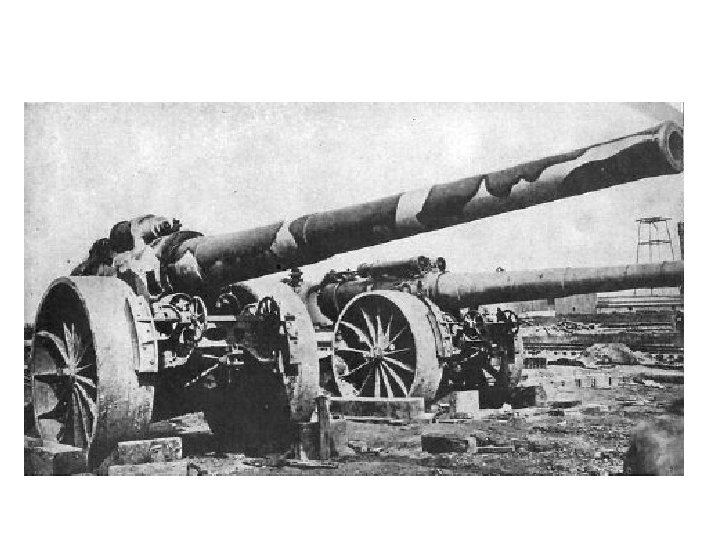
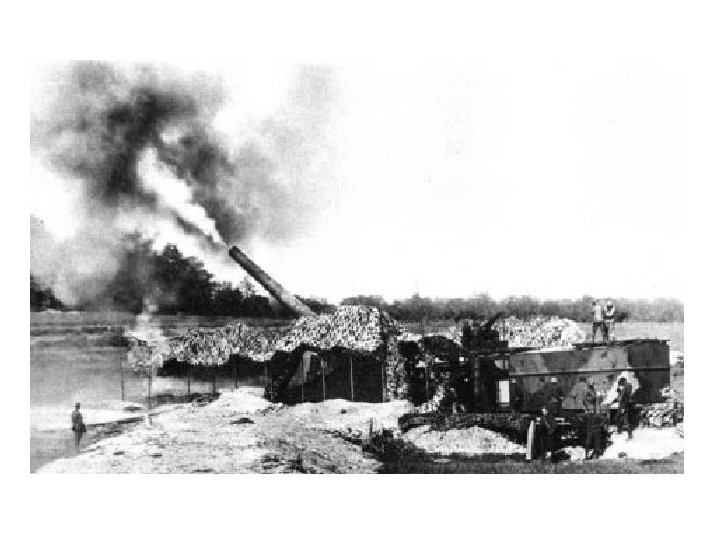
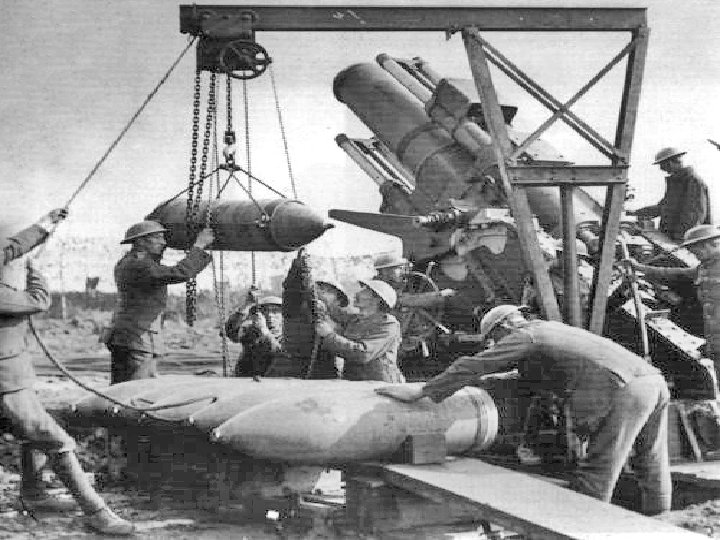
Artillery • Artillery refers to large-caliber, mounted field guns. • The caliber of a gun refers to the diameter of the barrel.
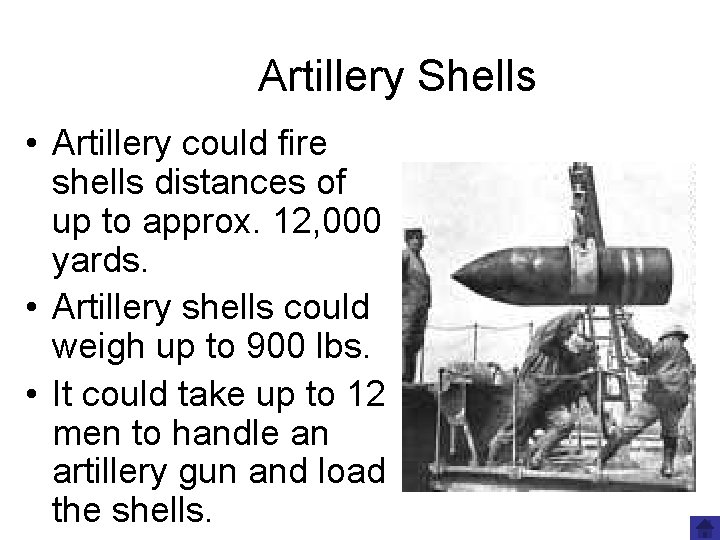
Artillery Shells • Artillery could fire shells distances of up to approx. 12, 000 yards. • Artillery shells could weigh up to 900 lbs. • It could take up to 12 men to handle an artillery gun and load the shells.
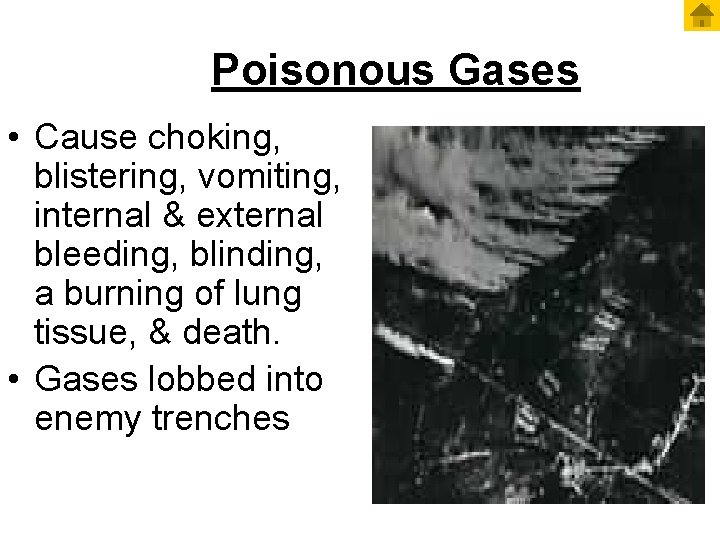
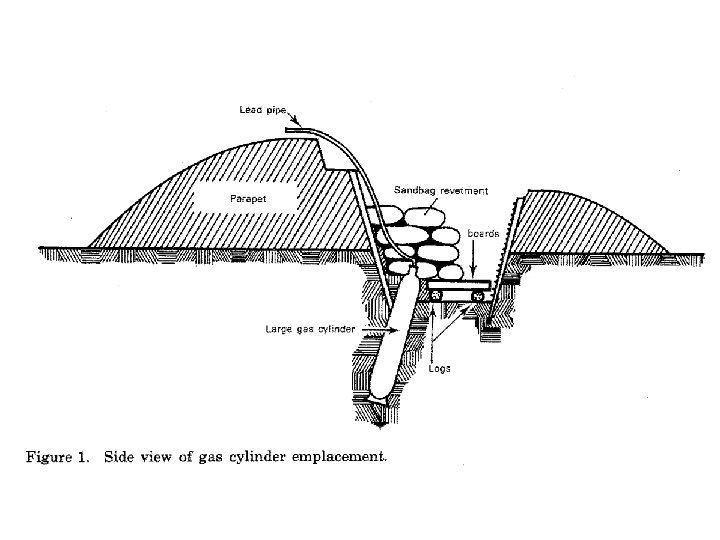
Poisonous Gases • Cause choking, blistering, vomiting, internal & external bleeding, blinding, a burning of lung tissue, & death. • Gases lobbed into enemy trenches
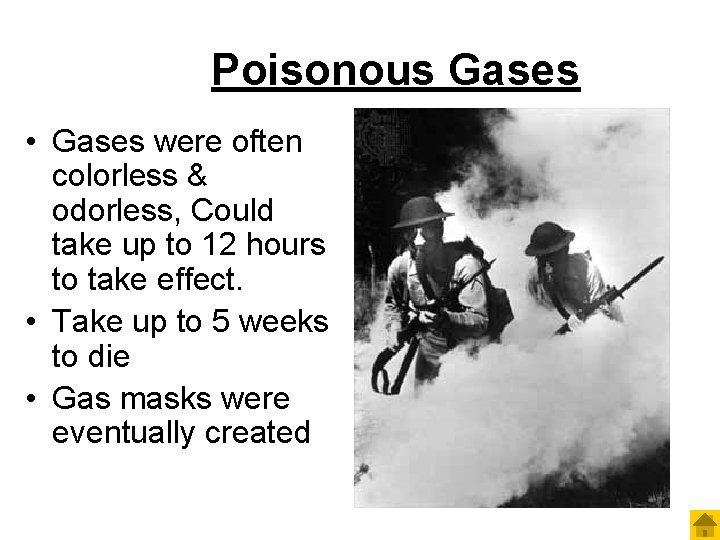
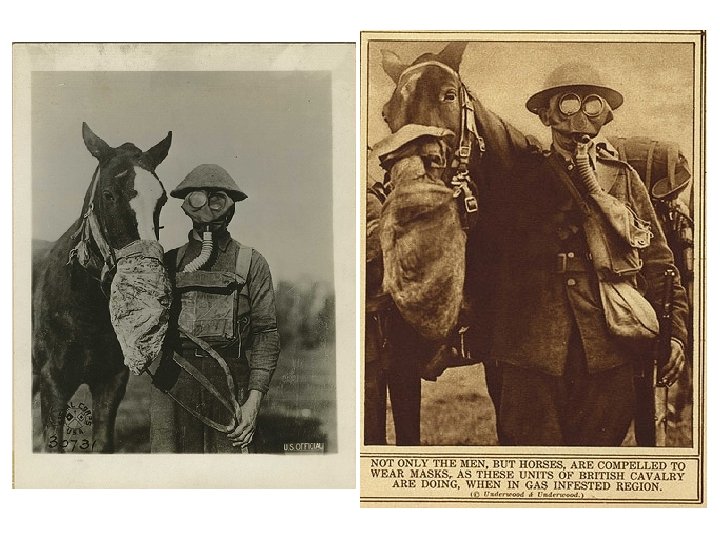
Poisonous Gases • Gases were often colorless & odorless, Could take up to 12 hours to take effect. • Take up to 5 weeks to die • Gas masks were eventually created
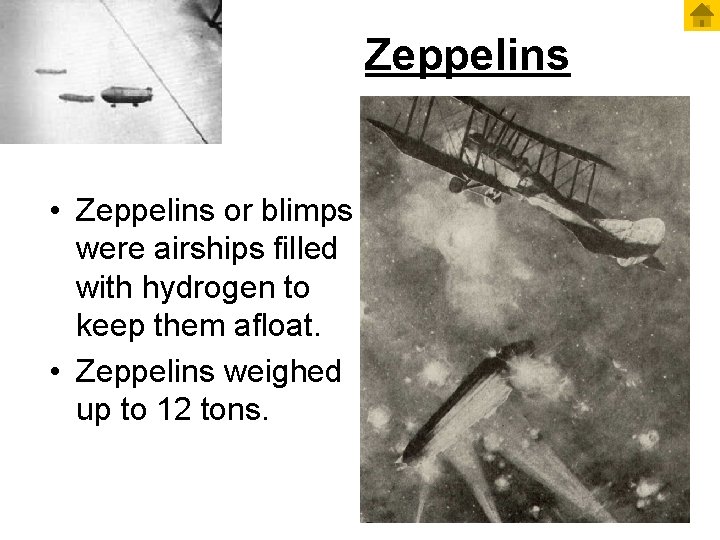
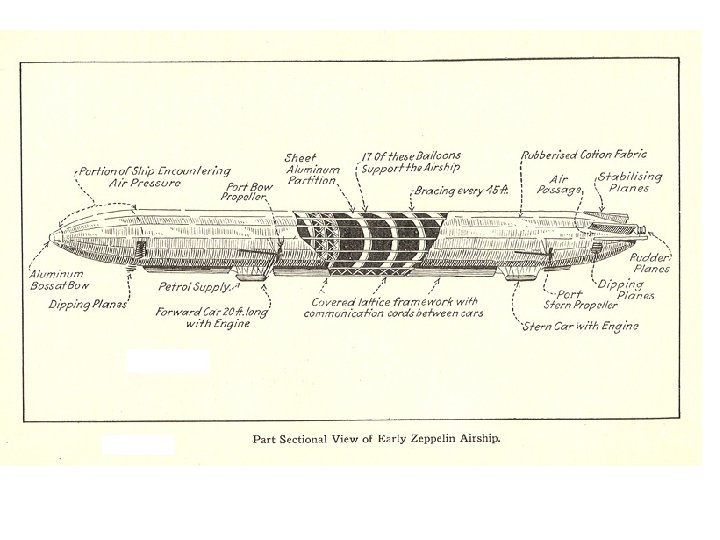
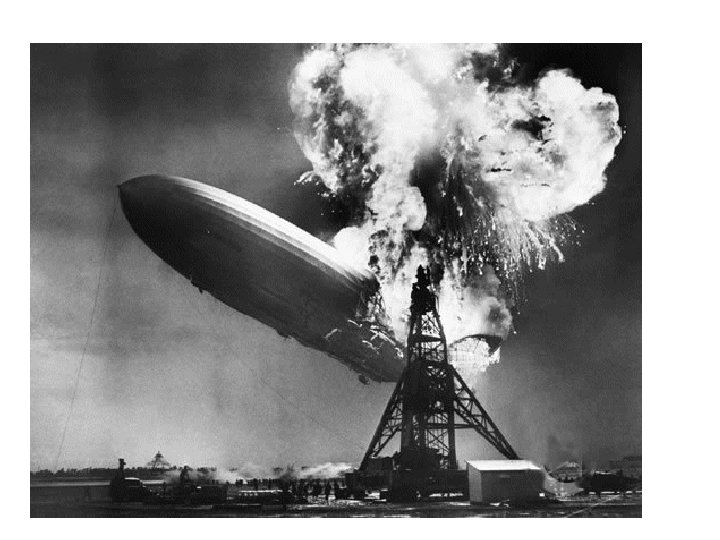
Zeppelins • Zeppelins or blimps were airships filled with hydrogen to keep them afloat. • Zeppelins weighed up to 12 tons.
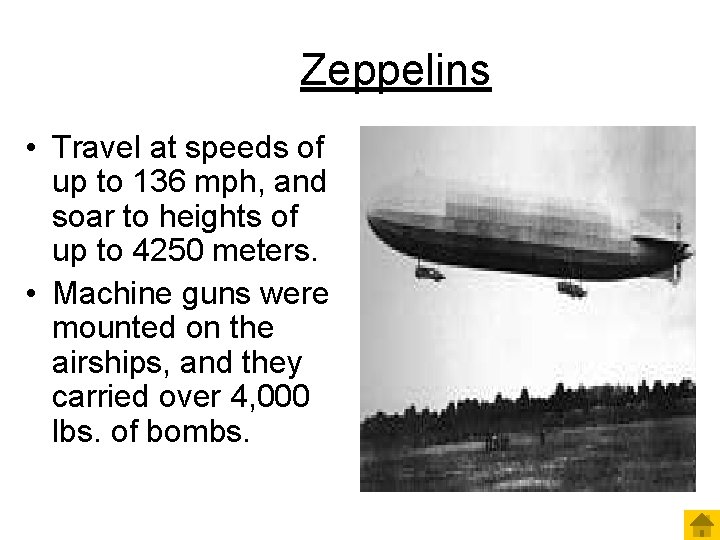
Zeppelins • Travel at speeds of up to 136 mph, and soar to heights of up to 4250 meters. • Machine guns were mounted on the airships, and they carried over 4, 000 lbs. of bombs.
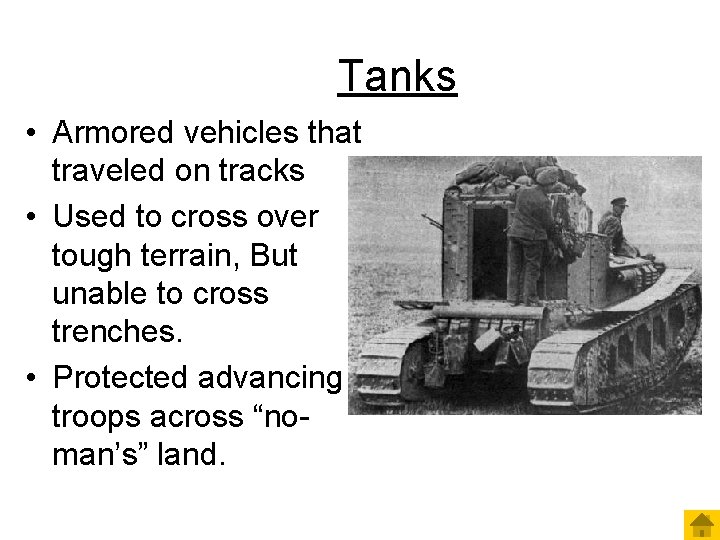
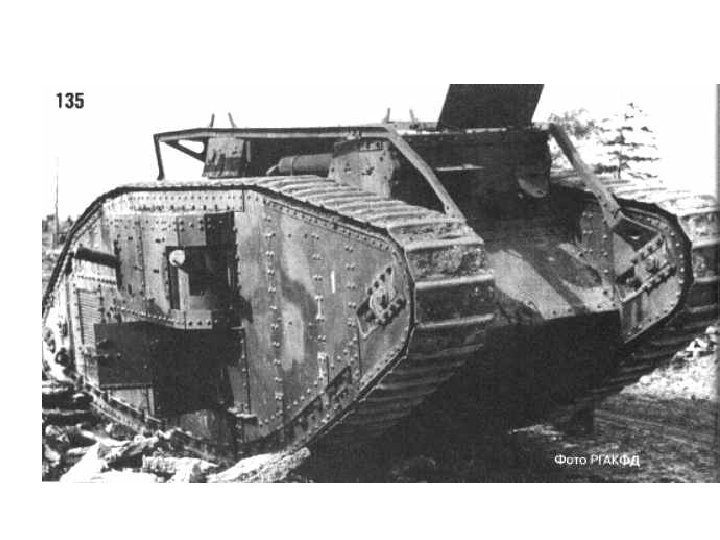
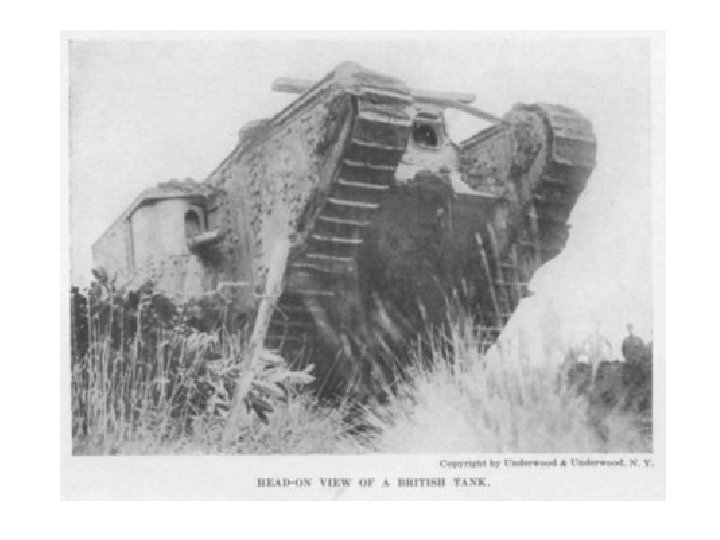
Tanks • Armored vehicles that traveled on tracks • Used to cross over tough terrain, But unable to cross trenches. • Protected advancing troops across “noman’s” land.
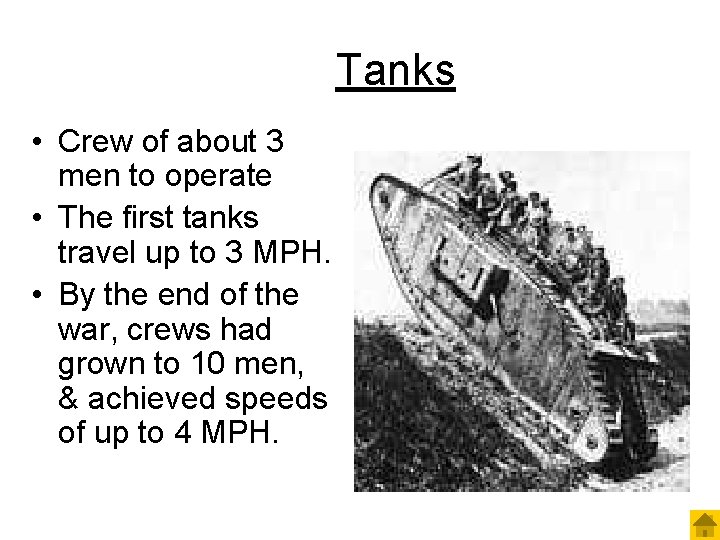
Tanks • Crew of about 3 men to operate • The first tanks travel up to 3 MPH. • By the end of the war, crews had grown to 10 men, & achieved speeds of up to 4 MPH.
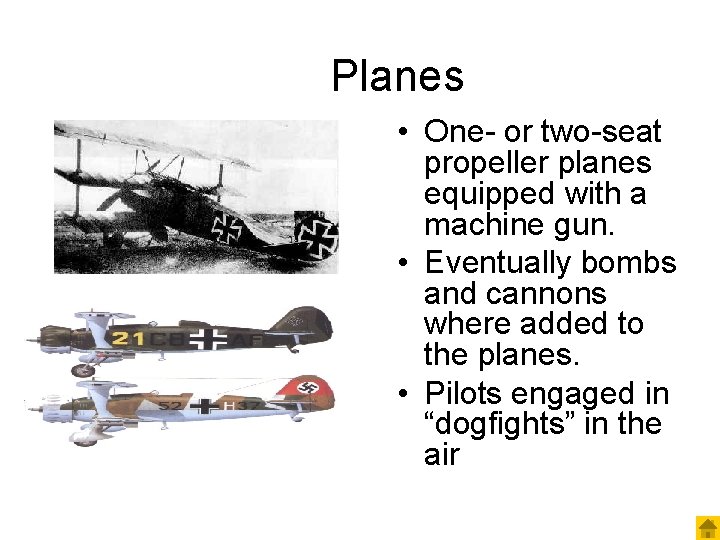
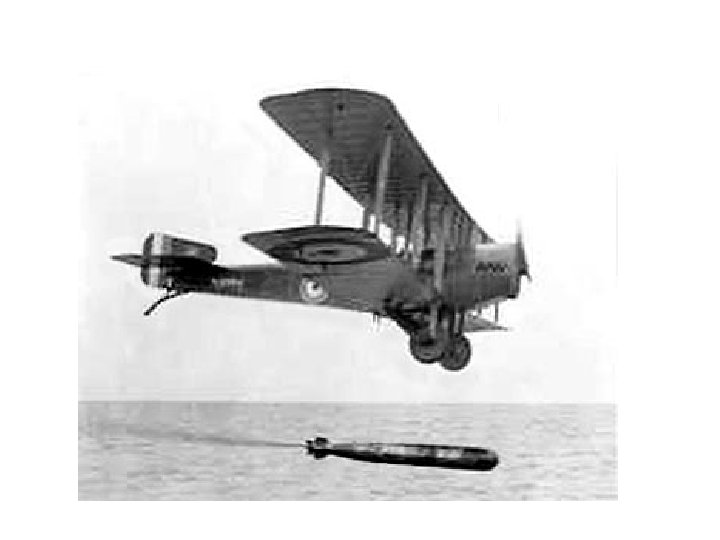
Planes • One- or two-seat propeller planes equipped with a machine gun. • Eventually bombs and cannons where added to the planes. • Pilots engaged in “dogfights” in the air
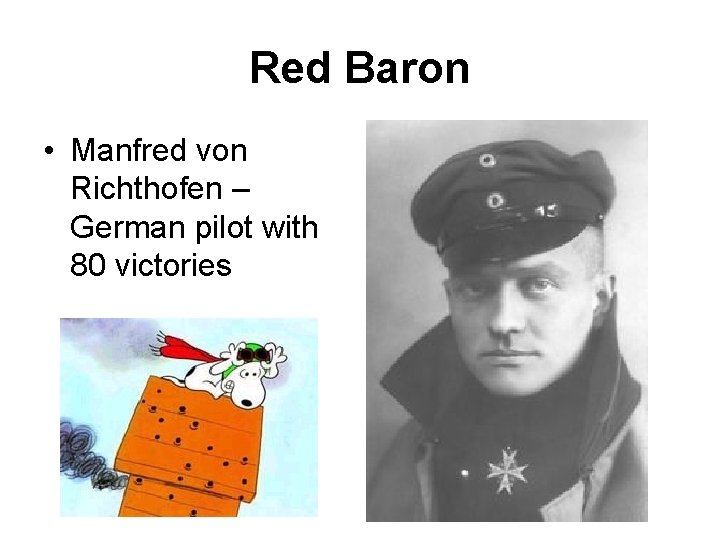
Red Baron • Manfred von Richthofen – German pilot with 80 victories
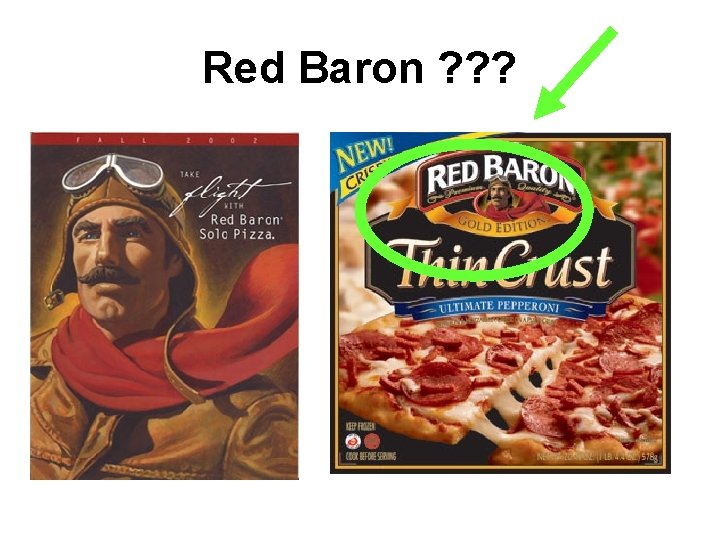
Red Baron ? ? ?
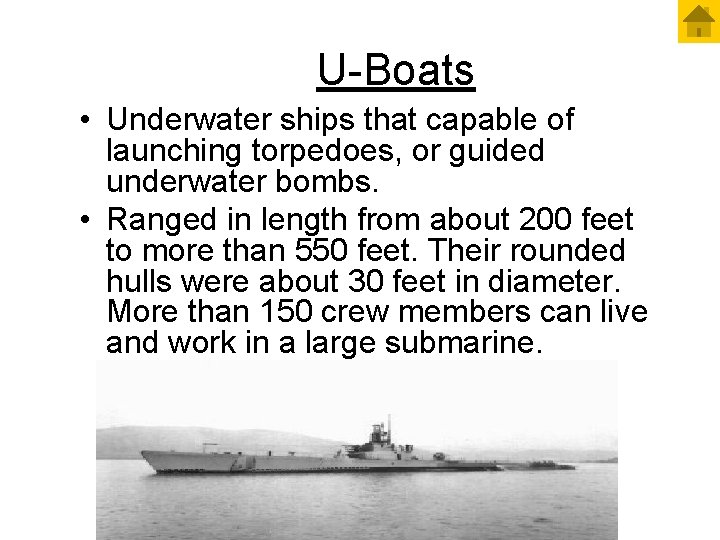
U-Boats • Underwater ships that capable of launching torpedoes, or guided underwater bombs. • Ranged in length from about 200 feet to more than 550 feet. Their rounded hulls were about 30 feet in diameter. More than 150 crew members can live and work in a large submarine.
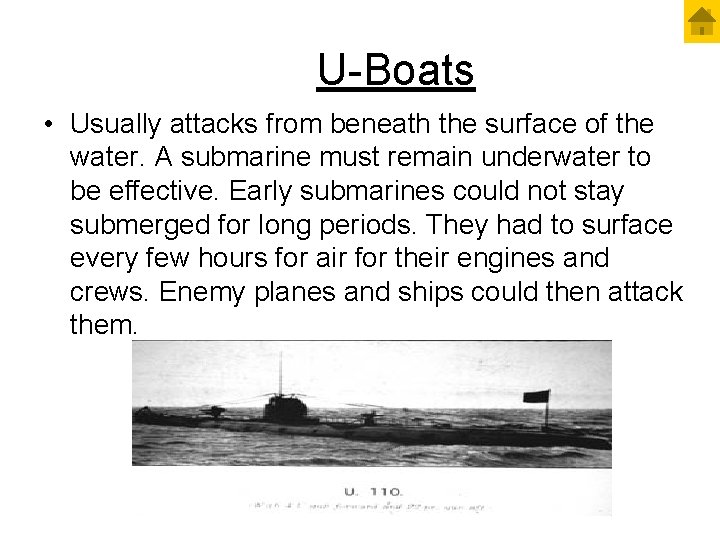
U-Boats • Usually attacks from beneath the surface of the water. A submarine must remain underwater to be effective. Early submarines could not stay submerged for long periods. They had to surface every few hours for air for their engines and crews. Enemy planes and ships could then attack them.
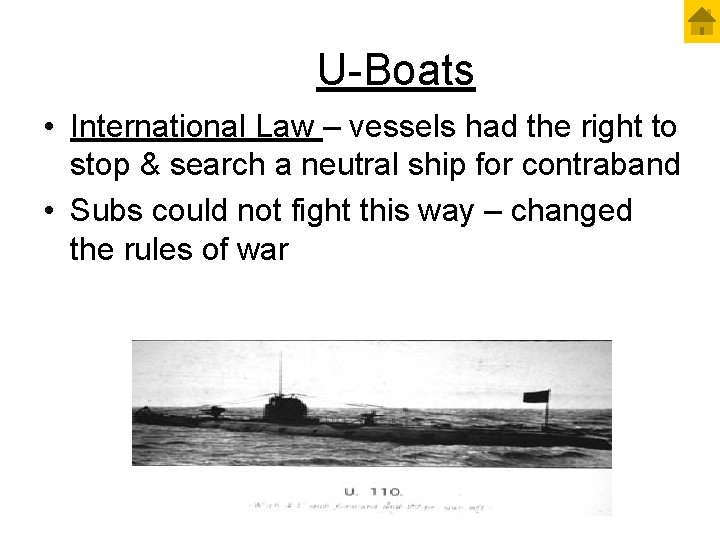
U-Boats • International Law – vessels had the right to stop & search a neutral ship for contraband • Subs could not fight this way – changed the rules of war
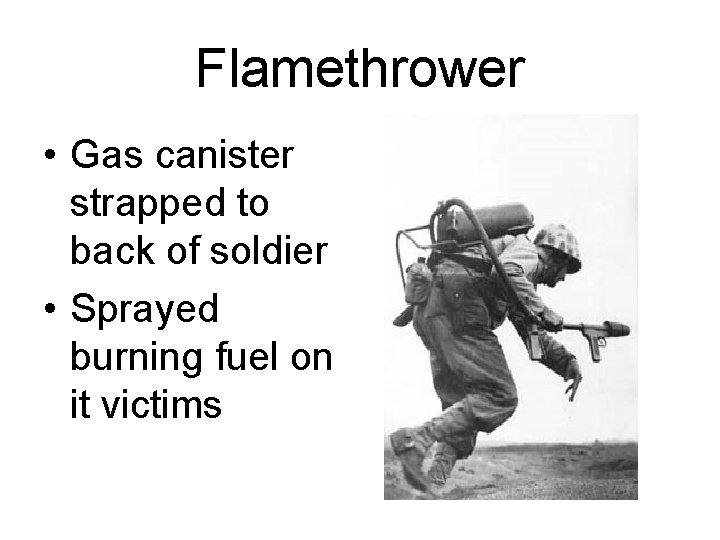
Flamethrower • Gas canister strapped to back of soldier • Sprayed burning fuel on it victims
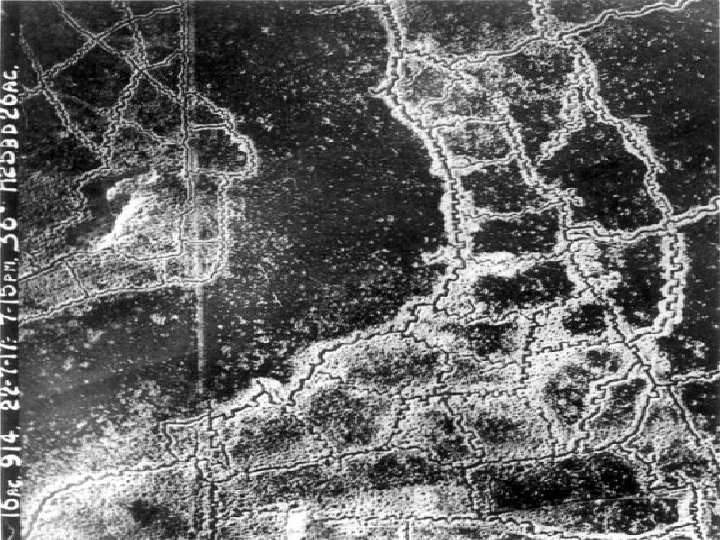
Trench Warfare
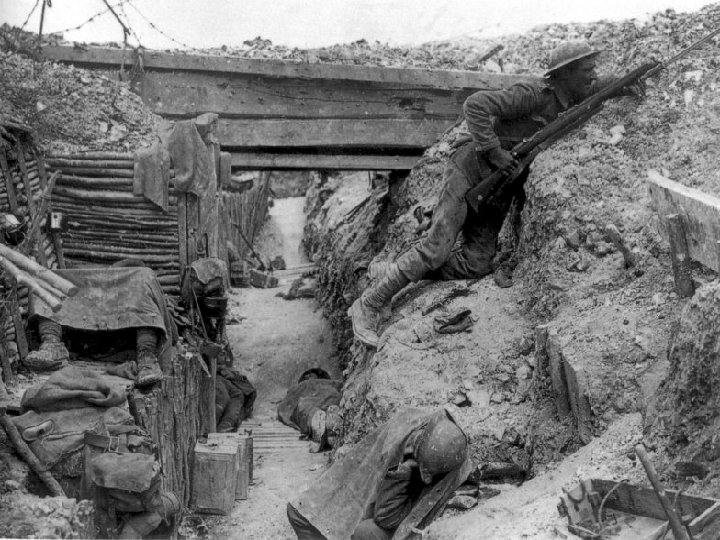
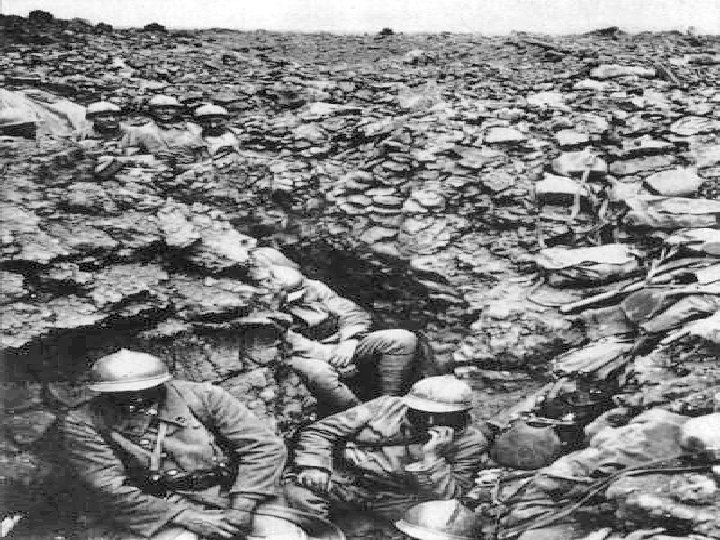
• Trenches were elongated pits dug 6 -8 ft. into the earth, and stretching out over hundreds of miles. • Trenches were only wide enough to allow two men to pass side-by-side.
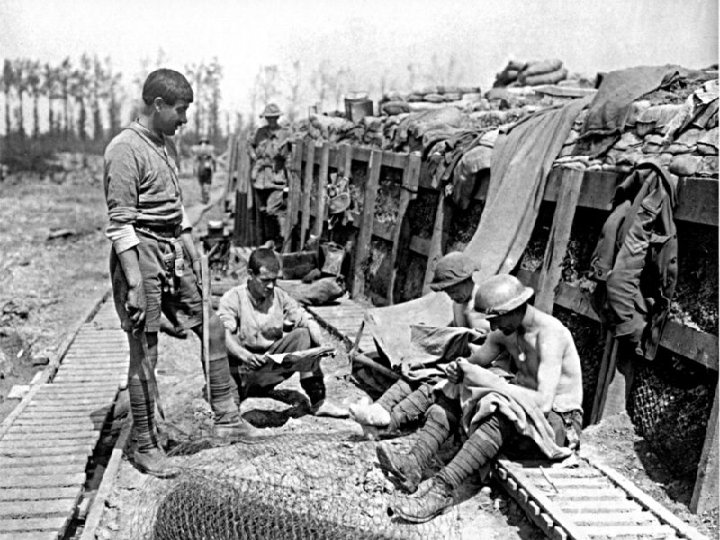
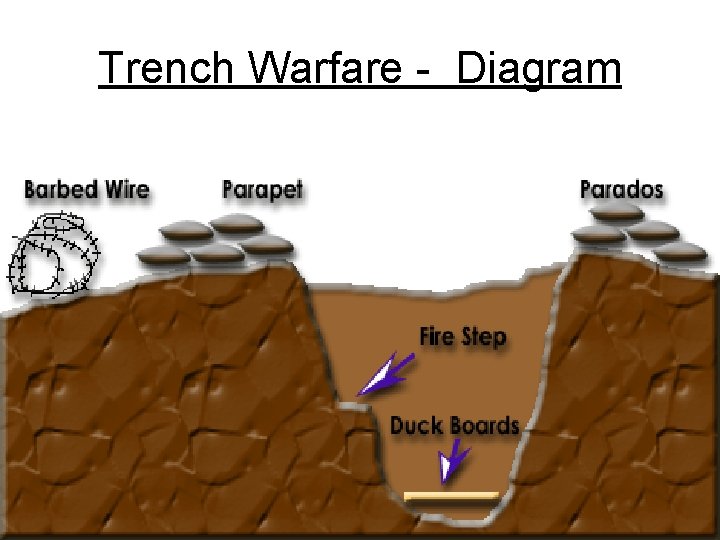
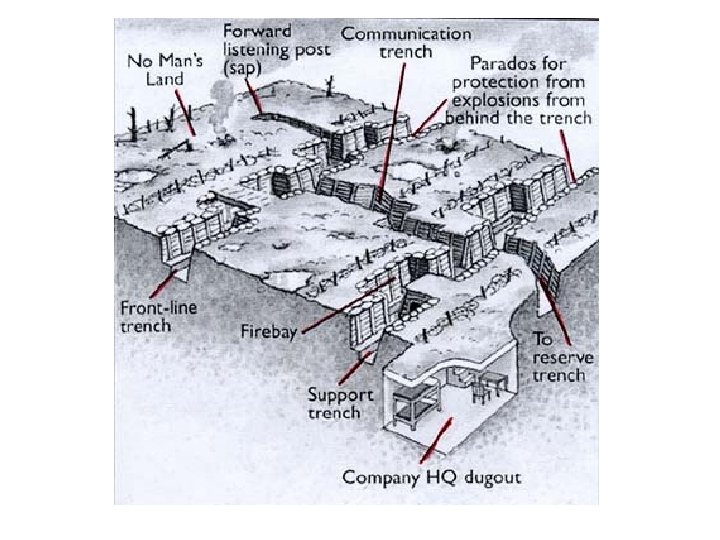
Trench Warfare • Duck Boards would line the bottom of the trench, to serve both as a place for the men to stand on the avoid enemy fire, and also to raise men above the mud, rats, blood, and bodily wastes that filled the bottom of the trench. • Parapets served as a rest for a gun, and the Parados protected the men from exploding shrapnel from behind the line.
Trench Warfare - Diagram
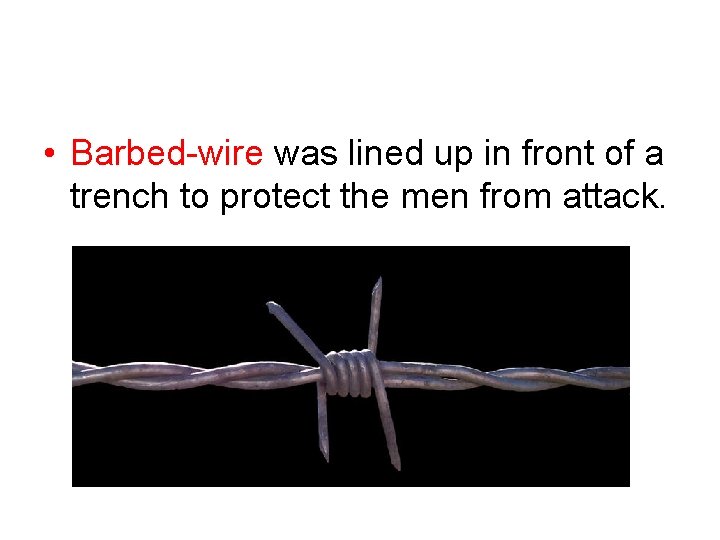
• Barbed-wire was lined up in front of a trench to protect the men from attack.
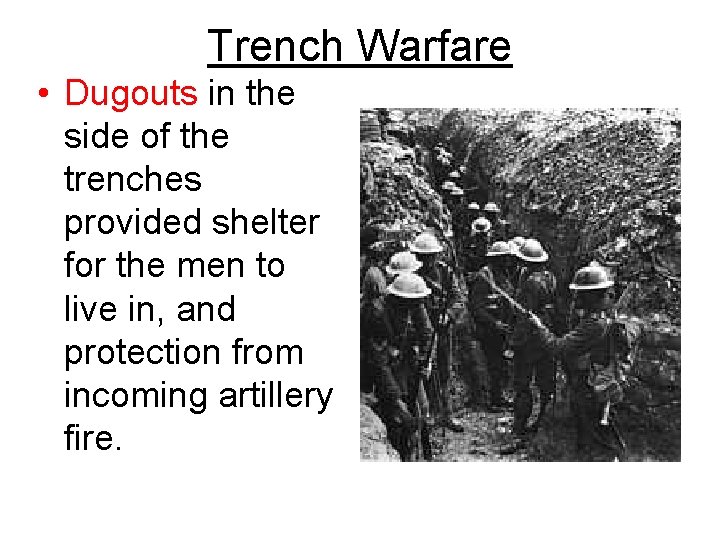
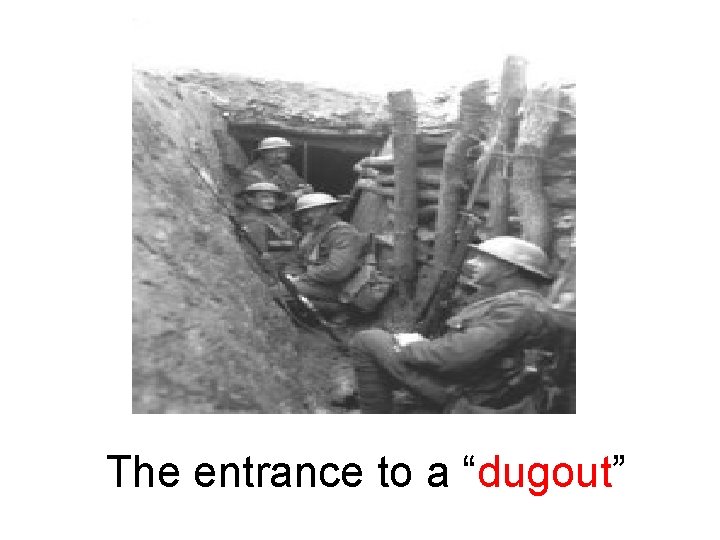
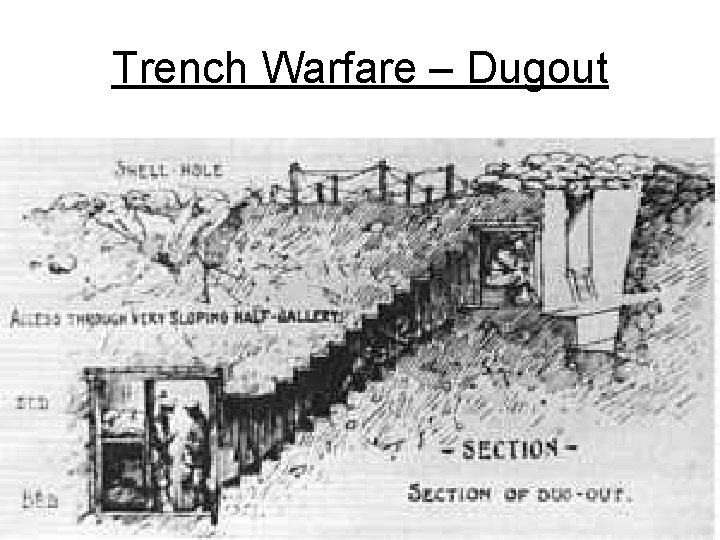
Trench Warfare • Dugouts in the side of the trenches provided shelter for the men to live in, and protection from incoming artillery fire.
The entrance to a “dugout”
Trench Warfare – Dugout
Trench Warfare • Three interlocking trench lines would be used: a front line for attack and defense, a middle line of defense, and a rear line of reserves. • An encampment of tents and hospitals would be located behind the third line. Men spent anywhere from one day to two weeks on the lines before given a day of rest.
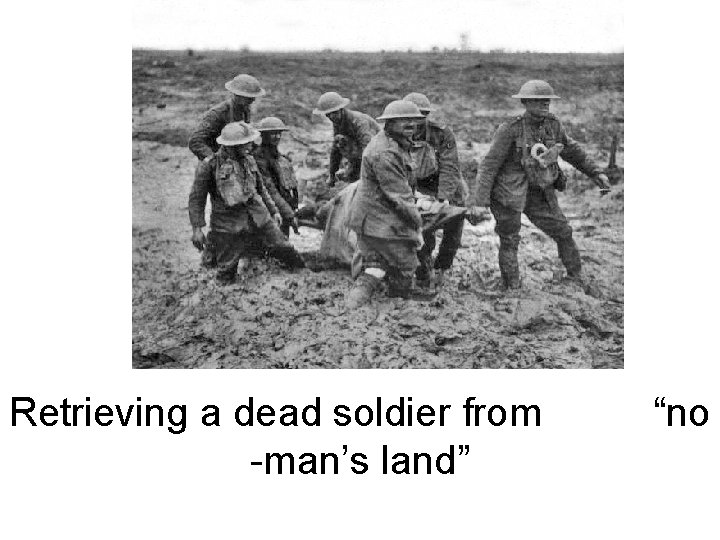
• The distance between opposing trenches was called “no-man’s land”. This distance could be as short as 30 meters, or as wide as 1 mile.
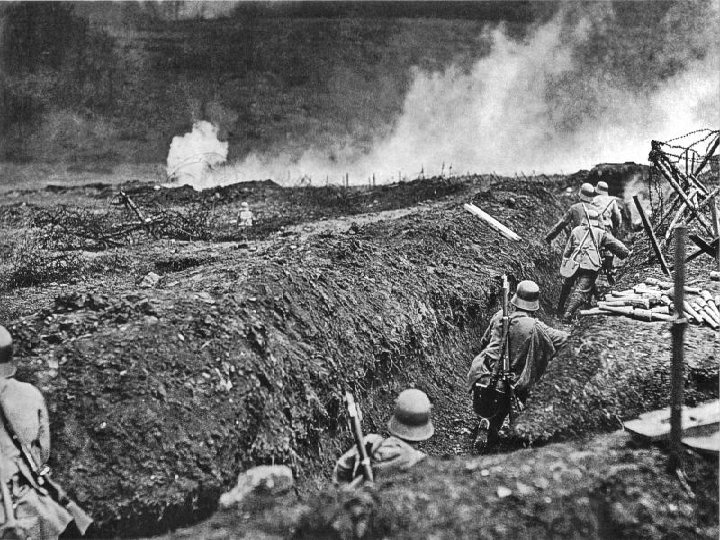
Trench Warfare • On command, soldiers from a trench would charge across “no-man’s” land attempt to overrun the opponents trench. • Once one of the sides overran an opposing trench, the defeated would either be captured, or they would retreat to another set of trenches miles away to renew the battle over a new “no-man’s” land.
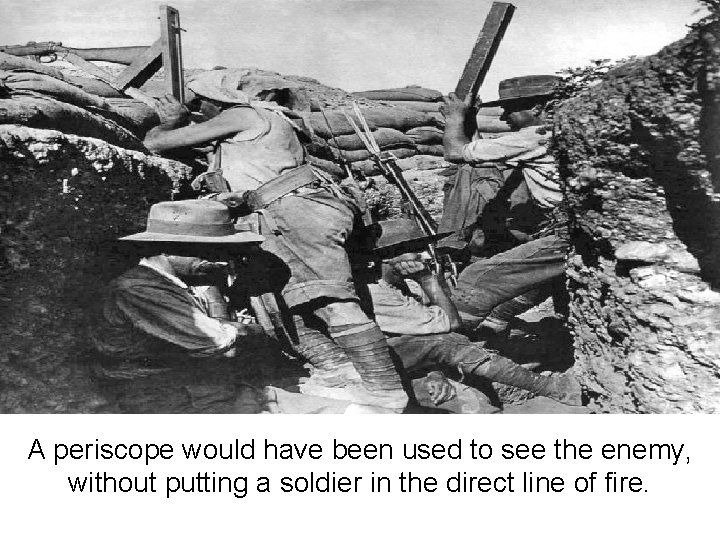
A periscope would have been used to see the enemy, without putting a soldier in the direct line of fire.
Retrieving a dead soldier from -man’s land” “no
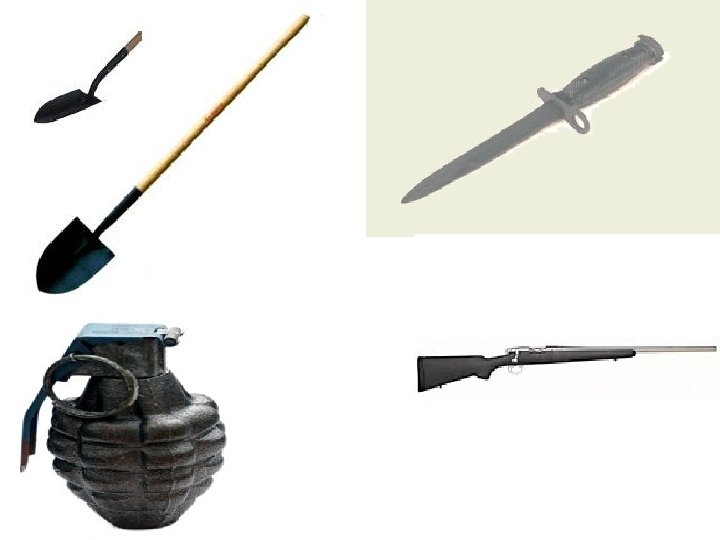
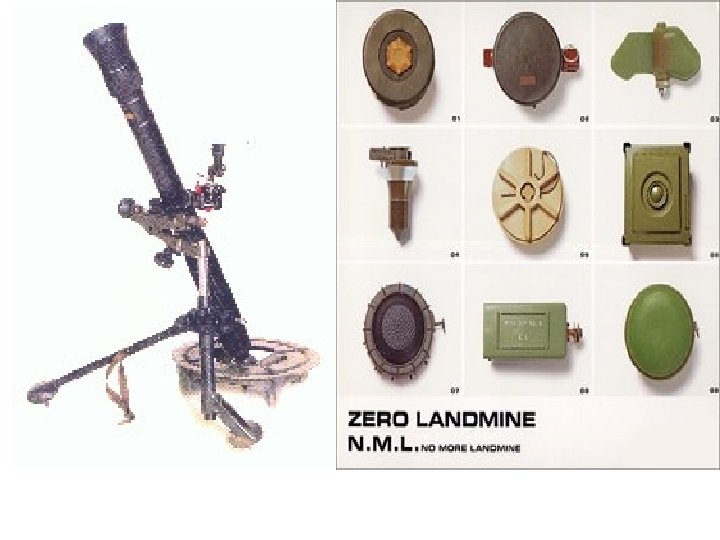
Trench Warfare • Weapons on the front included: – Soldier’s would commonly use rifles, bayonets, spades, clubs, shotguns, helmets, and grenades – Armies would use larger items such as machine guns, mortars, artillery, gas, barbed-wire, aircraft, and mines
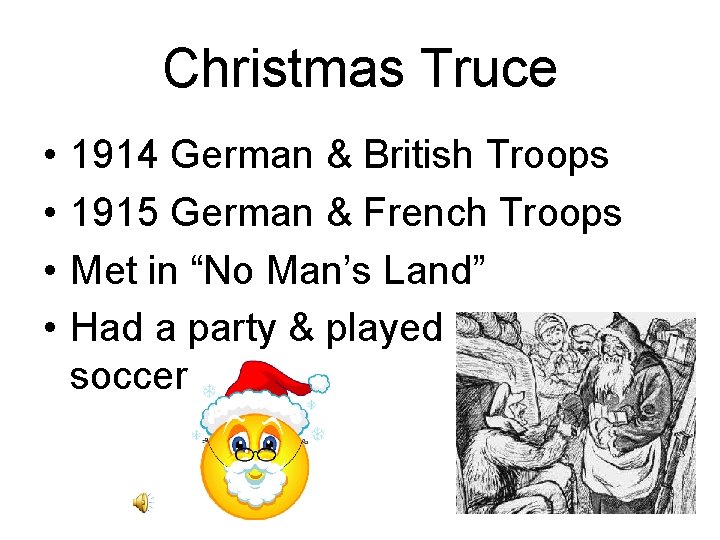
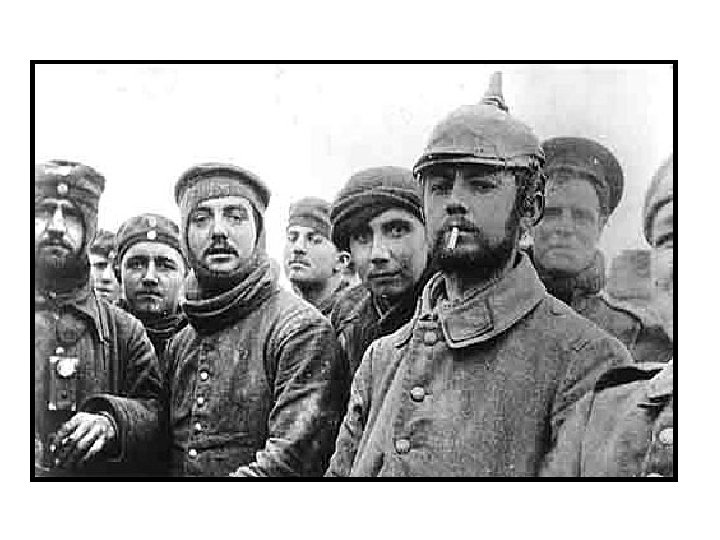
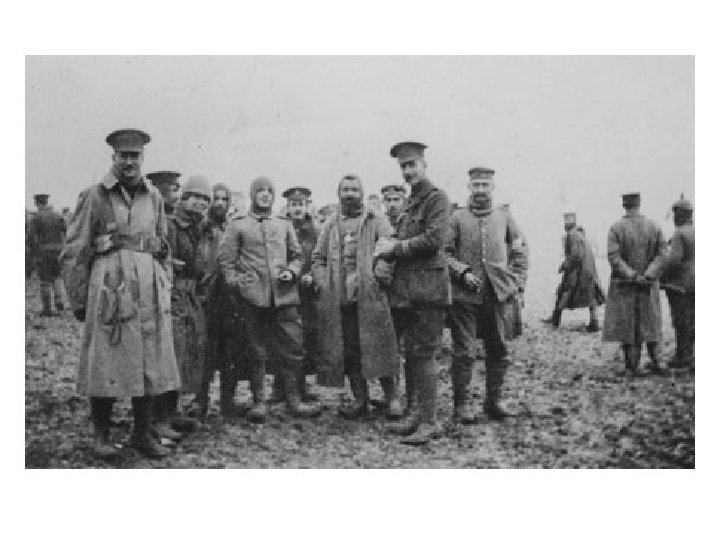
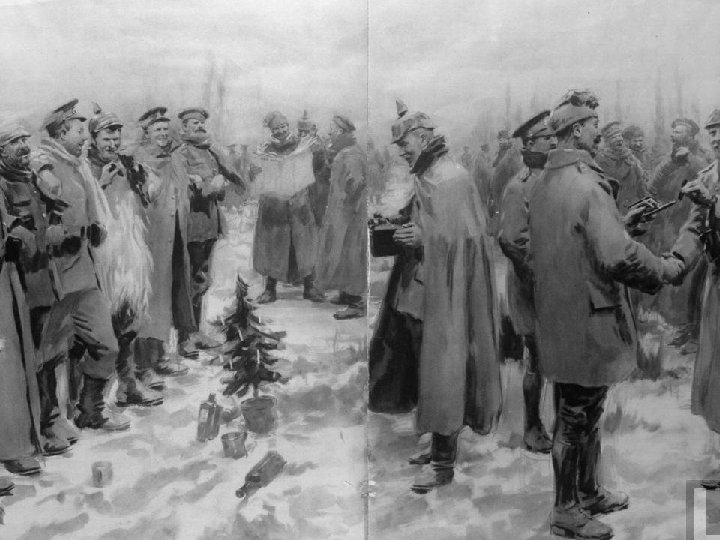
Christmas Truce • • 1914 German & British Troops 1915 German & French Troops Met in “No Man’s Land” Had a party & played soccer
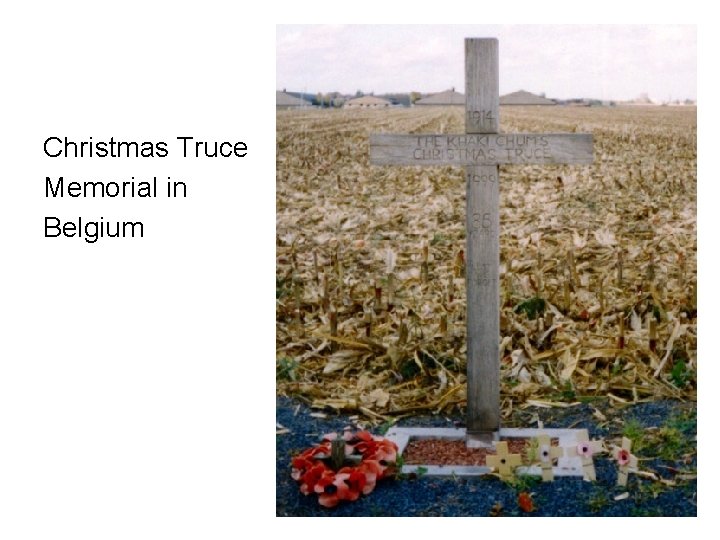
Christmas Truce Memorial in Belgium