
WORLD WAR 1 1914 1918 Chapter 8 MAIN

- Slides: 38
WORLD WAR 1: 1914 -1918 Chapter 8
MAIN Causes of WWI Militarism – Glorification of the Military Alliances – Treaties between Countries Imperialism – Colonization Nationalism – Extreme Patriotism
Accidental Shooting Gavrilo Princip assassinated Archduke Franz Ferdiand on June 28, 1914 �Princip wanted independence for Boznia. Herzgovina �Boznia was a colony of Austria Within 5 weeks most of Europe was at war.
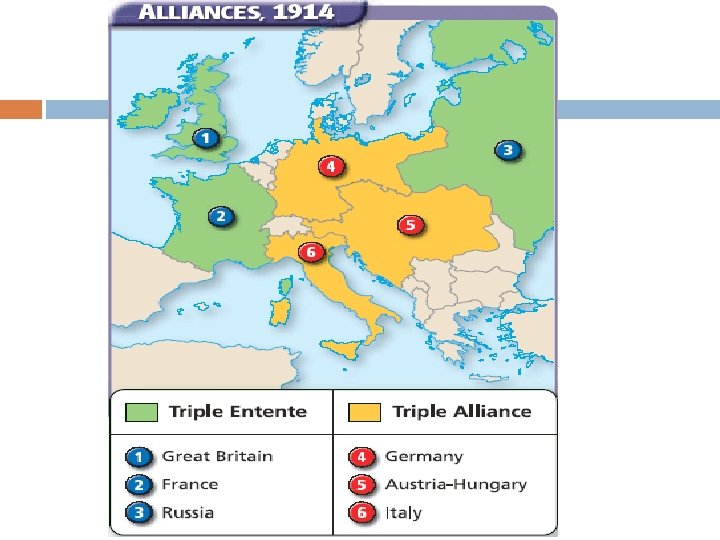
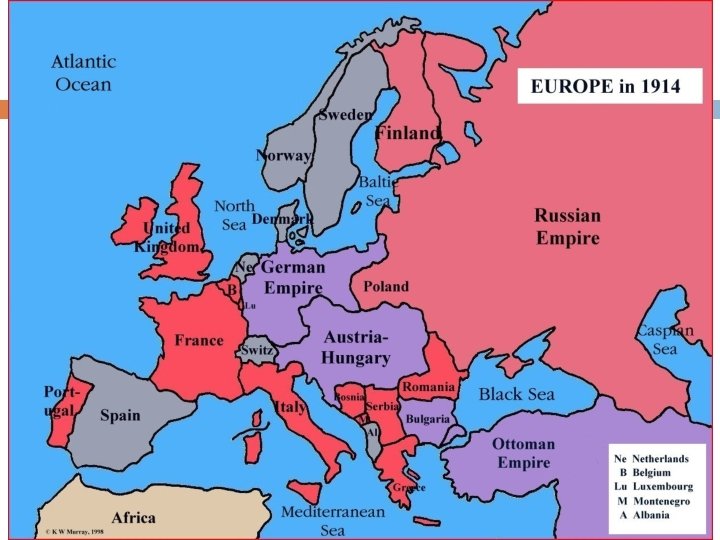
Sides Central Powers (Triple Alliance) – Germany, Austria-Hungary, and Ottoman Empire Allied Powers (Triple Entente) – France, Russia, Great Britain, US (1918) �Germany had formed recently from various Prussian kingdoms and was looking for national respect
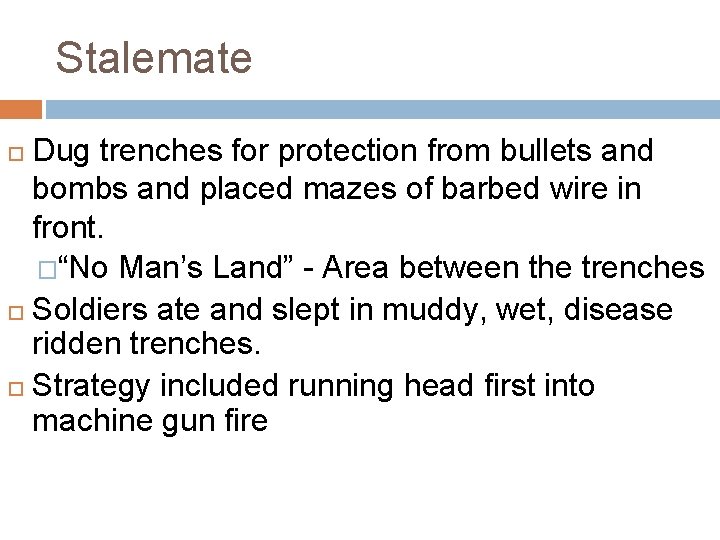
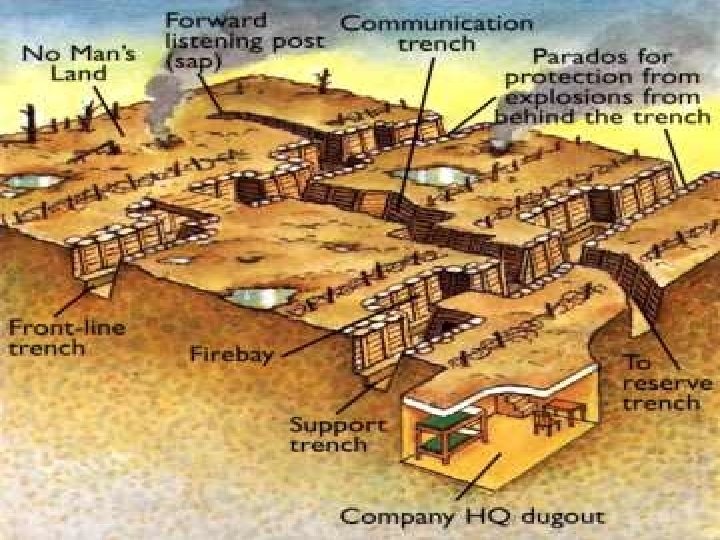
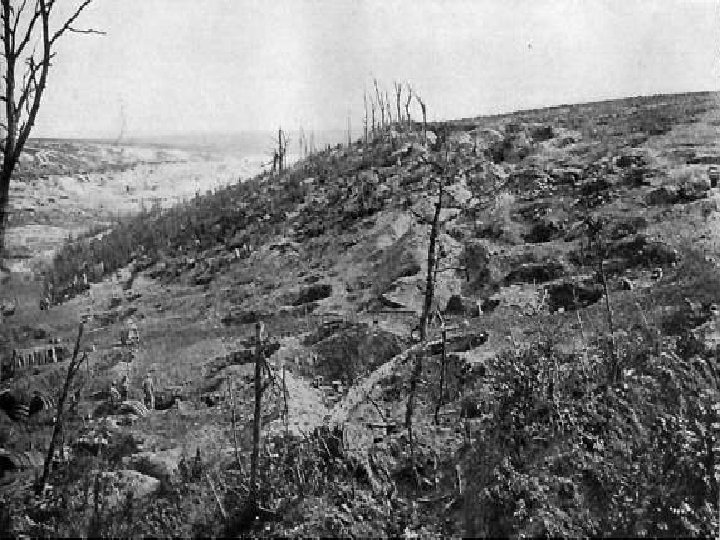
Stalemate Dug trenches for protection from bullets and bombs and placed mazes of barbed wire in front. �“No Man’s Land” - Area between the trenches Soldiers ate and slept in muddy, wet, disease ridden trenches. Strategy included running head first into machine gun fire
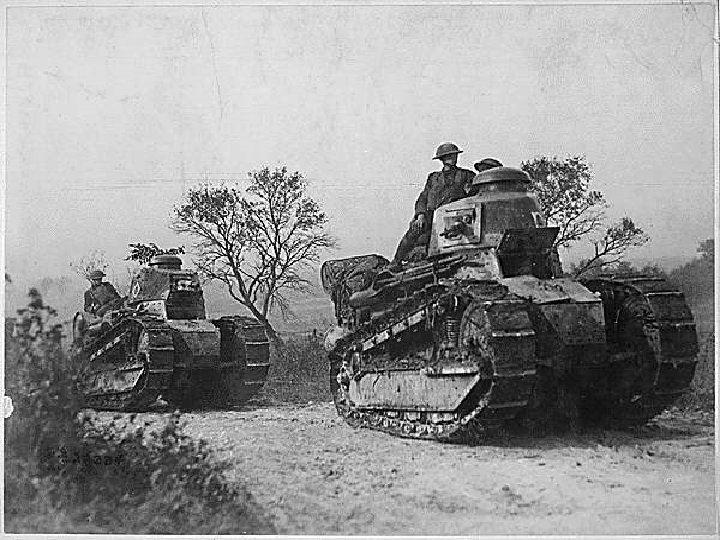
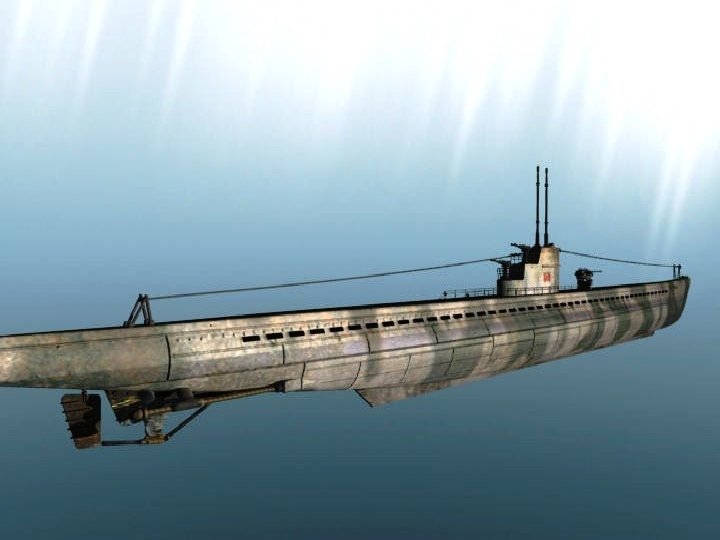
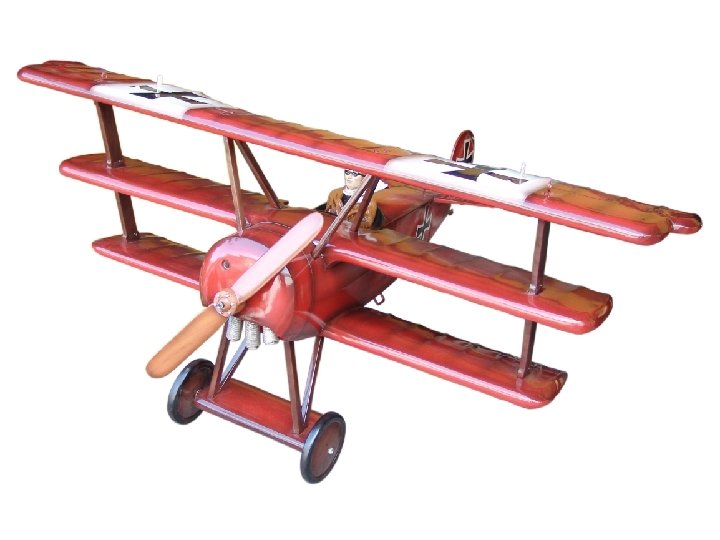
New Technology U-boats, Tanks, Zeppelins / Airplanes, Flame Throwers, Machine Guns, long Range Artillery, Grenades, Chemical / Mustard Gas
US Enters Into WWI
US Neutrality Most Americans viewed the war as too far away and wanted to not get involved “Splendid Isolation” of the Atlantic and Pacific Oceans Problems US is supplying weapons and materials to both sides. The US was a neutral nation and their ships were not to be attacked �British ships were flying American flags for safety
Blockade Germans and British tried to keep their opponents from getting supply ships Restricted - German U-boats attacked only military supply ships Unrestricted – German U-boats sank any ship “suspected” of carrying supplies for Allies.
Reasons for US Involvement US became increasingly angry as more Americans die at sea. May 17, 1915 A German U-Boat sank the British cruise ship Lusitania. More than 1, 000 passengers were killed, including 128 Americans. Cultural Ties – Many Americans supported aiding France (democracy) and Britain (colonies).
Zimmerman Note – British intercepted message from Germany promising to help Mexico regain land they had lost to the US if they declared war on US. Money - US had been supplying both sides with weapons and money, but had loaned a lot more to the Allies (75 million a week). Russians surrendered to Germany, which gave them a distinct advantage �Russian Revolution (Bolshevik)
Effects of WWI on US
Slow Going May 18, 1917 – All men 21 to 30 had to register for the draft = Selective Service 1 st recruits arrived at bases with no barracks and few training supplies �Recruits trained with sticks Segregation – Black soldiers that volunteered served in all black units
US Arrival Doughboys – Nickname for US soldiers John J. Pershing – US Commander US soldiers provided the lift needed to turn back the Germans �Emotional Lift �Most US soldiers died of the flu
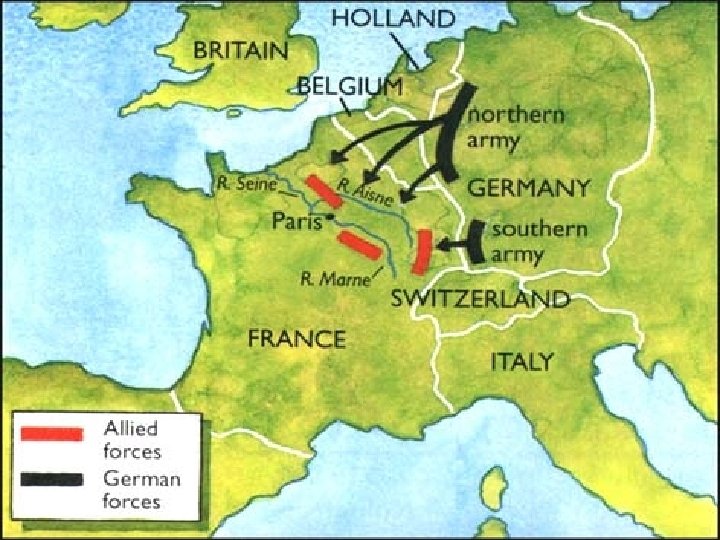
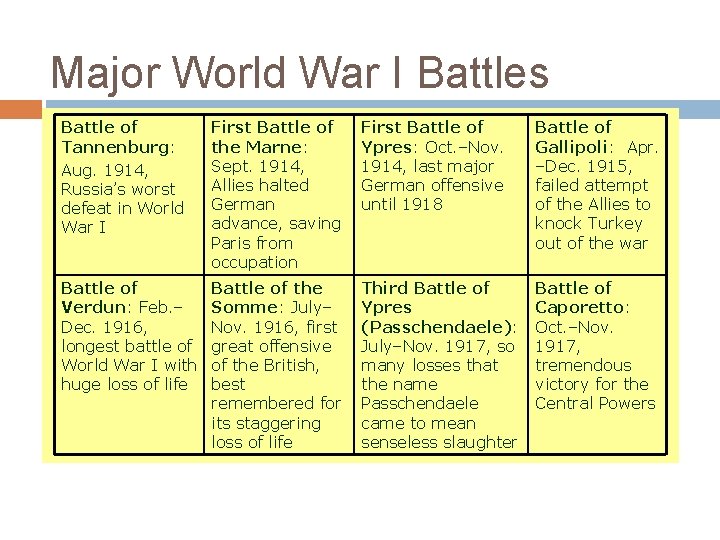
Major World War I Battles Battle of Tannenburg: Aug. 1914, Russia’s worst defeat in World War I First Battle of the Marne: Sept. 1914, Allies halted German advance, saving Paris from occupation First Battle of Ypres: Oct. –Nov. 1914, last major German offensive until 1918 Battle of Gallipoli: Apr. –Dec. 1915, failed attempt of the Allies to knock Turkey out of the war Battle of Verdun: Feb. – Dec. 1916, longest battle of World War I with huge loss of life Battle of the Somme: July– Nov. 1916, first great offensive of the British, best remembered for its staggering loss of life Third Battle of Ypres (Passchendaele): July–Nov. 1917, so many losses that the name Passchendaele came to mean senseless slaughter Battle of Caporetto: Oct. –Nov. 1917, tremendous victory for the Central Powers
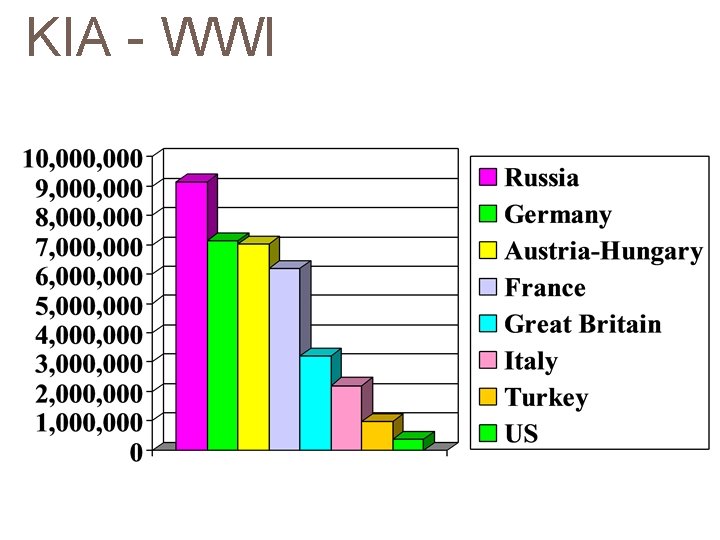
KIA - WWI
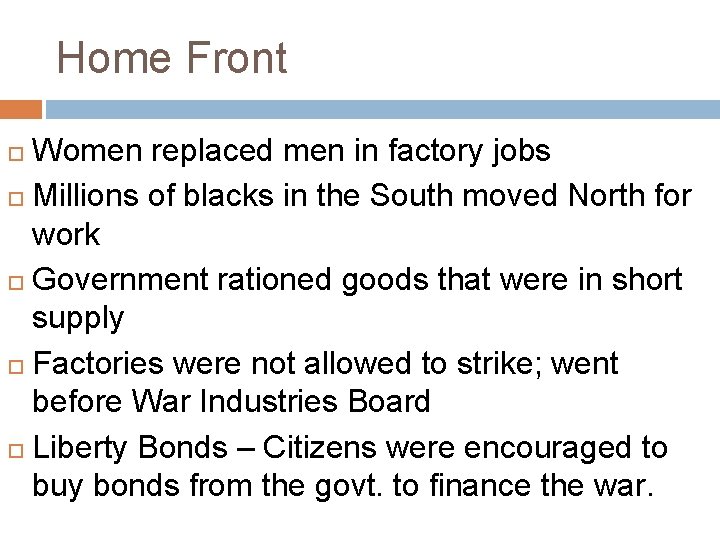
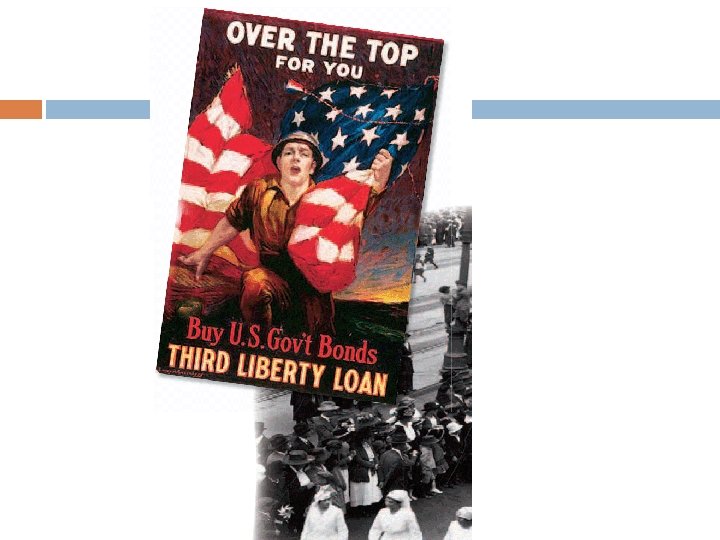
Home Front Women replaced men in factory jobs Millions of blacks in the South moved North for work Government rationed goods that were in short supply Factories were not allowed to strike; went before War Industries Board Liberty Bonds – Citizens were encouraged to buy bonds from the govt. to finance the war.
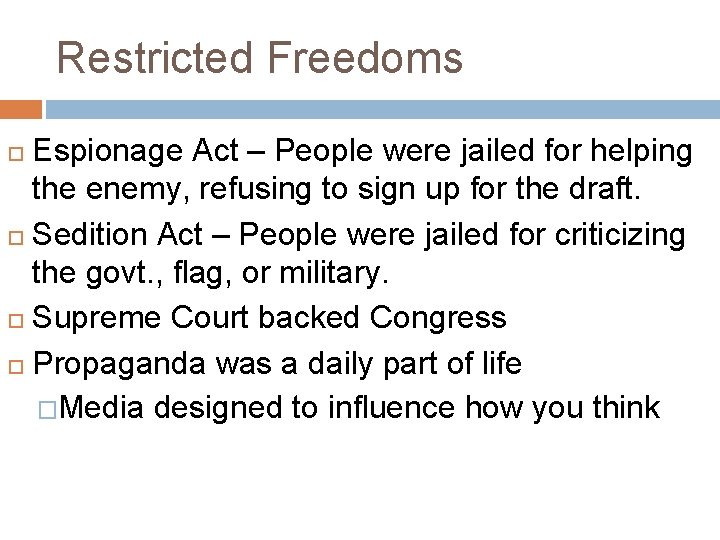
Restricted Freedoms Espionage Act – People were jailed for helping the enemy, refusing to sign up for the draft. Sedition Act – People were jailed for criticizing the govt. , flag, or military. Supreme Court backed Congress Propaganda was a daily part of life �Media designed to influence how you think
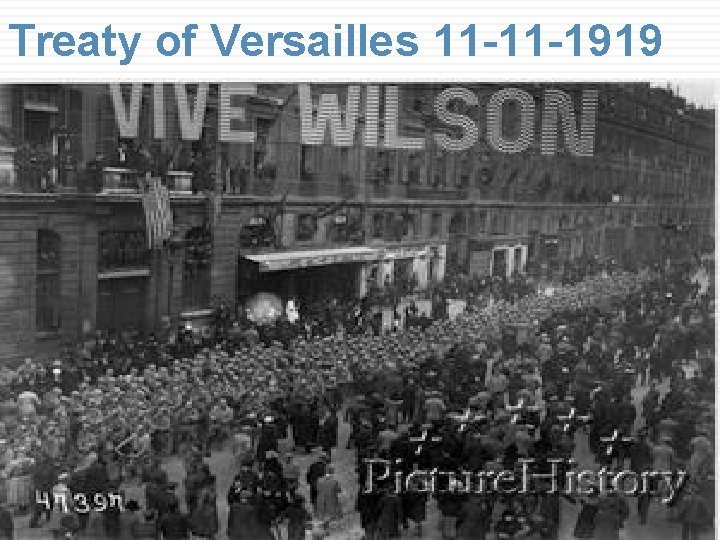
Treaty of Versailles 11 -11 -1919 The Parisians had a parade after the signing of the Treaty at Versailles marking the end of World War I. Notice the sign at the top of this photograph that reads: "Vive Wilson. "
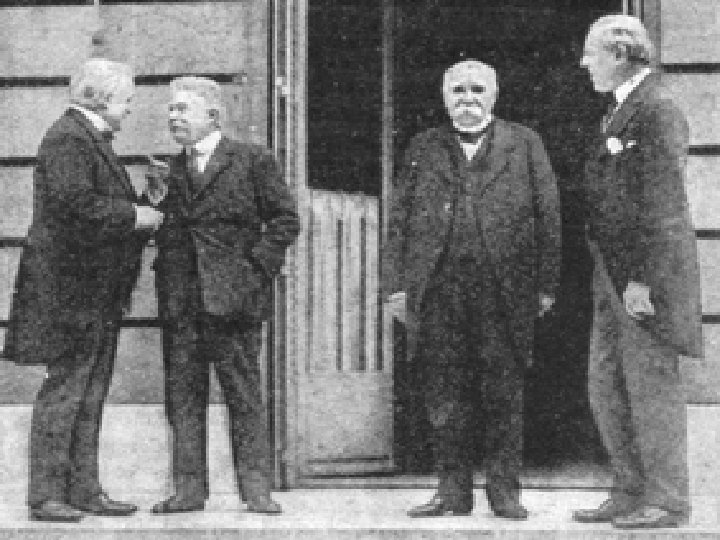
Big Four Italian, British, French, and US leaders gathered to write a treaty to end WWI British and French wanted to destroy Germany US wanted to create peace Italy wanted to get paid. �Treaty of London – Promised a lot of land to Italy for joining the Allies.
Wilson’s 14 Points Plan for creating a lasting peace Freedom of the seas, reduction of arms, free trade, self-determination for colonies, no secret alliances, and the … League of Nations Countries belong to a league that helps keep the peace and settles disputes without violence
Treaty of Versailles Official document that ended WWI and direct cause of WWII Germans were furious Had to pay reparations, lost colonies, less military, no subs / air force, Had to Admit Blame Germany’s WWI government and leaders had to step down. �Weimar government was created to rule Germany
Germans had no say in the treaty British and French thought it still was not harsh enough Italians were furious: Orlando was ignored at Versailles and they did not get the land they were promised in the Treaty of London
US Isolationism The US Senate refused to ratify the treaty because of the League of Nations �Reservationists �Might force us into unnecessary wars and override our Constitution (restrict our independence) We signed another treaty later
Lost Generation – Generation of writers after WWI that criticized war, foreign affairs �Disillusioned over purpose of life After WWI many Americans became very isolationist towards foreign affairs