
World of Insects Characteristics Orders and Collecting What
- Slides: 47
World of Insects Characteristics, Orders, and Collecting
What You Should Know About Insects …
Taxonomy • Kingdom – Animalia • Phylum – Arthropoda • Class - Insecta
Insects Are Arthropods • Insects are the largest group of Arthropods • Jointed appendages (bendable) • Segmented bodies • Exoskeleton of Chitin that must be molted to grow • Related to spiders, ticks, scorpions, millipedes, crustaceans
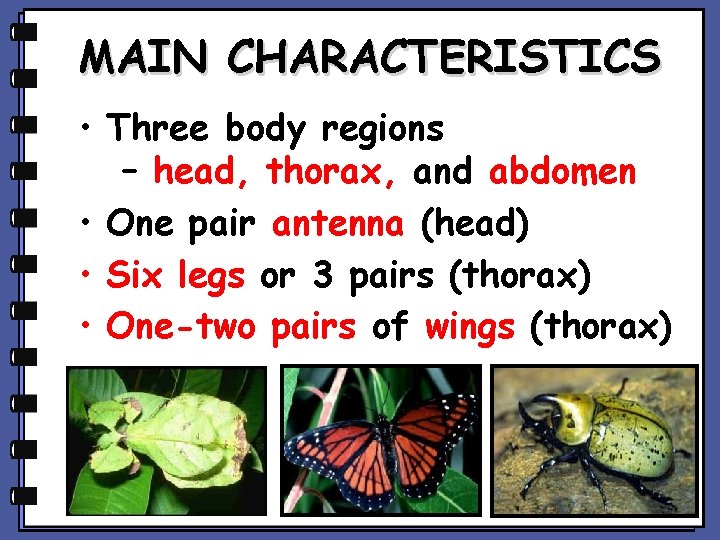
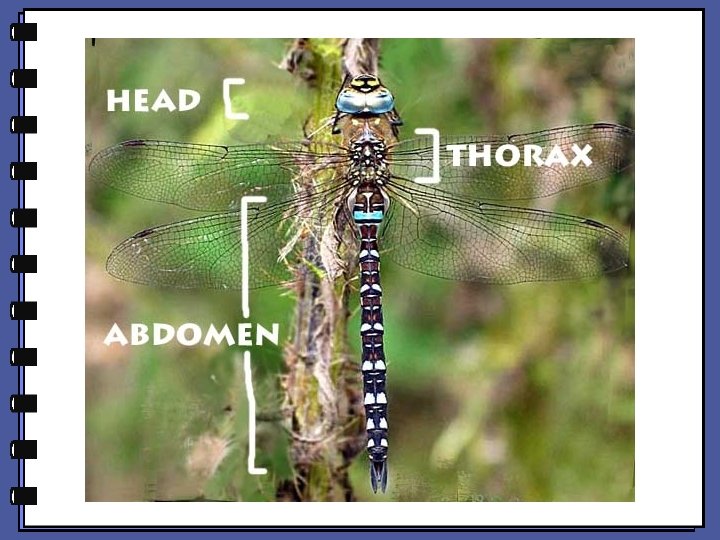
MAIN CHARACTERISTICS • Three body regions – head, thorax, and abdomen • One pair antenna (head) • Six legs or 3 pairs (thorax) • One-two pairs of wings (thorax)
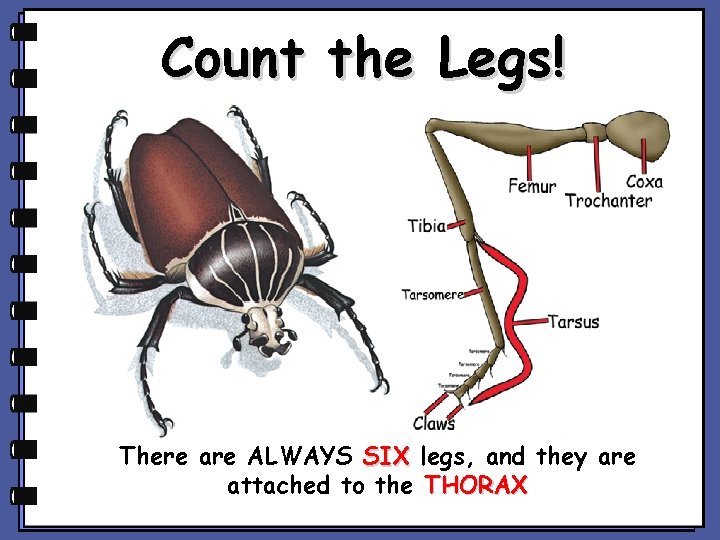
Count the Legs! There are ALWAYS SIX legs, and they are attached to the THORAX
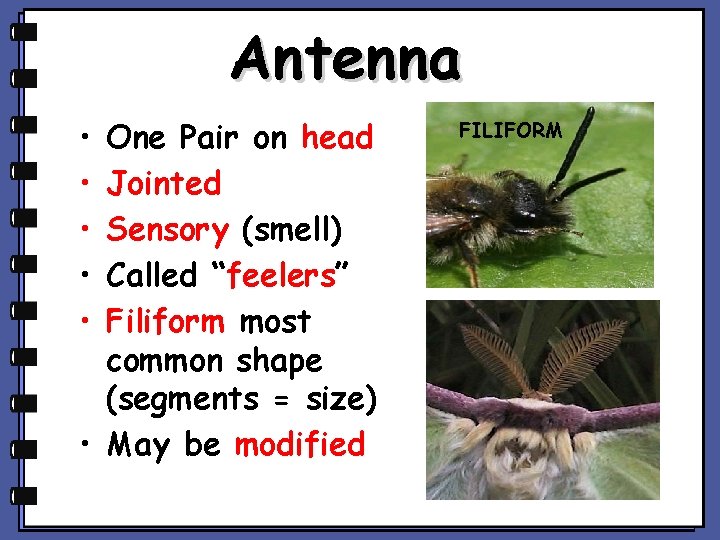
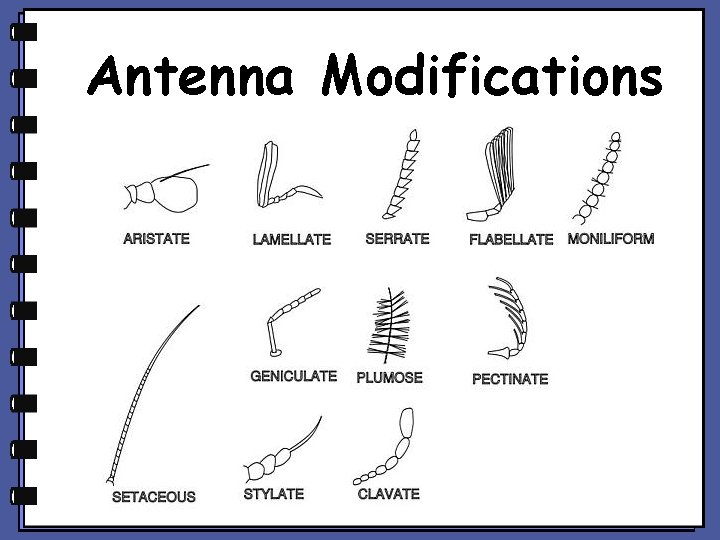
Antenna • • • One Pair on head Jointed Sensory (smell) Called “feelers” Filiform most common shape (segments = size) • May be modified FILIFORM
Antenna Modifications
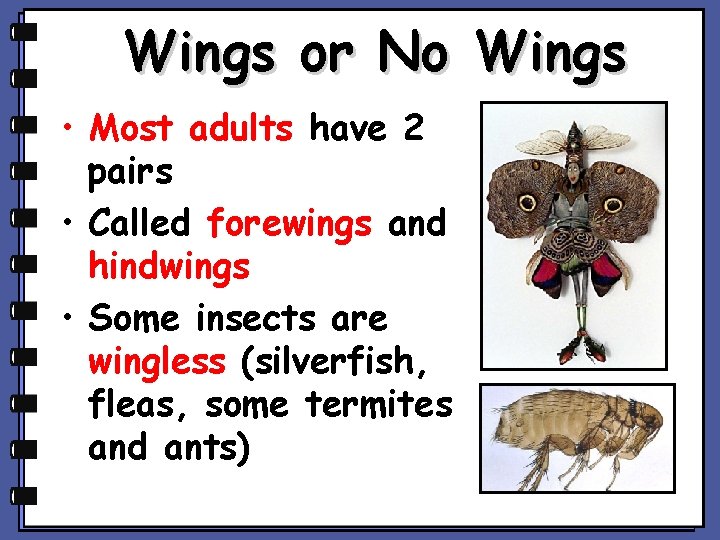
Wings or No Wings • Most adults have 2 pairs • Called forewings and hindwings • Some insects are wingless (silverfish, fleas, some termites and ants)
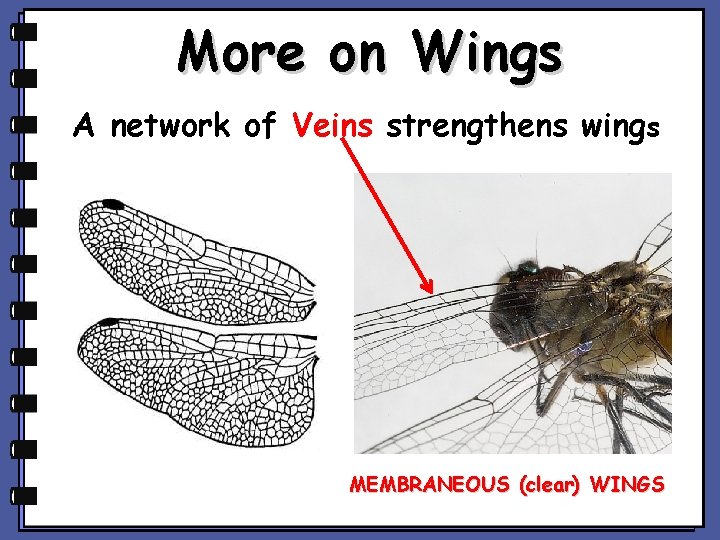
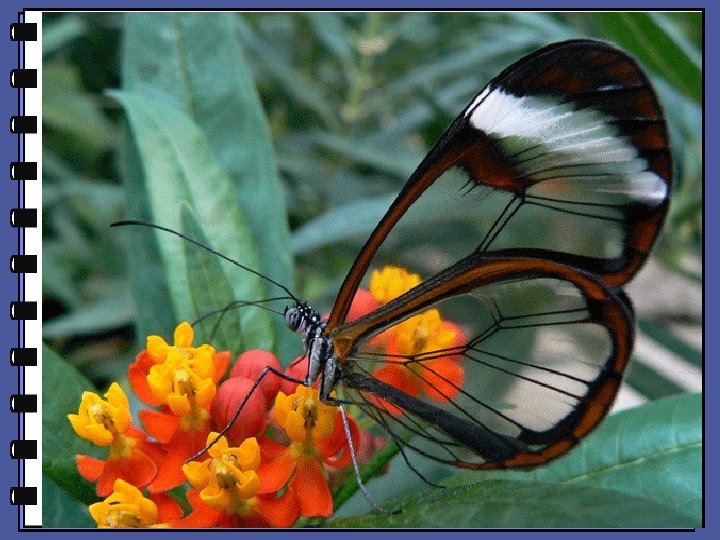
More on Wings A network of Veins strengthens wings MEMBRANEOUS (clear) WINGS
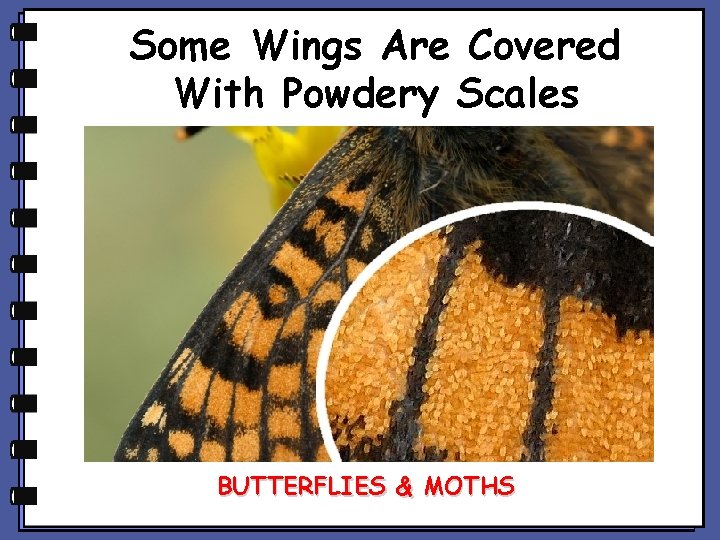
Some Wings Are Covered With Powdery Scales BUTTERFLIES & MOTHS
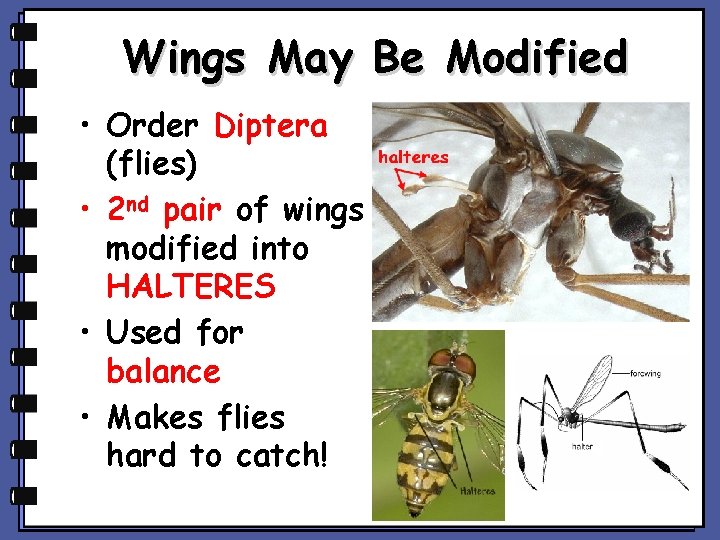
Wings May Be Modified • Order Diptera (flies) • 2 nd pair of wings modified into HALTERES • Used for balance • Makes flies hard to catch!
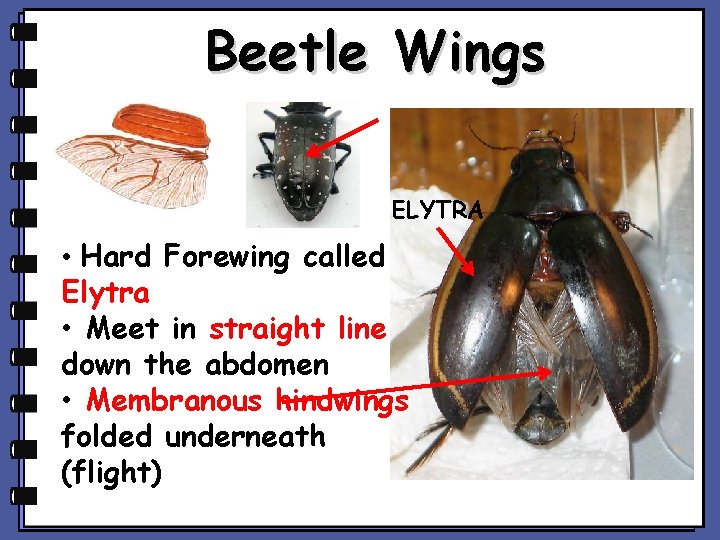
Beetle Wings ELYTRA • Hard Forewing called Elytra • Meet in straight line down the abdomen • Membranous hindwings folded underneath (flight)
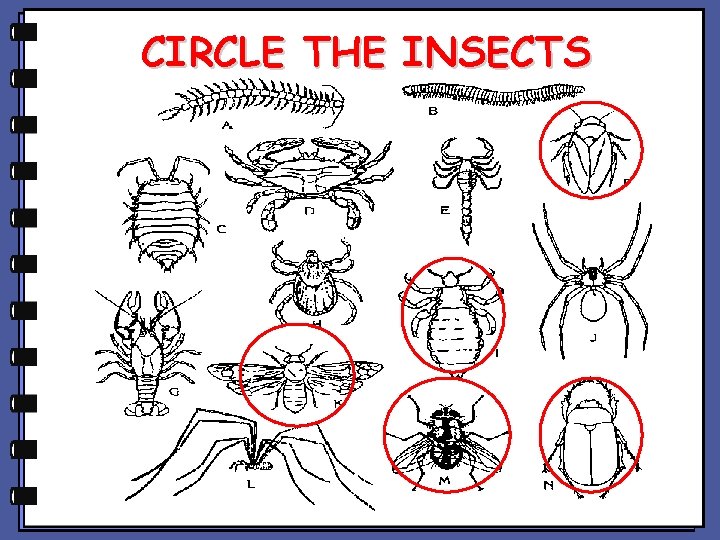
CIRCLE THE INSECTS
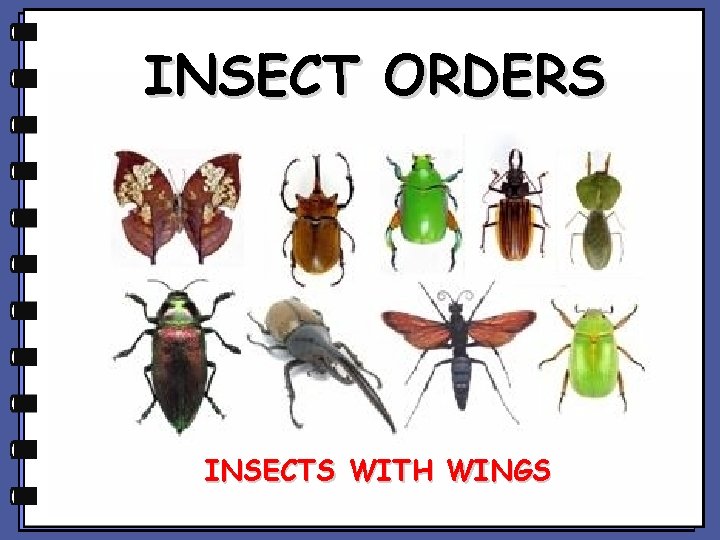
INSECT ORDERS INSECTS WITH WINGS
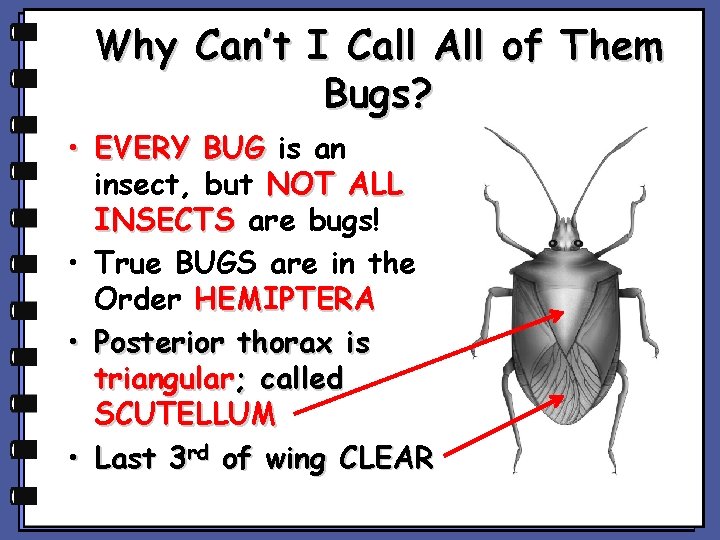
Why Can’t I Call All of Them Bugs? • EVERY BUG is an insect, but NOT ALL INSECTS are bugs! • True BUGS are in the Order HEMIPTERA • Posterior thorax is triangular; called SCUTELLUM • Last 3 rd of wing CLEAR
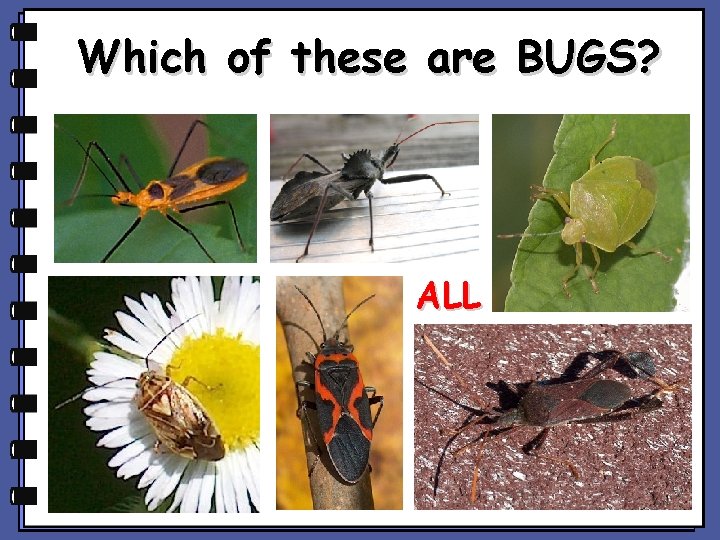
Which of these are BUGS? ALL
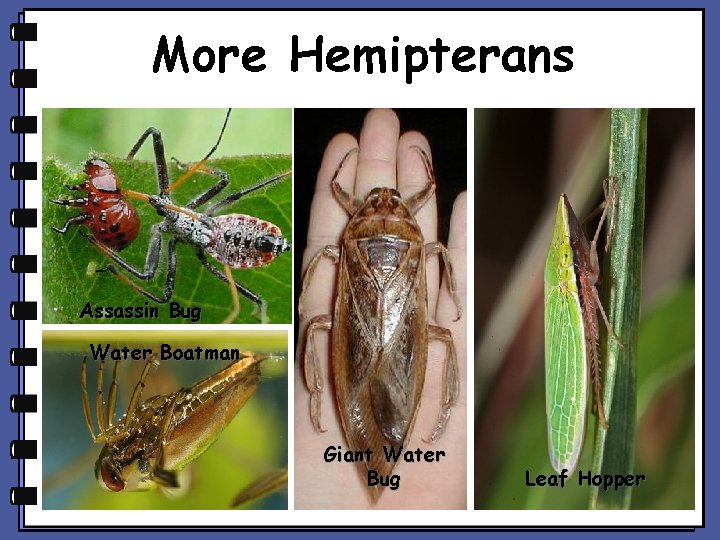
More Hemipterans Assassin Bug Water Boatman Giant Water Bug Leaf Hopper
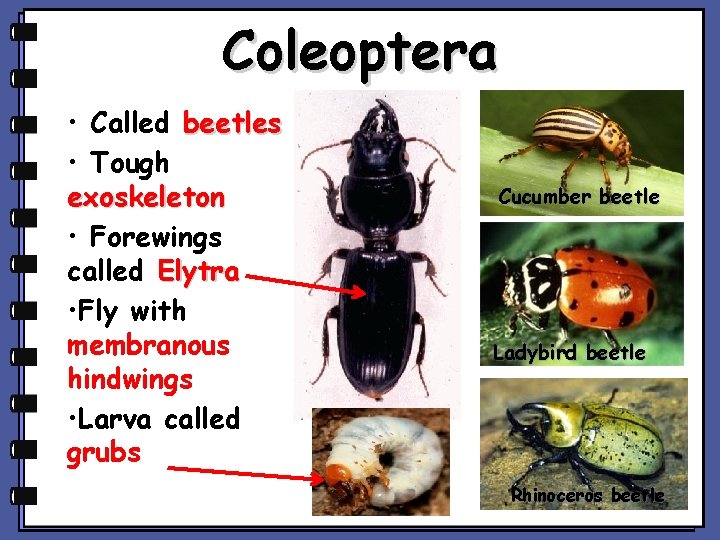
Coleoptera • Called beetles • Tough exoskeleton • Forewings called Elytra • Fly with membranous hindwings • Larva called grubs Cucumber beetle Ladybird beetle Rhinoceros beetle
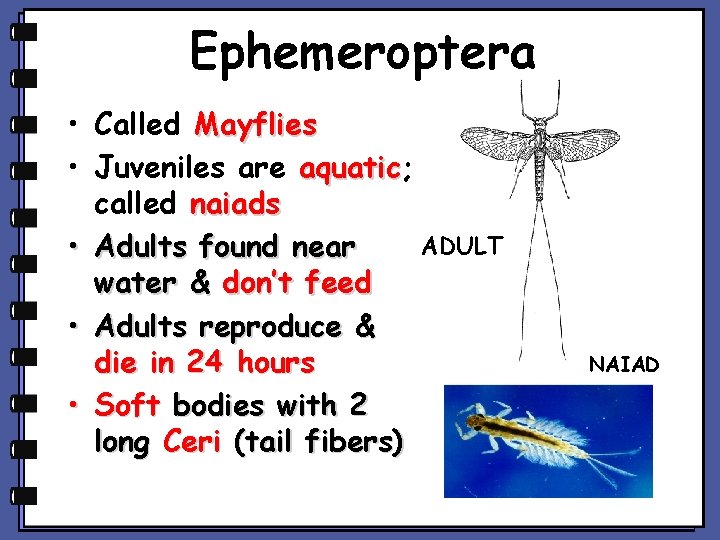
Ephemeroptera • Called Mayflies • Juveniles are aquatic; aquatic called naiads ADULT • Adults found near water & don’t feed • Adults reproduce & die in 24 hours • Soft bodies with 2 long Ceri (tail fibers) NAIAD
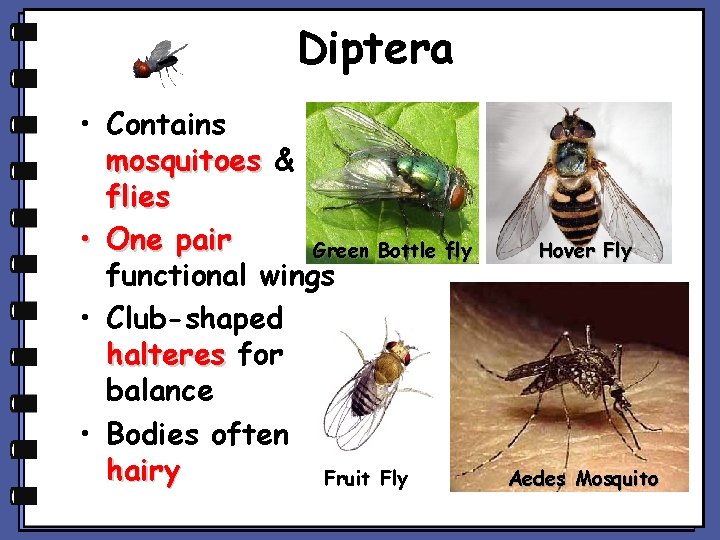
Diptera • Contains mosquitoes & flies • One pair Green Bottle fly functional wings • Club-shaped halteres for balance • Bodies often hairy Fruit Fly Hover Fly Aedes Mosquito
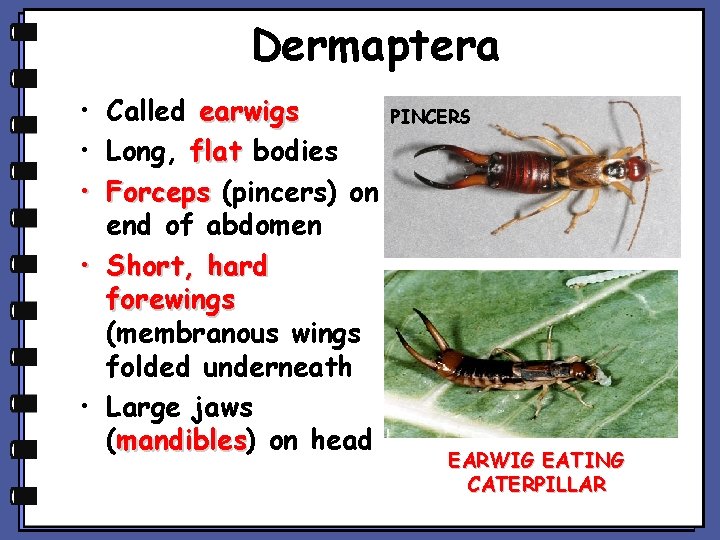
Dermaptera • Called earwigs • Long, flat bodies • Forceps (pincers) on end of abdomen • Short, hard forewings (membranous wings folded underneath • Large jaws (mandibles) mandibles on head PINCERS EARWIG EATING CATERPILLAR
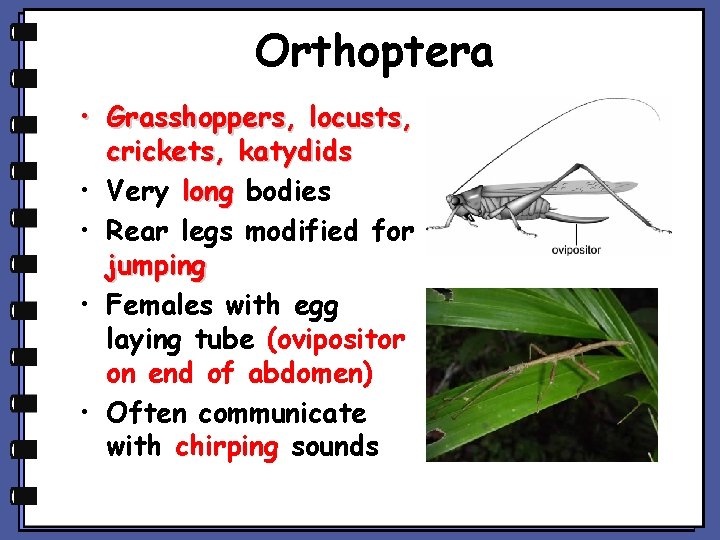
Orthoptera • Grasshoppers, locusts, crickets, katydids • Very long bodies • Rear legs modified for jumping • Females with egg laying tube (ovipositor on end of abdomen) • Often communicate with chirping sounds
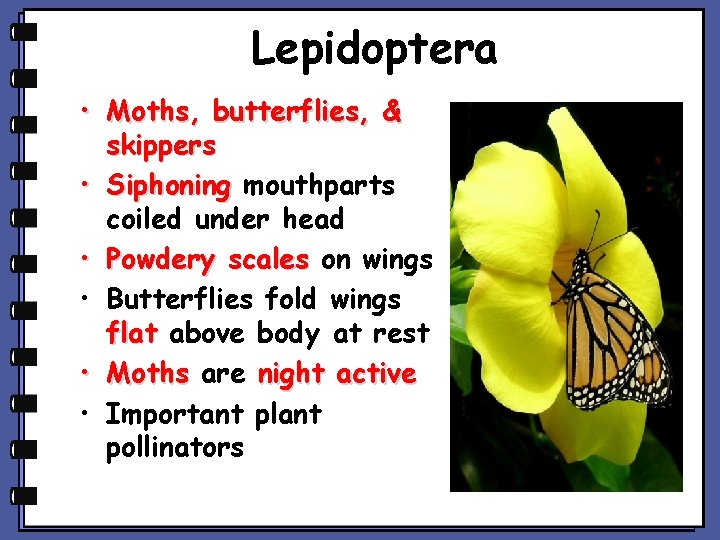
Lepidoptera • Moths, butterflies, & skippers • Siphoning mouthparts coiled under head • Powdery scales on wings • Butterflies fold wings flat above body at rest • Moths are night active • Important plant pollinators
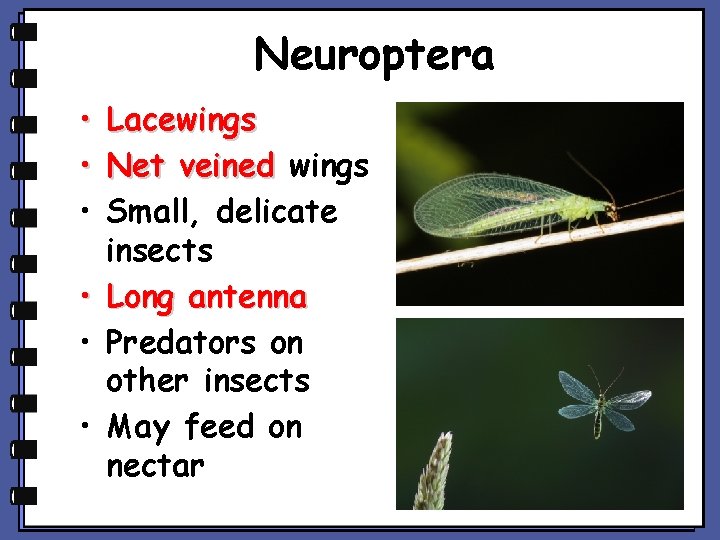
Neuroptera • Lacewings • Net veined wings • Small, delicate insects • Long antenna • Predators on other insects • May feed on nectar
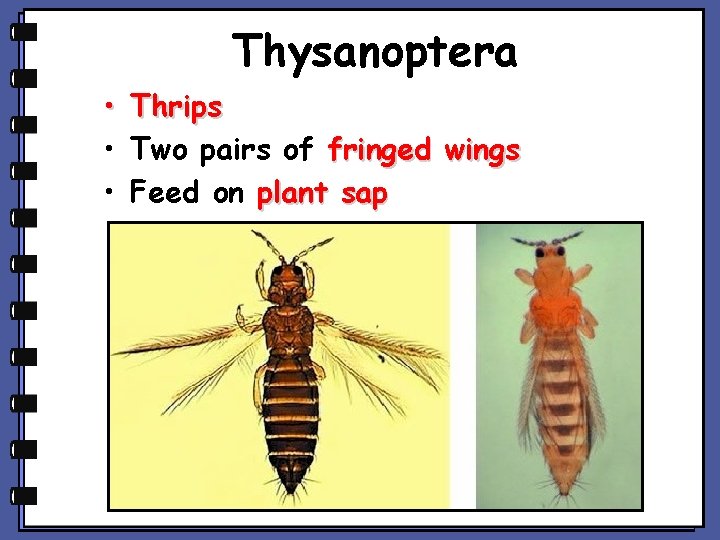
Thysanoptera • Thrips • Two pairs of fringed wings • Feed on plant sap
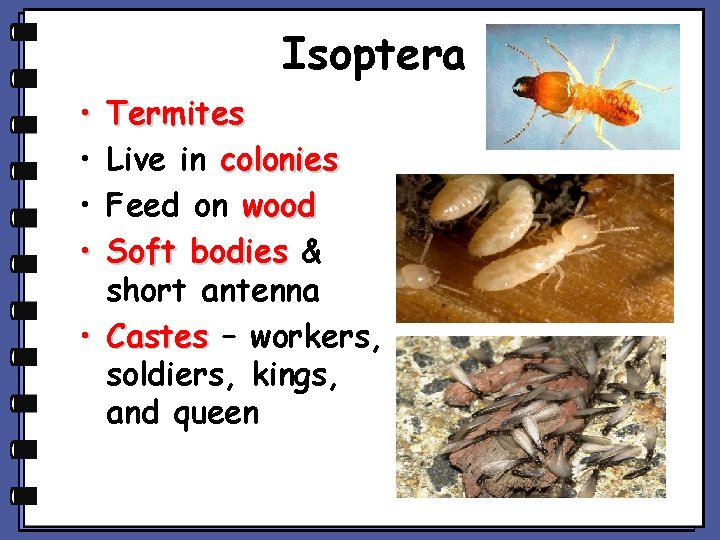
Isoptera • • Termites Live in colonies Feed on wood Soft bodies & short antenna • Castes – workers, soldiers, kings, and queen
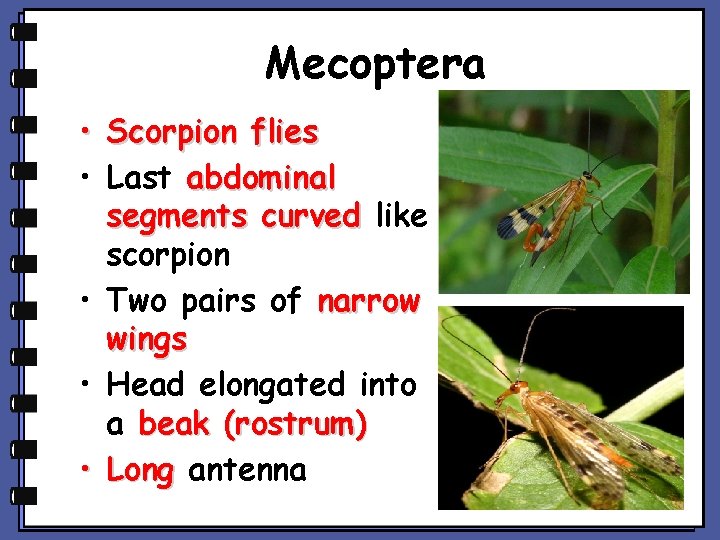
Mecoptera • Scorpion flies • Last abdominal segments curved like scorpion • Two pairs of narrow wings • Head elongated into a beak (rostrum) • Long antenna
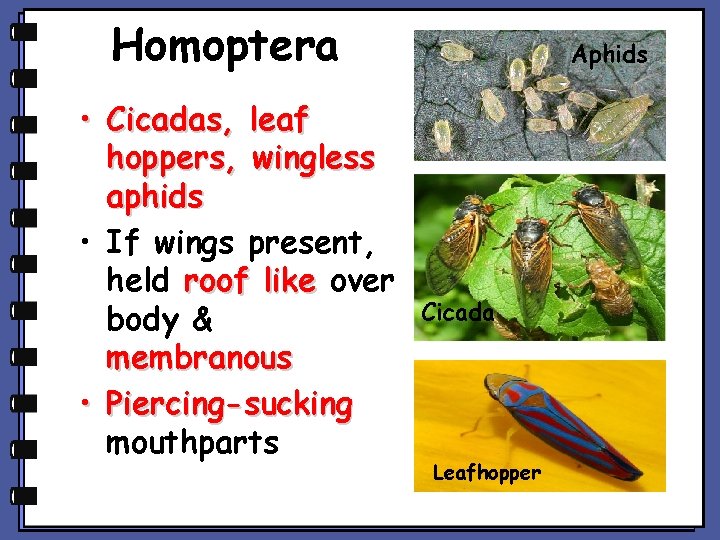
Homoptera • Cicadas, leaf hoppers, wingless aphids • If wings present, held roof like over body & membranous • Piercing-sucking mouthparts Aphids Cicada Leafhopper
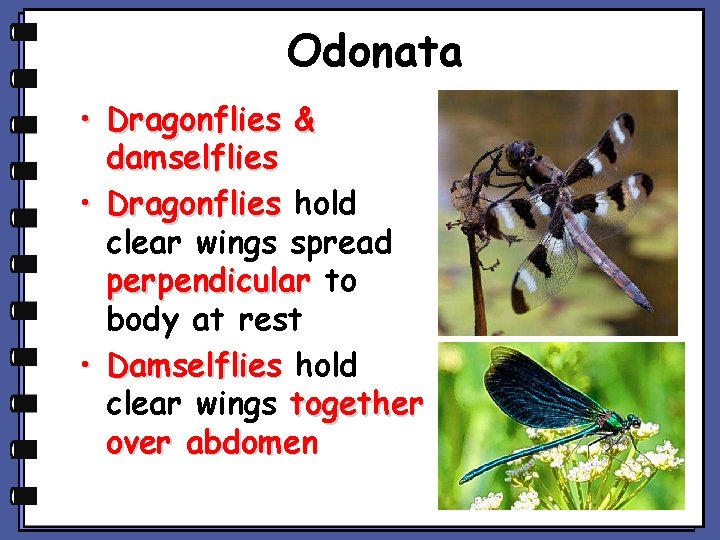
Odonata • Dragonflies & damselflies • Dragonflies hold clear wings spread perpendicular to body at rest • Damselflies hold clear wings together over abdomen
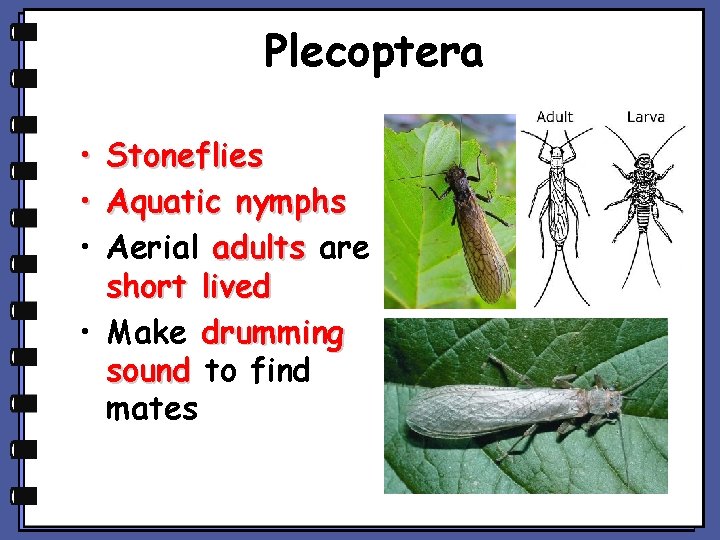
Plecoptera • Stoneflies • Aquatic nymphs • Aerial adults are short lived • Make drumming sound to find mates
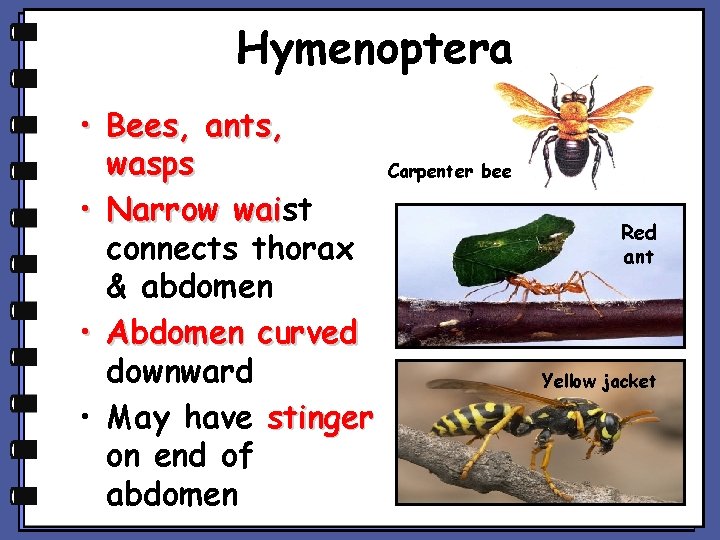
Hymenoptera • Bees, ants, wasps • Narrow waist wai connects thorax & abdomen • Abdomen curved downward • May have stinger on end of abdomen Carpenter bee Red ant Yellow jacket
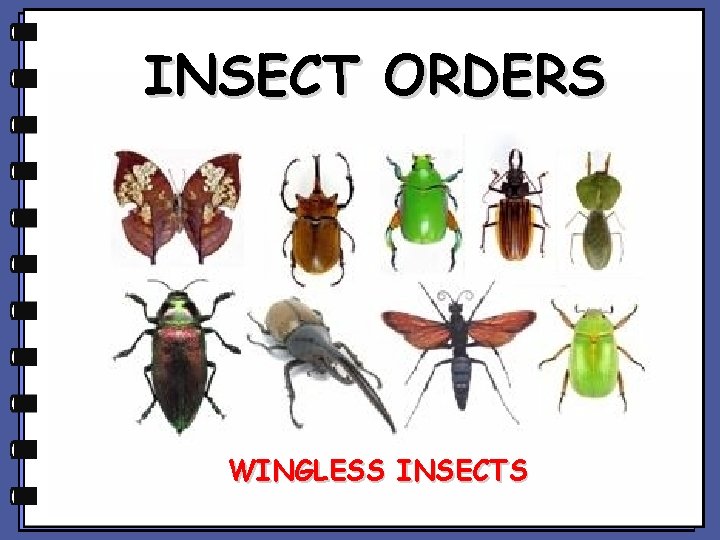
INSECT ORDERS WINGLESS INSECTS
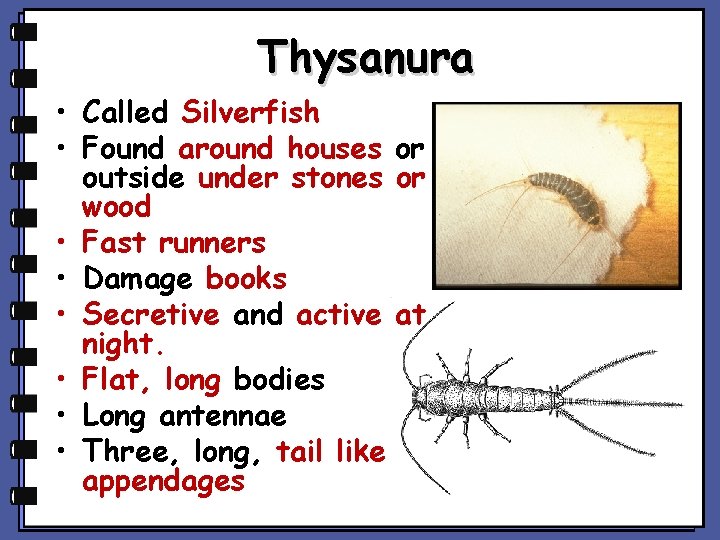
Thysanura • Called Silverfish • Found around houses or outside under stones or wood • Fast runners • Damage books • Secretive and active at night. • Flat, long bodies • Long antennae • Three, long, tail like appendages
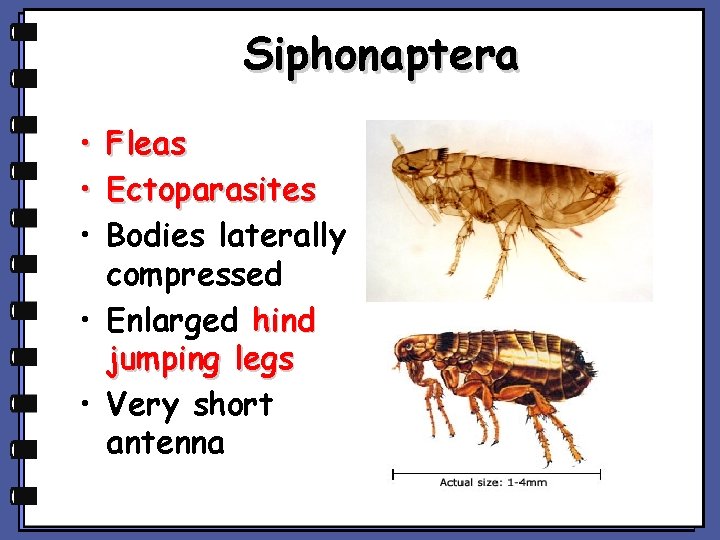
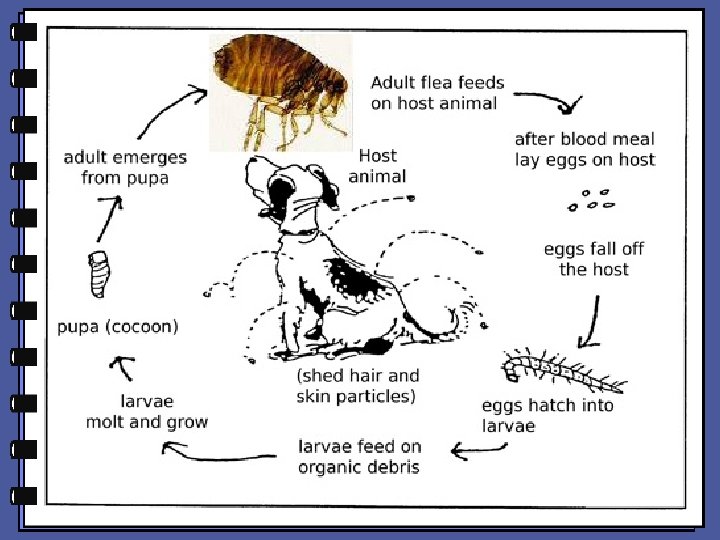
Siphonaptera • Fleas • Ectoparasites • Bodies laterally compressed • Enlarged hind jumping legs • Very short antenna
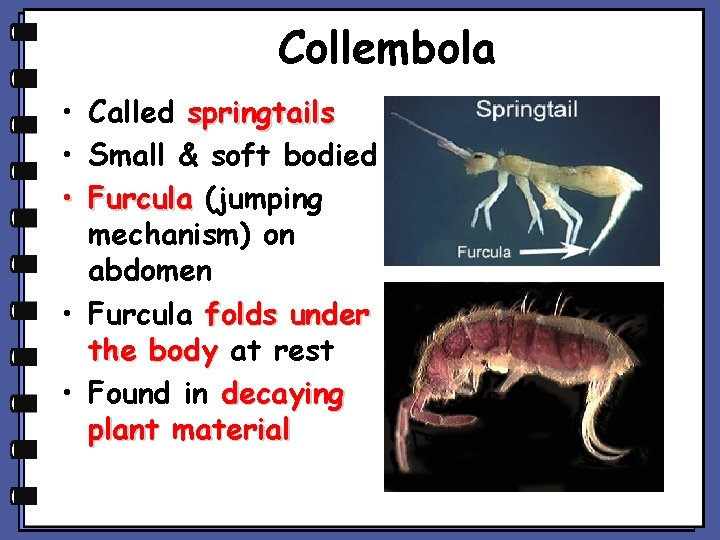
Collembola • Called springtails • Small & soft bodied • Furcula (jumping mechanism) on abdomen • Furcula folds under the body at rest • Found in decaying plant material
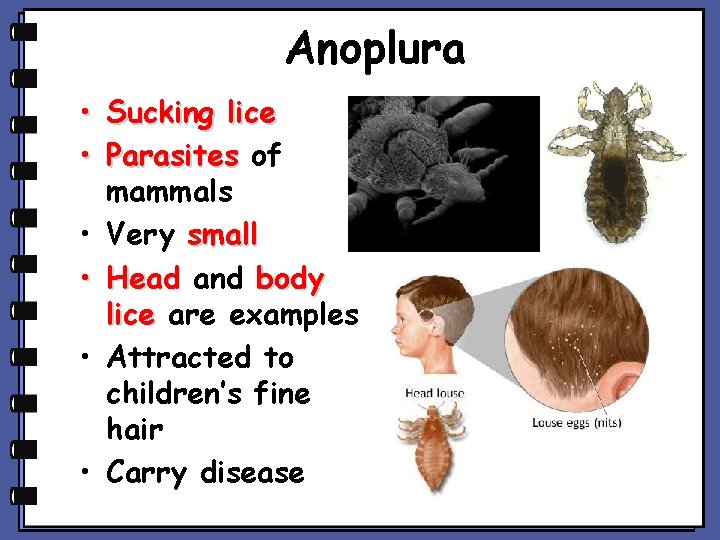
Anoplura • Sucking lice • Parasites of mammals • Very small • Head and body lice are examples • Attracted to children’s fine hair • Carry disease
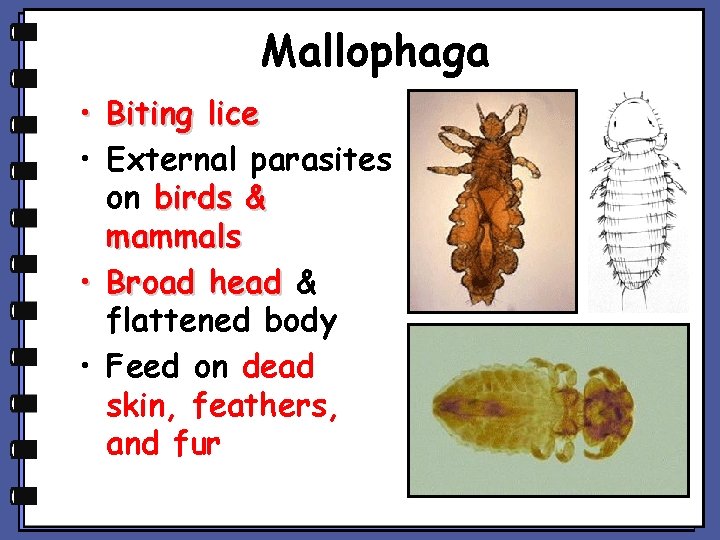
Mallophaga • Biting lice • External parasites on birds & mammals • Broad head & flattened body • Feed on dead skin, feathers, and fur
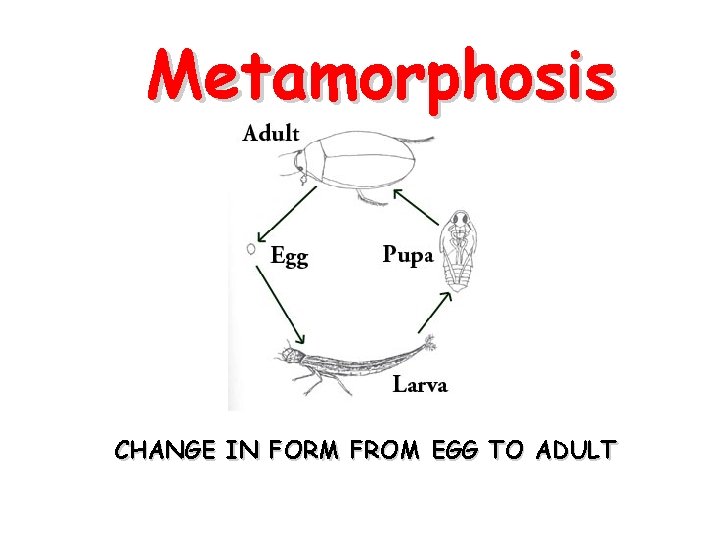
Metamorphosis CHANGE IN FORM FROM EGG TO ADULT
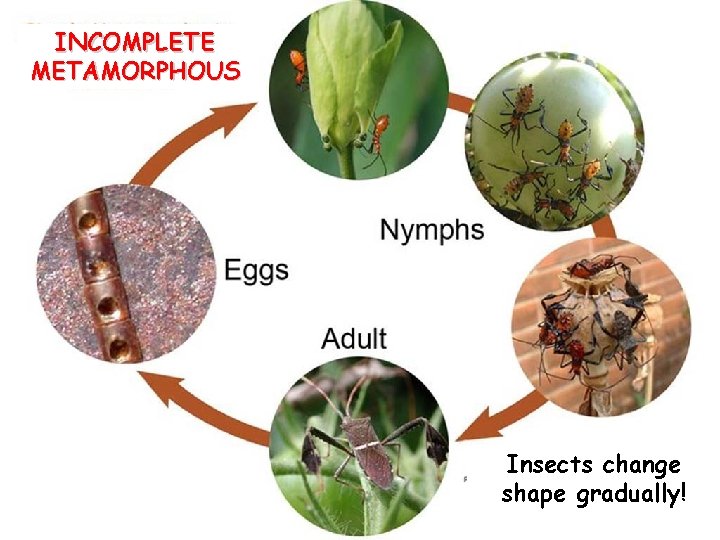
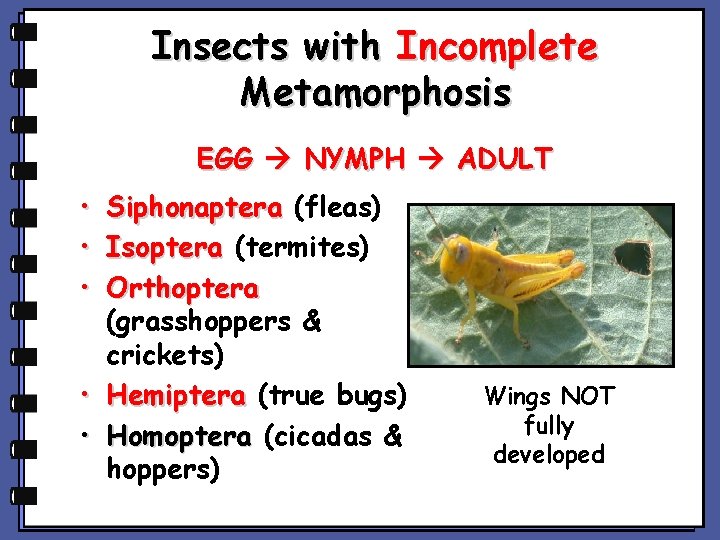
INCOMPLETE METAMORPHOUS Incomplete Insects change shape gradually!
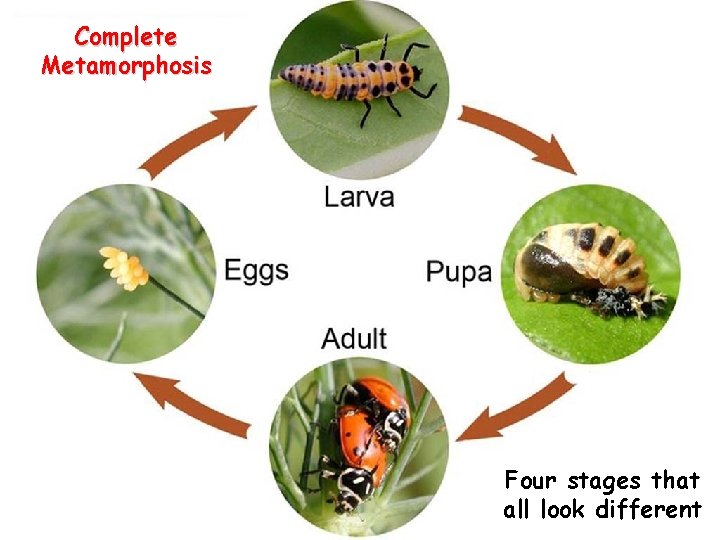
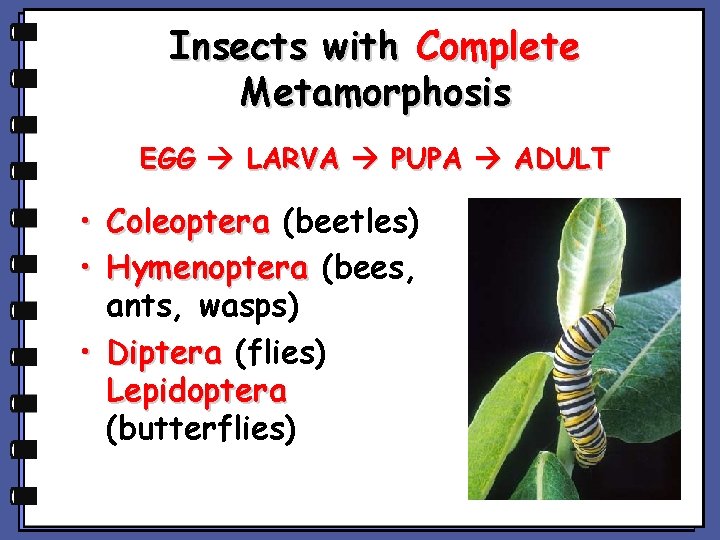
Complete Metamorphosis Four stages that all look different
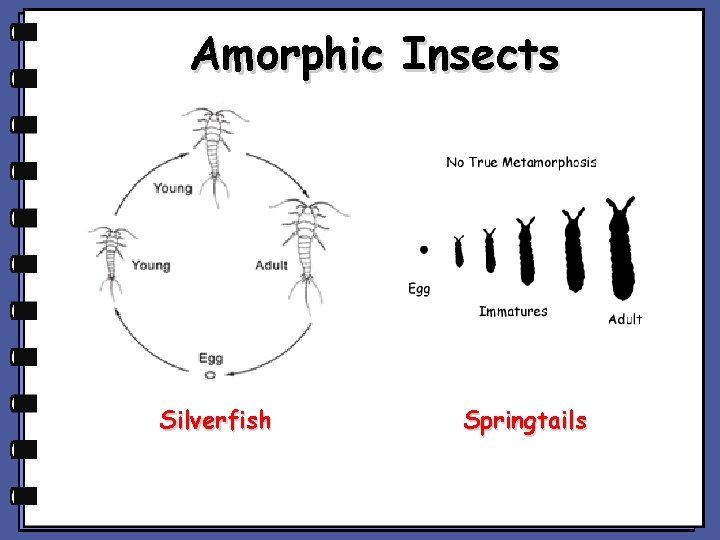
Amorphic Insects Silverfish Springtails
Insects with Complete Metamorphosis EGG LARVA PUPA ADULT • Coleoptera (beetles) • Hymenoptera (bees, ants, wasps) • Diptera (flies) Lepidoptera (butterflies)
Insects with Incomplete Metamorphosis EGG NYMPH ADULT • Siphonaptera (fleas) • Isoptera (termites) • Orthoptera (grasshoppers & crickets) • Hemiptera (true bugs) • Homoptera (cicadas & hoppers) Wings NOT fully developed