
World Civilization I Part 3 The Bronze Age
World Civilization I Part 3: The Bronze Age 3. 3: Bronze Age Religion
Ubiquity of religion Polytheism Mythology: the pantheon Religious practice • Private religion • Public religion • Sacrifice, divination • The Enuma elish and the Epic of Gilgamesh • •
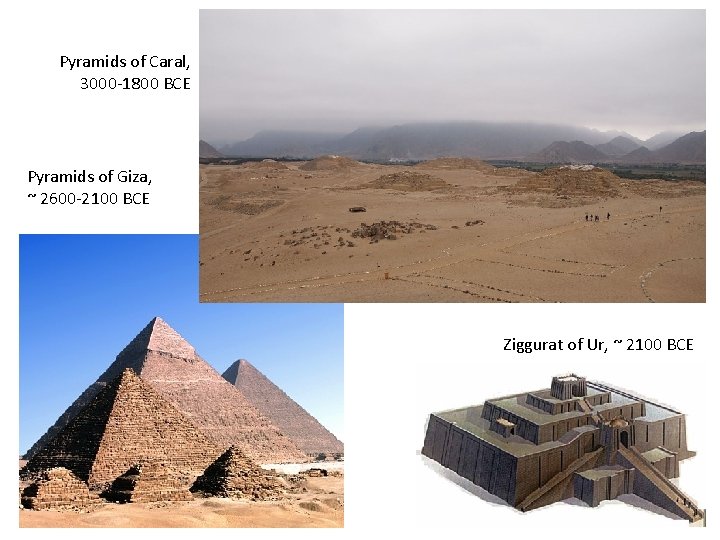
Pyramids of Caral, 3000 -1800 BCE Pyramids of Giza, ~ 2600 -2100 BCE Ziggurat of Ur, ~ 2100 BCE
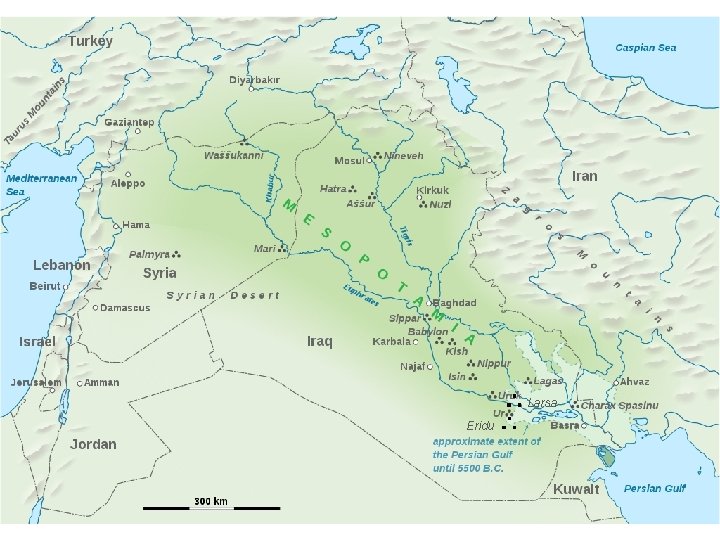
Eridu ∴ Larsa ∴
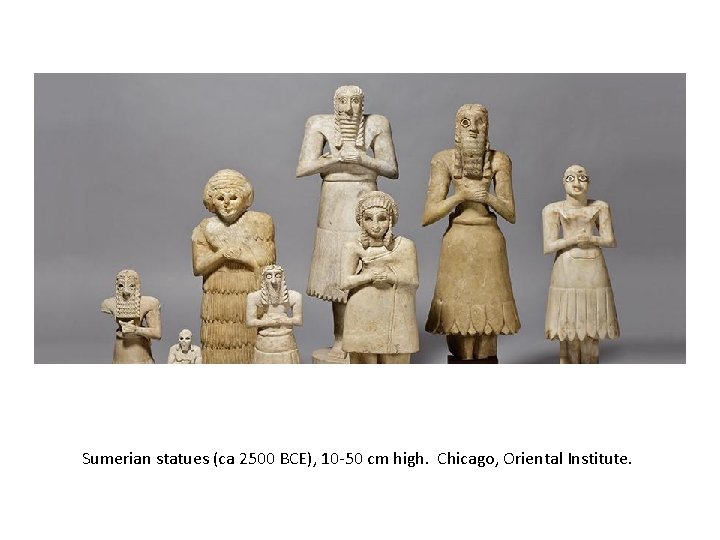
Sumerian statues (ca 2500 BCE), 10 -50 cm high. Chicago, Oriental Institute.
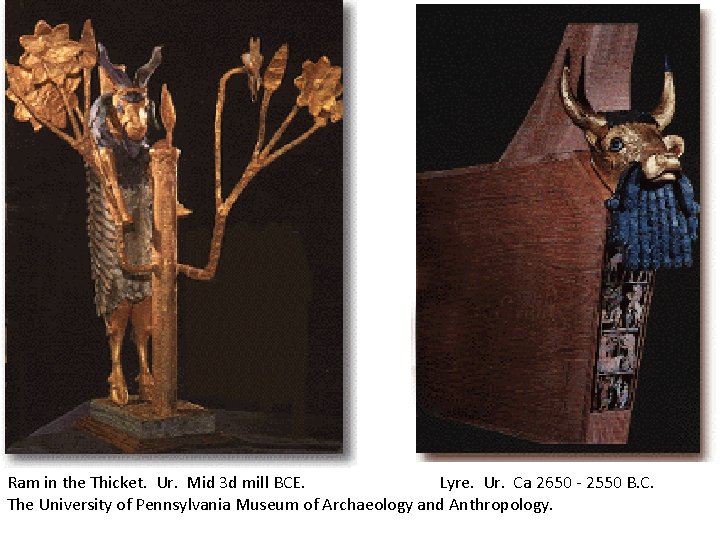
Ram in the Thicket. Ur. Mid 3 d mill BCE. Lyre. Ur. Ca 2650 - 2550 B. C. The University of Pennsylvania Museum of Archaeology and Anthropology.
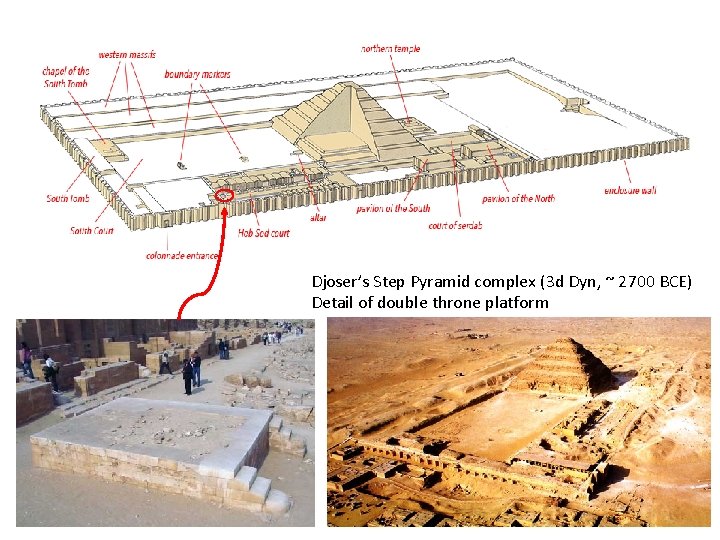
Djoser’s Step Pyramid complex (3 d Dyn, ~ 2700 BCE) Detail of double throne platform
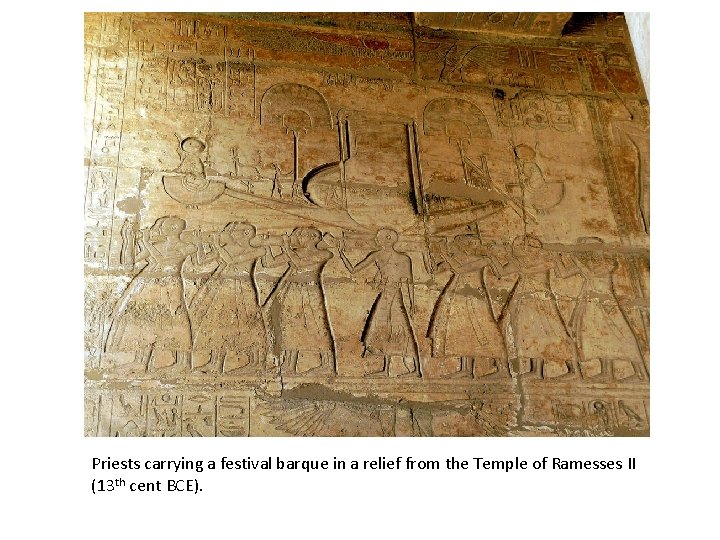
Priests carrying a festival barque in a relief from the Temple of Ramesses II (13 th cent BCE).
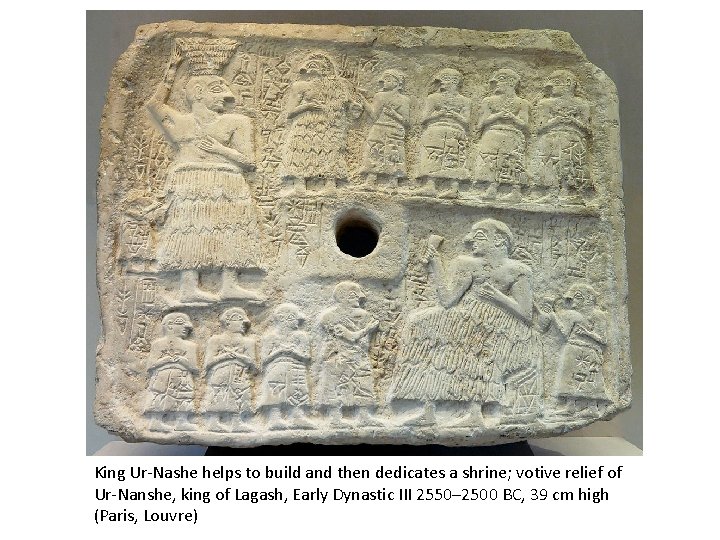
King Ur-Nashe helps to build and then dedicates a shrine; votive relief of Ur-Nanshe, king of Lagash, Early Dynastic III 2550– 2500 BC, 39 cm high (Paris, Louvre)
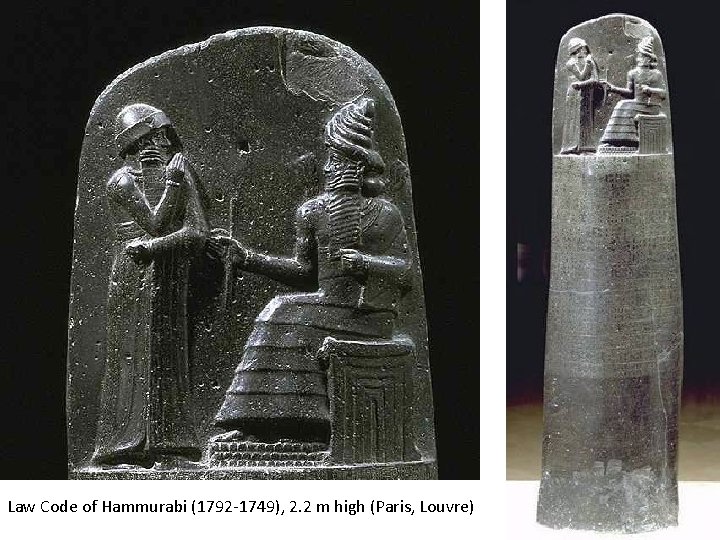
Law Code of Hammurabi (1792 -1749), 2. 2 m high (Paris, Louvre)
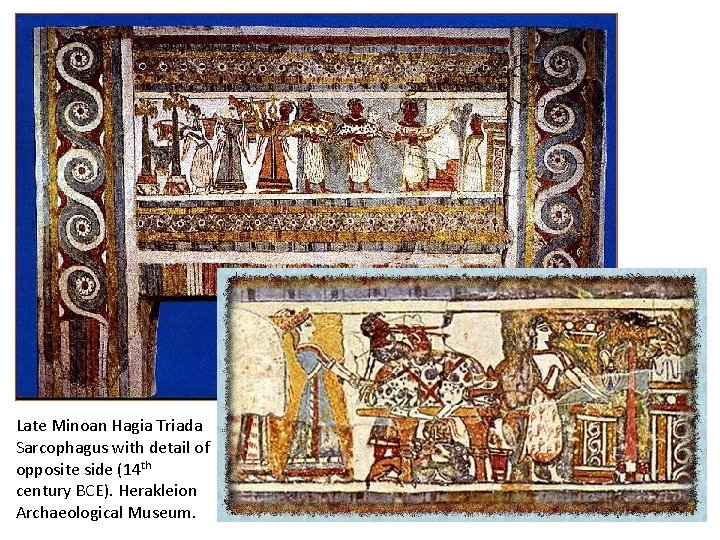
Late Minoan Hagia Triada Sarcophagus with detail of opposite side (14 th century BCE). Herakleion Archaeological Museum.
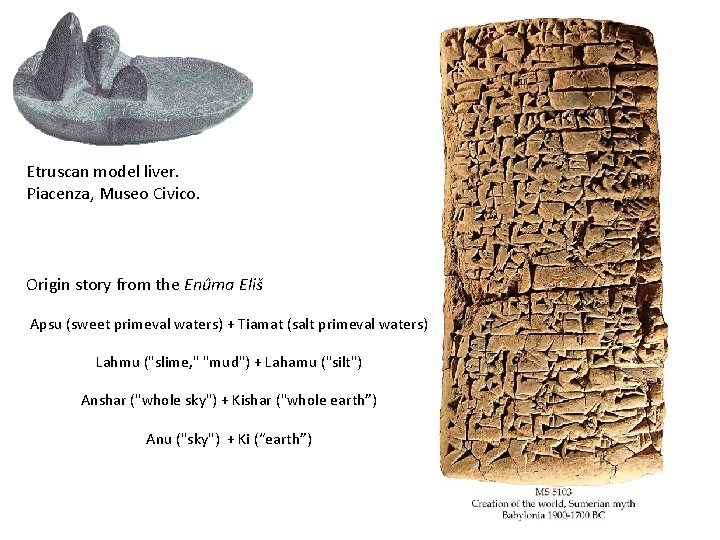
Etruscan model liver. Piacenza, Museo Civico. Origin story from the Enûma Eliš Apsu (sweet primeval waters) + Tiamat (salt primeval waters) Lahmu ("slime, " "mud") + Lahamu ("silt") Anshar ("whole sky") + Kishar ("whole earth”) Anu ("sky") + Ki (“earth”)
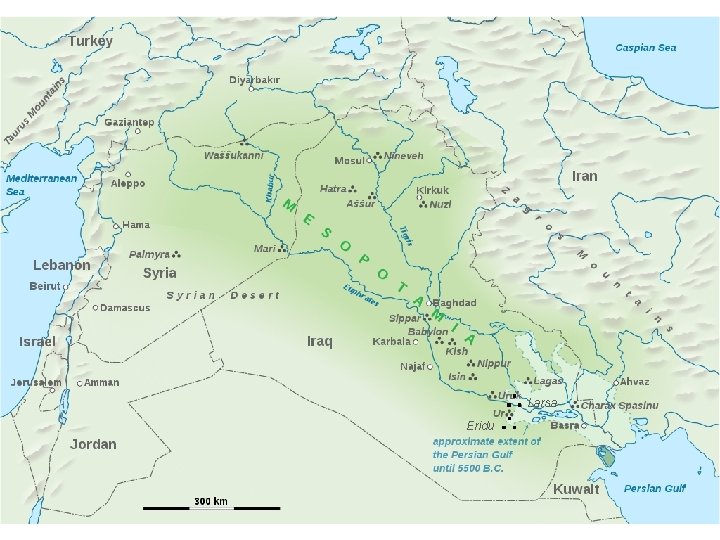
Eridu ∴ Larsa ∴
- Slides: 13