
Workshop on Management of Intellectual Property by Photographers
Workshop on Management of Intellectual Property by Photographers Beijing, China, December 8 and 9, 2005
Taking Photos of Copyright Material, Trademarks and People Lien Verbauwhede Consultant, SMEs Division World Intellectual Property Organization (WIPO)
This Presentation • Outline • Taking photos of copyright material • Taking photos of trademarks • Taking photos of people
PART 1 INTRODUCTION
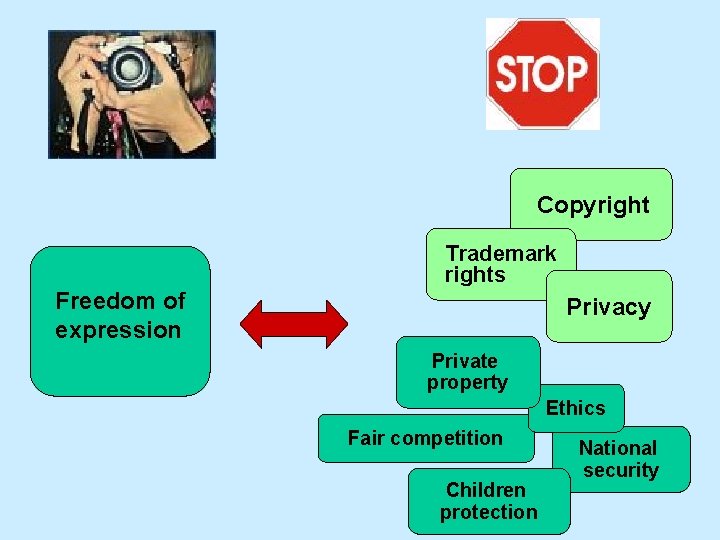
Copyright Trademark rights Freedom of expression Privacy Private property Ethics Fair competition Children protection National security
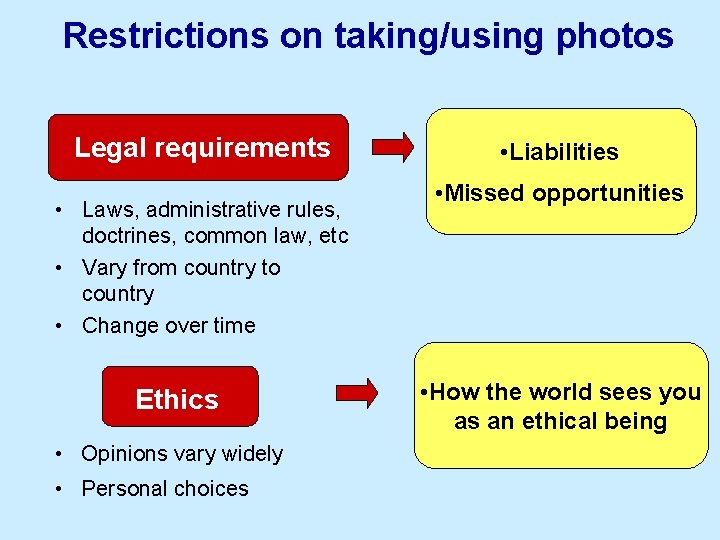
Restrictions on taking/using photos Legal requirements • Laws, administrative rules, doctrines, common law, etc • Vary from country to country • Change over time Ethics • Opinions vary widely • Personal choices • Liabilities • Missed opportunities • How the world sees you as an ethical being
PART 2 TAKING PHOTOS OF COPYRIGHT MATERIAL
• Owner of copyright work : exclusive right to reproduce work • Photographing = reproducing • When do you need permission?
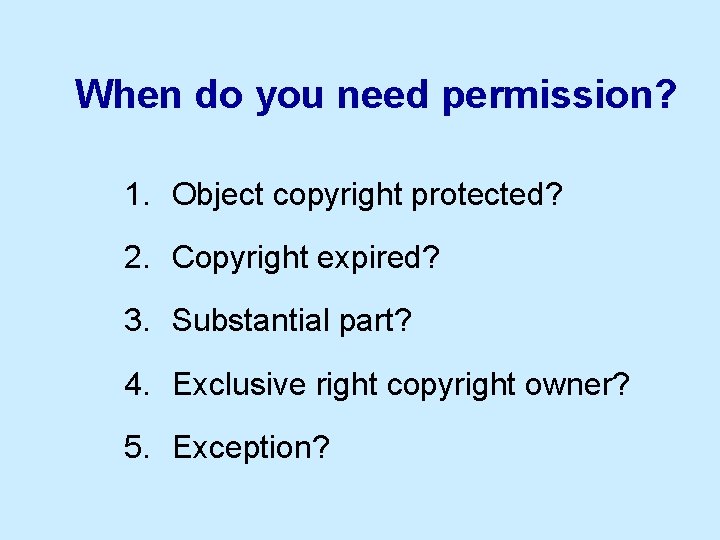
When do you need permission? 1. Object copyright protected? 2. Copyright expired? 3. Substantial part? 4. Exclusive right copyright owner? 5. Exception?
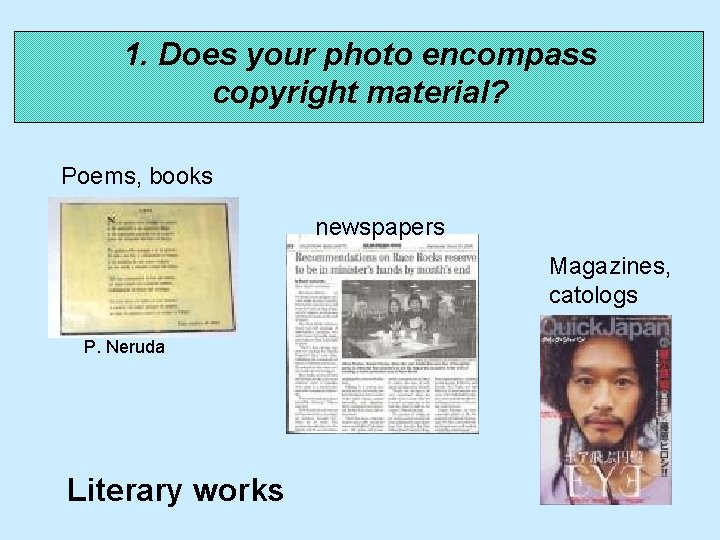
1. Does your photo encompass copyright material? Poems, books newspapers Magazines, catologs P. Neruda Literary works
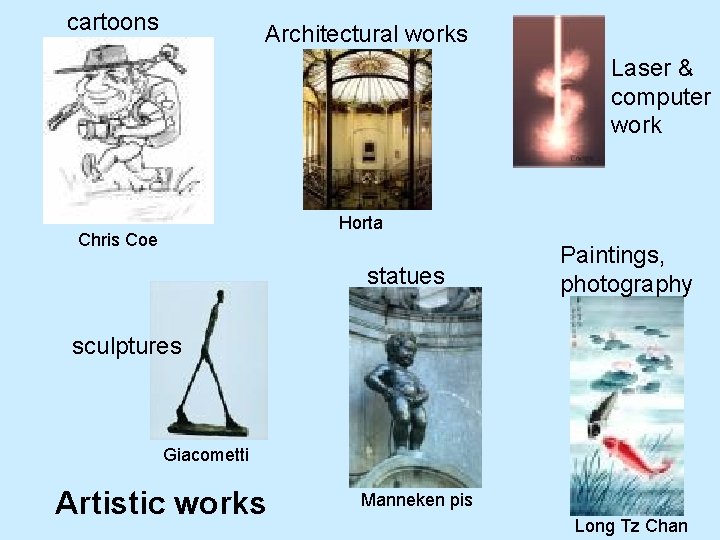
cartoons Architectural works Laser & computer work Horta Chris Coe statues Paintings, photography sculptures Giacometti Artistic works Manneken pis Long Tz Chan
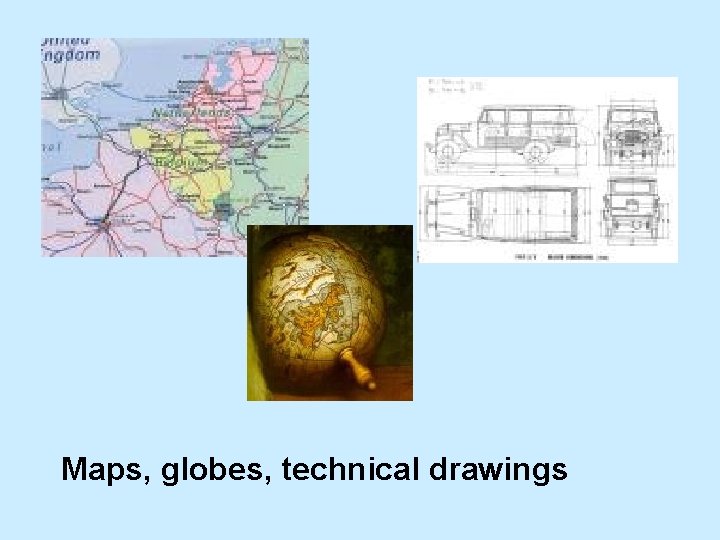
Maps, globes, technical drawings
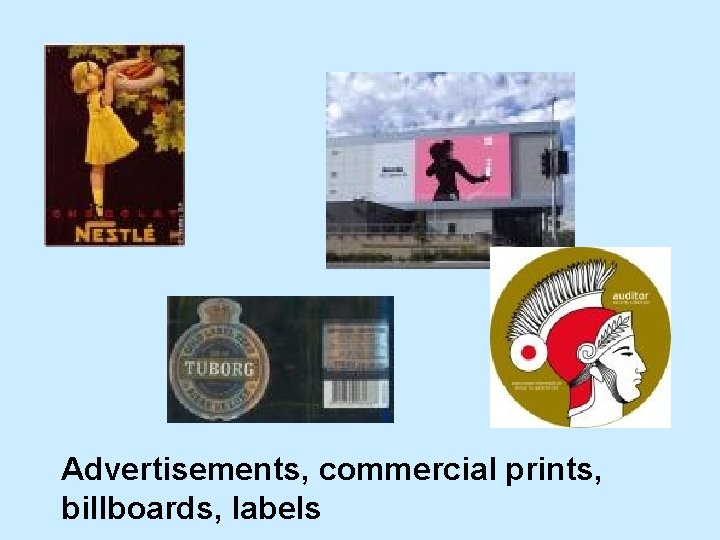
Advertisements, commercial prints, billboards, labels
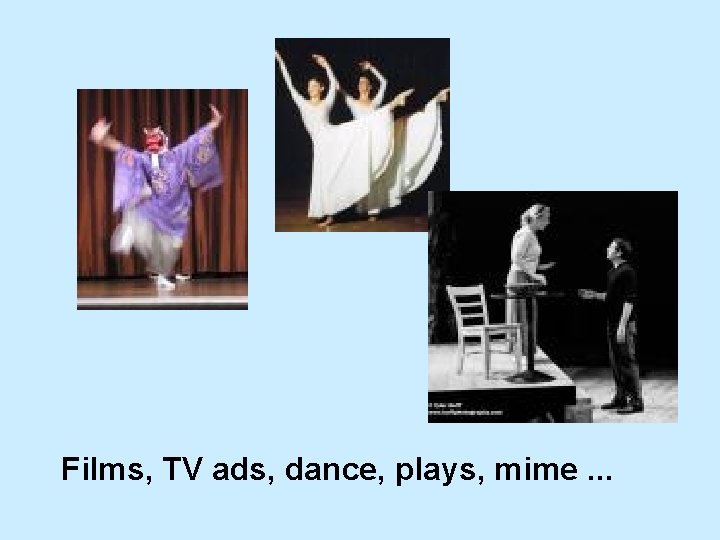
Films, TV ads, dance, plays, mime. . .
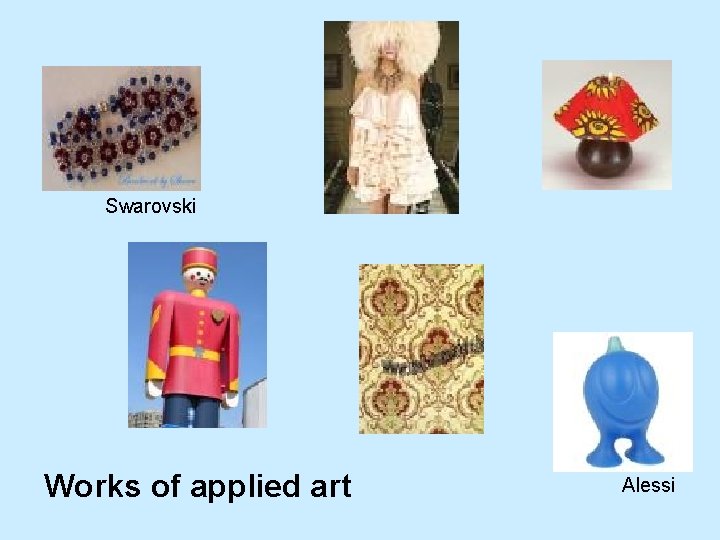
Swarovski Works of applied art Alessi
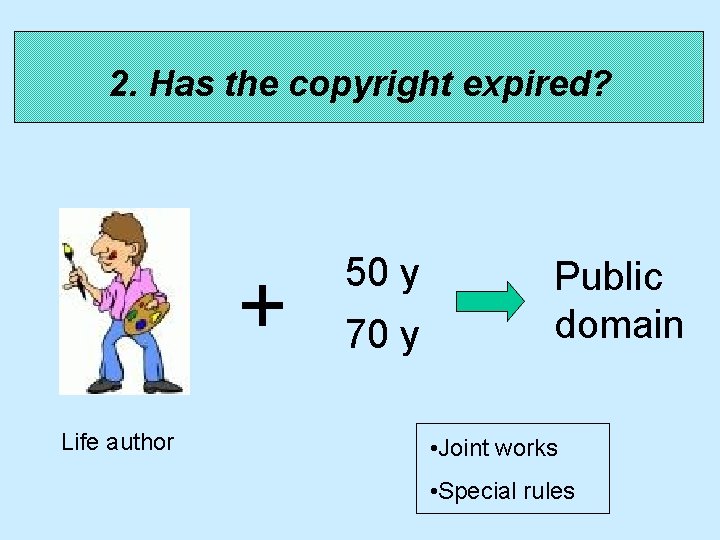
2. Has the copyright expired? + Life author 50 y 70 y Public domain • Joint works • Special rules
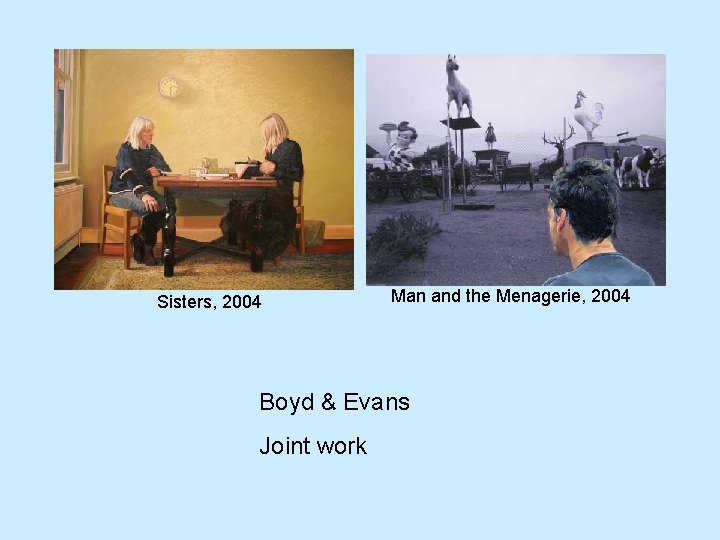
Sisters, 2004 Man and the Menagerie, 2004 Boyd & Evans Joint work
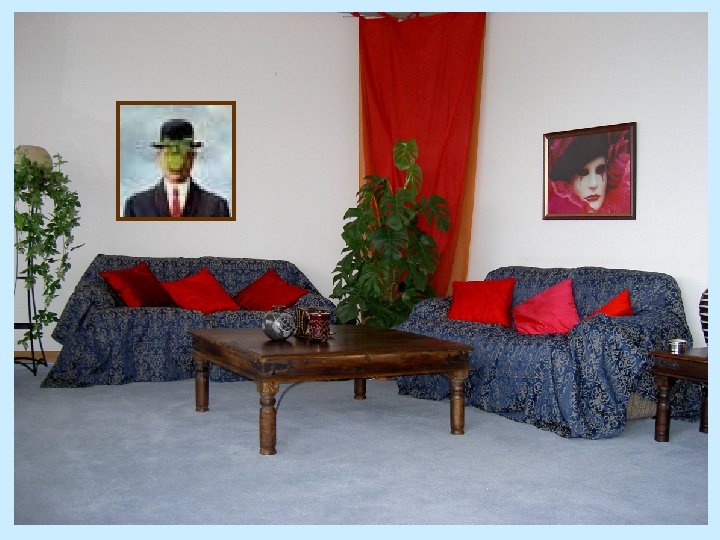
3. Do you use a ‘substantial part’? • Permission required if you use ‘subtantial part’ • Substantial part = important, essential, distinct part of the work • How much + quality of what is used • Depends on the circumstances !
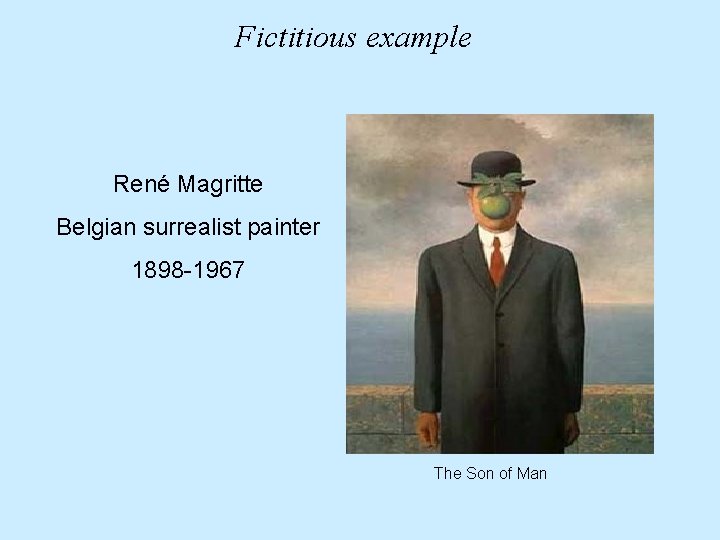
Fictitious example René Magritte Belgian surrealist painter 1898 -1967 The Son of Man
4. Do you do an act which the copyright owner has the exclusive right? • • • Taking photo = reproducing Making print, photocopying, scanning Making collage from several works Adding artistic elements to a work Displaying to public (exhibiting photo, selling postcards, posting on website, etc)
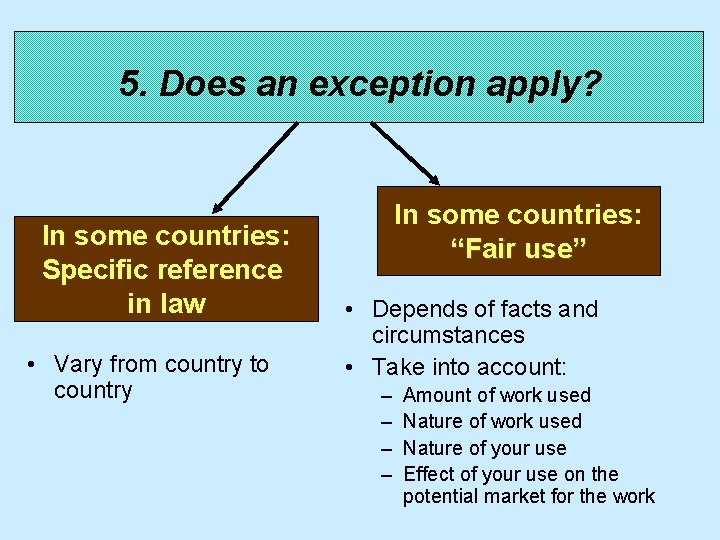
5. Does an exception apply? In some countries: Specific reference in law • Vary from country to country In some countries: “Fair use” • Depends of facts and circumstances • Take into account: – – Amount of work used Nature of your use Effect of your use on the potential market for the work
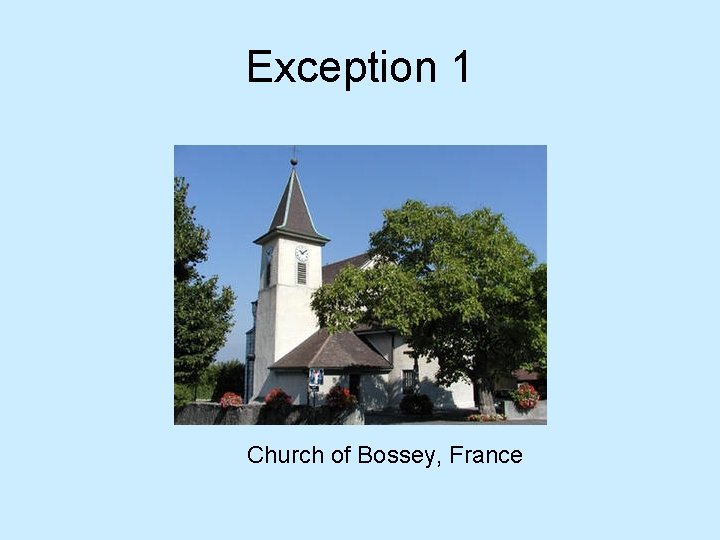
Exception 1 Church of Bossey, France
Taking photos of buildings • In most countries: Buildings may be freely reproduced in pictorial form and then made available to the public • Houses, office buildings, churches, garden pavilions • Not: monuments • But: Separable artistic elements associated with buildings may be protected
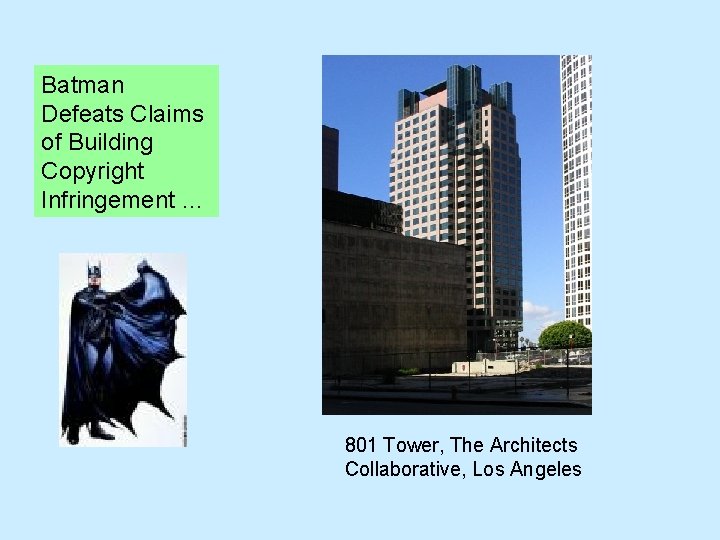
Batman Defeats Claims of Building Copyright Infringement … 801 Tower, The Architects Collaborative, Los Angeles
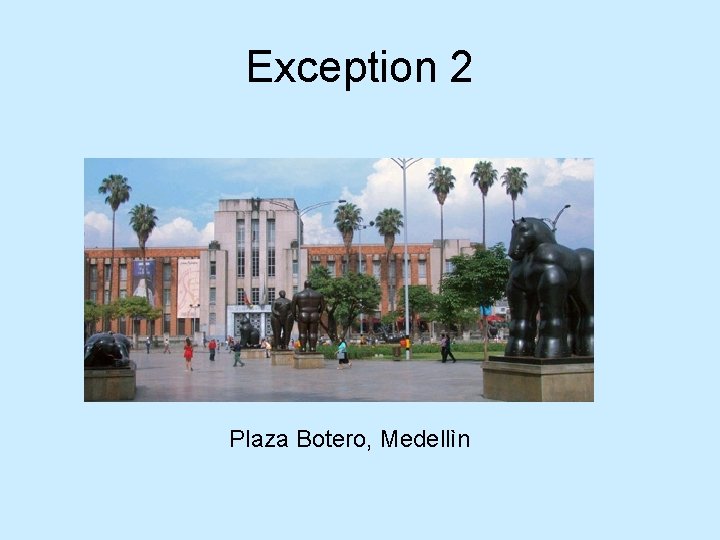
Exception 2 Plaza Botero, Medellìn
Taking photos of copyright works in public places • In most countries: no permission needed to photograph artistic works located in public places • BUT: – Exception only to certain types of works – Only if displayed in public – Only if permanently displayed in public
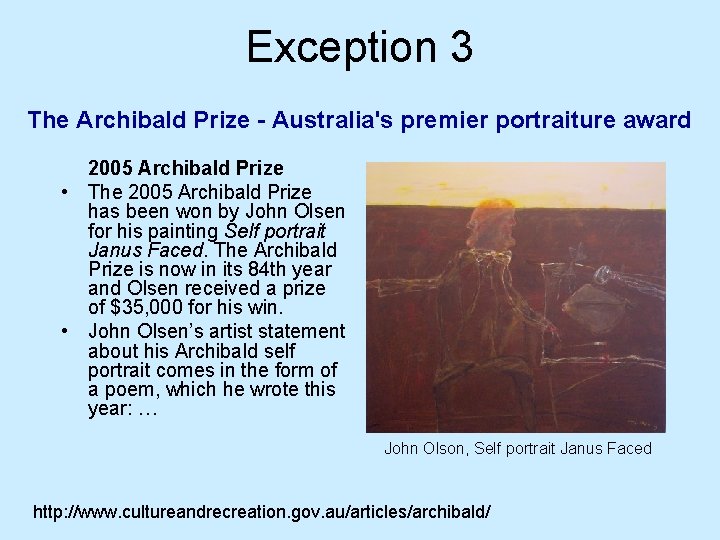
Exception 3 The Archibald Prize - Australia's premier portraiture award 2005 Archibald Prize • The 2005 Archibald Prize has been won by John Olsen for his painting Self portrait Janus Faced. The Archibald Prize is now in its 84 th year and Olsen received a prize of $35, 000 for his win. • John Olsen’s artist statement about his Archibald self portrait comes in the form of a poem, which he wrote this year: … John Olson, Self portrait Janus Faced http: //www. cultureandrecreation. gov. au/articles/archibald/
Taking photos to accompany news reports, reviews, critiques • Use in news report on TV, media articles, etc. • Use for book which reviews the works • Obligation to identify name of author + title of work
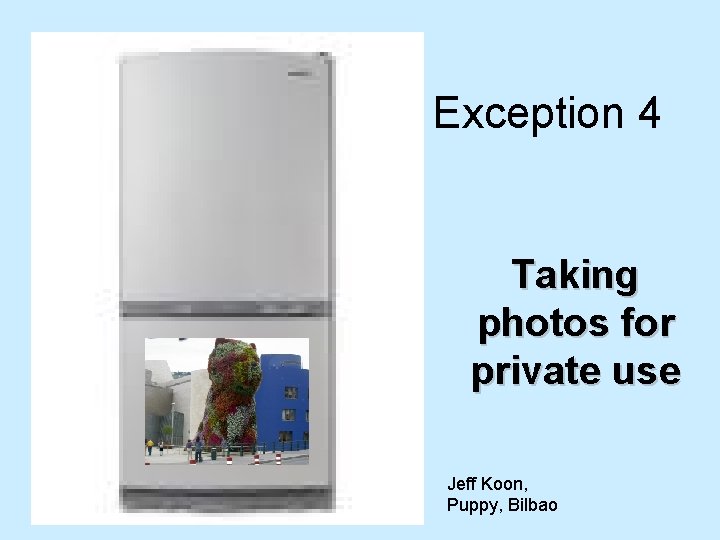
Exception 4 Taking photos for private use Jeff Koon, Puppy, Bilbao
Taking photos for private use • In most countries: private use of images is legal and doesn’t require permission, regardless of what copyright it is • Use it to decorate your house, show to friends, put in photo album, etc
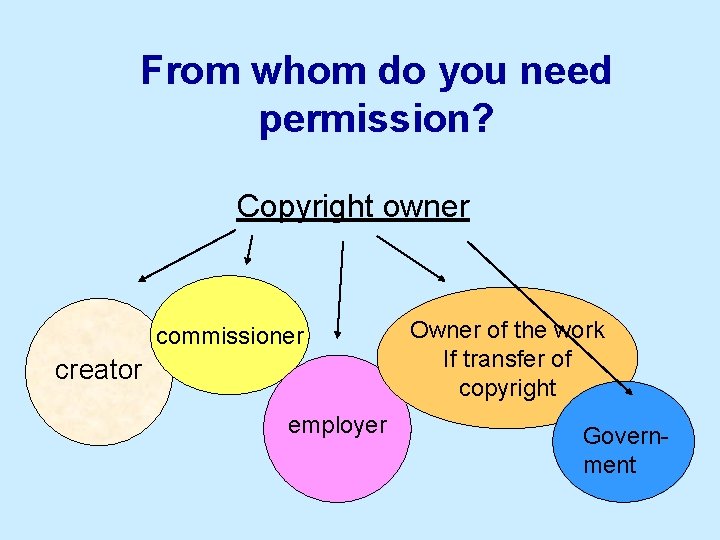
From whom do you need permission? Copyright owner commissioner creator employer Owner of the work If transfer of copyright Government
Do you need to identify the author? • Moral rights – Paternity right • Even if use allowed under exception • You or your client: when exposing to the public
Can you make changes? • Moral rights – Right of integrity • Changes that would damage the honor or reputation of the author – Digital manipulation of other’s works within your photo • Use in context that would damage the honor or reputation of the author – Che Guevarra
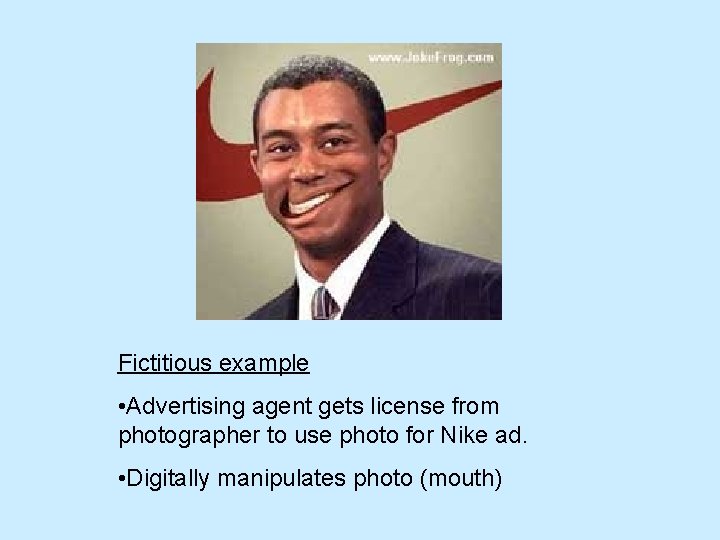
Fictitious example • Advertising agent gets license from photographer to use photo for Nike ad. • Digitally manipulates photo (mouth)
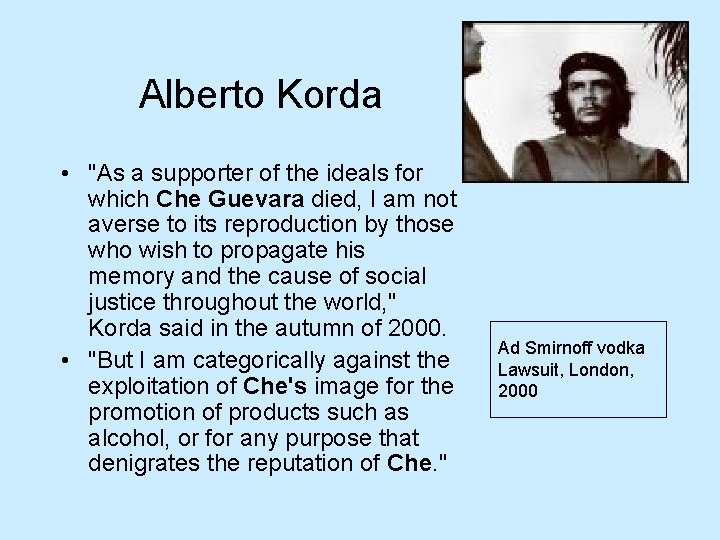
Alberto Korda • "As a supporter of the ideals for which Che Guevara died, I am not averse to its reproduction by those who wish to propagate his memory and the cause of social justice throughout the world, " Korda said in the autumn of 2000. • "But I am categorically against the exploitation of Che's image for the promotion of products such as alcohol, or for any purpose that denigrates the reputation of Che. " Ad Smirnoff vodka Lawsuit, London, 2000
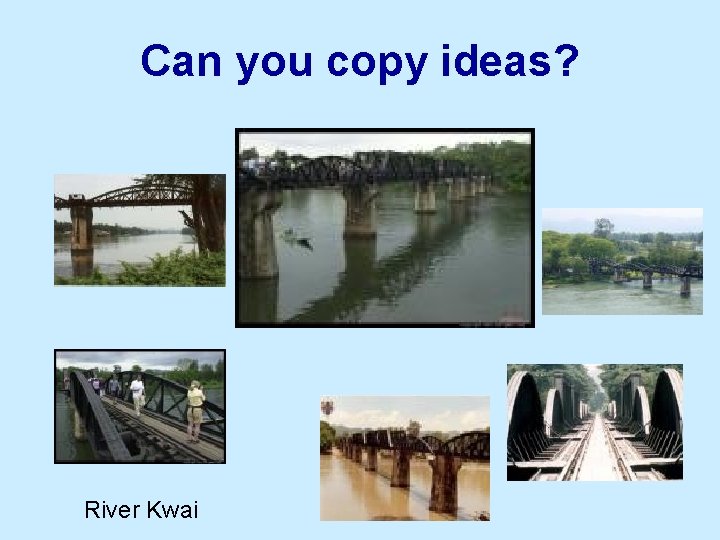
Can you copy ideas? River Kwai
PART 3 TAKING PHOTOS OF TRADEMARKS
Can you freely include trademarks in your photos? • Unlike copyright, trademark law does not restrict the reproducing of a trademark in the photograph itself • BUT: Trademark law forbids using a trademark in a way that can confuse consumers regarding the affiliation of the trademark owner to the image
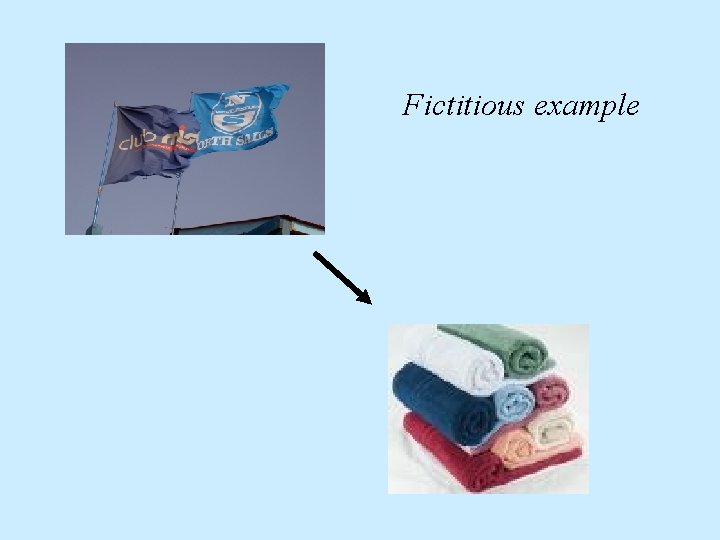
Fictitious example
PART 4 TAKING PHOTOS OF PEOPLE
Are people protected by intellectual property rights? • No. . . But. . .
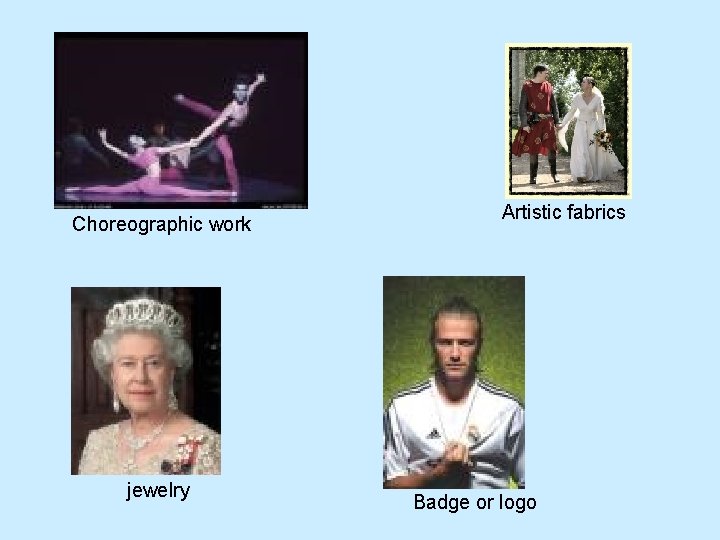
Choreographic work jewelry Artistic fabrics Badge or logo
When is permission particularly recommended? 1. Intruding one’s privacy • Intentionally viewing people insider their house, business or other private areas • Hidden cameras • Example: photo of patients in hospital
2. Publicizing private facts • Especially if – Matter is highly offensive – Matter is not of public concern • Example: – Sexual affairs, private debts, criminal records, deseases, psychological problems – Picture man driving car, with pint in hand
• BUT: Right of privacy matters of legitimate public concern • Newsworthy persons (politicians, celebrities, etc) may lose right of privacy to the extent that their private facts are relevant to legitimate news • Example: photo top footballer taking drugs … • Example: photo top footballer having sexual affair. . .
• BUT: Many laws do not protect private matters if they are in public view • Example: photo of mother grieving for her daughter, victim of car accident
3. Using someone’s image for commercial benefit • Right of Publicity – One’s image = result of own effort. Has economic value – Cautious when using photograph of celebrity for own commercial gain
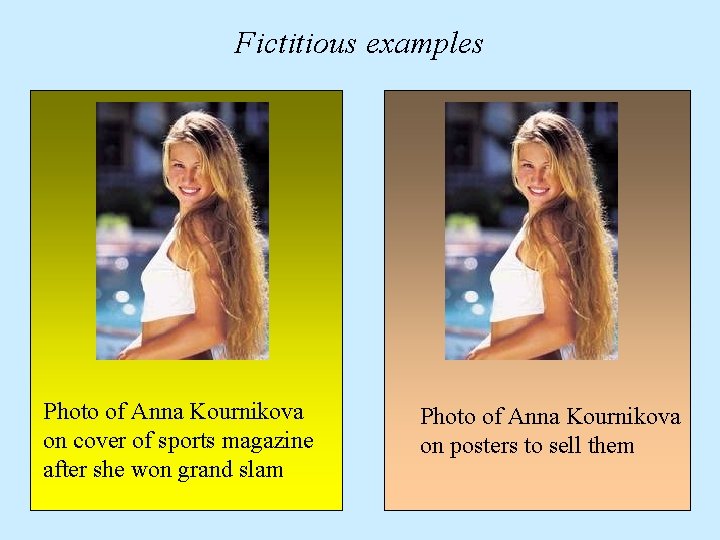
Fictitious examples Photo of Anna Kournikova on cover of sports magazine after she won grand slam Photo of Anna Kournikova on posters to sell them
4. Suggesting that someone is authorizing or endorsing a product • Presence of celebrity is effective tool to attract consumer attention and to create credibility • Without authorization: may be liable for “passing off” or “unfair trade practices”
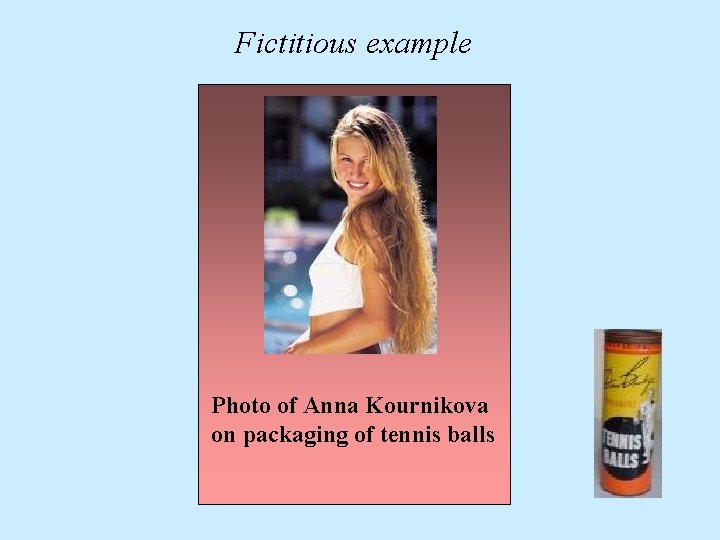
Fictitious example Photo of Anna Kournikova on packaging of tennis balls
5. Putting someone in a false light or defame someone • ‘False light’: false representation of a person (not necessarily damage to the reputation) • ‘Defamation’: damaging the reputation of someone by making false statements • How can photography amount to defamation/false light? – Often when photo is used to illustrate a text in a way that falsely depicts the portrayed person.
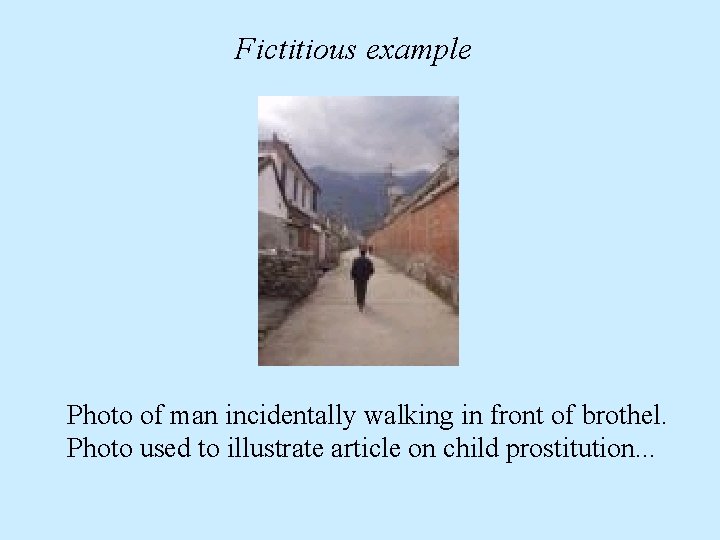
Fictitious example Photo of man incidentally walking in front of brothel. Photo used to illustrate article on child prostitution. . .
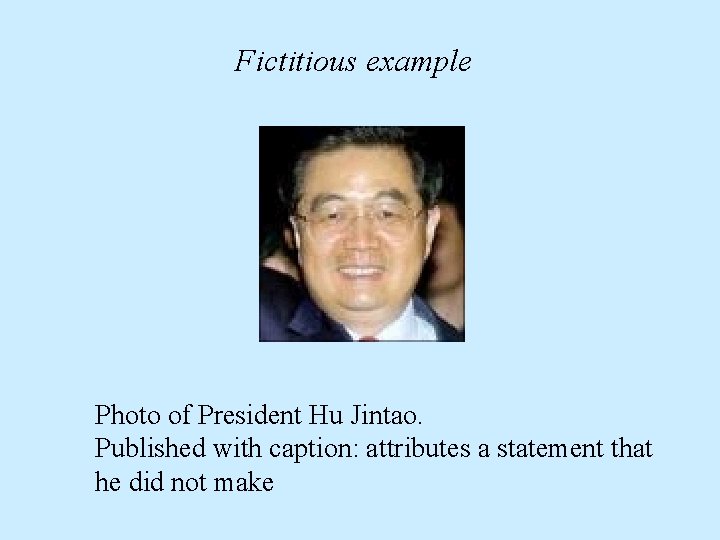
Fictitious example Photo of President Hu Jintao. Published with caption: attributes a statement that he did not make
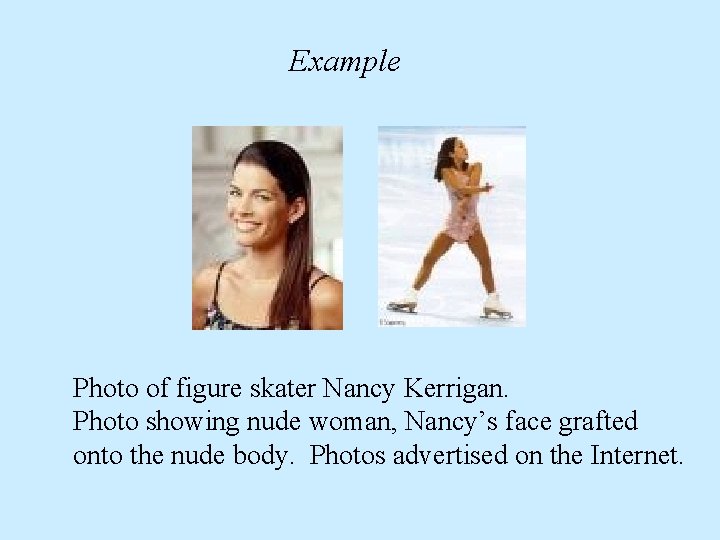
Example Photo of figure skater Nancy Kerrigan. Photo showing nude woman, Nancy’s face grafted onto the nude body. Photos advertised on the Internet.
PART 5 CONCLUSIONS
• Photographers need to think about legal restrictions when making images which include any copyright material, trademark, identifiable person or private affairs. • Written permission = best protection – extent of permission – even if not legally required – written
• Most situations are not clear: grey lines. • Some pragmatism will be needed to decide whether or not you will run after a release. • Pragmatism comes from empirical experience. • Balance between risks (costs) and benefits.
“The personal choices that a photographer needs to make regarding material and the manner of execution not only reflect how he or she sees the world, but also reflect how the world sees the photographer as an ethical being. ” Quote from Bert P. Krages Legal Handbook for Photographers, Amherst Media Inc. , Buffalo, NY, USA, 2002

Thank You for your Attention. WIPO’s website for SMEs : www. wipo. int/sme
- Slides: 60