
WORKING PRINCIPLE OF DO AND p H PROBE
WORKING PRINCIPLE OF DO AND p. H PROBE Prepared by: Tan See Yean Yuganesh a/l Murugiah Jelita Bungin Nazzira Md Zin
Introduction p. H measurement is readily accomplished by the combined (single unit) glass reference electrodes. l Problem-the reading maybe referenced to the instrument ground, but may in fact interacting with a different ground through the temperature control system. l
The dissolve oxygen (DO) content of the fermentation broth affecting cell growth and product formation. l The rate of oxygen supply to the cell is often limited because the solubility of oxygen in the fermentation is low. l Measurement of dissolve oxygen under bioreactor condition is a challenging problem because low solubility of dissolve oxygen make the measurement very difficult. l

WORKING PRINCIPLES OF p. H PROBES
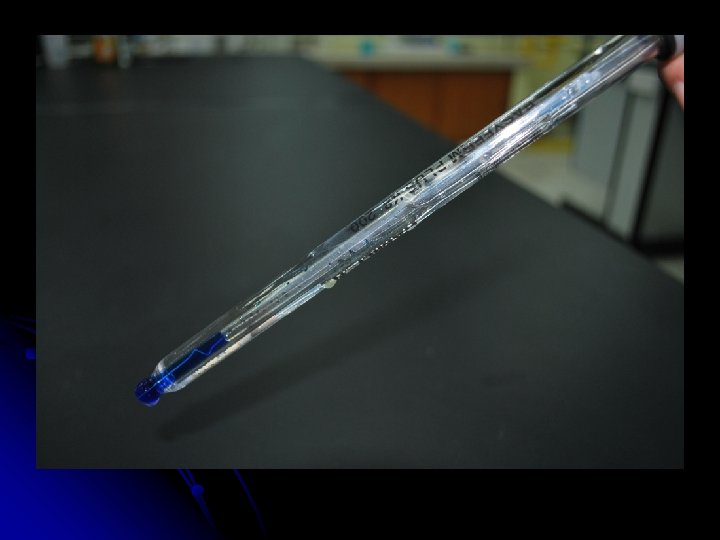
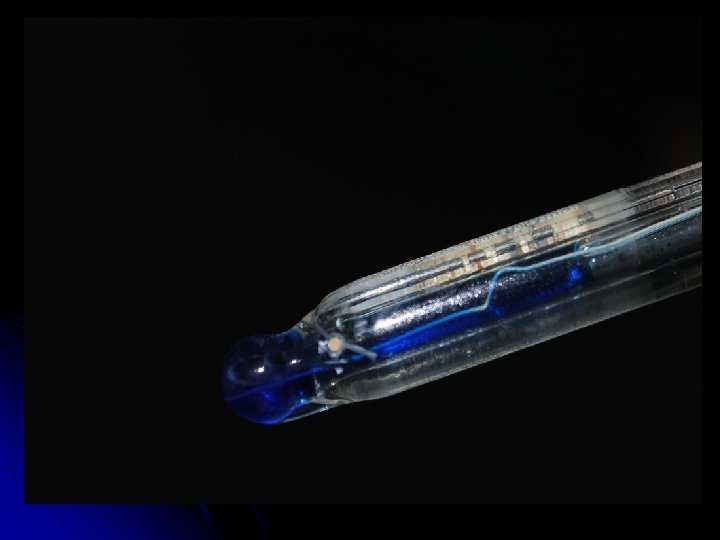
p. H is an important factor in the fermentation because it has a major effect on cell growth and product formation. l For example: i) In antibiotic fermentation, even a small change in p. H can cause a large fall in productivity ii) In animal cell fermentation, p. H has a major effect on cell viability. l
![Formulae to determine the p. H value p. H= -log 10[H+] p. H range=](http://slidetodoc.com/presentation_image_h/2261fe0651429192147fe5f9ca0b6cae/image-9.jpg "Formulae to determine the p. H value p. H= -log 10[H+] p. H range=")
Formulae to determine the p. H value p. H= -log 10[H+] p. H range= 1 – 14 p. H value>7 = alkaline p. H value < 7 = acidic p. H = 7 = neutral
Refer figure 6. 11 l Thin glass membrane ( 0. 2 -0. 5 mm), which reacts with water to form a hydrated gel layer. l This layer exists on both sides of the membrane and is essential for the correct operation and maintenance of the electrode. l H+ (mobile)- any difference between the ion activities on each side of the membrane will lead to a p. H-dependent potential. l
Usage of p. H responsive glass – restricted to the bulb-shaped element at the very end of the electrode and limits the response to the small area of the glass membrane at the electrode tips. l Buffer solution- to maintain a constant potential. l
Tips for calibration the p. H probes Can’t touch the membrane tips by finger because it is very fragile and high sensitivity. l If the p. H probes is taken out from the bioreactor, make sure that it is always put inside a beaker with water to ensure that it is not dry. l

The Working Principle Of DO Probe
Dissolved oxygen (DO) is very important fermentation parameter. l It affect both cell growth and production formation. l The performance of dissolved-oxygen (DO) is influenced by fluid dynamic and biological condition. l
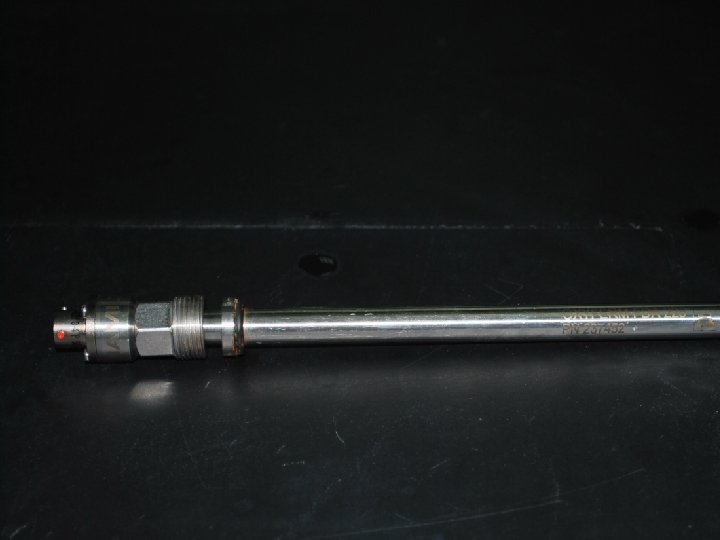
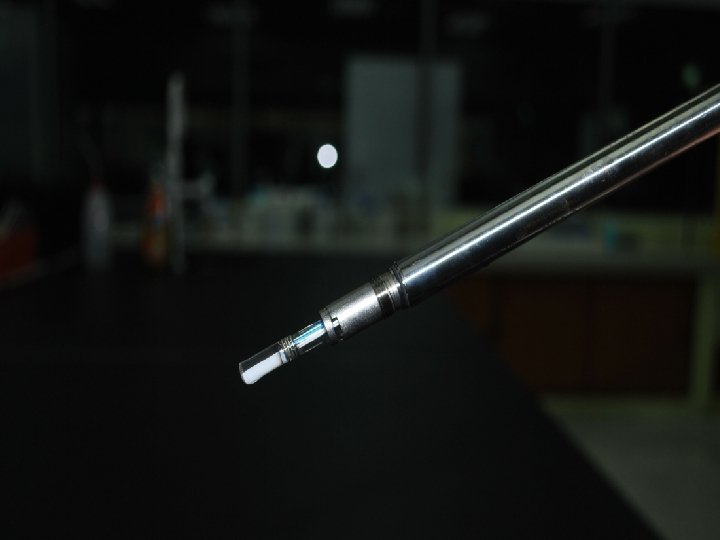
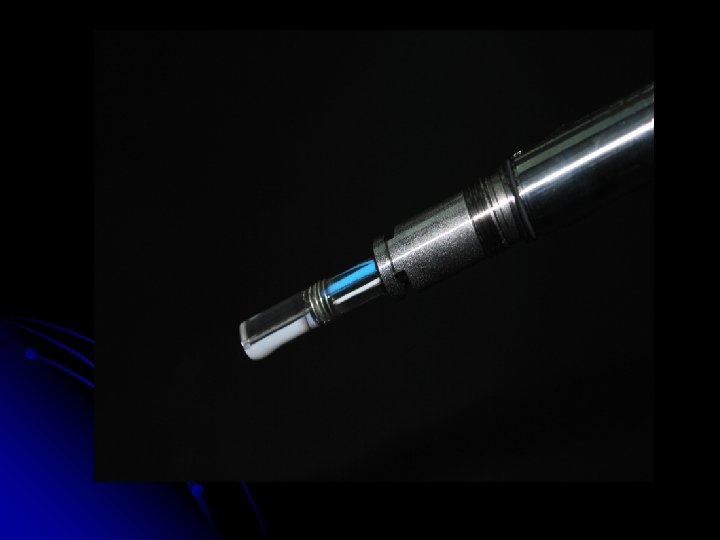
The DO probe is made by stainless steel. l The solution inside the cover avoid DO probe from drying. l At bottom of cover has membrane to detect dissolved oxygen. l
Under controlled condition, the DO probe transmits signal to amplifier. l And it processed the amount of opening for each gas controller valve. l This principle very important in animal cell cultivation. l
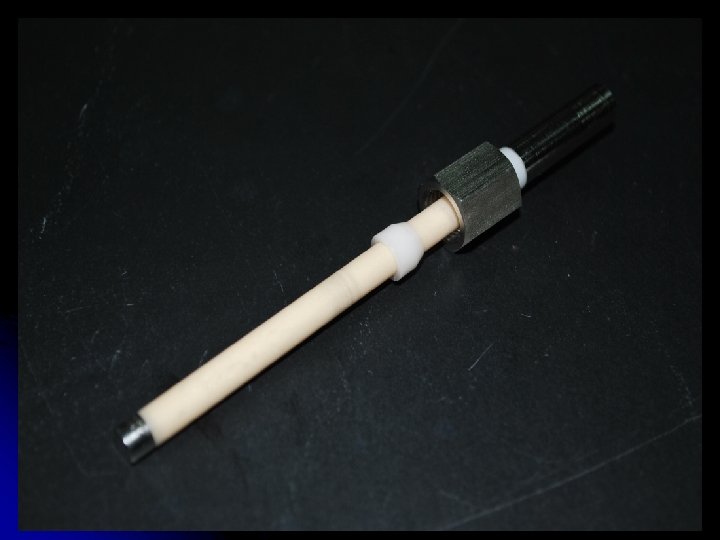
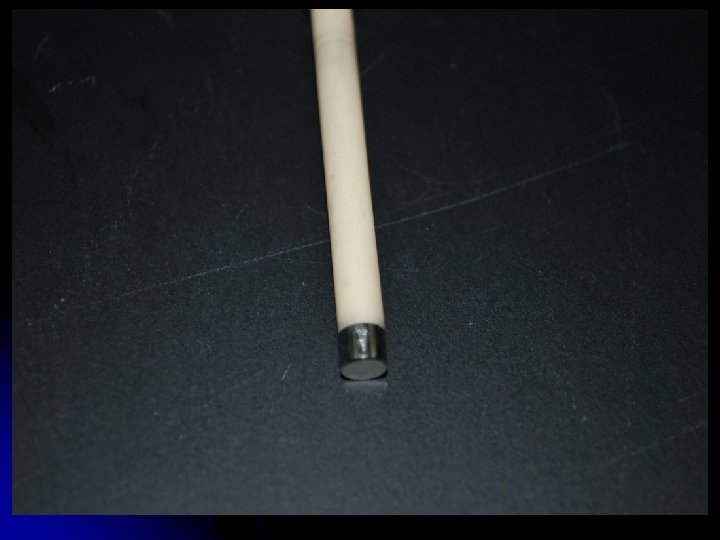
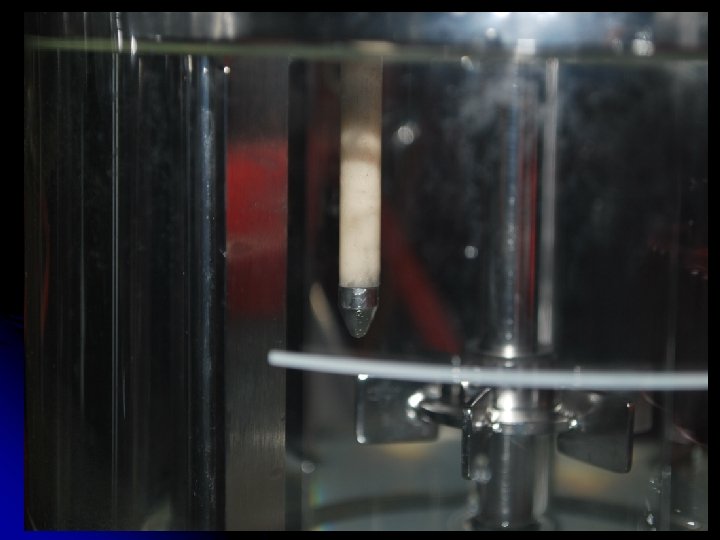
Foam sensor As a measuring indicator installed in the reactor's upper lid and indicates electric conductivity. l Regulated by transmitting the control signal to the antifoam peristaltic pump. l
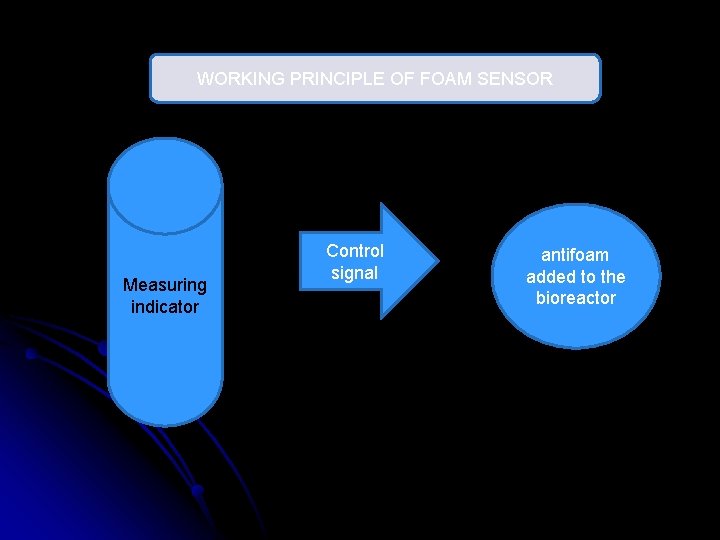
WORKING PRINCIPLE OF FOAM SENSOR Measuring indicator Control signal antifoam added to the bioreactor
Type of foam sensor 2 main type. Work by either: 1. Detecting changes in electrical capacitance. 2. Detecting changes in electrical resistance. l
Level sensor

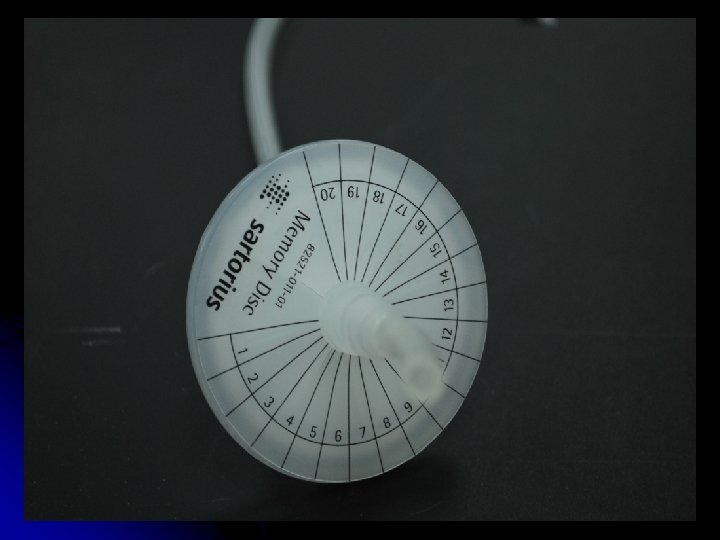
Gas filter
- Slides: 29