
Working in Teams Task Force A temporary team


- Slides: 21
Working in Teams • Task Force. . . A temporary team or committee formed to solve a specific short-term problem. • Team. . . Participants from several departments who meet to solve ongoing problems. • Project Manager. . . A person responsible for coordinating the activities of several departments. © 2006 by South-Western, a division of Thomson Learning. All rights reserved. 1
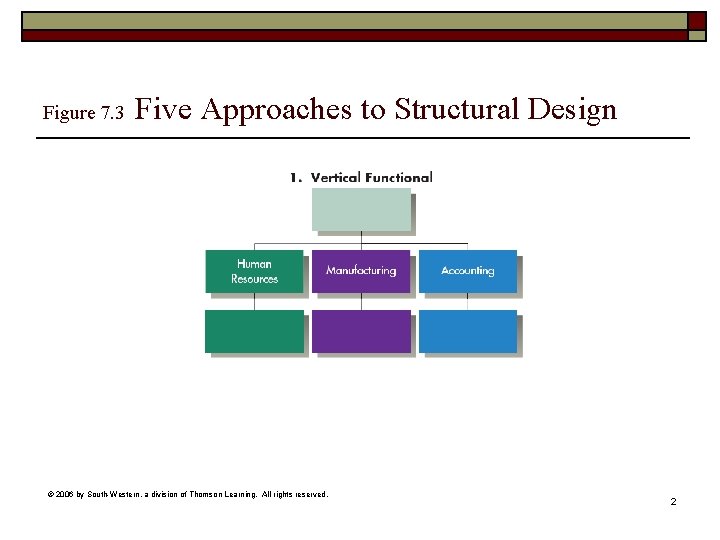
Figure 7. 3 Five Approaches to Structural Design © 2006 by South-Western, a division of Thomson Learning. All rights reserved. 2
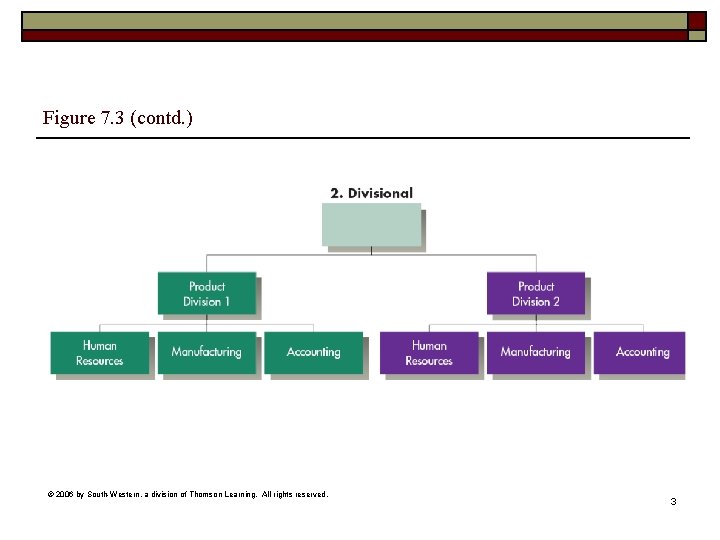
Figure 7. 3 (contd. ) © 2006 by South-Western, a division of Thomson Learning. All rights reserved. 3
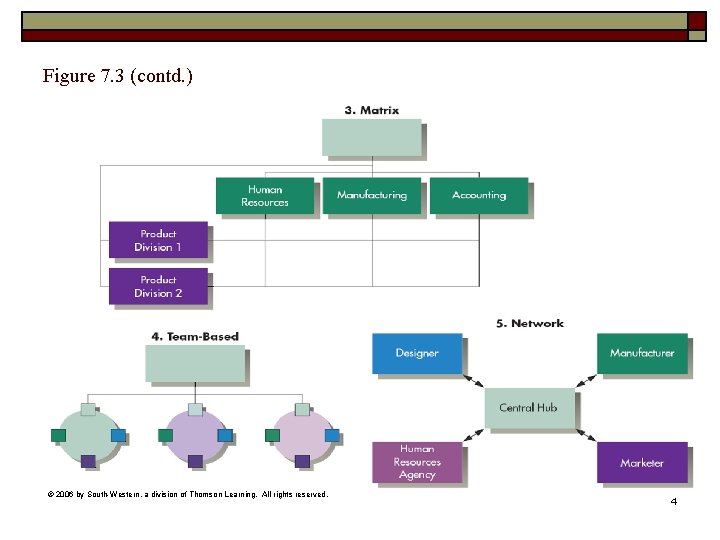
Figure 7. 3 (contd. ) © 2006 by South-Western, a division of Thomson Learning. All rights reserved. 4
Organization Worksheet © 2006 by South-Western, a division of Thomson Learning. All rights reserved. 5
Definitions © 2006 by South-Western, a division of Thomson Learning. All rights reserved. 6
Definitions o Stockholder n n One who owns shares of stock in a corporation Has right to declared dividends Has the right to vote on certain company matters, including the board of directors Also Called shareholder © 2006 by South-Western, a division of Thomson Learning. All rights reserved. 7
Definitions o Stakeholder n n One who has a share or an interest in an enterprise May include shareholders, directors, management, suppliers, government, employees, and the community © 2006 by South-Western, a division of Thomson Learning. All rights reserved. 8
Definitions o Authority n The rights inherent in a managerial position to make decisions, give orders and utilize resources © 2006 by South-Western, a division of Thomson Learning. All rights reserved. 9
Definitions o Authority n o The rights inherent in a managerial position to make decisions, give orders and utilize resources Delegation n The process of assigning managerial authority and responsibility to managers and employees lower in the hierarchy © 2006 by South-Western, a division of Thomson Learning. All rights reserved. 10
Definitions o Mechanistic Organization (Bureaucratic) n n n Authority is centralized Tasks and rules are clearly specified Employees are closely supervised © 2006 by South-Western, a division of Thomson Learning. All rights reserved. 11
Definitions o Mechanistic Organization (Bureaucratic) n n n o Authority is centralized Tasks and rules are clearly specified Employees are closely supervised Organic Organization (Non-Bureaucratic) n n n Authority is decentralized Fewer rules and procedures Encouraged to respond to unexpected tasks © 2006 by South-Western, a division of Thomson Learning. All rights reserved. 12
Organic vs. Mechanistic o Influencing Factors: n n n Size Technology Life Cycle © 2006 by South-Western, a division of Thomson Learning. All rights reserved. 13
Organic vs. Mechanistic o Influencing Factors: n Size o As an organization grows so does the need for rules, regulations and procedures © 2006 by South-Western, a division of Thomson Learning. All rights reserved. 14
Organic vs. Mechanistic o Influencing Factors: n n Size Technology o Small Batch Technology n Individual Job-Shops (Most Organic) © 2006 by South-Western, a division of Thomson Learning. All rights reserved. 15
Organic vs. Mechanistic o Influencing Factors: n n Size Technology o Small Batch Technology n o Individual Job-Shops (Most Organic) Large Batch Technology n Assembly Line (Mechanistic) © 2006 by South-Western, a division of Thomson Learning. All rights reserved. 16
Organic vs. Mechanistic o Influencing Factors: n n Size Technology o Small Batch Technology n o Large Batch Technology n o Individual Job-Shops (Most Organic) Assembly Line (Mechanistic) Continuous Process Technology (Organic) n Machine Based Factories © 2006 by South-Western, a division of Thomson Learning. All rights reserved. 17
Organic vs. Mechanistic o Influencing Factors: n n n Size Technology Life Cycle o o Birth Stage – Non-Bureaucratic Youth (Growth) Stage – Pre-Bureaucratic Midlife Stage – Bureaucratic Maturity Stage – Very Bereaucratic © 2006 by South-Western, a division of Thomson Learning. All rights reserved. 18
Learning Organizations o An organization that actively creates, acquires, and transfers knowledge within itself and is able to modify its behavior to reflect new knowledge © 2006 by South-Western, a division of Thomson Learning. All rights reserved. 19
Learning Organizations o Reasons Organizations Resist Learning n n n Competition Within an Organization Fragmentation and Specialization Fear of Risks © 2006 by South-Western, a division of Thomson Learning. All rights reserved. 20
Learning Organizations Quiz © 2006 by South-Western, a division of Thomson Learning. All rights reserved. 21