
Working in Partnership with Children Families identifying networks


- Slides: 28
Working in Partnership with Children & Families identifying networks to create plans together Luke Impey & Mandy Goodenough
Miracle Question Ø Imagine if… overnight something happens to all the individuals (clients and colleagues) and families you work with… Then… you woke up and came to work the next day they were all cooperative and wanting to find solutions together to resolve the issues that brought the individual/family to the attention of the agency. Ø What would that be like, what would be different?
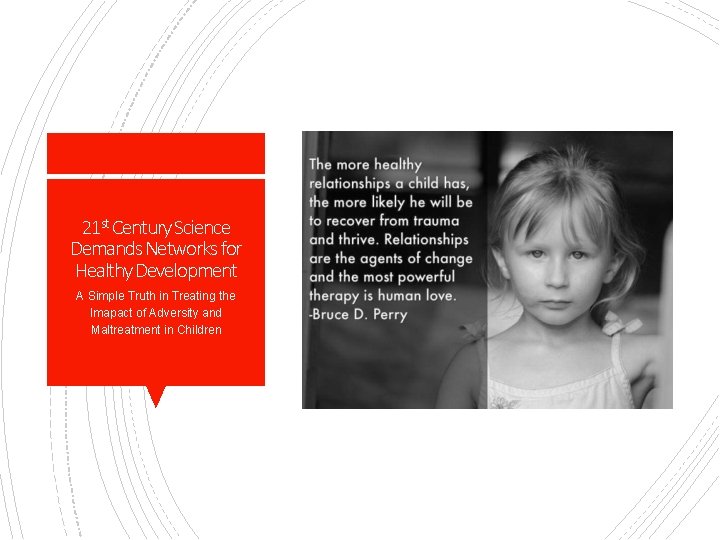
21 st Century Science Demands Networks for Healthy Development A Simple Truth in Treating the Imapact of Adversity and Maltreatment in Children
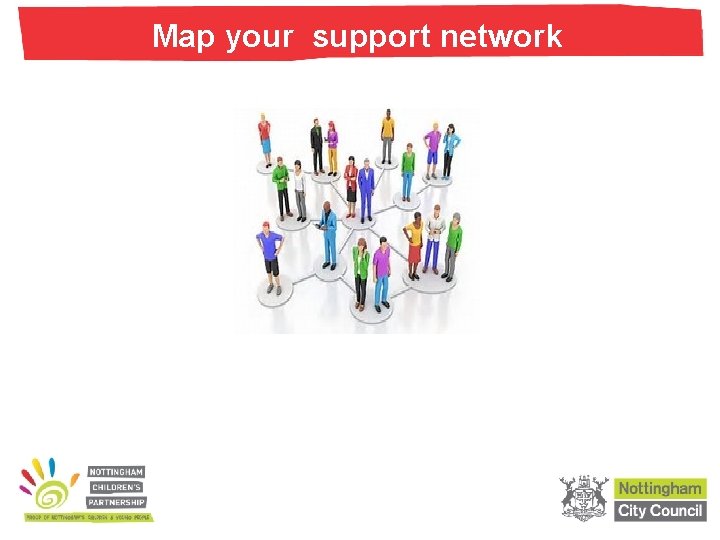
Map your support network
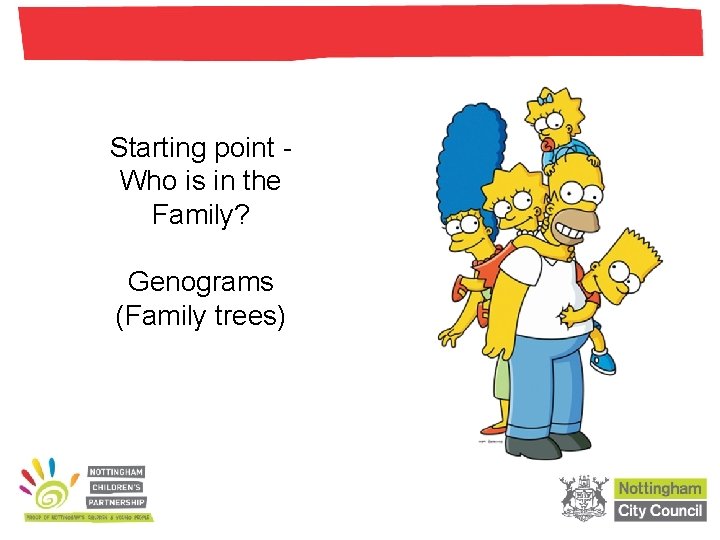
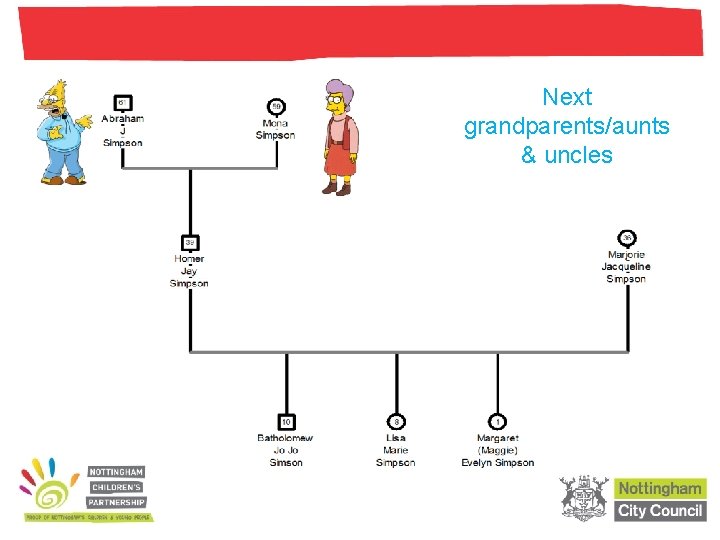
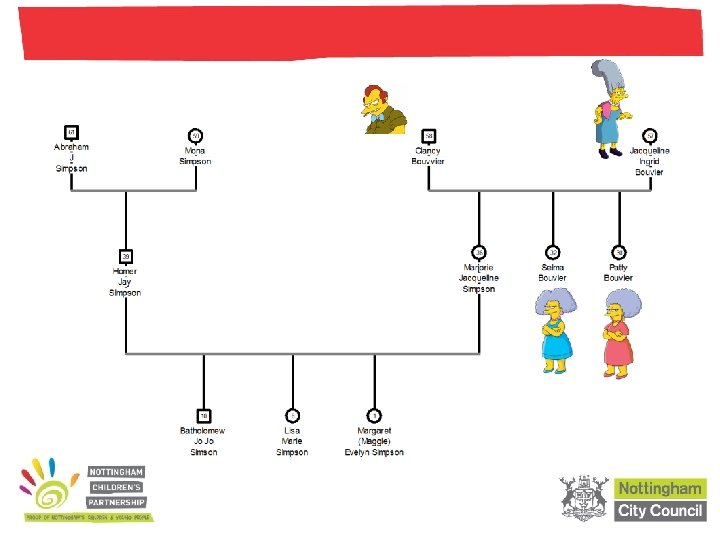
Starting point Who is in the Family? Genograms (Family trees)
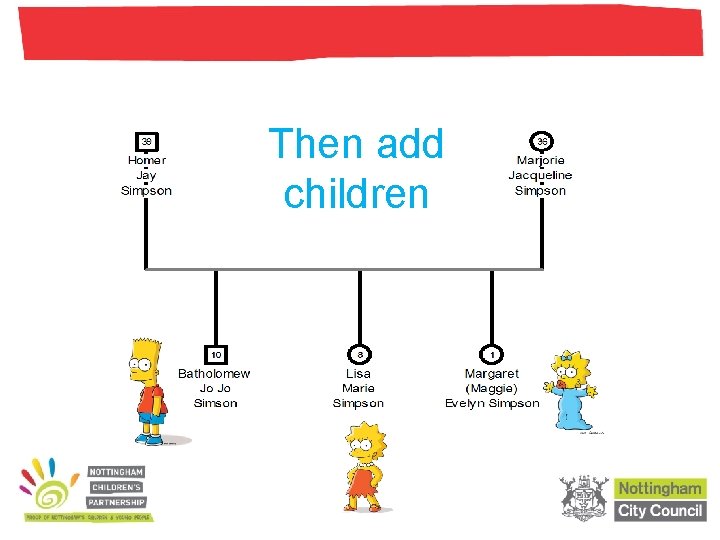
Then add children
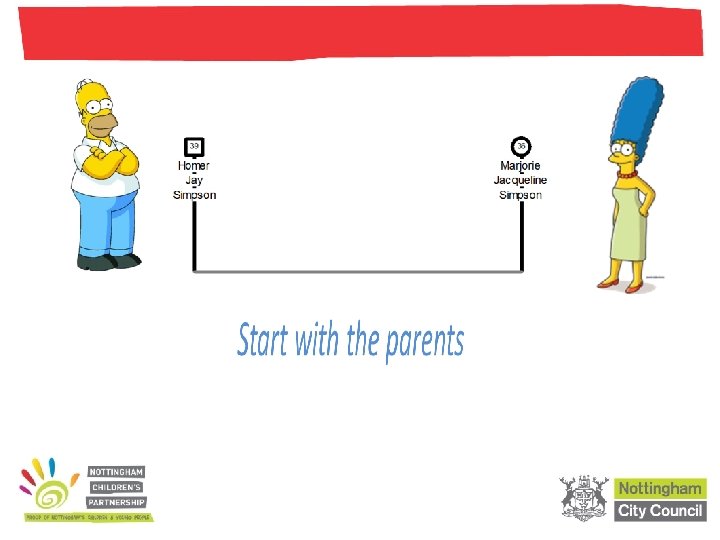
Next grandparents/aunts & uncles
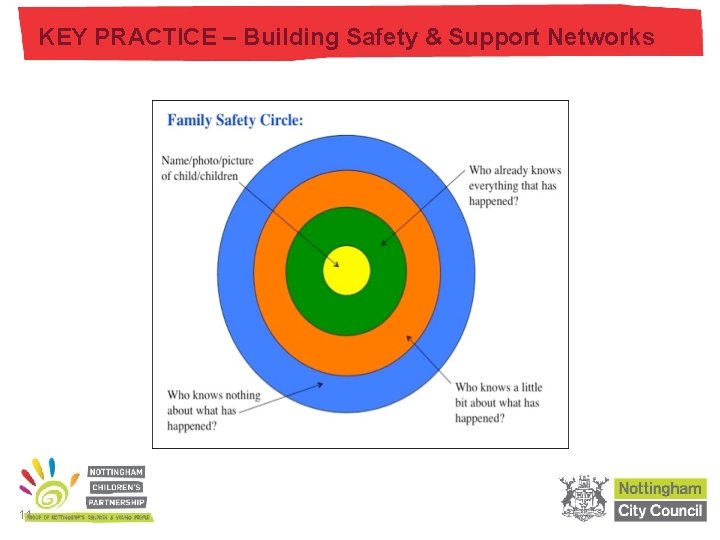
KEY PRACTICE – Building Safety & Support Networks 11
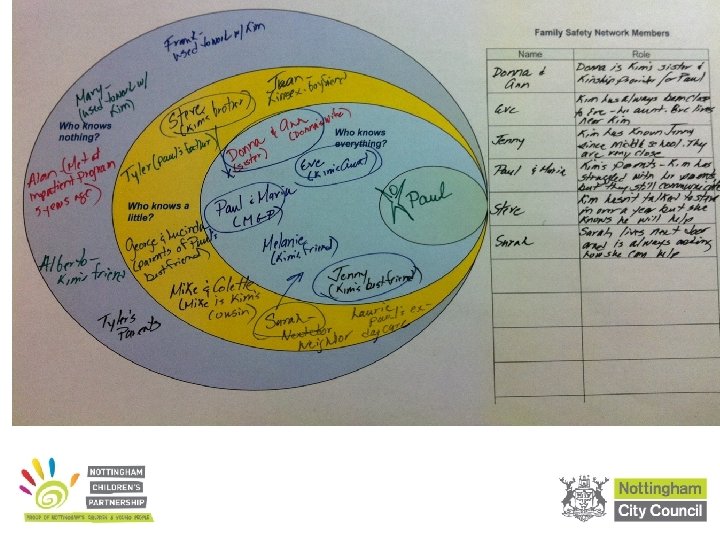
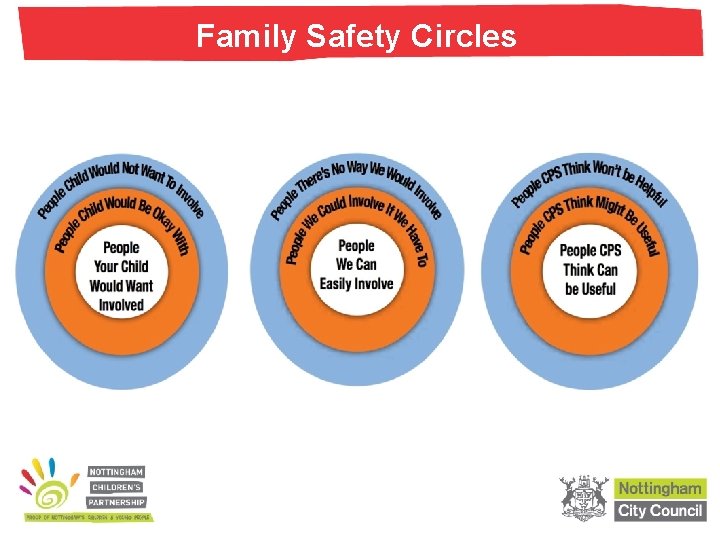
Family Safety Circles
Ø Some questions to thicken the story: Ø Where did you learn about ? Ø Who taught you about ? Ø Who in your family do you connect too about? Ø Where do you hope your beliefs about will take you? Ø Who do you share these ideas and practices with? Ø Why is it important to you?
Questions to Parents/Family Members Who are the people who: Ø Care about you? Your family? Your child? Ø Understand your family’s values, beliefs and culture? Ø Understands what’s important to you? To your family? Ø You and your child are connected to in the community? Ø You turn to for reunions, gatherings, ceremonies and at other times of celebration, loss and grief? Ø Who wants to see your child/family do well? Might they join your support Network ? If we invited all these people to come to a FNM , what are some good things that might come from them being involved
Why is developing plans with children & families important?
Benefits of working with families to develop plans Ø Ø Ø Ø Ø Strengthens Families Harnesses family responsibility Counters isolation Strengthens Decisions More informed plans Increases family’s sense of control and buy-in Strengthens Systems Community ownership of child protection and safety Mobilizes natural and community resources Decreases professional burden and responsibility
ISSUES THE SUPPORT NETWORK CAN TACKLE Ø Safety Plans, Concurrent or Permanency Plans, Placement; Visitation Plans Ø Culturally Responsive, Trauma-Informed Services Ø Partnership between Birth Parents and residential satff Ø Maintaining Family and Cultural Connections and Identity Ø Education Success, Transition Plans Ø What else?
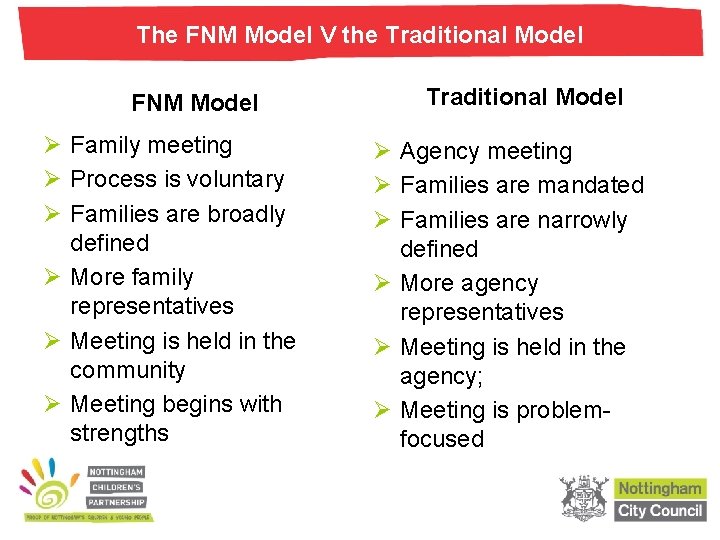
The FNM Model V the Traditional Model FNM Model Ø Family meeting Ø Process is voluntary Ø Families are broadly defined Ø More family representatives Ø Meeting is held in the community Ø Meeting begins with strengths Traditional Model Ø Agency meeting Ø Families are mandated Ø Families are narrowly defined Ø More agency representatives Ø Meeting is held in the agency; Ø Meeting is problemfocused
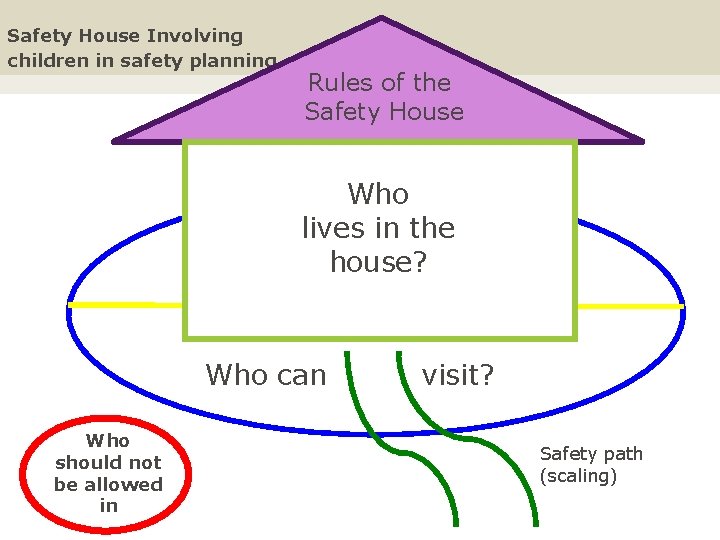
Safety House Involving children in safety planning Rules of the Safety House Who lives in the house? Who can Who should not be allowed in visit? Safety path (scaling)
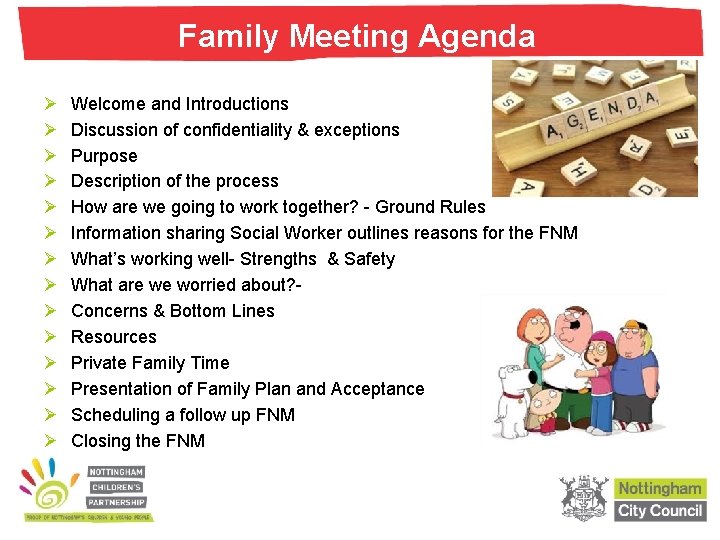
Family Meeting Agenda Ø Ø Ø Ø Welcome and Introductions Discussion of confidentiality & exceptions Purpose Description of the process How are we going to work together? - Ground Rules Information sharing Social Worker outlines reasons for the FNM What’s working well- Strengths & Safety What are we worried about? Concerns & Bottom Lines Resources Private Family Time Presentation of Family Plan and Acceptance Scheduling a follow up FNM Closing the FNM
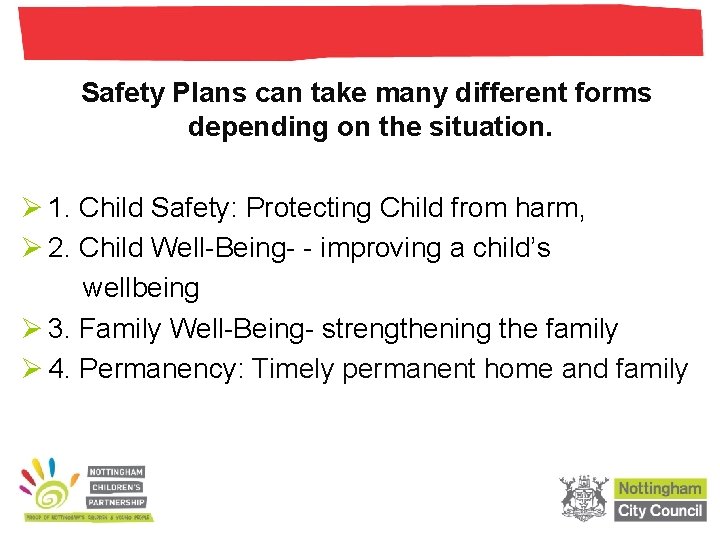
Safety Plans can take many different forms depending on the situation. Ø 1. Child Safety: Protecting Child from harm, Ø 2. Child Well-Being- - improving a child’s wellbeing Ø 3. Family Well-Being- strengthening the family Ø 4. Permanency: Timely permanent home and family
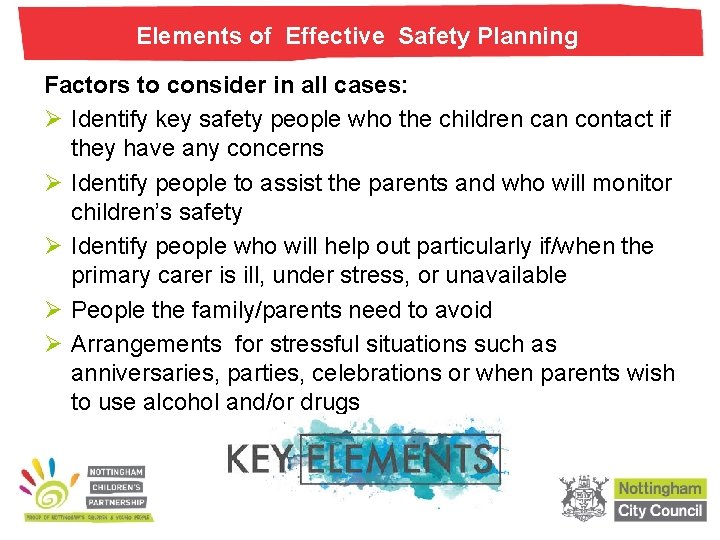
Elements of Effective Safety Planning Factors to consider in all cases: Ø Identify key safety people who the children can contact if they have any concerns Ø Identify people to assist the parents and who will monitor children’s safety Ø Identify people who will help out particularly if/when the primary carer is ill, under stress, or unavailable Ø People the family/parents need to avoid Ø Arrangements for stressful situations such as anniversaries, parties, celebrations or when parents wish to use alcohol and/or drugs
Key elements of safety planning Ø Signs that parents/carers are not coping and what the safety network will do in these circumstances Ø Child development and how the plan needs to change as the children grow Ø Arrangements regarding other children, whether relatives, or friends visiting or baby-sitting. Ø The age at which young children/infants will have the words and pictures and the safety plan explained to them (for the first time or as a regular refresher) and who will take responsibility for the task. Ø Incorporate a family safety object Ø How long should the plan run for
Preparing for Family Time Things the family needs to consider Ø Ø Ø How it will address the concerns & bottom lines How the family will monitor the plan to make sure its working How will the plan address meeting the child’s daily needs How will the plan address meeting the family’s needs What will the backup plan be How will the plan address the safety needs identified by the Social Worker ?
Ø https: //www. youtube. com/watch? v=a. B 4 O N_6 m 95 Q
Reflections