
With a partner examine the images to the
- Slides: 24
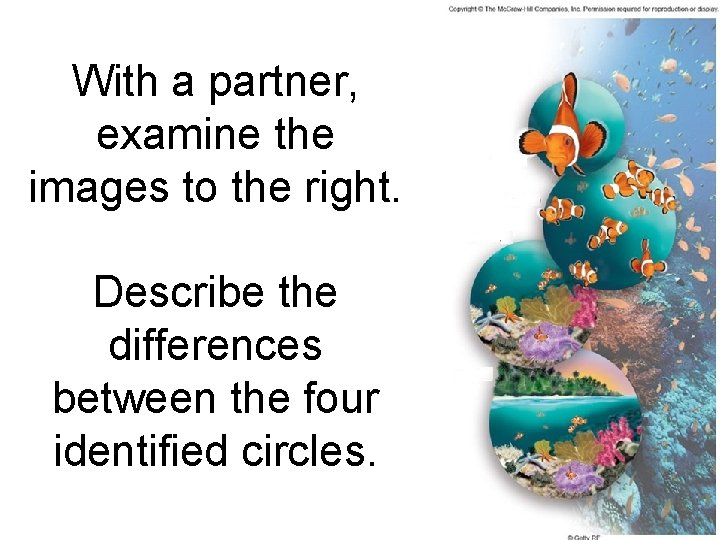
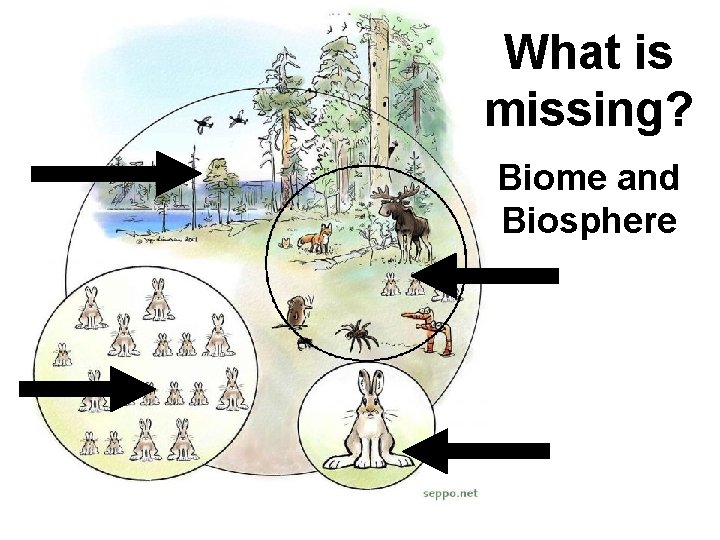
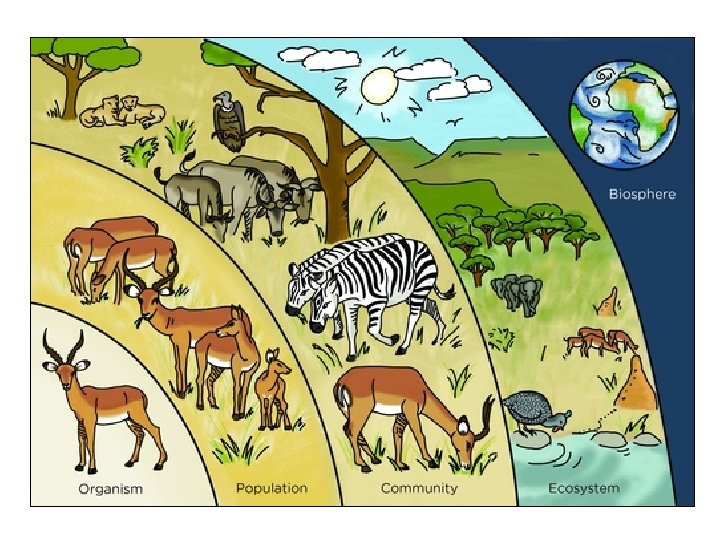
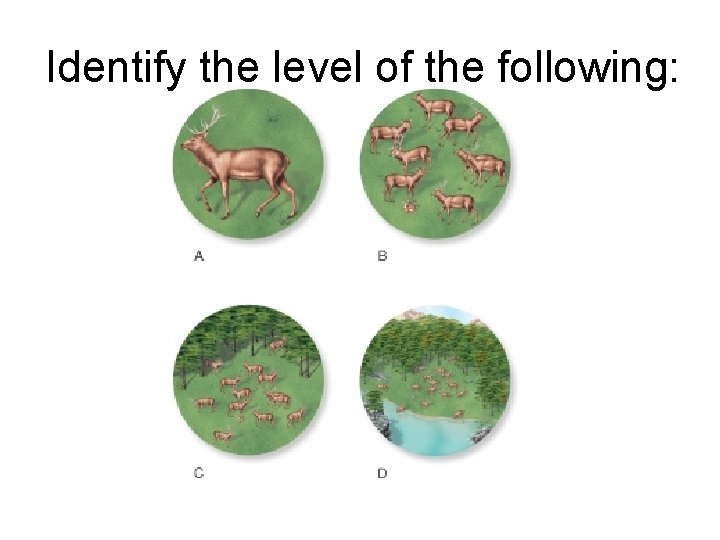
With a partner, examine the images to the right. Describe the differences between the four identified circles.
Essential Question: How is the environment organized? Standard: S 7 L 4 Students will examine the dependence of organisms on one another and their environments.
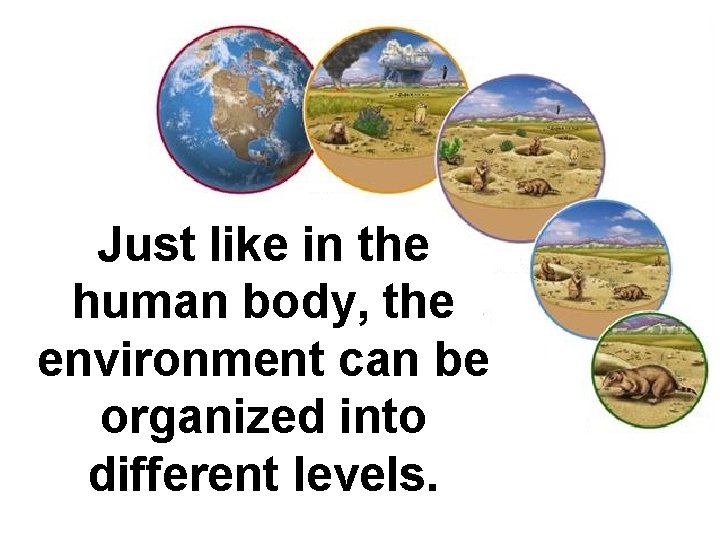
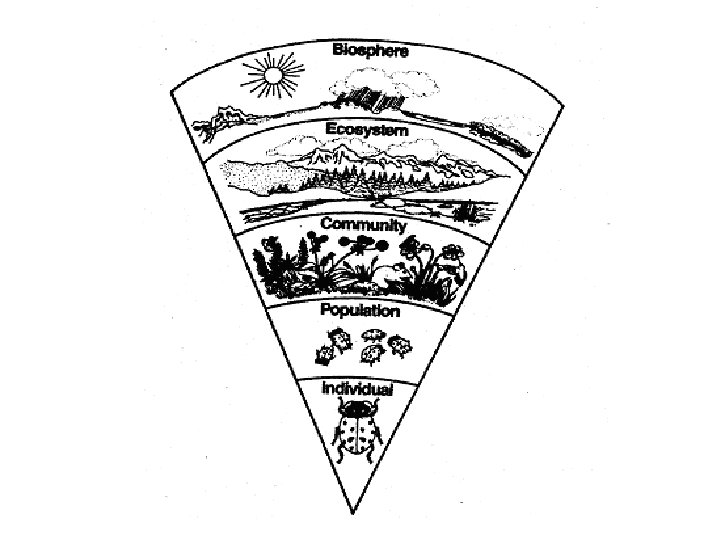
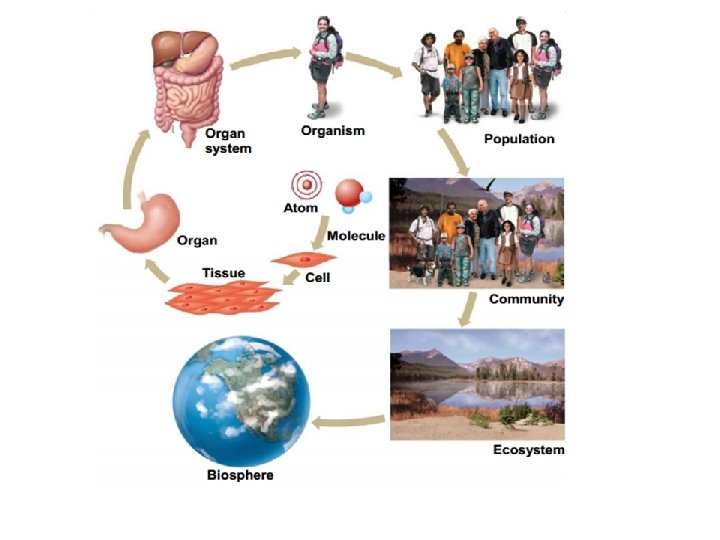
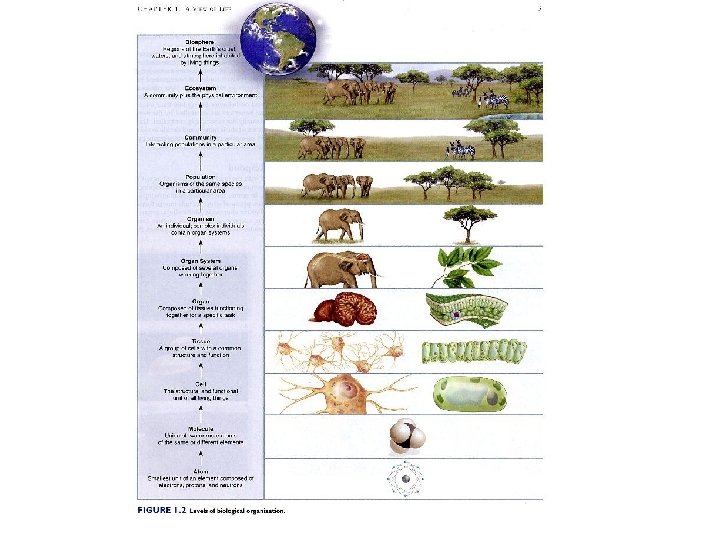
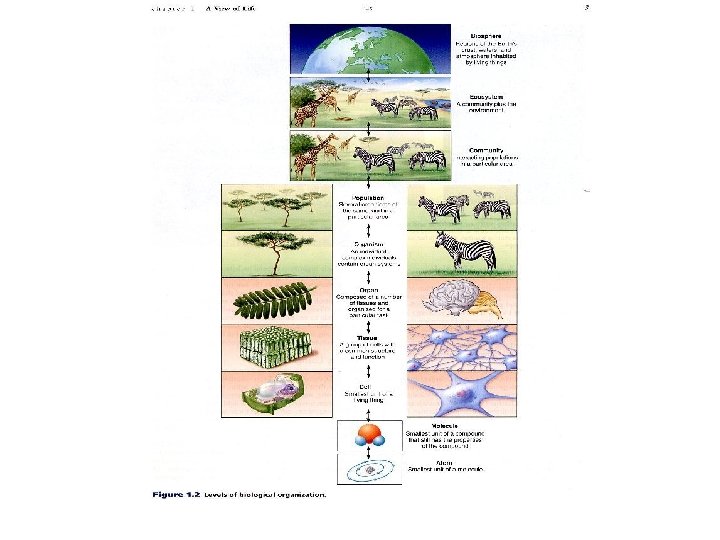
Just like in the human body, the environment can be organized into different levels.
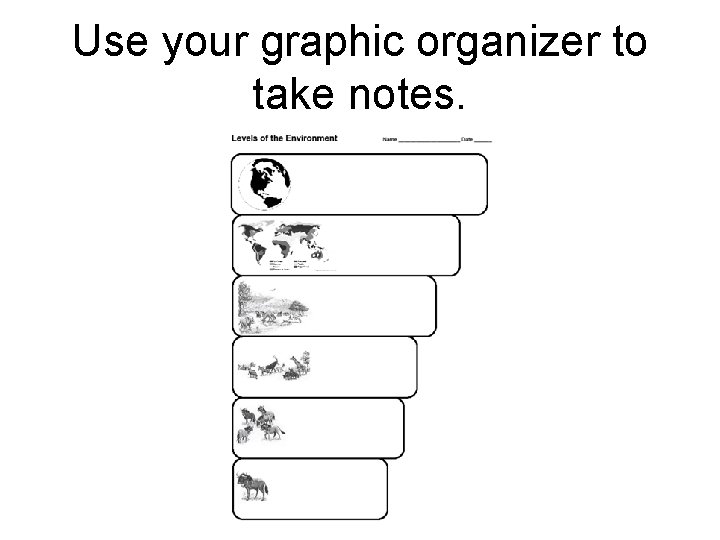
Use your graphic organizer to take notes.
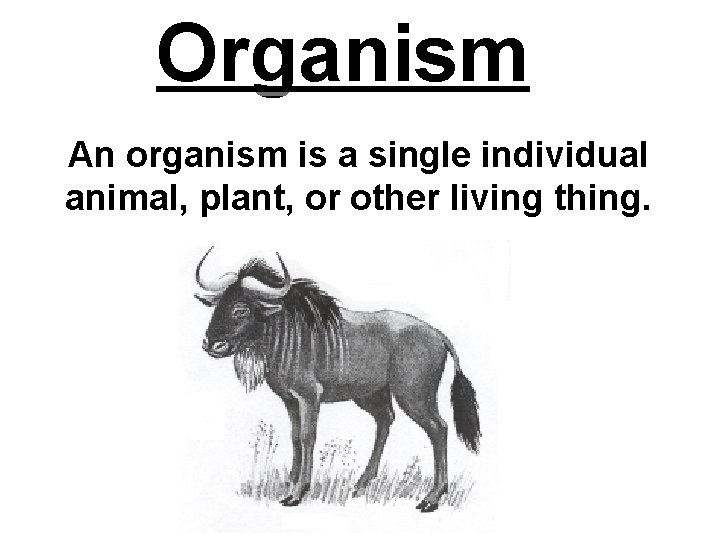
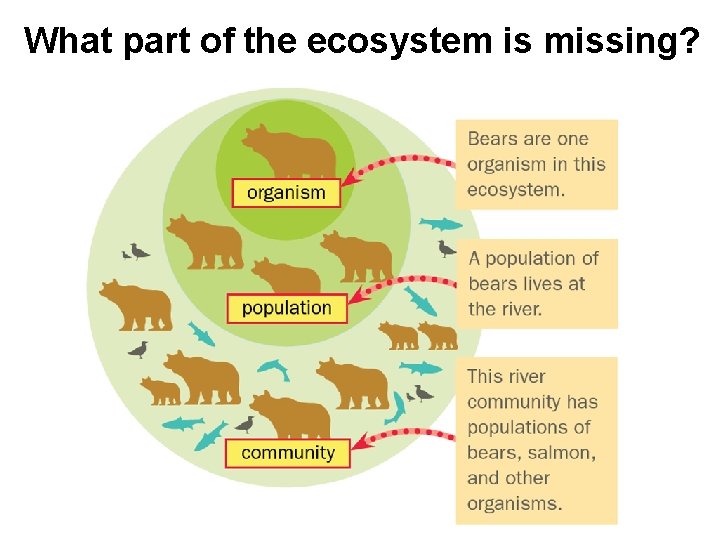
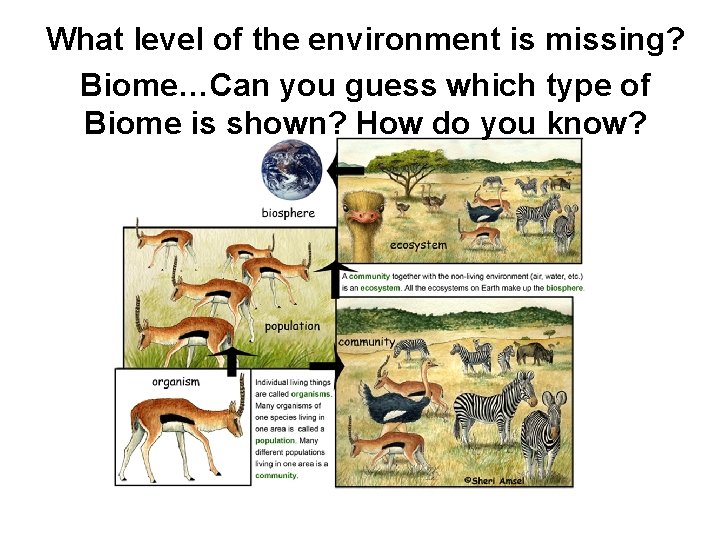
Organism An organism is a single individual animal, plant, or other living thing.
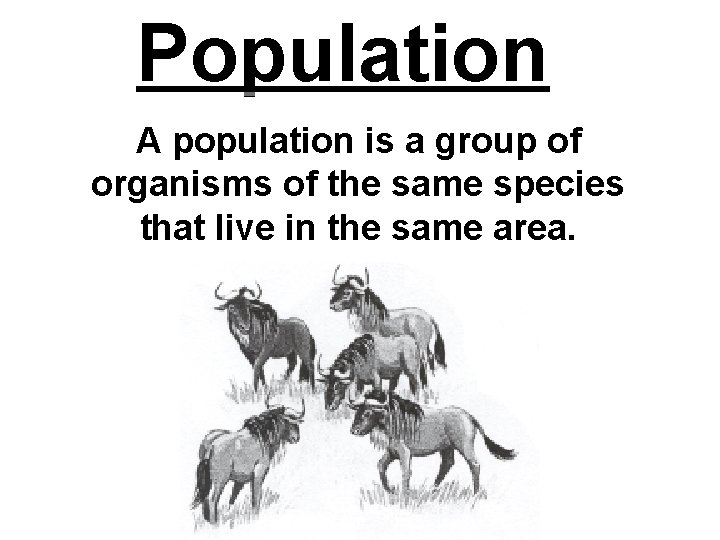
Population A population is a group of organisms of the same species that live in the same area.
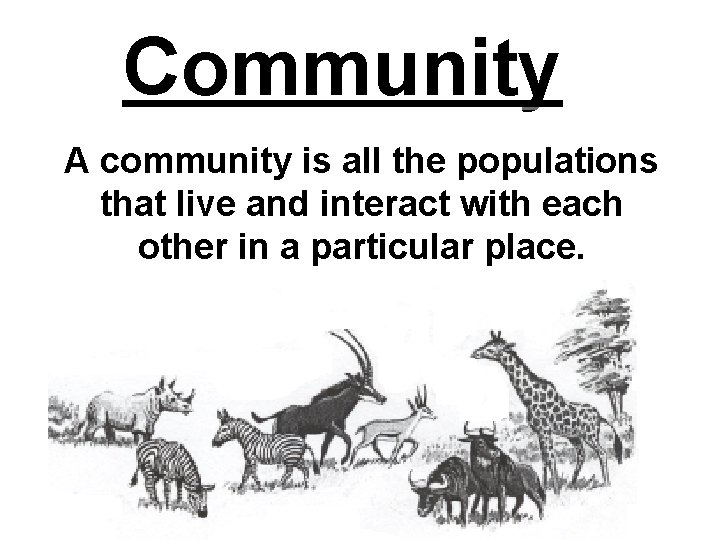
Community A community is all the populations that live and interact with each other in a particular place.
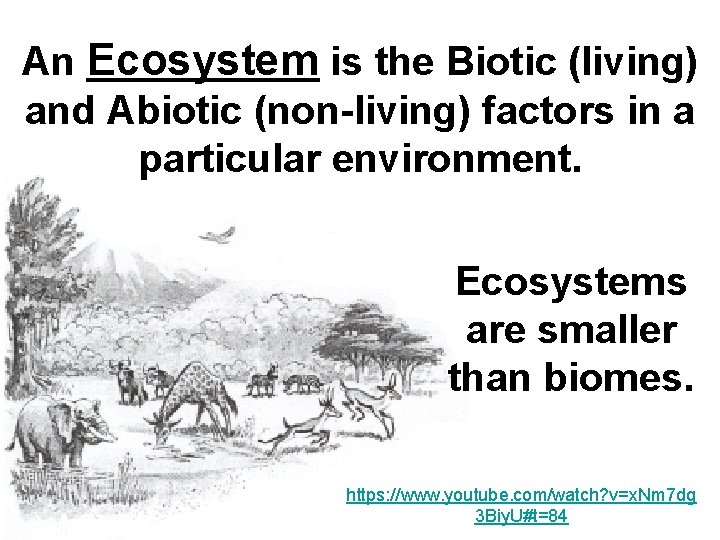
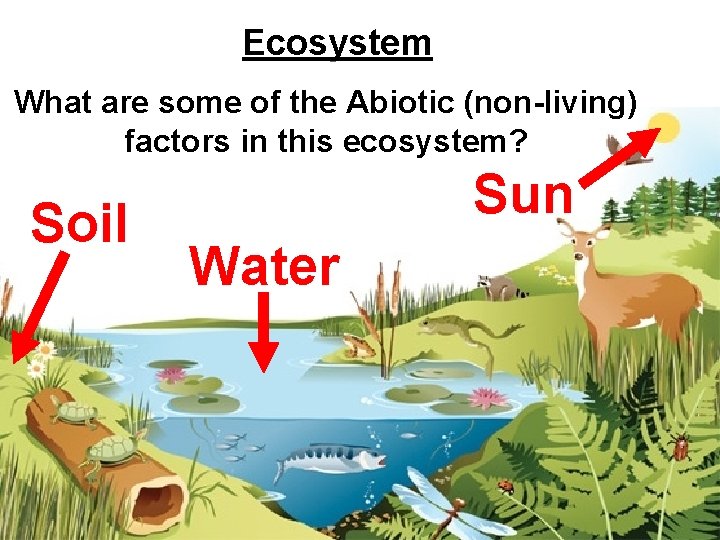
An Ecosystem is the Biotic (living) and Abiotic (non-living) factors in a particular environment. Ecosystems are smaller than biomes. https: //www. youtube. com/watch? v=x. Nm 7 dg 3 Biy. U#t=84
Ecosystem What are some of the Abiotic (non-living) factors in this ecosystem? Soil Sun Water
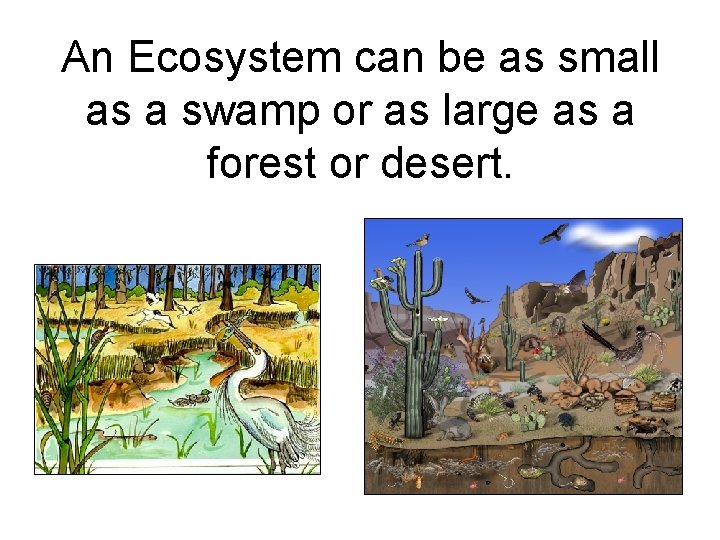
An Ecosystem can be as small as a swamp or as large as a forest or desert.
What part of the ecosystem is missing?
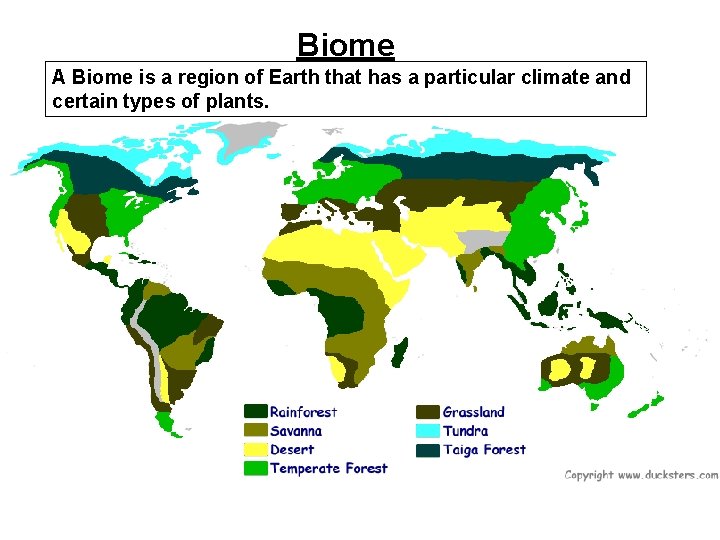
Biome A Biome is a region of Earth that has a particular climate and certain types of plants.
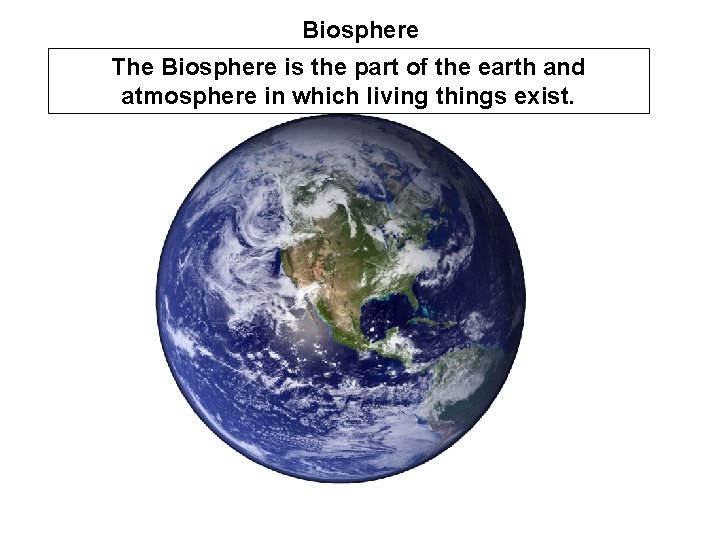
Biosphere The Biosphere is the part of the earth and atmosphere in which living things exist.
What level of the environment is missing? Biome…Can you guess which type of Biome is shown? How do you know?
What is missing? Biome and Biosphere
Organization of Matter, Living Things, and the Environment Activity
Identify the level of the following:
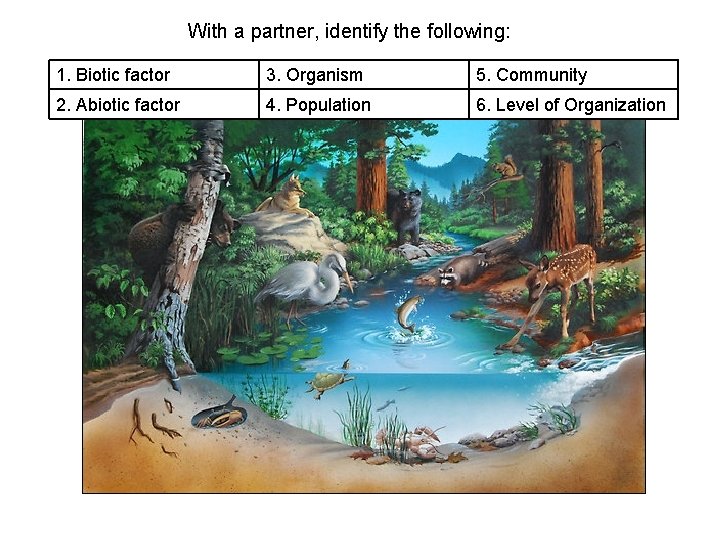
With a partner, identify the following: 1. Biotic factor 3. Organism 5. Community 2. Abiotic factor 4. Population 6. Level of Organization
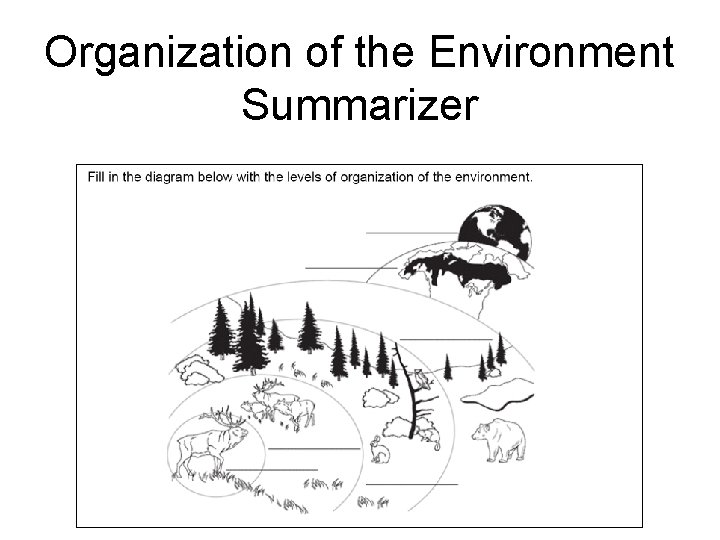
Organization of the Environment Summarizer