
Wine Consumer Education A New Curriculum for Evolving

- Slides: 92
Wine Consumer Education: A New Curriculum for Evolving Expectations
Wine Education Outdated, outmoded and filled with errors Tim Hanni MW, CWE
Nothing in the world is more dangerous than sincere ignorance and conscientious stupidity. Martin Luther King, Jr.
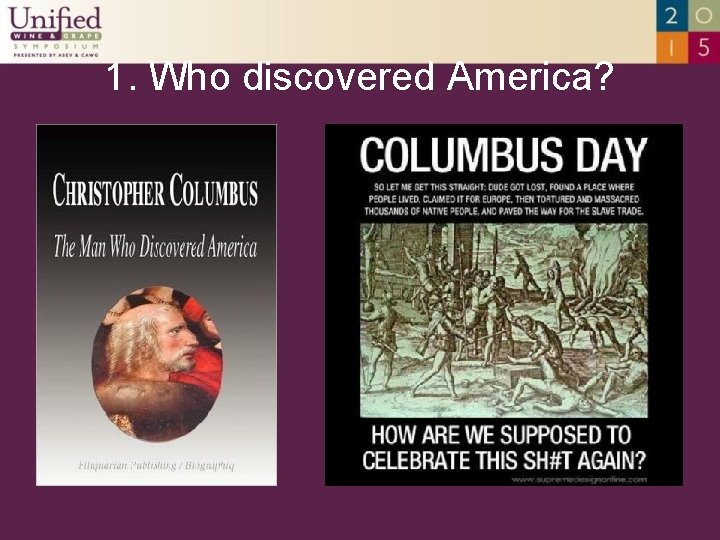
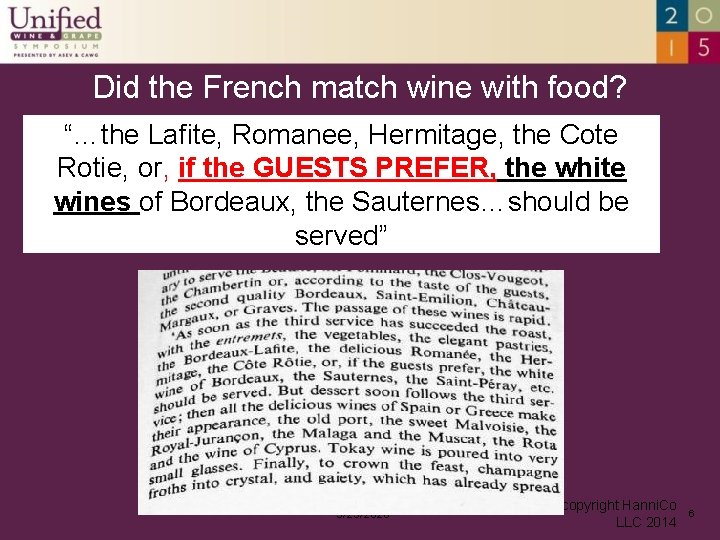
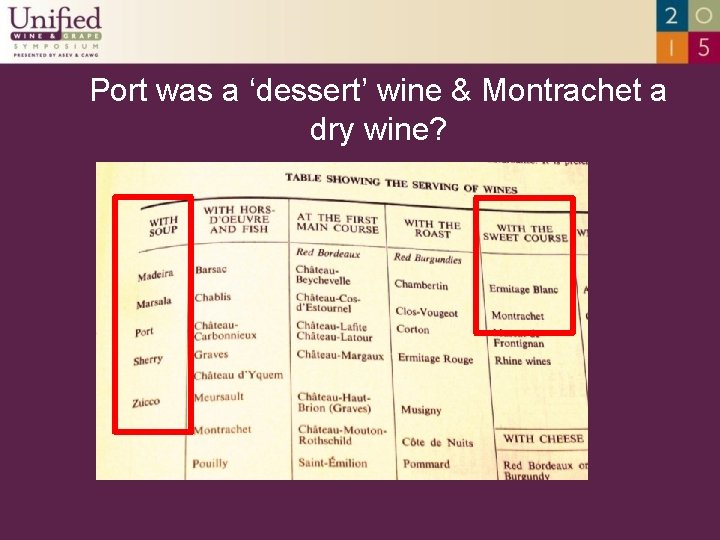
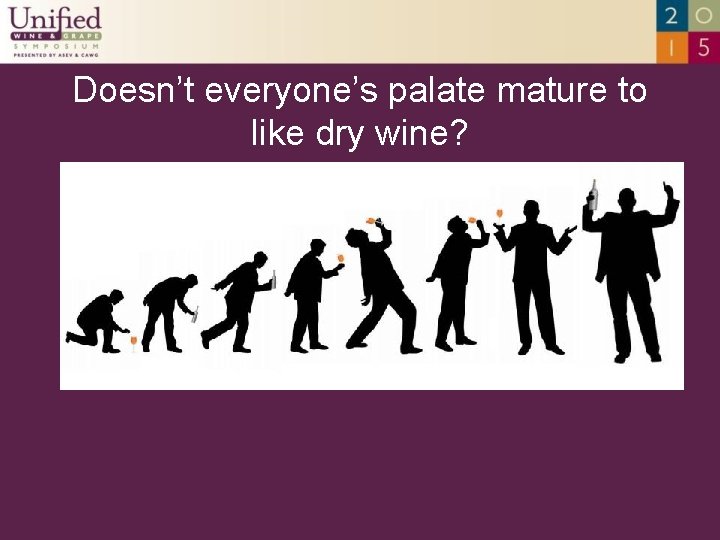
Pop Quiz! 1. Who discovered America? 2. Is Santa Claus real? 3. Did the French promote matching the wine to the dinner, or did they match wine to the diner? 4. Port is traditionally a ‘dessert’ wine and Montrachet was a dry wine, right? 5. Doesn’t everyone’s palate mature to like dry wine? 6. Should I serve a heavy wine with heavy food? 7. Is personal perception reality or just an opinion?
1. Who discovered America?
Did the French match wine with food? “…the Lafite, Romanee, Hermitage, the Cote Rotie, or, if the GUESTS PREFER, the white wines of Bordeaux, the Sauternes…should be served” 9/25/2020 copyright Hanni. Co LLC 2014 6
Port was a ‘dessert’ wine & Montrachet a dry wine?
Doesn’t everyone’s palate mature to like dry wine?
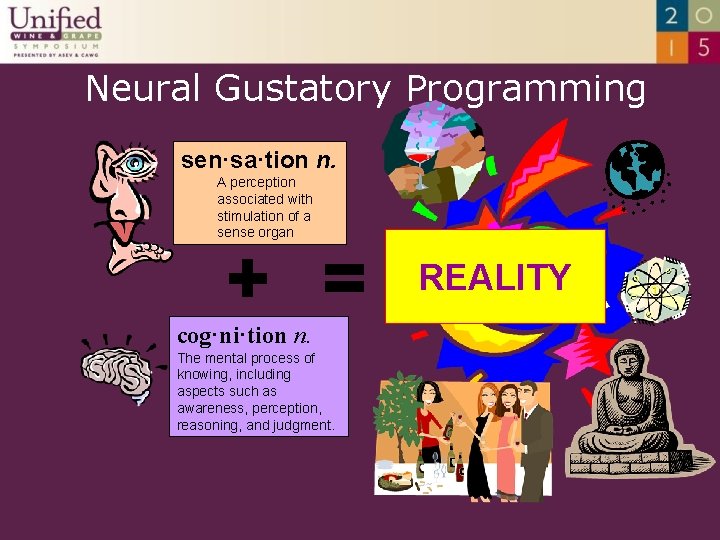
Neural Gustatory Programming sen·sa·tion n. A perception associated with stimulation of a sense organ + = cog·ni·tion n. The mental process of knowing, including aspects such as awareness, perception, reasoning, and judgment. REALITY
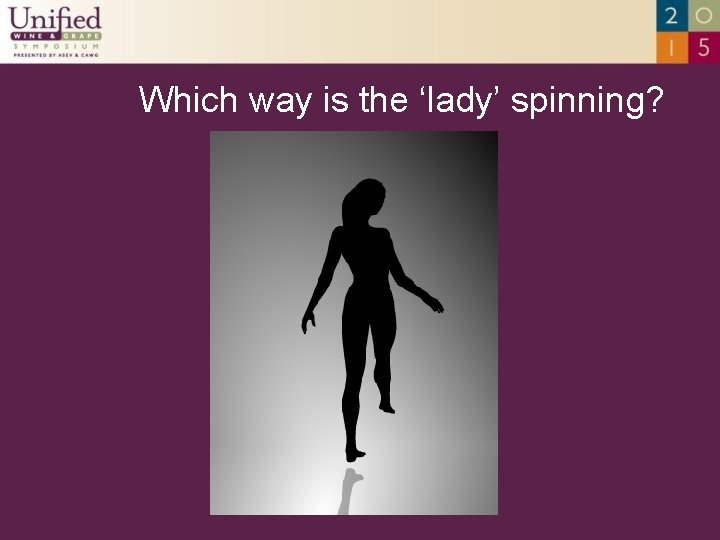
Which way is the ‘lady’ spinning?
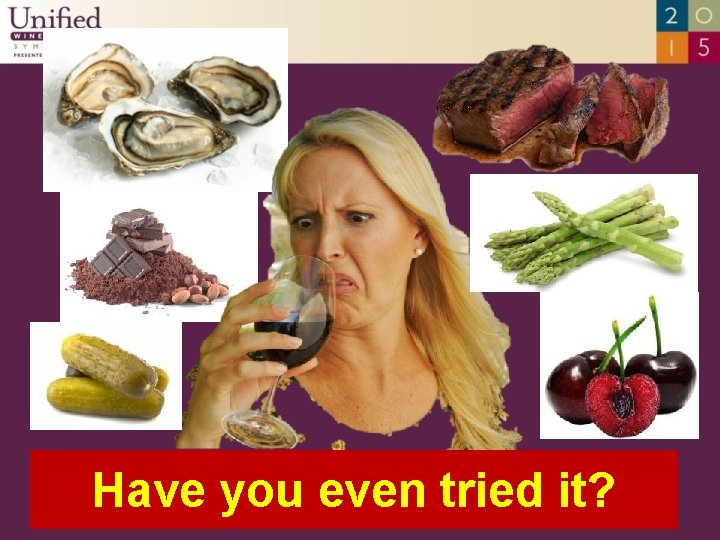
Have you even tried it?
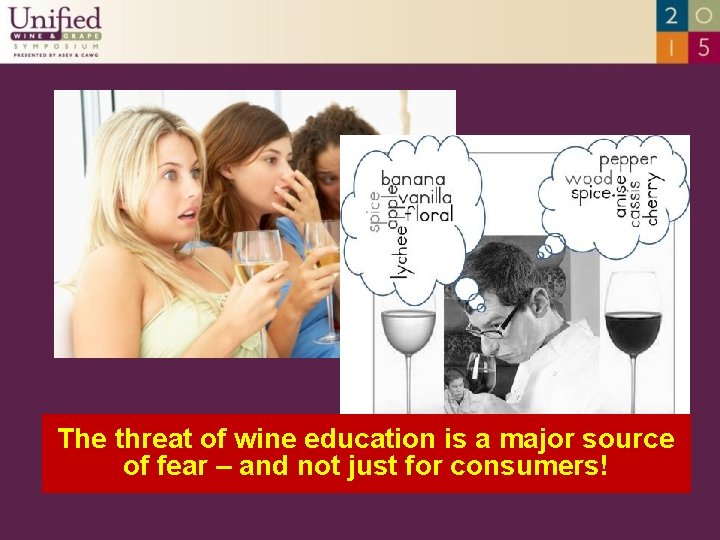
The threat of wine education is a major source of fear – and not just for consumers!
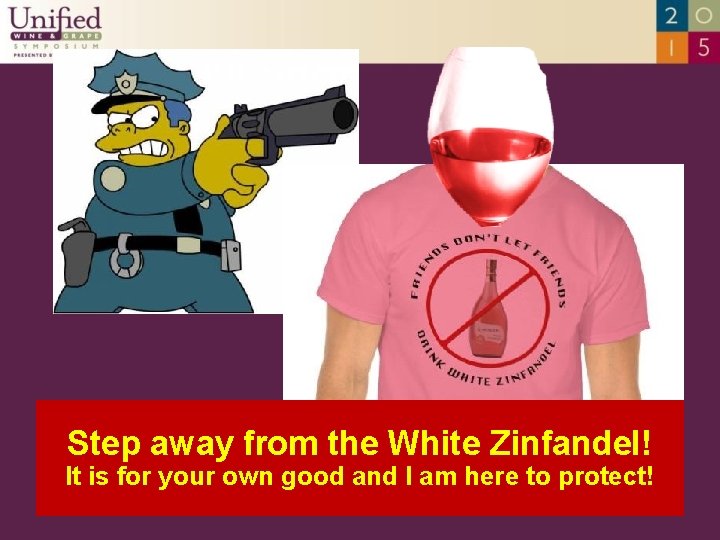
Step away from the White Zinfandel! It is for your own good and I am here to protect!
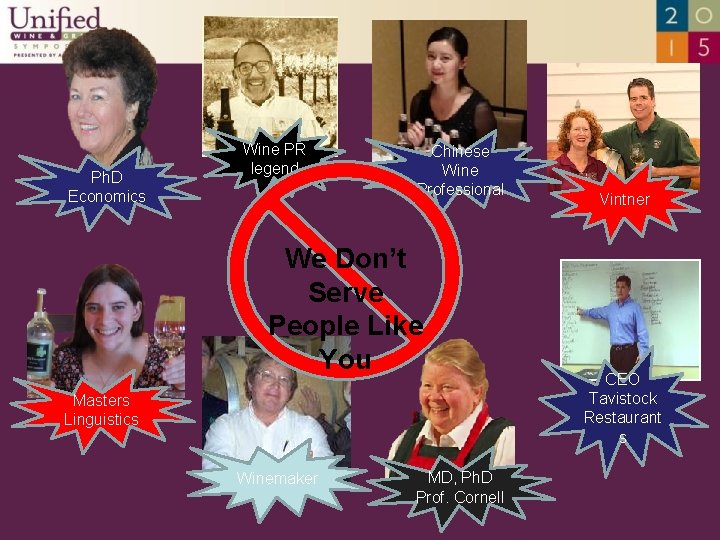
Ph. D Economics Wine PR legend Chinese Wine Professional We Don’t Serve People Like You Masters Linguistics Winemaker MD, Ph. D Prof. Cornell Vintner CEO Tavistock Restaurant s
Where would you like to go?
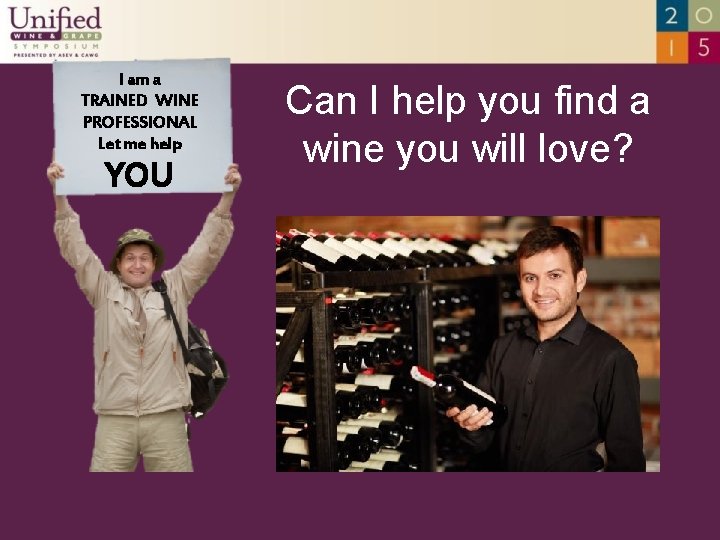
I am a TRAINED WINE PROFESSIONAL Let me help YOU Can I help you find a wine you will love?
Tasting: Using Best Practices of Professionals for Consumer Education Tim Gaiser, MS
Teaching tasting can be the most rewarding thing we do — And the most frustrating …
There are major disconnects in learning about wine
Wine is a fermented beverage that smells like other things
Wine has no inherent vocabulary
Our culture doesn’t place emphasis or value on olfactory memory
Little, if any, awareness that there’s a visual component to olfactory and taste memory
The expectation that learning to taste wine is somehow different from learning anything else
The Project : Modeling tasting strategies of top professionals
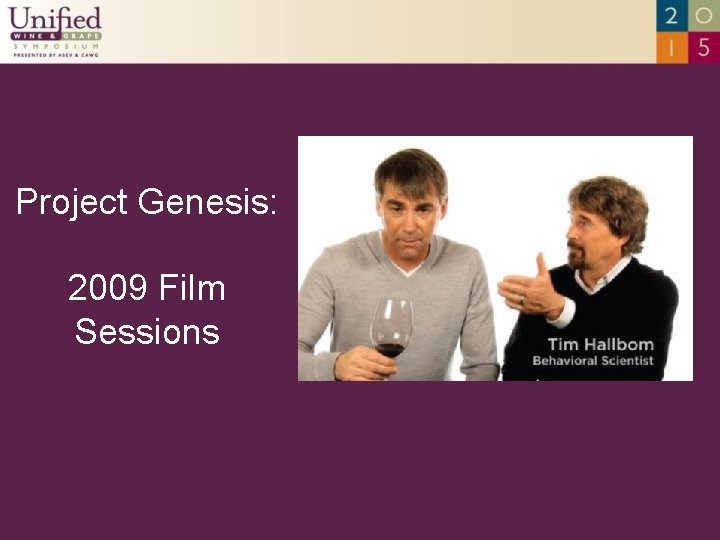
Project Genesis: 2009 Film Sessions
• • • Gillian Balance MS Matt Citriglia MS Brian Cronin MS Eric Entrikin MS Doug Frost MS MW Peter Granoff MS Evan Goldstein MS Yosh Han Gilian Handelman Alyssa Harrad • Tracy Kamens Ed. D. , DWS, CWE • Sur Lucero MS • Peter Marks MW • Karen Mac. Neil • Roland Micu MS • Alan Murray MS • Thomas Price MS • Emily Papach MS • Madeline Triffon MS • Emily Wines MS Project Participants
• To deconstruct internal strategies of top tasters • To replicate best practices to teach consumers more effectively • Ultimately: to improve how we teach tasting Goals for the Project
Best Practices: What do top tasters do?
They use a consistent starting sequence
They taste using a very focused state of concentration
They consistently use a tasting grid or method at the unconscious level
They have highly developed olfactory memory
Practically all* use imagebased memory for smell and taste
They’re able to keep a lot of sensory information in their field of awareness either simultaneously or in rapid sequence
They do so by using highly individual wine “maps” to internally represent wine
They calibrate the structural elements in wine precisely and consistently—and do so visually
They have internal processes or sequences to identify grapes, wines, regions, and vintages
For today: two strategies that map across to consumers … 9/25/2020
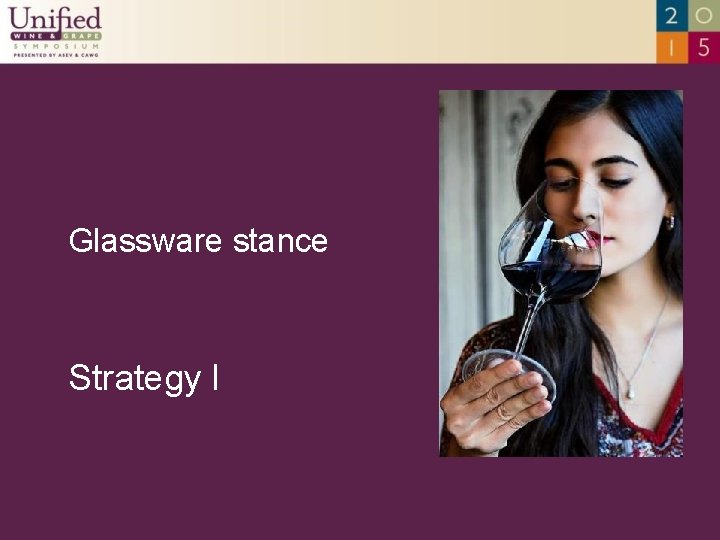
Glassware stance Strategy I
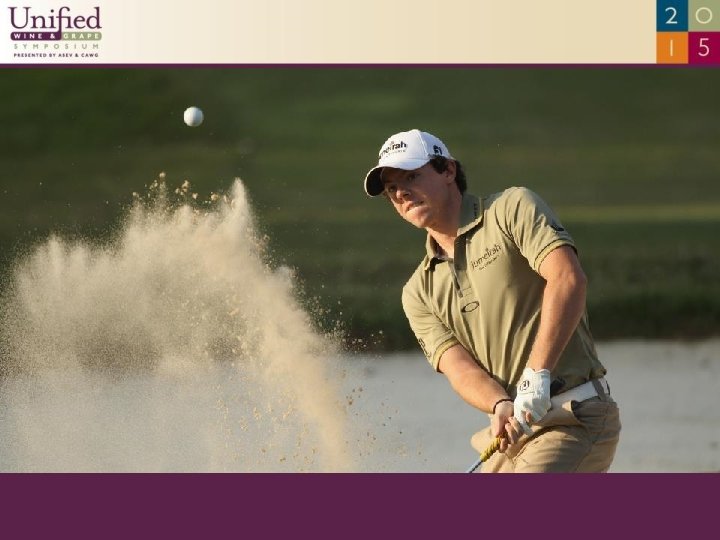
Tasting wine is like playing golf …
Consistency in how you approach the glass is vitally important 9/25/2020
• Being aware of: – The angle of the glass – Position of head and torso – Eye position – where do you look? – Eye focus – quality of gaze – Auditory prompt – self talk Glassware stance
• Knowing how to start is the most challenging thing for beginners • Teach them a consistent starting place with the glass and their eyes! Glassware Stance and beginners
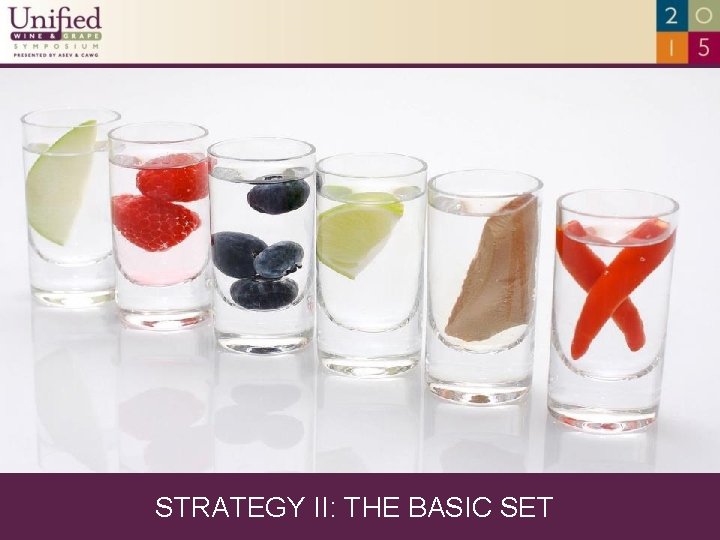
STRATEGY II: THE BASIC SET
The Beginner’s Dilemma: “But it just smells like wine …”
Needed: Awareness that there is a visual component connected to smell and taste memory
Concept: Front Loading using the Basic Set
The 30 or so aromas found in over 80% of all wines Top tasters “own” these aromatics--and many more! What is the Basic Set?
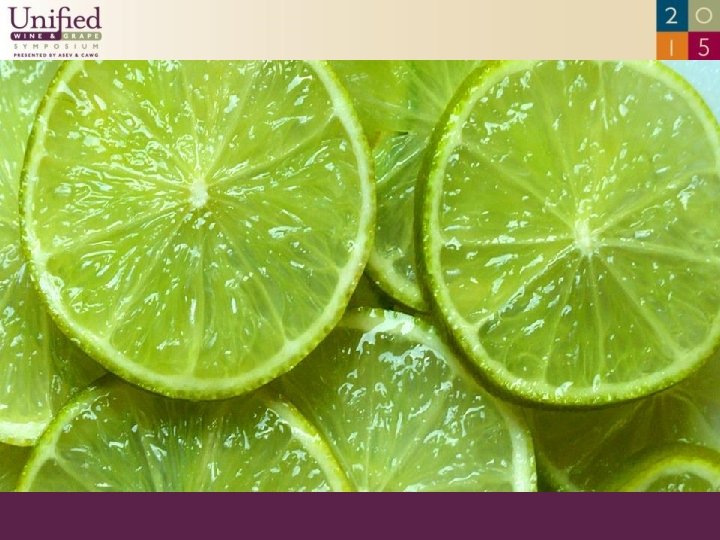
• Front Loading: improving olfactory memory without physically tasting • Working with words and images to: – Make the image/olfactory connection – Consumers connect to their own life memories of list components Using the Basic Set
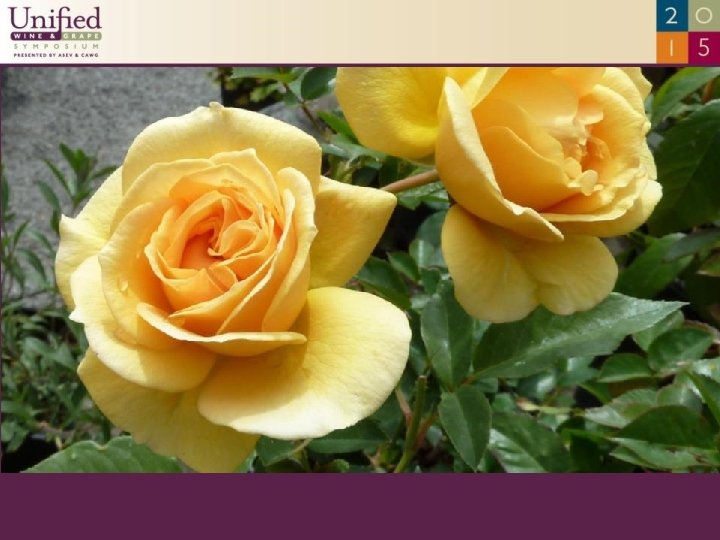
• Fruit: green apple, peach, lime, mango etc. • Non-fruit: rose, violet, mint, bell pepper, rosemary • Earth/mineral: chalk, wet stone, mushroom, forest floor • Oak influence: vanilla, chocolate, toast Basic Set examples
• • Images and words Images Words Contrastive analysis Using the Basic Set: four modules
Complexity defined … 9/25/2020
Q&A 9/25/2020
Emerging Wine Education Tools in Practice: Training & Development Gilian Handelman Director of Wine Education Jackson Family Wines 9/25/2020
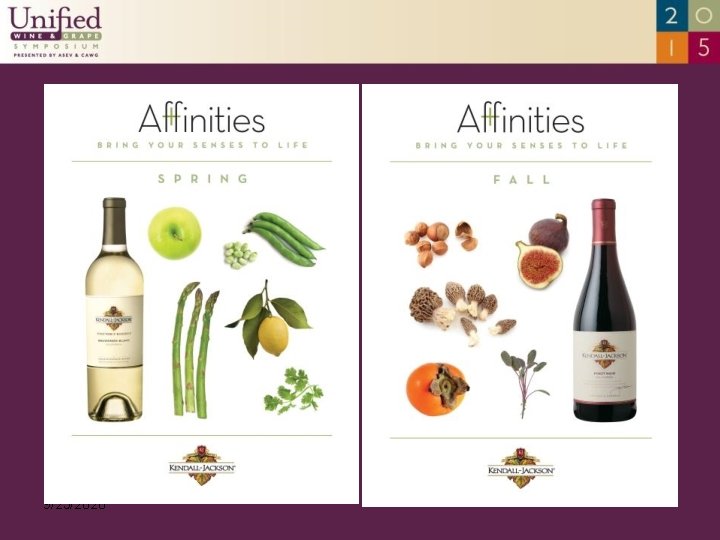
STORYTELLING: Change up the lens & reinforce concepts with imagery TRAINING: Develop the voice first EMPLOY CREATIVE EXPRESSION: Because we all need more ways build connection 9/25/2020
STORYTELLING Take an angle that’s unexpected 9/25/2020
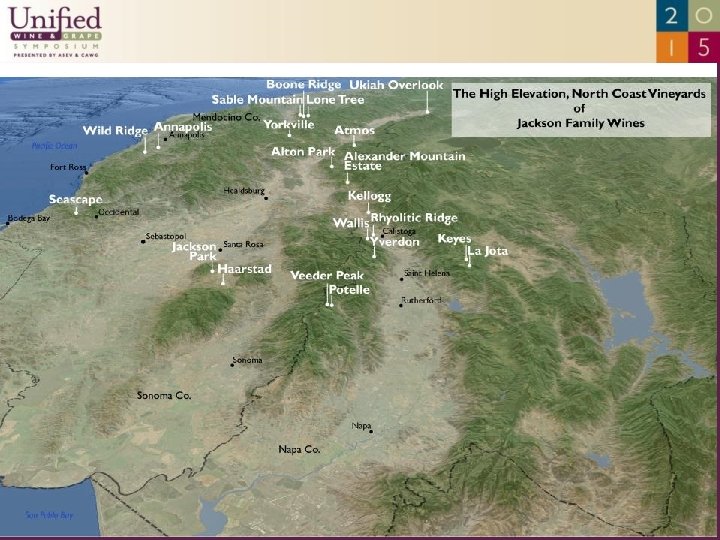
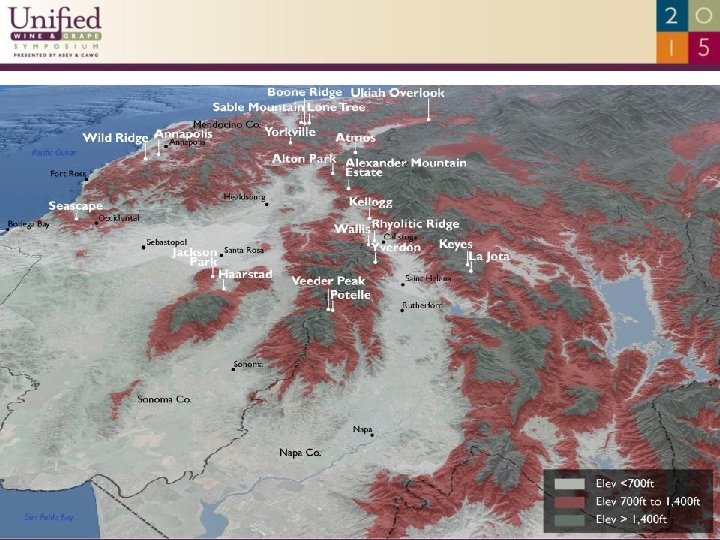
Maps 9/25/2020
The Spoken Word (metaphors/similes) Can everyone relate? 9/25/2020
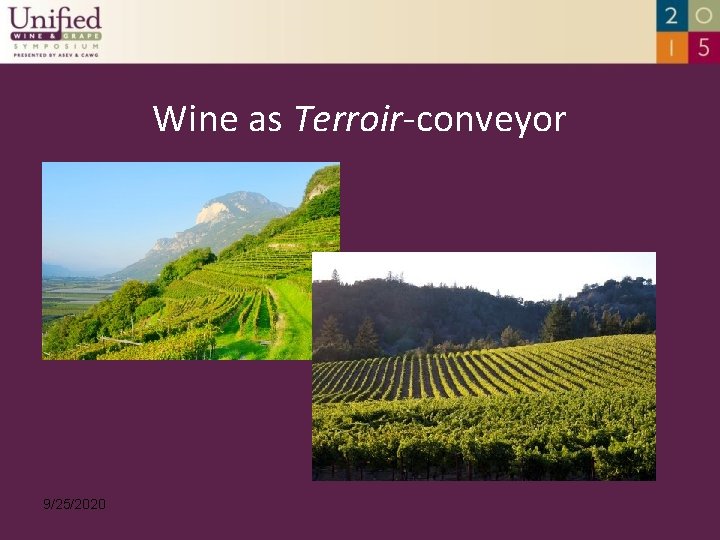
Wine as Terroir-conveyor 9/25/2020
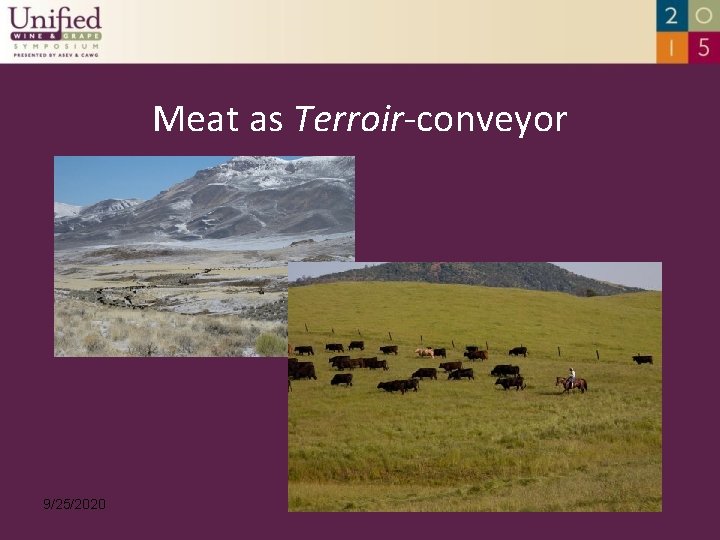
Meat as Terroir-conveyor 9/25/2020
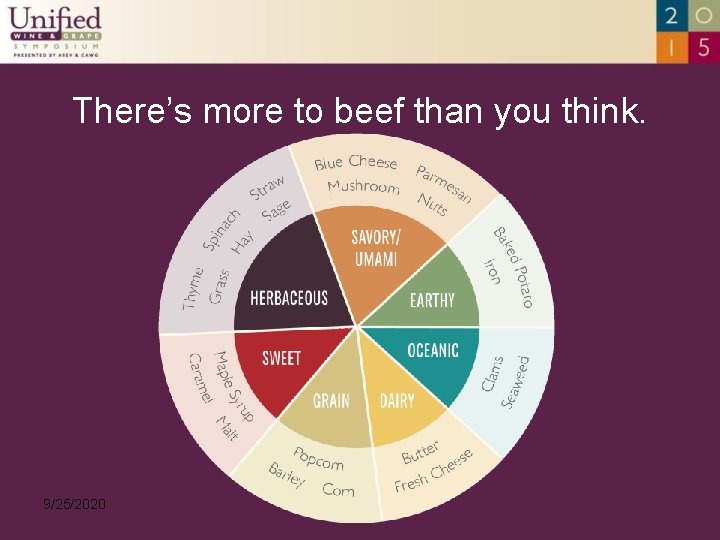
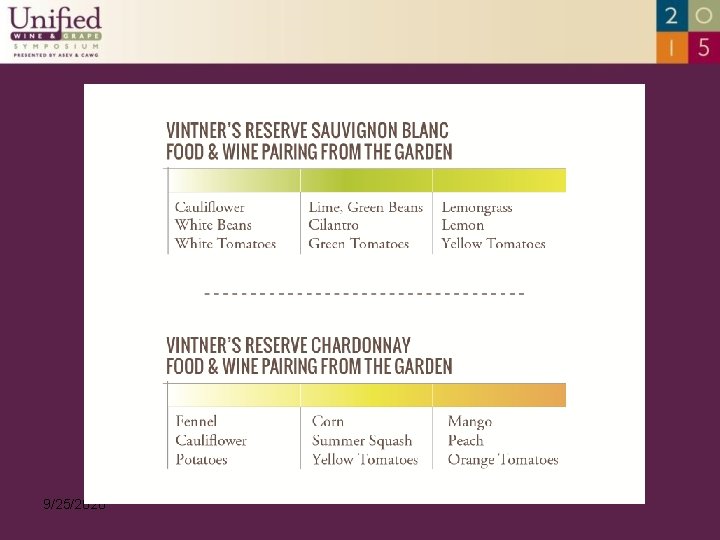
There’s more to beef than you think. Infographics 9/25/2020
Reinforce story concepts through imagery 9/25/2020
9/25/2020
Infographics 9/25/2020
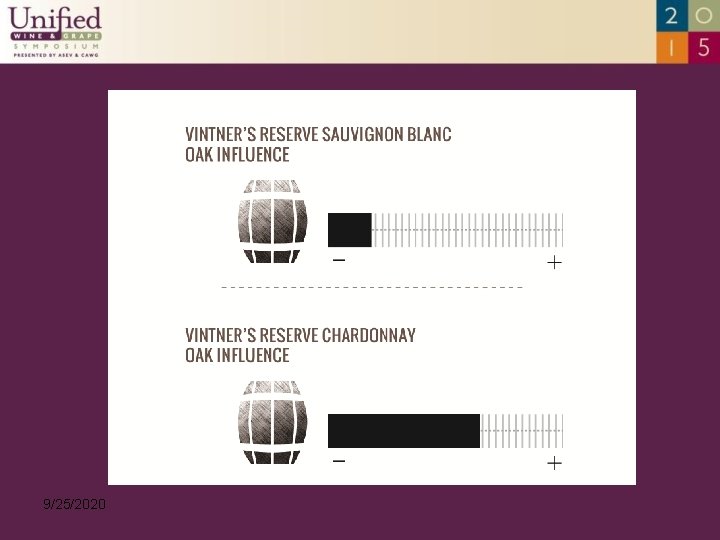
Reduce data inputs with imagery 9/25/2020
Infographics 9/25/2020
TRAINING: Develop the voice first 9/25/2020
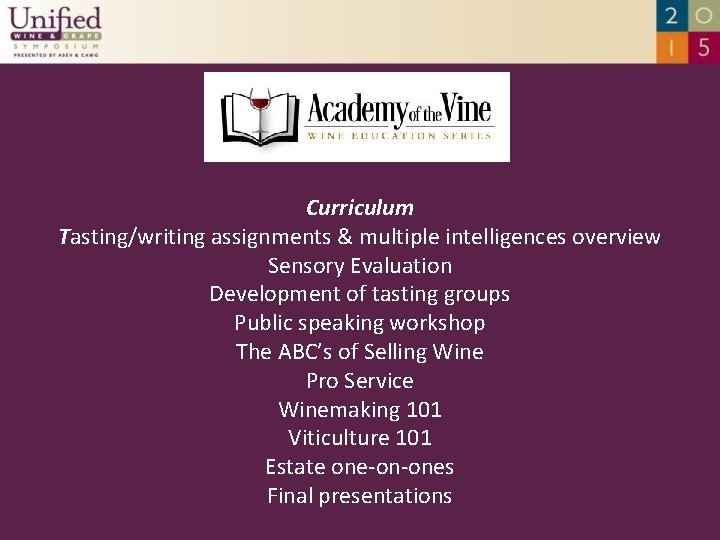
Curriculum Tasting/writing assignments & multiple intelligences overview Sensory Evaluation Development of tasting groups Public speaking workshop The ABC’s of Selling Wine Pro Service Winemaking 101 Viticulture 101 Estate one-on-ones Final presentations
Pre-Assignment Take the wine I assigned to you home. Observe it for several days in several glasses, at several temperatures, with a bite of food if you wish. In your own voice, write several paragraphs about the way it tastes, the texture, its personality. DO NOT RESEARCH THIS ON THE INTERNET— GO WITH YOUR GUT
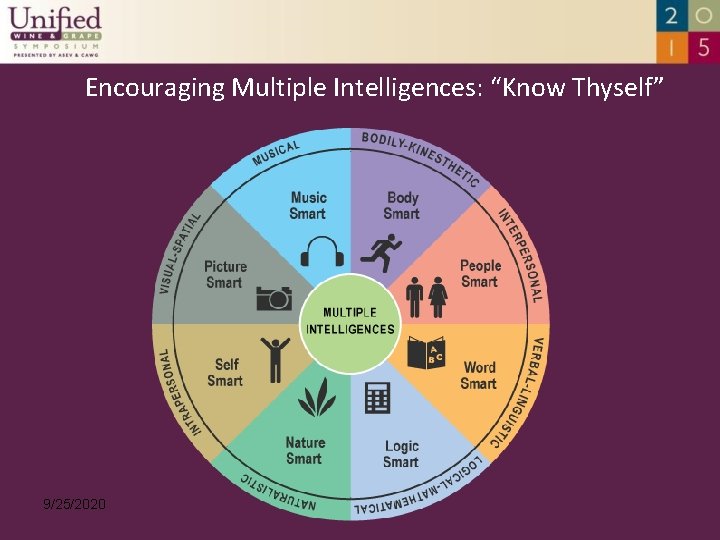
Encouraging Multiple Intelligences: “Know Thyself” Infographics 9/25/2020
EMPLOY CREATIVE EXPRESSION Shape as a component of a tasting note 9/25/2020
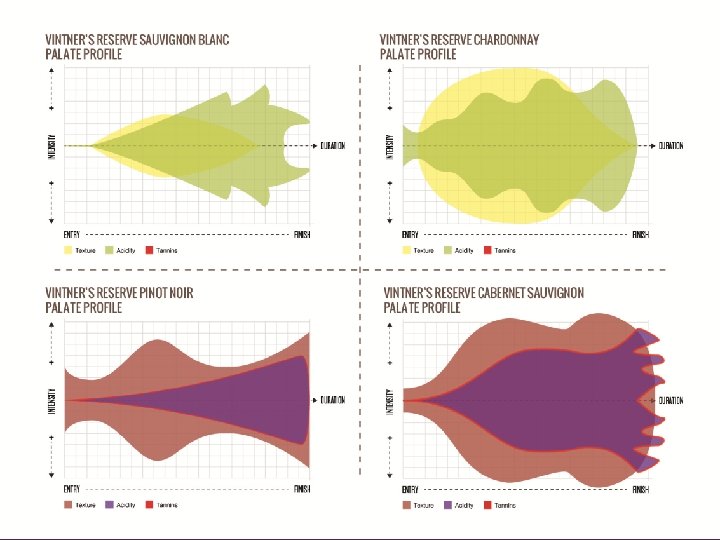
For consumers… 9/25/2020
Other Modalities in Wine Expression 9/25/2020
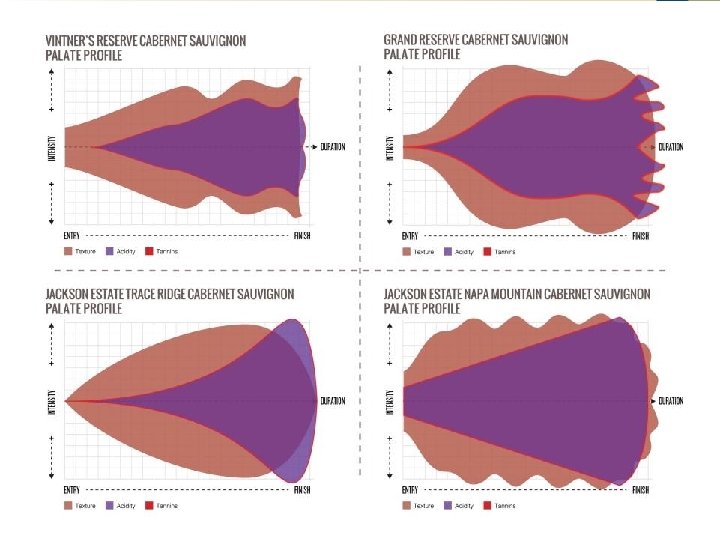
And for personal tasting practice/retention… 9/25/2020
Other Modalities in Wine Expression 9/25/2020
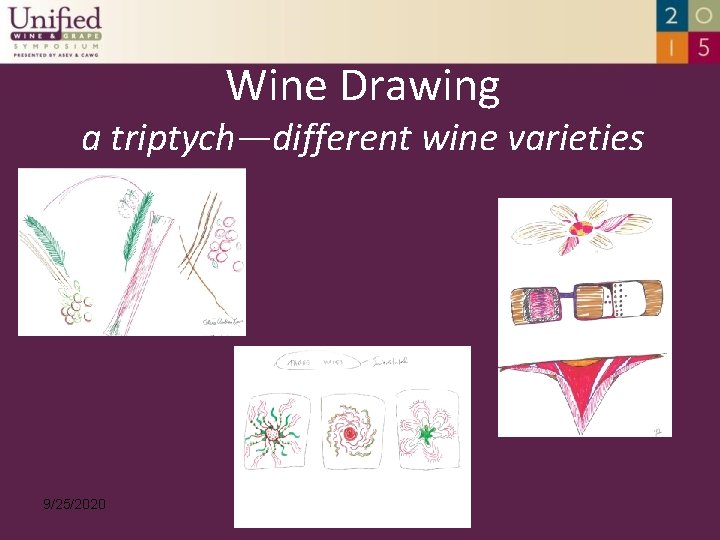
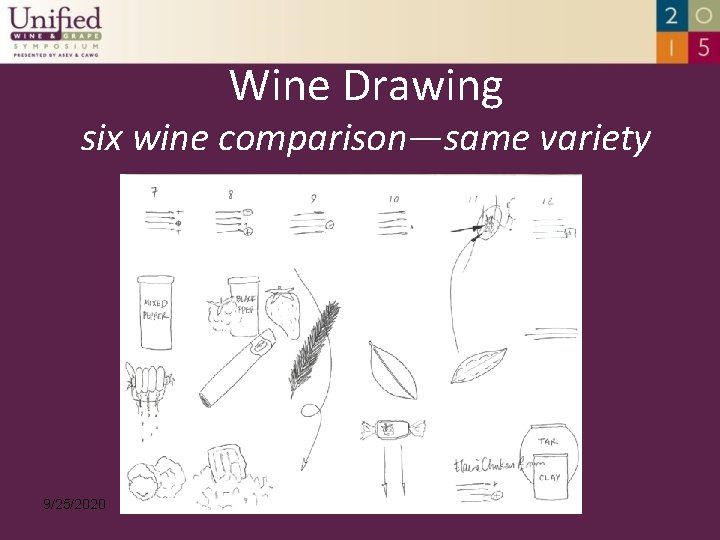
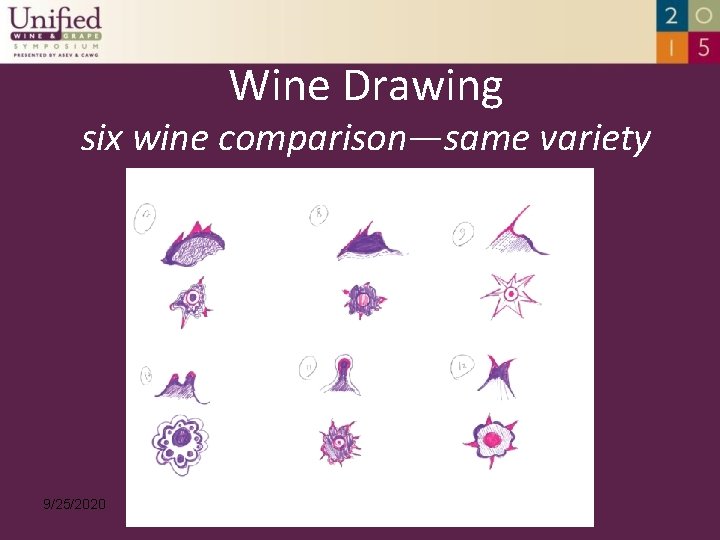
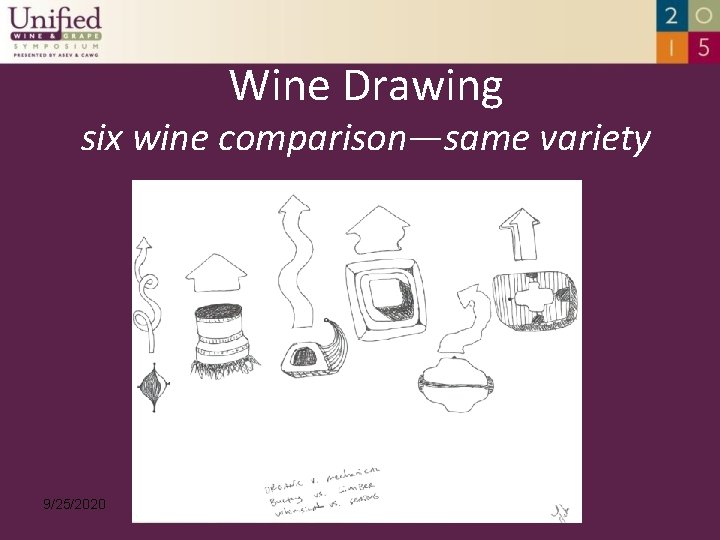
“Drawing” Wine 9/25/2020
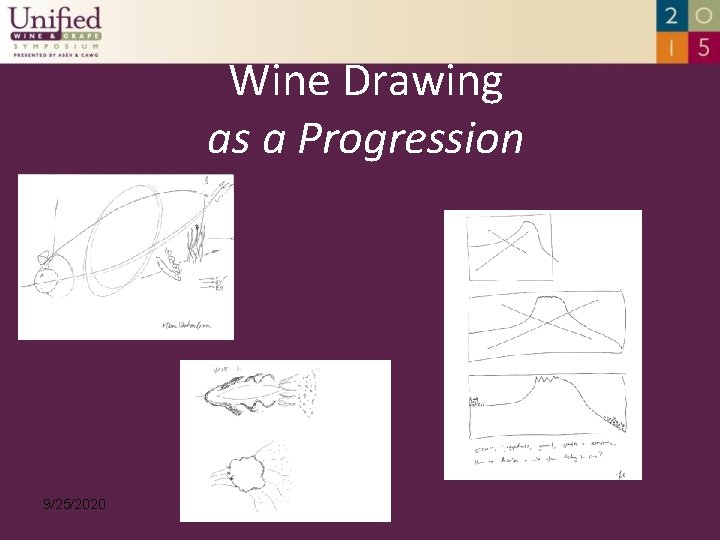
Wine Drawing as a Progression 9/25/2020
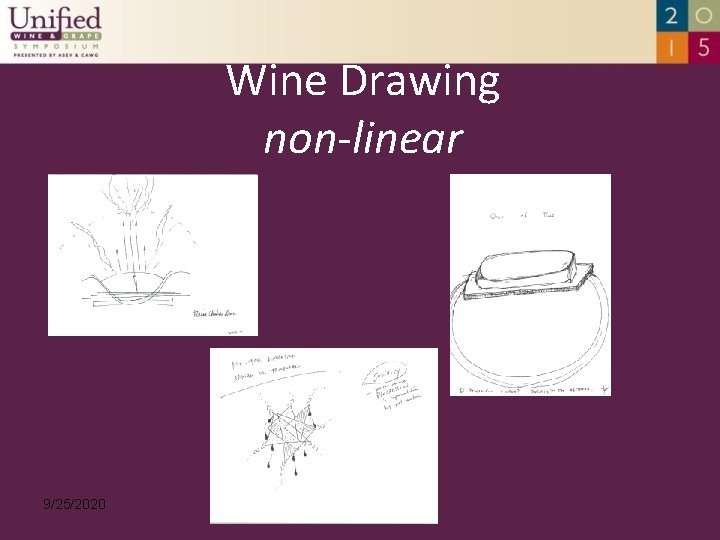
Wine Drawing non-linear 9/25/2020
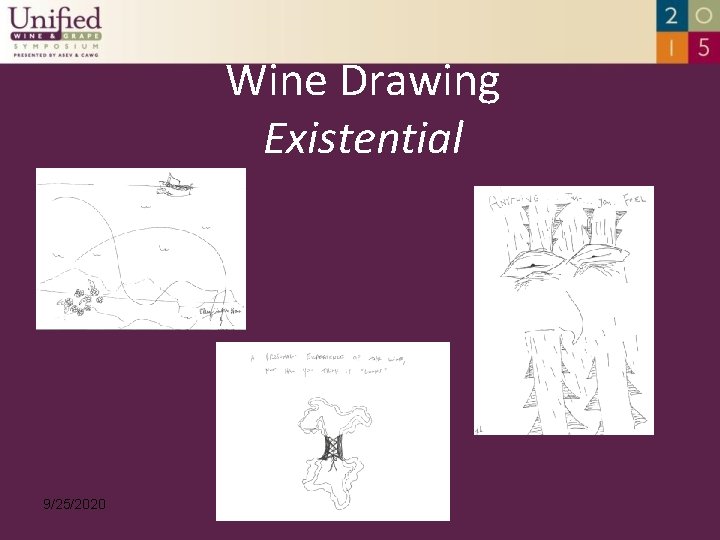
Wine Drawing Existential 9/25/2020
Wine Drawing a triptych—different wine varieties 9/25/2020
Wine Drawing six wine comparison—same variety 9/25/2020
Wine Drawing six wine comparison—same variety 9/25/2020
Wine Drawing six wine comparison—same variety 9/25/2020
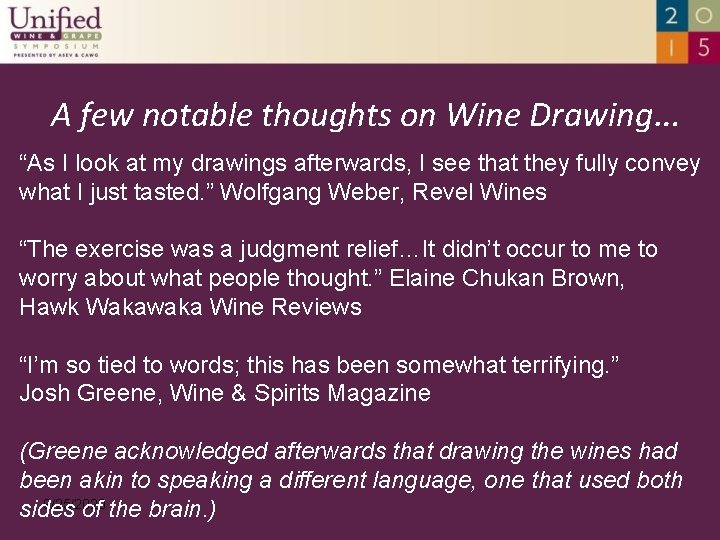
A few notable thoughts on Wine Drawing… “As I look at my drawings afterwards, I see that they fully convey what I just tasted. ” Wolfgang Weber, Revel Wines “The exercise was a judgment relief…It didn’t occur to me to worry about what people thought. ” Elaine Chukan Brown, Hawk Wakawaka Wine Reviews “I’m so tied to words; this has been somewhat terrifying. ” Josh Greene, Wine & Spirits Magazine (Greene acknowledged afterwards that drawing the wines had been akin to speaking a different language, one that used both 9/25/2020 sides of the brain. )
In closing… Encourage people to communicate in as many ways as possible to take advantage of their real talents and to build the glue. 9/25/2020
Thank you! 9/25/2020