
Wind Science 101 I Overview of Wind Patterns


![NOAA NCEP-NCAR CDAS-1 MONTHLY 300 mb [ u , v ] climatology January Wind](https://slidetodoc.com/presentation_image/343faacb17b5e85899383e291a7dbbde/image-15.jpg "NOAA NCEP-NCAR CDAS-1 MONTHLY 300 mb [ u , v ] climatology January Wind")
![NOAA NCEP-NCAR CDAS-1 MONTHLY 300 mb [ u , v ] climatology July Wind](https://slidetodoc.com/presentation_image/343faacb17b5e85899383e291a7dbbde/image-16.jpg "NOAA NCEP-NCAR CDAS-1 MONTHLY 300 mb [ u , v ] climatology July Wind")
![NOAA NCEP-NCAR CDAS-1 MONTHLY Diagnostic above_ground [ u , v ] climatology (m/s) January](https://slidetodoc.com/presentation_image/343faacb17b5e85899383e291a7dbbde/image-17.jpg "NOAA NCEP-NCAR CDAS-1 MONTHLY Diagnostic above_ground [ u , v ] climatology (m/s) January")
![NOAA NCEP-NCAR CDAS-1 MONTHLY Diagnostic above_ground [ u , v ] climatology (m/s) July](https://slidetodoc.com/presentation_image/343faacb17b5e85899383e291a7dbbde/image-18.jpg "NOAA NCEP-NCAR CDAS-1 MONTHLY Diagnostic above_ground [ u , v ] climatology (m/s) July")



- Slides: 72
Wind Science 101: I. Overview of Wind Patterns Eugene S. Takle Professor Department of Agronomy Department of Geological and Atmospheric Science Director, Climate Science Program Iowa State University Ames, IA 50011 WESEP REU Short Course Iowa State University Spring 2011
Outline Global scale 3 -D global circulation patterns and wind energy Surface and upper-air tropical and mid-latitude weather systems, including prevailing westerlies Mesoscale Great Plains Low-Level Jet and nocturnal LLJs Sea-breeze Monsoon circulation Off-shore resources US wind resource maps Forecasting wind resources Atmospheric boundary layer Structure and diurnal/seasonal evolution Impact of static and dynamic stability on horizontal wind speeds and vertical profiles Turbulent flows and interactive wakes
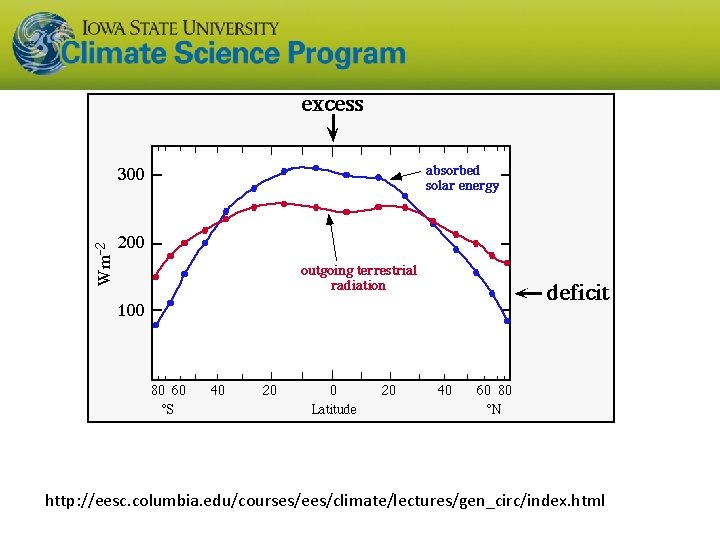
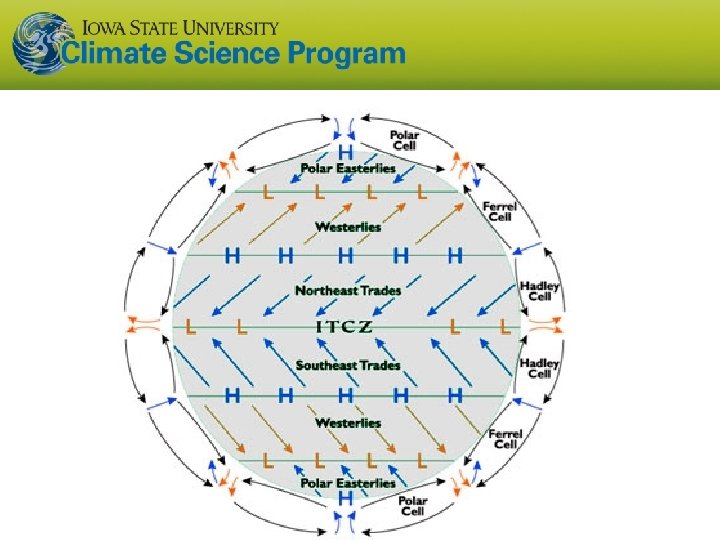
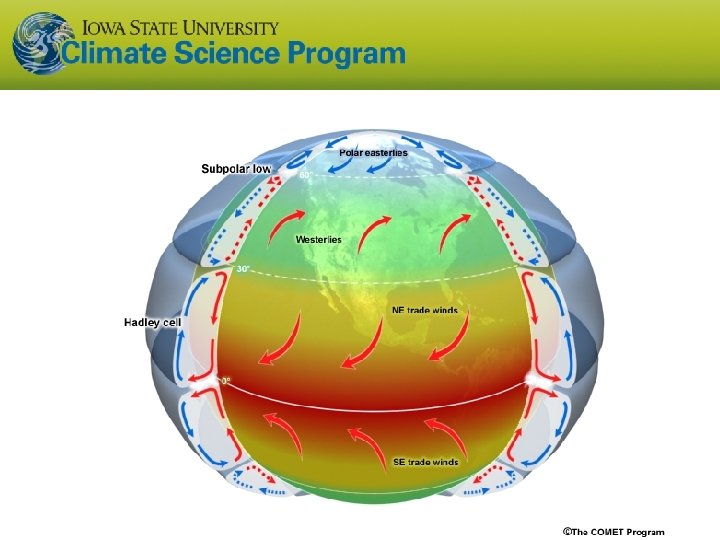
http: //eesc. columbia. edu/courses/ees/climate/lectures/gen_circ/index. html
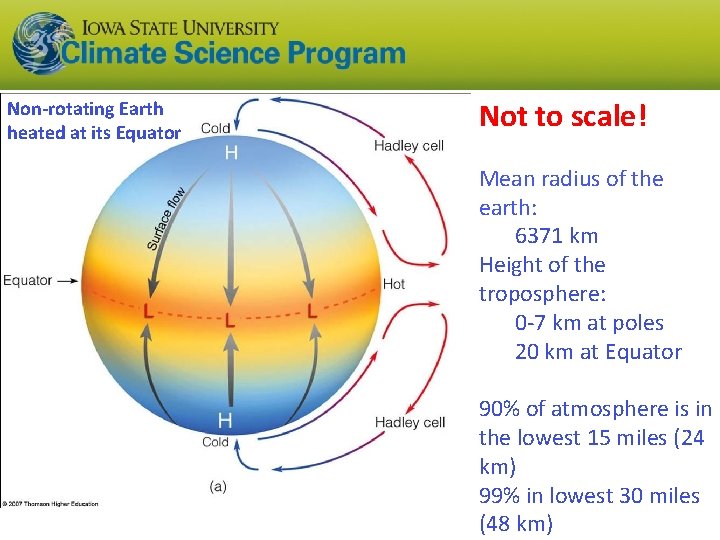
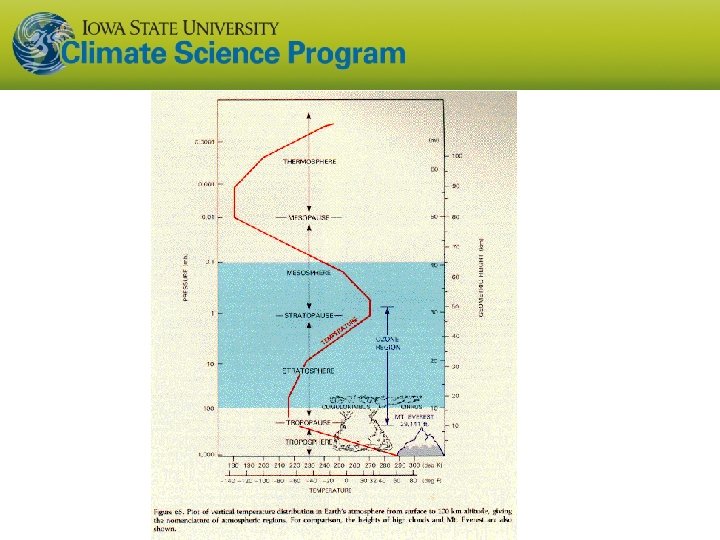
Non-rotating Earth heated at its Equator Not to scale! Mean radius of the earth: 6371 km Height of the troposphere: 0 -7 km at poles 20 km at Equator 90% of atmosphere is in the lowest 15 miles (24 km) 99% in lowest 30 miles (48 km)
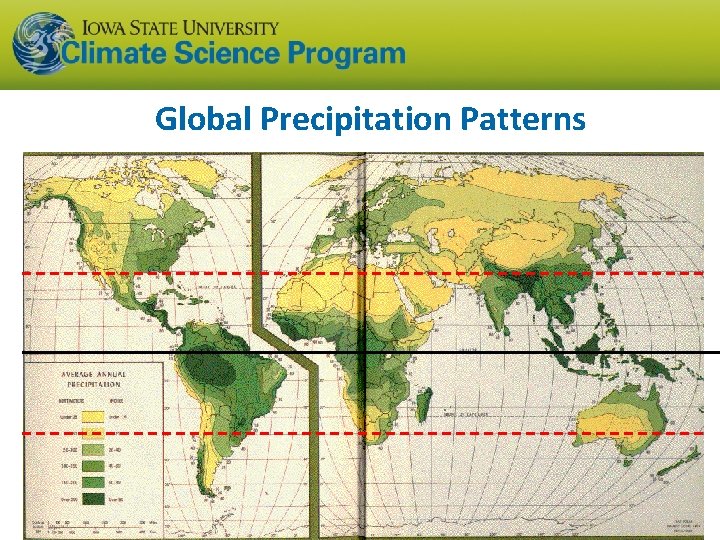
Global Precipitation Patterns
NOAA NCEP-NCAR CDAS-1 MONTHLY 300 mb [ u , v ] climatology January Wind speed at 12 km
NOAA NCEP-NCAR CDAS-1 MONTHLY 300 mb [ u , v ] climatology July Wind speed at 12 km http: //eesc. columbia. edu/courses/ees/climate/lectures/gen_circ/300 mb. Winds. html
NOAA NCEP-NCAR CDAS-1 MONTHLY Diagnostic above_ground [ u , v ] climatology (m/s) January Wind speed near surface http: //eesc. columbia. edu/courses/ees/climate/lectures/gen_circ/300 mb. Winds. html
NOAA NCEP-NCAR CDAS-1 MONTHLY Diagnostic above_ground [ u , v ] climatology (m/s) July Wind speed near surface http: //eesc. columbia. edu/courses/ees/climate/lectures/gen_circ/300 mb. Winds. html
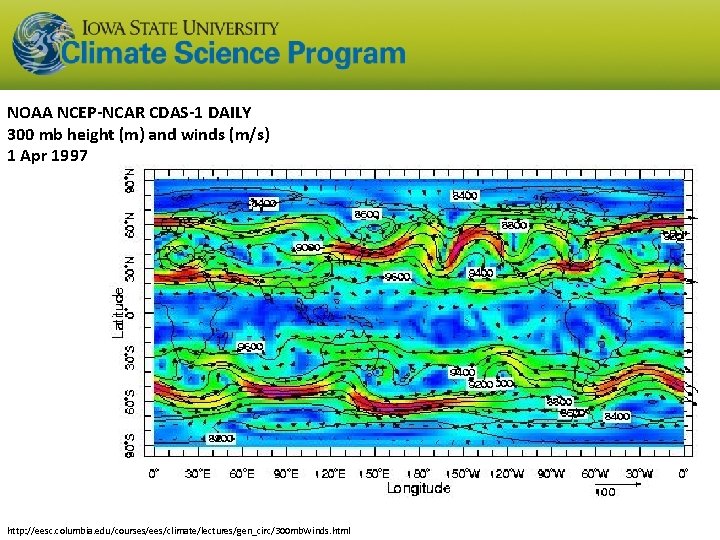
NOAA NCEP-NCAR CDAS-1 DAILY 300 mb height (m) and winds (m/s) 1 Apr 1997 http: //eesc. columbia. edu/courses/ees/climate/lectures/gen_circ/300 mb. Winds. html
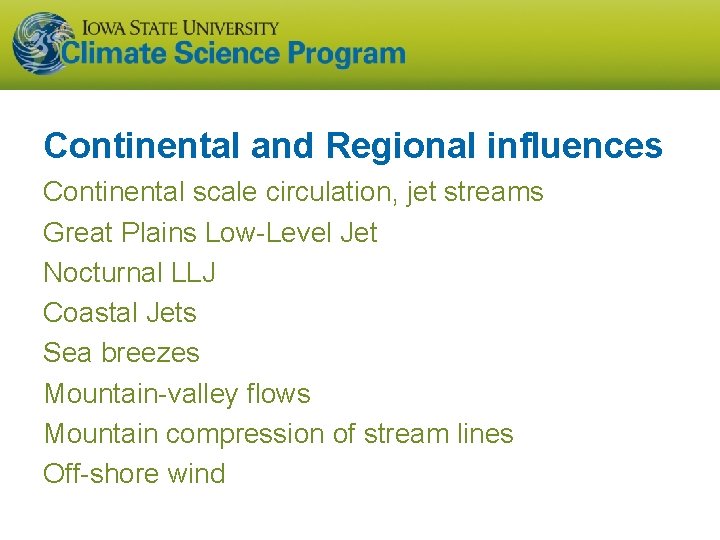
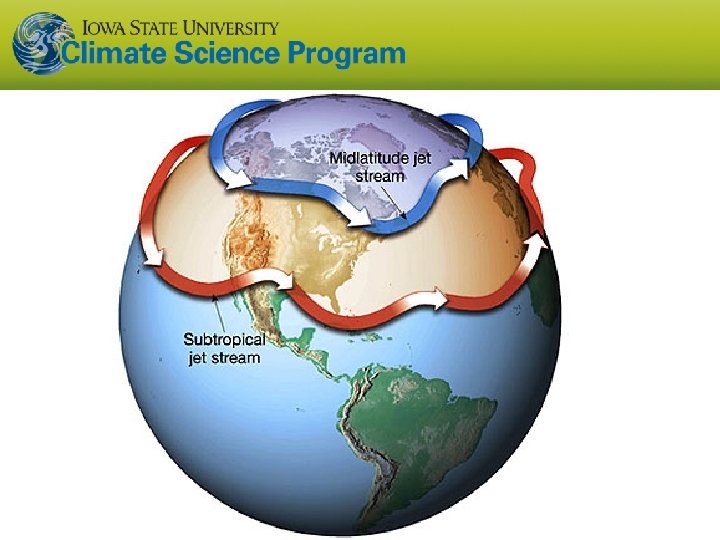
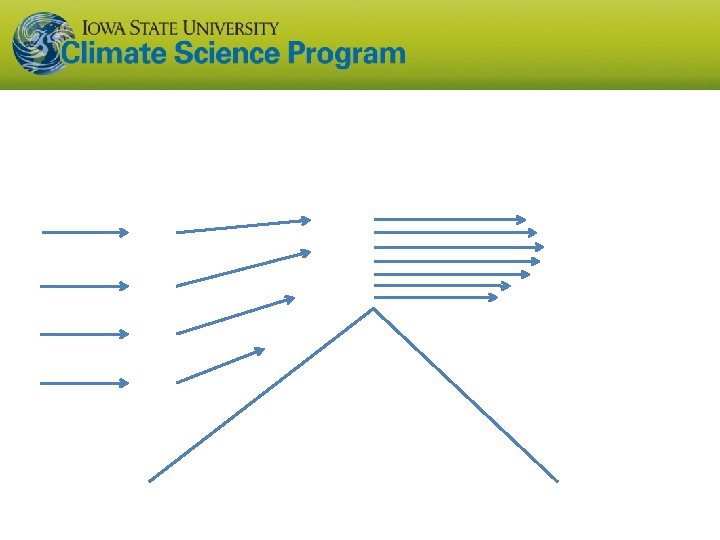
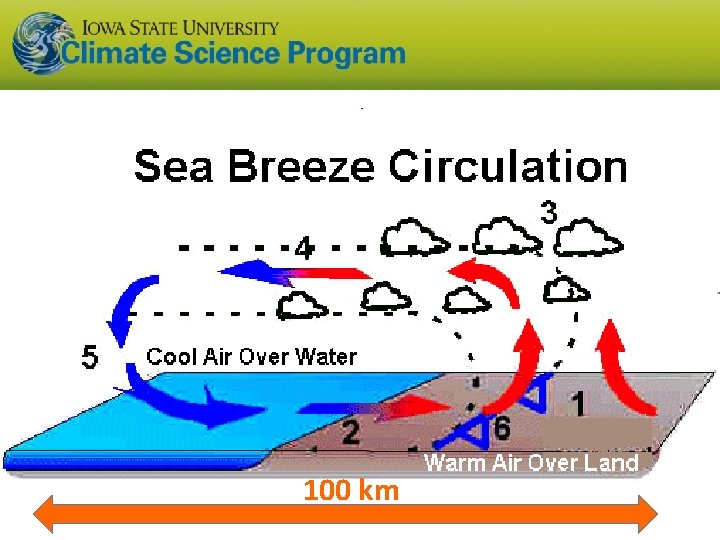
Continental and Regional influences Continental scale circulation, jet streams Great Plains Low-Level Jet Nocturnal LLJ Coastal Jets Sea breezes Mountain-valley flows Mountain compression of stream lines Off-shore wind
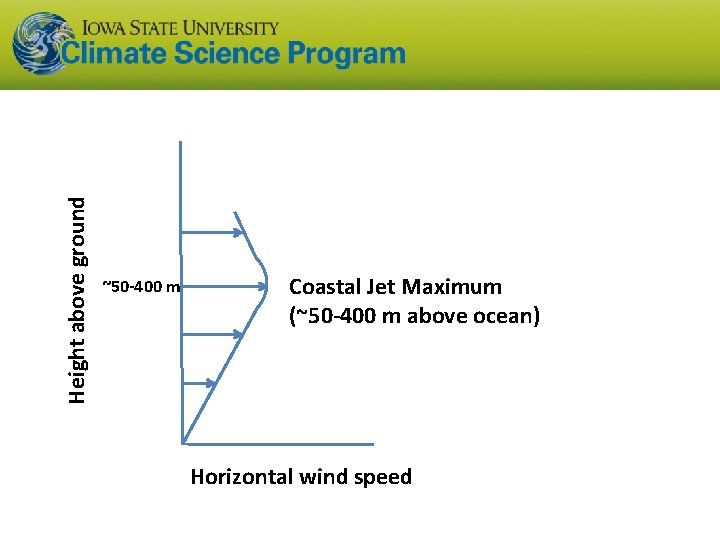
Mechanism of Low-Level Jets: General Principles Great Plains Low-Level Jet (GPLLJ) Nocturnal Low-Level Jet (LLJ) Coastal Jet (CJ)
Mechanism of Low-Level Jets: General Principles Great Plains Low-Level Jet (GPLLJ) Nocturnal Low-Level Jet (LLJ) Coastal Jet (CJ)
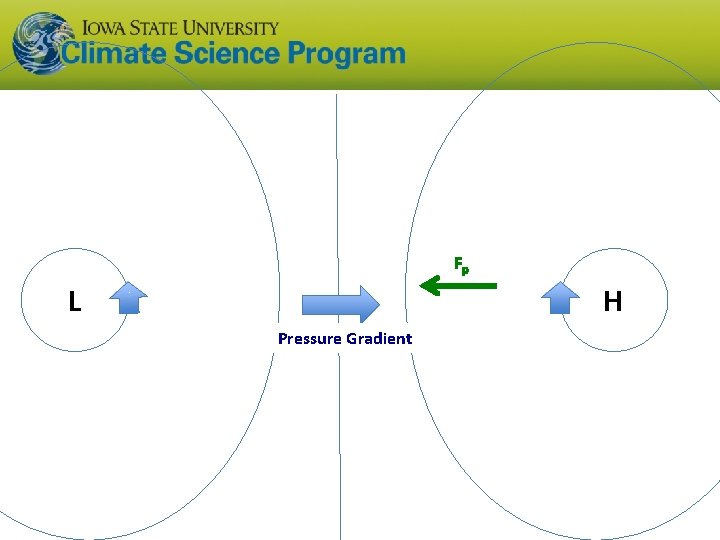
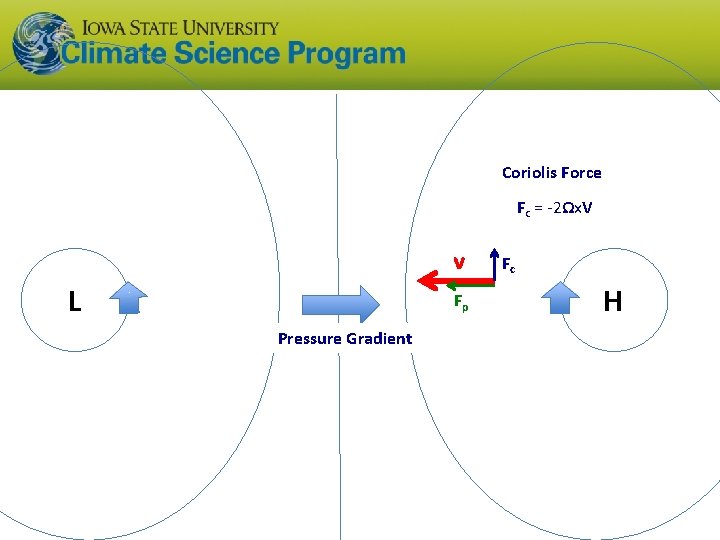
Fp L H Pressure Gradient
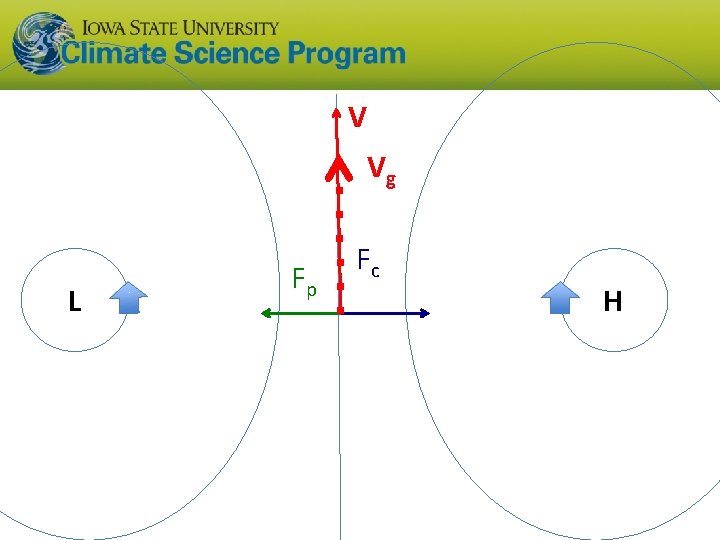
Coriolis Force Fc = -2Ωx. V V L Fp Pressure Gradient Fc H
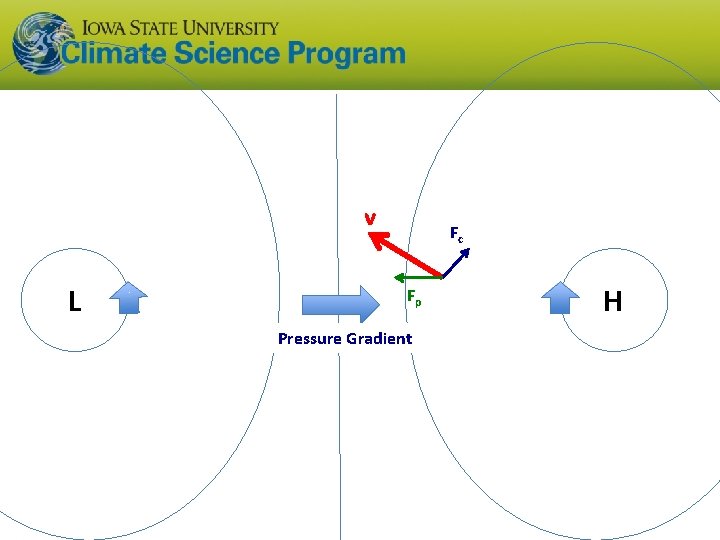
V L Fc Fp Pressure Gradient H
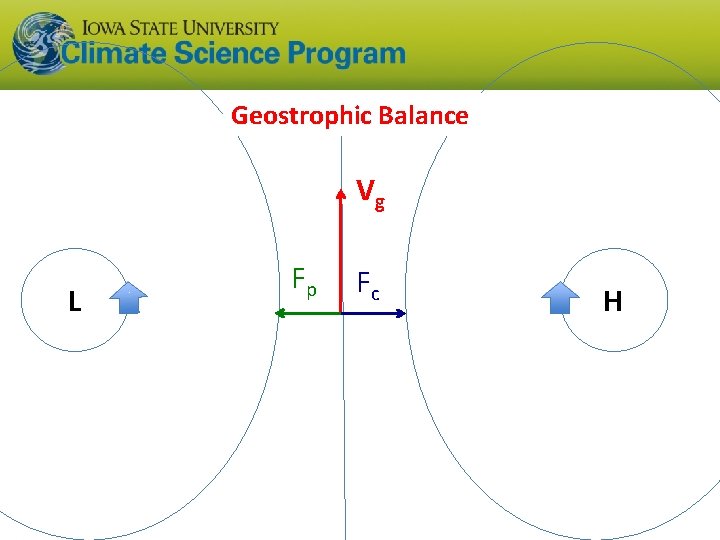
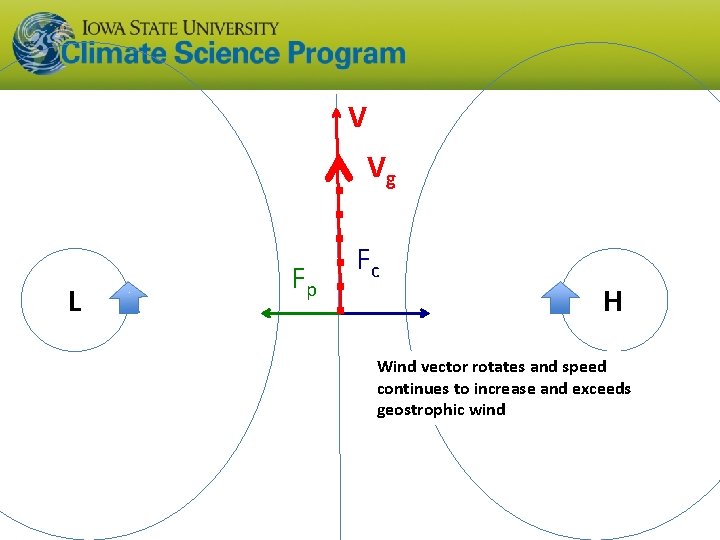
Geostrophic Balance Vg L Fp Fc H
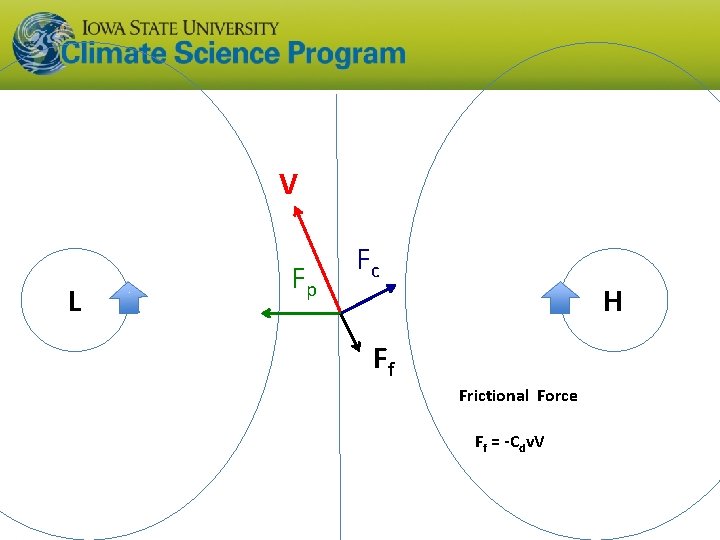
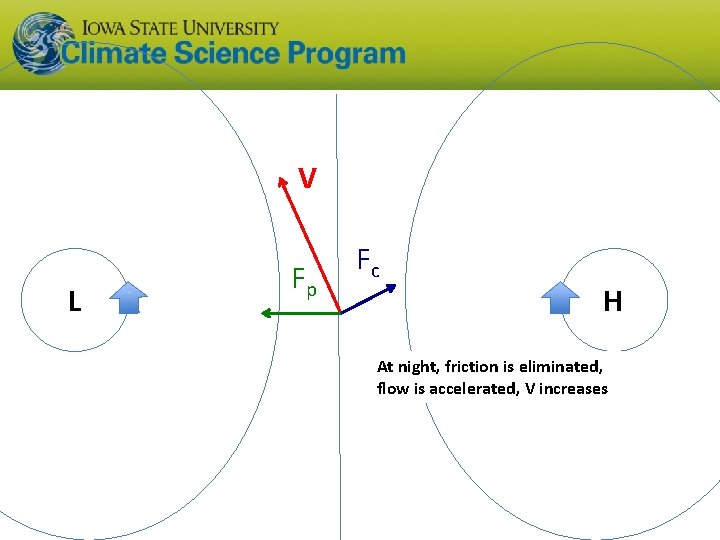
V L Fp Fc H Ff Frictional Force Ff = -Cdv. V
V L Fp Fc H At night, friction is eliminated, flow is accelerated, V increases
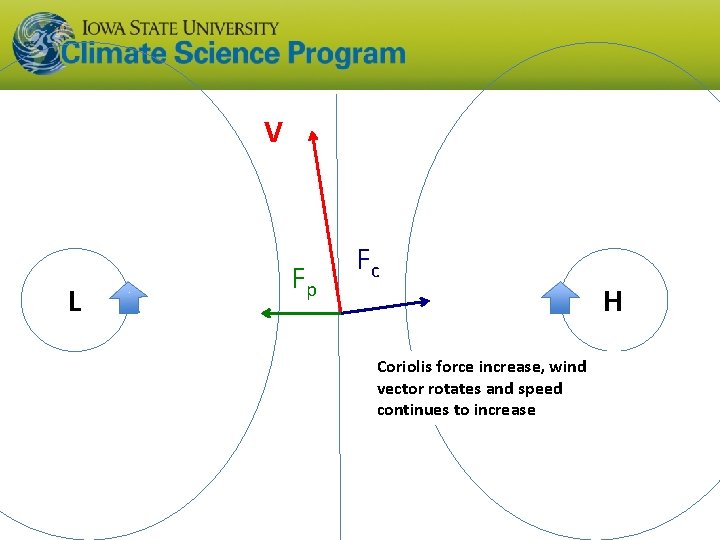
V L Fp Fc Coriolis force increase, wind vector rotates and speed continues to increase H
V Vg L Fp Fc H Wind vector rotates and speed continues to increase and exceeds geostrophic wind
Mechanism of the Nocturnal Low-Level Jet: General Principles Great Plains Low-Level Jet (GPLLJ) Nocturnal Low-Level Jet (LLJ) Coastal Jet (CJ)
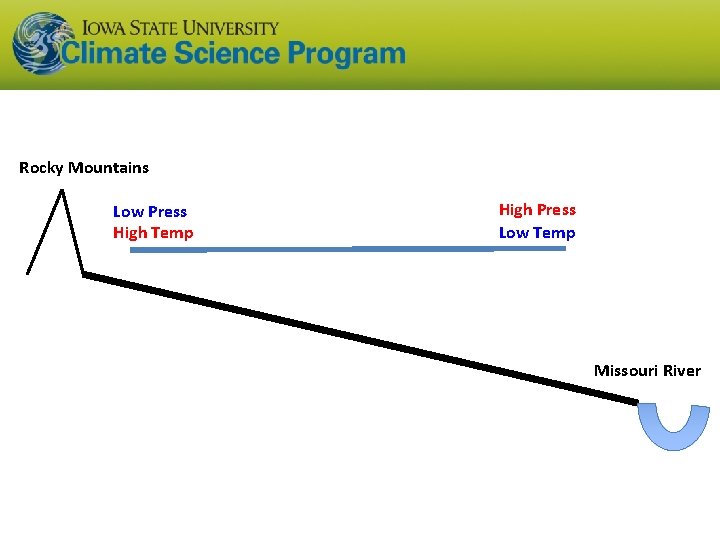
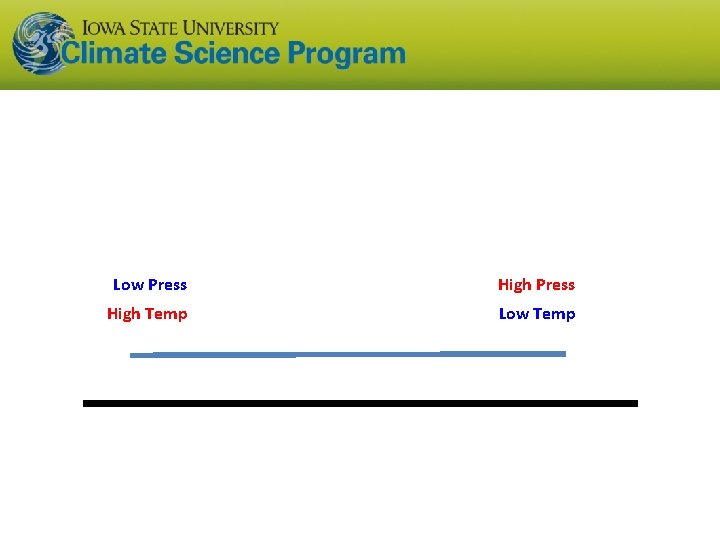
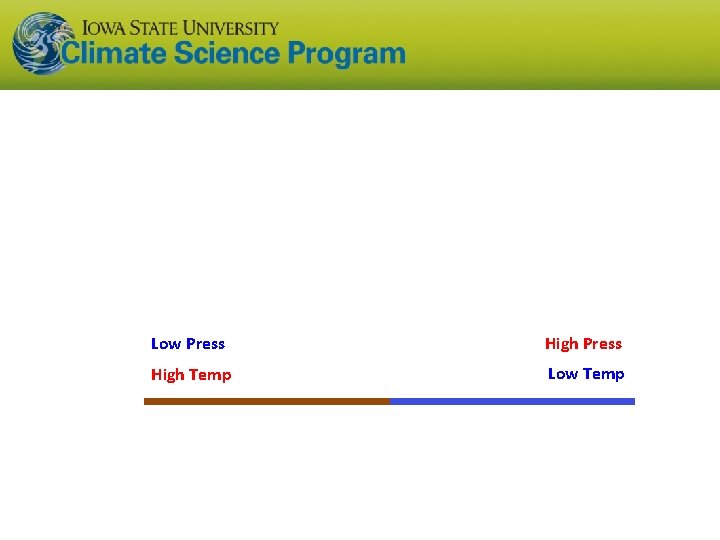
Rocky Mountains Low Press High Temp High Press Low Temp Missouri River
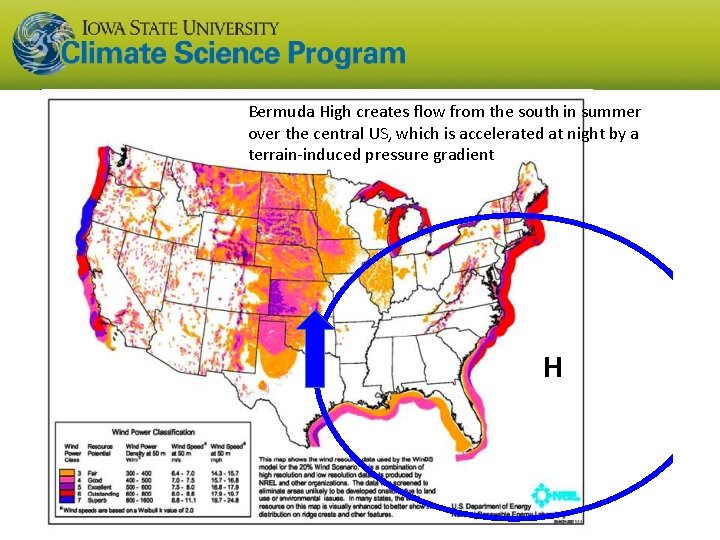
Bermuda High creates flow from the south in summer over the central US, which is accelerated at night by a terrain-induced pressure gradient H
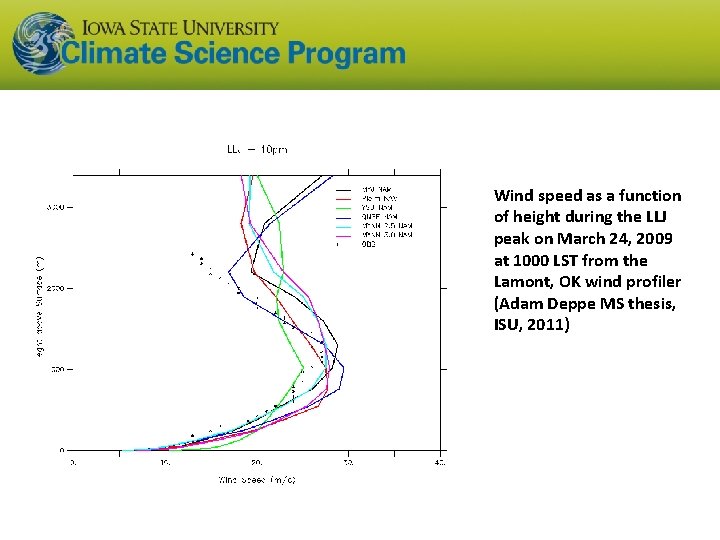
Wind speed as a function of height during the LLJ peak on March 24, 2009 at 1000 LST from the Lamont, OK wind profiler (Adam Deppe MS thesis, ISU, 2011)
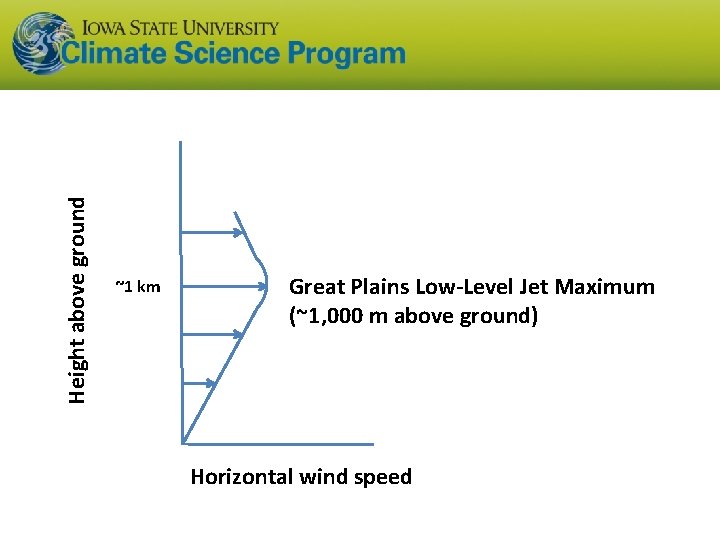
Height above ground ~1 km Great Plains Low-Level Jet Maximum (~1, 000 m above ground) Horizontal wind speed
Mechanism of the Nocturnal Low-Level Jet: Great Plains Low-Level Jet (GPLLJ) Nocturnal Low-Level Jet (LLJ) Coastal Jet (CJ)
Low Press High Temp Low Temp
V Vg L Fp Fc H
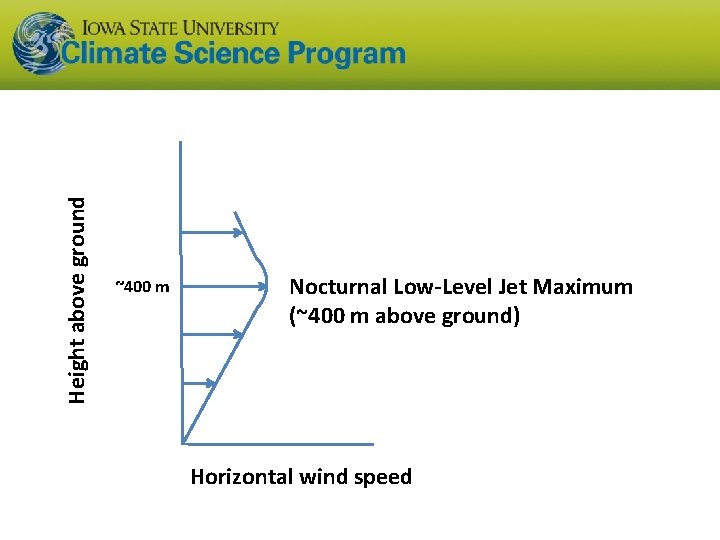
Height above ground ~400 m Nocturnal Low-Level Jet Maximum (~400 m above ground) Horizontal wind speed
Mechanism of the Nocturnal Low-Level Jet: Great Plains Low-Level Jet (GPLLJ) Nocturnal Low-Level Jet (LLJ) Coastal Jet (CJ)
Low Press High Temp Low Temp
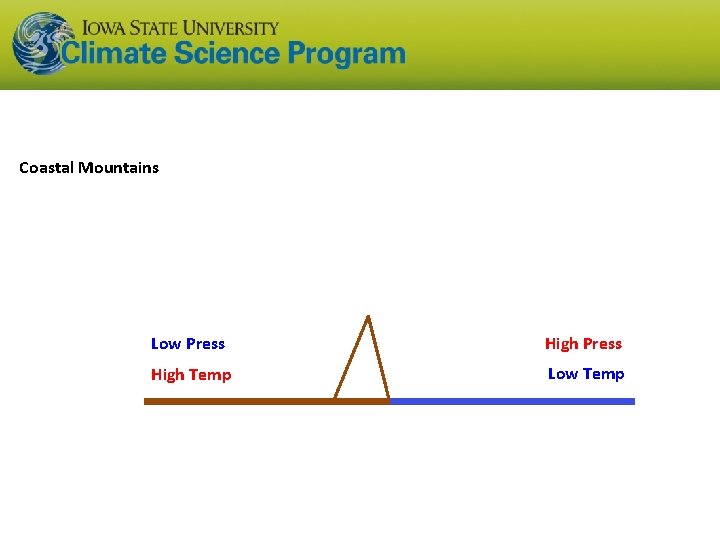
Coastal Mountains Low Press High Temp Low Temp
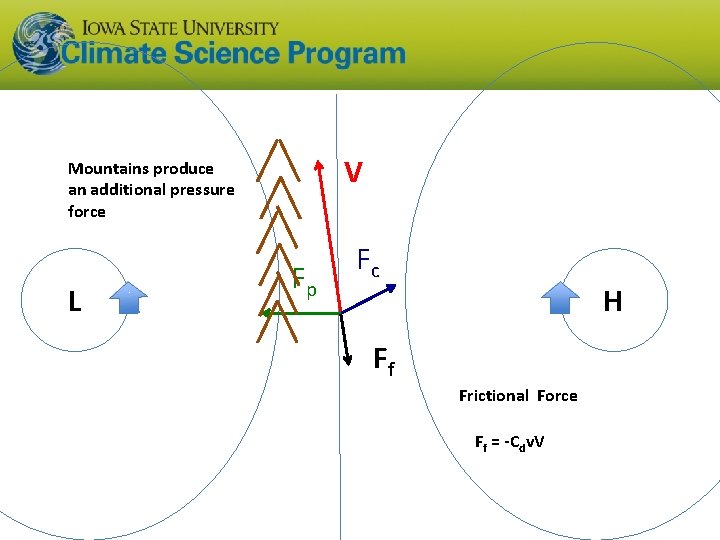
V Mountains produce an additional pressure force L Fp Fc H Ff Frictional Force Ff = -Cdv. V
Height above ground ~50 -400 m Coastal Jet Maximum (~50 -400 m above ocean) Horizontal wind speed
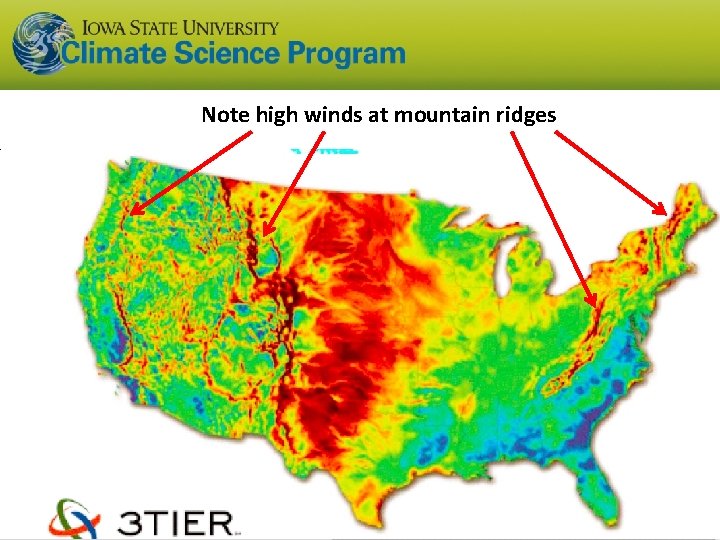
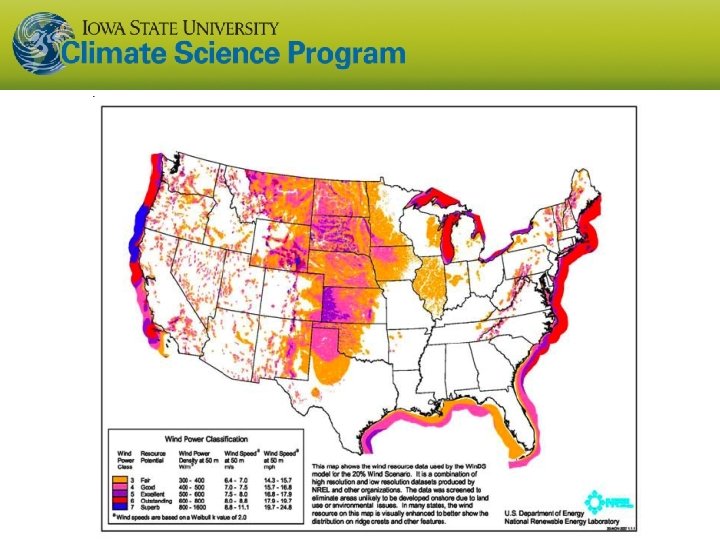
Note high winds at mountain ridges
100 km
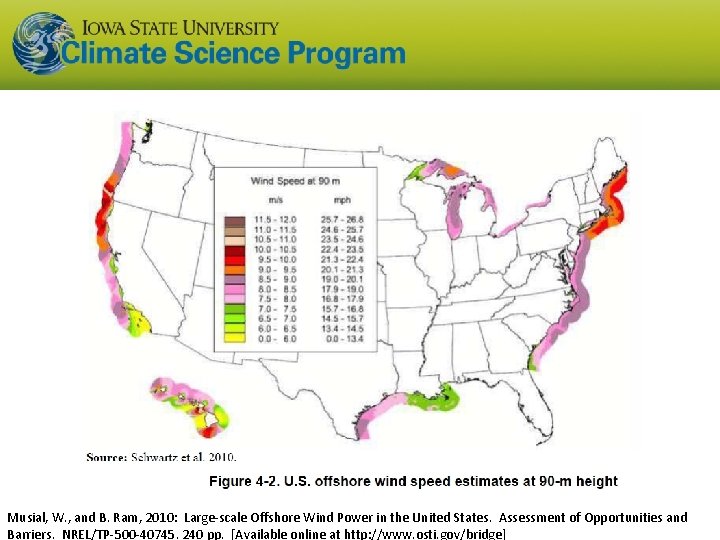
Musial, W. , and B. Ram, 2010: Large-scale Offshore Wind Power in the United States. Assessment of Opportunities and Barriers. NREL/TP-500 -40745. 240 pp. [Available online at http: //www. osti. gov/bridge]
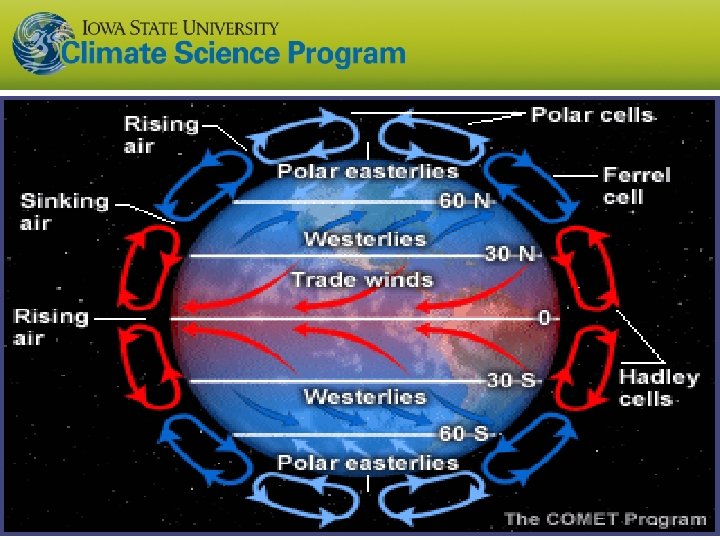
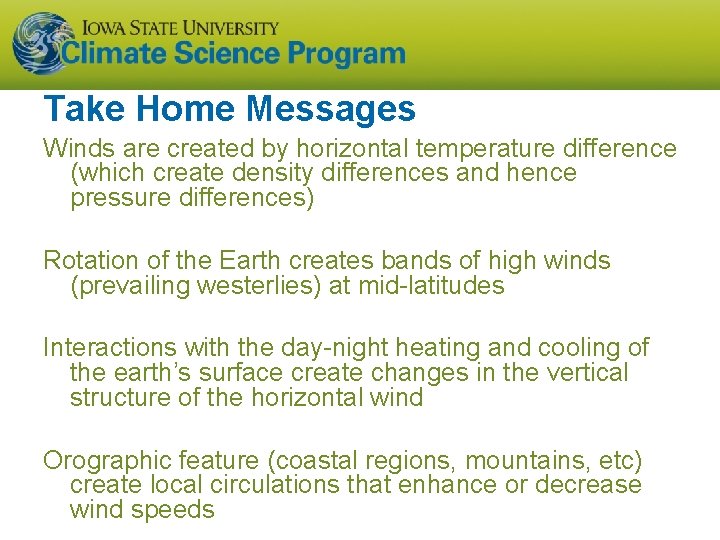
Take Home Messages Winds are created by horizontal temperature difference (which create density differences and hence pressure differences) Rotation of the Earth creates bands of high winds (prevailing westerlies) at mid-latitudes Interactions with the day-night heating and cooling of the earth’s surface create changes in the vertical structure of the horizontal wind Orographic feature (coastal regions, mountains, etc) create local circulations that enhance or decrease wind speeds
Wind Science 101 II. Atmospheric Boundary Layer Eugene S. Takle Professor Department of Agronomy Department of Geological and Atmospheric Science Director, Climate Science Program Iowa State University Ames, IA 50011 Honors Wind Seminar Iowa State University Spring 2011
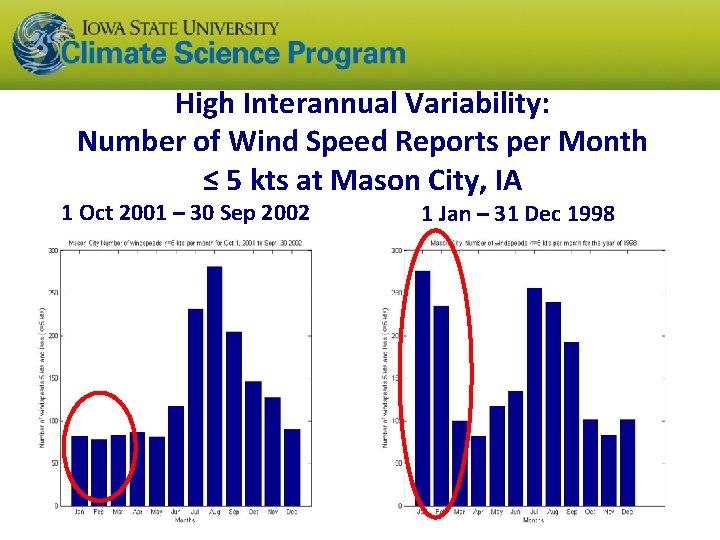
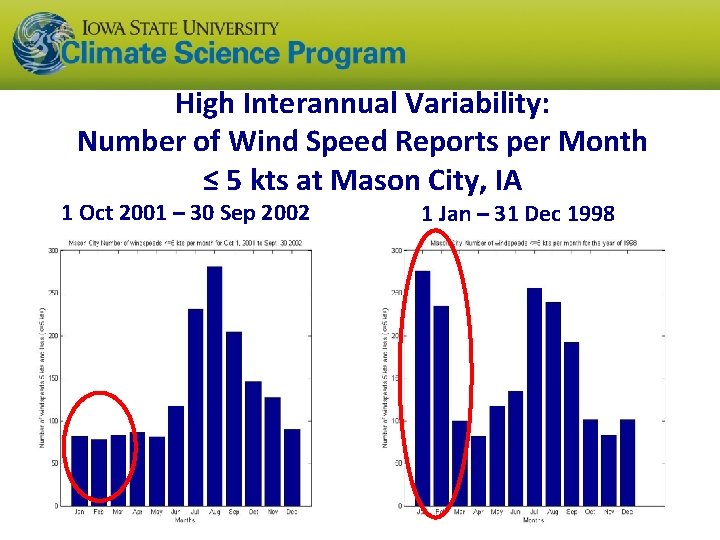
High Interannual Variability: Number of Wind Speed Reports per Month ≤ 5 kts at Mason City, IA 1 Oct 2001 – 30 Sep 2002 1 Jan – 31 Dec 1998 Data by Adam Deppe
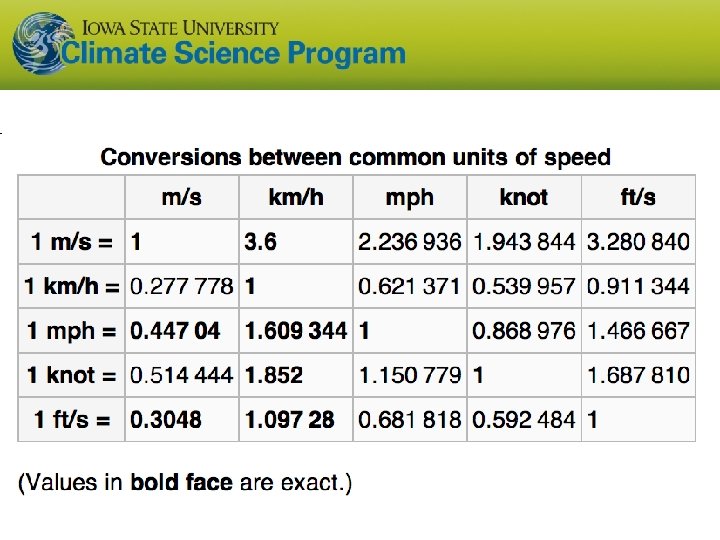
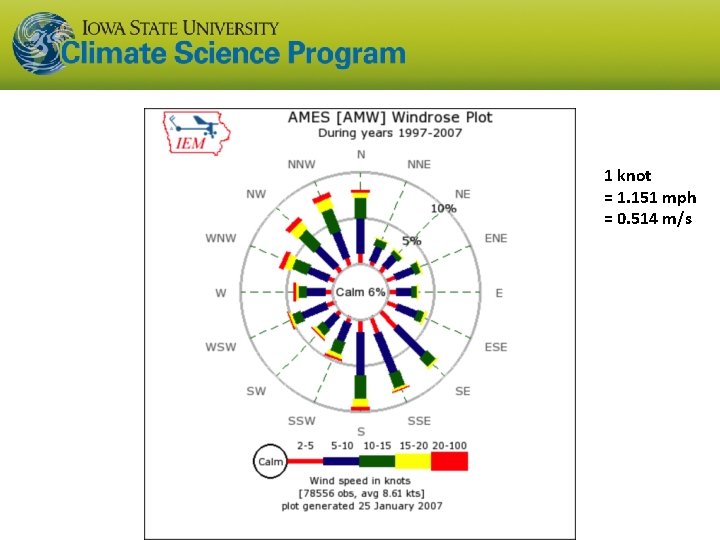
1 knot = 1. 151 mph = 0. 514 m/s
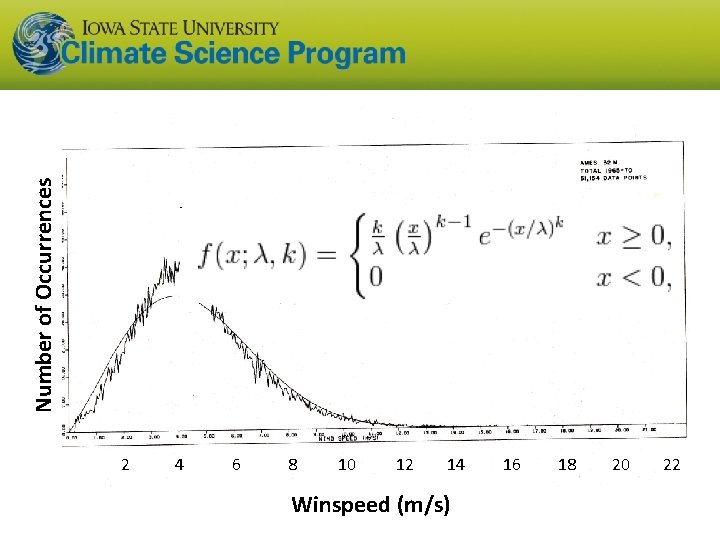
Number of Occurrences 2 4 6 8 10 12 14 Winspeed (m/s) 16 18 20 22
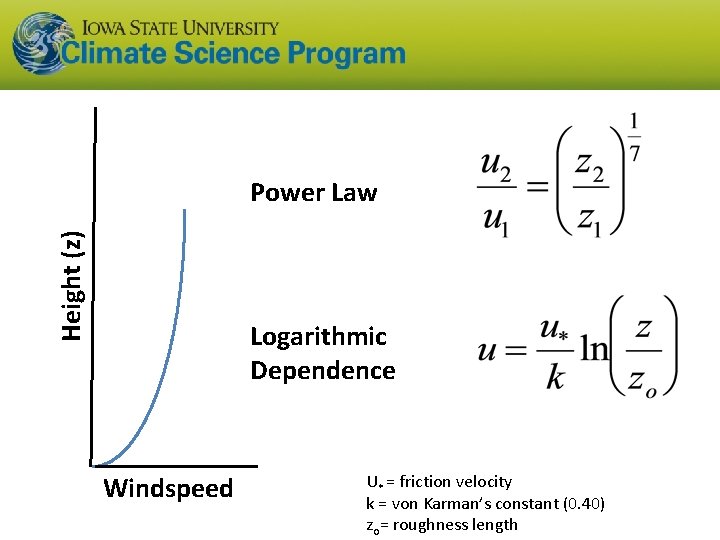
Height (z) Power Law Logarithmic Dependence Windspeed U* = friction velocity k = von Karman’s constant (0. 40) zo= roughness length
High Interannual Variability: Number of Wind Speed Reports per Month ≤ 5 kts at Mason City, IA 1 Oct 2001 – 30 Sep 2002 1 Jan – 31 Dec 1998 Data by Adam Deppe
Modeling the Atmospheric Boundary Layer
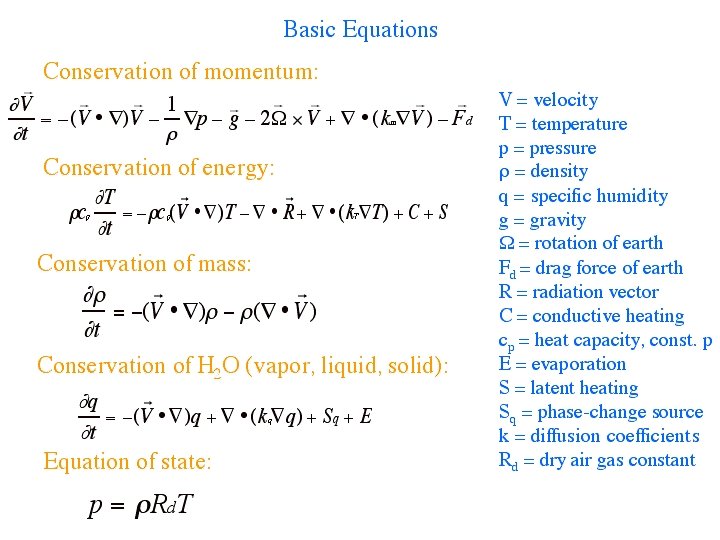
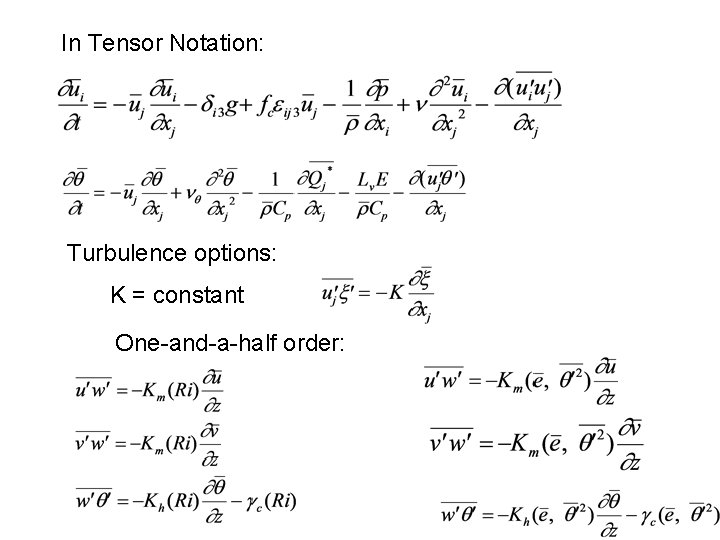
In Tensor Notation: Turbulence options: K = constant One-and-a-half order:
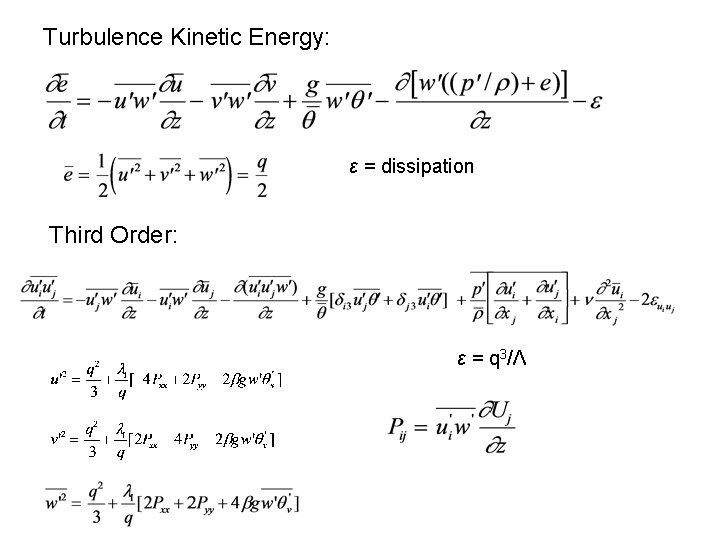
Turbulence Kinetic Energy: ε = dissipation Third Order: ε = q 3/Λ
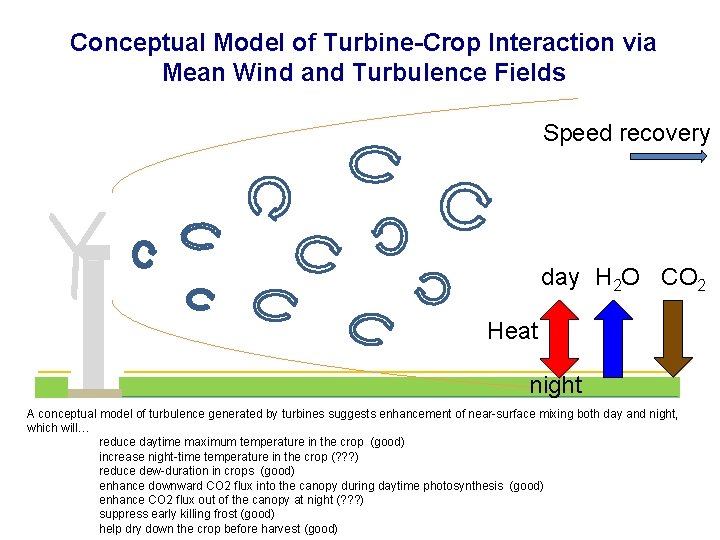
Conceptual Model of Turbine-Crop Interaction via Mean Wind and Turbulence Fields Speed recovery day H 2 O CO 2 __ Heat __________________ night A conceptual model of turbulence generated by turbines suggests enhancement of near-surface mixing both day and night, which will… reduce daytime maximum temperature in the crop (good) increase night-time temperature in the crop (? ? ? ) reduce dew-duration in crops (good) enhance downward CO 2 flux into the canopy during daytime photosynthesis (good) enhance CO 2 flux out of the canopy at night (? ? ? ) suppress early killing frost (good) help dry down the crop before harvest (good)