
Wind Earths Changing Surface Review n 5 Agents
- Slides: 19
Wind Earth’s Changing Surface
Review n 5 Agents of Erosion Gravity n Running Water n Glaciers n Wind Waves n
Erosion by Wind by itself is the weakest agent of erosion. n Powerful force where there are few plants to hold the soil in place. n
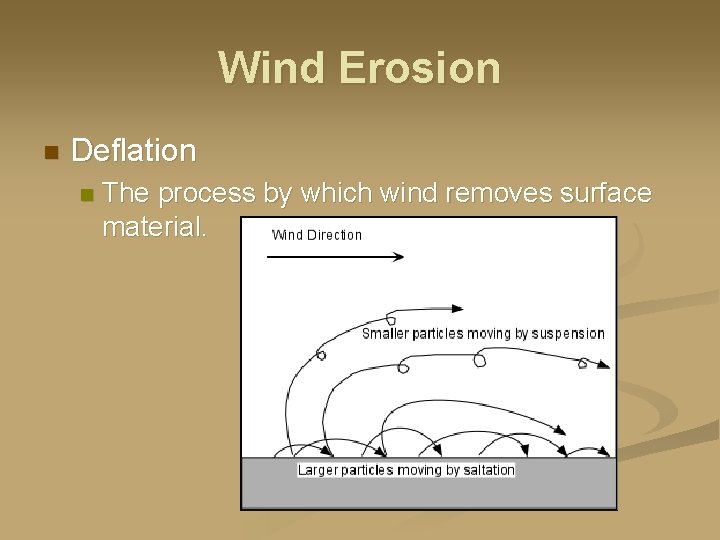
Wind Erosion n Deflation n The process by which wind removes surface material.
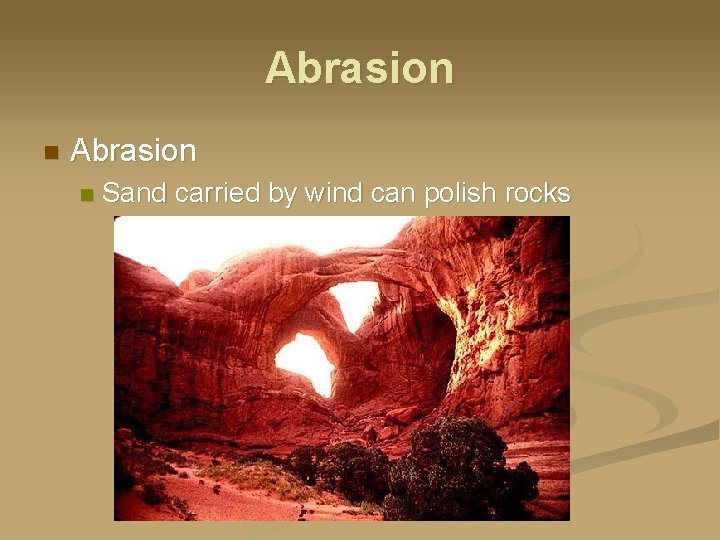
Abrasion n Sand carried by wind can polish rocks
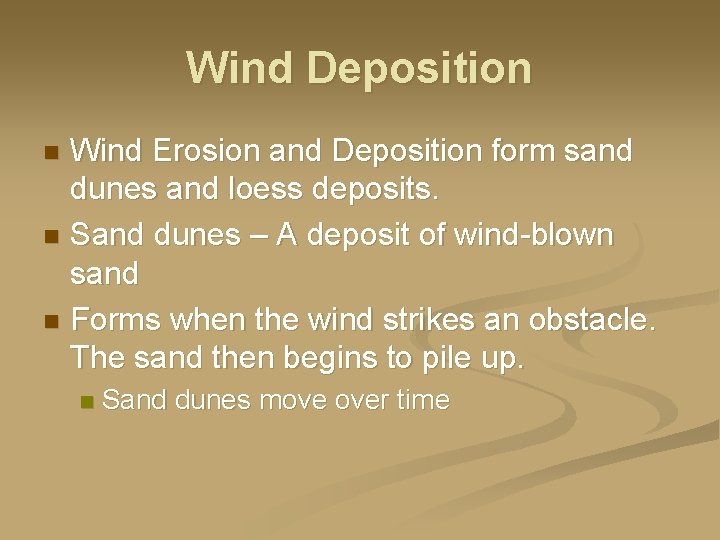
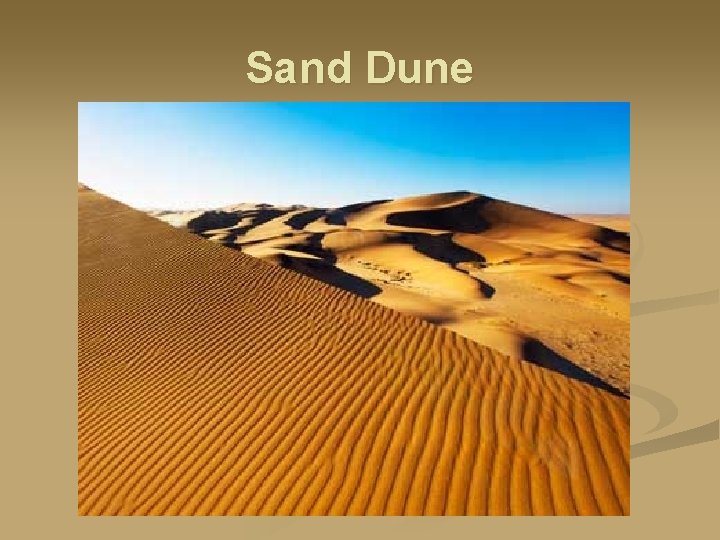
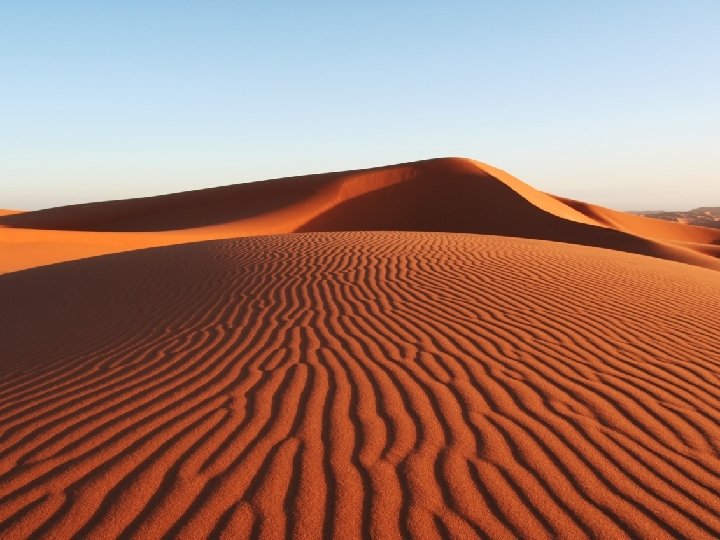
Wind Deposition Wind Erosion and Deposition form sand dunes and loess deposits. n Sand dunes – A deposit of wind-blown sand n Forms when the wind strikes an obstacle. The sand then begins to pile up. n n Sand dunes move over time
Sand Dune
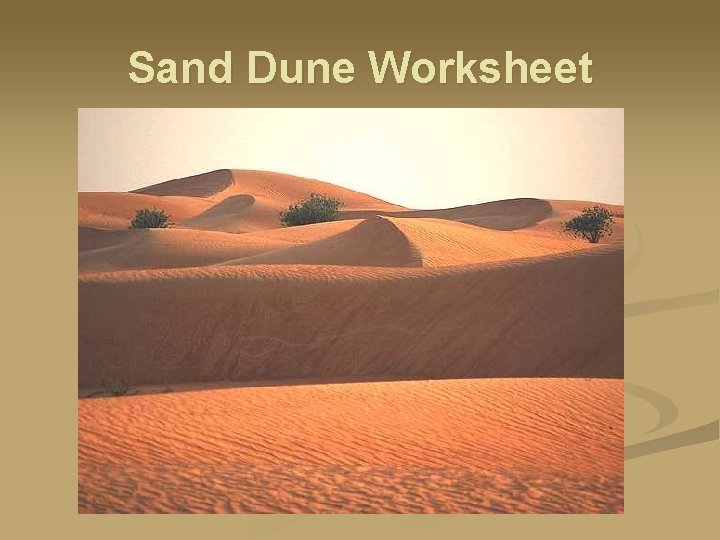
Sand Dune Worksheet
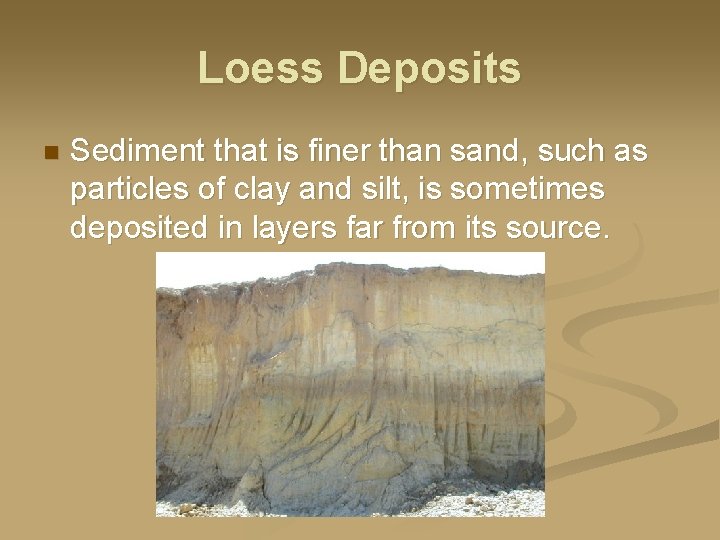
Loess Deposits n Sediment that is finer than sand, such as particles of clay and silt, is sometimes deposited in layers far from its source.
Waves Earth’s Changing Surface
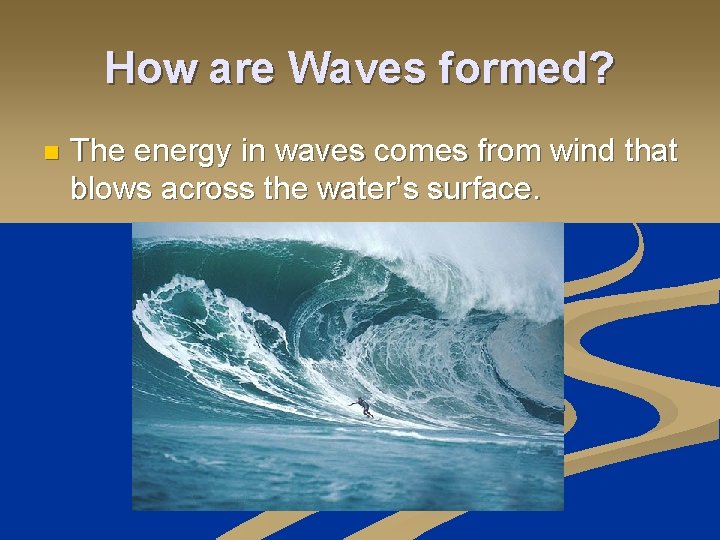
How are Waves formed? n The energy in waves comes from wind that blows across the water’s surface.
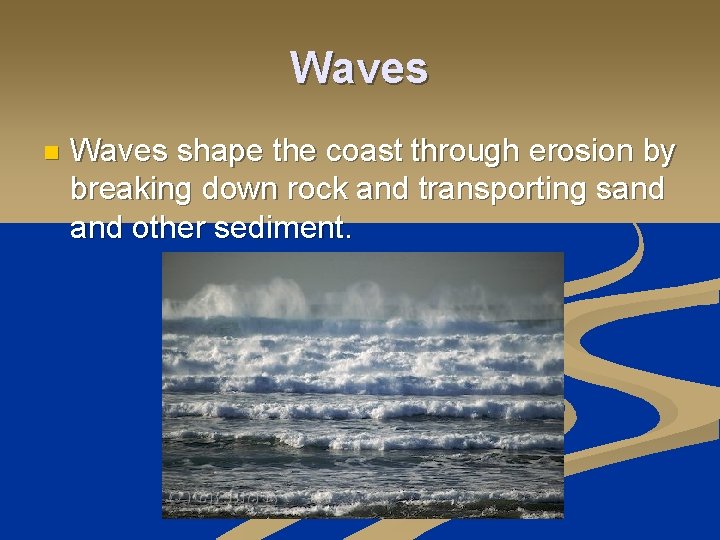
Waves n Waves shape the coast through erosion by breaking down rock and transporting sand other sediment.
Erosion by Waves Impact – large waves can hit rocks. The energy in waves can break apart rocks. n Abrasion – sediment picked up by waves wear away rock. n Waves changing direction – waves begin to drag on the bottom as they approach the shore. n
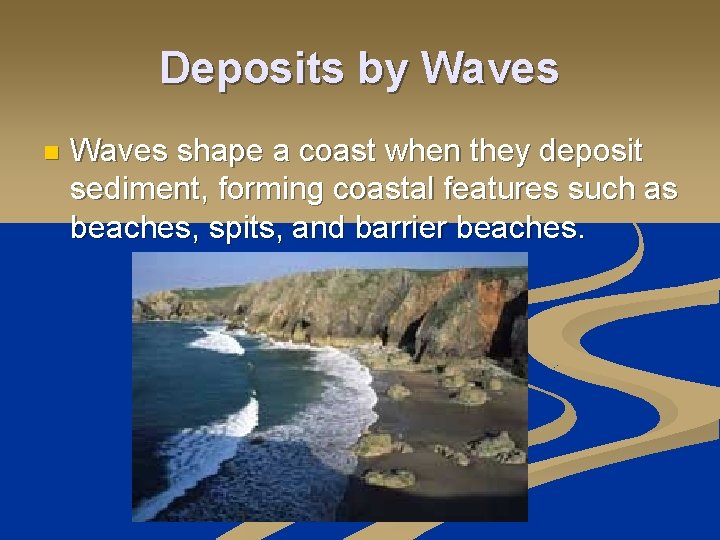
Deposits by Waves n Waves shape a coast when they deposit sediment, forming coastal features such as beaches, spits, and barrier beaches.
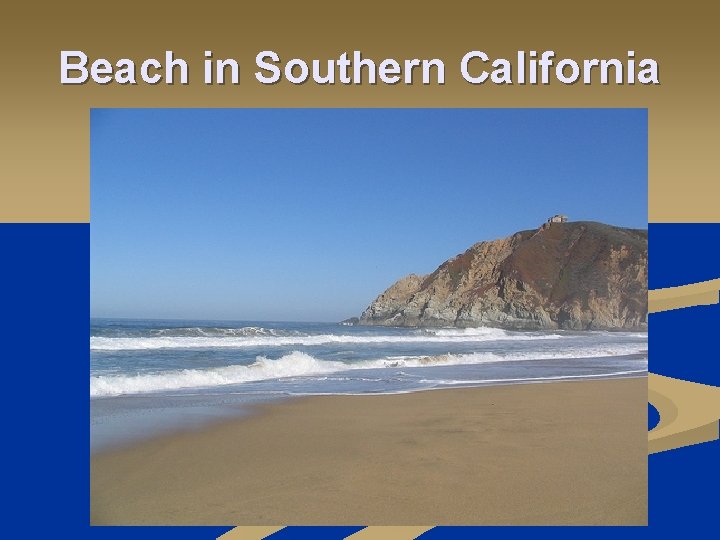
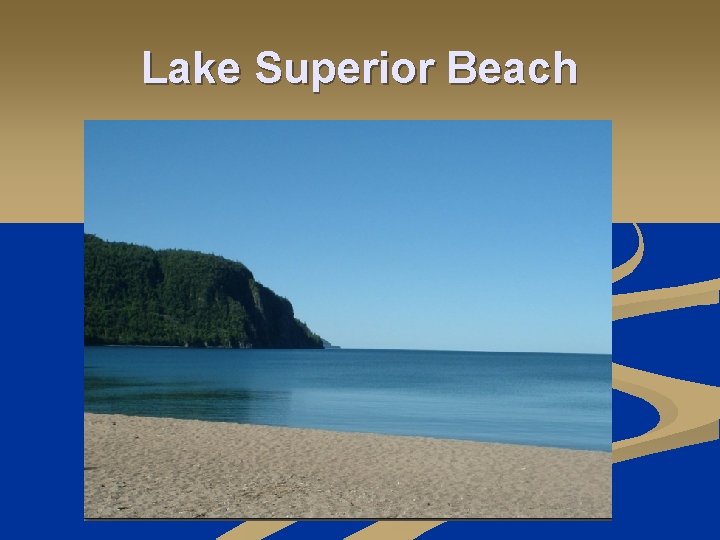
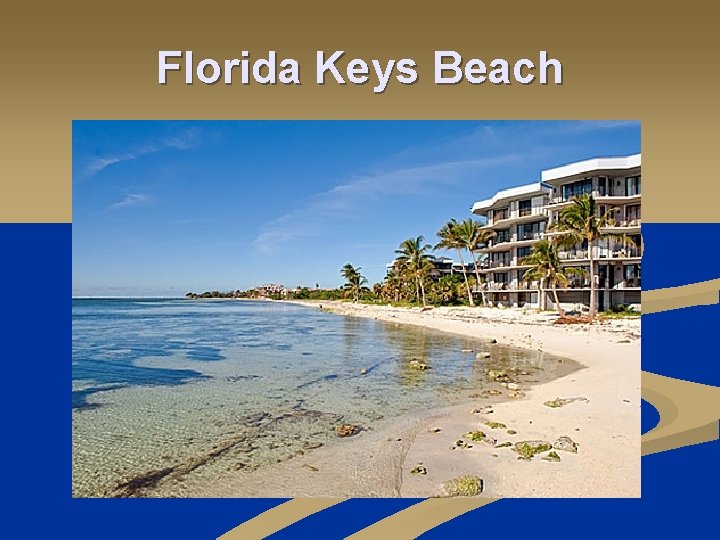
Beaches As waves reach the shore, they drop the sediment they carry, forming a beach n A Beach is an area of wave-washed sediment along a coast. n Usually sand n Some are made of small fragments of coral or sea shells, Florida n
Beach in Southern California
Lake Superior Beach
Florida Keys Beach