
Wilsonian crisis Chairpersons Aabha Nagral Prashanth LK SK
Wilsonian crisis Chairpersons: Aabha Nagral, Prashanth LK, SK Yachha Talk: Seema Alam
Wilsonian Crisis Department of Pediatric Hepatology Institute of Liver and Biliary Sciences
1. What is Wilsonian Crisis/ Fulminant WD ? Pathogenesis of FWD? Diagnostic criteria of FWD Prognostic indicies: ILBS data Treatment Modalities available ILBS data on HVPE
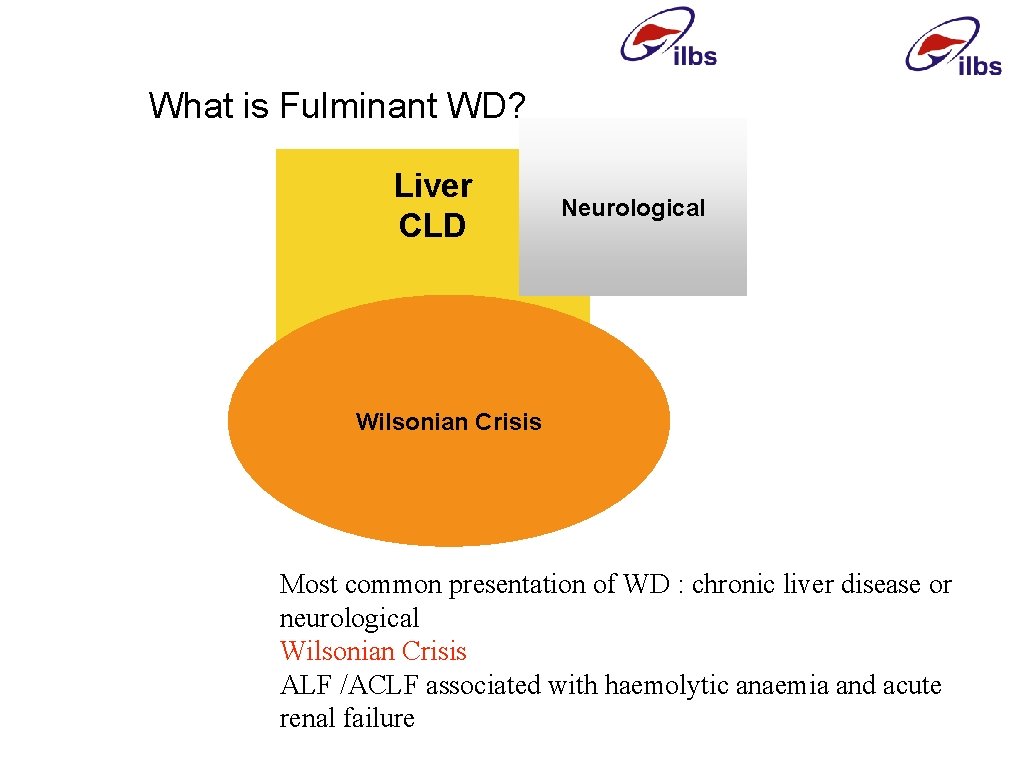
What is Fulminant WD? Liver CLD Neurological ACLF/ALF Wilsonian Crisis Hemolysis Renal Damage Most common presentation of WD : chronic liver disease or neurological Wilsonian Crisis ALF /ACLF associated with haemolytic anaemia and acute renal failure
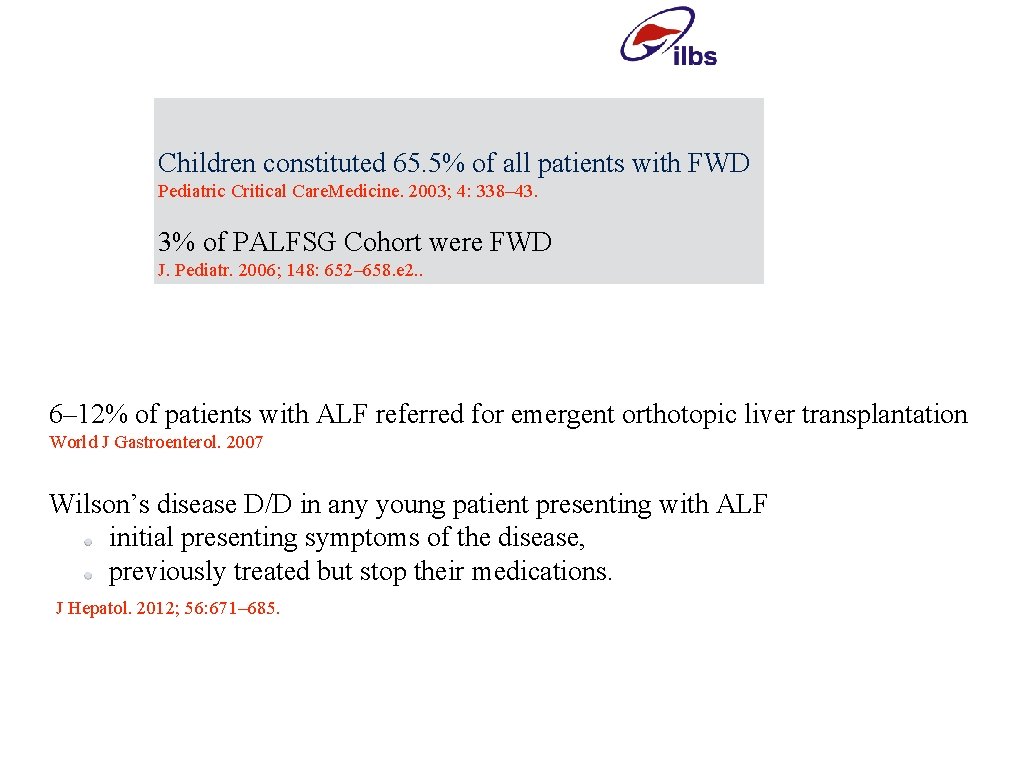
Children constituted 65. 5% of all patients with FWD Pediatric Critical Care. Medicine. 2003; 4: 338– 43. 3% of PALFSG Cohort were FWD J. Pediatr. 2006; 148: 652– 658. e 2. . 6– 12% of patients with ALF referred for emergent orthotopic liver transplantation World J Gastroenterol. 2007 Wilson’s disease D/D in any young patient presenting with ALF initial presenting symptoms of the disease, previously treated but stop their medications. J Hepatol. 2012; 56: 671– 685.
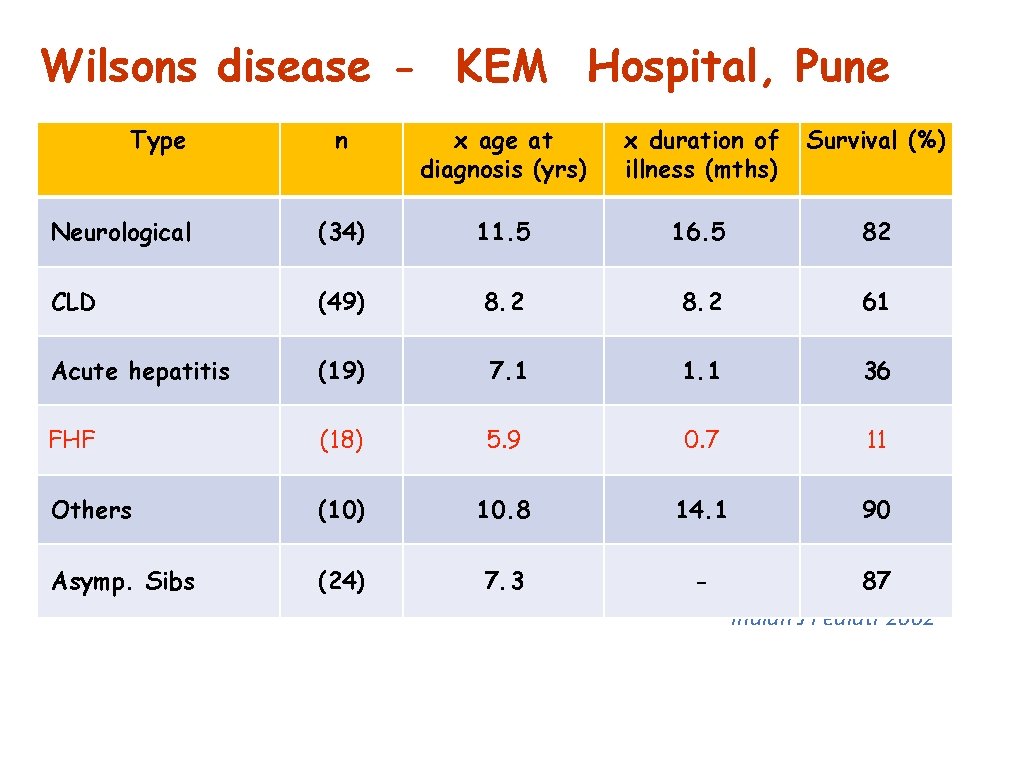
Wilsons disease - KEM Hospital, Pune Type n x age at diagnosis (yrs) x duration of illness (mths) Survival (%) Neurological (34) 11. 5 16. 5 82 CLD (49) 8. 2 61 Acute hepatitis (19) 7. 1 1. 1 36 FHF (18) 5. 9 0. 7 11 Others (10) 10. 8 14. 1 90 Asymp. Sibs (24) 7. 3 - 87 Indian J Pediatr 2002
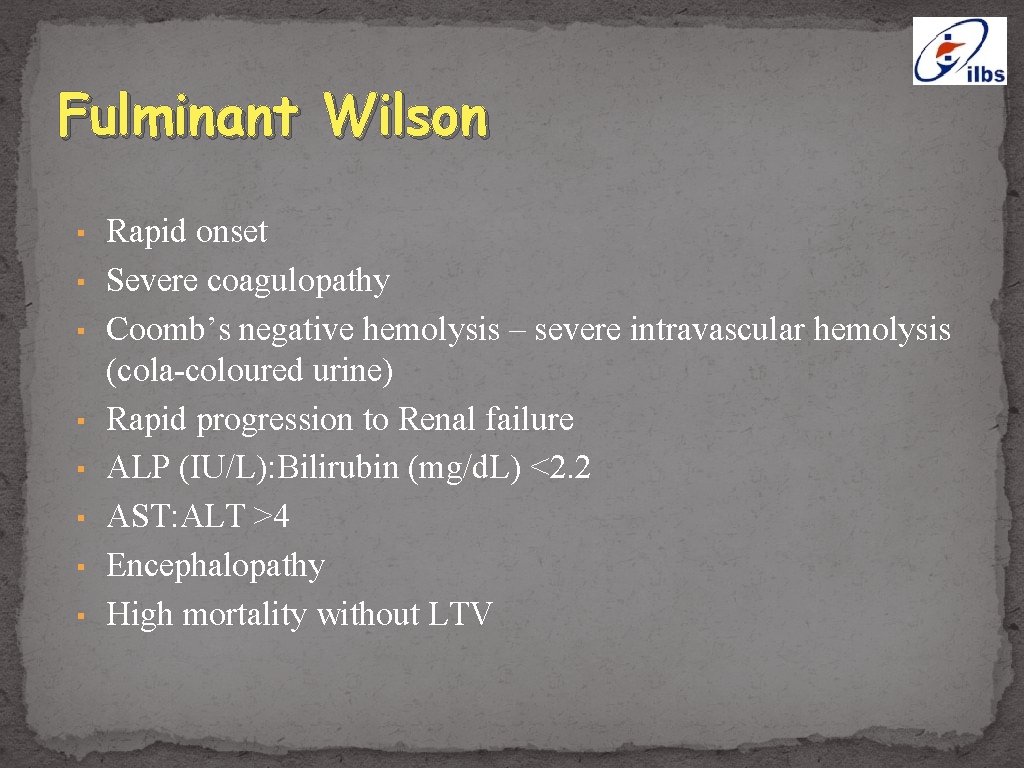
Fulminant Wilson ▪ Rapid onset ▪ Severe coagulopathy ▪ Coomb’s negative hemolysis – severe intravascular hemolysis ▪ ▪ ▪ (cola-coloured urine) Rapid progression to Renal failure ALP (IU/L): Bilirubin (mg/d. L) <2. 2 AST: ALT >4 Encephalopathy High mortality without LTV
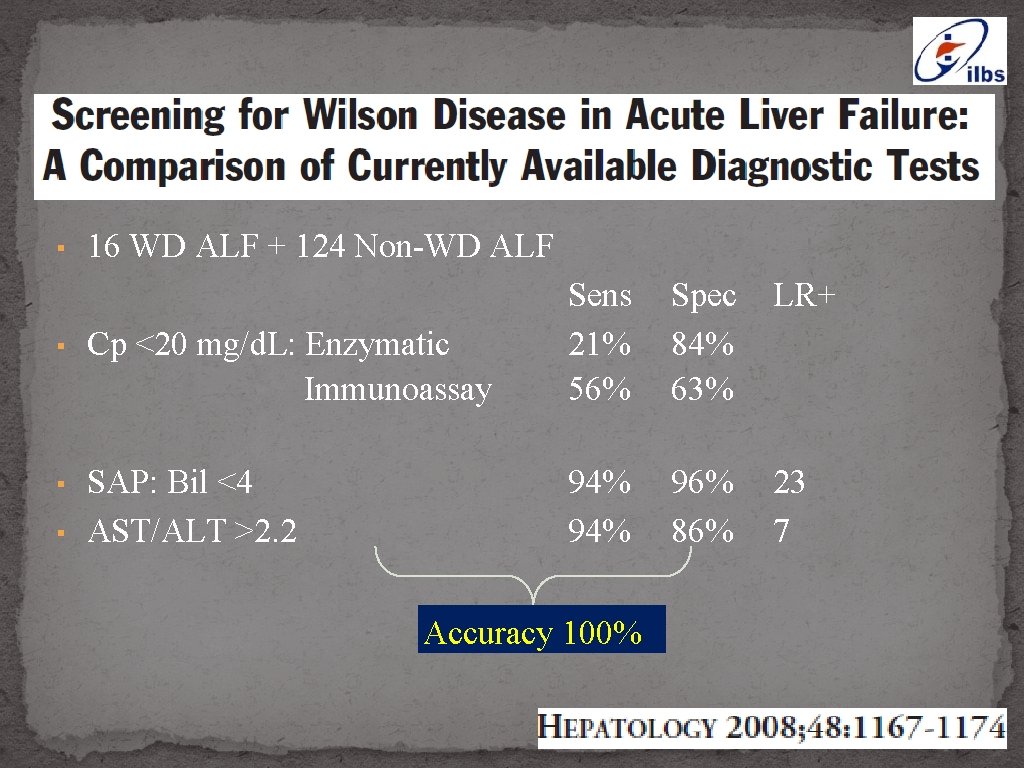
▪ 16 WD ALF + 124 Non-WD ALF ▪ Cp <20 mg/d. L: Enzymatic Immunoassay ▪ SAP: Bil <4 ▪ AST/ALT >2. 2 Sens 21% 56% Spec 84% 63% LR+ 94% 96% 86% 23 7 Accuracy 100%
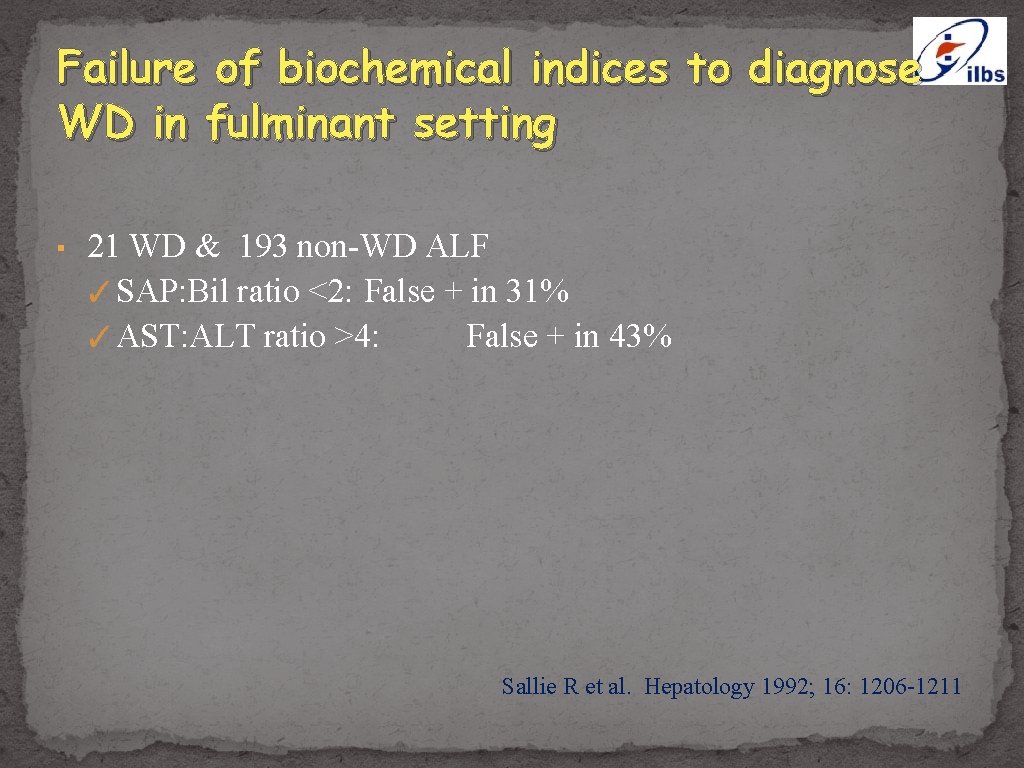
Failure of biochemical indices to diagnose WD in fulminant setting ▪ 21 WD & 193 non-WD ALF ✓ SAP: Bil ratio <2: False + in 31% ✓ AST: ALT ratio >4: False + in 43% Sallie R et al. Hepatology 1992; 16: 1206 -1211
–Johnny Appleseed
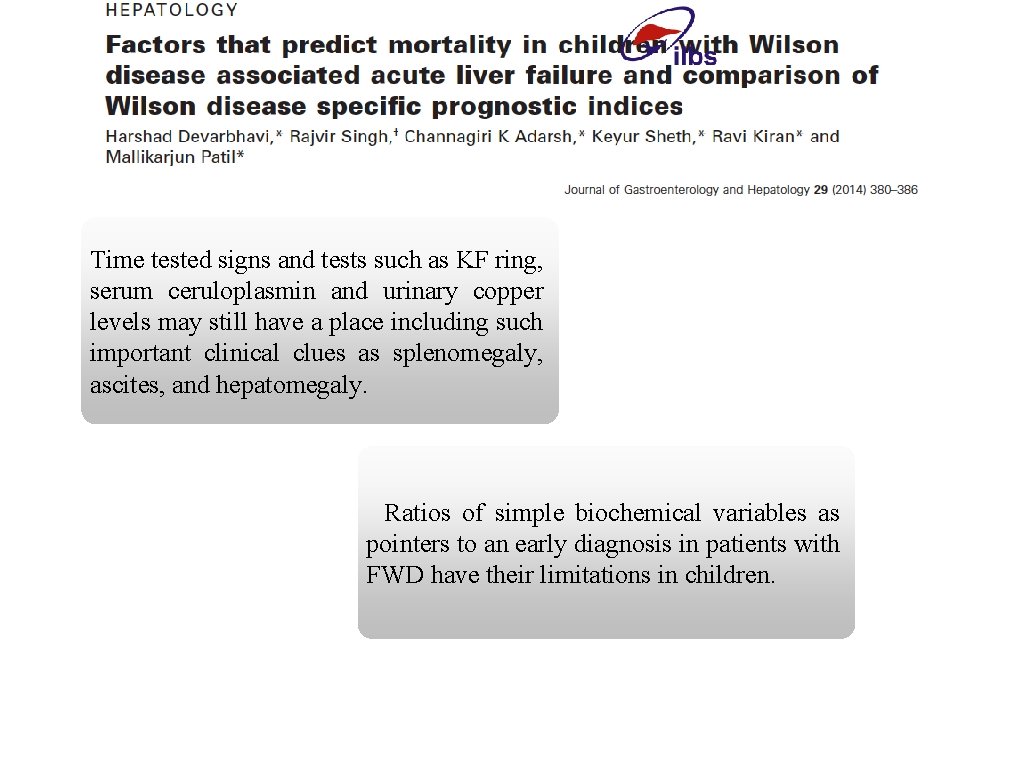
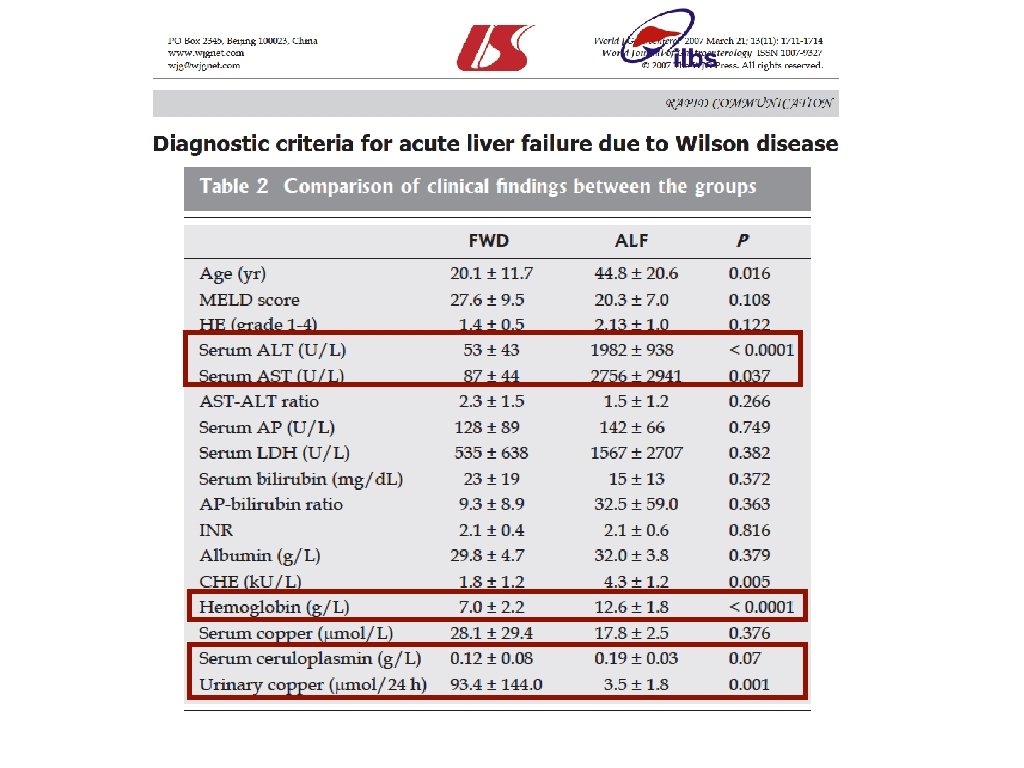
Time tested signs and tests such as KF ring, serum ceruloplasmin and urinary copper levels may still have a place including such important clinical clues as splenomegaly, ascites, and hepatomegaly. Ratios of simple biochemical variables as pointers to an early diagnosis in patients with FWD have their limitations in children.
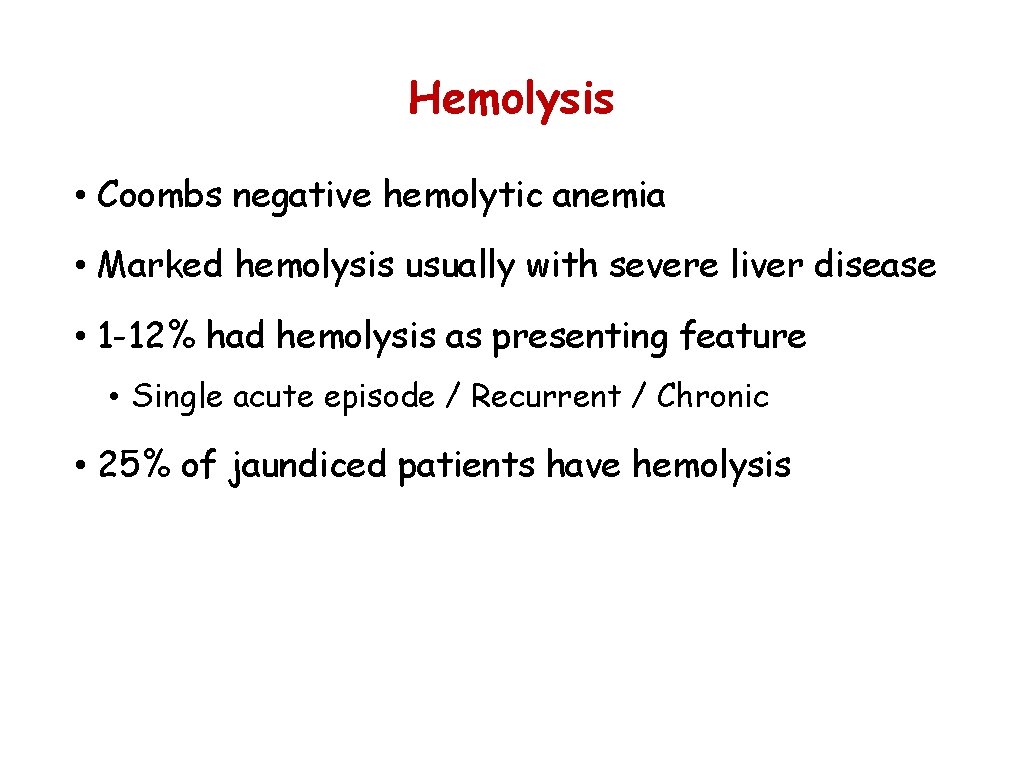
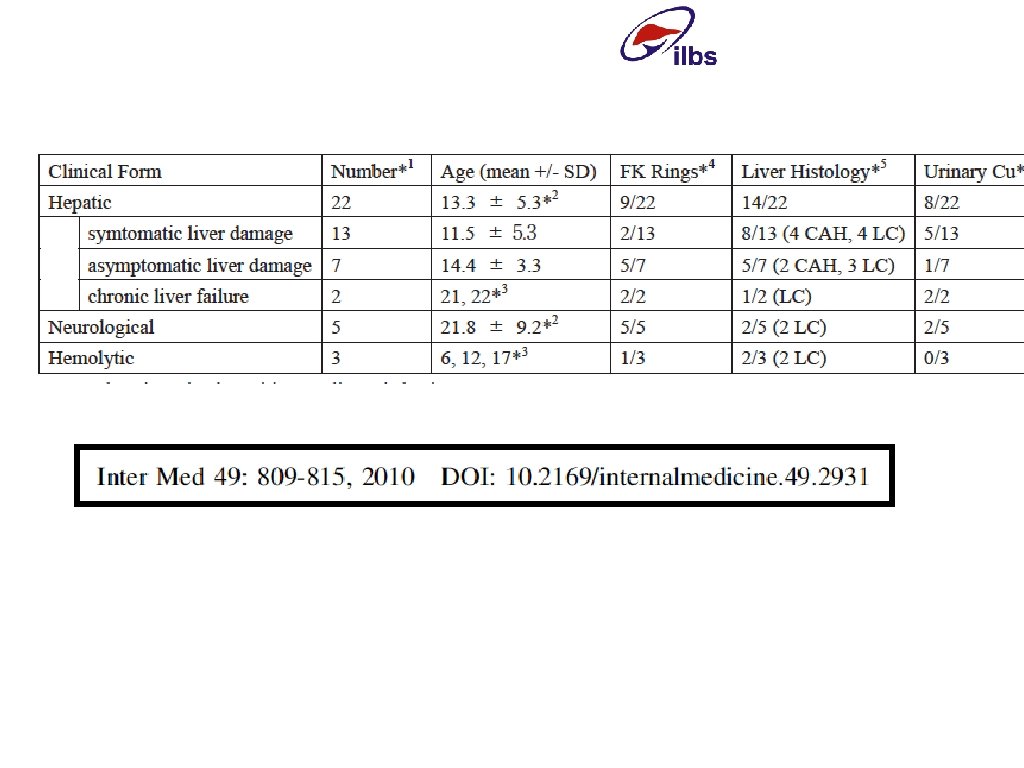
Hemolysis • Coombs negative hemolytic anemia • Marked hemolysis usually with severe liver disease • 1 -12% had hemolysis as presenting feature • Single acute episode / Recurrent / Chronic • 25% of jaundiced patients have hemolysis
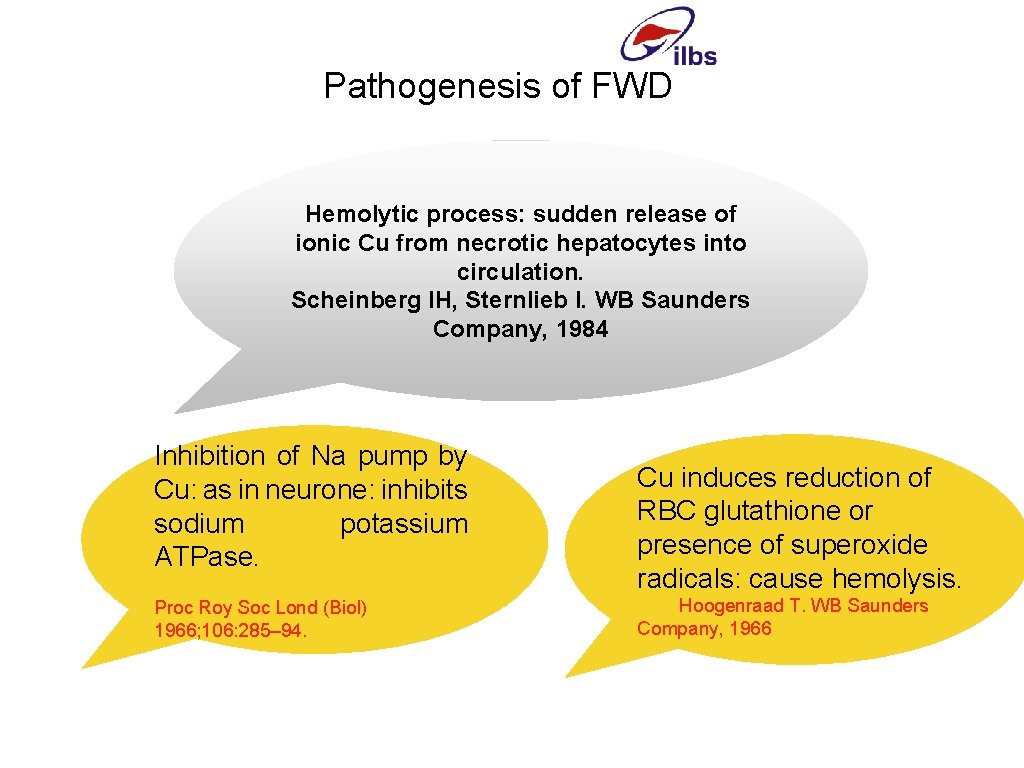
Pathogenesis of FWD Hemolytic process: sudden release of ionic Cu from necrotic hepatocytes into circulation. Scheinberg IH, Sternlieb I. WB Saunders Company, 1984 Inhibition of Na pump by Cu: as in neurone: inhibits sodium potassium ATPase. Proc Roy Soc Lond (Biol) 1966; 106: 285– 94. Cu induces reduction of RBC glutathione or presence of superoxide radicals: cause hemolysis. Hoogenraad T. WB Saunders Company, 1966
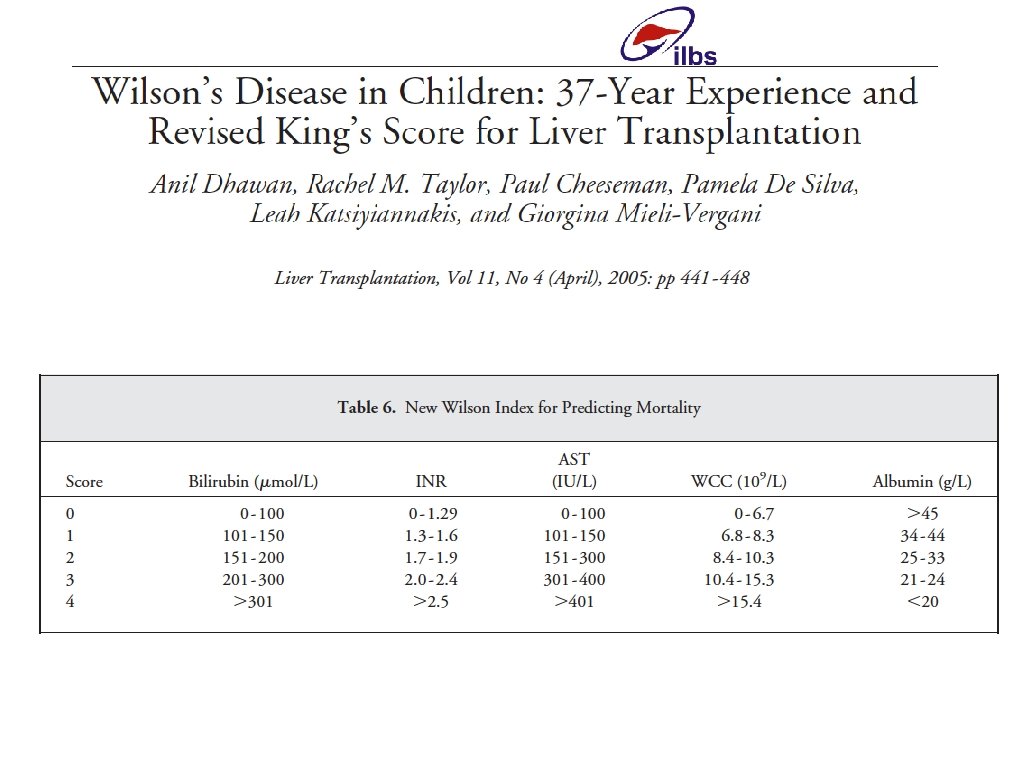
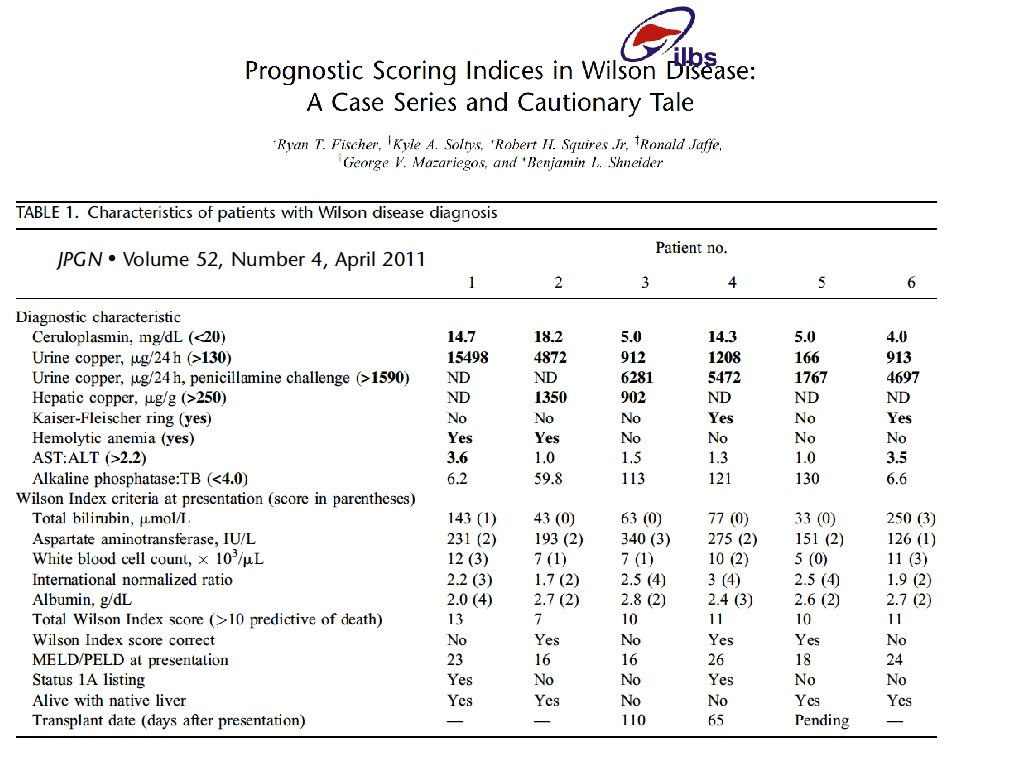
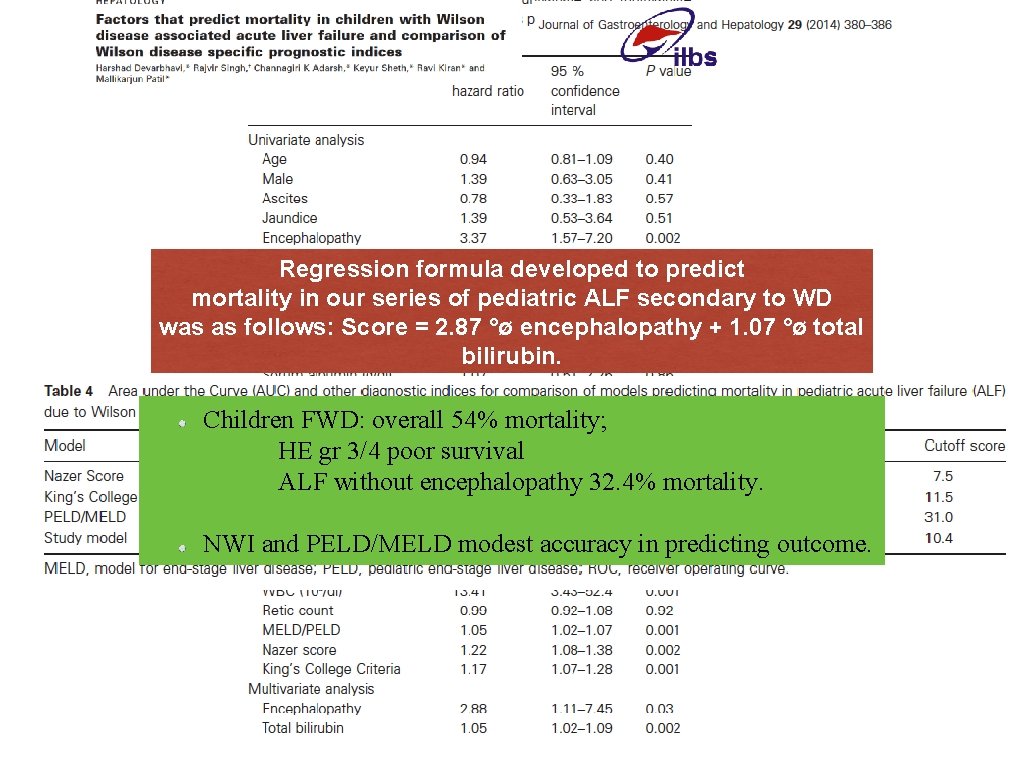
Regression formula developed to predict mortality in our series of pediatric ALF secondary to WD was as follows: Score = 2. 87 °ø encephalopathy + 1. 07 °ø total bilirubin. Children FWD: overall 54% mortality; HE gr 3/4 poor survival ALF without encephalopathy 32. 4% mortality. NWI and PELD/MELD modest accuracy in predicting outcome.
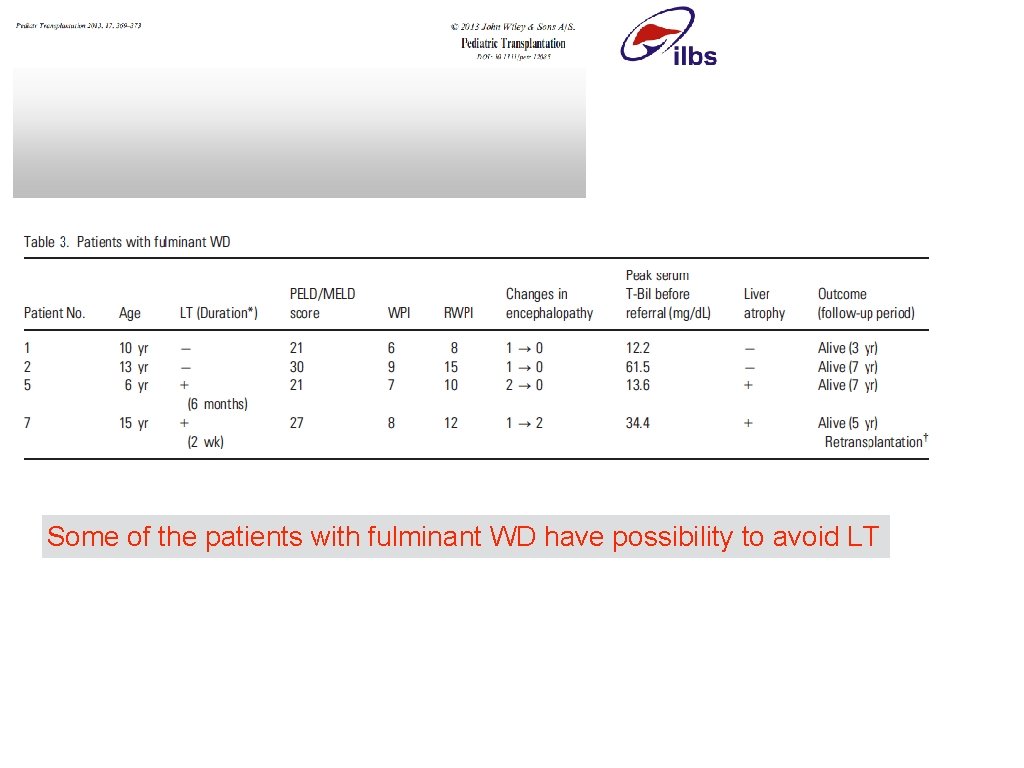
“Type a quote here. ” Some of the patients with fulminant WD have possibility to avoid LT
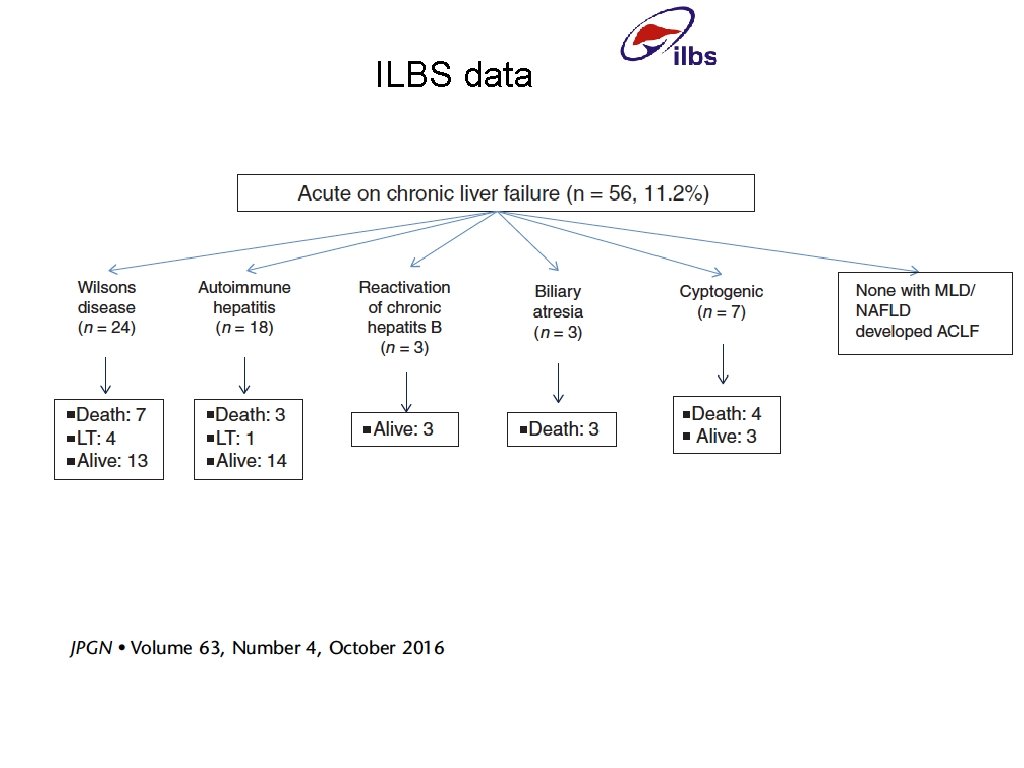
ILBS data
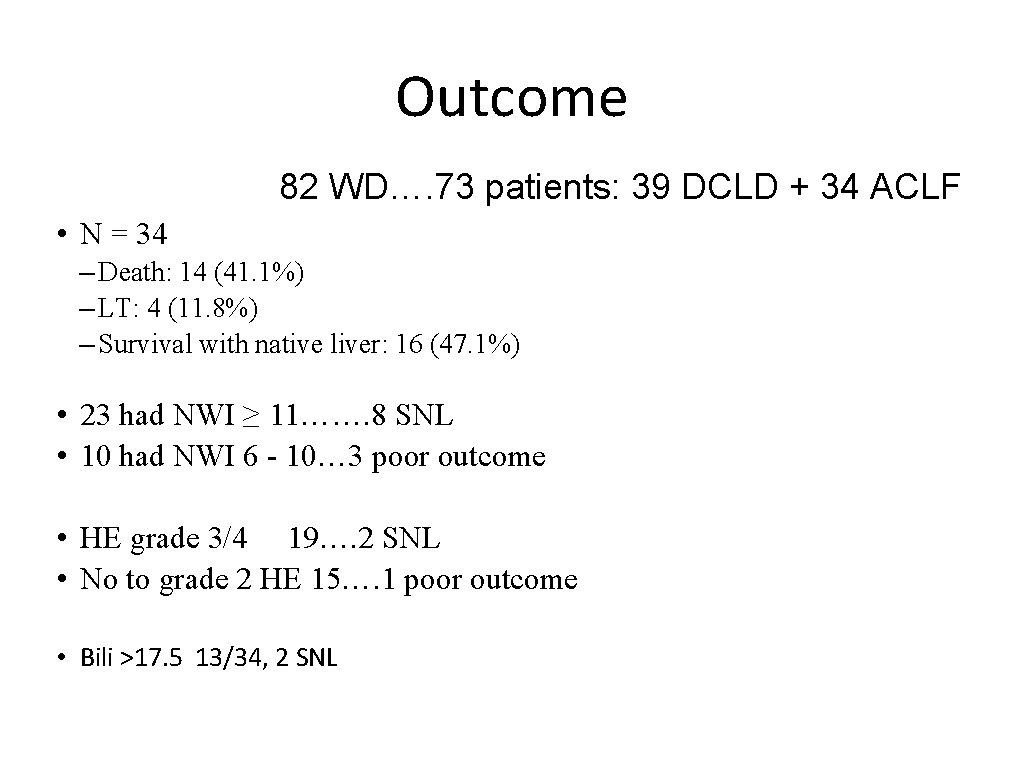
Outcome 82 WD…. 73 patients: 39 DCLD + 34 ACLF • N = 34 – Death: 14 (41. 1%) – LT: 4 (11. 8%) – Survival with native liver: 16 (47. 1%) • 23 had NWI ≥ 11……. 8 SNL • 10 had NWI 6 - 10… 3 poor outcome • HE grade 3/4 19…. 2 SNL • No to grade 2 HE 15…. 1 poor outcome • Bili >17. 5 13/34, 2 SNL
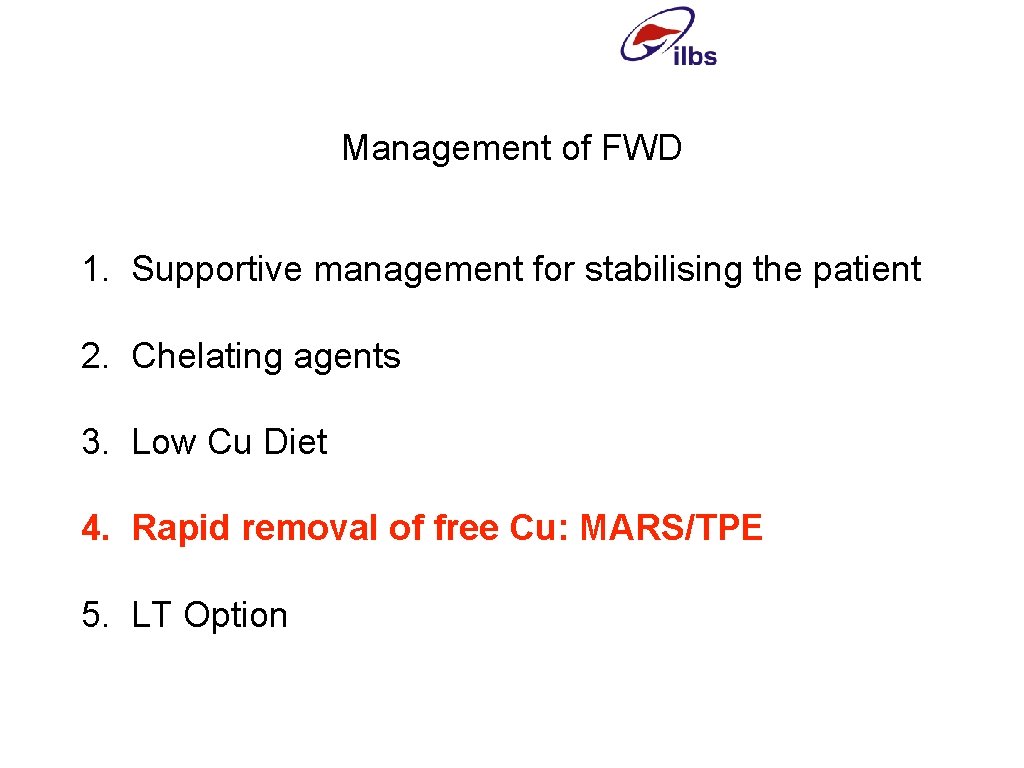
Management of FWD 1. Supportive management for stabilising the patient 2. Chelating agents 3. Low Cu Diet 4. Rapid removal of free Cu: MARS/TPE 5. LT Option
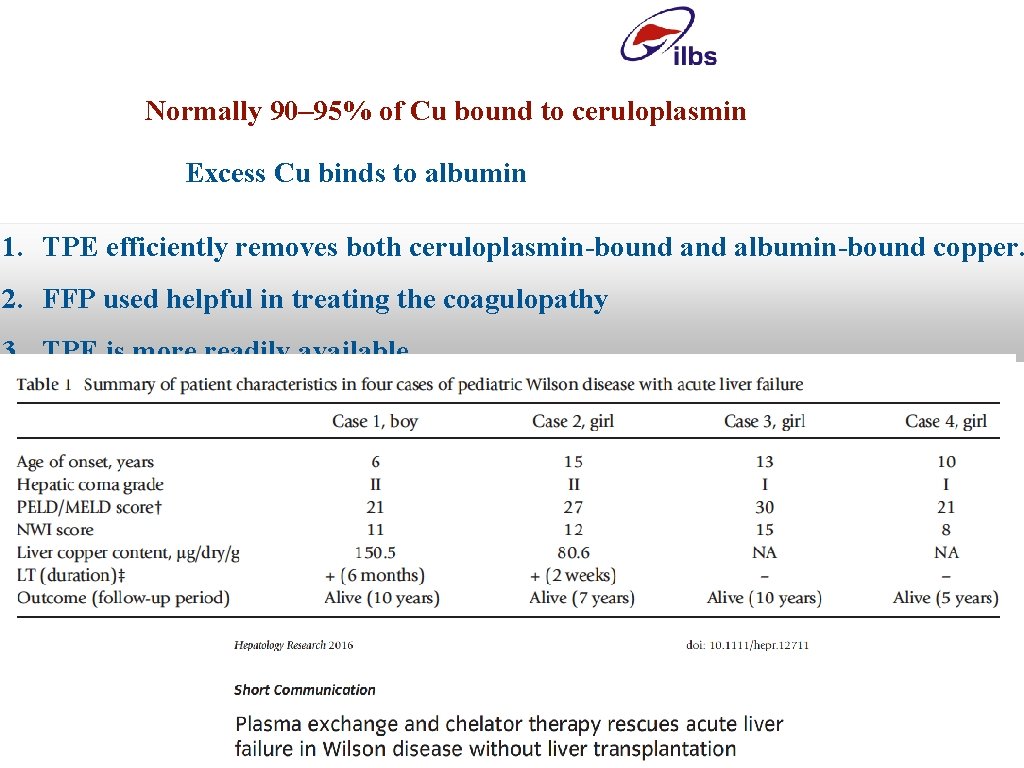
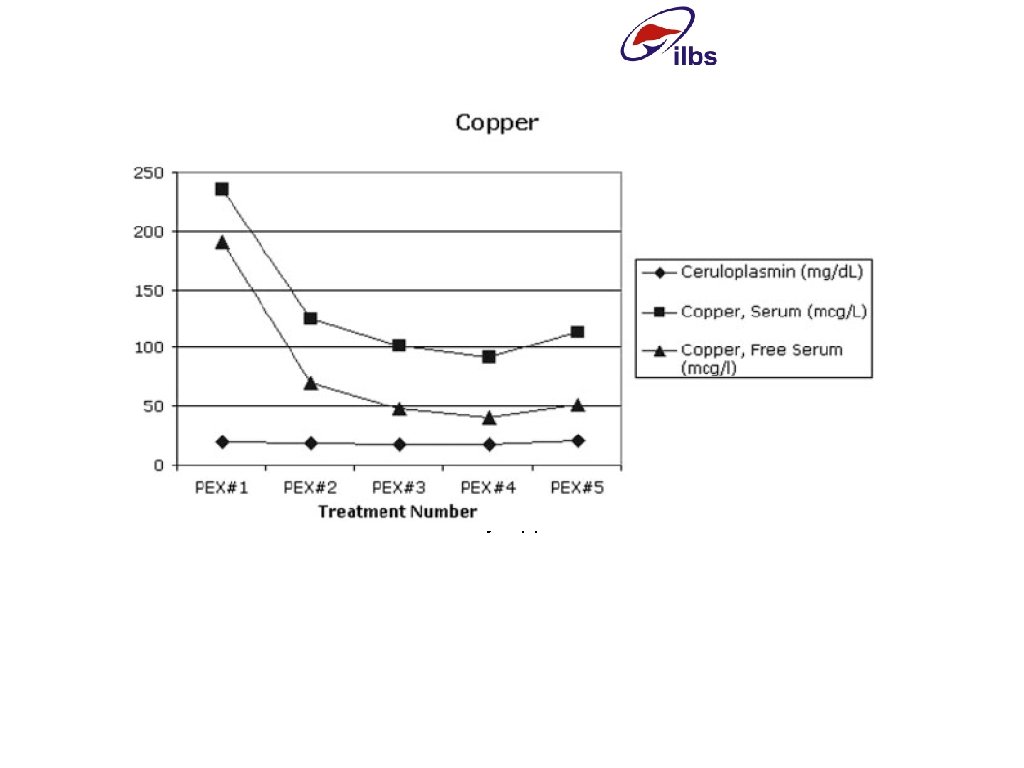
Normally 90– 95% of Cu bound to ceruloplasmin Excess Cu binds to albumin 1. TPE efficiently removes both ceruloplasmin-bound albumin-bound copper. 2. FFP used helpful in treating the coagulopathy 3. TPE is more readily available
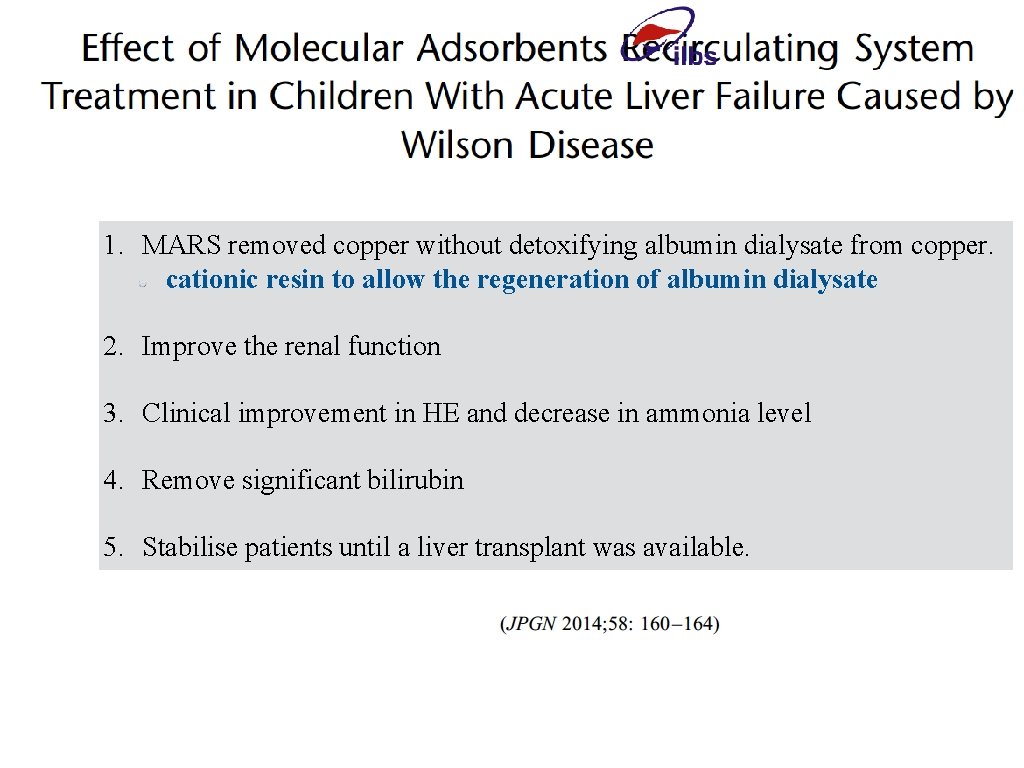
1. MARS removed copper without detoxifying albumin dialysate from copper. cationic resin to allow the regeneration of albumin dialysate 2. Improve the renal function 3. Clinical improvement in HE and decrease in ammonia level 4. Remove significant bilirubin 5. Stabilise patients until a liver transplant was available.
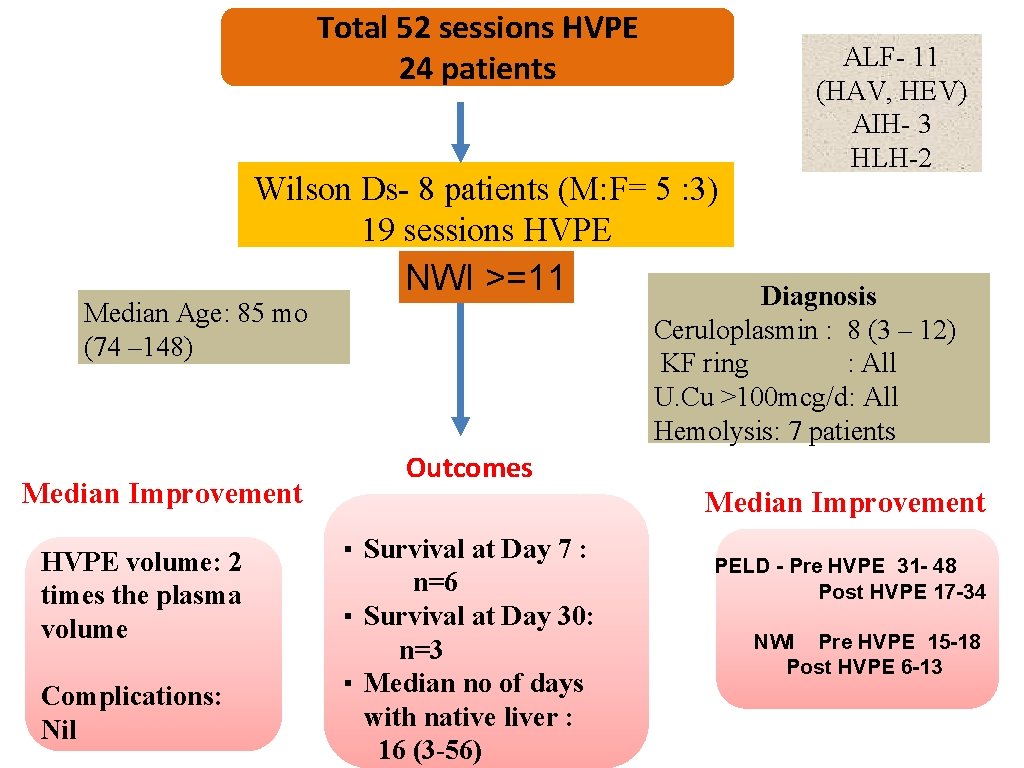
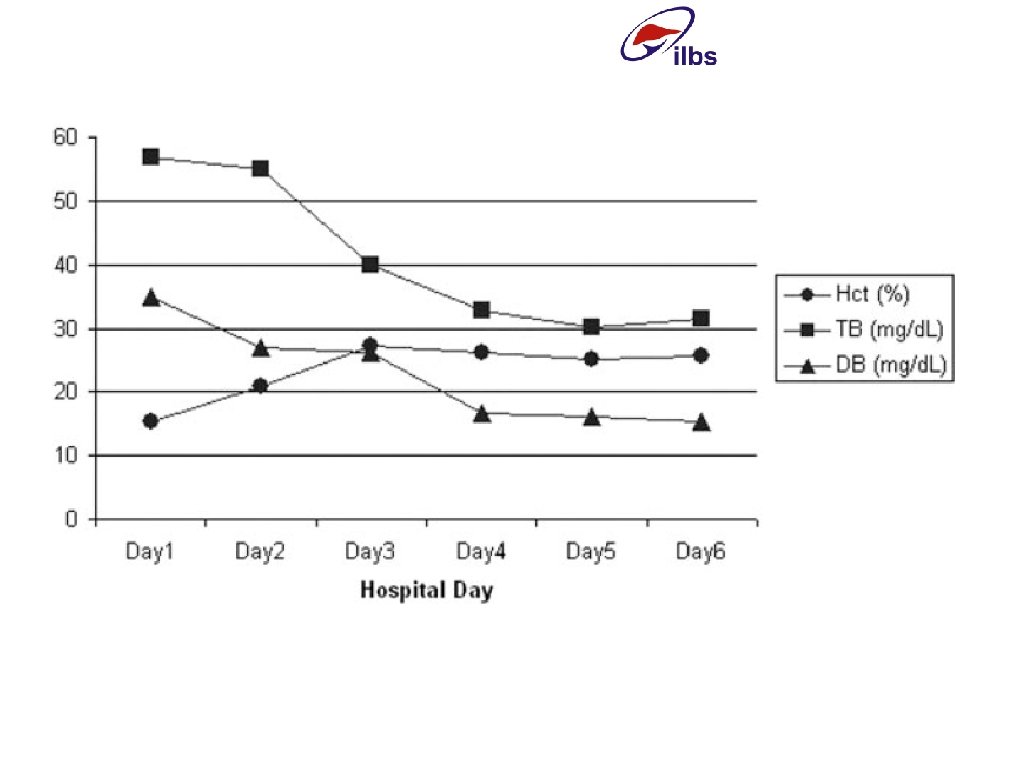
Total 52 sessions HVPE 24 patients Wilson Ds- 8 patients (M: F= 5 : 3) 19 sessions HVPE Median Age: 85 mo (74 – 148) Median Improvement HVPE volume: 2 times the plasma volume Complications: Nil NWI >=11 ALF- 11 (HAV, HEV) AIH- 3 HLH-2 Diagnosis Ceruloplasmin : 8 (3 – 12) KF ring : All U. Cu >100 mcg/d: All Hemolysis: 7 patients Outcomes Median Improvement ▪ Survival at Day 7 : n=6 ▪ Survival at Day 30: n=3 ▪ Median no of days with native liver : 16 (3 -56) PELD - Pre HVPE 31 - 48 Post HVPE 17 -34 NWI Pre HVPE 15 -18 Post HVPE 6 -13
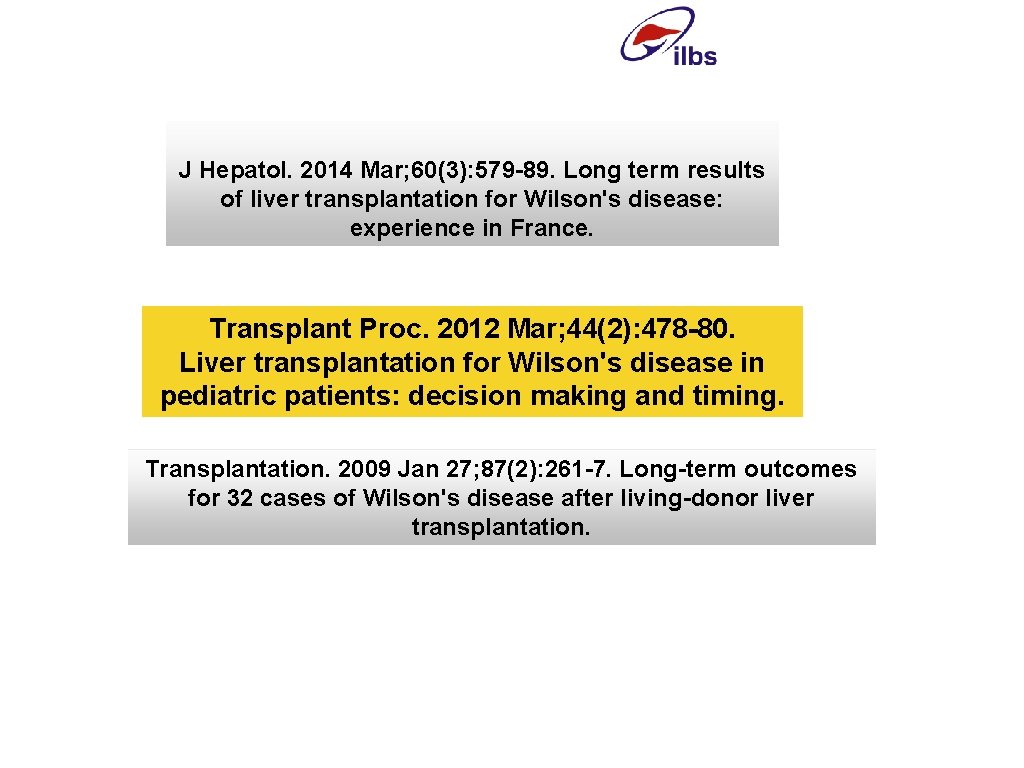
J Hepatol. 2014 Mar; 60(3): 579 -89. Long term results of liver transplantation for Wilson's disease: experience in France. Transplant Proc. 2012 Mar; 44(2): 478 -80. Liver transplantation for Wilson's disease in pediatric patients: decision making and timing. Transplantation. 2009 Jan 27; 87(2): 261 -7. Long-term outcomes for 32 cases of Wilson's disease after living-donor liver transplantation.
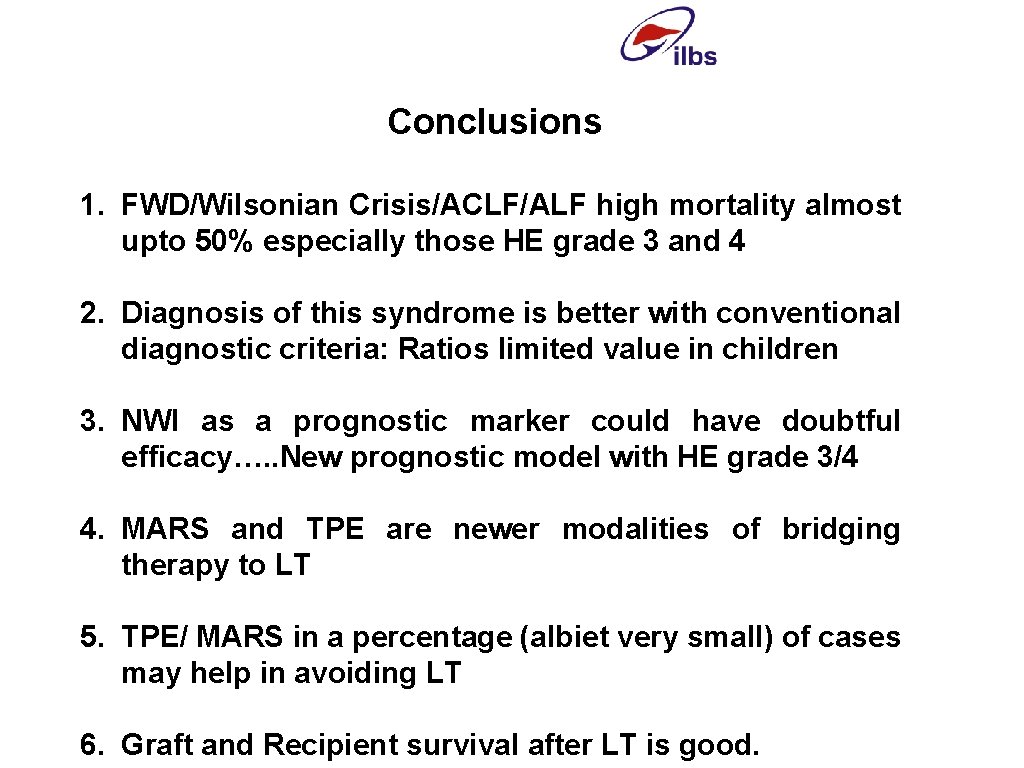
Conclusions 1. FWD/Wilsonian Crisis/ACLF/ALF high mortality almost upto 50% especially those HE grade 3 and 4 2. Diagnosis of this syndrome is better with conventional diagnostic criteria: Ratios limited value in children 3. NWI as a prognostic marker could have doubtful efficacy…. . New prognostic model with HE grade 3/4 4. MARS and TPE are newer modalities of bridging therapy to LT 5. TPE/ MARS in a percentage (albiet very small) of cases may help in avoiding LT 6. Graft and Recipient survival after LT is good.
THANK YOU
“Type a quote here. ” –Johnny Appleseed
“Type a quote here. ” –Johnny Appleseed
HVPE in children - ILBS • Children >10 kg with ALF Static or Worsening INR / HE INR > 4 or INR >3 with HE with constraints for Liver transplantation
oluble and protein-bound toxins, by means of the presence of albu
- Slides: 31