
Wildlife and the Earth Chapter 6 Objectives Describe

Wildlife and the Earth Chapter 6
Objectives • Describe important areas of earth science as related to F&W • Identify changes on the earth that impact F&W • Explain climate and weather as related to F&W • Explain soil as related to F&W • Describe how earth’s resources are used in succession
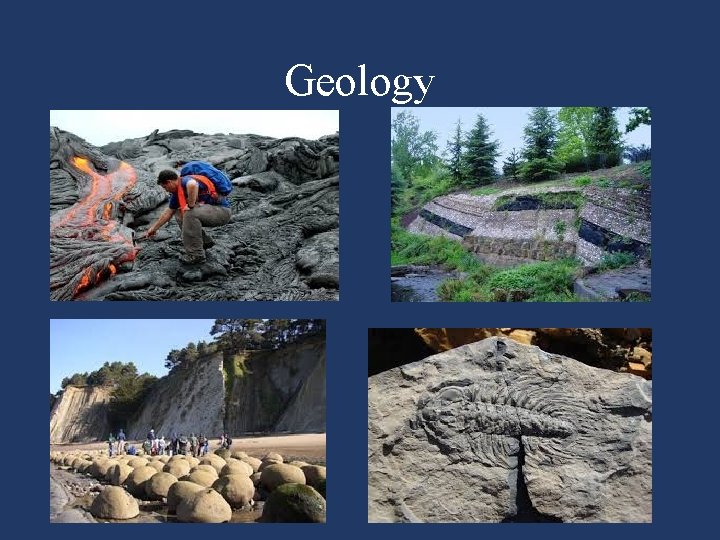
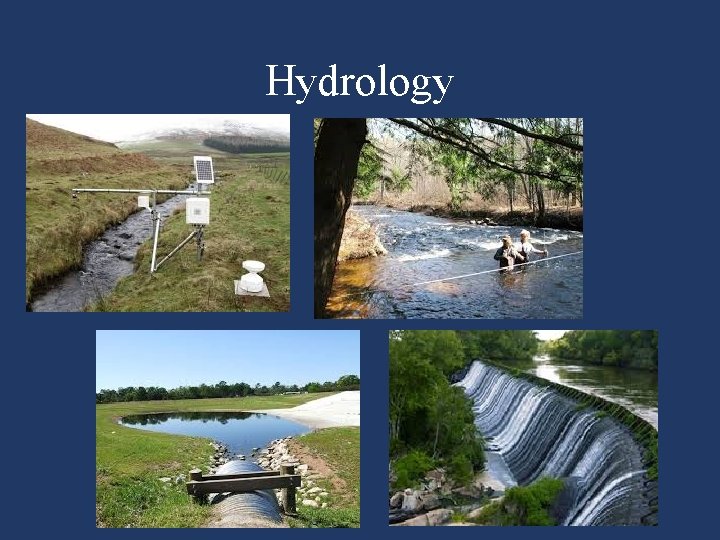
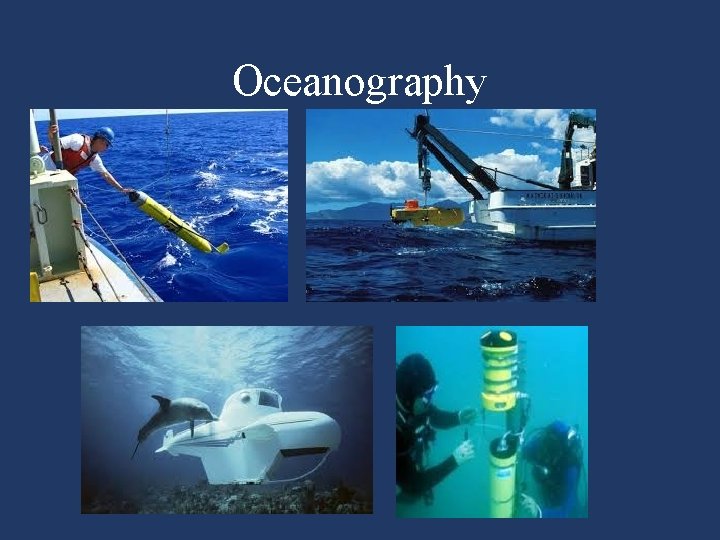
Earth Science and F&W • Earth Science – study of the environment in which organisms live, grow, and die. Earth Science includes: • Meteorology – study of atmosphere, climate, and weather • Geology – study of solid parts of earth’s surface • Hydrology – study of water found in land areas • Oceanography – study of water found in the ocean
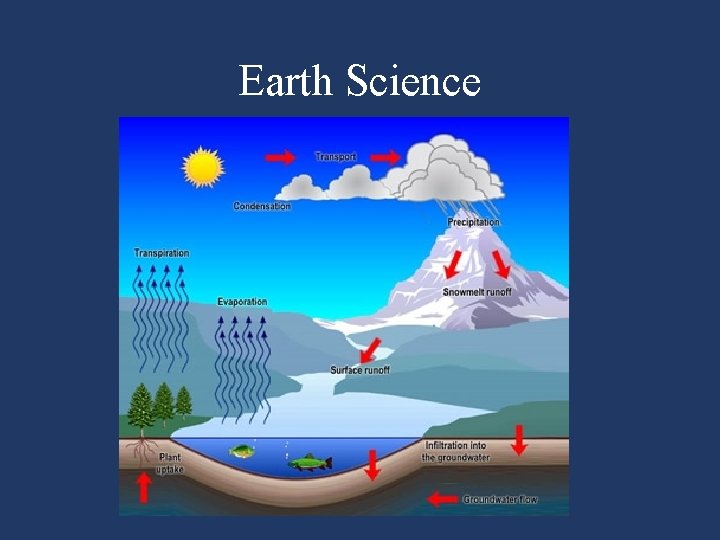
Earth Science
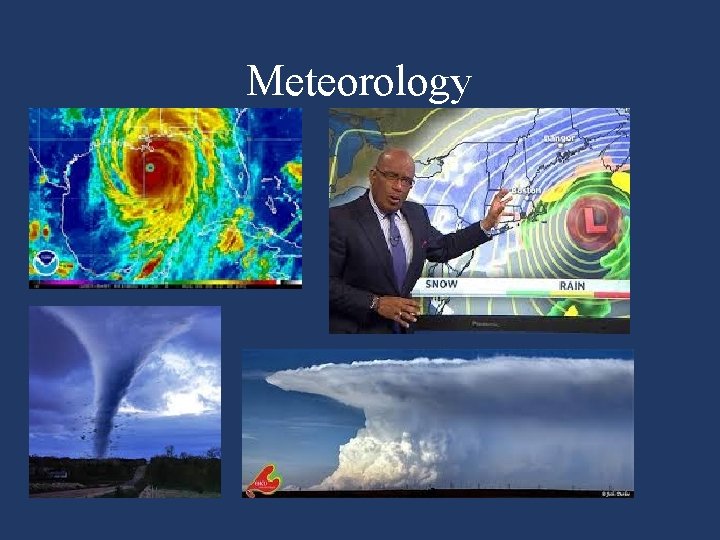
Meteorology
Geology
Hydrology
Oceanography
Earth Changes that Impact F&W • Cyclical Changes – occur on a regular basis and follow a predictable pattern • These create day and night and seasons of the year • Both are due to the movement of the earth in the solar system • Two major movements are rotations and revolutions

Cyclical Changes
Rotation vs. Revolution • • • Rotation is the turning of the earth on its axis One rotation takes 24 hours Nocturnal species –most active at twilight and night Diurnal species – active during day and rest at night Revolution is the movement of the Earth in space around the sun • One revolution takes 365. 24 days • Equinox – sun is directly over equator (1 st day of spring and fall) • Solstice – sun at max from equator (1 st day of summer and winter)
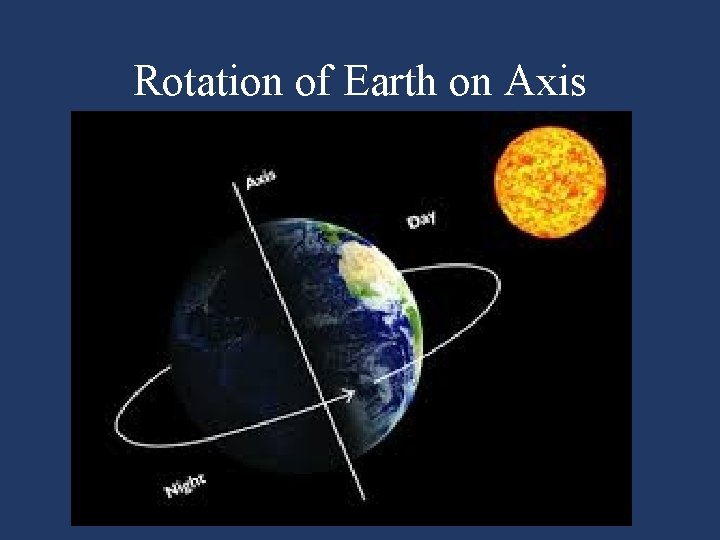
Rotation of Earth on Axis
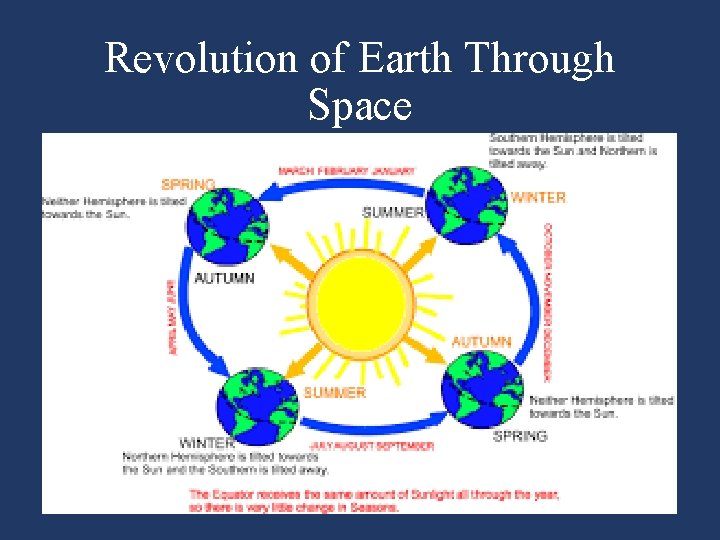
Revolution of Earth Through Space
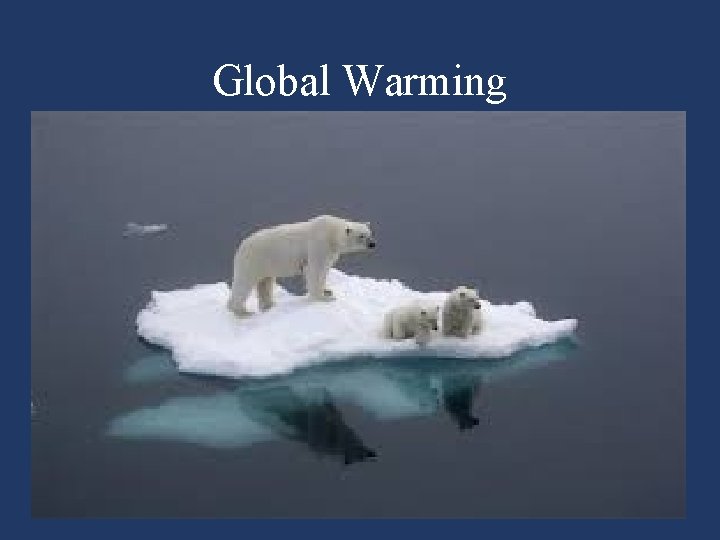
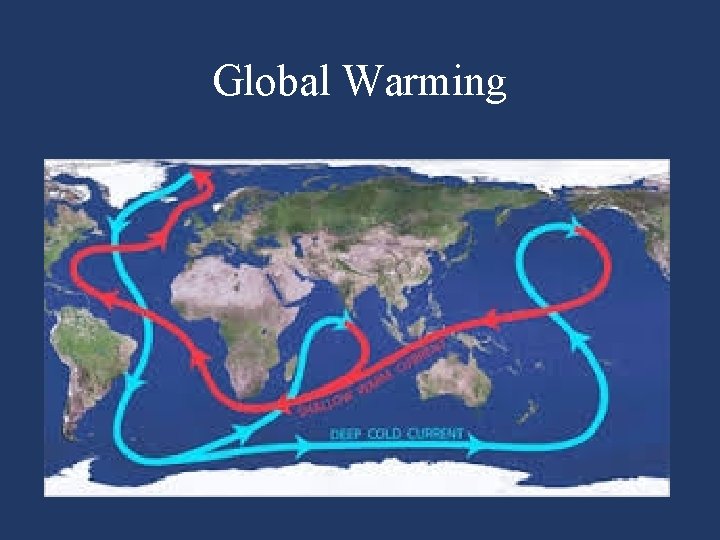
The Atmosphere: Weather and Climate • Atmosphere – the layer of air that surrounds the earth • Weather – the current daily conditions in the atmosphere • Climate – the weather that is generally present in an area • Global warming – theory that the general climate of the earth is getting warmer
Global Warming
Global Warming
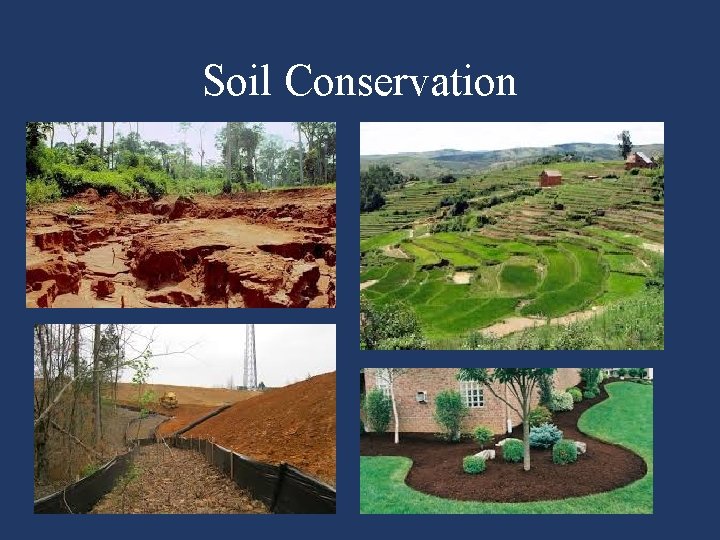
Soil • Soil – the top few inches of the earth’s crust that supports the growth of plants • Soil conservation – preventing loss or damage of soil • Soil living organisms – some are small (bacteria) and others are larger (worms, moles, etc. ) • Non-living soil components – either remains of onceliving organisms (decayed dead plants and animals) or particles of eroded rock (minerals) • Soil texture – proportion of sand, silt, and clay • Weathering – slow conversion of rock into soil • Soil erosion – washing, blowing, wearing away of soil
Soil Conservation
Succession • Succession – the natural and progressive change as one community replaces another • Pioneer stage – first stage in succession; begins with bare rock or bare soil • Secondary succession – intermediate steps between pioneer stage and climax • Climax community – the final stage of succession • Succession happens on land in water
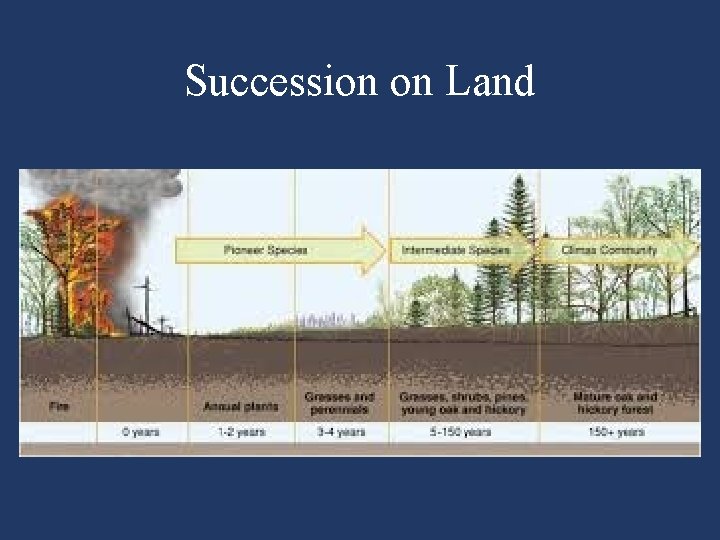
Succession on Land
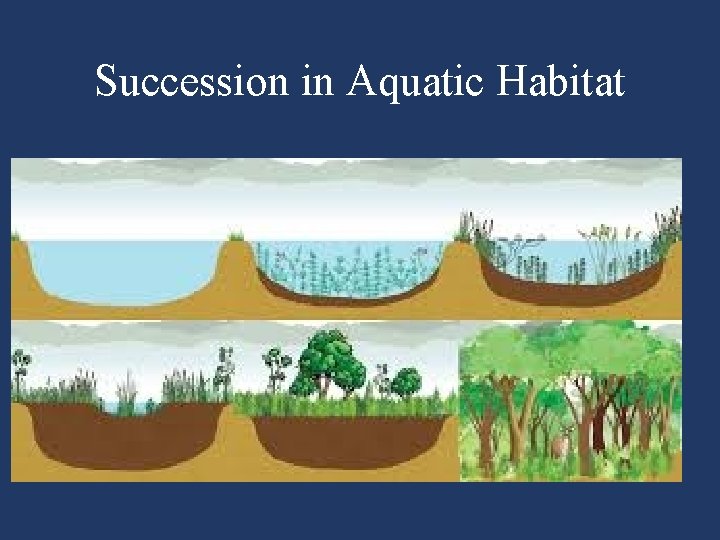
Succession in Aquatic Habitat
- Slides: 21