
Wiegand Card Formats Configuration of proximity cards Facility
![[W 26] Card. Length= 26 Even= 13 Odd= 13 Facility. Code. Length= 8 Facility.](https://slidetodoc.com/presentation_image/fc9366517ba865254b9a246d156d3799/image-9.jpg "[W 26] Card. Length= 26 Even= 13 Odd= 13 Facility. Code. Length= 8 Facility.")
- Slides: 12
Wiegand Card Formats Configuration of proximity cards
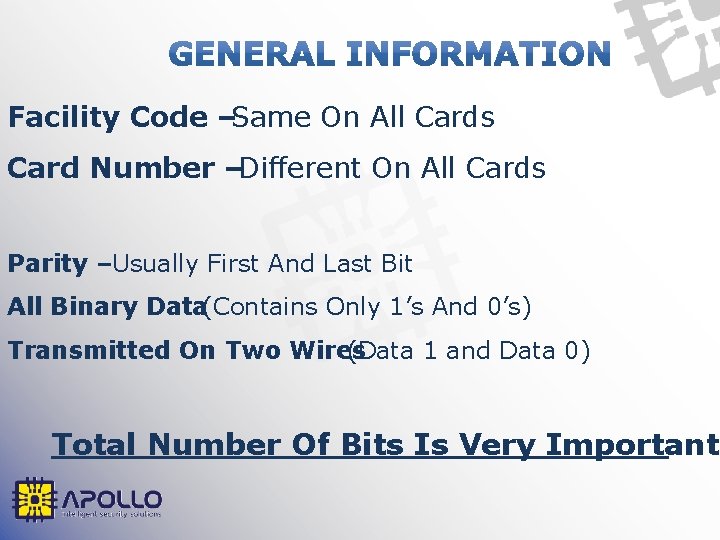
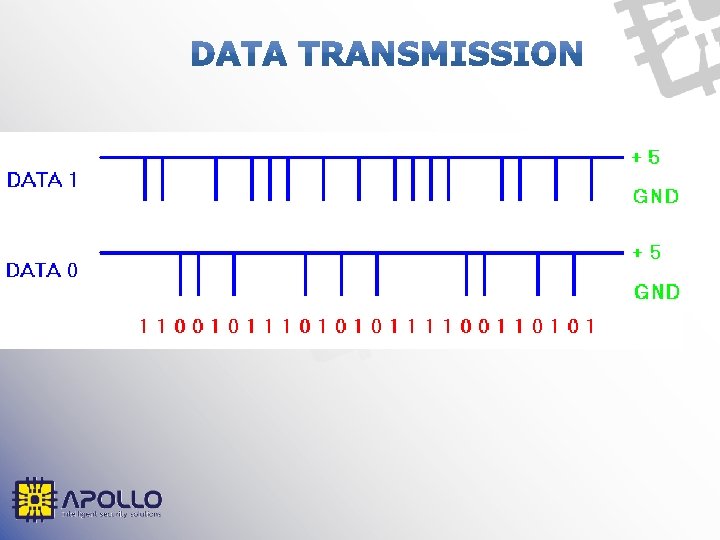
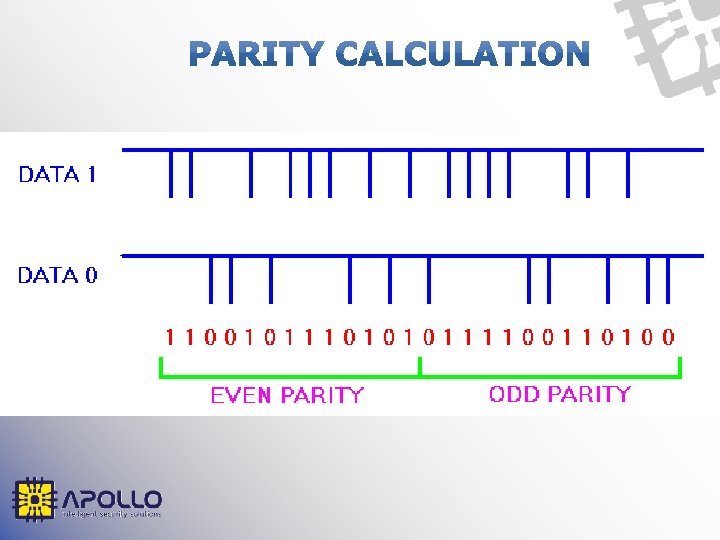
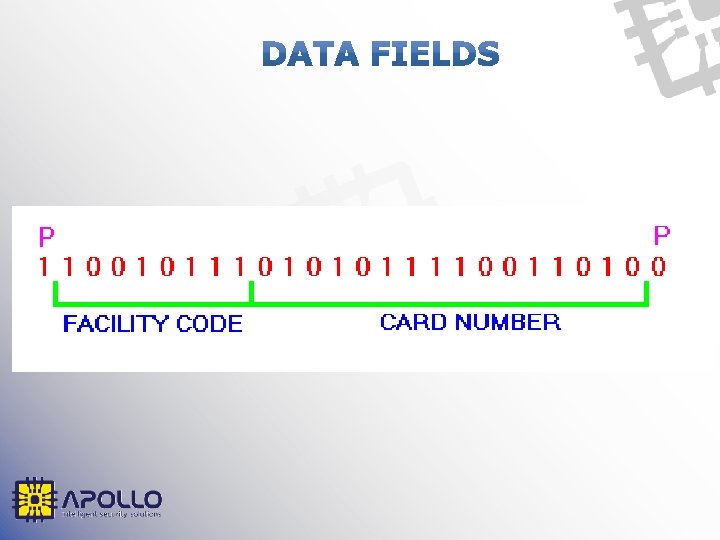
Facility Code – Same On All Cards Card Number – Different On All Cards Parity – Usually First And Last Bit All Binary Data (Contains Only 1’s And 0’s) Transmitted On Two Wires (Data 1 and Data 0) Total Number Of Bits Is Very Important
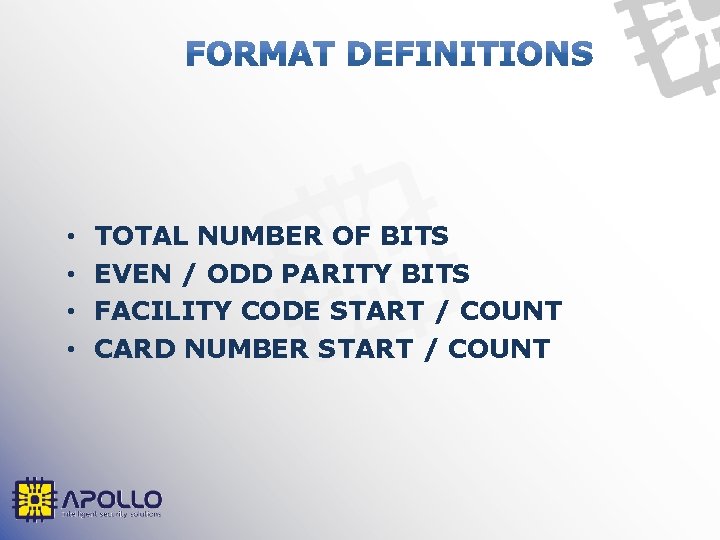
• • TOTAL NUMBER OF BITS EVEN / ODD PARITY BITS FACILITY CODE START / COUNT CARD NUMBER START / COUNT
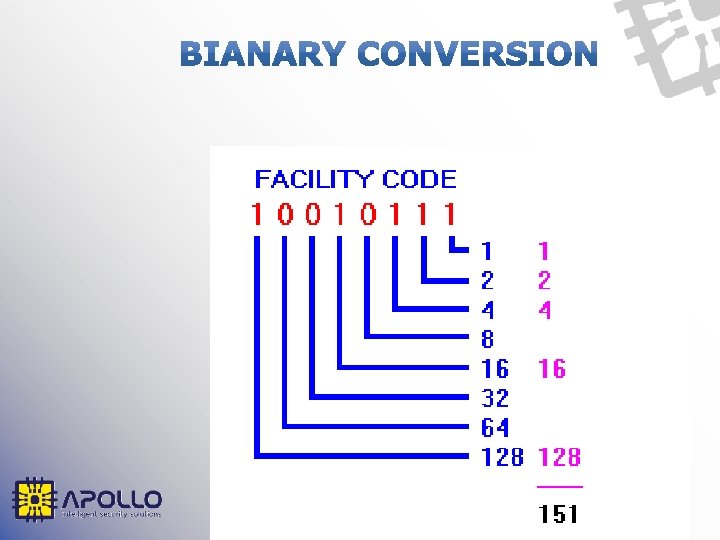
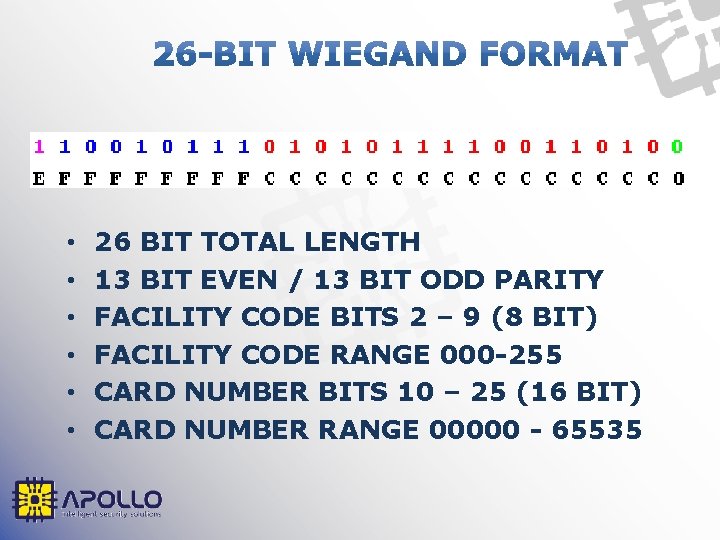
• • • 26 BIT TOTAL LENGTH 13 BIT EVEN / 13 BIT ODD PARITY FACILITY CODE BITS 2 – 9 (8 BIT) FACILITY CODE RANGE 000 -255 CARD NUMBER BITS 10 – 25 (16 BIT) CARD NUMBER RANGE 00000 - 65535
[W 26] Card. Length= 26 Even= 13 Odd= 13 Facility. Code. Length= 8 Facility. Code. Start= 1 Card. Number. Length= 16 Card. Number. Start= 9
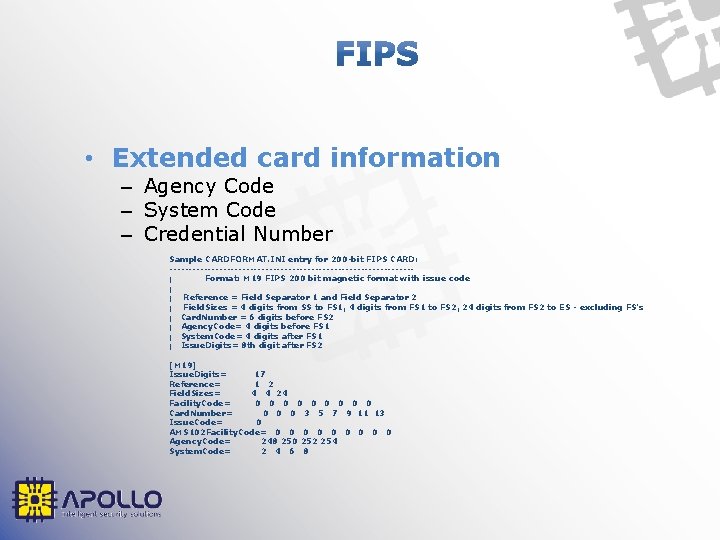
• Extended card information – Agency Code – System Code – Credential Number Sample CARDFORMAT. INI entry for 200 -bit FIPS CARD: --------------------------------; Format: M 19 FIPS 200 bit magnetic format with issue code ; ; Reference = Field Separator 1 and Field Separator 2 ; Field. Sizes = 4 digits from SS to FS 1, 4 digits from FS 1 to FS 2, 24 digits from FS 2 to ES - excluding FS's ; Card. Number = 6 digits before FS 2 ; Agency. Code= 4 digits before FS 1 ; System. Code= 4 digits after FS 1 ; Issue. Digits= 8 th digit after FS 2 [M 19] Issue. Digits= 17 Reference= 1 2 Field. Sizes= 4 4 24 Facility. Code= 0 0 0 Card. Number= 0 0 0 3 5 7 9 11 13 Issue. Code= 0 AMS 102 Facility. Code= 0 0 0 Agency. Code= 248 250 252 254 System. Code= 2 4 6 8
Did you know? • Facility codes can help companies save money by reusing cards? • Facility codes could be a thing of the past. • You should always track cards. • Not all cards can be ordered from any vendor.
What about…? • What kind of cards to buy? • How do I know what bit format I have? • How do I know what the card number is? • Can I mix and match card types?