
Why use hypnosis clinically Utilizing hypnotic phenomena applications

- Slides: 12
Why use hypnosis clinically? Utilizing hypnotic phenomena – applications in clinical practice.
Hypnotic Phenomena: Important You won’t see all of these phenomena all of the time You may see some of these phenomena some of the time
Hypnotic Phenomena These phenomena don’t happen spontaneously but require an appropriate suggestion Physiology mimics that of the suggested (imagined) experience
Hypnotic Phenomena Vision: Blindness Total (evidence from visual evoked potentials) Selective e. g. numbers missing Visual hallucinations Hearing: Deafness (evidence from auditory evoked potentials) Auditory hallucinations
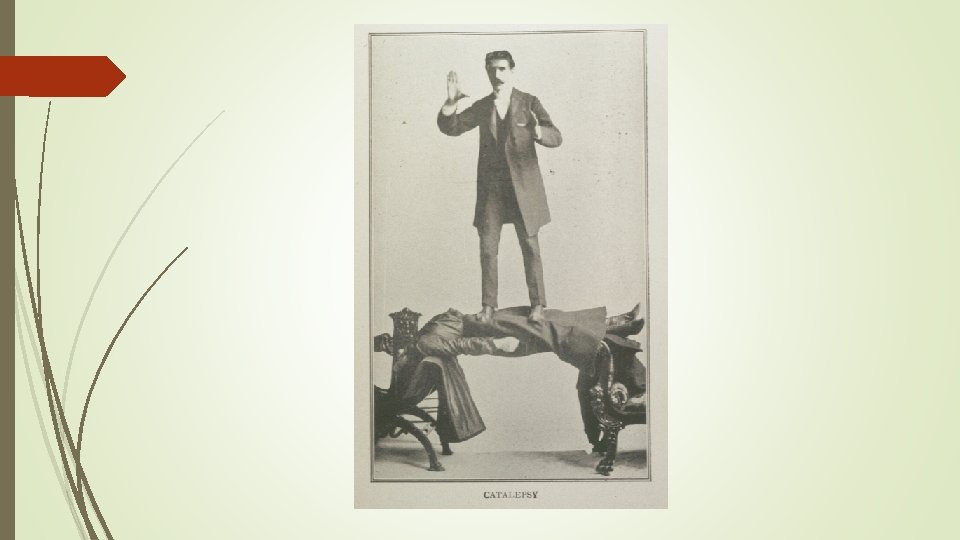
Hypnotic Phenomena Touch Numbness Hypersensitivity Smell Taste Voluntary muscle: Increased strength? Rigidity/levitation Automatic movements
Alteration of Perception Pain Reduce acute pain Manage chronic pain In labour/surgical interventions Time Distortion Regression Sound Tinnitus ‘It won’t bother you’
Access to Unconscious Processes Psychosomatic conditions Irritable bowel syndrome Insomnia Psychosexual problems Migraine Amazingly effective in PTSD Phobias Increased awareness of intuition
Modification of Physiology The stress response Anxiety Relaxation Inflammation burns, eczema, asthma Changes in immune response Exam stress Cancer: psychoneuroimmunology
Modification of Physiology Hormonal Irregular periods / infertility Reduction of bleeding Surgery Menorrhagia Reduction of salivation
Other Features of Hypnosis Enhanced memory? ? ? Dissociation Hidden Observer Ideomotor responses Post hypnotic suggestion
Important You won’t see all of these phenomena all of the time You may see some of these phenomena some of the time Responses may vary in the same person over time depending on their needs Responses may vary with different combinations of patient and therapist