
Why study media The media play a central

- Slides: 7
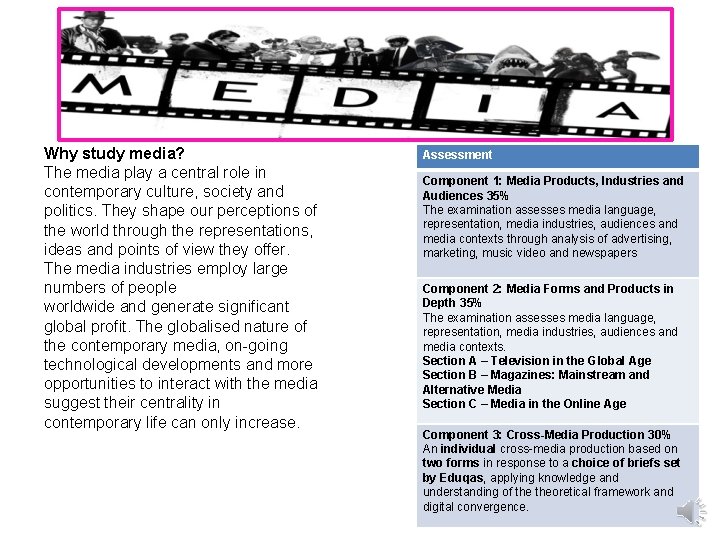
Why study media? The media play a central role in contemporary culture, society and politics. They shape our perceptions of the world through the representations, ideas and points of view they offer. The media industries employ large numbers of people worldwide and generate significant global profit. The globalised nature of the contemporary media, on-going technological developments and more opportunities to interact with the media suggest their centrality in contemporary life can only increase. Assessment Component 1: Media Products, Industries and Audiences 35% The examination assesses media language, representation, media industries, audiences and media contexts through analysis of advertising, marketing, music video and newspapers Component 2: Media Forms and Products in Depth 35% The examination assesses media language, representation, media industries, audiences and media contexts. Section A – Television in the Global Age Section B – Magazines: Mainstream and Alternative Media Section C – Media in the Online Age Component 3: Cross-Media Production 30% An individual cross-media production based on two forms in response to a choice of briefs set by Eduqas, applying knowledge and understanding of theoretical framework and digital convergence.
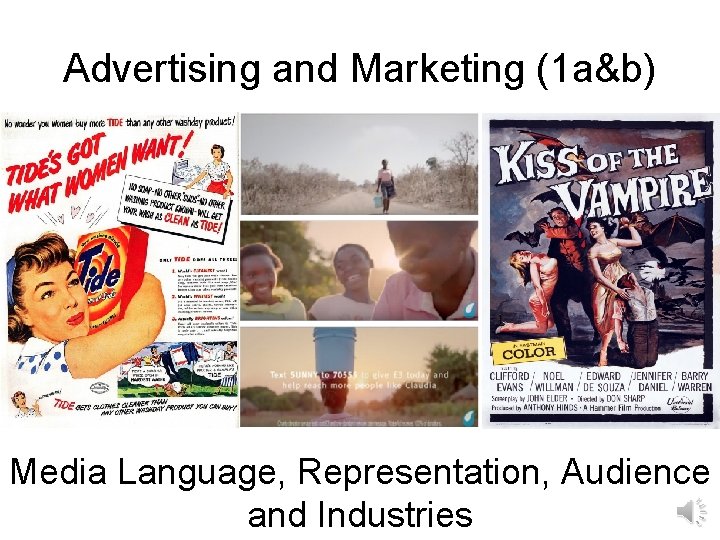
Advertising and Marketing (1 a&b) Media Language, Representation, Audience and Industries
Music Video and Newspapers(1 a) • Media Language and Representation
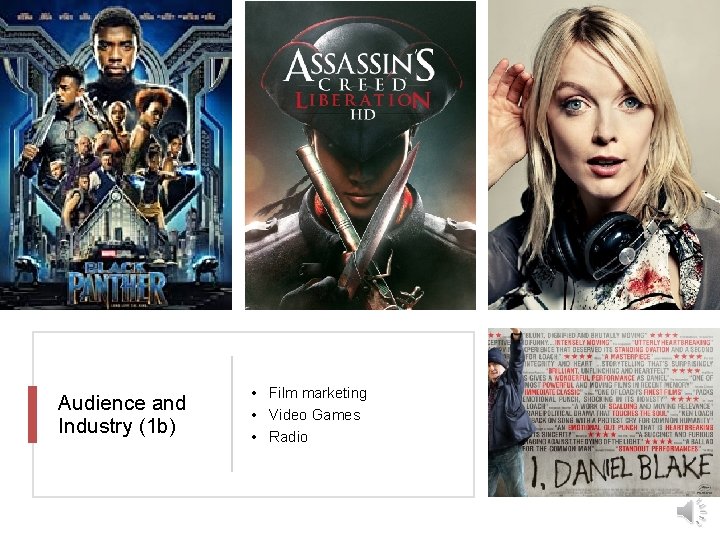
Audience and Industry (1 b) • Film marketing • Video Games • Radio
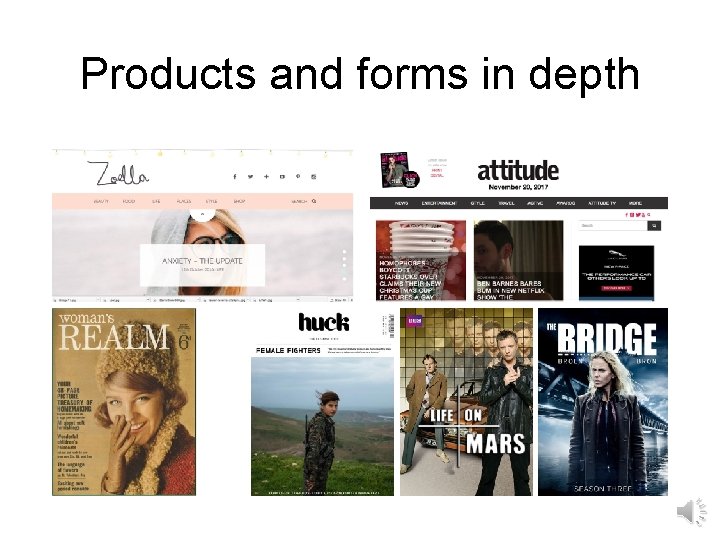
Products and forms in depth
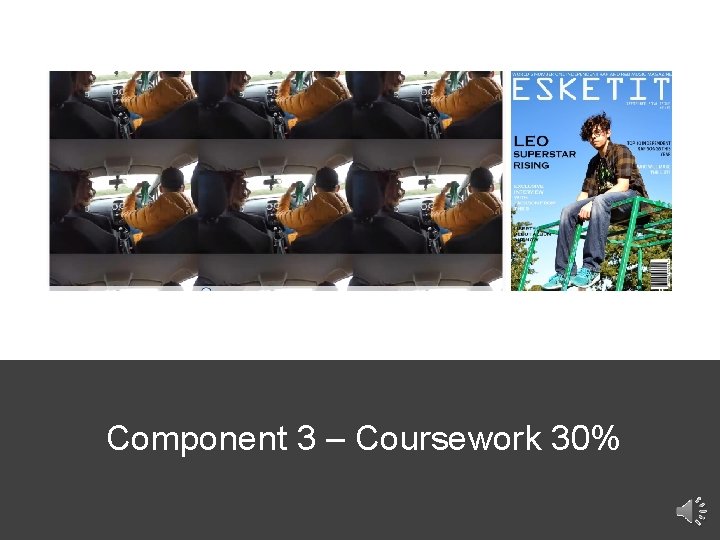
Component 3 – Coursework 30%
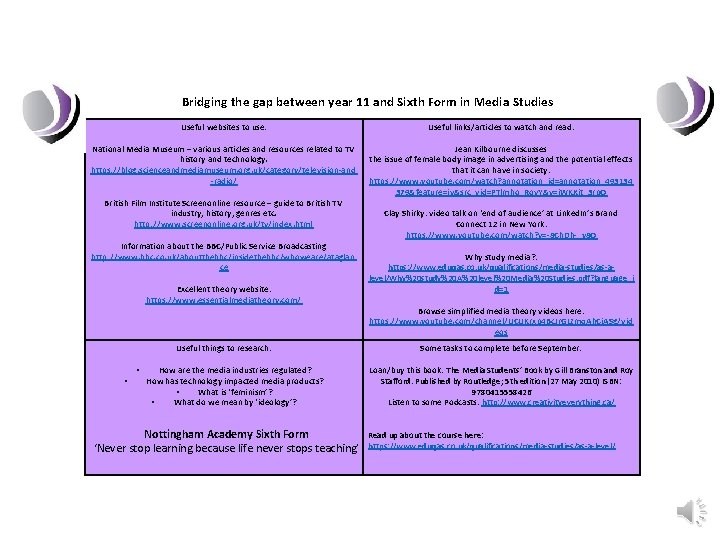
Bridging the gap between year 11 and Sixth Form in Media Studies Useful websites to use: Useful links/articles to watch and read: National Media Museum – various articles and resources related to TV history and technology. https: //blog. scienceandmediamuseum. org. uk/category/television-and -radio/ Jean Kilbourne discusses the issue of female body image in advertising and the potential effects that it can have in society: https: //www. youtube. com/watch? annotation_id=annotation_493134 379&feature=iv&src_vid=PTlmho_Rov. Y&v=j. WKXit_3 rp. Q British Film Institute Screenonline resource – guide to British TV industry, history, genres etc. http: //www. screenonline. org. uk/tv/index. html Information about the BBC/Public Service Broadcasting http: //www. bbc. co. uk/aboutthebbc/insidethebbc/whoweare/ataglan ce Excellent theory website: https: //www. essentialmediatheory. com/ Useful things to research: • • How are the media industries regulated? How has technology impacted media products? • What is ‘feminism’? • What do we mean by ‘ideology’? Nottingham Academy Sixth Form ‘Never stop learning because life never stops teaching’ Clay Shirky: video talk on ‘end of audience’ at Linked. In’s Brand Connect 12 in New York: https: //www. youtube. com/watch? v=-8 Ch. Dh-_y 8 Q Why study media? : https: //www. eduqas. co. uk/qualifications/media-studies/as-alevel/Why%20 study%20 A%20 level%20 Media%20 Studies. pdf? language_i d=1 Browse simplified media theory videos here: https: //www. youtube. com/channel/UCUKrxp 4 Bc. Jr. GLzmq. Ah. Cj. ASg/vid eos Some tasks to complete before September: Loan/buy this book: The Media Students’ Book by Gill Branston and Roy Stafford. Published by Routledge; 5 th edition (27 May 2010) ISBN: 9780415558426 Listen to some Podcasts: http: //www. creativityeverything. ca/ Read up about the course here: https: //www. eduqas. co. uk/qualifications/media-studies/as-a-level/