
Why not teach mother Maternal Education in Chlorhexidine

- Slides: 21
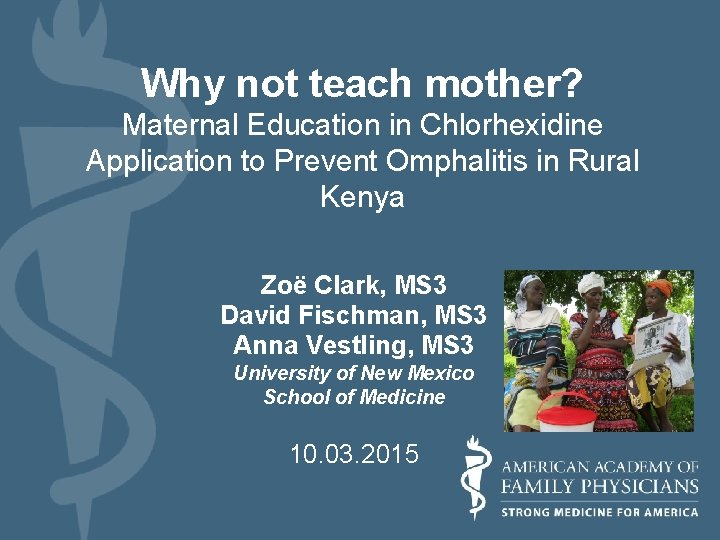
Why not teach mother? Maternal Education in Chlorhexidine Application to Prevent Omphalitis in Rural Kenya Zoë Clark, MS 3 David Fischman, MS 3 Anna Vestling, MS 3 University of New Mexico School of Medicine 10. 03. 2015
Activity Disclaimer ACTIVITY DISCLAIMER It is the policy of the AAFP that all individuals in a position to control content disclose any relationships with commercial interests upon nomination/invitation of participation. Disclosure documents are reviewed for potential conflicts of interest (COI), and if identified, conflicts are resolved prior to confirmation of participation. Only those participants who had no conflict of interest or who agreed to an identified resolution process prior to their participation were involved in this CME activity. Dr. Angelo Tomedi, Zoe Clark, David Fischman and Anna Vestling have indicated they have no relevant financial relationships to disclose. 2
Learning Objectives 1. Appreciate the resource deficits and logistical constraints that contribute to neonatal omphalitis, sepsis, and mortality in rural areas globally. 2. Understand the impact of timely and sustainable chlorhexidine application to the newborn umbilical stump on reducing infection incidence and mortality. 3. Compare and contrast chlorhexidine intervention in low resource settings without skilled birth attendants or hygienic environment to the intervention in higher resource settings that have skilled birth attendants, more hygienic environments, and fewer home births. 3
Learning Objectives 1. Appreciate the resource deficits and logistical constraints that contribute to neonatal omphalitis, sepsis, and mortality in rural areas globally. 2. Understand the impact of timely and sustainable chlorhexidine application to the newborn umbilical stump on reducing infection incidence and mortality. 3. Compare and contrast chlorhexidine intervention in low resource settings without skilled birth attendants or hygienic environment to the intervention in higher resource settings that have skilled birth attendants, more hygienic environments, and fewer home births. 4
Learning Objectives 1. Appreciate the resource deficits and logistical constraints that contribute to neonatal omphalitis, sepsis, and mortality in rural areas globally. 2. Understand the impact of timely and sustainable chlorhexidine application to the newborn umbilical stump on reducing infection incidence and mortality. 3. Compare and contrast chlorhexidine intervention in low resource settings without skilled birth attendants or hygienic environment to the intervention in higher resource settings that have skilled birth attendants, more hygienic environments, and fewer home births. 5
Omphalitis • 36% of the 4 million annual global neonatal deaths from preventable infections • Greatest mortality rates in Sub-Saharan Africa and Asia • Highest risk in: – low birth weight – mothers with intrapartum sepsis 6
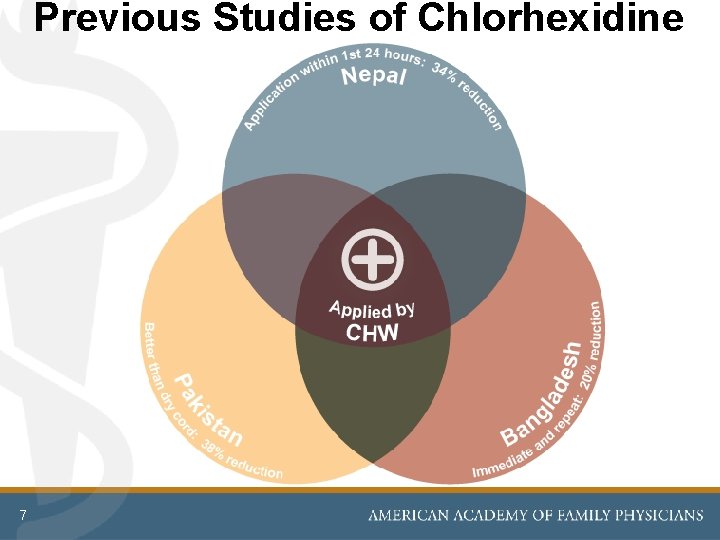
Previous Studies of Chlorhexidine 7
8
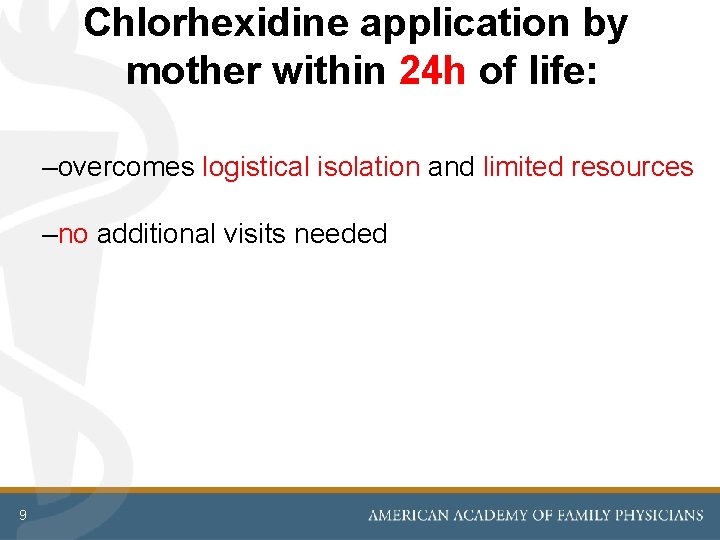
Chlorhexidine application by mother within 24 h of life: –overcomes logistical isolation and limited resources –no additional visits needed 9
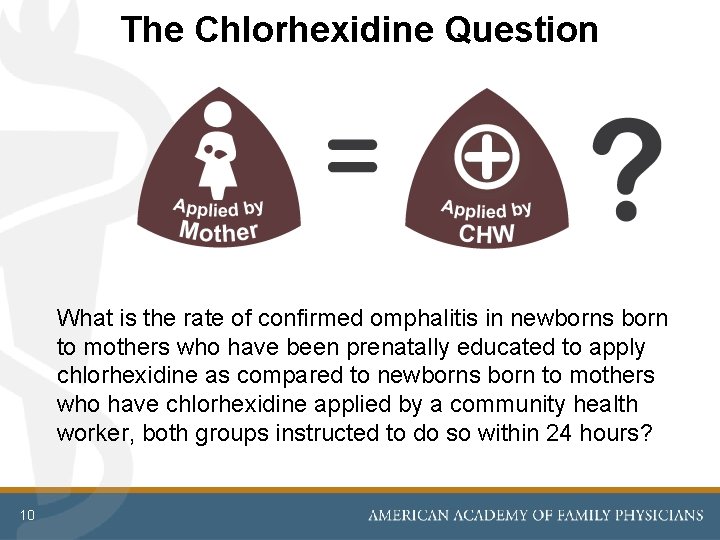
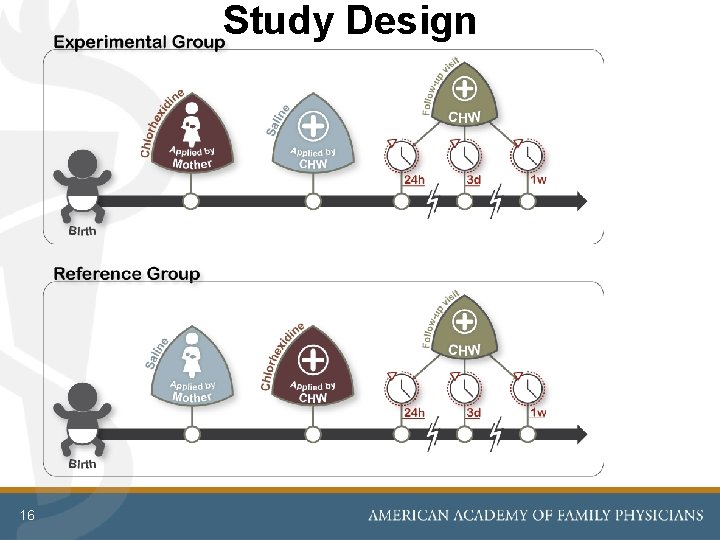
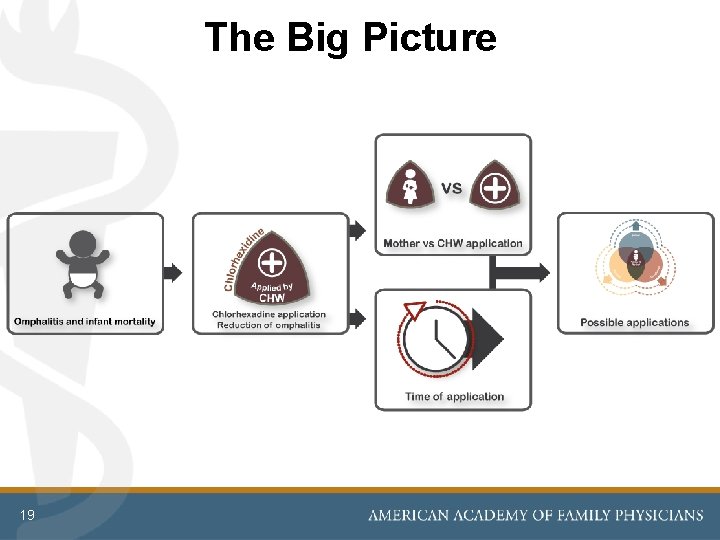
The Chlorhexidine Question What is the rate of confirmed omphalitis in newborns born to mothers who have been prenatally educated to apply chlorhexidine as compared to newborns born to mothers who have chlorhexidine applied by a community health worker, both groups instructed to do so within 24 hours? 10
Our Hypothesis Maternal provision of chlorhexidine is: i. non-inferior to CHW provision of chlorhexidine ii. will achieve an equal or better reduction in rates of neonatal omphalitis iii. applied to umbilicus within 24 hours of birth, as in reference group 11
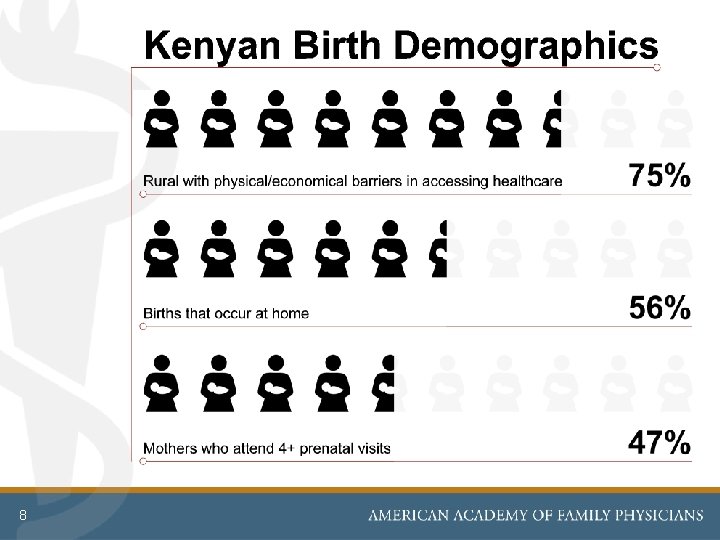
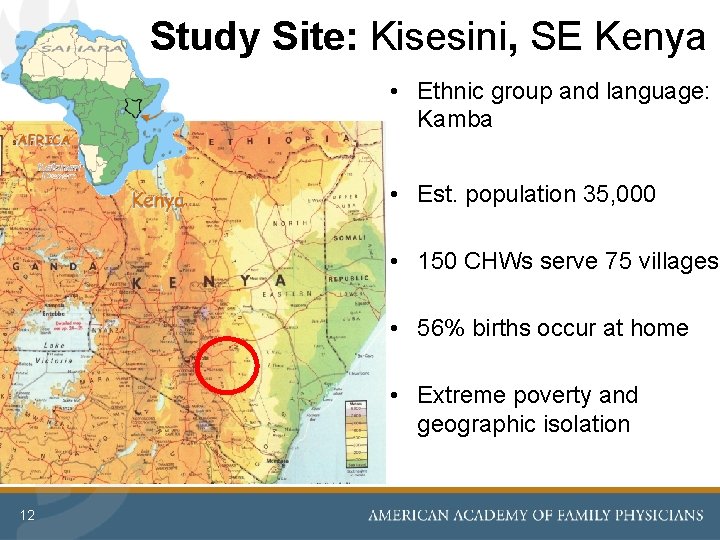
Study Site: Kisesini, SE Kenya • Ethnic group and language: Kamba • Est. population 35, 000 • 150 CHWs serve 75 villages • 56% births occur at home • Extreme poverty and geographic isolation 12
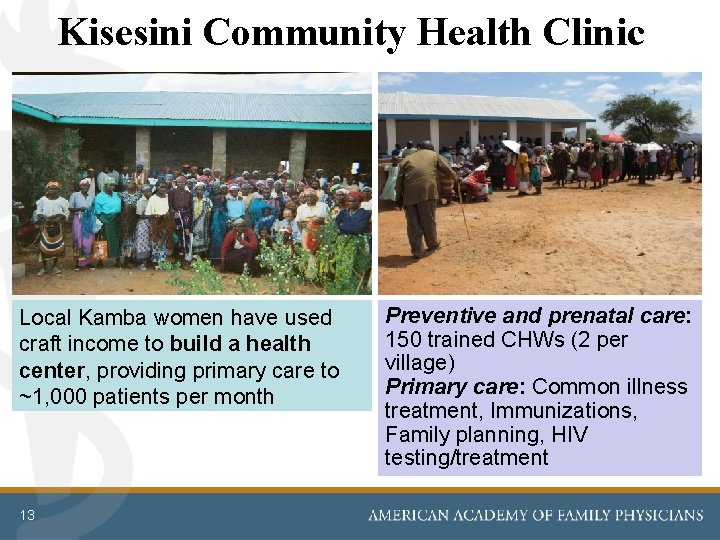
Kisesini Community Health Clinic Local Kamba women have used craft income to build a health center, providing primary care to ~1, 000 patients per month 13 Preventive and prenatal care: 150 trained CHWs (2 per village) Primary care: Common illness treatment, Immunizations, Family planning, HIV testing/treatment
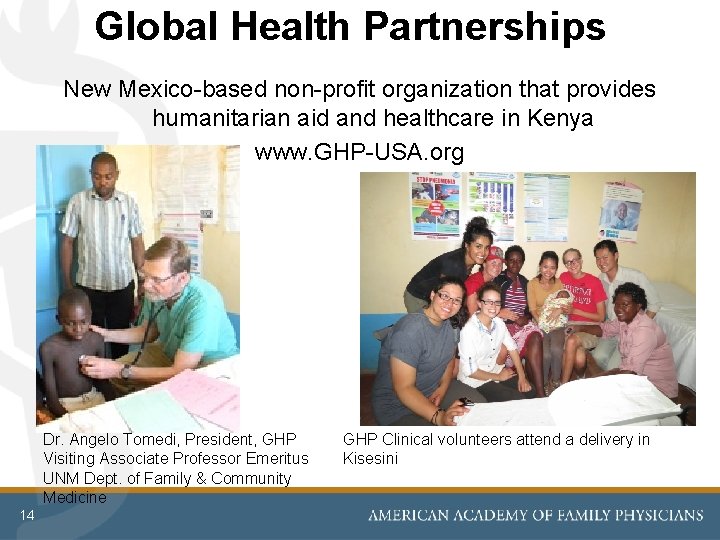
Global Health Partnerships New Mexico-based non-profit organization that provides humanitarian aid and healthcare in Kenya www. GHP-USA. org Dr. Angelo Tomedi, President, GHP Visiting Associate Professor Emeritus UNM Dept. of Family & Community Medicine 14 GHP Clinical volunteers attend a delivery in Kisesini
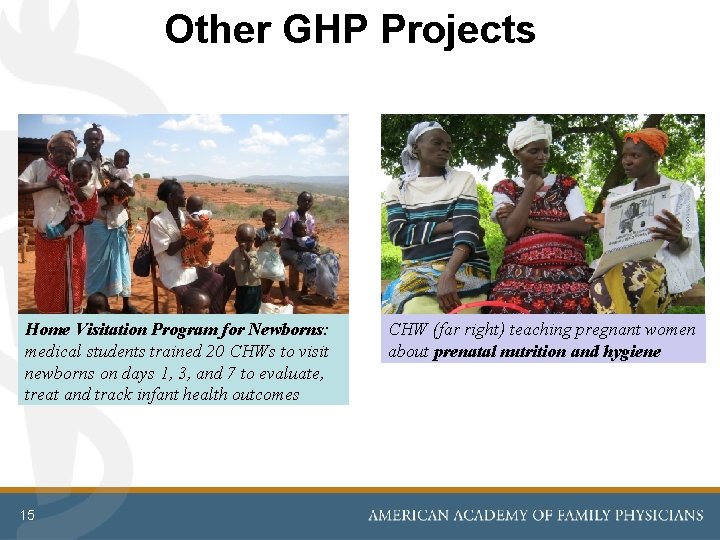
Other GHP Projects Home Visitation Program for Newborns: medical students trained 20 CHWs to visit newborns on days 1, 3, and 7 to evaluate, treat and track infant health outcomes 15 CHW (far right) teaching pregnant women about prenatal nutrition and hygiene
Study Design 16
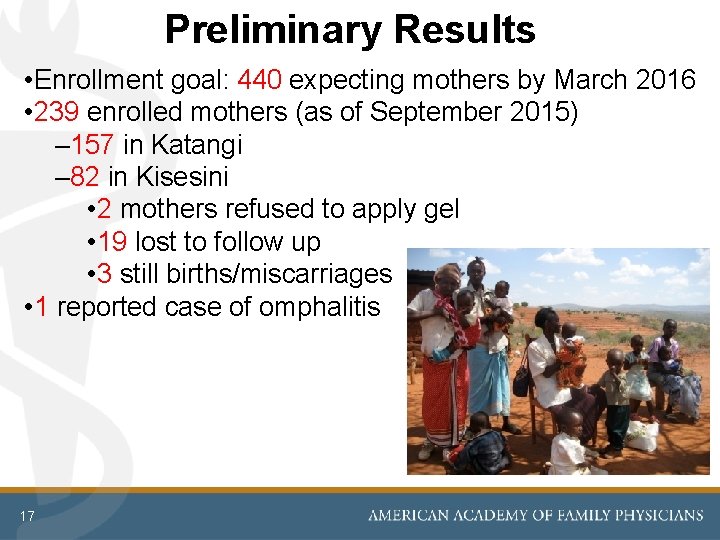
Preliminary Results • Enrollment goal: 440 expecting mothers by March 2016 • 239 enrolled mothers (as of September 2015) – 157 in Katangi – 82 in Kisesini • 2 mothers refused to apply gel • 19 lost to follow up • 3 still births/miscarriages • 1 reported case of omphalitis 17
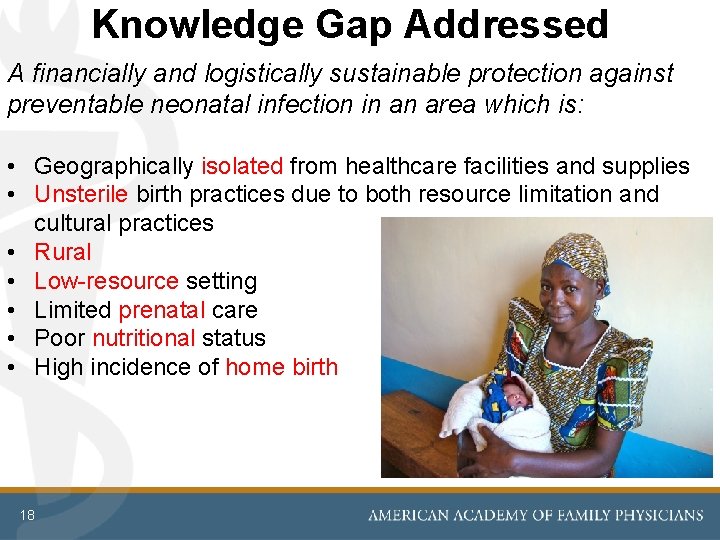
Knowledge Gap Addressed A financially and logistically sustainable protection against preventable neonatal infection in an area which is: • Geographically isolated from healthcare facilities and supplies • Unsterile birth practices due to both resource limitation and cultural practices • Rural • Low-resource setting • Limited prenatal care • Poor nutritional status • High incidence of home birth 18
The Big Picture 19
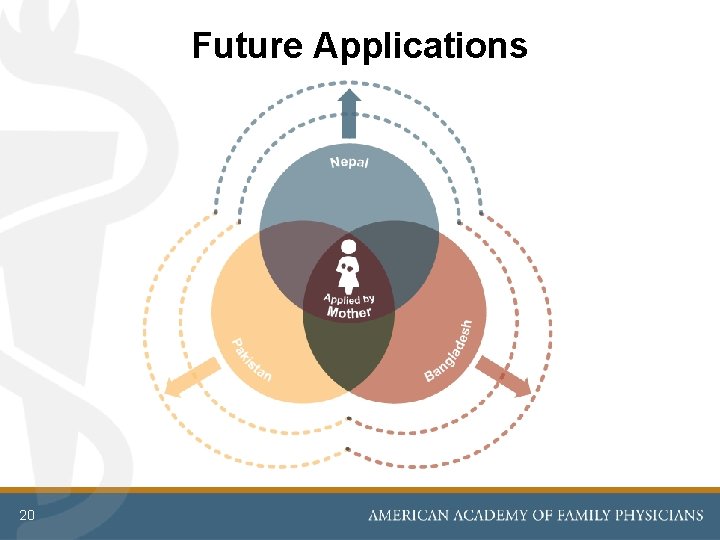
Future Applications 20
Questions? Zoë Clark, MS 3 ZClark@salud. unm. edu Anna Vestling, MS 3 AVestling@salud. unm. edu David Fischman, MS 3 Fischman@salud. unm. edu Principal investigator: Dr. Angelo Tomedi, MD ATomedi@salud. unm. edu 21