
Why is water Neutral water molecules in equilibrium
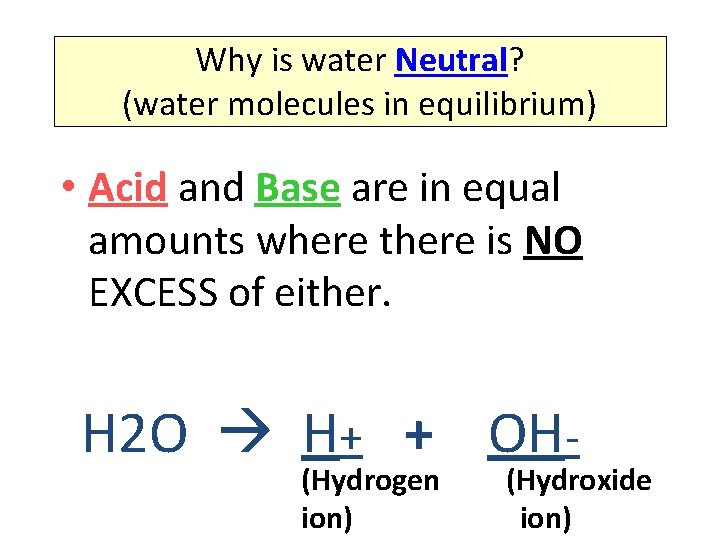
Why is water Neutral? (water molecules in equilibrium) • Acid and Base are in equal amounts where there is NO EXCESS of either. H 2 O H+ + OH(Hydrogen ion) (Hydroxide ion)
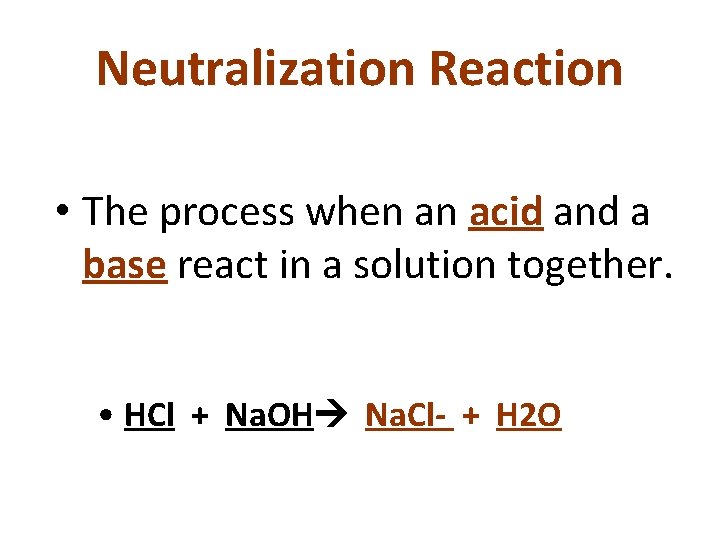
Neutralization Reaction • The process when an acid and a base react in a solution together. • HCl + Na. OH Na. Cl- + H 2 O
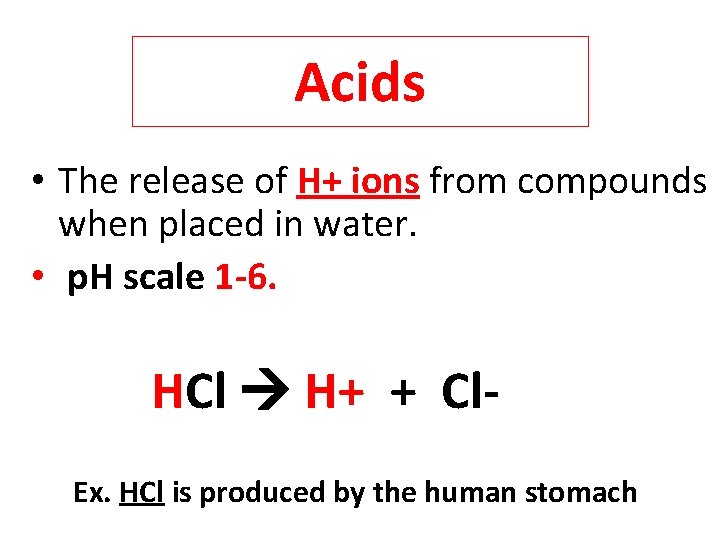
Acids • The release of H+ ions from compounds when placed in water. • p. H scale 1 -6. HCl H+ + Cl. Ex. HCl is produced by the human stomach
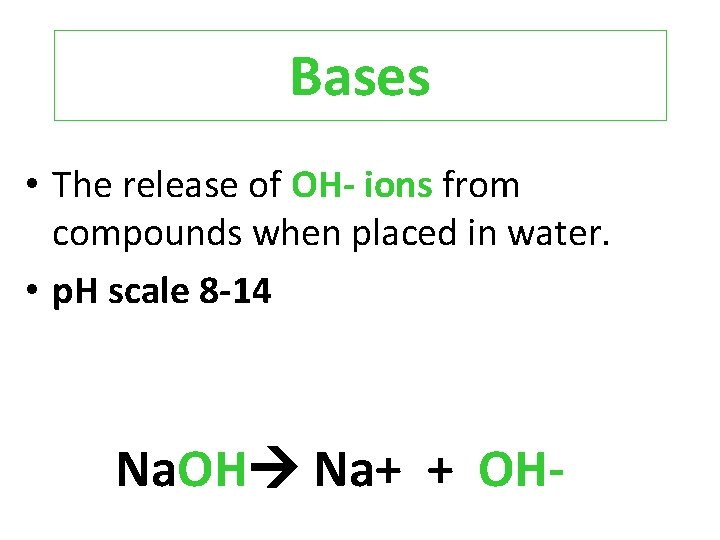
Bases • The release of OH- ions from compounds when placed in water. • p. H scale 8 -14 Na. OH Na+ + OH-
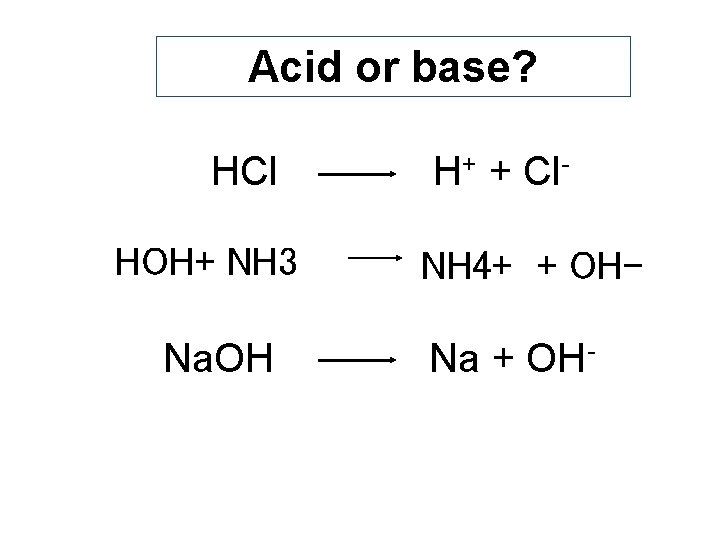
Acid or base? HCl HOH+ NH 3 Na. OH H+ + Cl. NH 4+ + OHNa + OH-
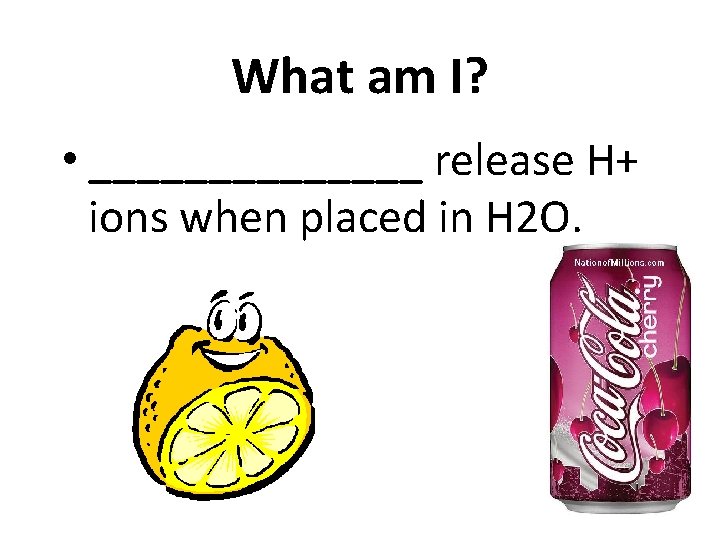
What am I? • _______ release H+ ions when placed in H 2 O.
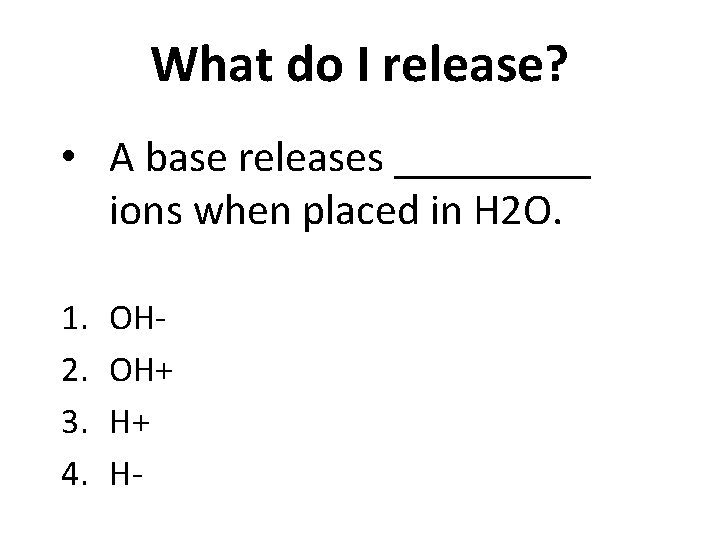
What do I release? • A base releases _____ ions when placed in H 2 O. 1. 2. 3. 4. OHOH+ H+ H-
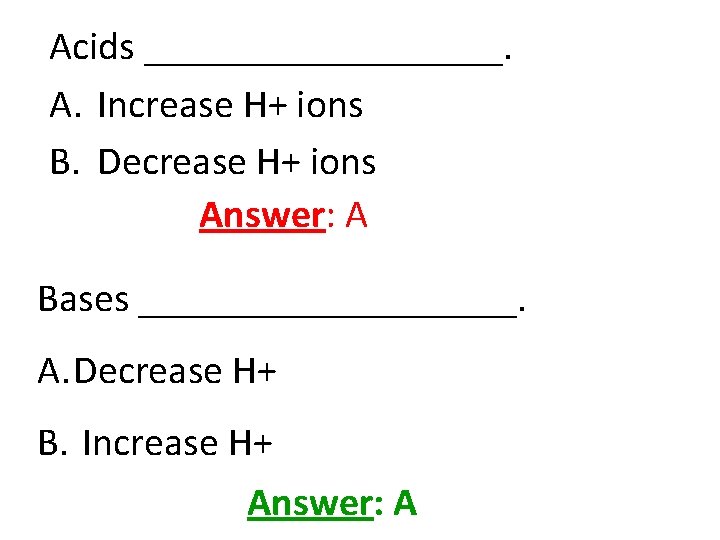
Acids _________. A. Increase H+ ions B. Decrease H+ ions Answer: A Bases __________. A. Decrease H+ B. Increase H+ Answer: A
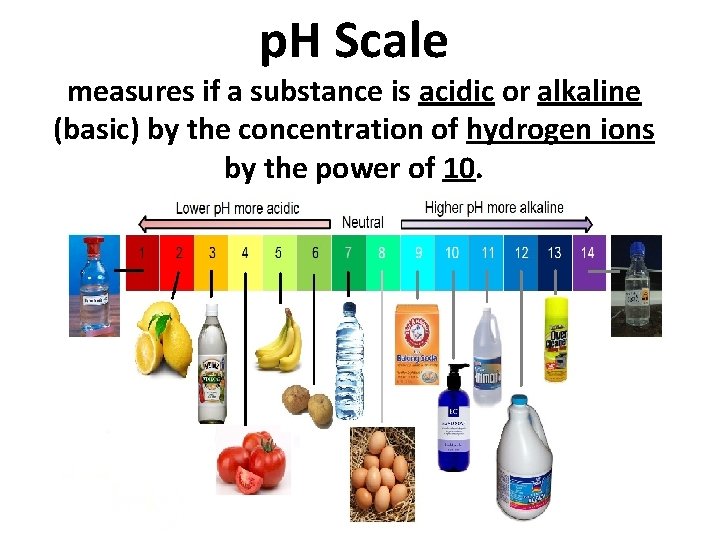
p. H Scale measures if a substance is acidic or alkaline (basic) by the concentration of hydrogen ions by the power of 10.
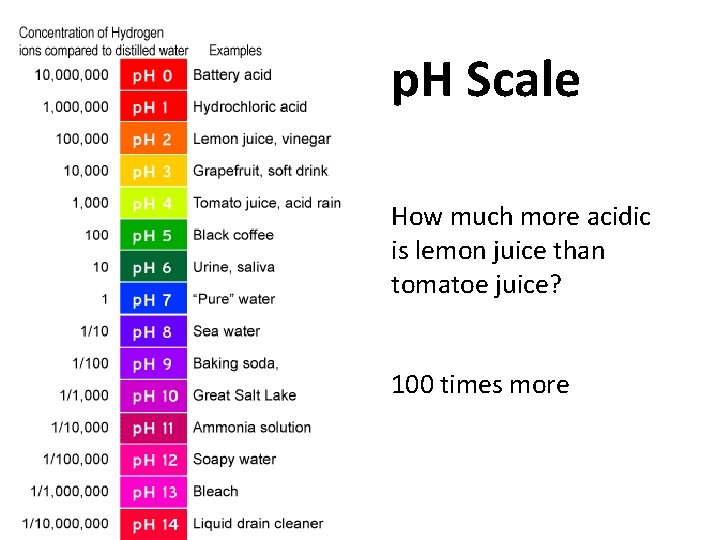
p. H Scale How much more acidic is lemon juice than tomatoe juice? 100 times more
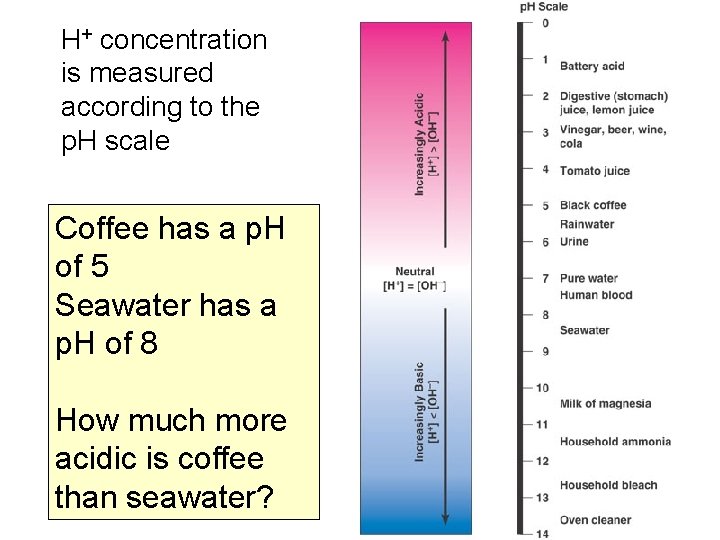
H+ concentration is measured according to the p. H scale Coffee has a p. H of 5 Seawater has a p. H of 8 How much more acidic is coffee than seawater?
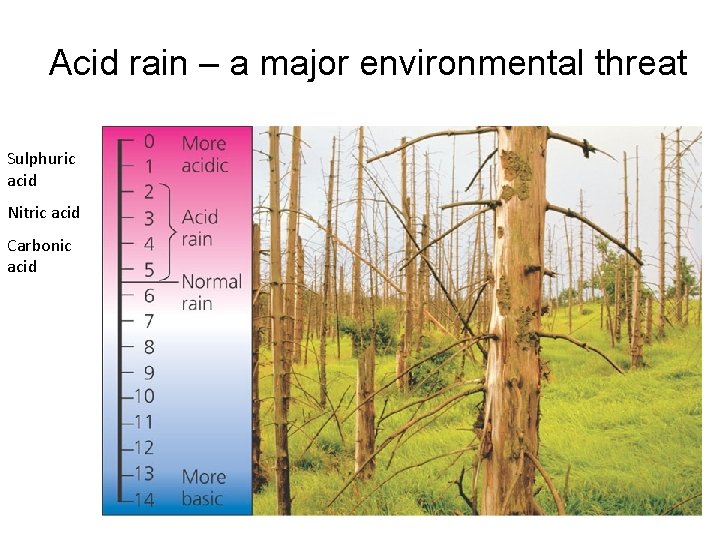
Acid rain – a major environmental threat Sulphuric acid Nitric acid Carbonic acid
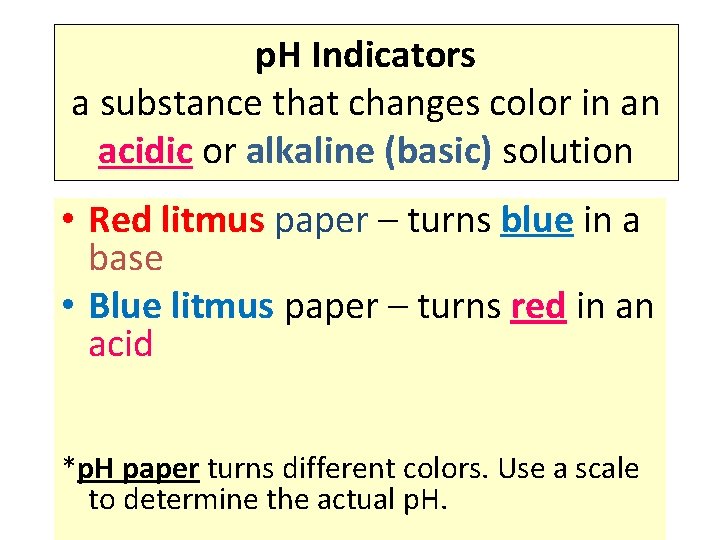
p. H Indicators a substance that changes color in an acidic or alkaline (basic) solution • Red litmus paper – turns blue in a base • Blue litmus paper – turns red in an acid *p. H paper turns different colors. Use a scale to determine the actual p. H.
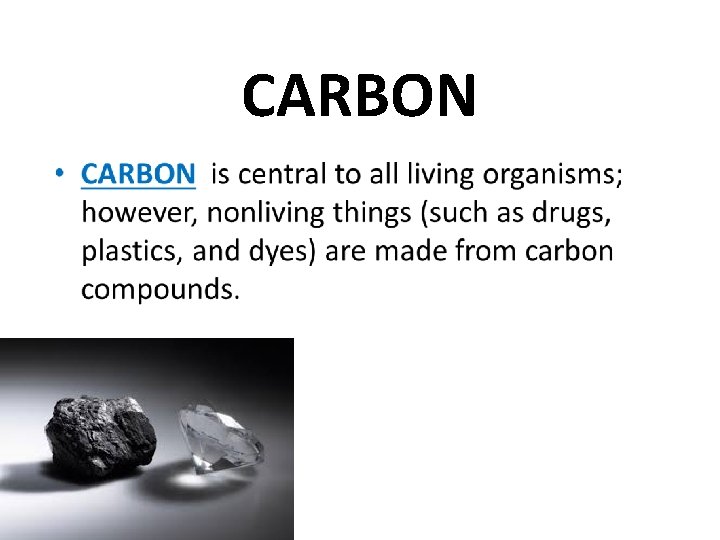
CARBON
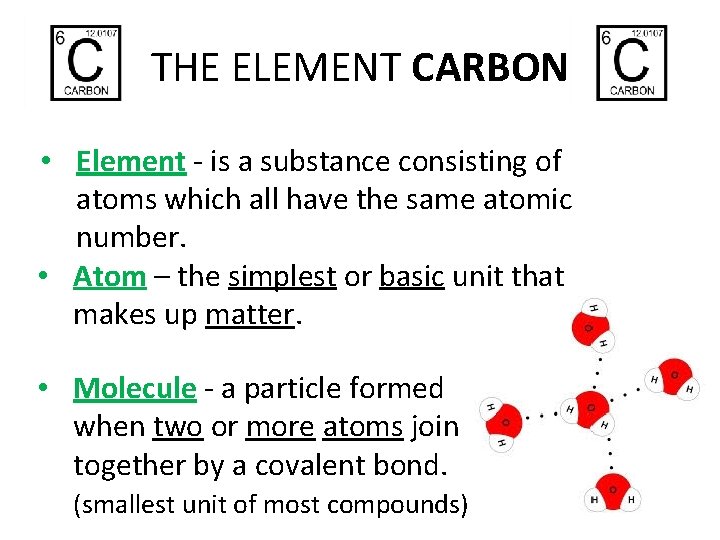
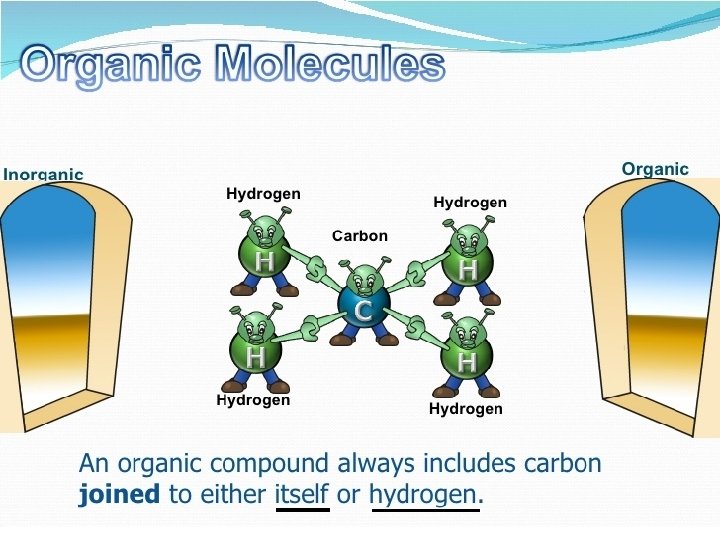
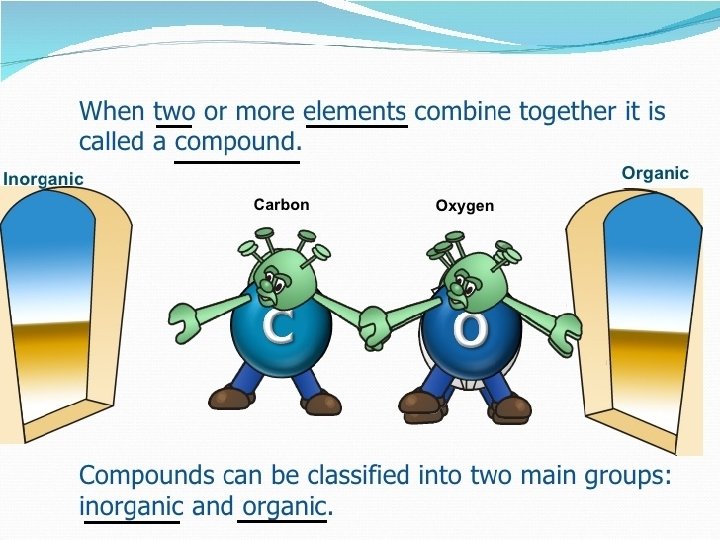
THE ELEMENT CARBON • Element - is a substance consisting of atoms which all have the same atomic number. • Atom – the simplest or basic unit that makes up matter. • Molecule - a particle formed when two or more atoms join together by a covalent bond. (smallest unit of most compounds)
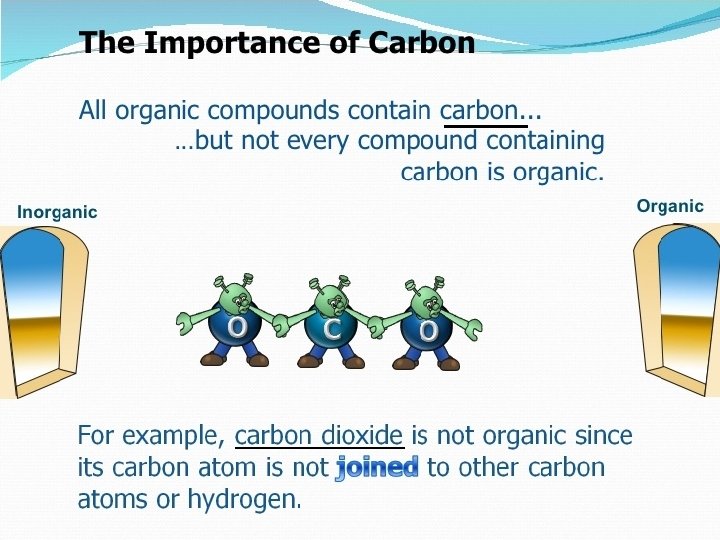
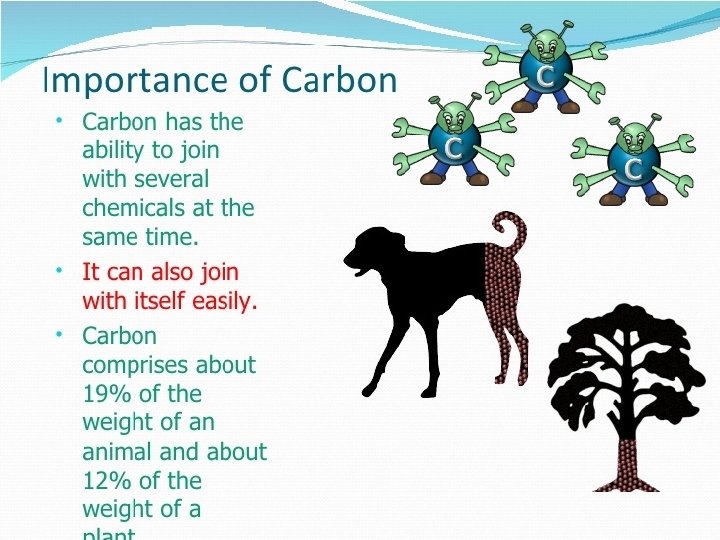
• ONE atom of CARBON can combine with up to 4 other atoms. Therefore, organic compounds usually are LARGE and can have several atoms and molecules bonded together. • This creates LARGE MOLECULES to form in a STRAIGHT line or in RINGS.
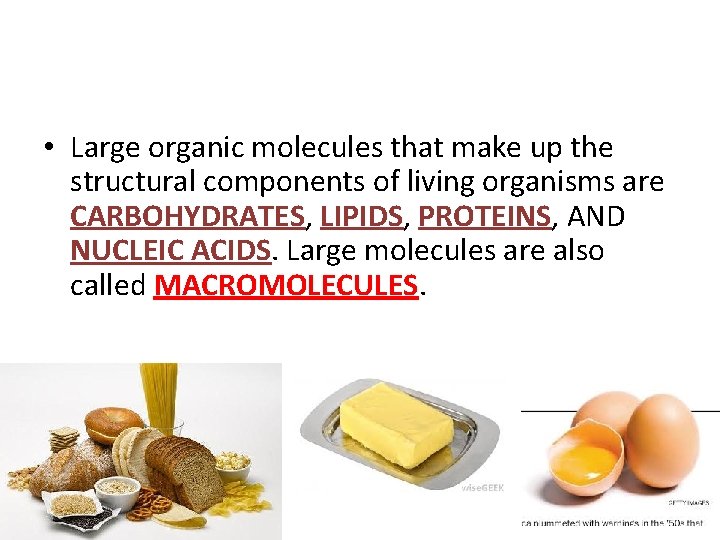
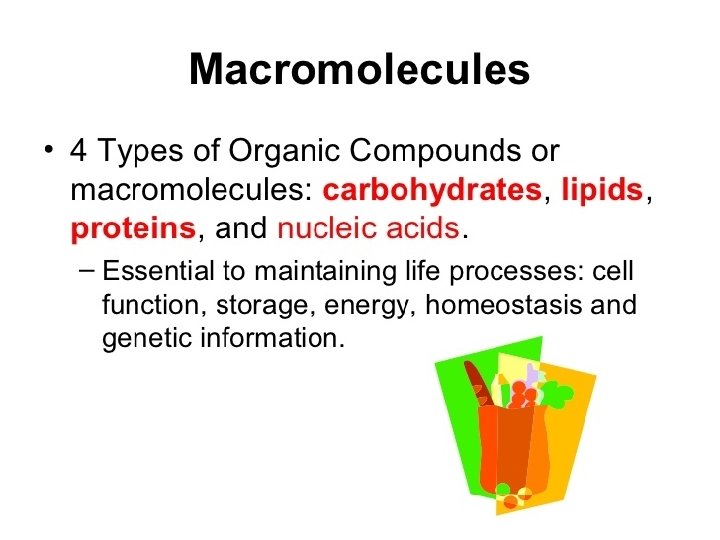
• Large organic molecules that make up the structural components of living organisms are CARBOHYDRATES, LIPIDS, PROTEINS, AND NUCLEIC ACIDS. Large molecules are also called MACROMOLECULES.
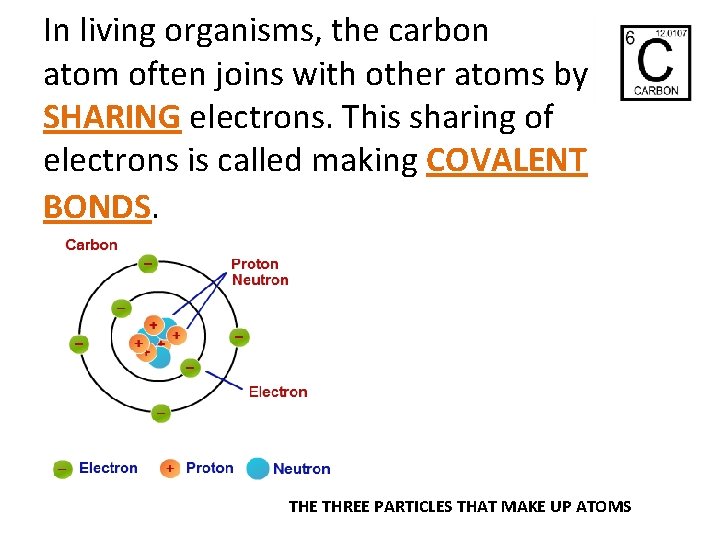
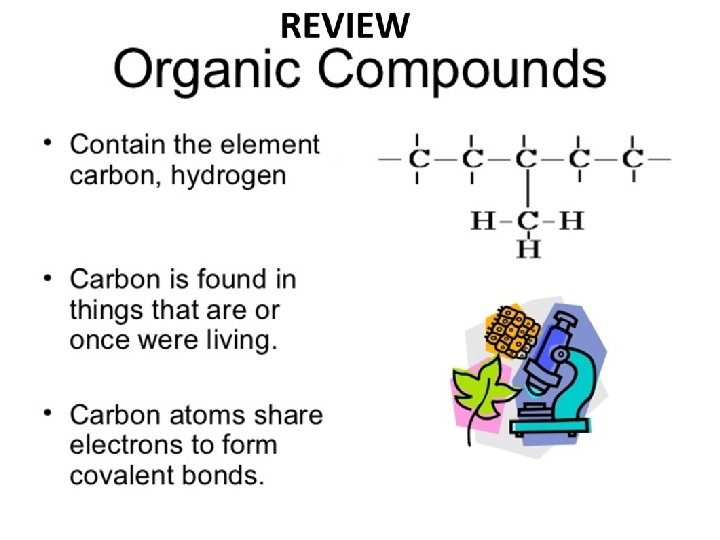
In living organisms, the carbon atom often joins with other atoms by SHARING electrons. This sharing of electrons is called making COVALENT BONDS. THE THREE PARTICLES THAT MAKE UP ATOMS
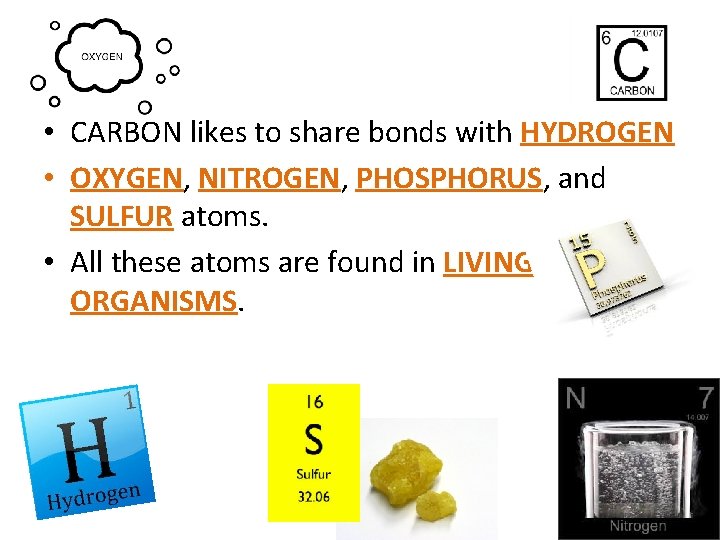
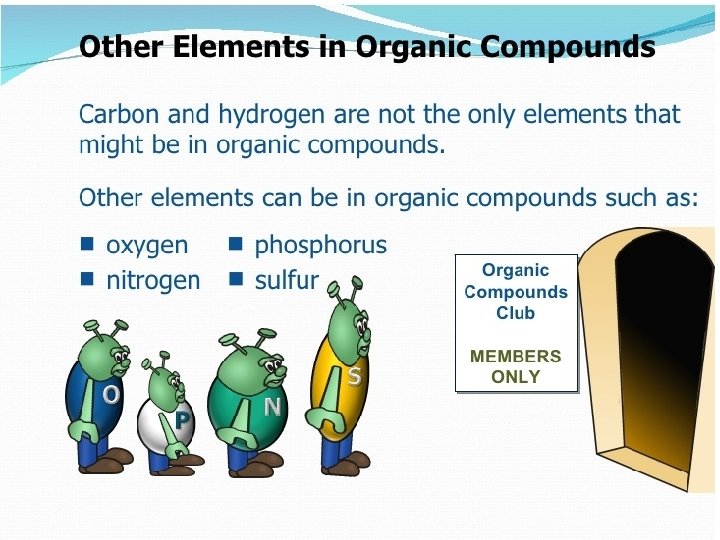
• CARBON likes to share bonds with HYDROGEN • OXYGEN, NITROGEN, PHOSPHORUS, and SULFUR atoms. • All these atoms are found in LIVING ORGANISMS.
BIOCHEMISTRY • Study of chemical composition and reactions occurring in living matter.
Other Inorganic Molecules • H 20 (most abundant and important makes up 60 -80% of all cells) • Acids • Bases + - • Salts (Na Cl )
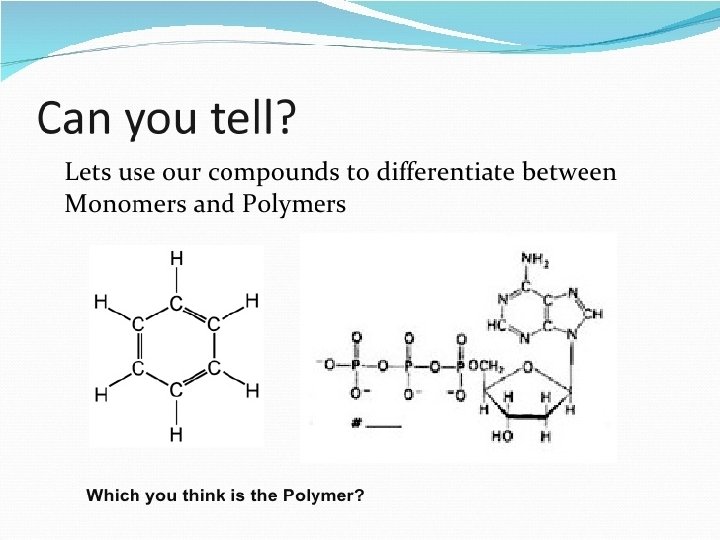
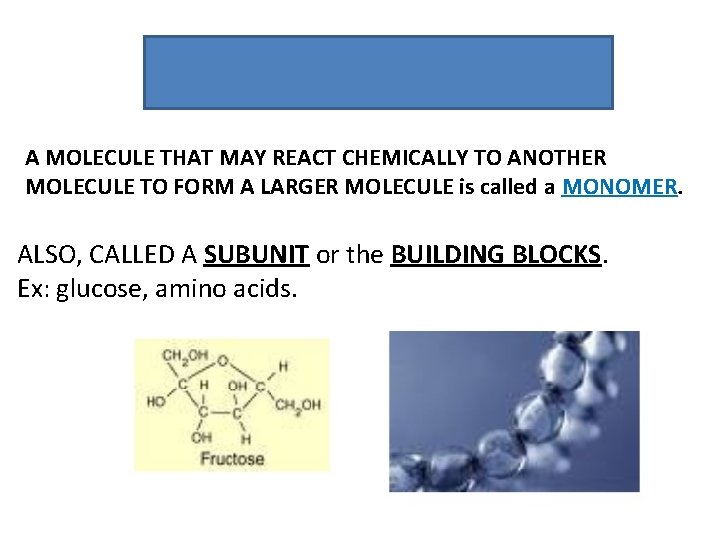
A MOLECULE THAT MAY REACT CHEMICALLY TO ANOTHER MOLECULE TO FORM A LARGER MOLECULE is called a MONOMER. ALSO, CALLED A SUBUNIT or the BUILDING BLOCKS. A MOLECULE T THAT MAY REACT CHEMICALLY TO ANOTHER MOLECULE TO FORM A Ex: LARGER glucose, amino acids. MOLECULE. ACT CHEMICALLY TO ANOTHER MOLECULE TO FORM A LARGER MOLECULE.
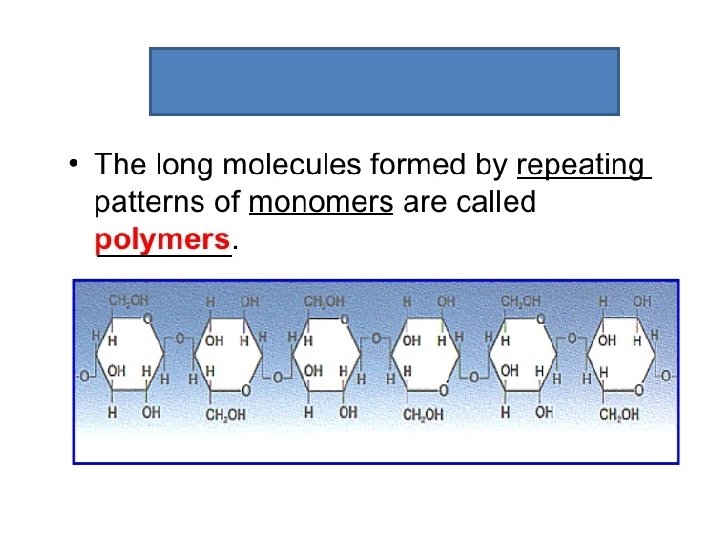
Why Are Chemicals Important ? • To form pigment (defense mechanism) • To form cell structures • To store and release energy • Contain genetic information
Chemical Reactions 2 Biological Processes
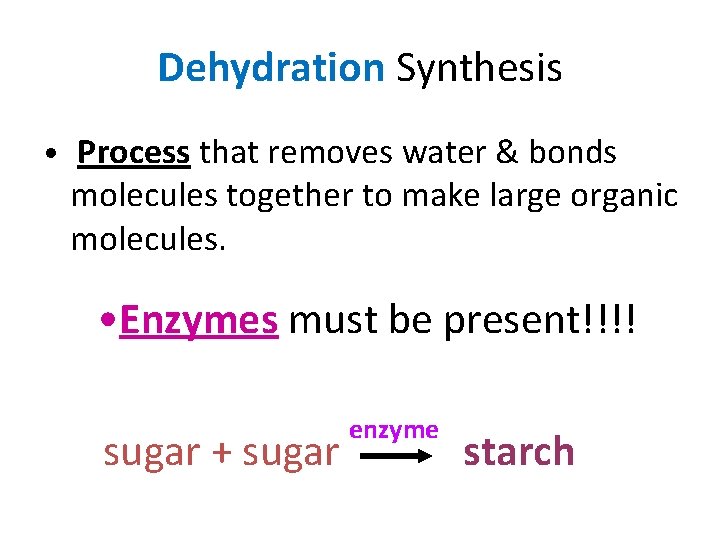
Dehydration Synthesis • Process that removes water & bonds molecules together to make large organic molecules. • Enzymes must be present!!!! sugar + sugar enzyme starch
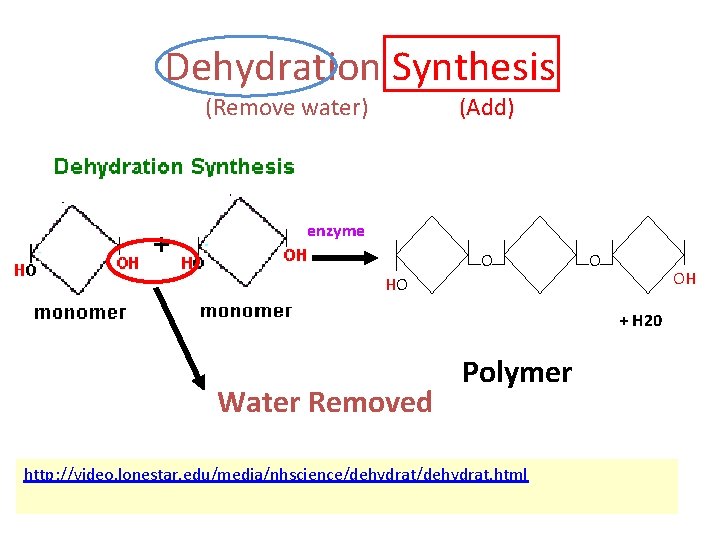
Dehydration Synthesis (Remove water) (Add) enzyme O O OH HO + H 20 Water Removed Polymer http: //video. lonestar. edu/media/nhscience/dehydrat. html
What Does Dehydration Synthesis Do? A. Breaking molecules apart B. Build larger molecules
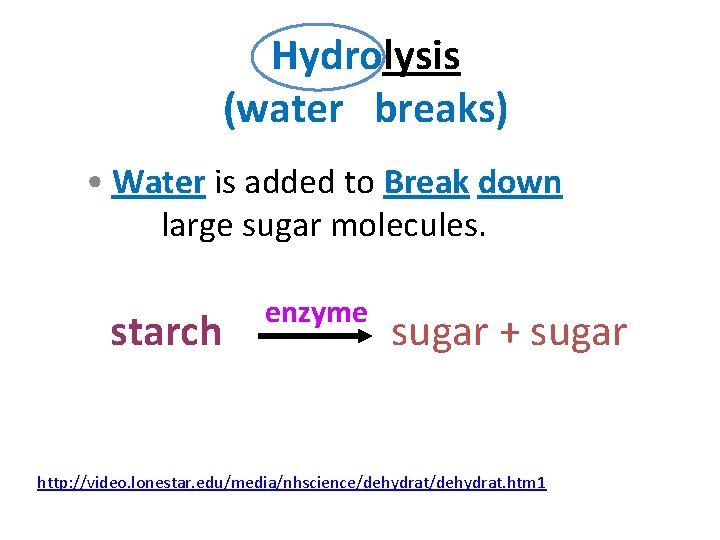
Hydrolysis (water breaks) • Water is added to Break down large sugar molecules. starch enzyme sugar + sugar http: //video. lonestar. edu/media/nhscience/dehydrat. htm 1
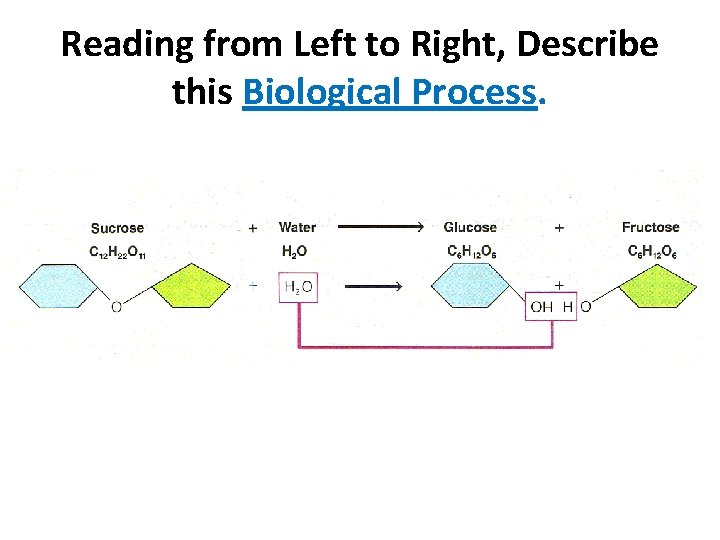
Reading from Left to Right, Describe this Biological Process.
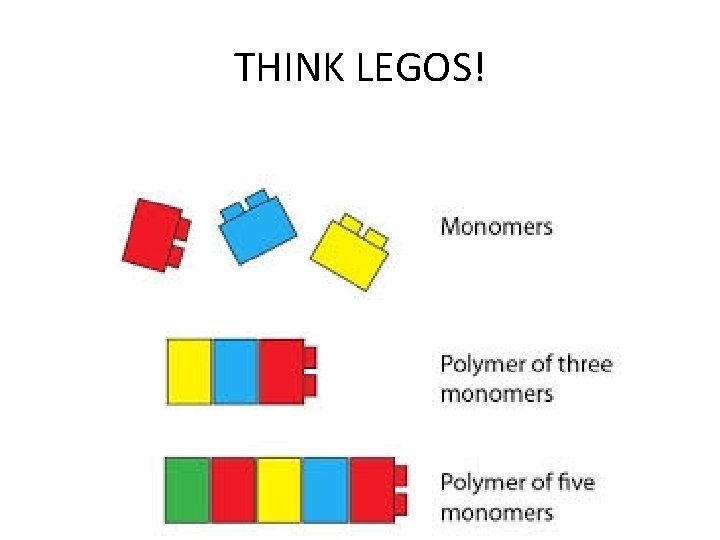
THINK LEGOS!
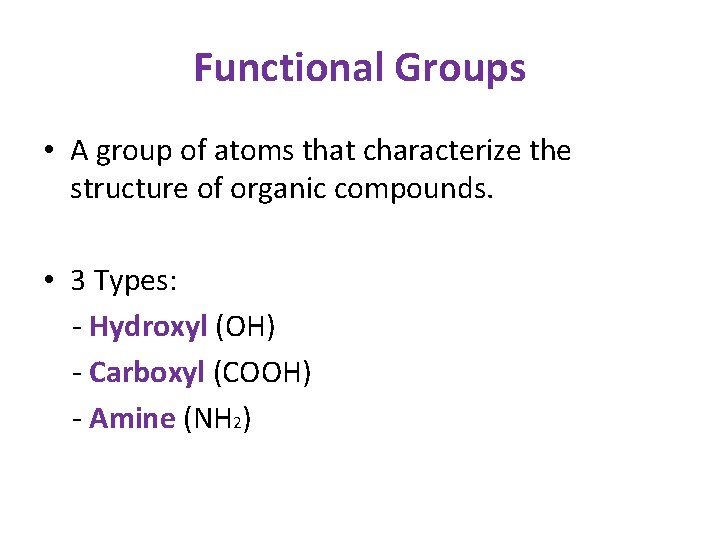
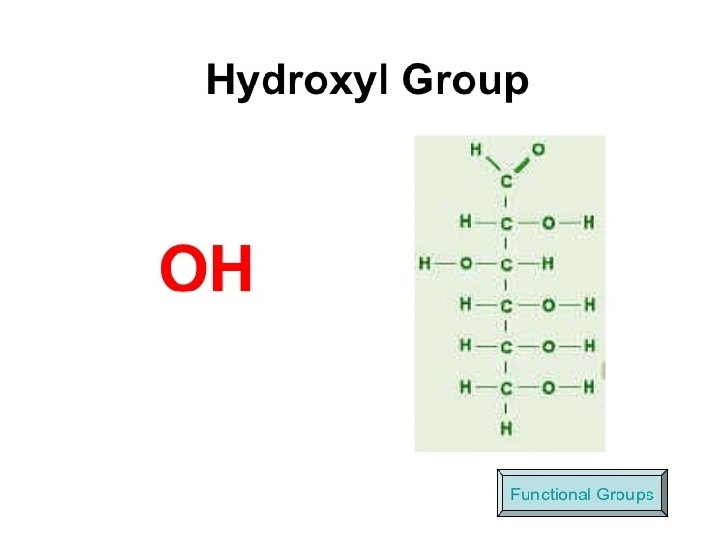
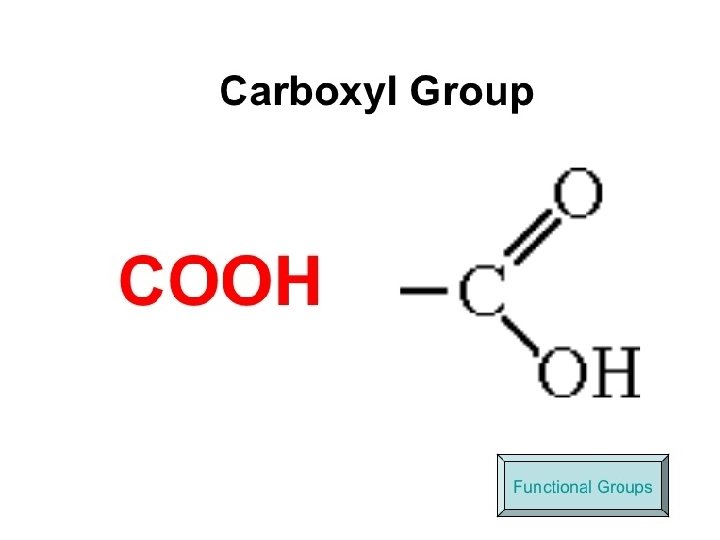
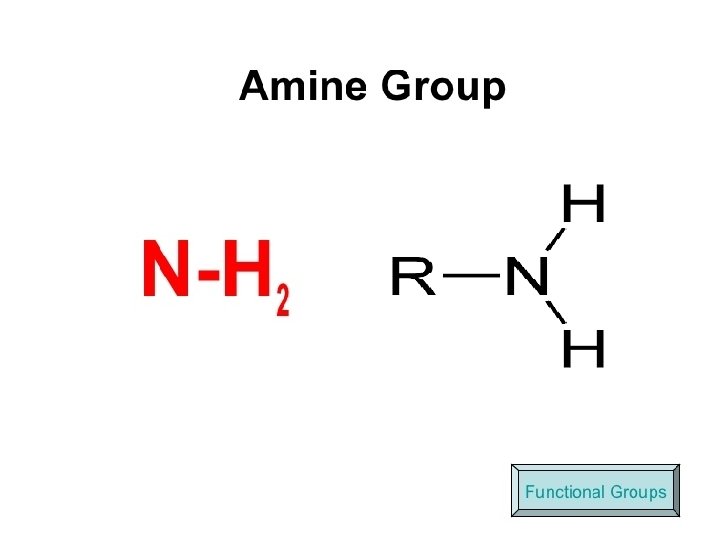
Functional Groups • A group of atoms that characterize the structure of organic compounds. • 3 Types: - Hydroxyl (OH) - Carboxyl (COOH) - Amine (NH 2)
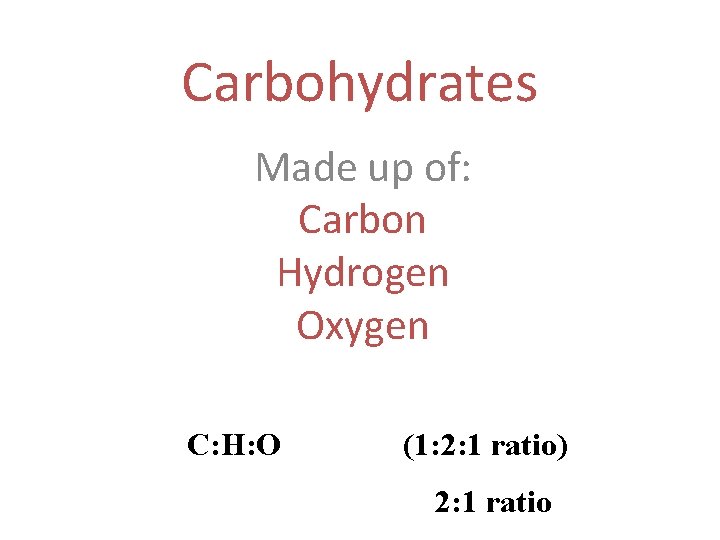
Carbohydrates Made up of: Carbon Hydrogen Oxygen C: H: O (1: 2: 1 ratio) 2: 1 ratio
Major Functions 1. Main energy source 2. Gives structure Other: Dissolves in H 20 (soluble) Functional Group: Hydroxyl OH
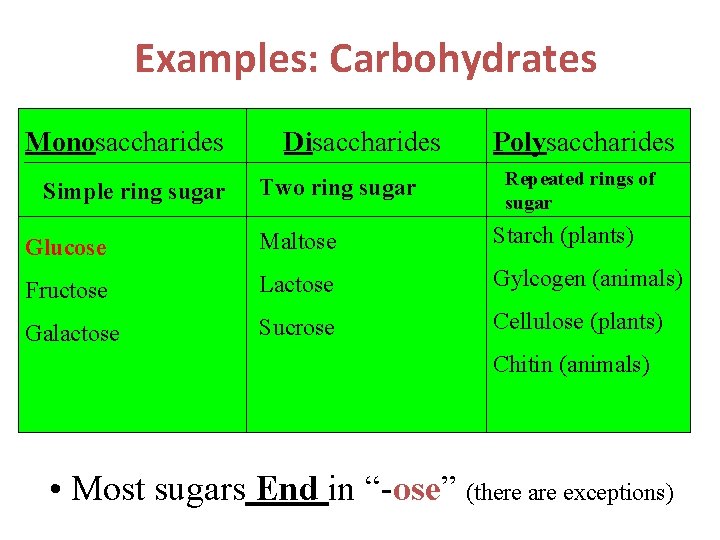
Examples: Carbohydrates Monosaccharides Simple ring sugar Disaccharides Two ring sugar Polysaccharides Repeated rings of sugar Glucose Maltose Starch (plants) Fructose Lactose Gylcogen (animals) Galactose Sucrose Cellulose (plants) Chitin (animals) • Most sugars End in “-ose” (there are exceptions)
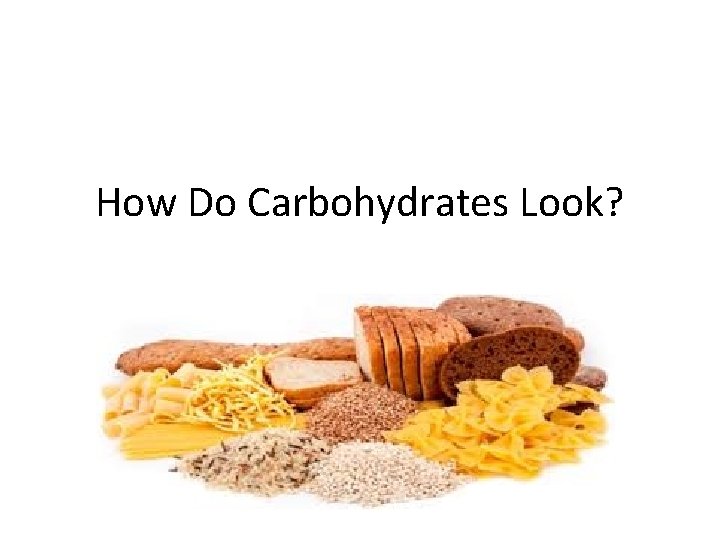
How Do Carbohydrates Look?
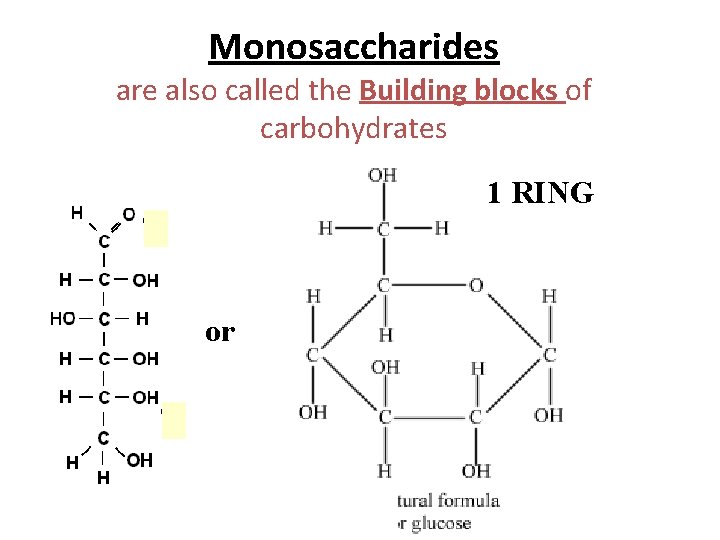
Monosaccharides are also called the Building blocks of carbohydrates 1 RING or
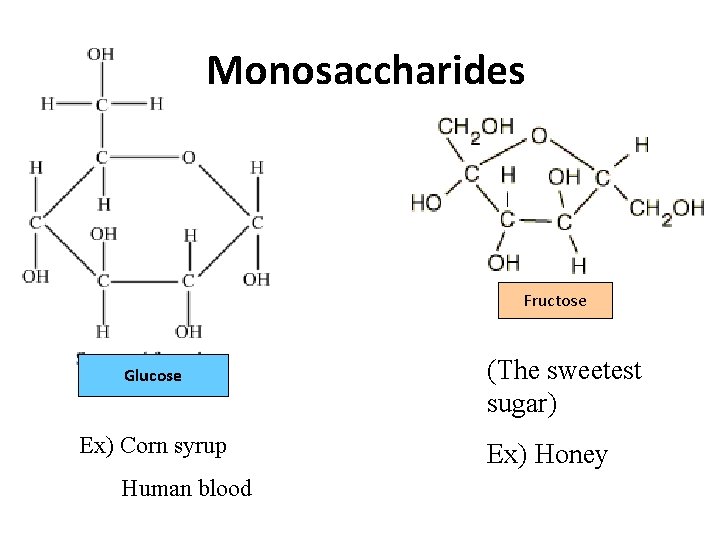
Monosaccharides Fructose Glucose Ex) Corn syrup Human blood (The sweetest sugar) Ex) Honey
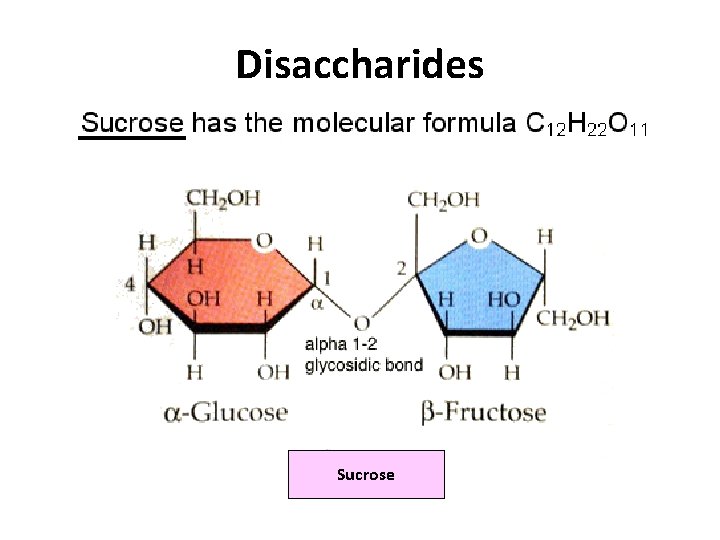
Disaccharides Sucrose
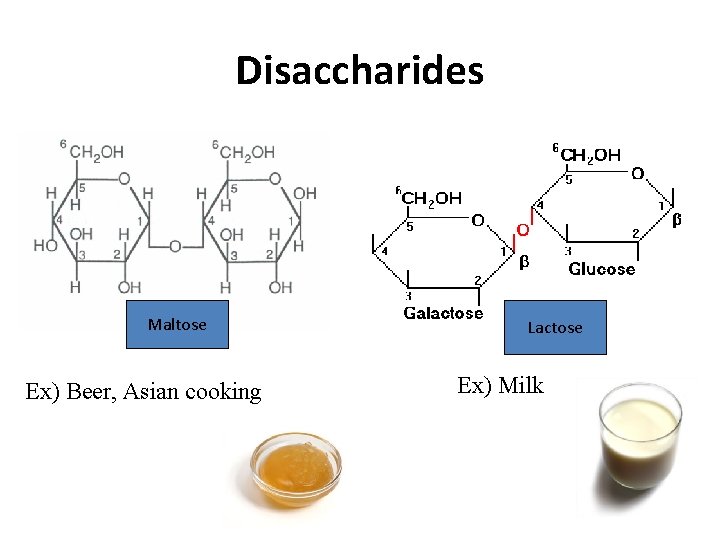
Disaccharides Maltose Ex) Beer, Asian cooking Lactose Ex) Milk
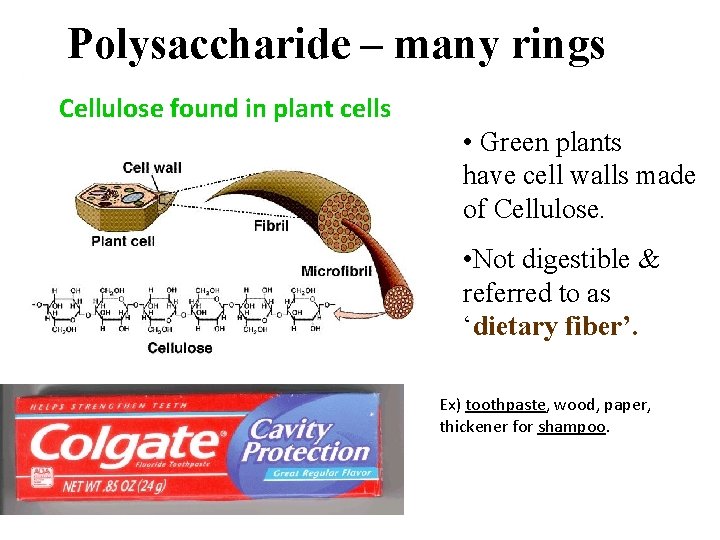
Polysaccharide – many rings Cellulose found in plant cells • Green plants have cell walls made of Cellulose. • Not digestible & referred to as ‘dietary fiber’. Ex) toothpaste, wood, paper, thickener for shampoo.
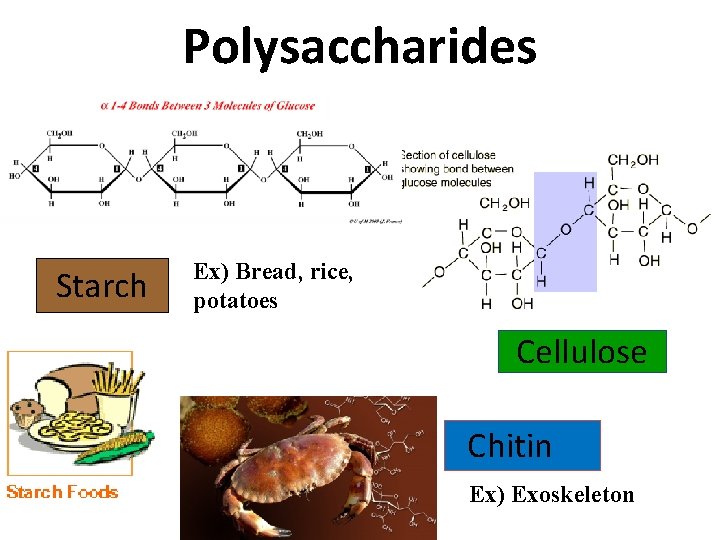
Polysaccharides Starch Ex) Bread, rice, potatoes Cellulose Chitin Ex) Exoskeleton
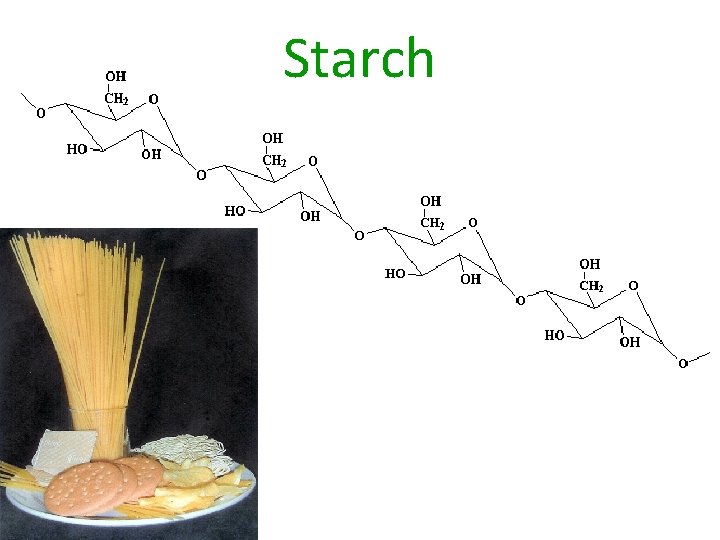
Starch
Plants store EXTRA sugar as STARCH. Animals store EXTRA sugar as GLYCOGEN (the liver releases this when in need of sugar).
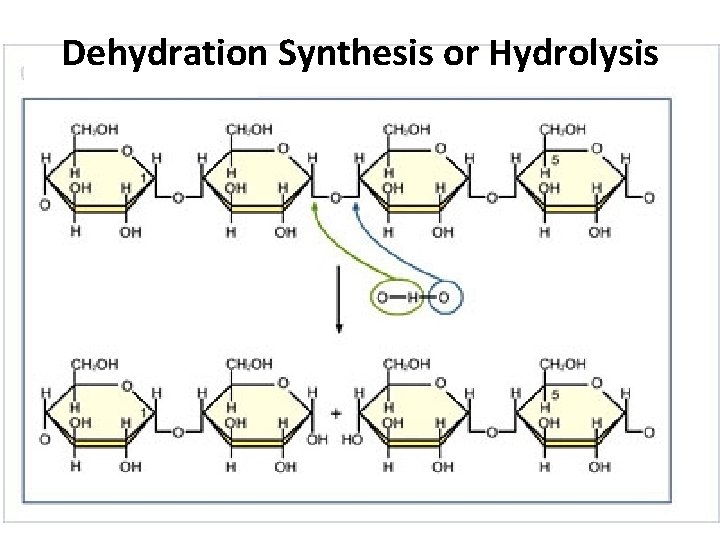
Dehydration Synthesis or Hydrolysis
Lipids Made up of: Carbon Hydrogen Oxygen * Less Oxygen atoms in lipids
Characteristics of Lipids Functions: • Cell structure (cell membrane) • Energy storage (reserve) • Insulation (for organs)
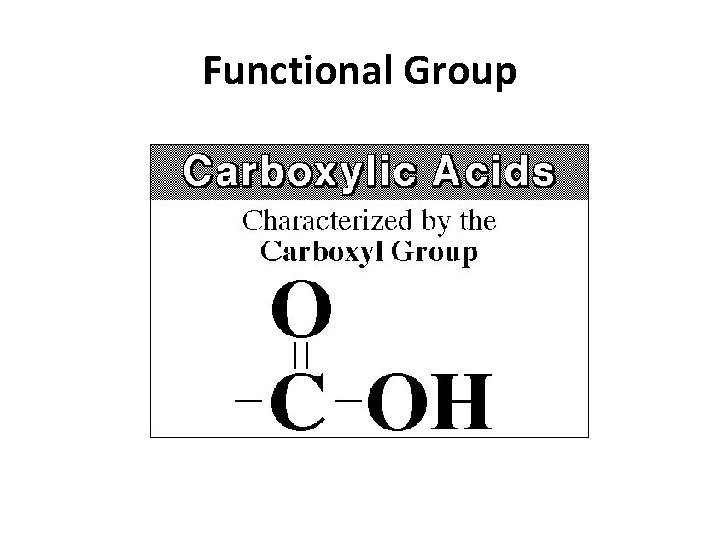
Functional Group
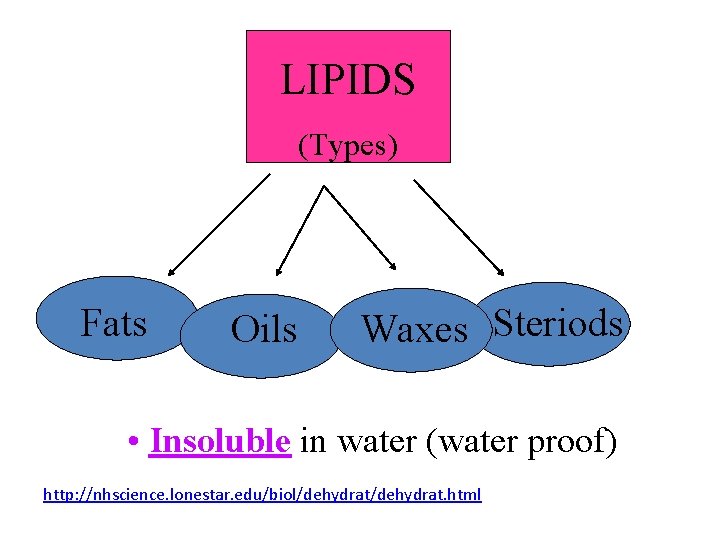
LIPIDS (Types) Fats Oils Waxes Steriods • Insoluble in water (water proof) http: //nhscience. lonestar. edu/biol/dehydrat. html
• Usually contains 2 monomers: 1 glycerol and 2 fatty acids. • Glycerol contains the hydroxyl group (OH). • Fatty acids contain the carboxyl group (COOH).
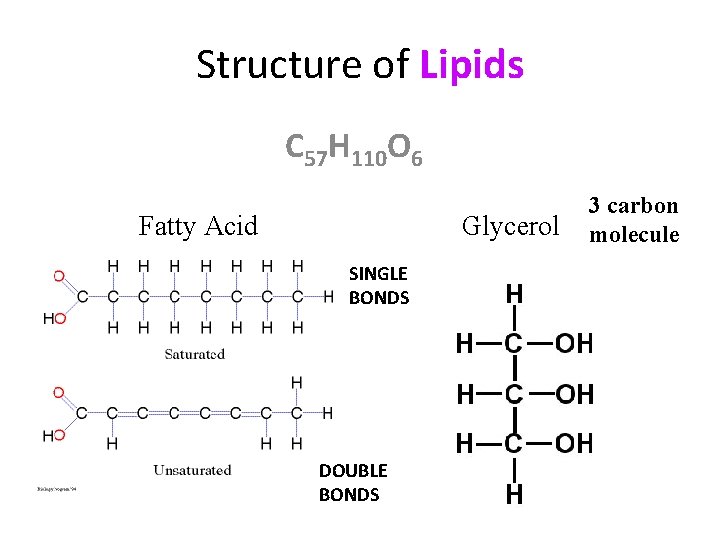
Structure of Lipids C 57 H 110 O 6 Fatty Acid Glycerol SINGLE BONDS DOUBLE BONDS 3 carbon molecule
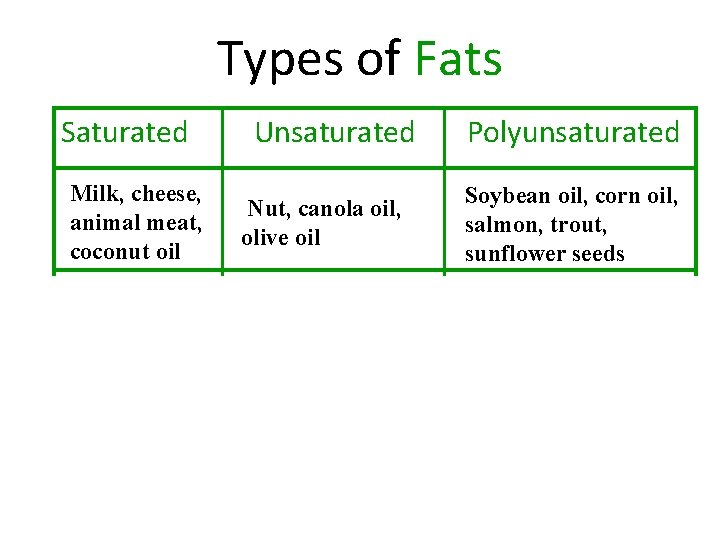
Types of Fats Saturated Milk, cheese, animal meat, coconut oil Unsaturated Nut, canola oil, olive oil Polyunsaturated Soybean oil, corn oil, salmon, trout, sunflower seeds
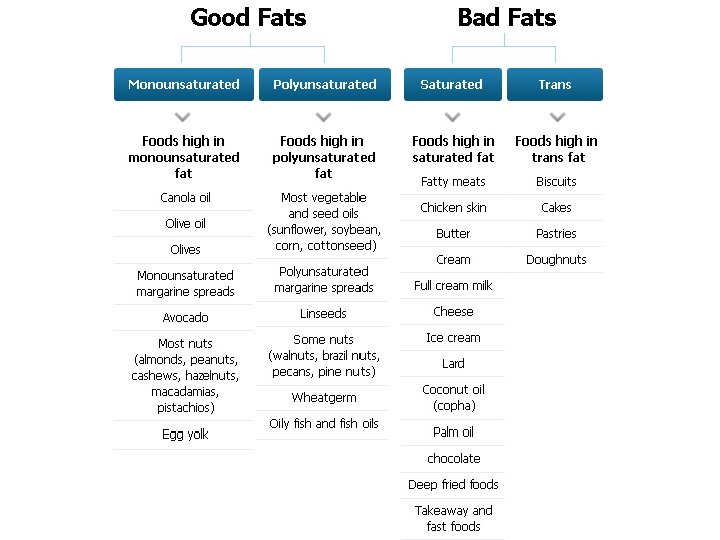
Saturated or Unsaturated? • Which leads to higher cholesterol? _________ • Which helps to reduce cholesterol? __________ • Is animal fat a saturated or an unsaturated fat? __________
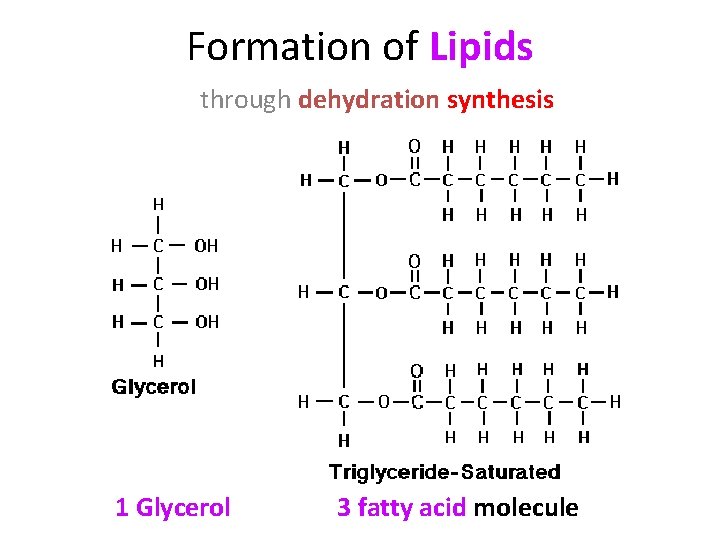
Formation of Lipids through dehydration synthesis 1 Glycerol 3 fatty acid molecule
Proteins Made up of: Carbon Hydrogen Oxygen Nitrogen
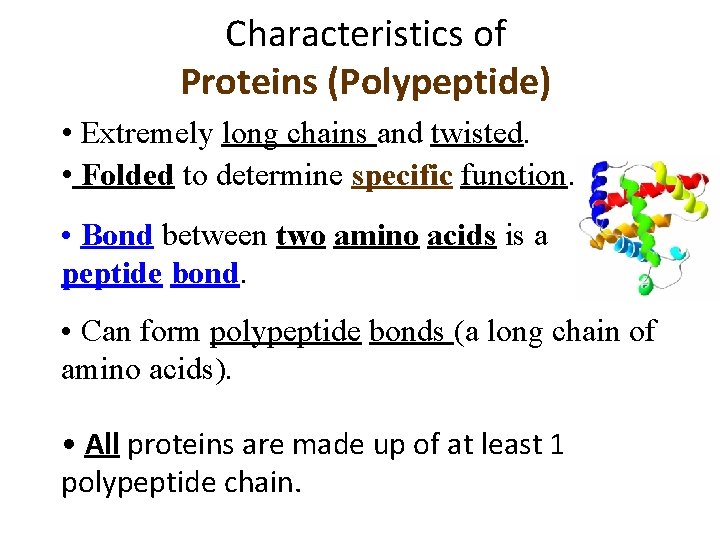
Characteristics of Proteins (Polypeptide) • Extremely long chains and twisted. • Folded to determine specific function. • Bond between two amino acids is a peptide bond. • Can form polypeptide bonds (a long chain of amino acids). • All proteins are made up of at least 1 polypeptide chain.
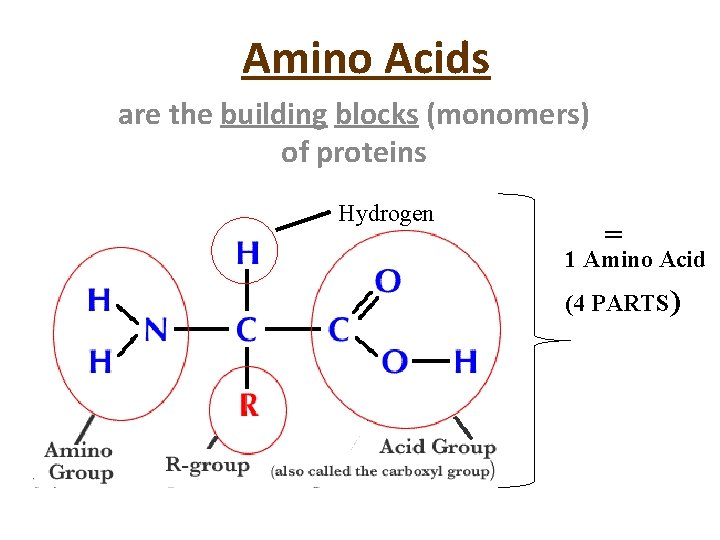
Amino Acids are the building blocks (monomers) of proteins Hydrogen = 1 Amino Acid (4 PARTS)
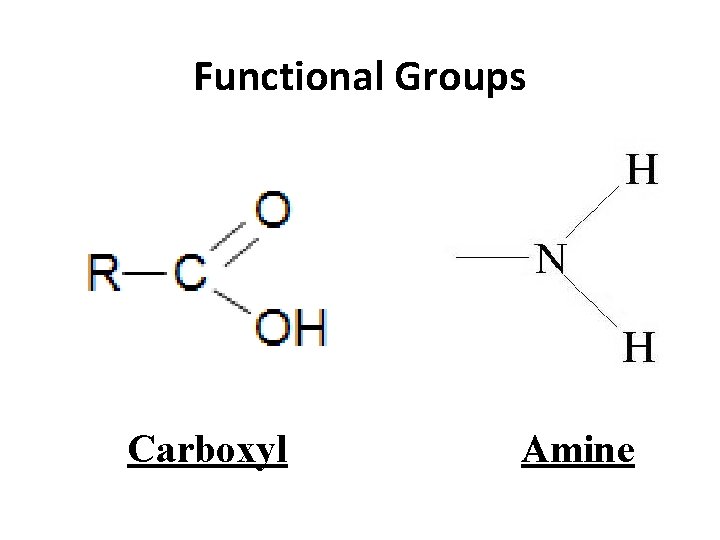
Functional Groups Carboxyl Amine
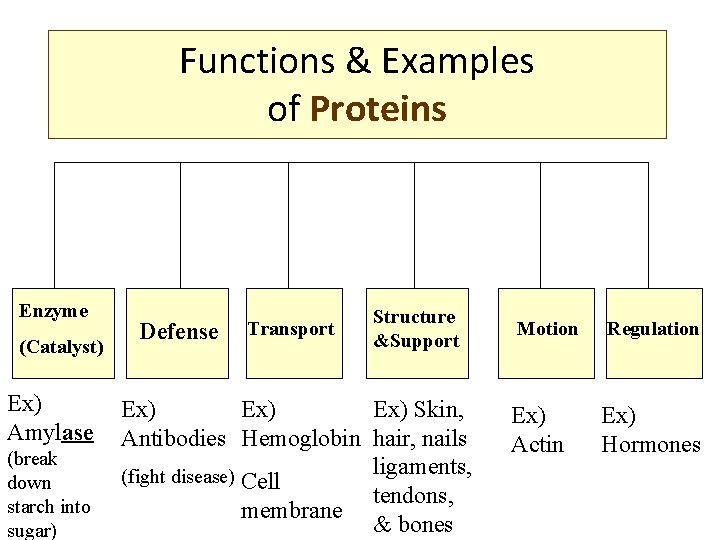
Functions & Examples of Proteins Enzyme (Catalyst) Ex) Amylase (break down starch into sugar) Defense Transport Structure &Support Ex) Ex) Skin, Antibodies Hemoglobin hair, nails ligaments, (fight disease) Cell tendons, membrane & bones Motion Regulation Ex) Actin Ex) Hormones
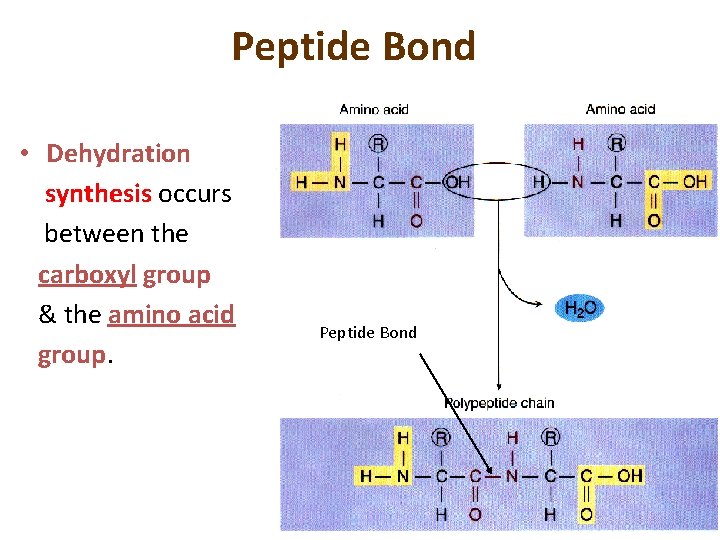
Peptide Bond • Dehydration synthesis occurs between the carboxyl group & the amino acid group. Peptide Bond
Nucleic Acids Made up of: Carbon Hydrogen Oxygen Nitrogen *Phosphorus
2 Types of Nucleic Acids 1. DNA 2. RNA
Functions of Nucleic Acids DNA -Stores the instructions to make the protein. -Has heredity info. RNA - Helps DNA make proteins (protein synthesis) by copying DNA instructions.
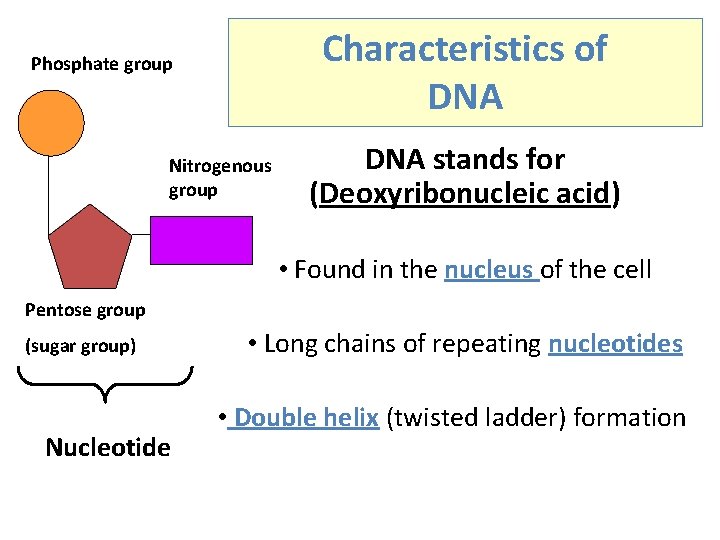
Characteristics of DNA Phosphate group Nitrogenous group DNA stands for (Deoxyribonucleic acid) • Found in the nucleus of the cell Pentose group (sugar group) Nucleotide • Long chains of repeating nucleotides • Double helix (twisted ladder) formation
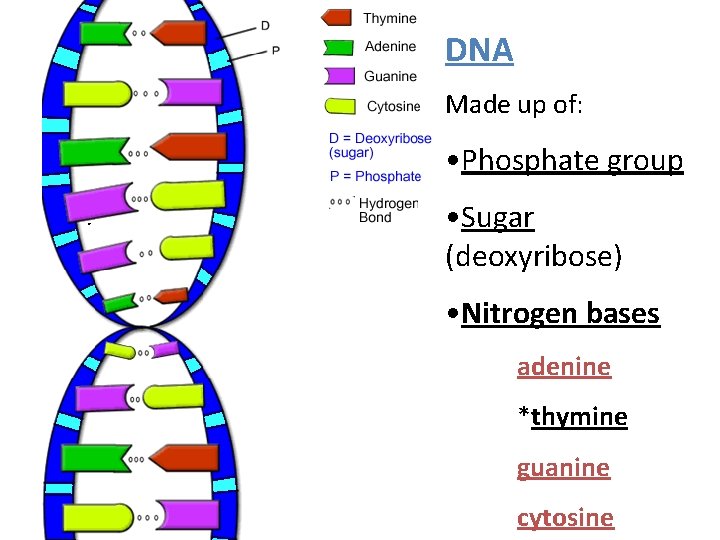
DNA Made up of: • Phosphate group • Sugar (deoxyribose) • Nitrogen bases adenine *thymine guanine cytosine
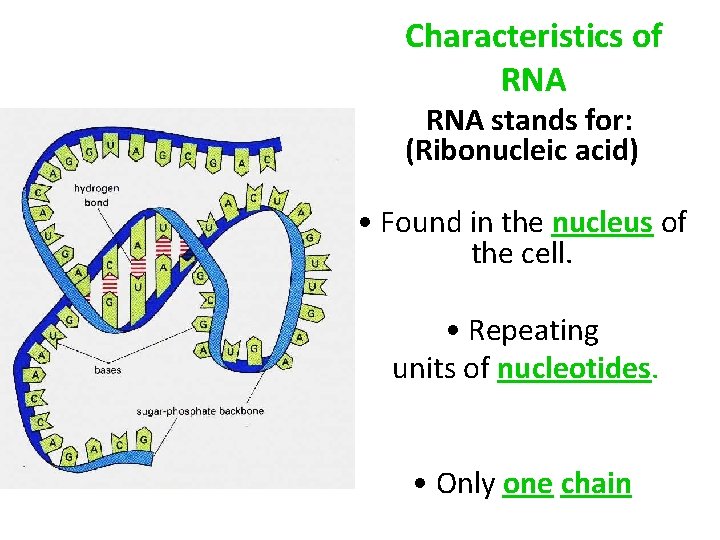
Characteristics of RNA stands for: (Ribonucleic acid) • Found in the nucleus of the cell. • Repeating units of nucleotides. • Only one chain
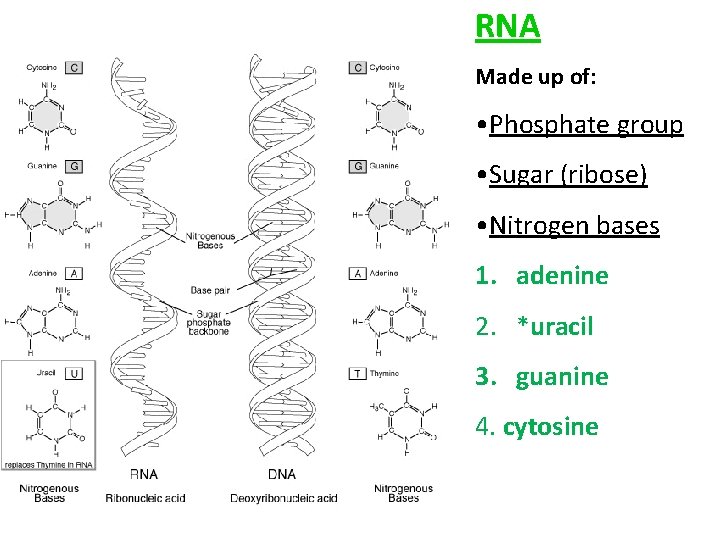
RNA Made up of: • Phosphate group • Sugar (ribose) • Nitrogen bases 1. adenine 2. *uracil 3. guanine 4. cytosine
Review • Macromolecules are made up of long Polymers chains of _____. • What monomers add up to make a Amino acids polymer of protein? ________ • What monomers add up to make a polymer of Nucleotides nucleic acids? _______. http: //www. biologycorner. com/bio 3/notes_organic. html
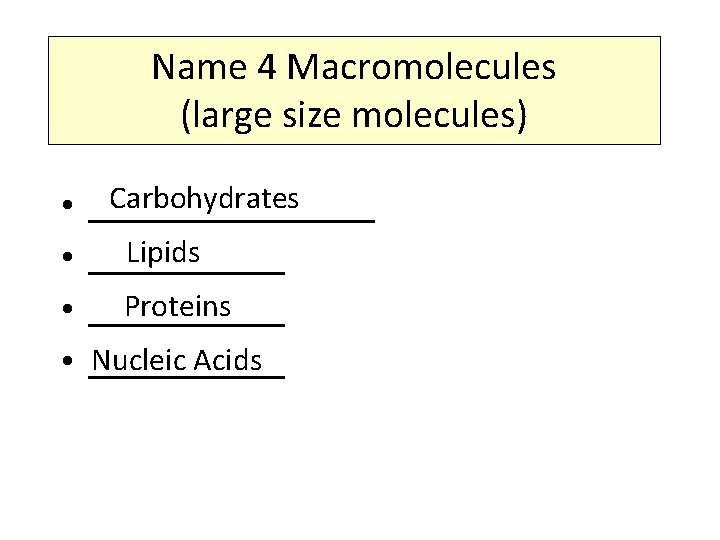
Name 4 Macromolecules (large size molecules) • • Carbohydrates ________ Lipids ______ Proteins ______ Nucleic Acids ______




- Slides: 85