
Why Functional Medicine Why Now Why Cleveland Clinic
- Slides: 41
Why Functional Medicine? Why Now? Why Cleveland Clinic? Mark Hyman, MD Director, Cleveland Clinic Center for Functional Medicine MAC Meeting June 2015
Cleveland Clinic & Functional Medicine • ACCESS – Addressing Burden and Cost of Chronic Disease • VALUE BASED CARE (ROI) – Future of health care reimbursement will drive outcomes and results based medicine • POPULATION HEALTH – Decentralized models of care for root causes
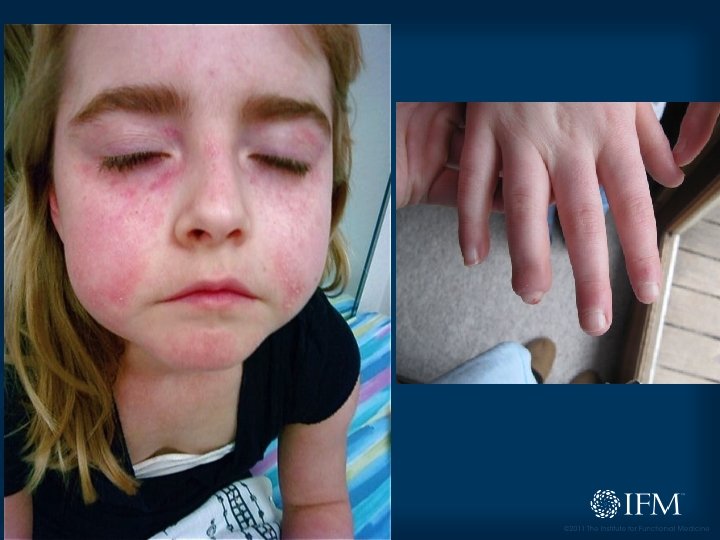
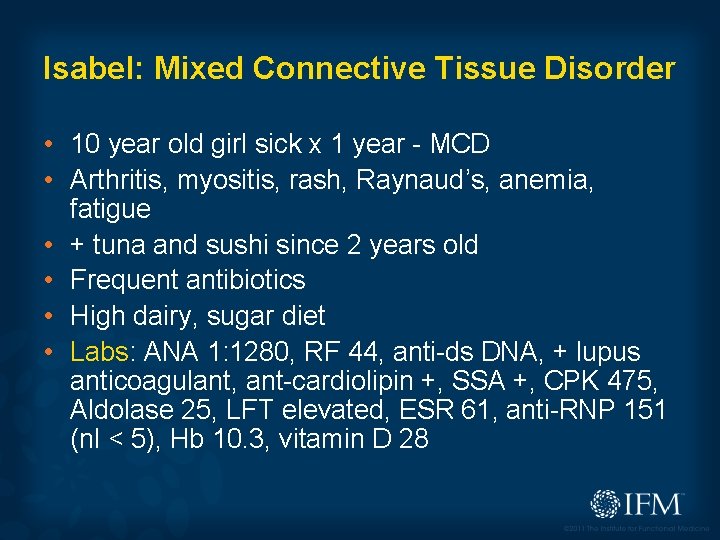
Isabel: Mixed Connective Tissue Disorder • 10 year old girl sick x 1 year - MCD • Arthritis, myositis, rash, Raynaud’s, anemia, fatigue • + tuna and sushi since 2 years old • Frequent antibiotics • High dairy, sugar diet • Labs: ANA 1: 1280, RF 44, anti-ds DNA, + lupus anticoagulant, ant-cardiolipin +, SSA +, CPK 475, Aldolase 25, LFT elevated, ESR 61, anti-RNP 151 (nl < 5), Hb 10. 3, vitamin D 28
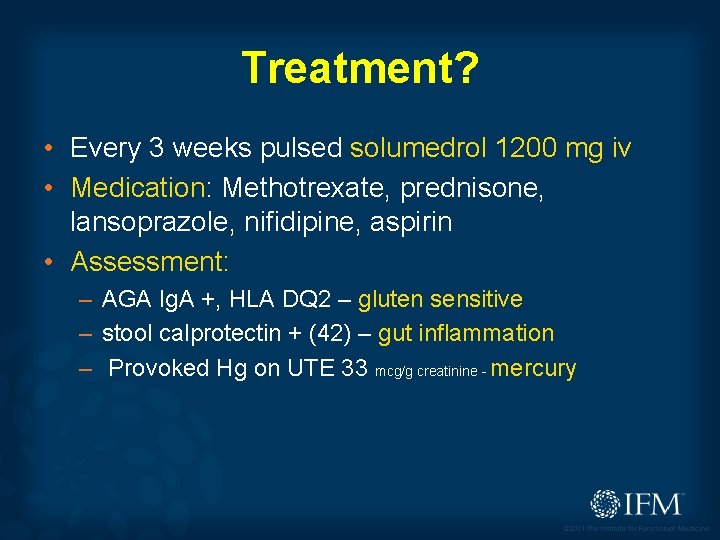
Treatment? • Every 3 weeks pulsed solumedrol 1200 mg iv • Medication: Methotrexate, prednisone, lansoprazole, nifidipine, aspirin • Assessment: – AGA Ig. A +, HLA DQ 2 – gluten sensitive – stool calprotectin + (42) – gut inflammation – Provoked Hg on UTE 33 mcg/g creatinine - mercury
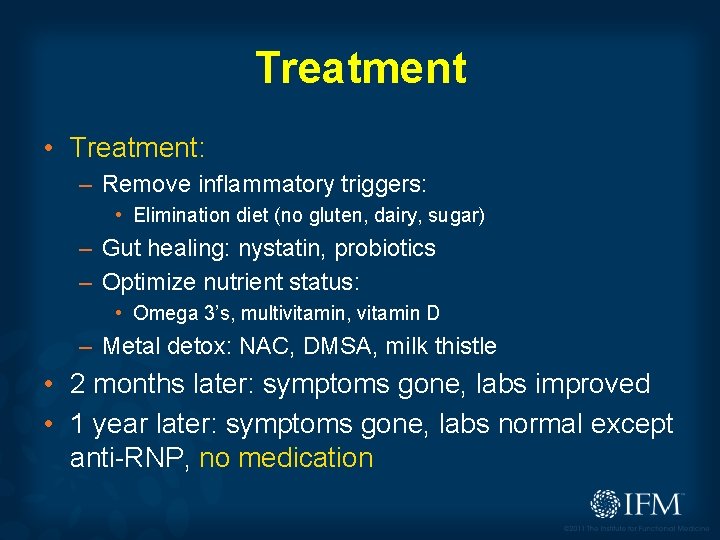
Treatment • Treatment: – Remove inflammatory triggers: • Elimination diet (no gluten, dairy, sugar) – Gut healing: nystatin, probiotics – Optimize nutrient status: • Omega 3’s, multivitamin, vitamin D – Metal detox: NAC, DMSA, milk thistle • 2 months later: symptoms gone, labs improved • 1 year later: symptoms gone, labs normal except anti-RNP, no medication
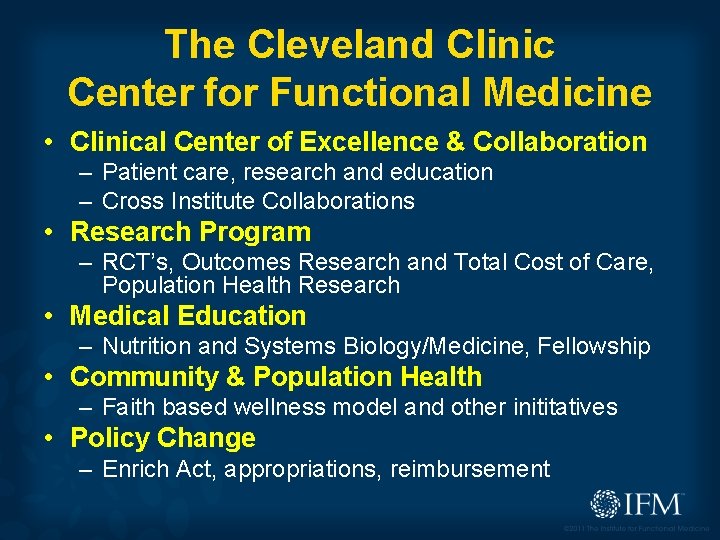
The Cleveland Clinic Center for Functional Medicine • Clinical Center of Excellence & Collaboration – Patient care, research and education – Cross Institute Collaborations • Research Program – RCT’s, Outcomes Research and Total Cost of Care, Population Health Research • Medical Education – Nutrition and Systems Biology/Medicine, Fellowship • Community & Population Health – Faith based wellness model and other inititatives • Policy Change – Enrich Act, appropriations, reimbursement
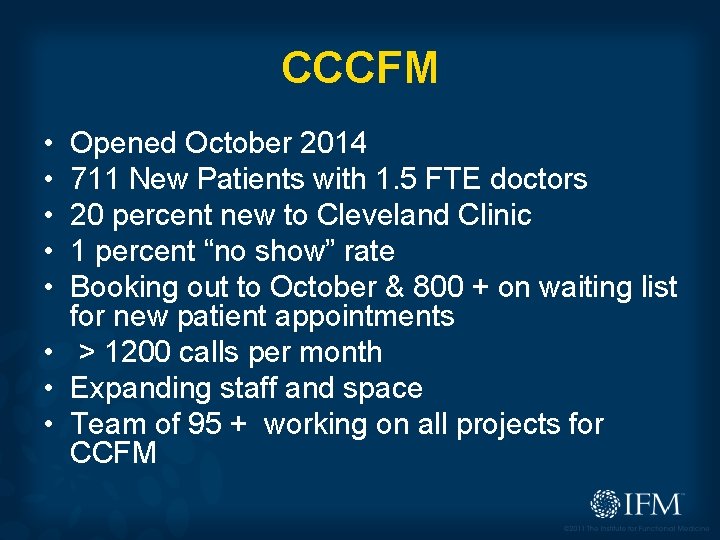
CCCFM • • • Opened October 2014 711 New Patients with 1. 5 FTE doctors 20 percent new to Cleveland Clinic 1 percent “no show” rate Booking out to October & 800 + on waiting list for new patient appointments • > 1200 calls per month • Expanding staff and space • Team of 95 + working on all projects for CCFM
Collaboration & Integration • • • Digestive Disease Institute Respiratory Institute Neurological Institute Endocrinology & Metabolism Institute Miller Heart and Vascular Institute Glickman Urologic & Kidney Institute Genomic Medicine Pediatric Institute Sports Health Wellness Institute
“Applying what we already know will have a bigger impact in health and disease than any drug or technology likely to be introduced in the next decade. ” Pang, T, A 15 th grand challenge for global public health. The Lancet - 28 January 2006 (Vol. 367, Issue 9507, Pages 284286)
Lifestyle as TREATMENT and prevention. http: //www. acpm. org/Lifestyle. Medicine. htm
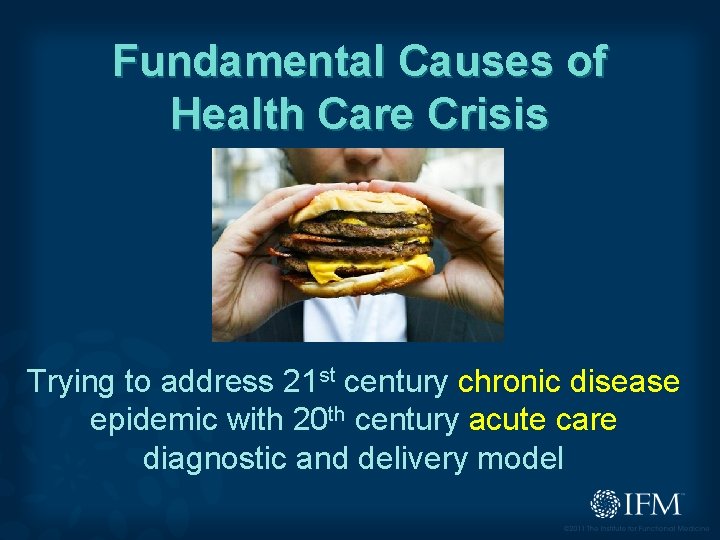
Fundamental Causes of Health Care Crisis Trying to address 21 st century chronic disease epidemic with 20 th century acute care diagnostic and delivery model
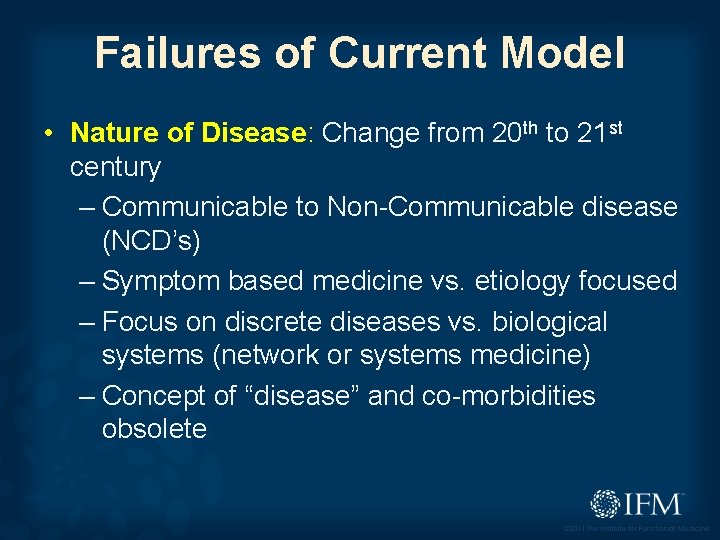
Failures of Current Model • Nature of Disease: Change from 20 th to 21 st century – Communicable to Non-Communicable disease (NCD’s) – Symptom based medicine vs. etiology focused – Focus on discrete diseases vs. biological systems (network or systems medicine) – Concept of “disease” and co-morbidities obsolete
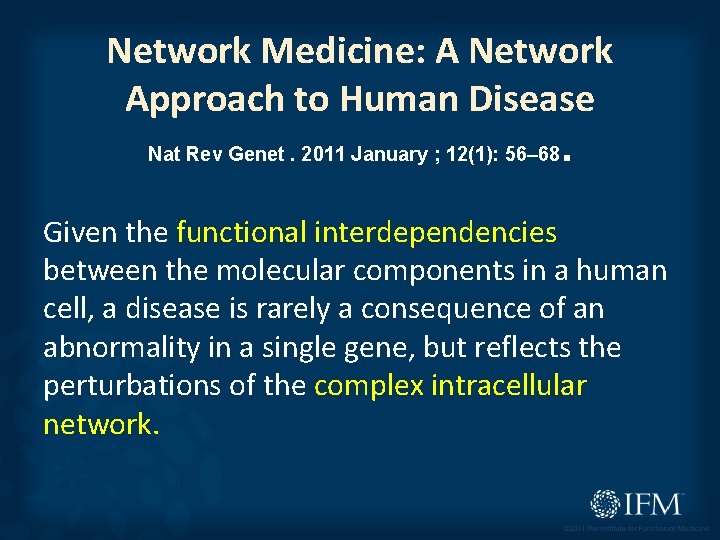
Network Medicine: A Network Approach to Human Disease Nat Rev Genet. 2011 January ; 12(1): 56– 68. Given the functional interdependencies between the molecular components in a human cell, a disease is rarely a consequence of an abnormality in a single gene, but reflects the perturbations of the complex intracellular network.
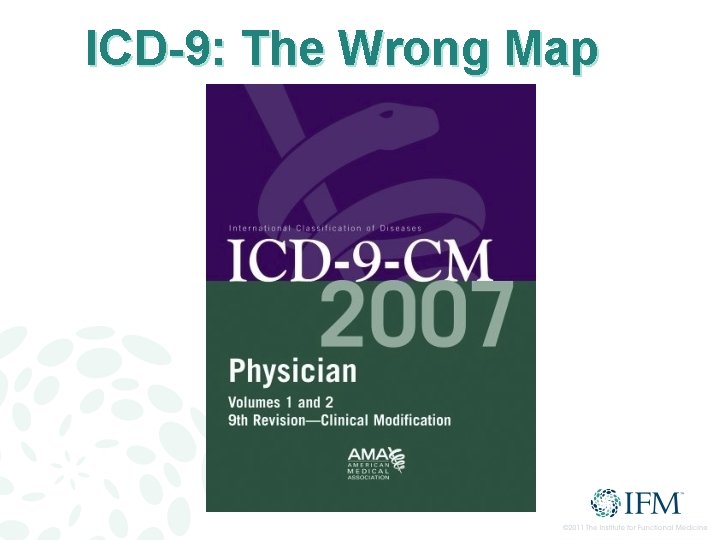
ICD-9: The Wrong Map
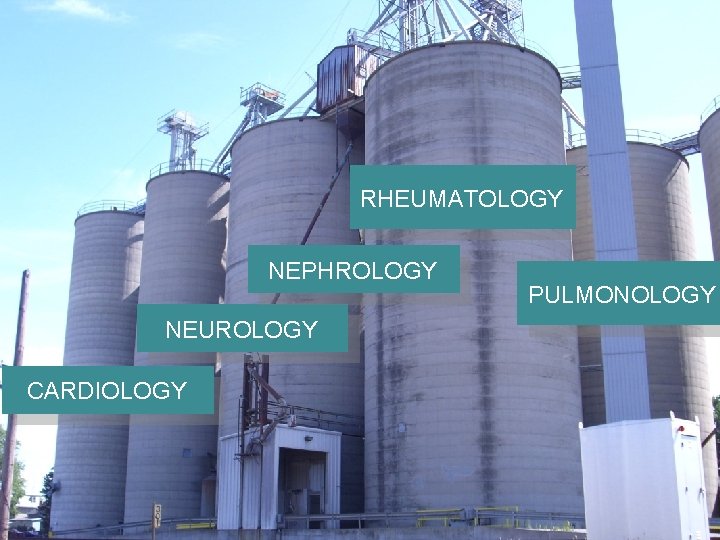
RHEUMATOLOGY NEPHROLOGY NEUROLOGY CARDIOLOGY PULMONOLOGY
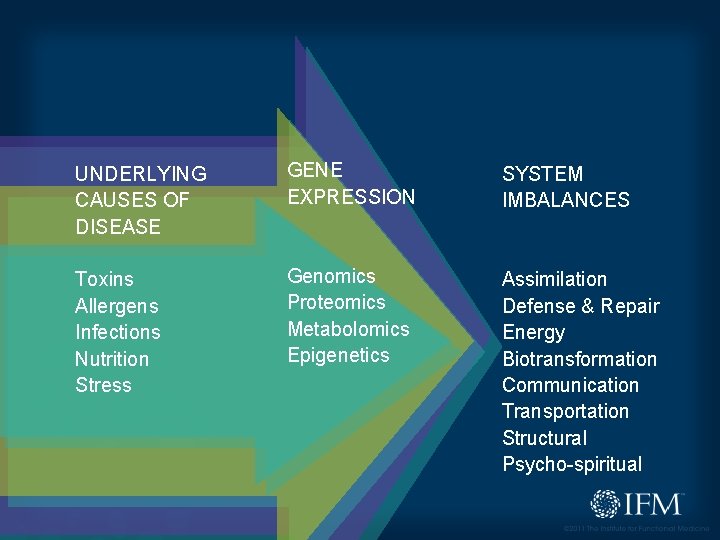
UNDERLYING CAUSES OF DISEASE GENE EXPRESSION SYSTEM IMBALANCES Toxins Allergens Infections Nutrition Stress Genomics Proteomics Metabolomics Epigenetics Assimilation Defense & Repair Energy Biotransformation Communication Transportation Structural Psycho-spiritual
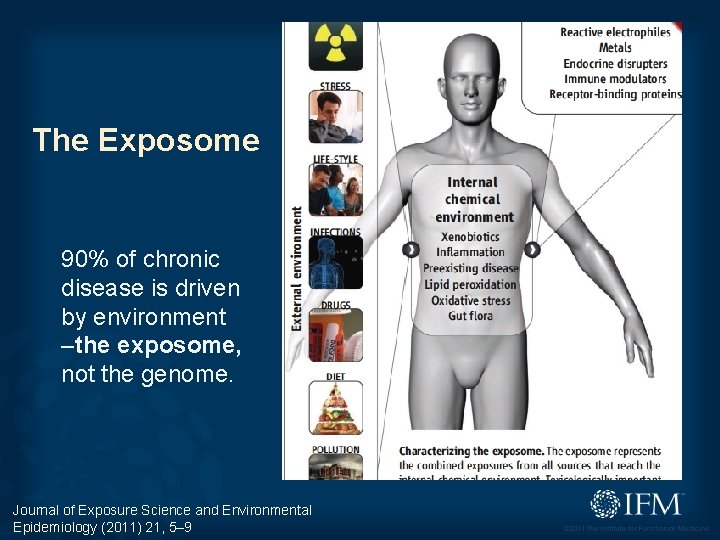
The Exposome 90% of chronic disease is driven by environment –the exposome, not the genome. Journal of Exposure Science and Environmental Epidemiology (2011) 21, 5– 9
The problems that exist today in the world cannot be solved by the same level of thinking that created them.
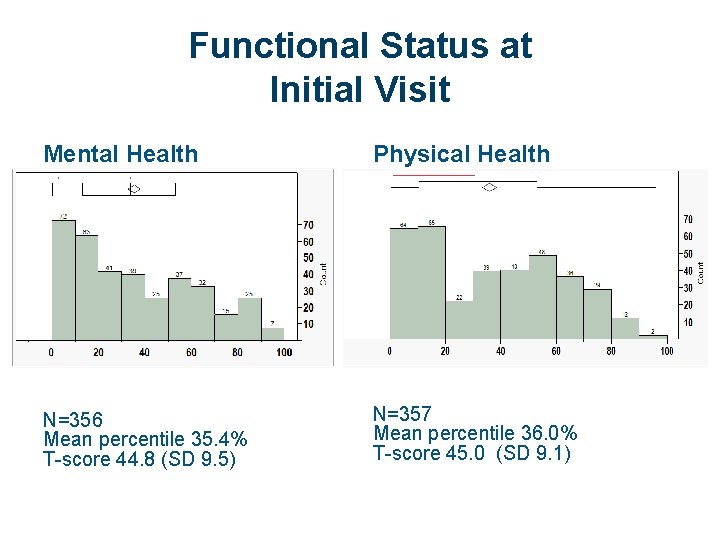
Functional Status at Initial Visit Mental Health Percentile* N=356 Mean percentile 35. 4% T-score 44. 8 (SD 9. 5) * Refers to percentage of general population Physical Health Percentile* N=357 Mean percentile 36. 0% T-score 45. 0 (SD 9. 1) Mar 28, 2015 – June 10, 2015
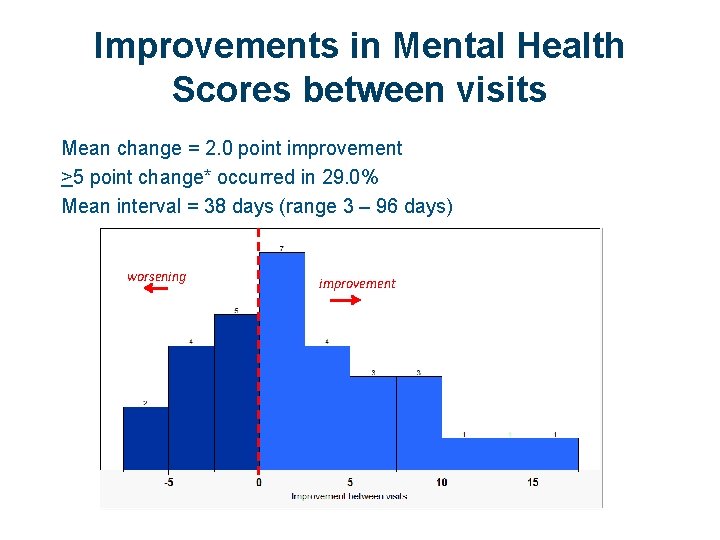
Improvements in Mental Health Scores between visits Mean change = 2. 0 point improvement >5 point change* occurred in 29. 0% Mean interval = 38 days (range 3 – 96 days) T -scores worsening improvement N=31 *5 points is conservative estimate of meaningful change
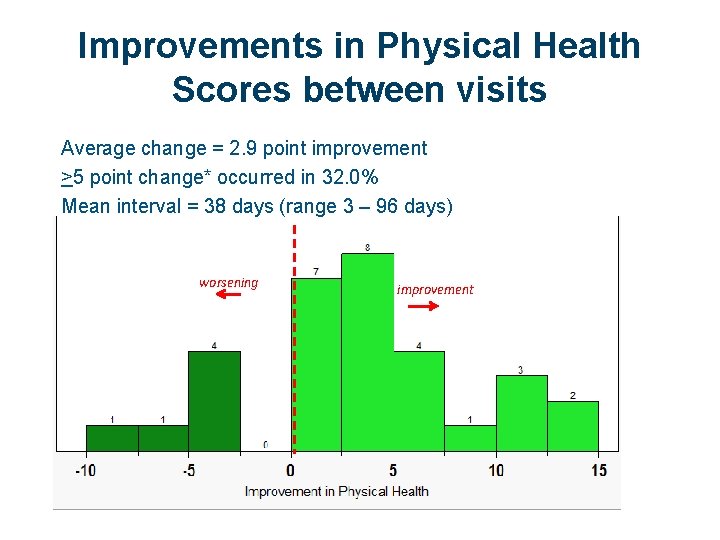
Improvements in Physical Health Scores between visits Average change = 2. 9 point improvement >5 point change* occurred in 32. 0% Mean interval = 38 days (range 3 – 96 days) T -scores worsening improvement N=31 *5 points is conservative estimate of meaningful change
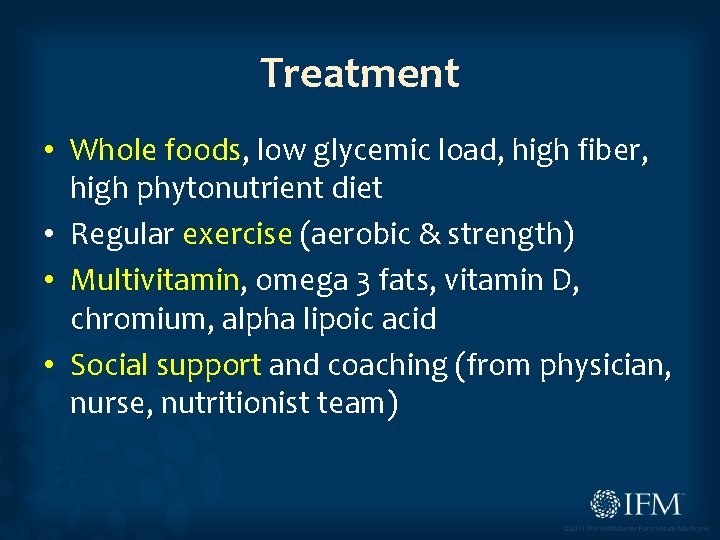
Treatment • Whole foods, low glycemic load, high fiber, high phytonutrient diet • Regular exercise (aerobic & strength) • Multivitamin, omega 3 fats, vitamin D, chromium, alpha lipoic acid • Social support and coaching (from physician, nurse, nutritionist team)
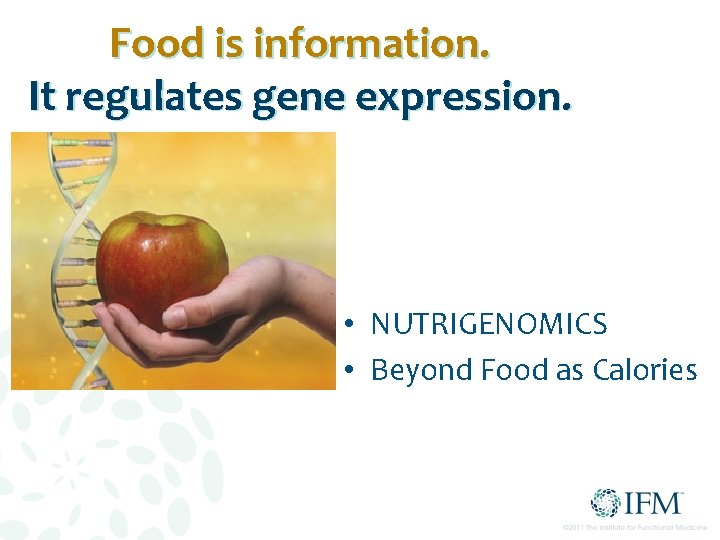
Food is information. It regulates gene expression. • NUTRIGENOMICS • Beyond Food as Calories
How can we change both the medicine we do and the way we do medicine?
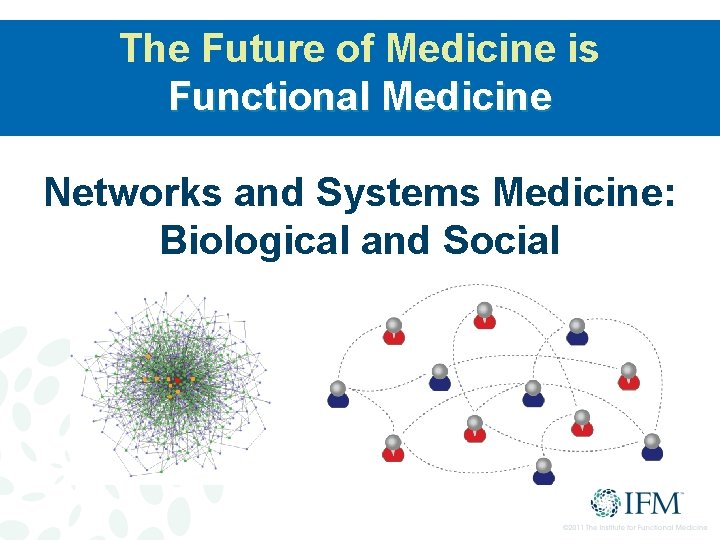
The Future of Medicine is Applied Systems Medicine Complex Adaptive Systems Biological and Social Networks
The Solution: Double Revolution • Biological Networks: • Functional Medicine – a personalized, lifestyle based systems medicine based approach that addresses underlying causes of chronic disease
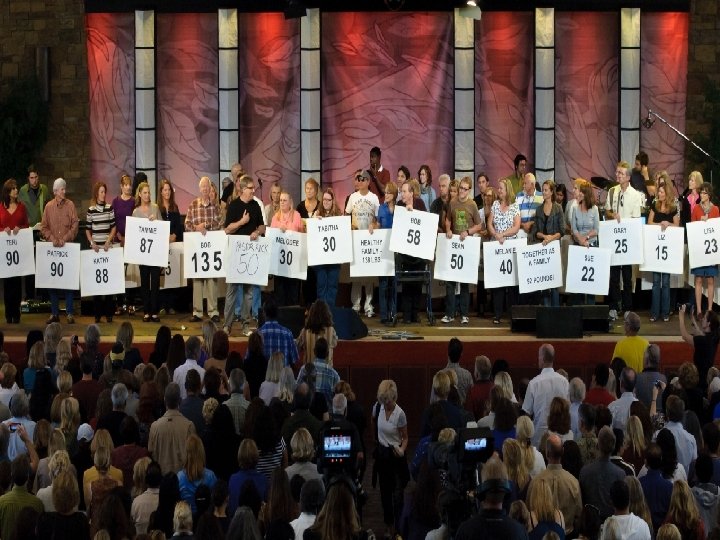
The Solution: Double Revolution • Social Networks: • Disruptive, dis-intermediating strategy for sustainable lifestyle change through changes in clinical delivery models and decentralized community based small group and peer support models
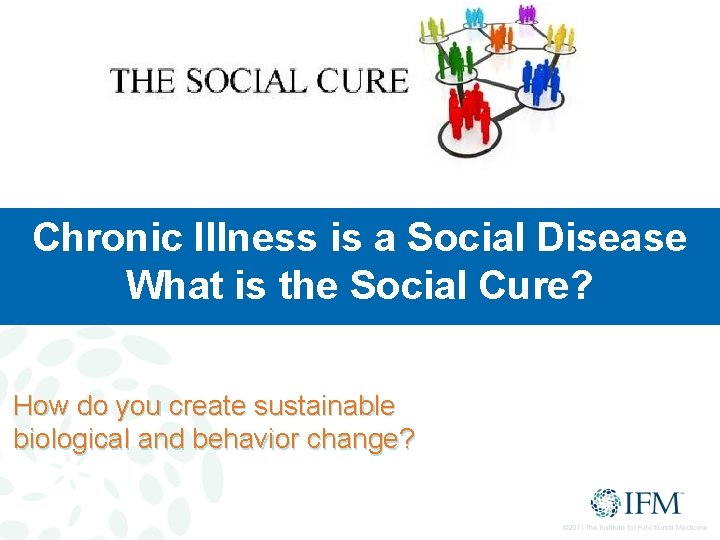
Chronic Illness is a Social Disease What is the Social Cure? How do you create sustainable biological and behavior change?
Sociogenomics
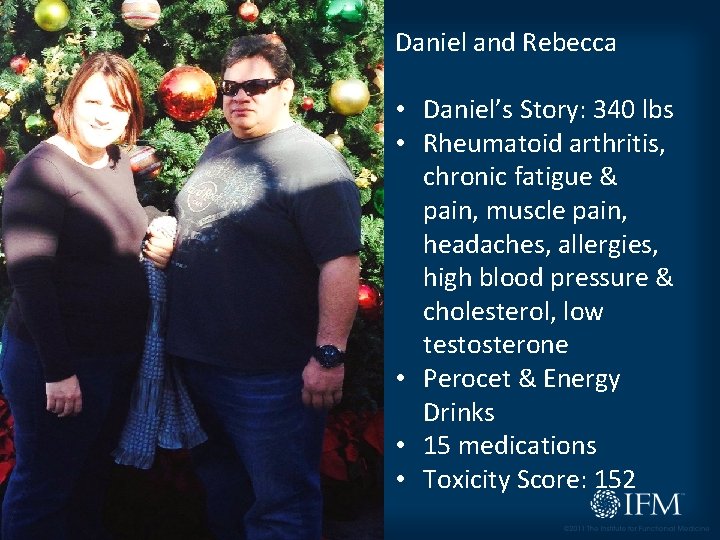
Daniel and Rebecca • Daniel’s Story: 340 lbs • Rheumatoid arthritis, chronic fatigue & pain, muscle pain, headaches, allergies, high blood pressure & cholesterol, low testosterone • Perocet & Energy Drinks • 15 medications • Toxicity Score: 152
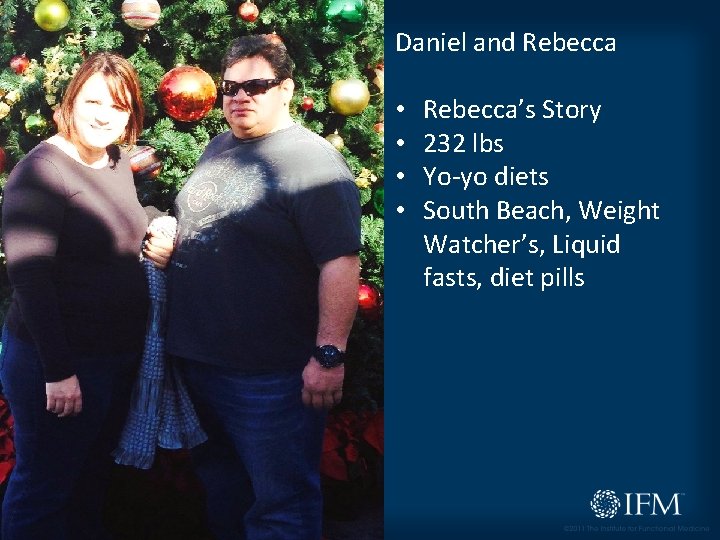
Daniel and Rebecca • • Rebecca’s Story 232 lbs Yo-yo diets South Beach, Weight Watcher’s, Liquid fasts, diet pills
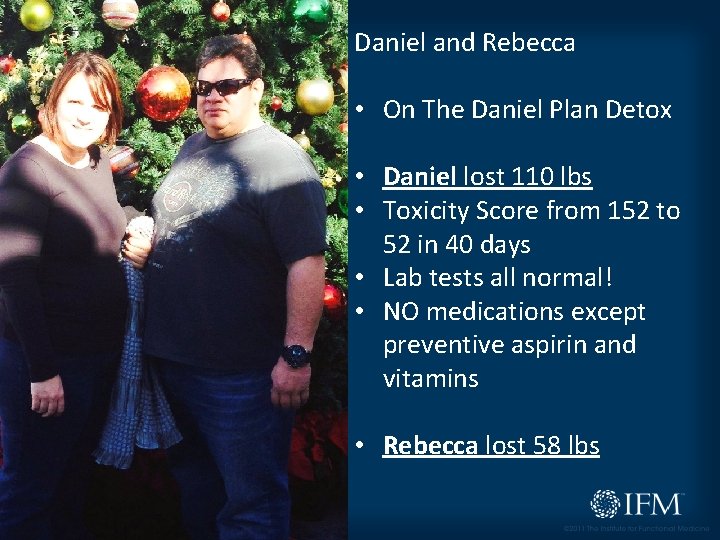
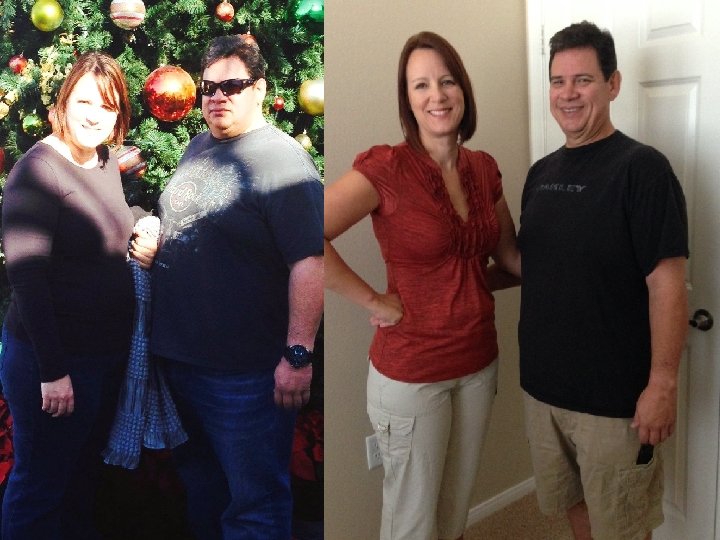
Daniel and Rebecca • On The Daniel Plan Detox • Daniel lost 110 lbs • Toxicity Score from 152 to 52 in 40 days • Lab tests all normal! • NO medications except preventive aspirin and vitamins • Rebecca lost 58 lbs
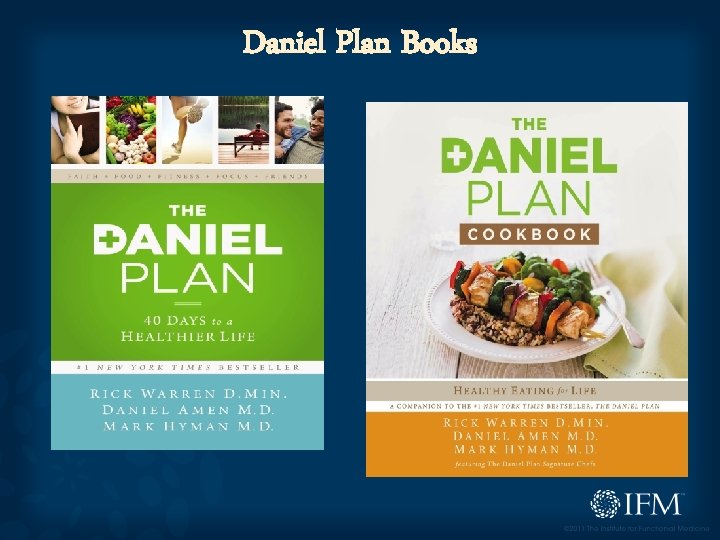
Daniel Plan Books
The Future of Medicine is Functional Medicine Networks and Systems Medicine: Biological and Social