
Why Do Contractors Fail Failure Rates Source US

- Slides: 29
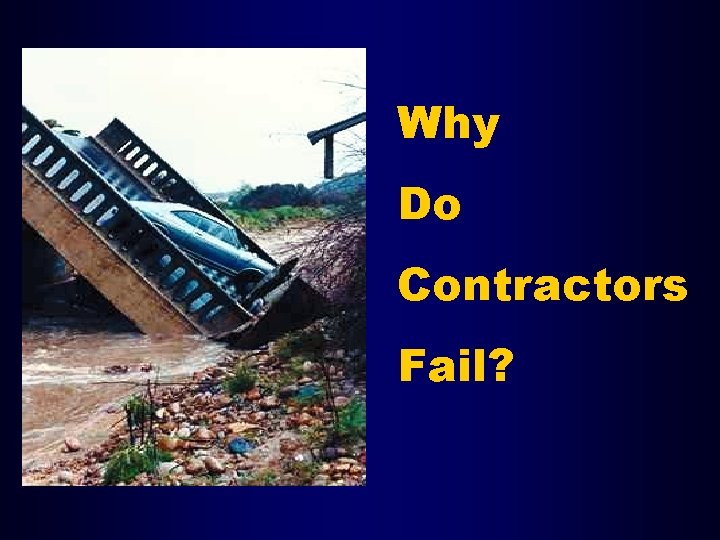
Why Do Contractors Fail?
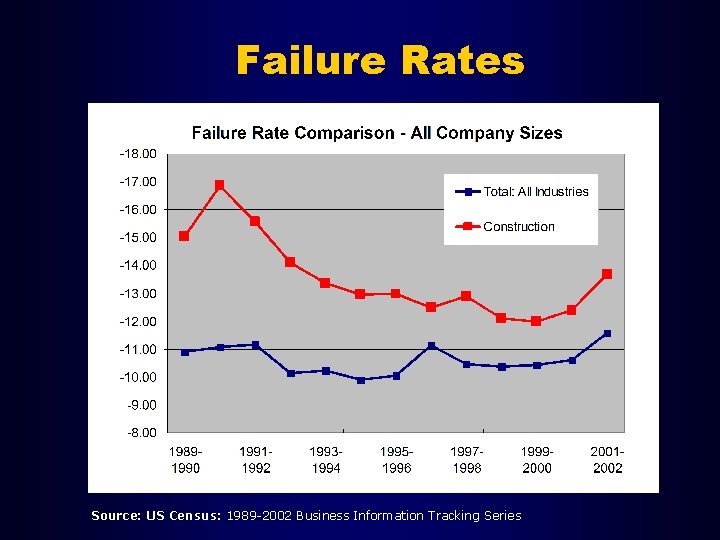
Failure Rates Source: US Census: 1989 -2002 Business Information Tracking Series
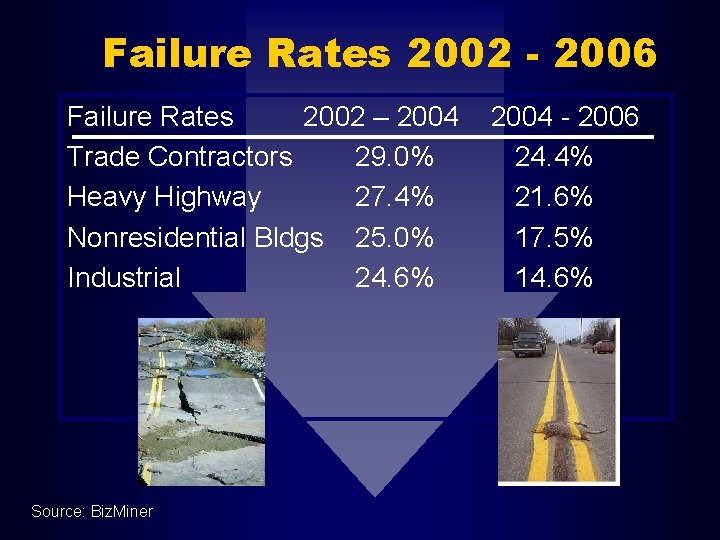
Failure Rates 2002 - 2006 Failure Rates 2002 – 2004 Trade Contractors 29. 0% Heavy Highway 27. 4% Nonresidential Bldgs 25. 0% Industrial 24. 6% Source: Biz. Miner 2004 - 2006 24. 4% 21. 6% 17. 5% 14. 6%
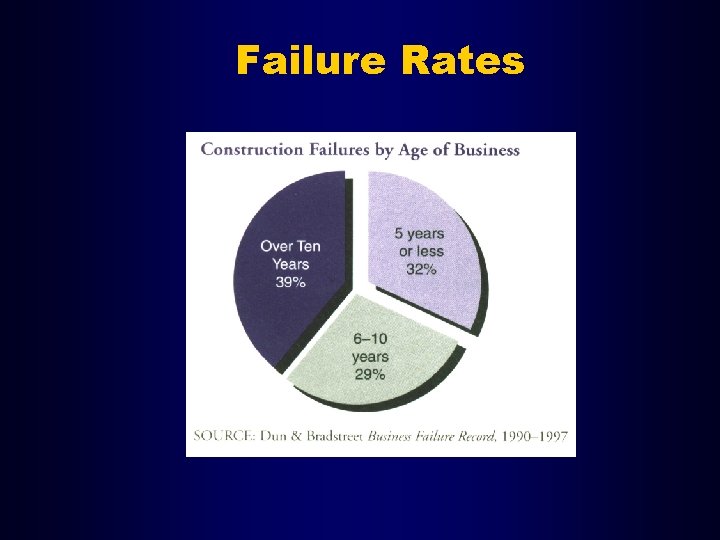
Failure Rates
Surety Losses & Profitability
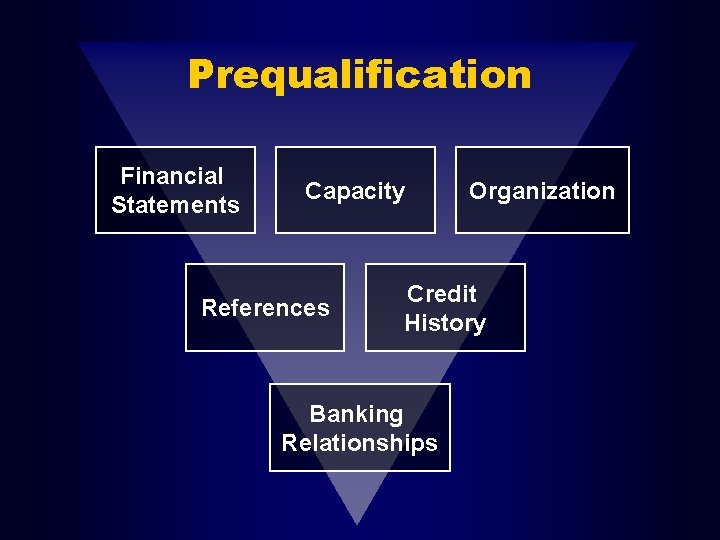
Prequalification Financial Statements Capacity References Organization Credit History Banking Relationships
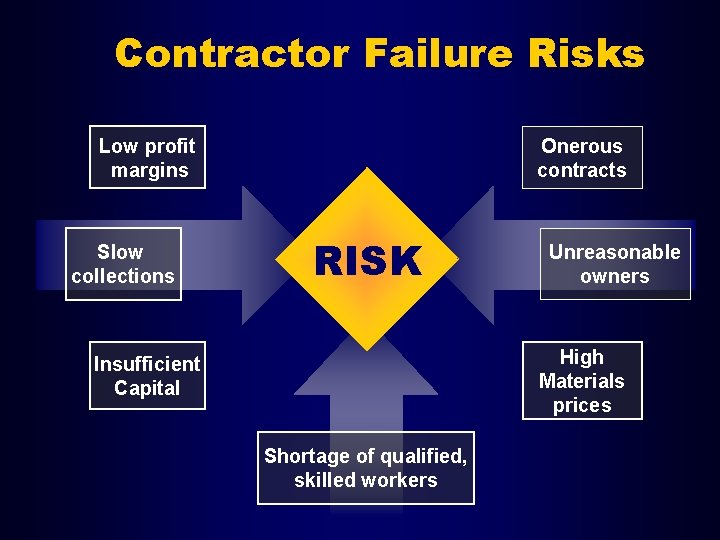
Contractor Failure Risks Low profit margins Slow collections Onerous contracts RISK Unreasonable owners High Materials prices Insufficient Capital Shortage of qualified, skilled workers
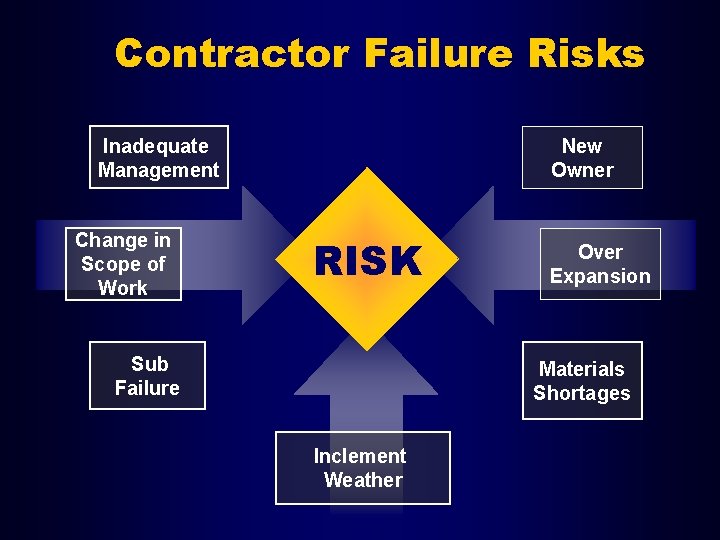
Contractor Failure Risks Inadequate Management Change in Scope of Work New Owner RISK Sub Failure Over Expansion Materials Shortages Inclement Weather
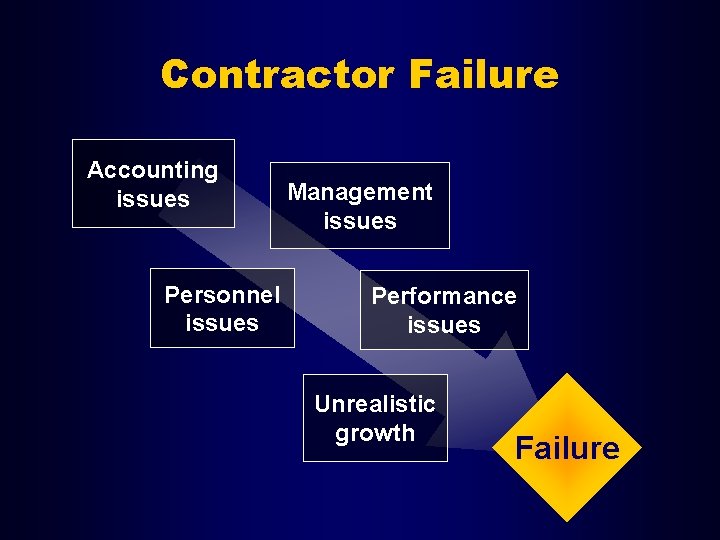
Contractor Failure Accounting issues Personnel issues Management issues Performance issues Unrealistic growth Failure
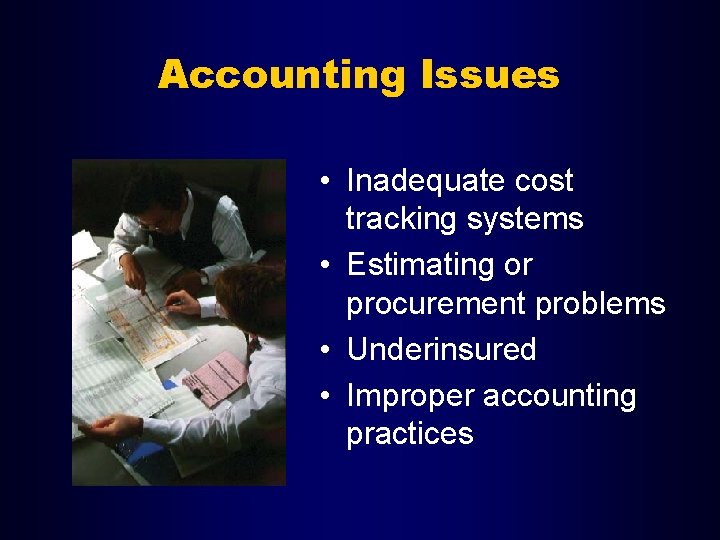
Accounting Issues • Inadequate cost tracking systems • Estimating or procurement problems • Underinsured • Improper accounting practices
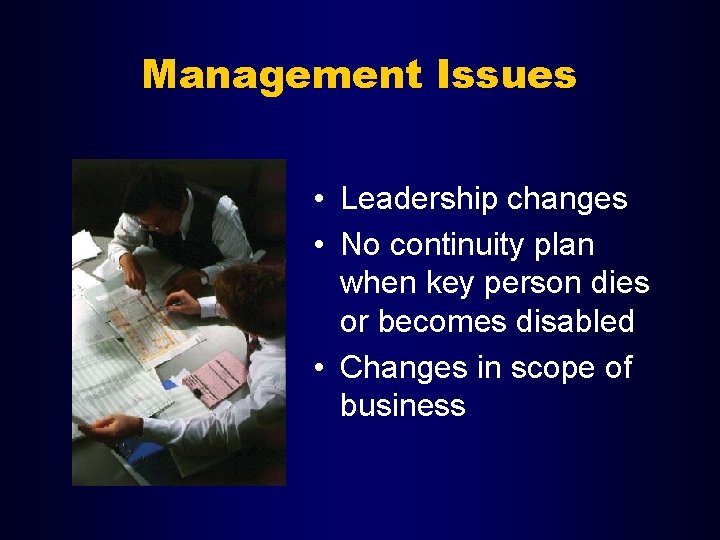
Management Issues • Leadership changes • No continuity plan when key person dies or becomes disabled • Changes in scope of business
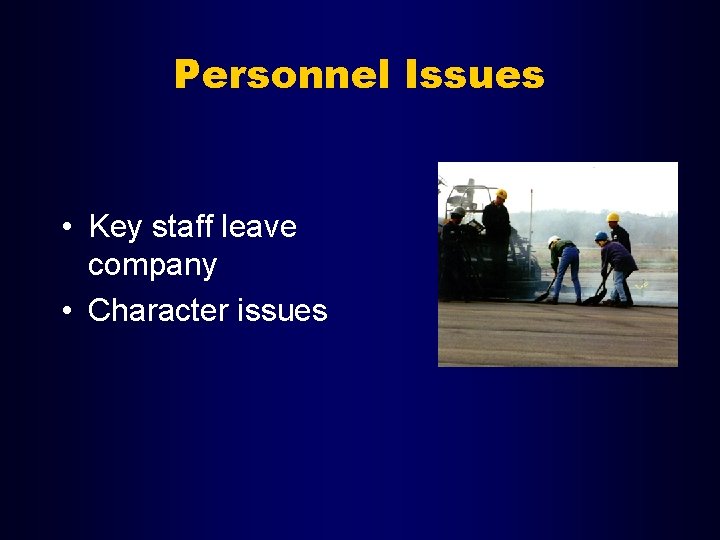
Personnel Issues • Key staff leave company • Character issues
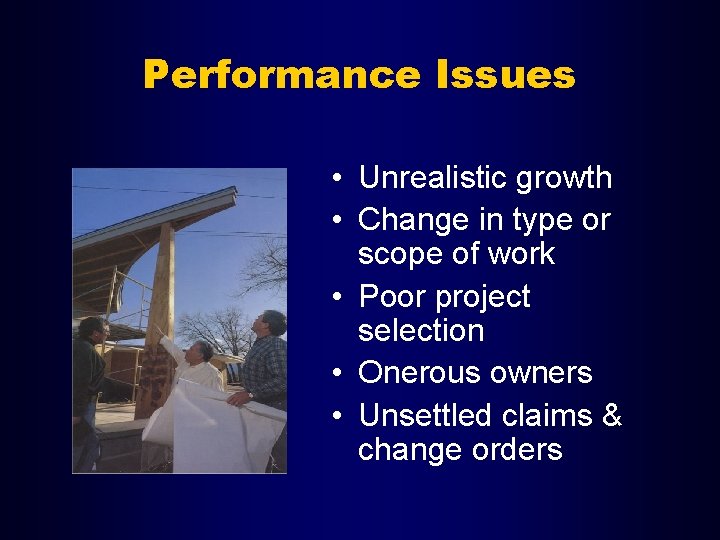
Performance Issues • Unrealistic growth • Change in type or scope of work • Poor project selection • Onerous owners • Unsettled claims & change orders
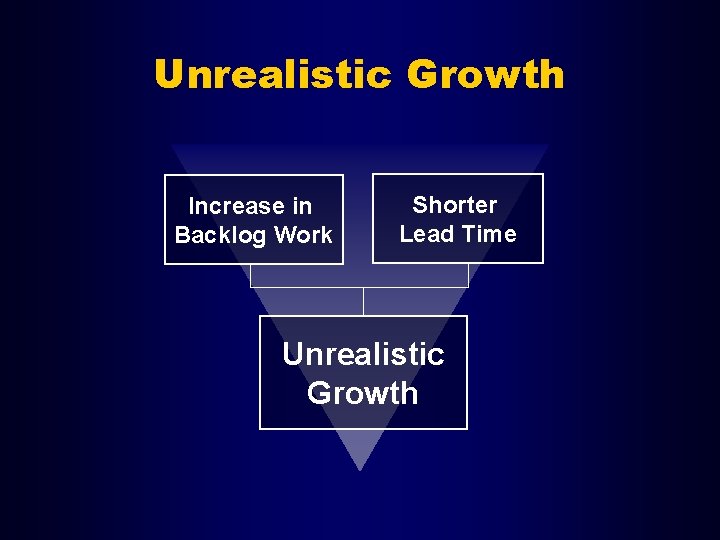
Unrealistic Growth Increase in Backlog Work Shorter Lead Time Unrealistic Growth
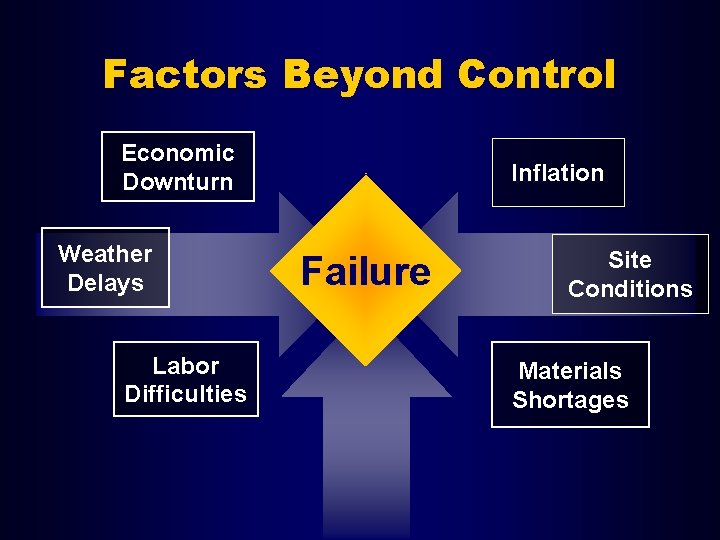
Factors Beyond Control Economic Downturn Weather Delays Labor Difficulties Inflation Failure Site Conditions Materials Shortages
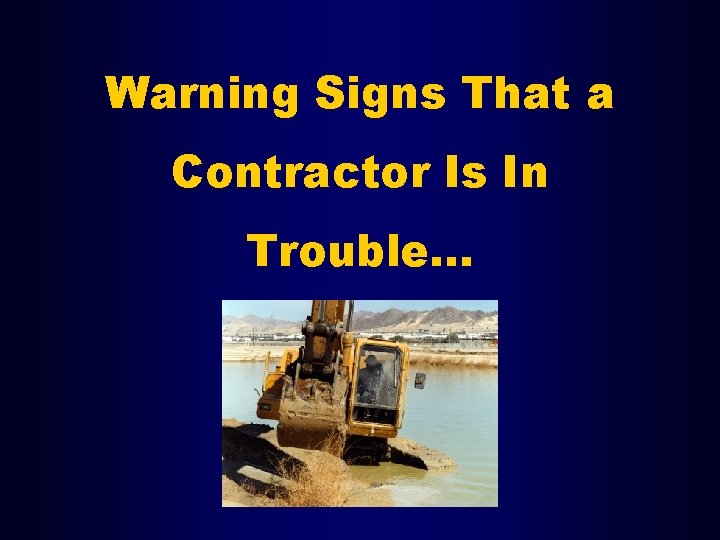
Warning Signs That a Contractor Is In Trouble. . .
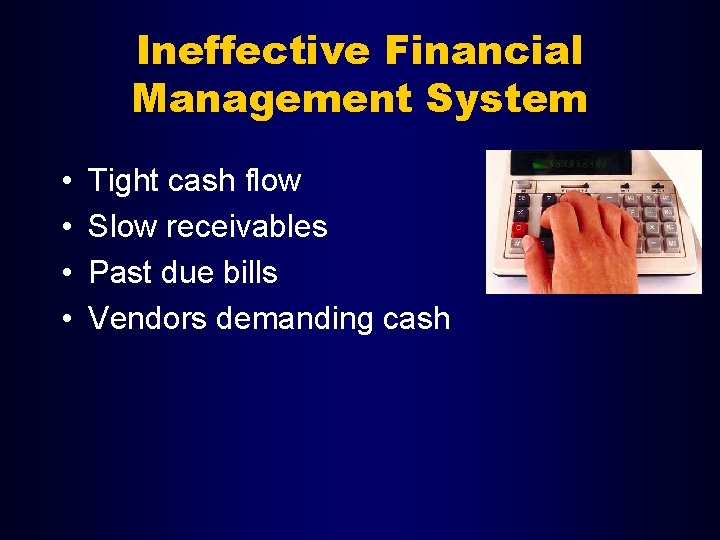
Ineffective Financial Management System • • Tight cash flow Slow receivables Past due bills Vendors demanding cash
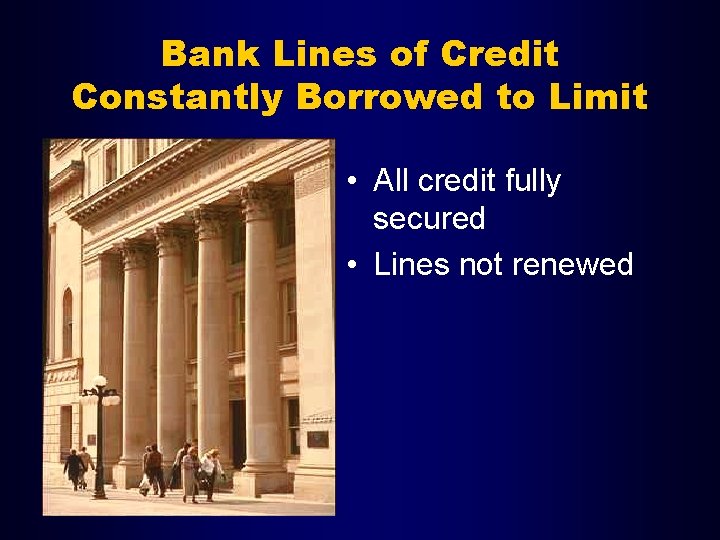
Bank Lines of Credit Constantly Borrowed to Limit • All credit fully secured • Lines not renewed
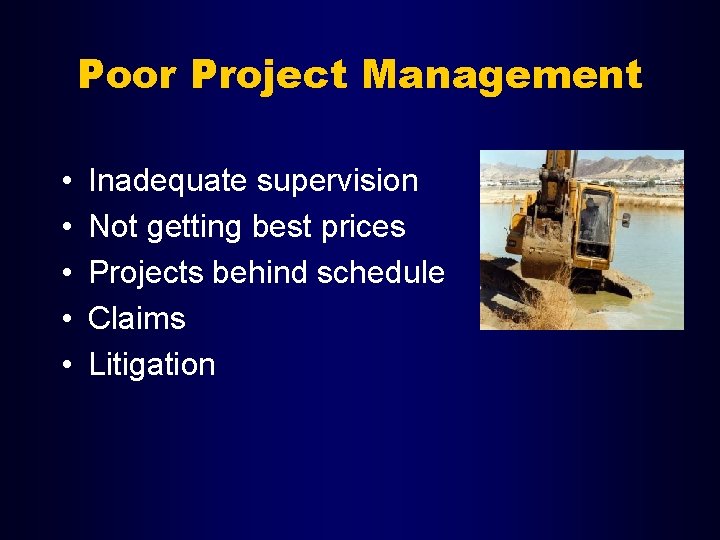
Poor Project Management • • • Inadequate supervision Not getting best prices Projects behind schedule Claims Litigation
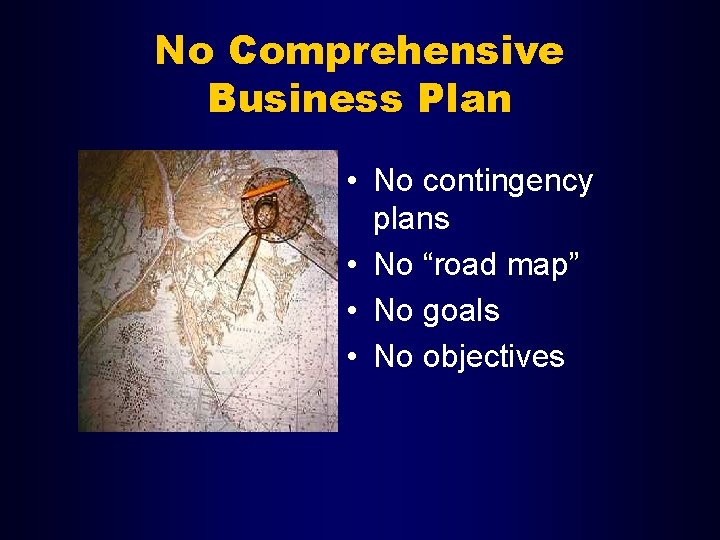
No Comprehensive Business Plan • No contingency plans • No “road map” • No goals • No objectives
Poor Estimating & Job Cost Reporting • Revenue & margins decrease • Continued operating losses • Loss of bonding capacity • Bid jobs too low
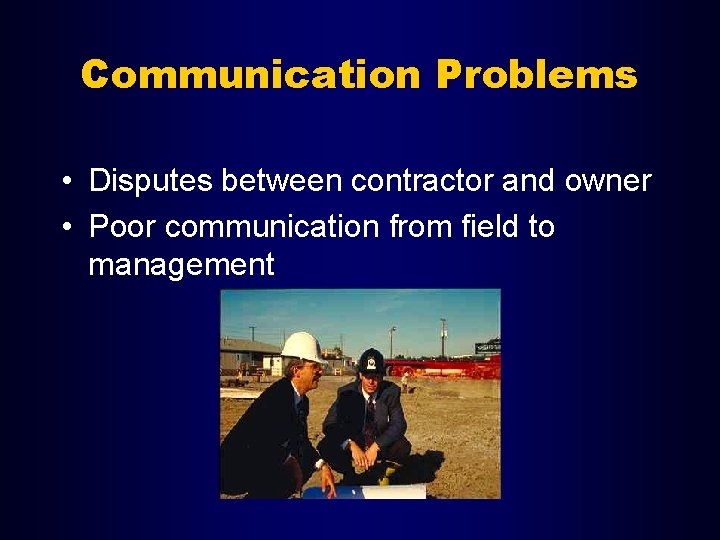
Communication Problems • Disputes between contractor and owner • Poor communication from field to management
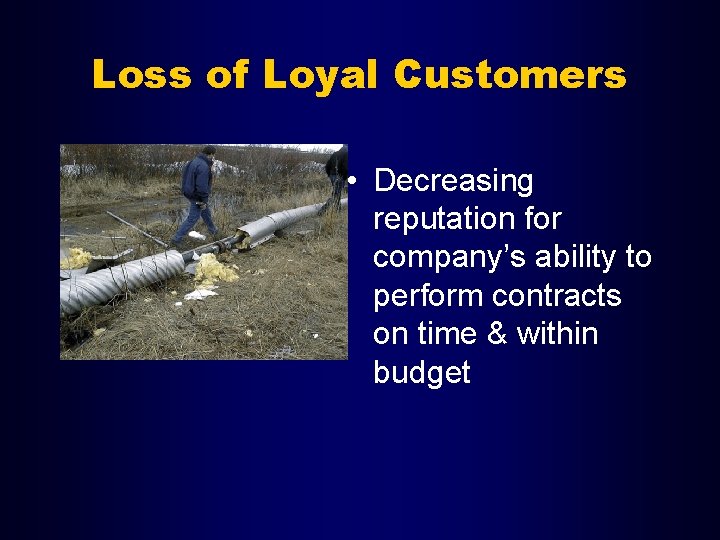
Loss of Loyal Customers • Decreasing reputation for company’s ability to perform contracts on time & within budget
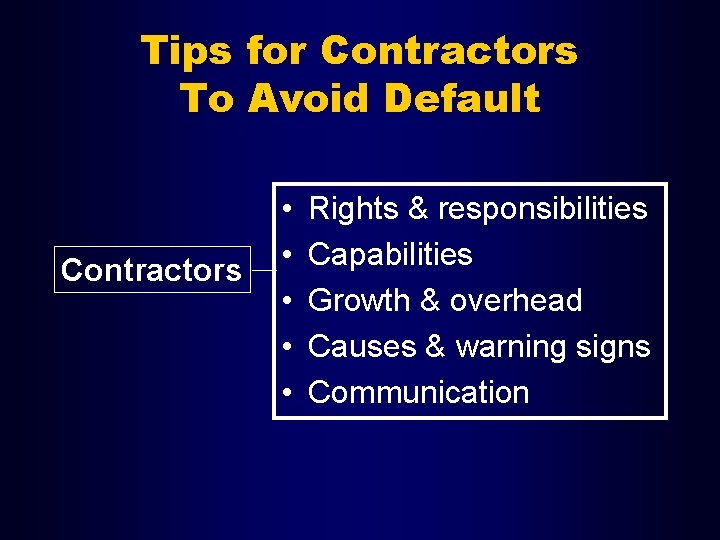
Tips for Contractors To Avoid Default Contractors • • • Rights & responsibilities Capabilities Growth & overhead Causes & warning signs Communication
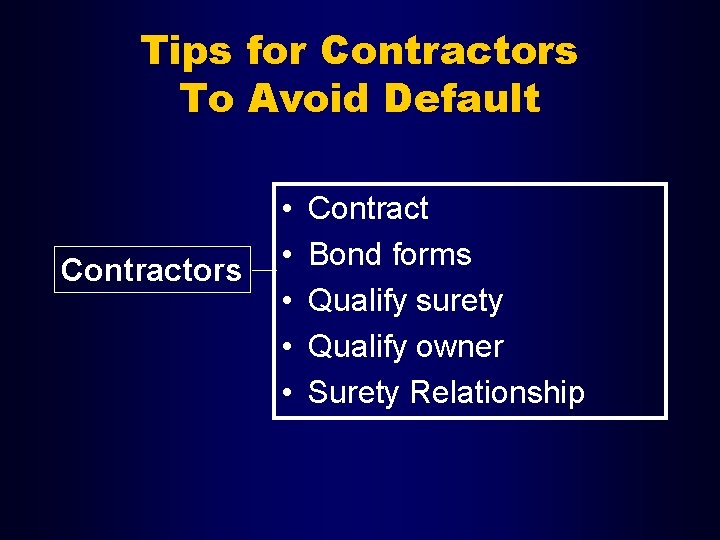
Tips for Contractors To Avoid Default Contractors • • • Contract Bond forms Qualify surety Qualify owner Surety Relationship
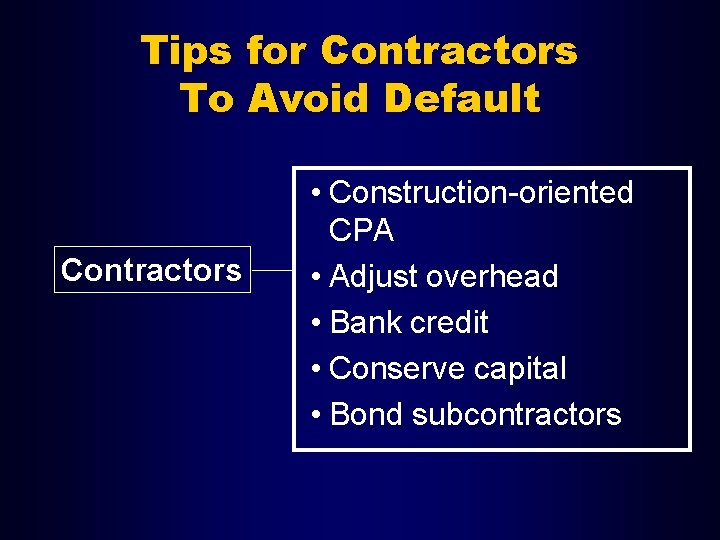
Tips for Contractors To Avoid Default Contractors • Construction-oriented CPA • Adjust overhead • Bank credit • Conserve capital • Bond subcontractors
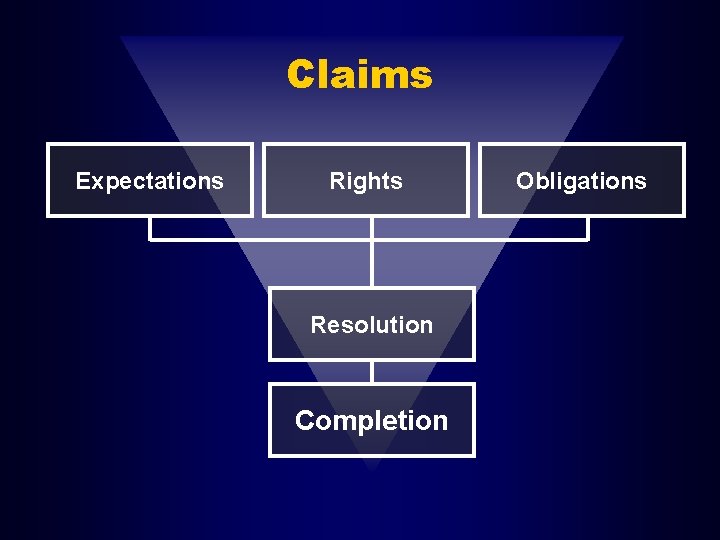
Claims Expectations Rights Resolution Completion Obligations
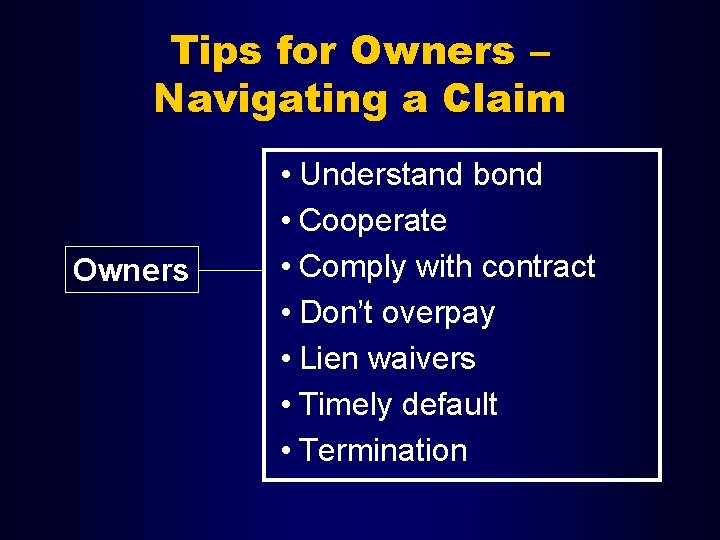
Tips for Owners – Navigating a Claim Owners • Understand bond • Cooperate • Comply with contract • Don’t overpay • Lien waivers • Timely default • Termination
For More Information Surety Information Office 1828 L St. NW, Suite 720 Washington, DC 20036 202 -686 -7463 | Fax 202 -686 -3656 www. sio. org | sio@sio. org