
Who was Aristophanes Born c 446 in Athens
Who was Aristophanes?
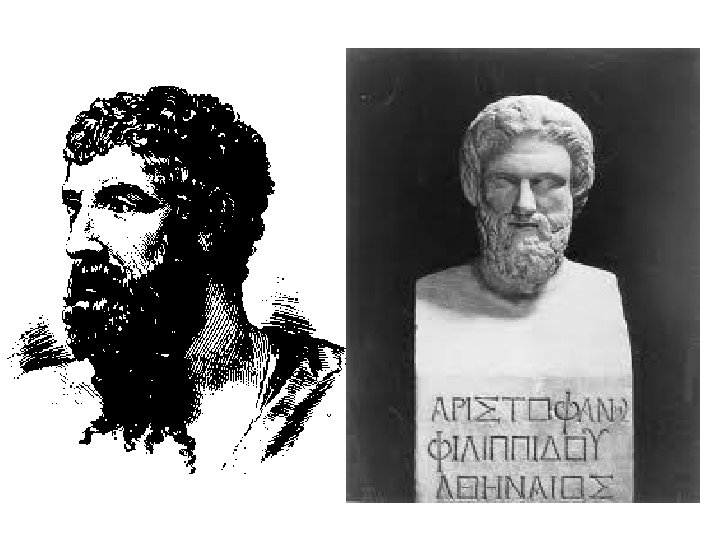
�Born c. 446 in Athens �He was a comic playwright and poet Known as the ‘Prince of Comedy’ �He wrote 40 plays 11 of them have survived in their entirety �He is famous for his satire and ridicule of political figures and political situations �He died in c. 386 BC
His Plays �The Acharnians – 425 BC �The Knights – 424 BC �The Clouds – 423 BC �The Wasps – 422 BC �Peace – 421 BC �The Birds – 414 BC �Lysistrata – 411 BC �Thesmophoriazusae – 411 BC �The Frogs – 405 BC �Ecclesiazusae – 392 BC �Wealth II – 388 BC

Historic Background of Aristophanes
The Persian Wars 492 -480 BC �Sparta wished to dominate the Greek city- states in their war against the Persians. �However, Athens emerged as leader through 2 crucial wins Marathon (490 BC) Salamis (480 BC) �These victories caused Sparta to become jealous of Athens
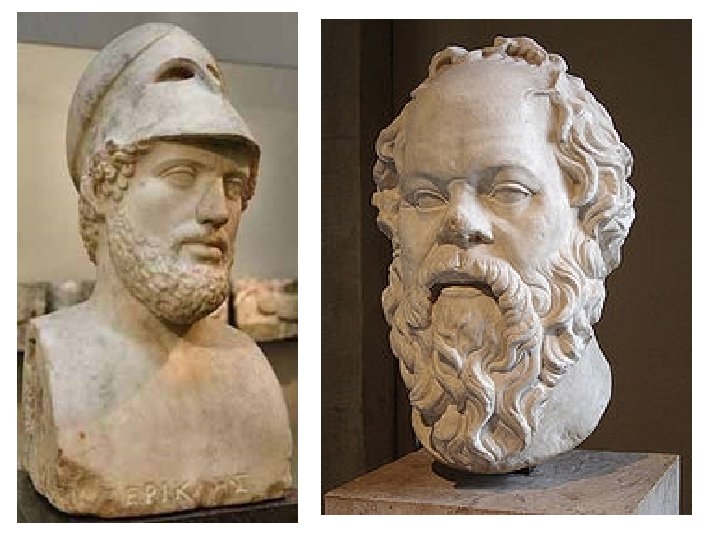
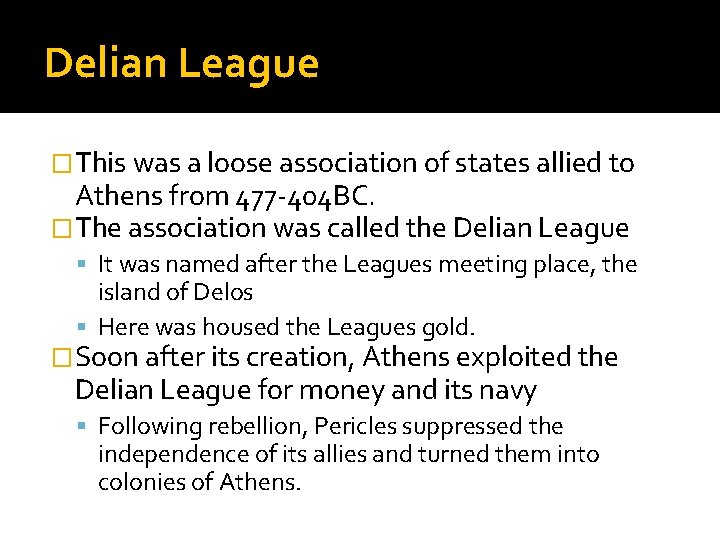
Golden Age of Athens �Persian Defeat = democracy Boom in Athens �Following the Persian defeat at Salamis, Athens entered a golden age Athens achieved supremacy in politics, art, architecture, philosophy and science. This was under the leadership and influence of Pericles �It was during this time that Athens moved from a city-state to an empire
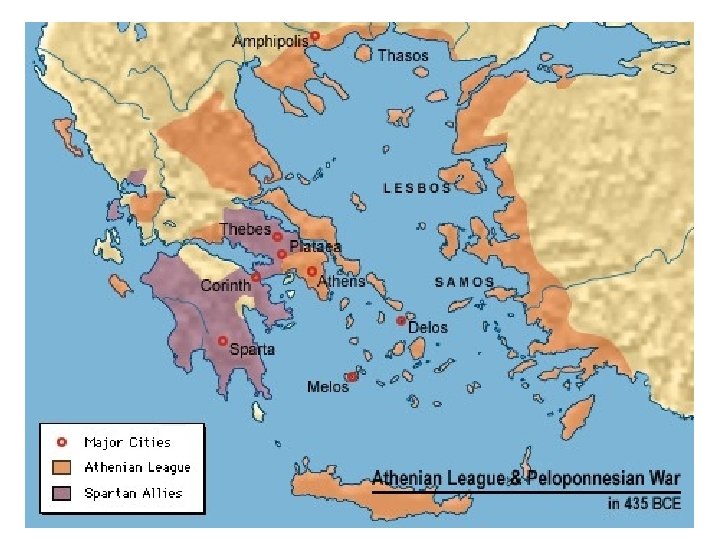
Delian League �This was a loose association of states allied to Athens from 477 -404 BC. �The association was called the Delian League It was named after the Leagues meeting place, the island of Delos Here was housed the Leagues gold. �Soon after its creation, Athens exploited the Delian League for money and its navy Following rebellion, Pericles suppressed the independence of its allies and turned them into colonies of Athens.
The Peloponnesian League �To counter the Delian League, Sparta formed its own association of allies It was called the Peloponnesian League �Sparta forced the minor states around it to submit to its dominance. �Eventually, the two leagues begun to fight against each other The Peloponnesian War had begun.
Differences ATHENS � Progressive � Liberal � Expansionist � Democratic SPARTA � Conservative � Aristocratic � Autocratic � Inward looking This deep divisions caused a lot of mistrust between Athens and Sparta.
Athens vs. Sparta �Sparta and its allies were land-based powers They were able to summon massive armies Most of these were considered ‘unbeatable’ �The Athenian Empire was very spread out Based in Attica and across the Greek isles Athens relied on tribute from these islands To maintain this empire, Athens kept a massive navy
Phase 1 – The Archidamian War (431421 BC) SPARTAN STRATEGY � Sparta launched repeated invasions of Attica Deprived Athens of land Very little affect however � Sparta only occupied Athenian land for 3 week periods Harvest Slavery issues ATHENIAN STRATEGY � Avoid Spartan army Raided the Peloponnese with its navy Won the Battle of Naupactus � However, plague struck in 430 30, 000 killed including its general, Pericles � Athens rejected the defensive stance and adopted an aggressive strategy This was under the leadership of Cleon Peace broke out between the two in 421 BC with the Peace of Nicias
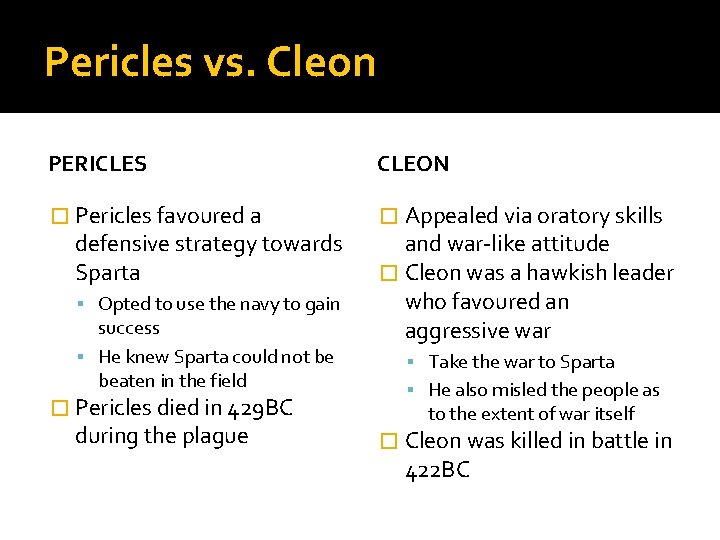
Pericles vs. Cleon PERICLES CLEON � Pericles favoured a � Appealed via oratory skills defensive strategy towards Sparta Opted to use the navy to gain success He knew Sparta could not be beaten in the field � Pericles died in 429 BC during the plague and war-like attitude � Cleon was a hawkish leader who favoured an aggressive war Take the war to Sparta He also misled the people as to the extent of war itself � Cleon was killed in battle in 422 BC
Sicilian Expedition – 415 BC �Athens launched an expedition to Sicily It was supported by the statesman Alcibiades and led by Demosthenes �The mission was hampered from the start Its purpose was uncertain No definite command structure �The expedition ended in disaster Every single crewmen was either killed, captured or sold into slavery
The Second War (413 -405) �In this phase, Sparta received support directly from Persia. They actively support rebellion within Athens allies Eventually destroyed Athens naval supremacy �With the Athenian fleet destroyed the war came to quick end. Athens surrendered and submitted itself to Sparta
Athens after the war �Democracy was suspended in Athens Rule was given to a pro-Spartan oligarchy called the Thirty Tyrants �By 403 the oligarcies were overthrown and democracy returned �Sparta maintained its dominance of Greece until Philip of Macedon destroyed their power base.
- Slides: 18