
Who gets IBD and Why Dr Miles Parkes
Who gets IBD and Why? Dr Miles Parkes, Cambridge Dr Hannah Gordon, London RSM and CCUK® 2015
Introduction • Who? • Epidemiology • Why? • • Heritability – twin and family studies Genetics Environment Interface between Genes and Environment • Microbiota • Epigenetics
Prevalence • UK prevalence 4/1000 • 620, 000 affected within the UK (IBD Standards, CCUK® 2015)
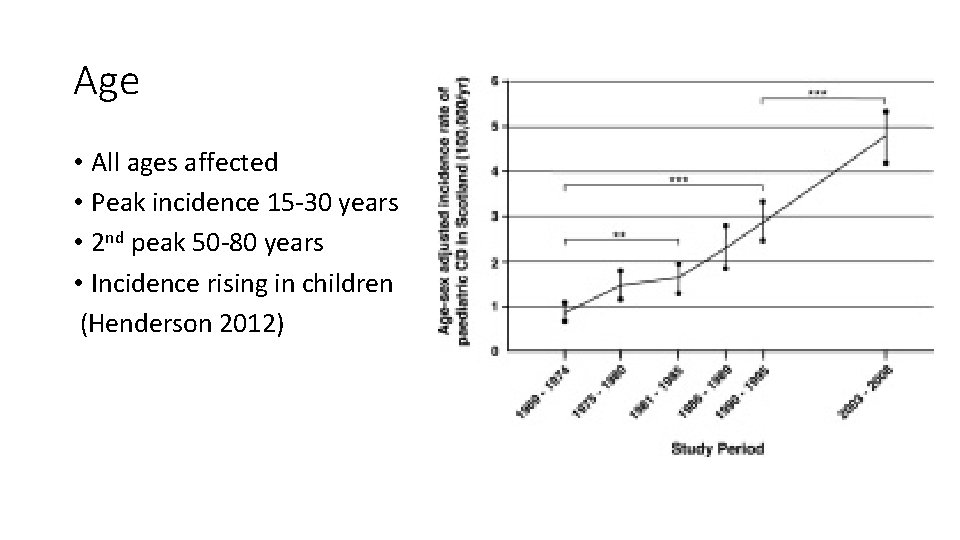
Age • All ages affected • Peak incidence 15 -30 years • 2 nd peak 50 -80 years • Incidence rising in children (Henderson 2012)
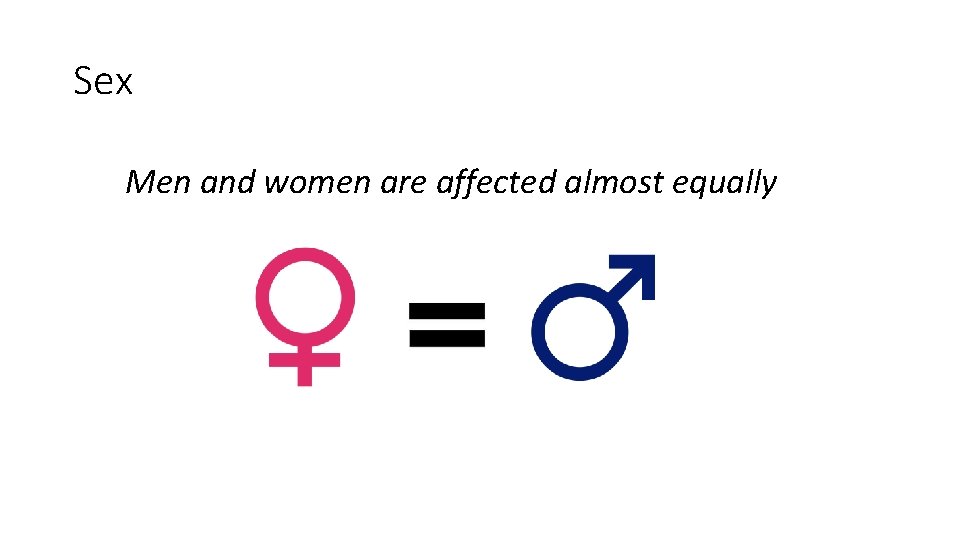
Sex Men and women are affected almost equally
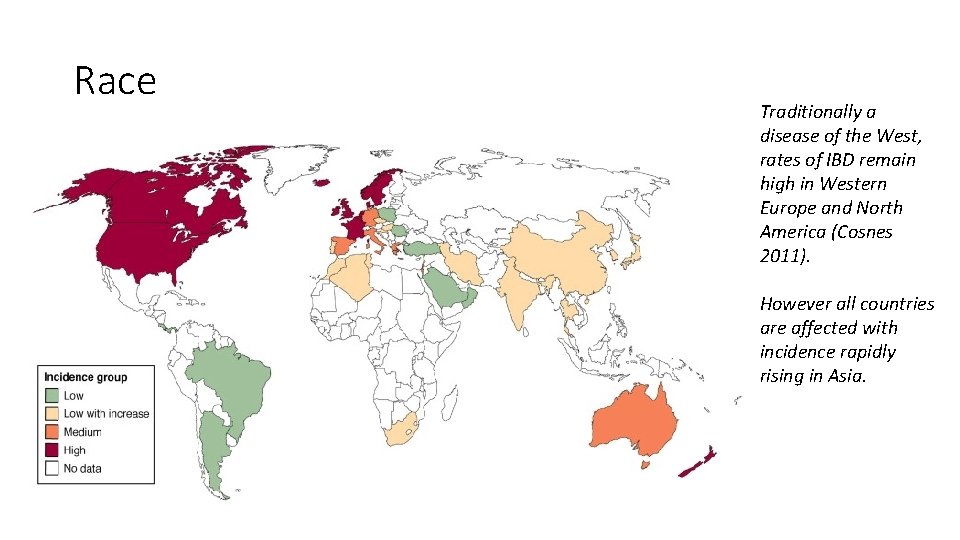
Race Traditionally a disease of the West, rates of IBD remain high in Western Europe and North America (Cosnes 2011). However all countries are affected with incidence rapidly rising in Asia.
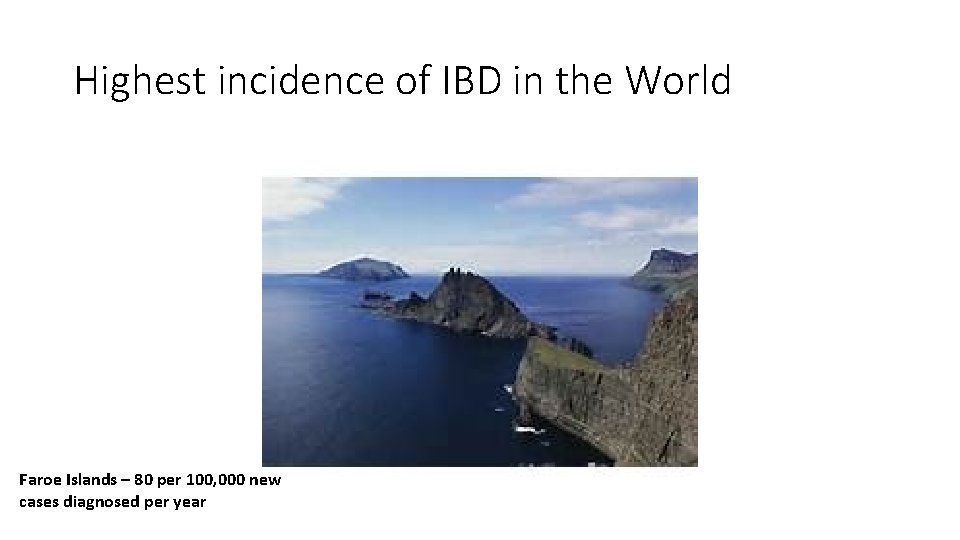
Highest incidence of IBD in the World Faroe Islands – 80 per 100, 000 new cases diagnosed per year
Ethnicity and affluence • Ashkenazi Jews • Caucasians • Socio-economic status • Previously thought to be associated with affluence • Not replicated in all studies
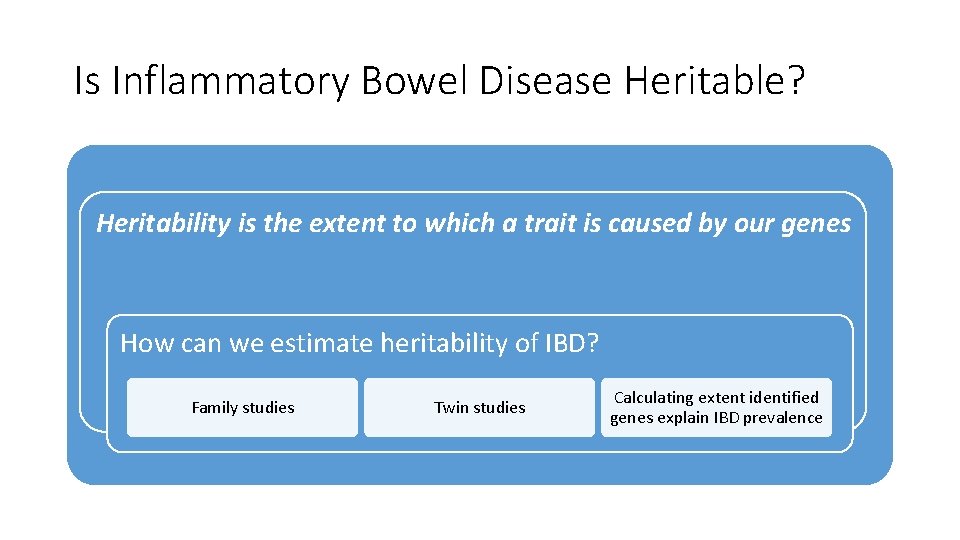
Is Inflammatory Bowel Disease Heritable? Heritability is the extent to which a trait is caused by our genes How can we estimate heritability of IBD? Family studies Twin studies Calculating extent identified genes explain IBD prevalence
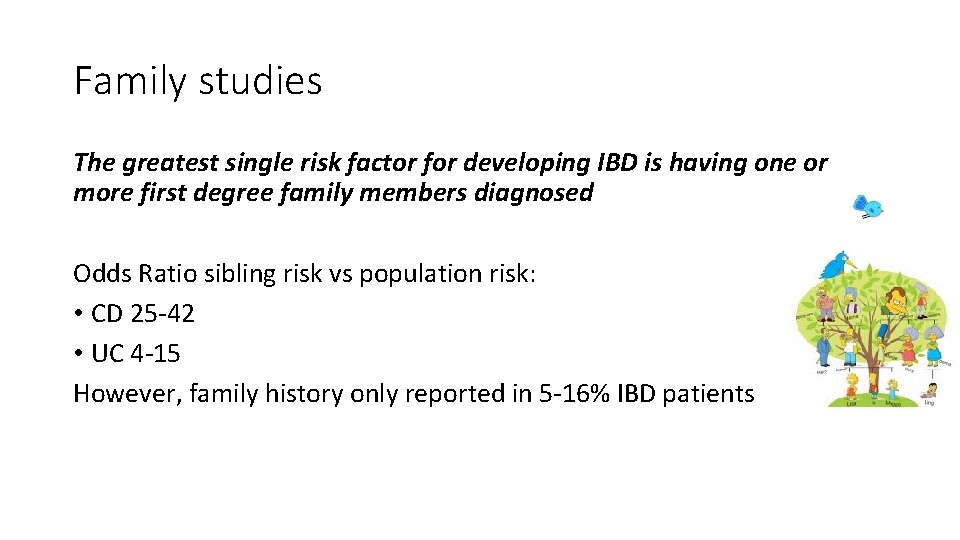
Family studies The greatest single risk factor for developing IBD is having one or more first degree family members diagnosed Odds Ratio sibling risk vs population risk: • CD 25 -42 • UC 4 -15 However, family history only reported in 5 -16% IBD patients
Family studies IBD in families shows concordance in • Behaviour • Location • Age of onset IBD in families tends to present earlier and be more severe BUT Families share similar environment as well as similar genes…. .
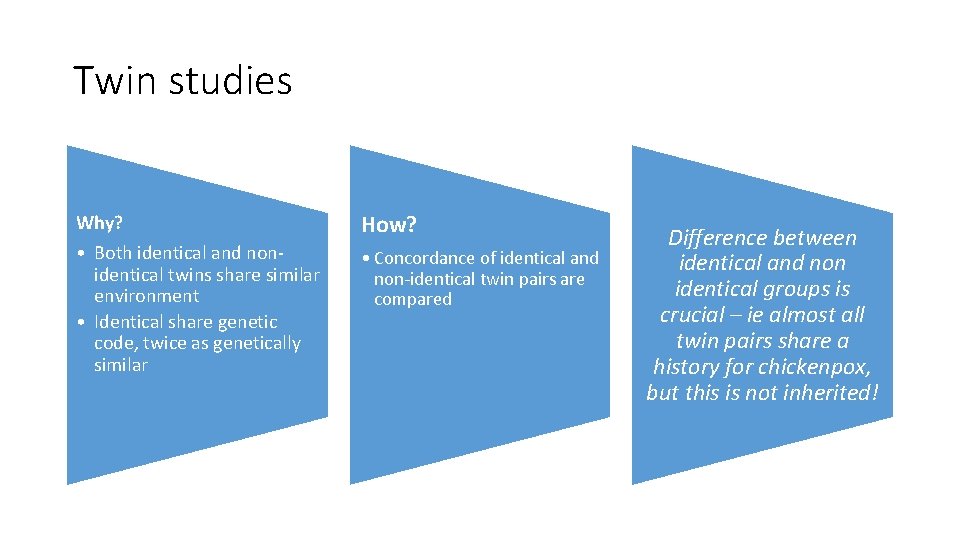
Twin studies Why? How? • Both identical and nonidentical twins share similar environment • Identical share genetic code, twice as genetically similar • Concordance of identical and non-identical twin pairs are compared Difference between identical and non identical groups is crucial – ie almost all twin pairs share a history for chickenpox, but this is not inherited!
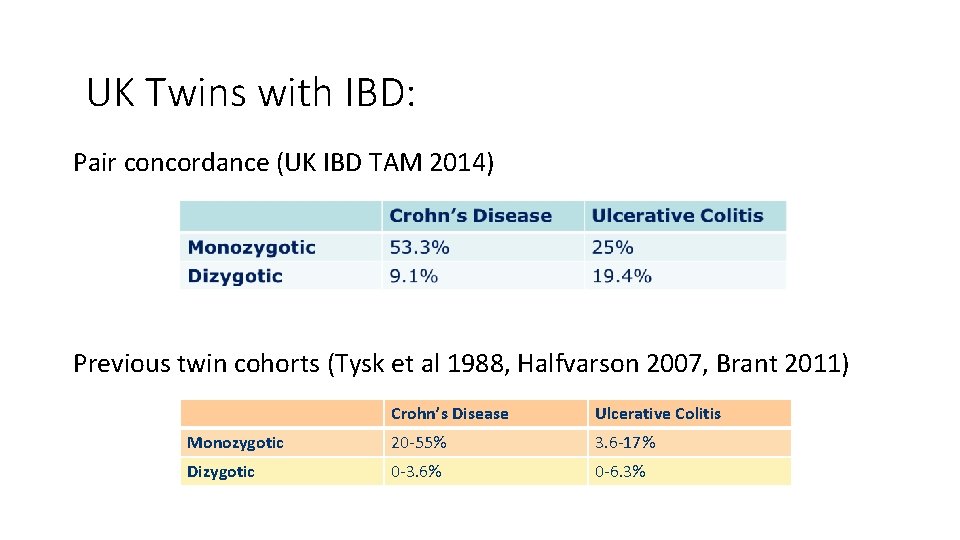
UK Twins with IBD: Pair concordance (UK IBD TAM 2014) Previous twin cohorts (Tysk et al 1988, Halfvarson 2007, Brant 2011) Crohn’s Disease Ulcerative Colitis Monozygotic 20 -55% 3. 6 -17% Dizygotic 0 -3. 6% 0 -6. 3%
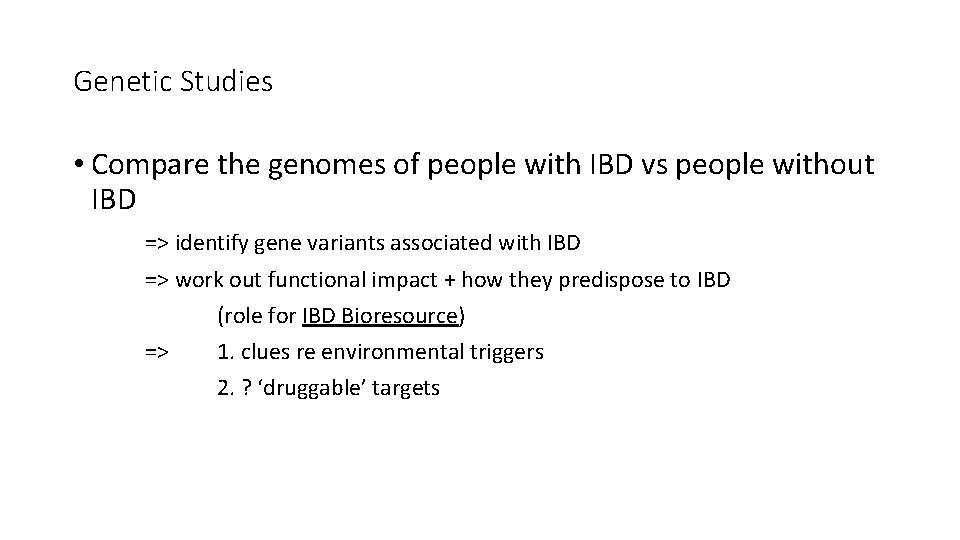
Genetic Studies • Compare the genomes of people with IBD vs people without IBD => identify gene variants associated with IBD => work out functional impact + how they predispose to IBD (role for IBD Bioresource) => 1. clues re environmental triggers 2. ? ‘druggable’ targets
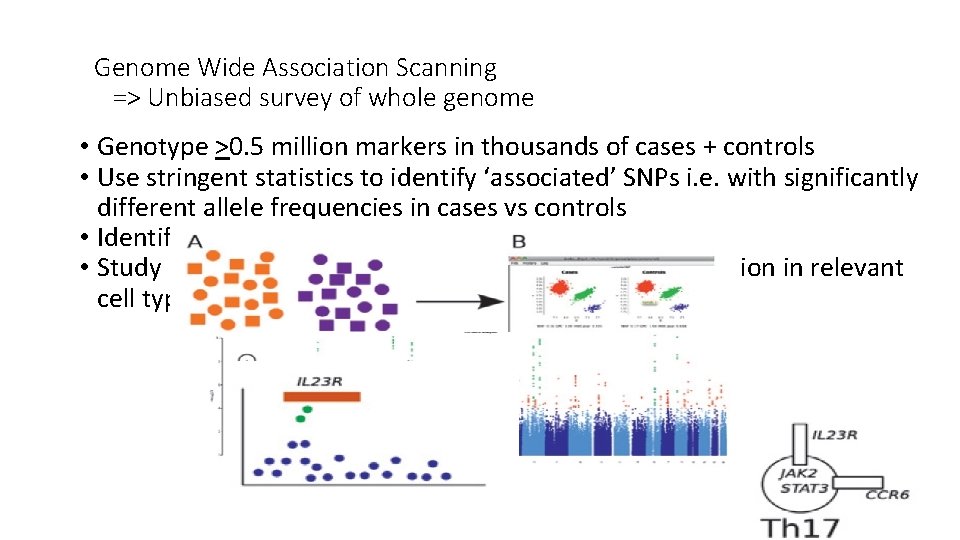
Genome Wide Association Scanning => Unbiased survey of whole genome • Genotype >0. 5 million markers in thousands of cases + controls • Use stringent statistics to identify ‘associated’ SNPs i. e. with significantly different allele frequencies in cases vs controls • Identify genes mapping to same region • Study impact of associated gene variant on protein function in relevant cell type
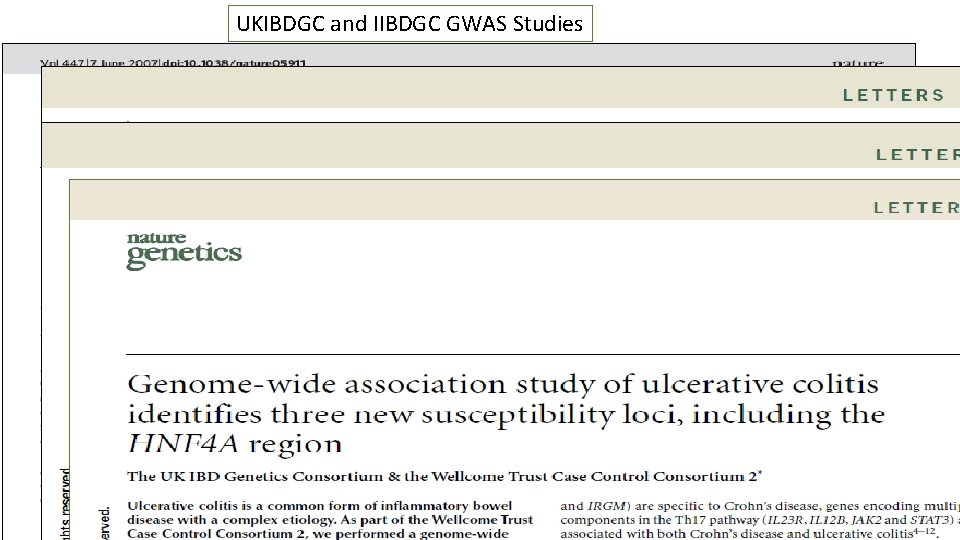
UKIBDGC and IIBDGC GWAS Studies GWAS studies in IBD
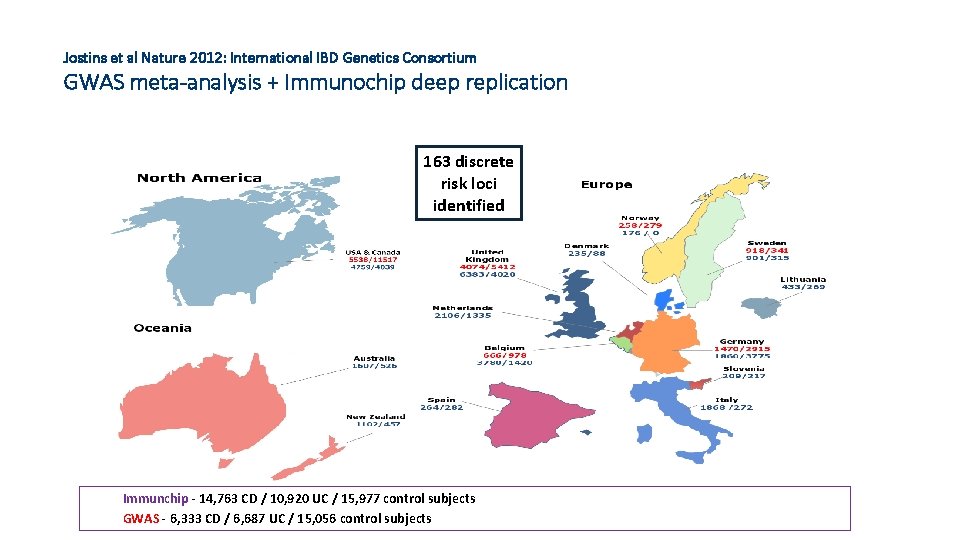
Jostins et al Nature 2012: International IBD Genetics Consortium GWAS meta-analysis + Immunochip deep replication 163 discrete risk loci identified Immunchip - 14, 763 CD / 10, 920 UC / 15, 977 control subjects GWAS - 6, 333 CD / 6, 687 UC / 15, 056 control subjects
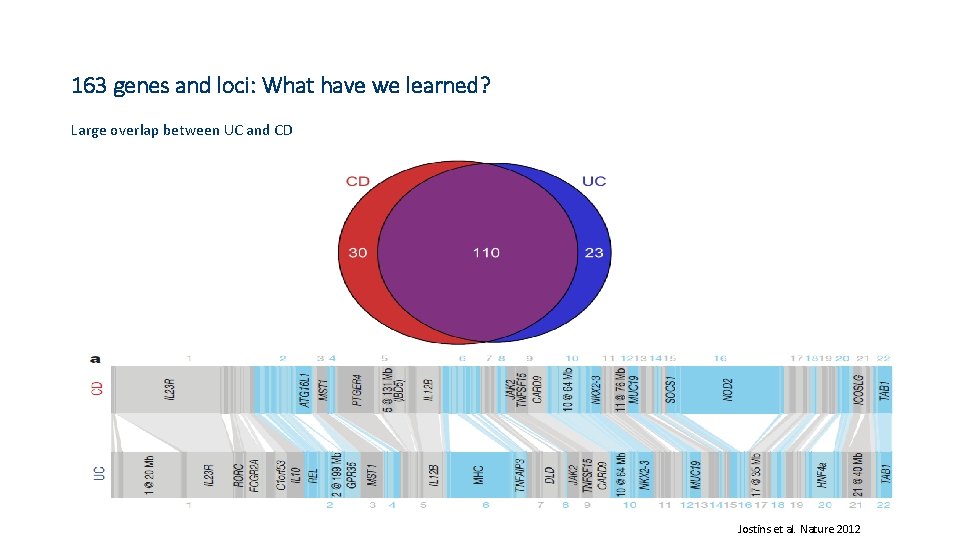
163 genes and loci: What have we learned? Large overlap between UC and CD Jostins et al. Nature 2012
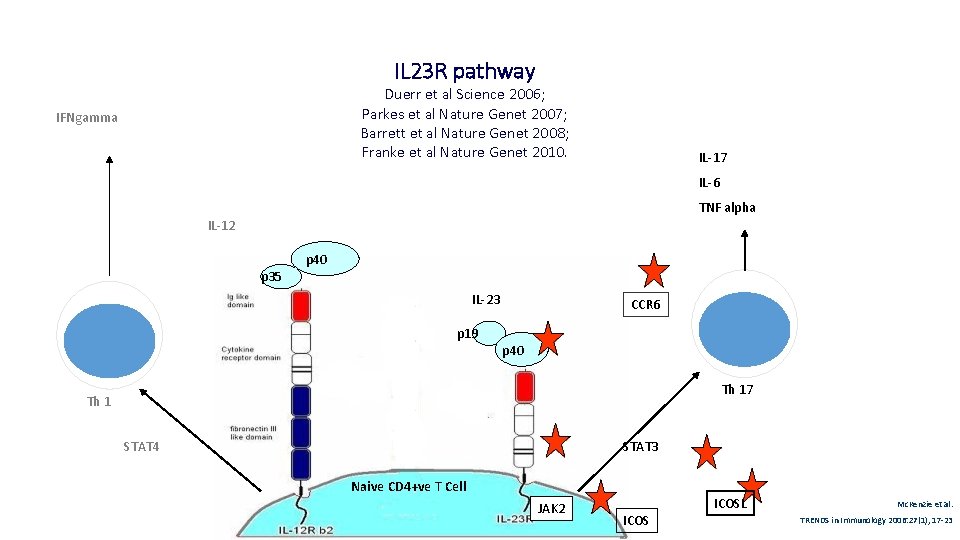
IL 23 R pathway Duerr et al Science 2006; Parkes et al Nature Genet 2007; Barrett et al Nature Genet 2008; Franke et al Nature Genet 2010. IFNgamma IL-17 IL-6 TNF alpha IL-12 p 35 p 40 IL-23 p 19 CCR 6 p 40 Th 17 Th 1 STAT 4 STAT 3 Naive CD 4+ve T Cell JAK 2 ICOSL Mc. Kenzie et al. TRENDS in Immunology 2006: 27(1), 17 -23
Clinical impact… A pipeline for drug discovery
Genes discovered ‘early’ have biggest effect: Odds ratio for CD according to NOD 2 genotype NOD 2 not assoc with UC
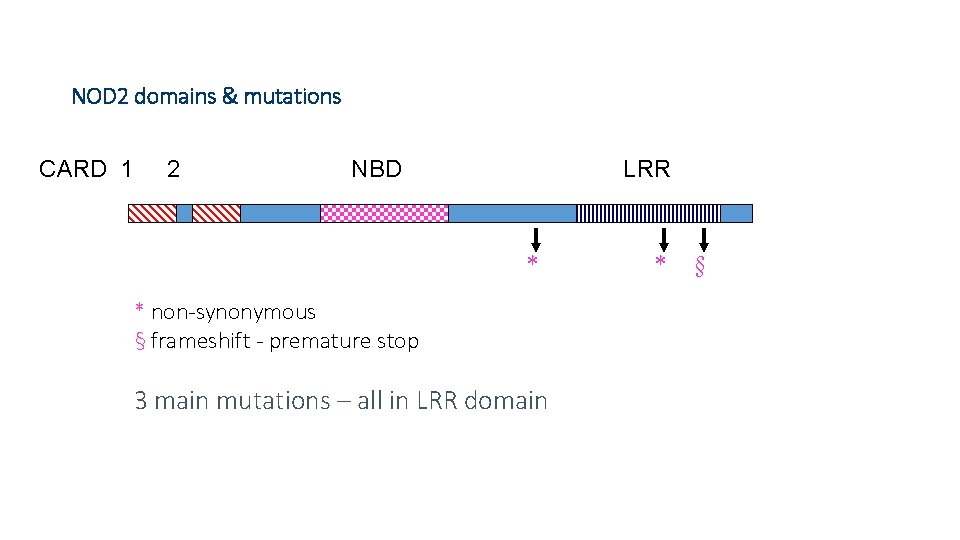
NOD 2 domains & mutations CARD 1 2 NBD LRR * * non-synonymous § frameshift - premature stop 3 main mutations – all in LRR domain * §
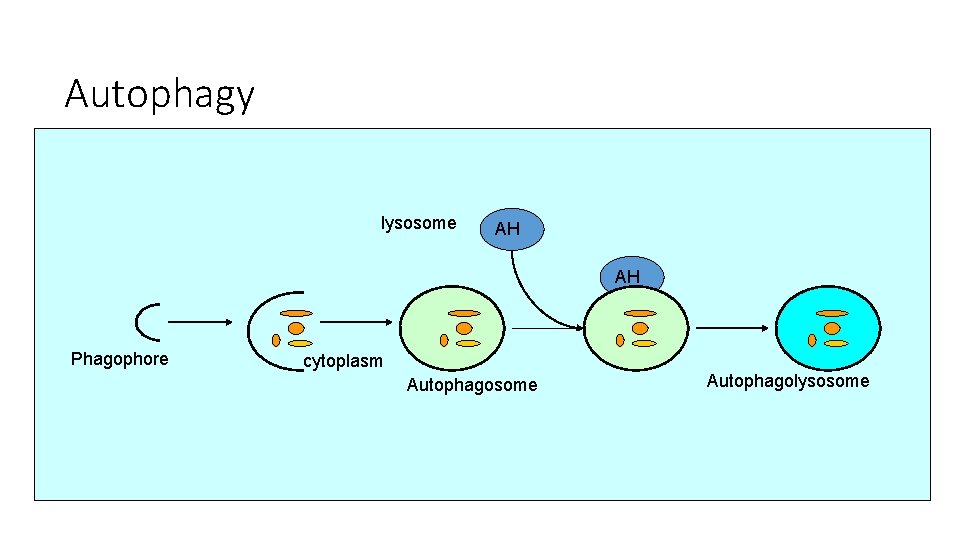
Autophagy
ATG 16 L 1 • ATG 16 L 1 – a key component of autophagy • independent discovery in German, N American (NIDDK) and UK (WTCCC) CD GWA panels • Hampe et al Nature Genetics 2007 • Rioux et al Nature Genetics 2007 • WTCCC Nature 2007
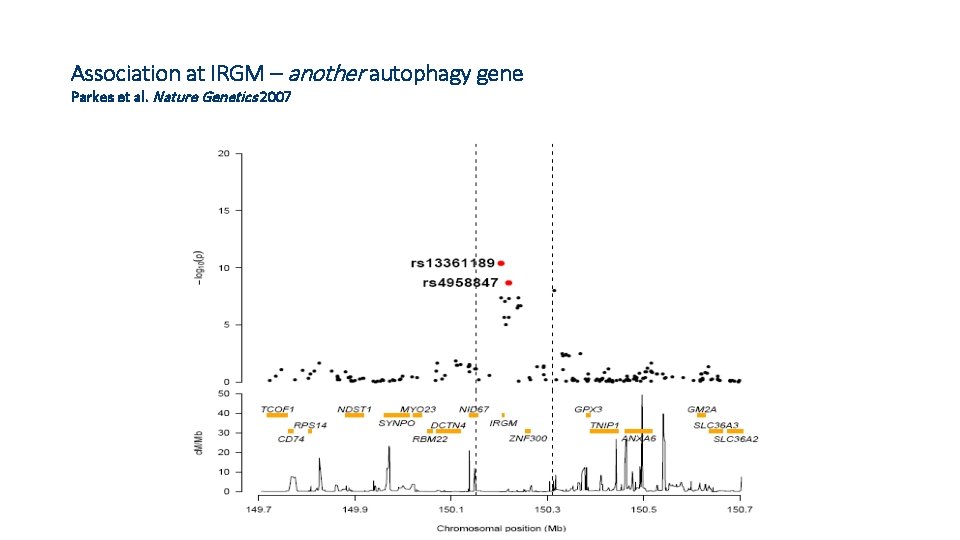
Association at IRGM – another autophagy gene Parkes et al. Nature Genetics 2007
The power of hypothesis-free GWAS • 2 genes in same (previously unsuspected) pathway associated with CD susceptibility = ATG 16 L 1 and IRGM
Autophagy lysosome AH AH Phagophore cytoplasm Autophagosome Autophagolysosome
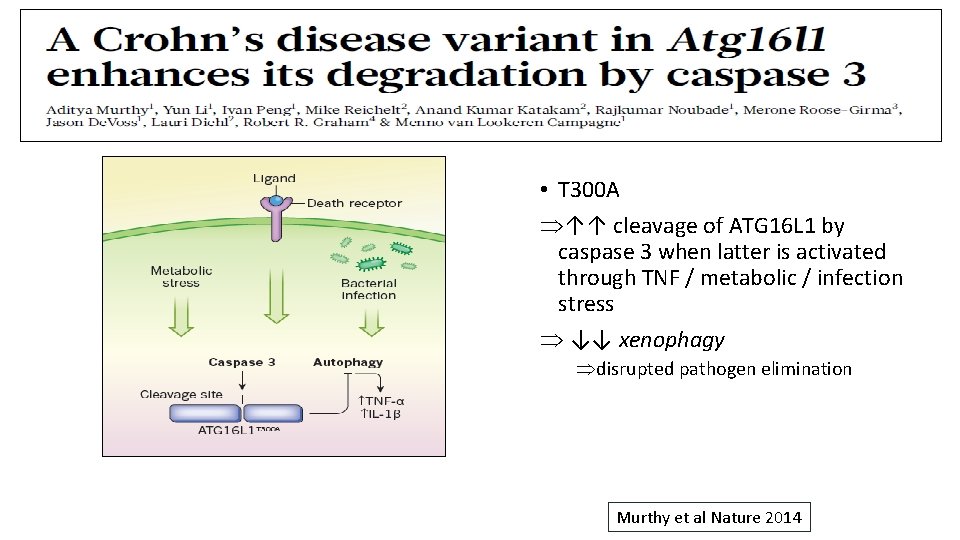
• T 300 A Þ↑↑ cleavage of ATG 16 L 1 by caspase 3 when latter is activated through TNF / metabolic / infection stress Þ ↓↓ xenophagy Þdisrupted pathogen elimination Murthy et al Nature 2014
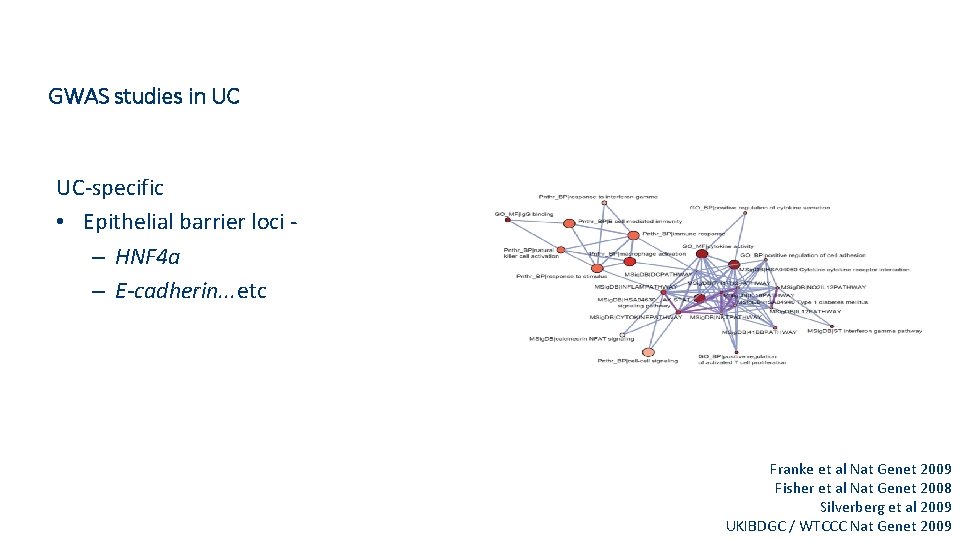
GWAS studies in UC UC-specific • Epithelial barrier loci – HNF 4 a – E-cadherin. . . etc Franke et al Nat Genet 2009 Fisher et al Nat Genet 2008 Silverberg et al 2009 UKIBDGC / WTCCC Nat Genet 2009
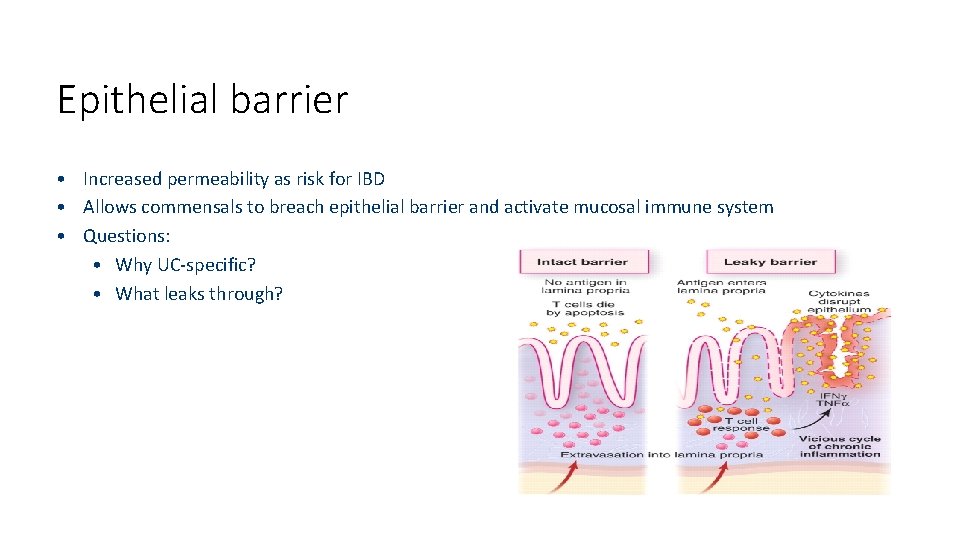
Epithelial barrier • Increased permeability as risk for IBD • Allows commensals to breach epithelial barrier and activate mucosal immune system • Questions: • Why UC-specific? • What leaks through?
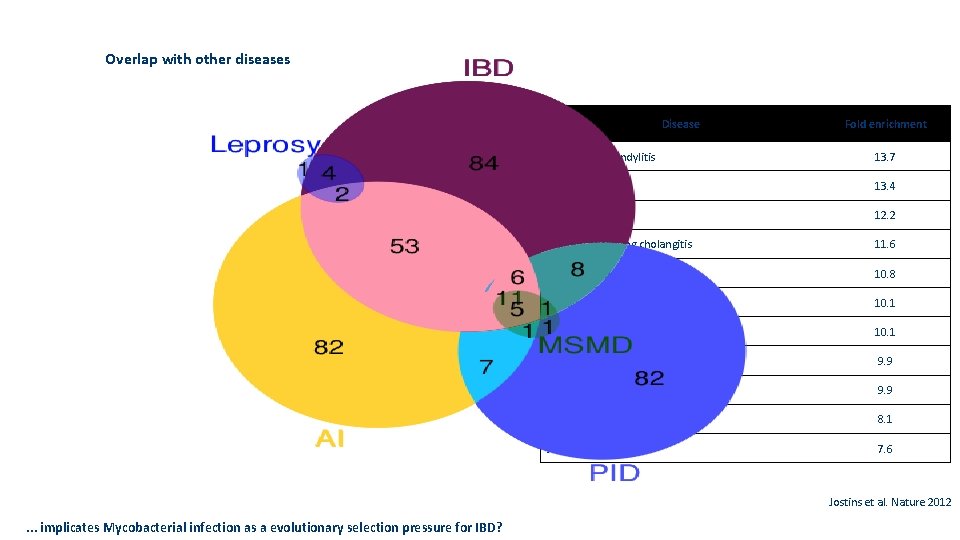
Overlap with other diseases Disease Fold enrichment Ankylosing spondylitis 13. 7 Psoriasis 13. 4 Atopic dermatitis 12. 2 Primary sclerosing cholangitis 11. 6 Primary biliary cirrhosis 10. 8 Rheumatoid arthritis 10. 1 Celiac disease 10. 1 Type 1 diabetes 9. 9 Systemic lupus erythematosus 9. 9 Multiple sclerosis 8. 1 Asthma 7. 6 Jostins et al. Nature 2012 . . . implicates Mycobacterial infection as a evolutionary selection pressure for IBD?
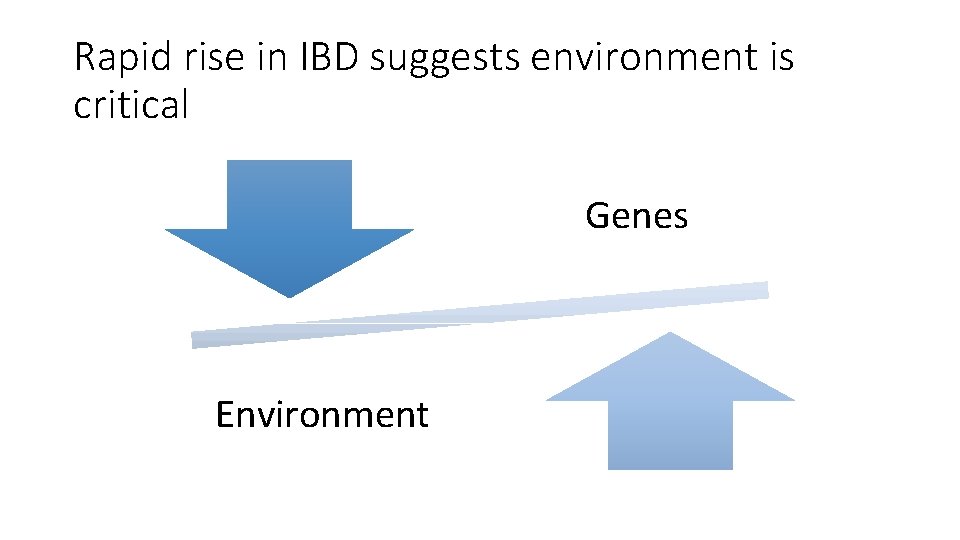
Rapid rise in IBD suggests environment is critical Genes Environment
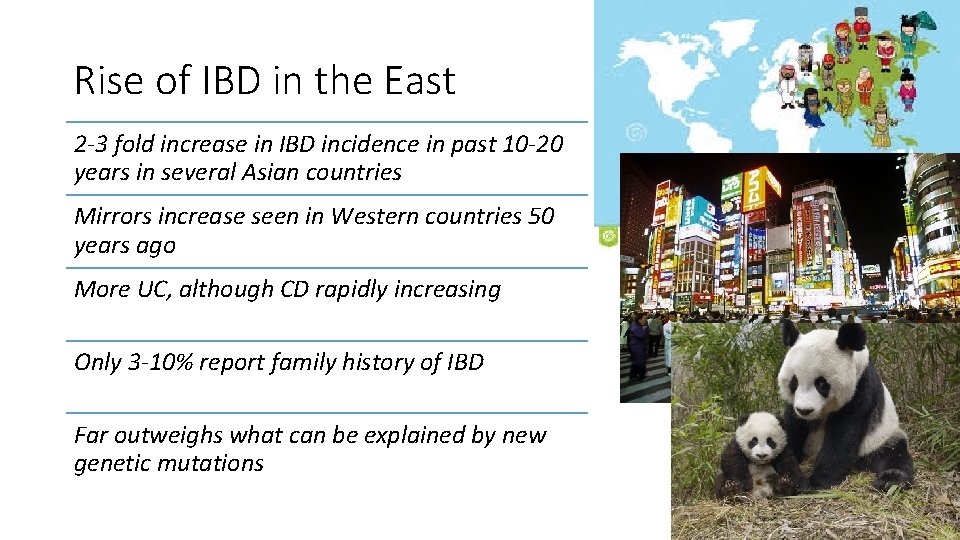
Rise of IBD in the East 2 -3 fold increase in IBD incidence in past 10 -20 years in several Asian countries Mirrors increase seen in Western countries 50 years ago More UC, although CD rapidly increasing Only 3 -10% report family history of IBD Far outweighs what can be explained by new genetic mutations
Migration studies Higher rates of IBD in Asians in Western Europe, Australia, Northern America Second generation Asian migrants in Leicestershire had UC rates comparable to Caucasian British Disease is as if not more severe, more likely to affect men, and less likely to affect outside the gut
Why the increase in Asia Westernisation of lifestyle • Diet • Hygiene • Infection
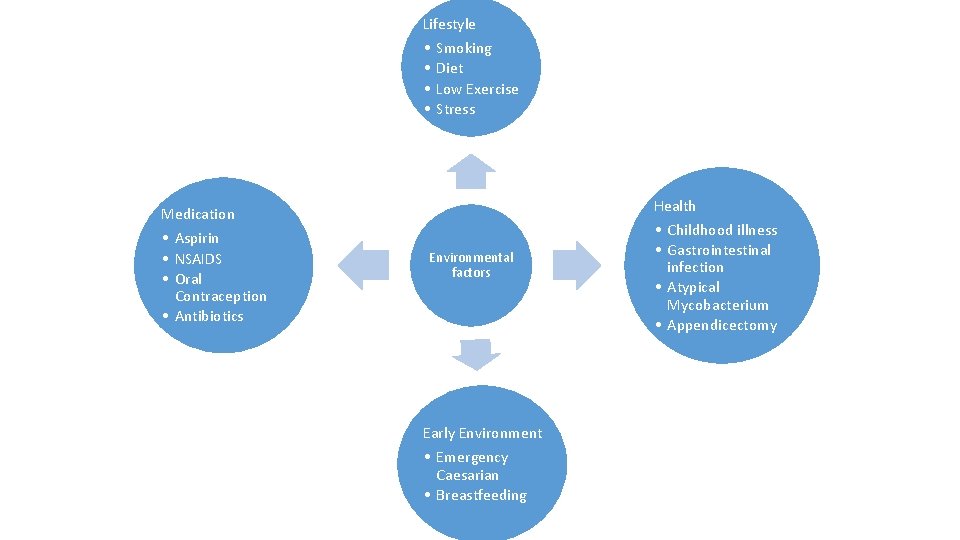
Lifestyle • • Medication • Aspirin • NSAIDS • Oral Contraception • Antibiotics Smoking Diet Low Exercise Stress Environmental factors Early Environment • Emergency Caesarian • Breastfeeding Health • Childhood illness • Gastrointestinal infection • Atypical Mycobacterium • Appendicectomy
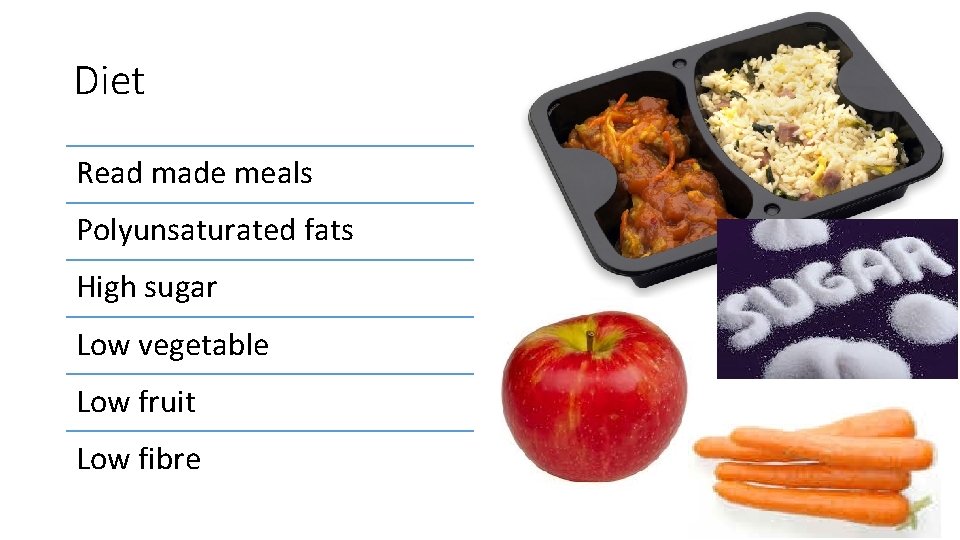
Diet Read made meals Polyunsaturated fats High sugar Low vegetable Low fruit Low fibre
Problems interpreting data on environmental factors Correlation not cause and effect Results vary between studies Each factor conveys a relatively modest risk Risk factors often not avoidable Important to avoid guilt or blame
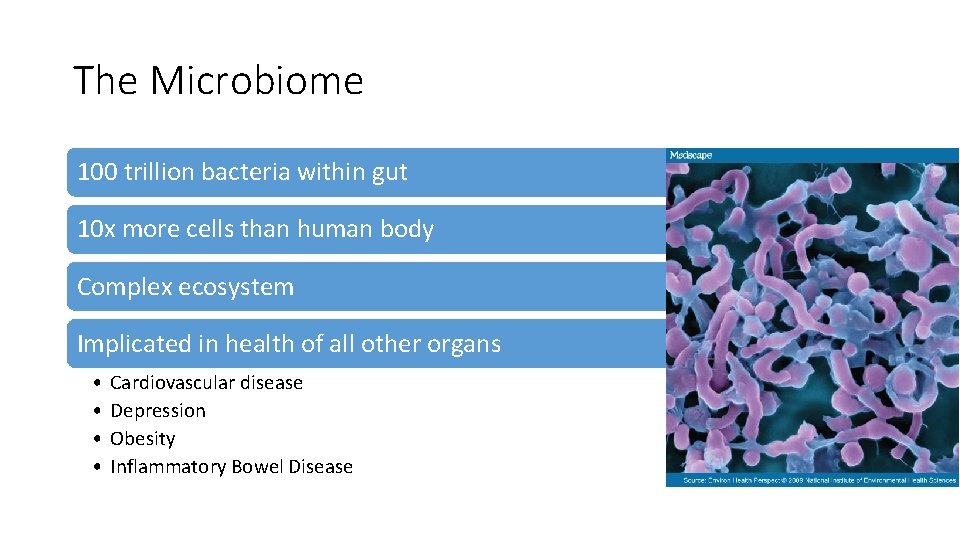
The Microbiome 100 trillion bacteria within gut 10 x more cells than human body Complex ecosystem Implicated in health of all other organs • • Cardiovascular disease Depression Obesity Inflammatory Bowel Disease
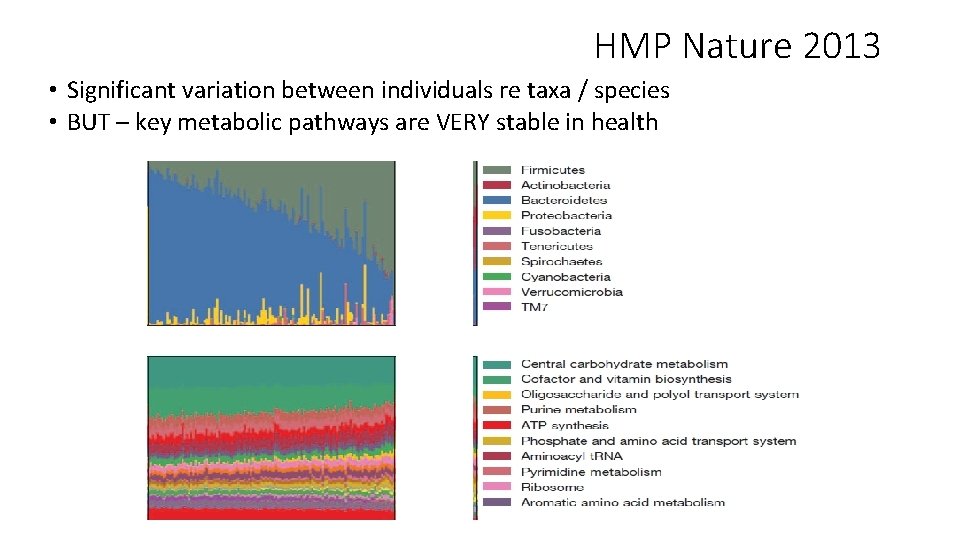
HMP Nature 2013 • Significant variation between individuals re taxa / species • BUT – key metabolic pathways are VERY stable in health
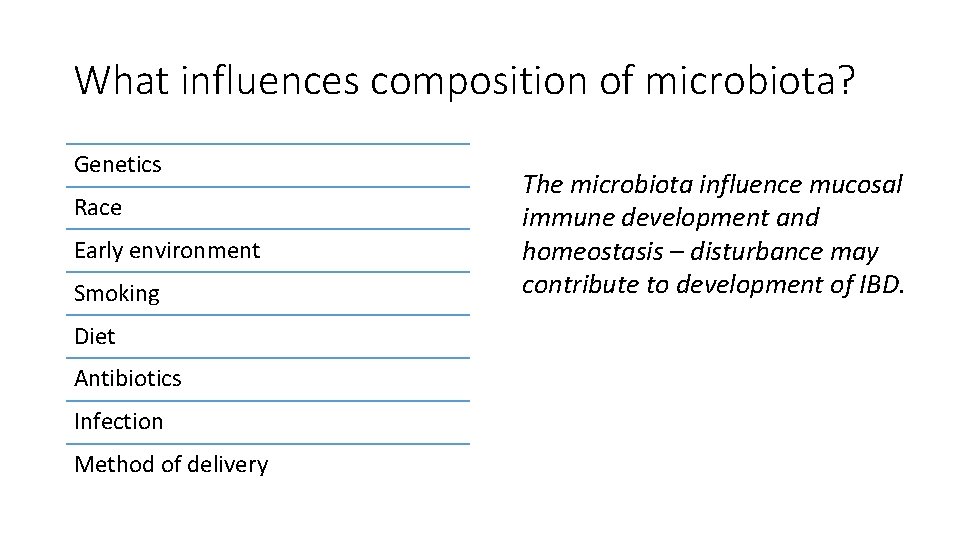
What influences composition of microbiota? Genetics Race Early environment Smoking Diet Antibiotics Infection Method of delivery The microbiota influence mucosal immune development and homeostasis – disturbance may contribute to development of IBD.
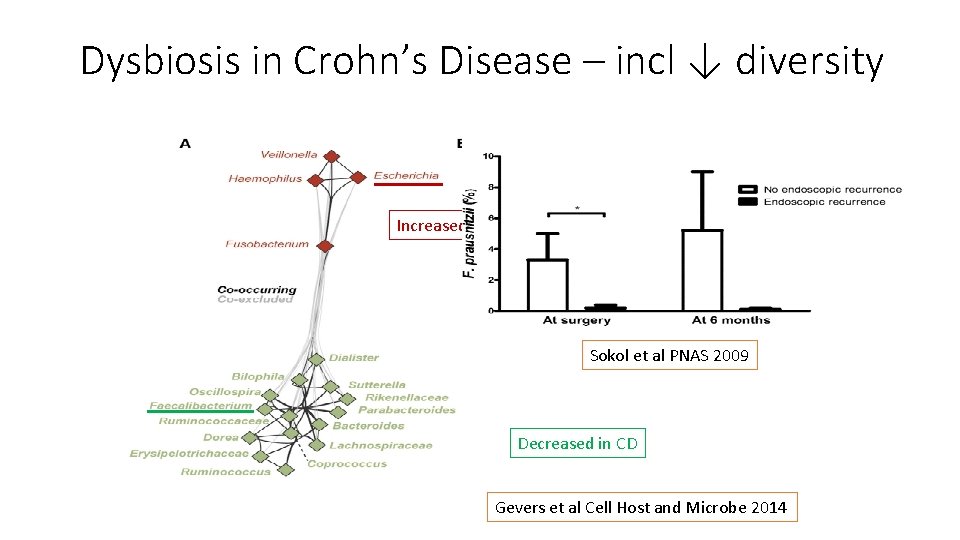
Dysbiosis in Crohn’s Disease – incl ↓ diversity Increased in CD Sokol et al PNAS 2009 Decreased in CD Gevers et al Cell Host and Microbe 2014
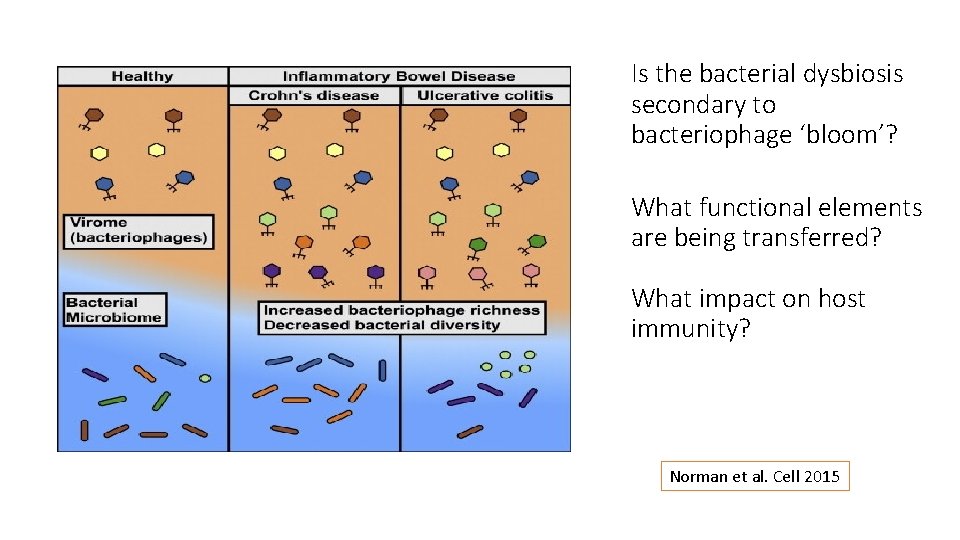
Is the bacterial dysbiosis secondary to bacteriophage ‘bloom’? What functional elements are being transferred? What impact on host immunity? Norman et al. Cell 2015
The Microbiota and IBD • Unclear whether changes happen before or after disease develops • Cause or correlation?
Can we change the microbiota? • Yes! • Dietary change from vegan to exclusively meat and dairy changes microbiota substantially in days • Some changes associated with meat diet were same as those associated with IBD • Smoking cessation changes microbiota • However • Once IBD has developed, prebiotics, probiotics and faecal transplant not yet shown to be a cure
Epigenetics: programmed regulation of gene expression in response to environmental factors Epigenetic changes associated with CD and UC have been found in gut biopsies and blood Twin studies underway to further investigate
Conclusion: • Anyone can get IBD • Increased risks • • Genetic susceptibility Environmental triggers Dysbiosis of microbiota Epigenetic change • Why important to understand? • Prevention • Prediction and early diagnosis • Novel targets for treatment
The Jesse and Thomas TAM Family Foundation UK IBD Genetics Consortium
- Slides: 48