
Where does your water come from Houston Water
- Slides: 17
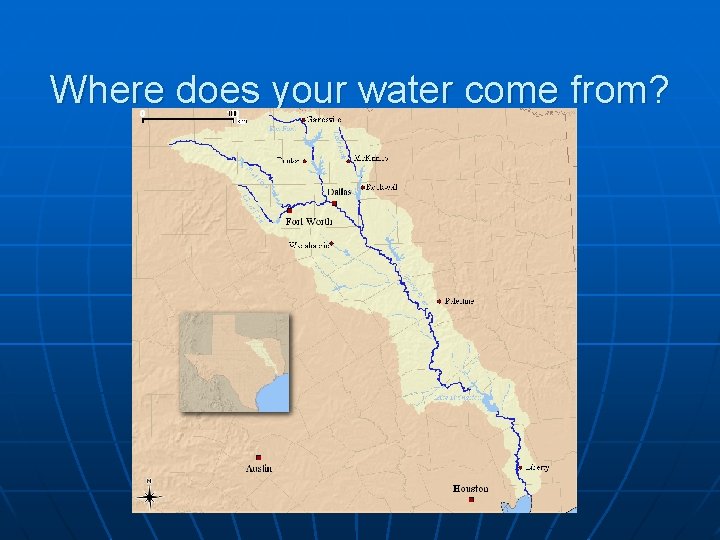
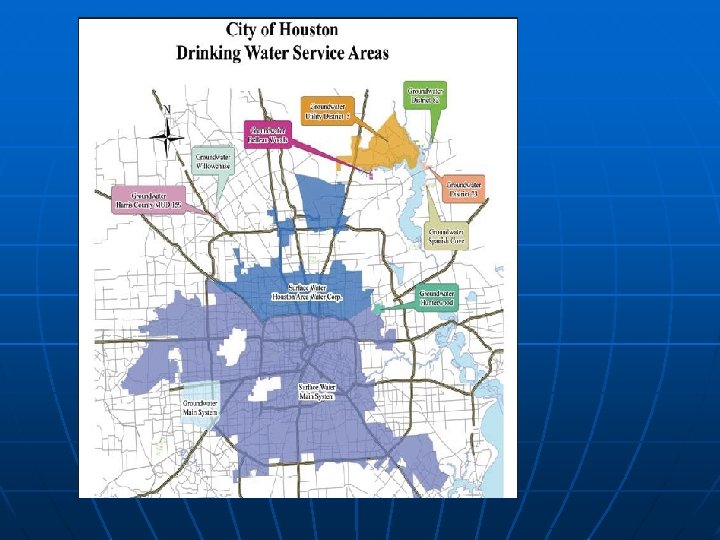
Where does your water come from?
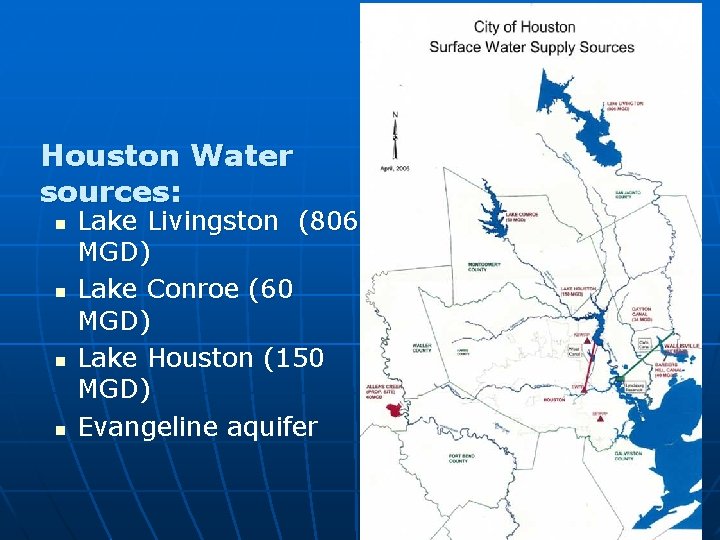
Houston Water sources: n n Lake Livingston (806 MGD) Lake Conroe (60 MGD) Lake Houston (150 MGD) Evangeline aquifer
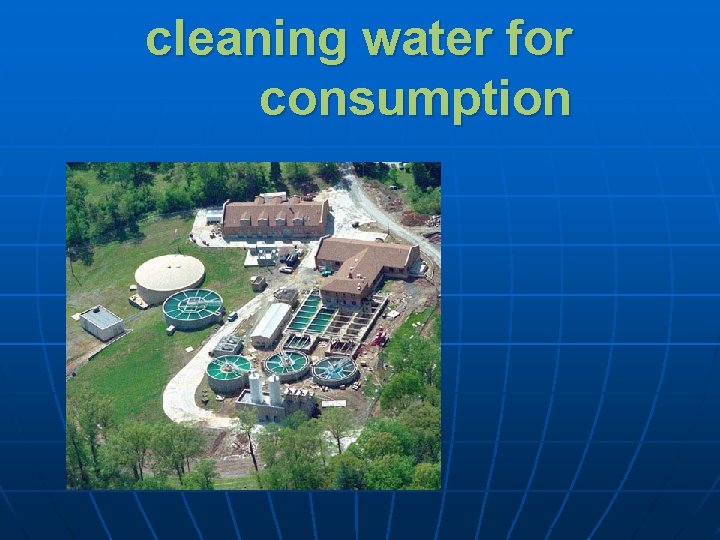
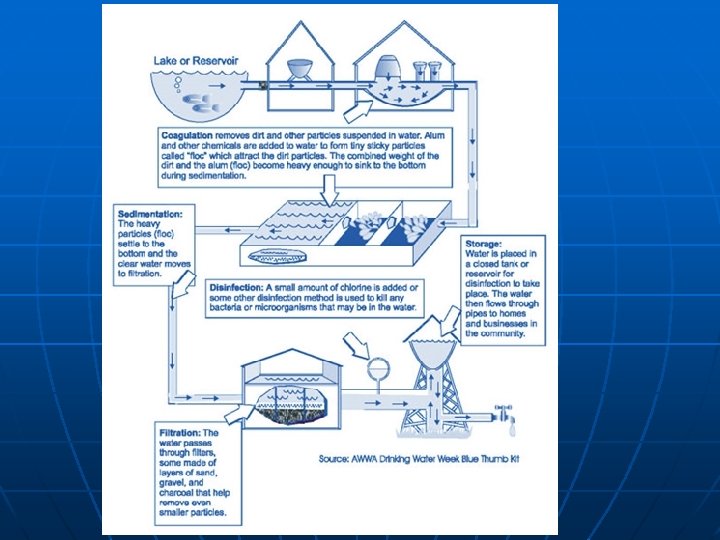
cleaning water for consumption
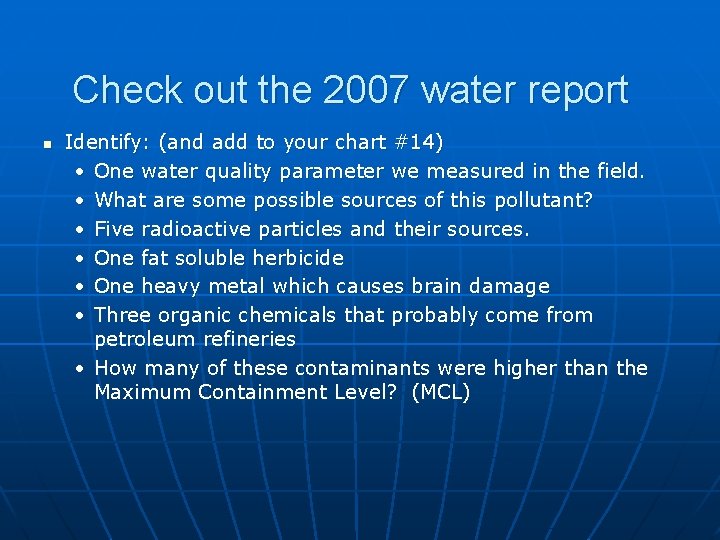
Check out the 2007 water report n Identify: (and add to your chart #14) • One water quality parameter we measured in the field. • What are some possible sources of this pollutant? • Five radioactive particles and their sources. • One fat soluble herbicide • One heavy metal which causes brain damage • Three organic chemicals that probably come from petroleum refineries • How many of these contaminants were higher than the Maximum Containment Level? (MCL)
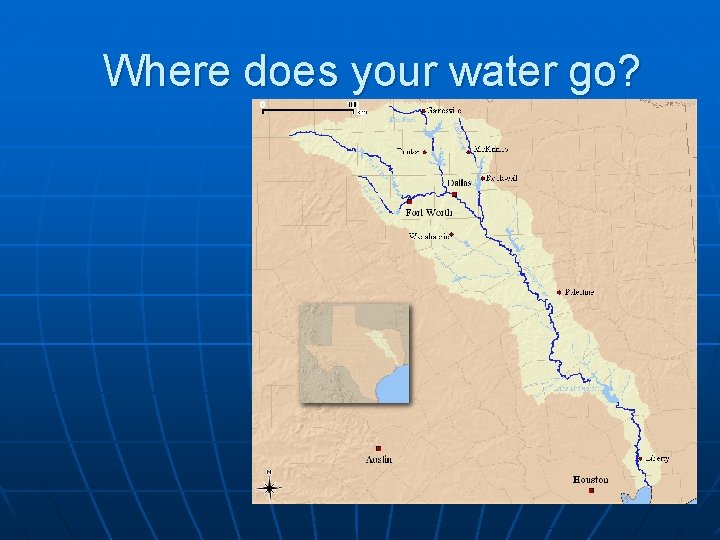
Where does your water go?
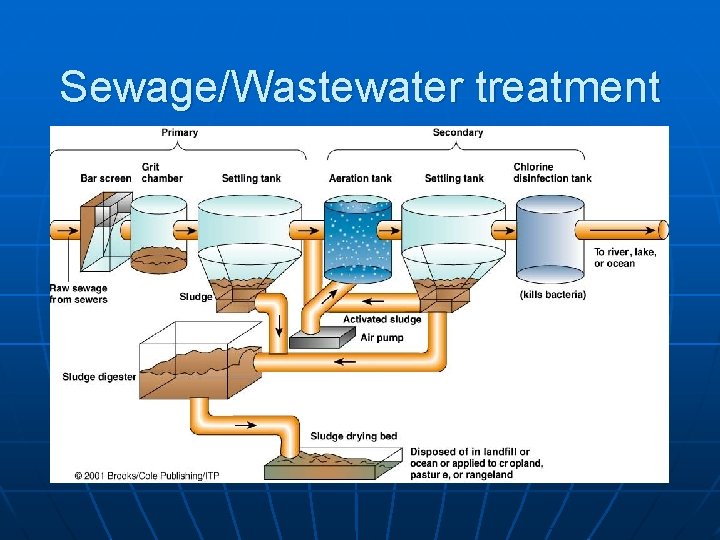
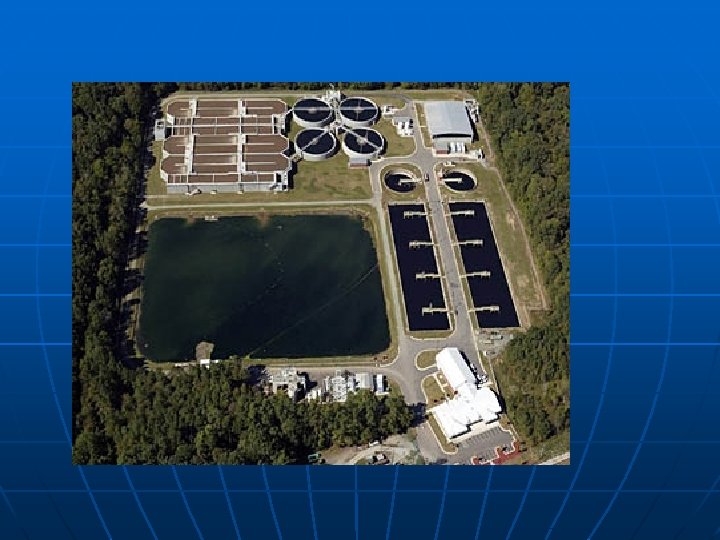
Sewage/Wastewater treatment
Tertiary Treatment Chemical methods designed to remove particular chemicals (requires a process for every different chemical) n Growing concern – pharmaceuticals in the water supply (hormones, Ritalin, antidepressants) n
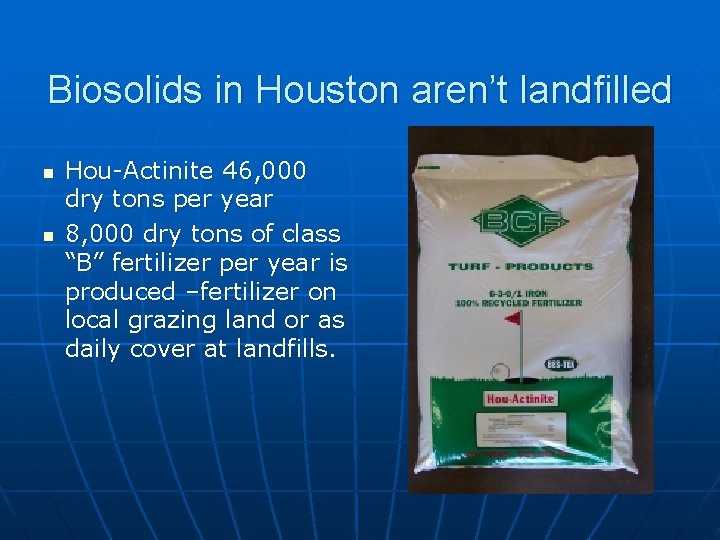
Biosolids in Houston aren’t landfilled n n Hou-Actinite 46, 000 dry tons per year 8, 000 dry tons of class “B” fertilizer per year is produced –fertilizer on local grazing land or as daily cover at landfills.
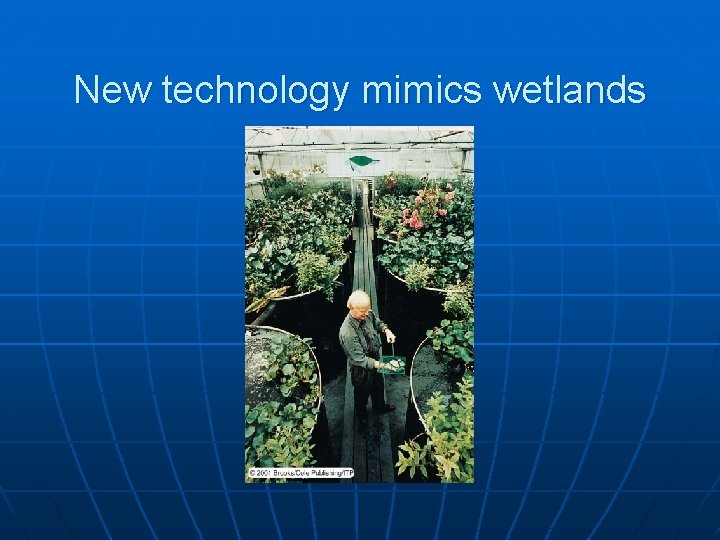
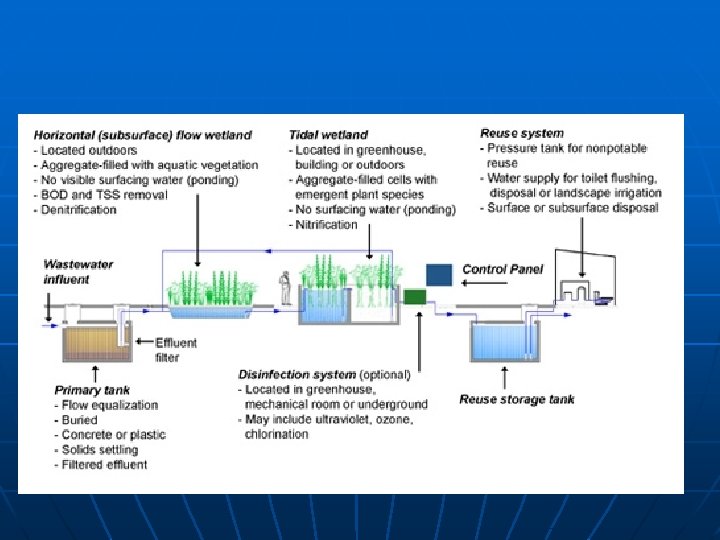
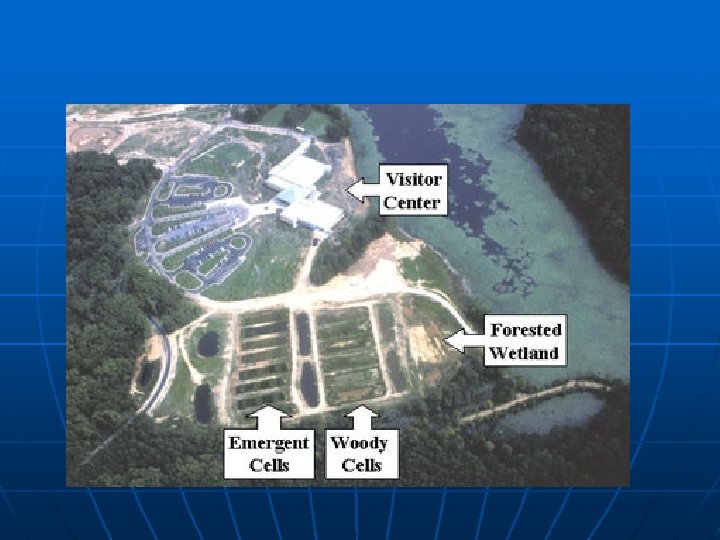
New technology mimics wetlands
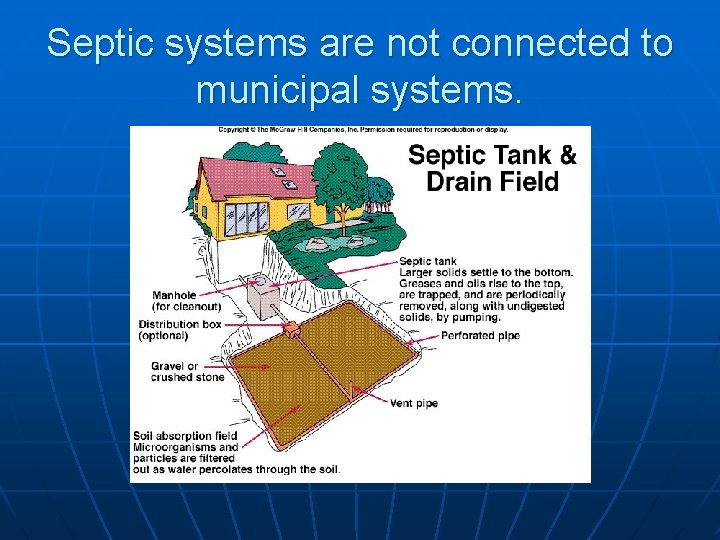
Septic systems are not connected to municipal systems.
The Civil Engineering Challenge n Build a system to clean “waste water” • Rules: n No more than 4 people in a team, but you may have fewer n Everyone in the class needs to be on a team. n You may not buy any materials – all reused or free materials n No aquarium or other commercially built filters n Equipment will be set up on Friday April 24 and resulting water will be judged on Friday May 1 n Major grade will be based on quantity of water produced, quality of water (p. H, odor, color), and structural integrity.