
Where does water come from Origin of the
- Slides: 36
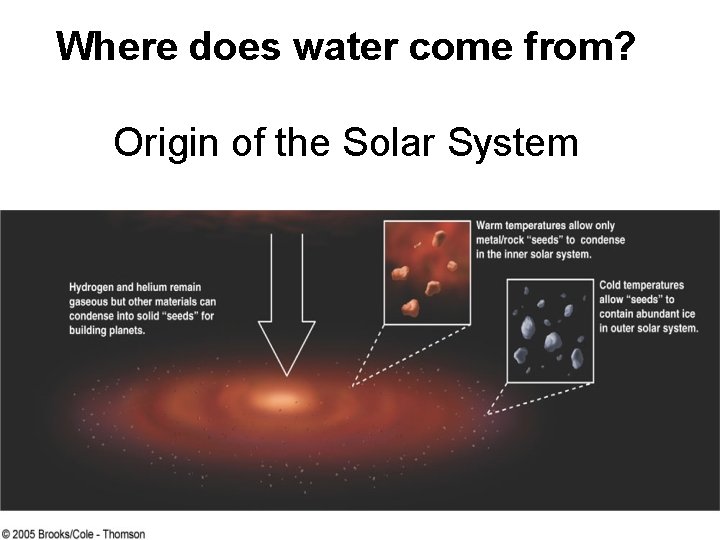
Where does water come from? Origin of the Solar System
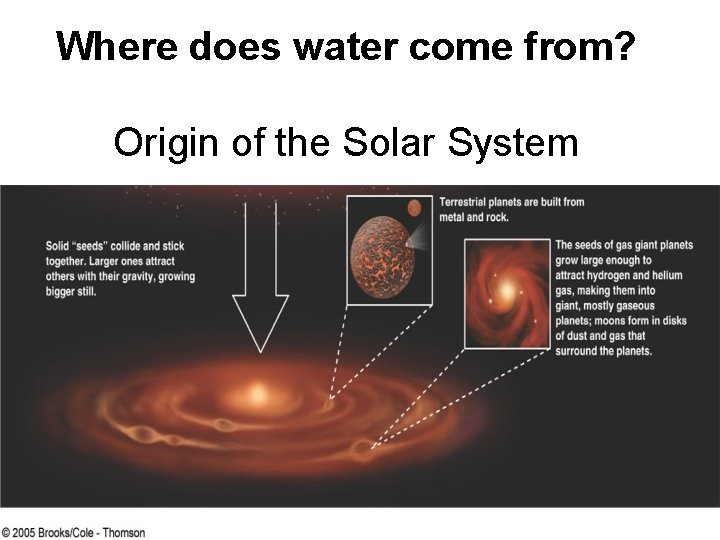
Where does water come from? Origin of the Solar System
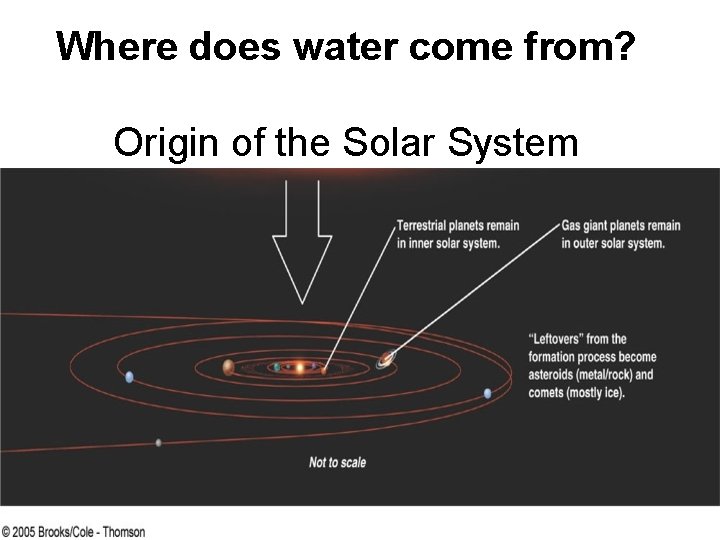
Where does water come from? Origin of the Solar System
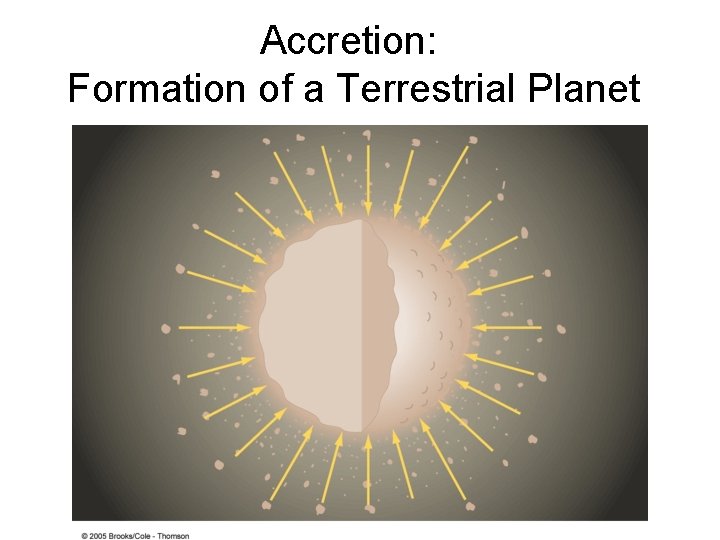
Accretion: Formation of a Terrestrial Planet
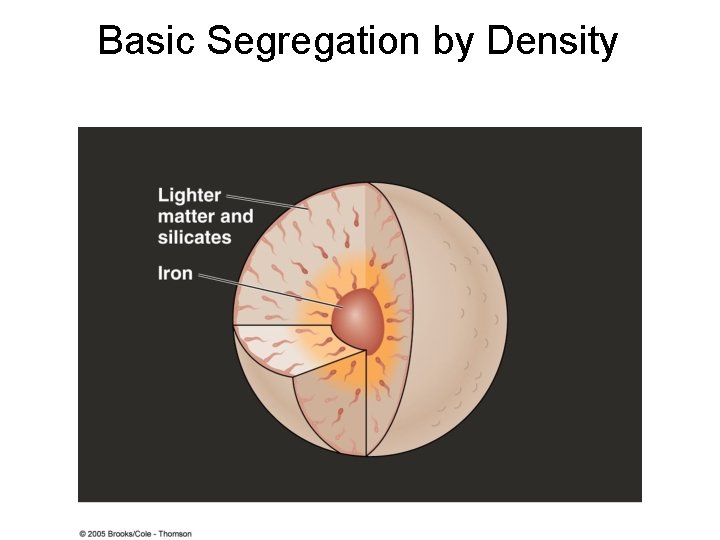
Basic Segregation by Density
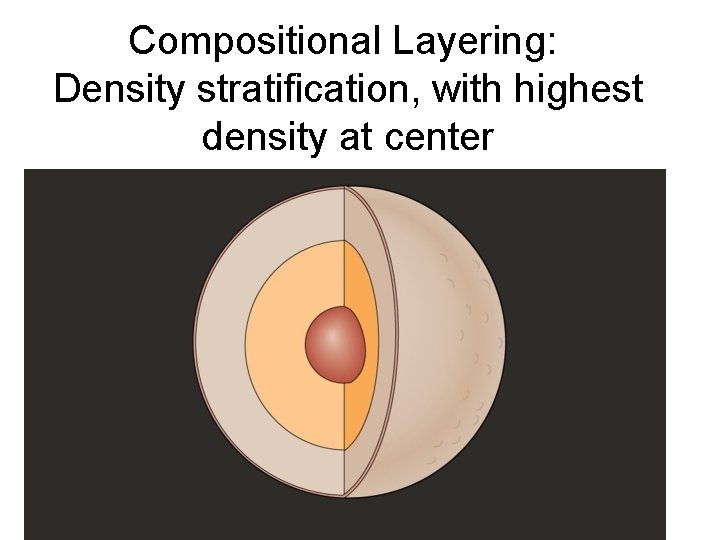
Compositional Layering: Density stratification, with highest density at center
Water: Refractory substances condense at higher temperature, form inner (terrestrial) planets. These are formed mainly from Fe, Si, Mg, Al bound to O. Planetary accretion generated heat, causing melting and density stratification. Outgassing of trapped volatiles in Earth during and after main accretion process formed oceans. Considerable water (and other volatiles) still remain in mantle.
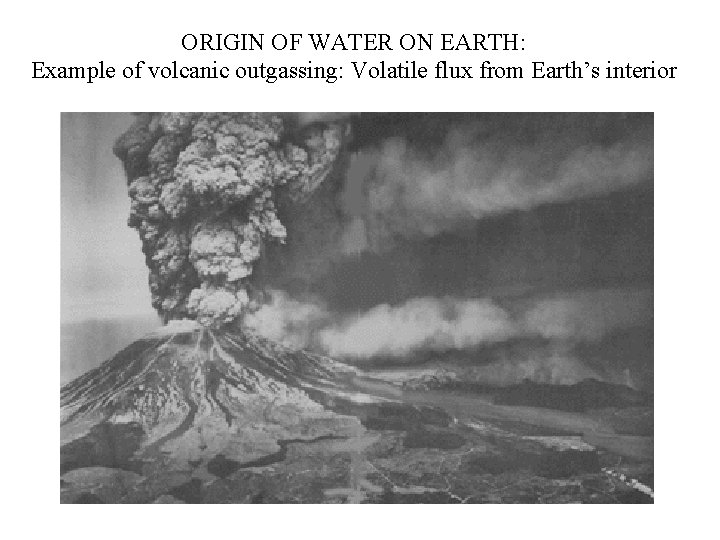
ORIGIN OF WATER ON EARTH: Example of volcanic outgassing: Volatile flux from Earth’s interior
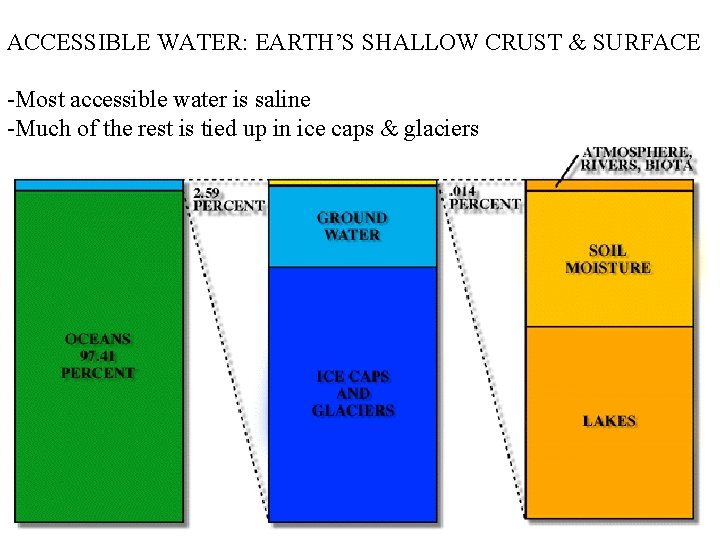
ACCESSIBLE WATER: EARTH’S SHALLOW CRUST & SURFACE -Most accessible water is saline -Much of the rest is tied up in ice caps & glaciers
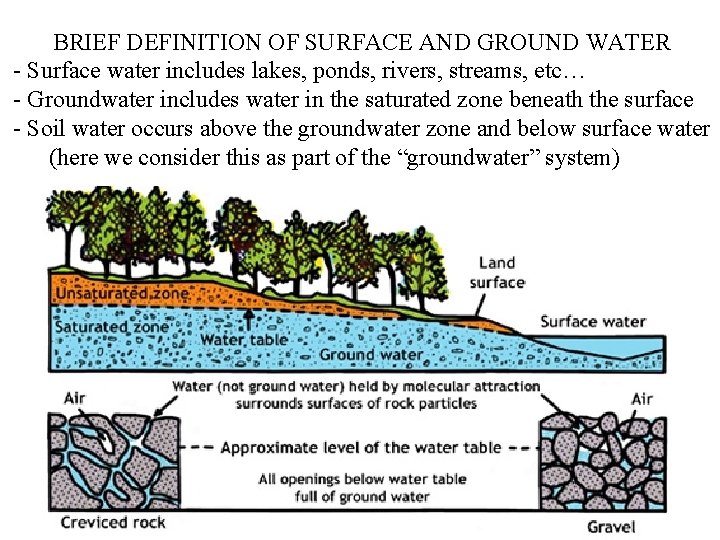
BRIEF DEFINITION OF SURFACE AND GROUND WATER - Surface water includes lakes, ponds, rivers, streams, etc… - Groundwater includes water in the saturated zone beneath the surface - Soil water occurs above the groundwater zone and below surface water (here we consider this as part of the “groundwater” system)
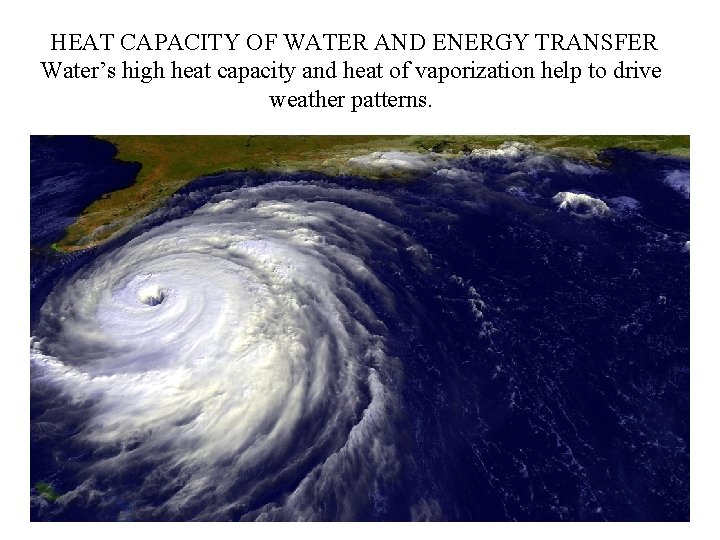
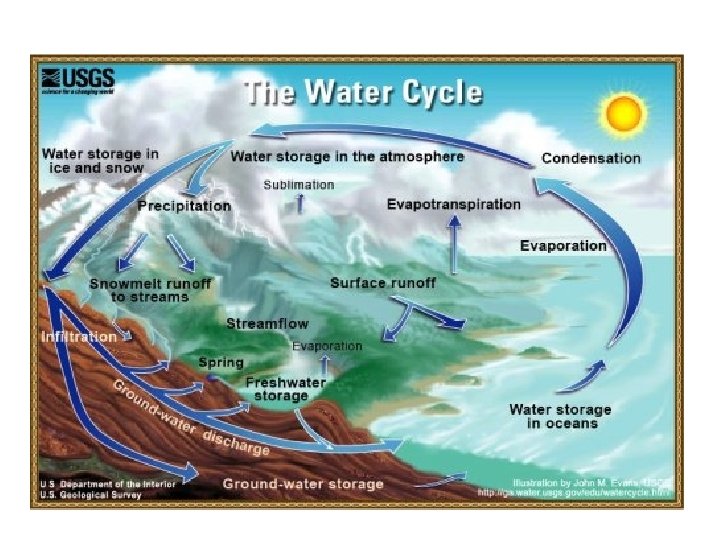
HEAT CAPACITY OF WATER AND ENERGY TRANSFER Water’s high heat capacity and heat of vaporization help to drive weather patterns.
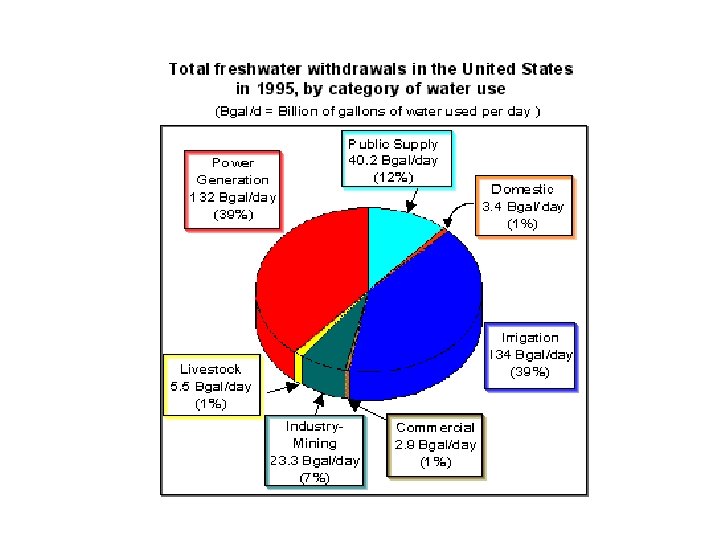
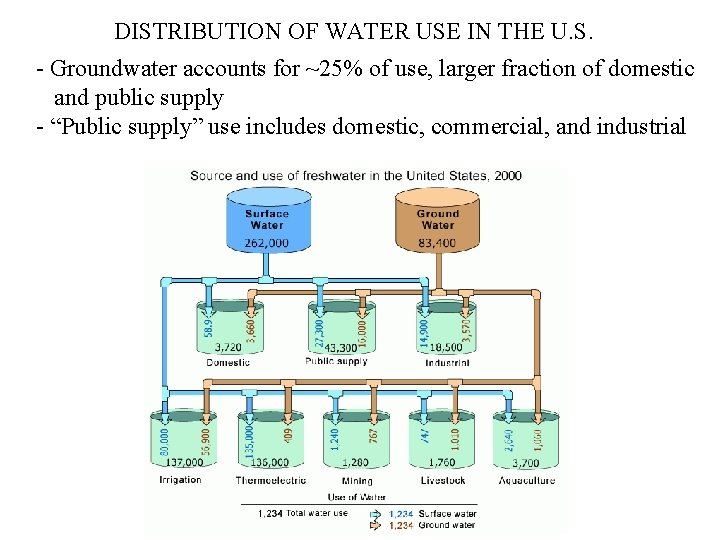
DISTRIBUTION OF WATER USE IN THE U. S. - Groundwater accounts for ~25% of use, larger fraction of domestic and public supply - “Public supply” use includes domestic, commercial, and industrial
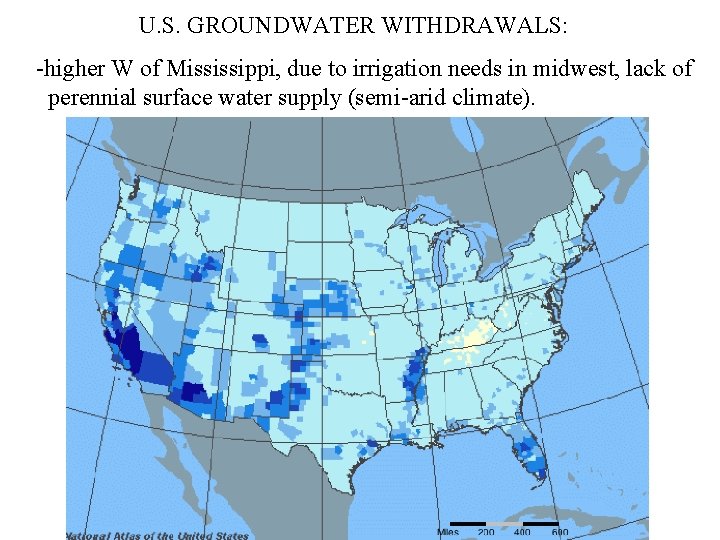
U. S. GROUNDWATER WITHDRAWALS: -higher W of Mississippi, due to irrigation needs in midwest, lack of perennial surface water supply (semi-arid climate).
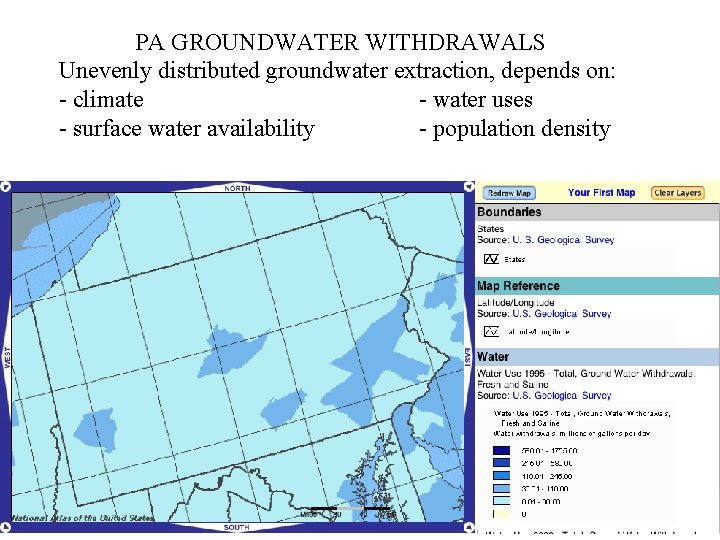
PA GROUNDWATER WITHDRAWALS Unevenly distributed groundwater extraction, depends on: - climate - water uses - surface water availability - population density
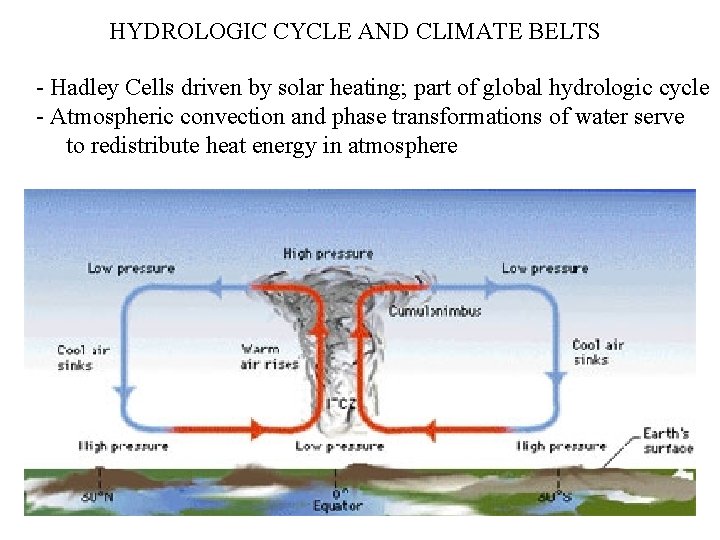
HYDROLOGIC CYCLE AND CLIMATE BELTS - Hadley Cells driven by solar heating; part of global hydrologic cycle - Atmospheric convection and phase transformations of water serve to redistribute heat energy in atmosphere
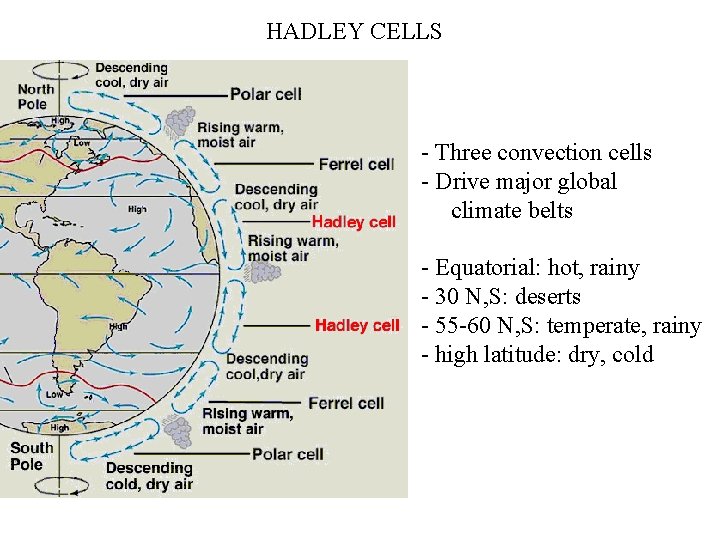
HADLEY CELLS - Three convection cells - Drive major global climate belts - Equatorial: hot, rainy - 30 N, S: deserts - 55 -60 N, S: temperate, rainy - high latitude: dry, cold
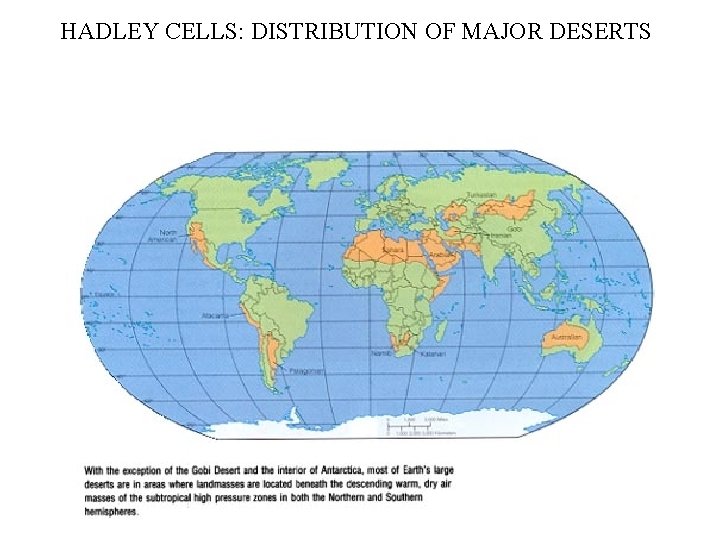
HADLEY CELLS: DISTRIBUTION OF MAJOR DESERTS
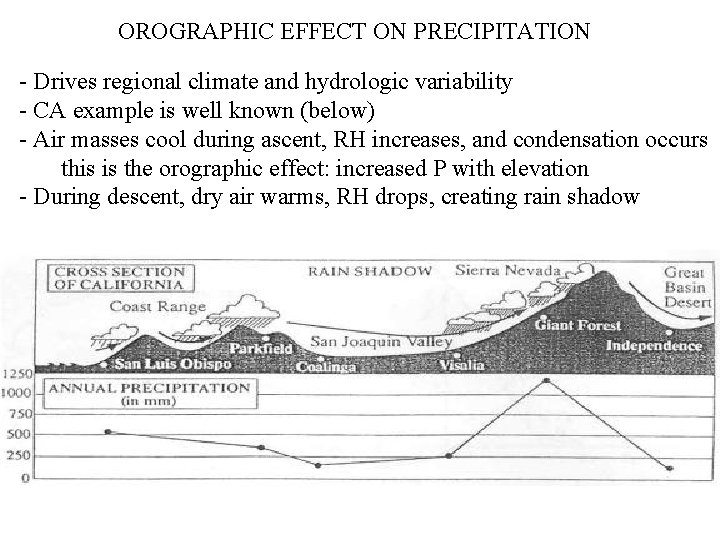
OROGRAPHIC EFFECT ON PRECIPITATION - Drives regional climate and hydrologic variability - CA example is well known (below) - Air masses cool during ascent, RH increases, and condensation occurs this is the orographic effect: increased P with elevation - During descent, dry air warms, RH drops, creating rain shadow
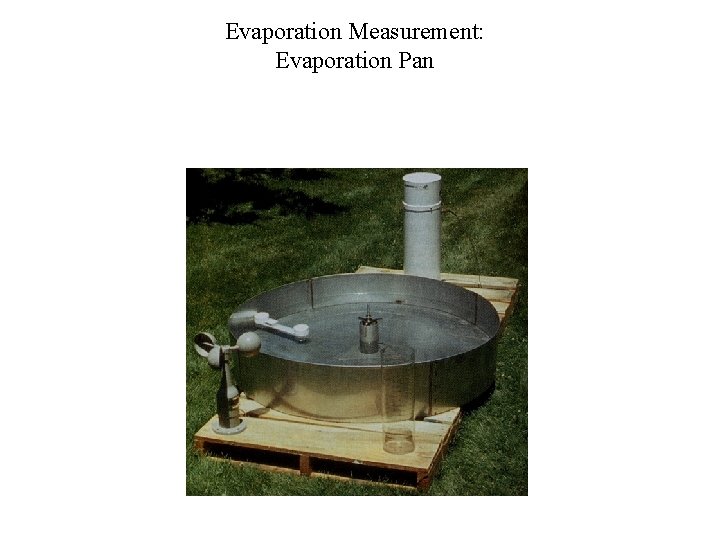
Evaporation Measurement: Evaporation Pan
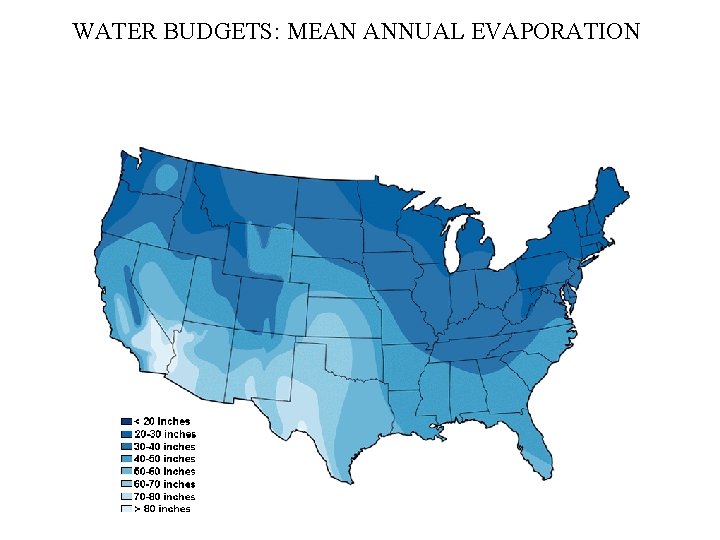
WATER BUDGETS: MEAN ANNUAL EVAPORATION
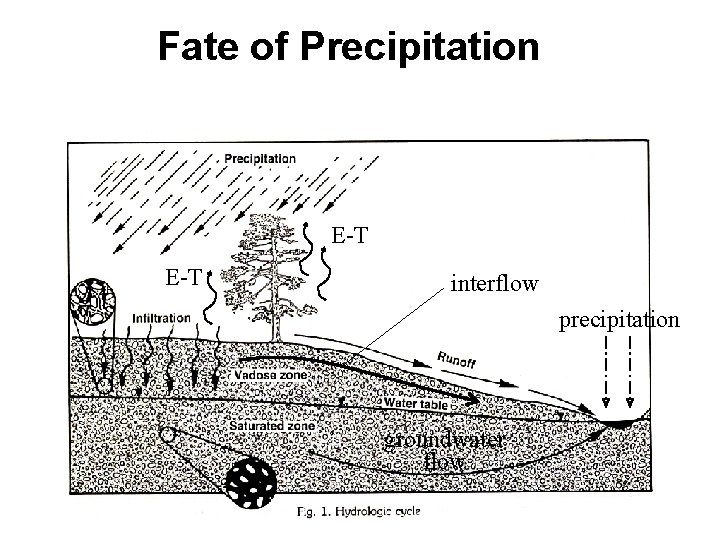
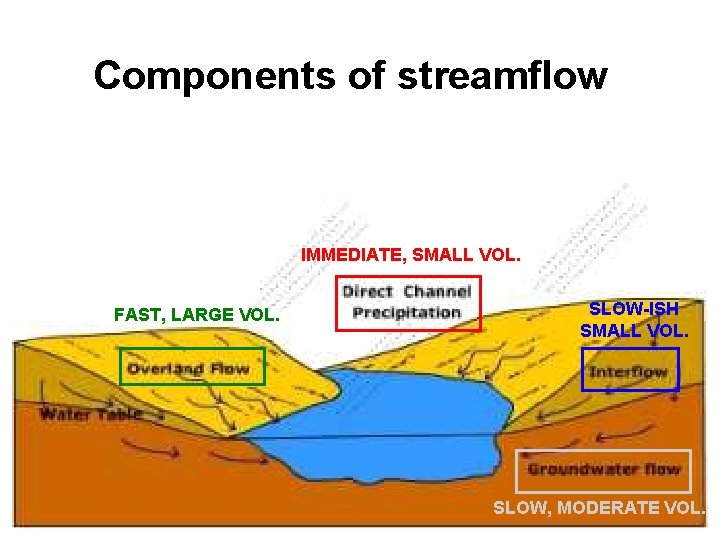
Fate of Precipitation E-T interflow precipitation groundwater flow
Components of streamflow IMMEDIATE, SMALL VOL. FAST, LARGE VOL. SLOW-ISH SMALL VOL. SLOW, MODERATE VOL.
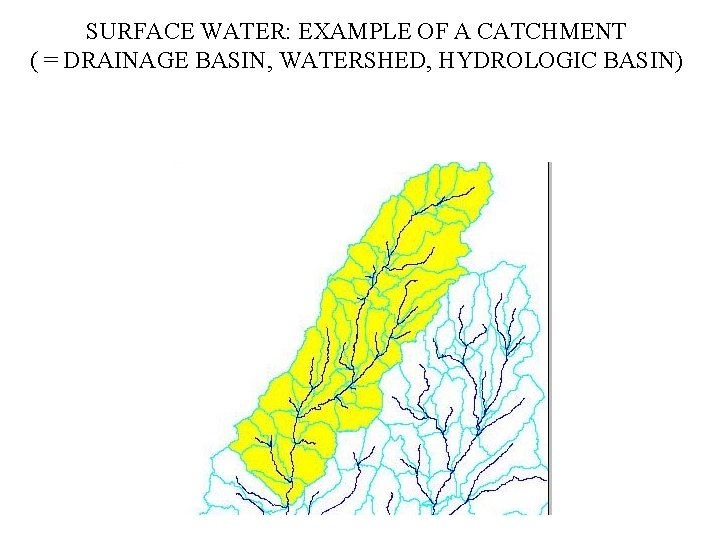
SURFACE WATER: EXAMPLE OF A CATCHMENT ( = DRAINAGE BASIN, WATERSHED, HYDROLOGIC BASIN)
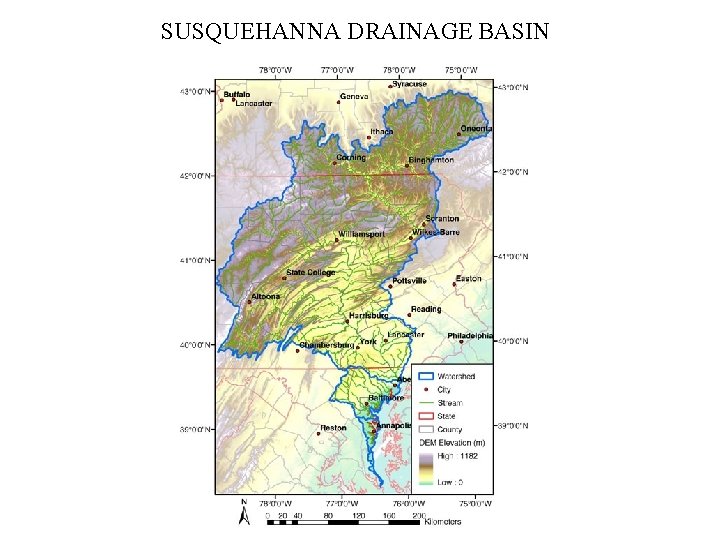
SUSQUEHANNA DRAINAGE BASIN
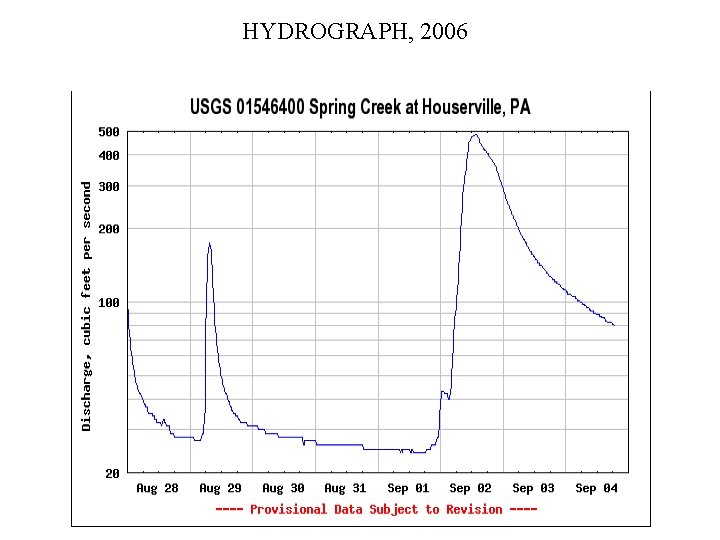
HYDROGRAPH, 2006
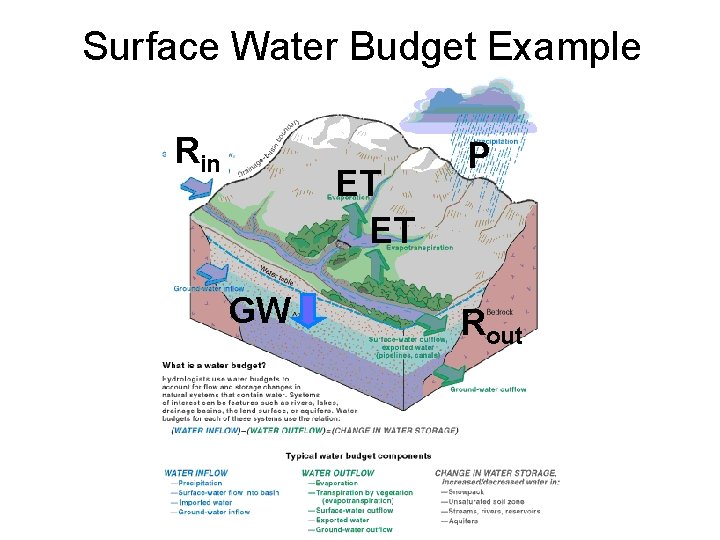
Surface Water Budget Example Rin ET ET GW P Rout
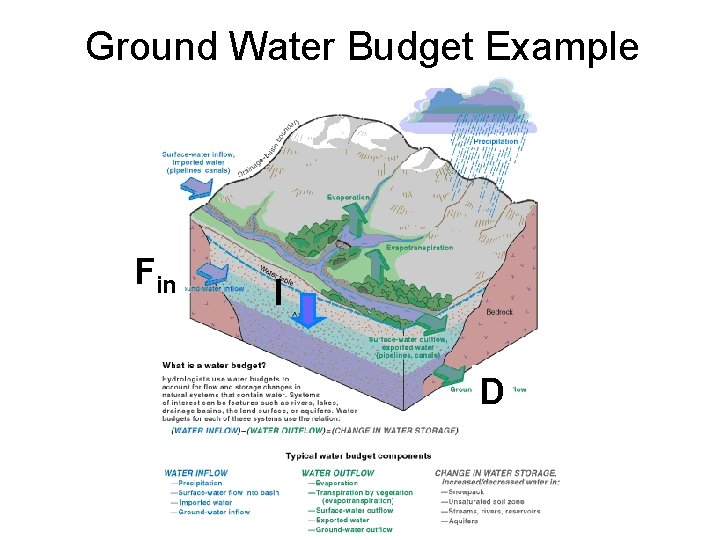
Ground Water Budget Example Fin I D
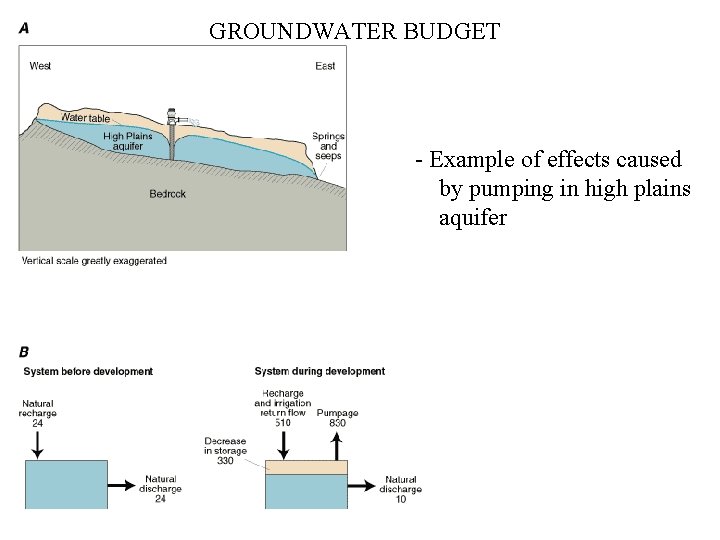
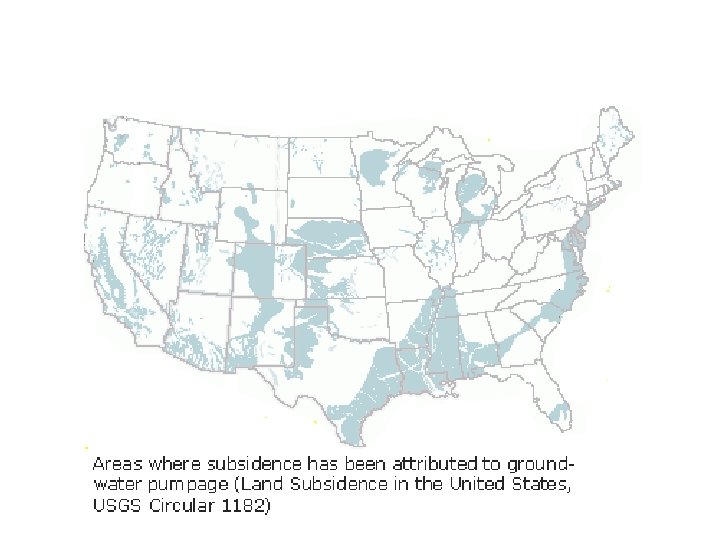
GROUNDWATER BUDGET - Example of effects caused by pumping in high plains aquifer
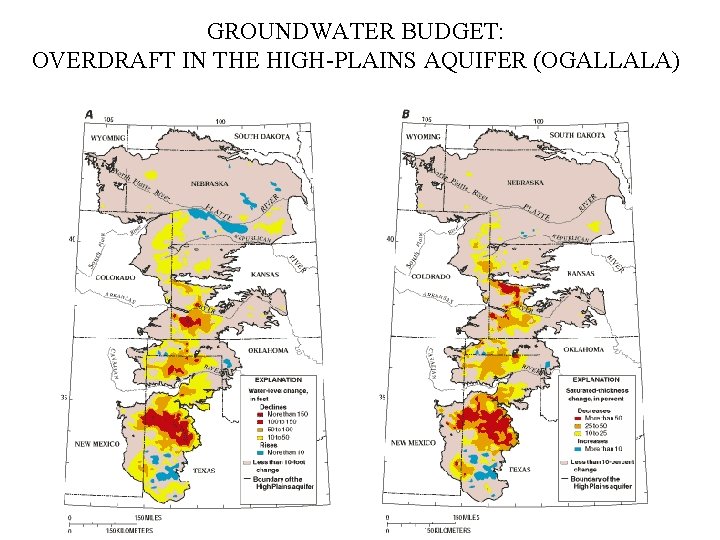
GROUNDWATER BUDGET: OVERDRAFT IN THE HIGH-PLAINS AQUIFER (OGALLALA)
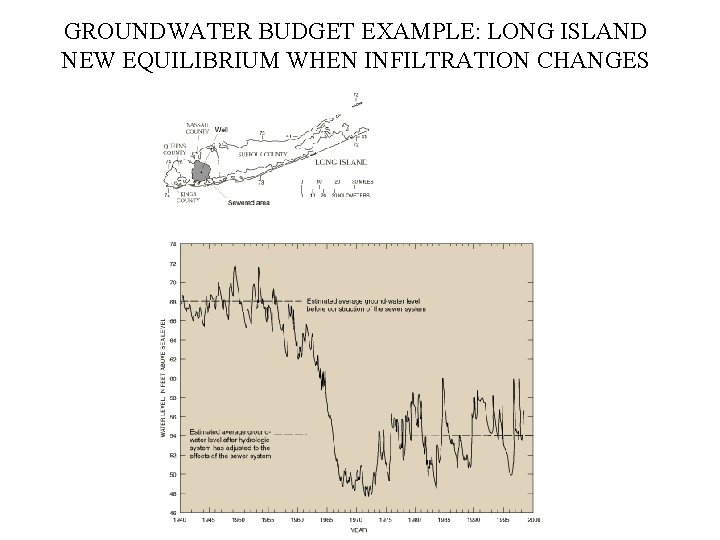
GROUNDWATER BUDGET EXAMPLE: LONG ISLAND NEW EQUILIBRIUM WHEN INFILTRATION CHANGES
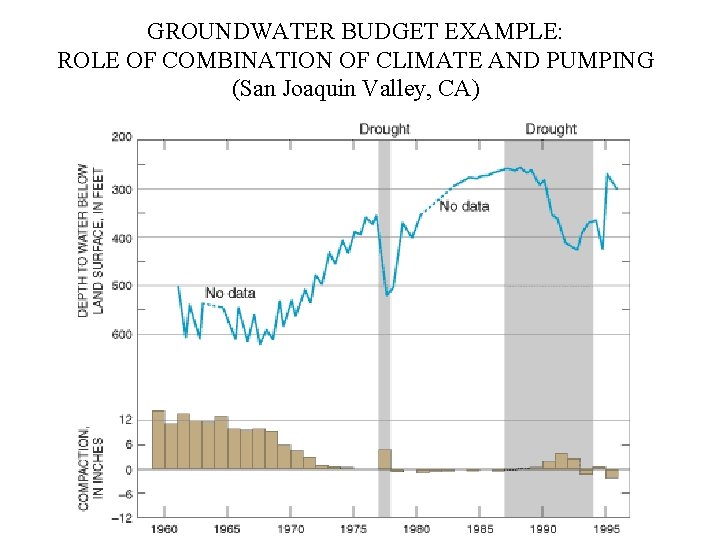
GROUNDWATER BUDGET EXAMPLE: ROLE OF COMBINATION OF CLIMATE AND PUMPING (San Joaquin Valley, CA)
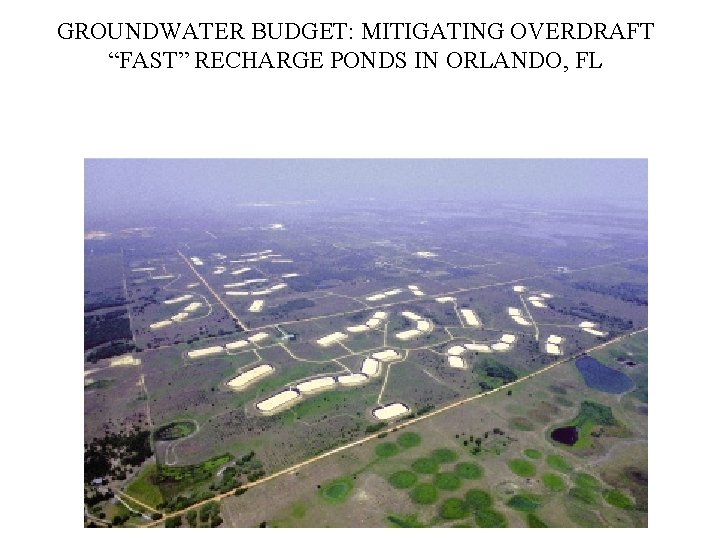
GROUNDWATER BUDGET: MITIGATING OVERDRAFT “FAST” RECHARGE PONDS IN ORLANDO, FL