
Where are we SituationSW OT Analysis Strategic Planning
- Slides: 48
Where are we?
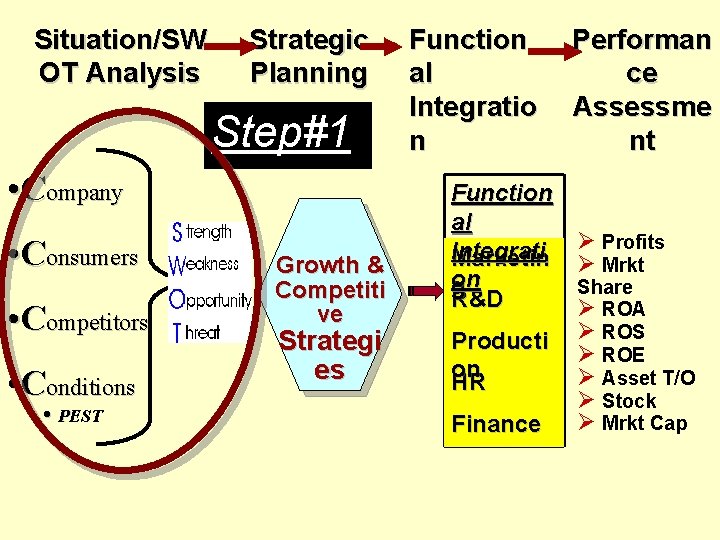
Situation/SW OT Analysis Strategic Planning Step#1 • Company • Consumers • Competitors • Conditions • PEST Growth & Competiti ve Strategi es Function al Integratio n Function al Integrati Marketin on g R&D Producti on HR Finance Performan ce Assessme nt Ø Profits Ø Mrkt Share Ø ROA Ø ROS Ø ROE Ø Asset T/O Ø Stock Ø Mrkt Cap
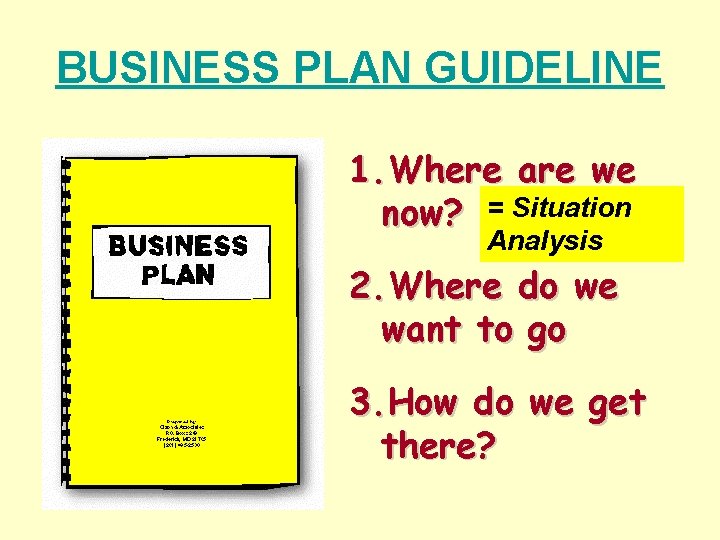
BUSINESS PLAN GUIDELINE 1. Where are we now? = Situation Analysis 2. Where do we want to go 3. How do we get there?
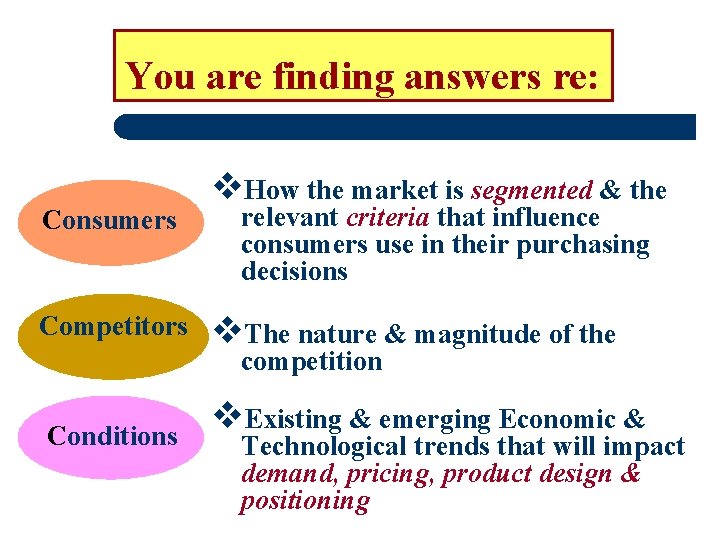
You are finding answers re: Consumers Competitors v. How the market is segmented & the relevant criteria that influence consumers use in their purchasing decisions v. The nature & magnitude of the competition Conditions v. Existing & emerging Economic & Technological trends that will impact demand, pricing, product design & positioning
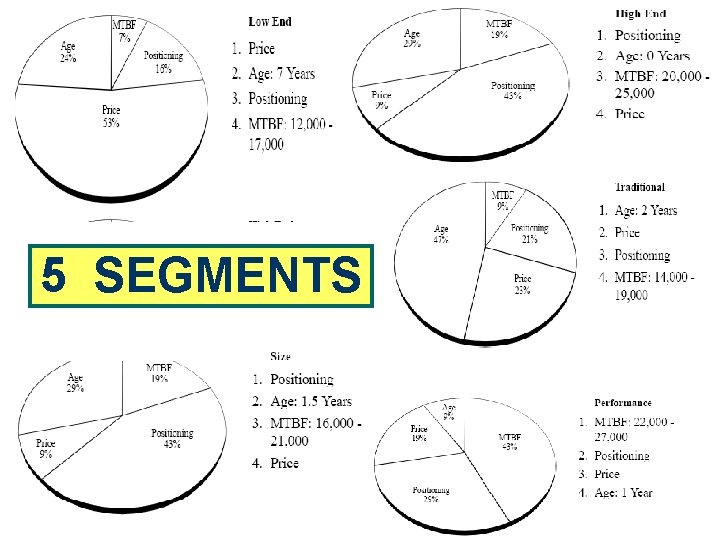
5 SEGMENTS
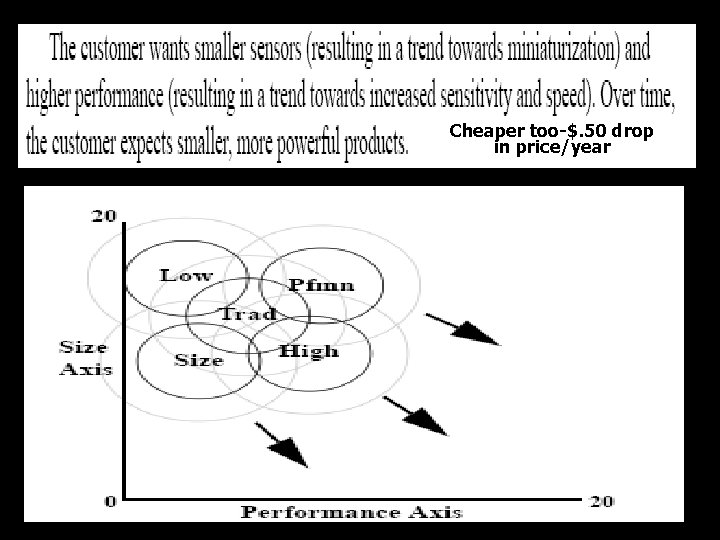
Cheaper too-$. 50 drop in price/year
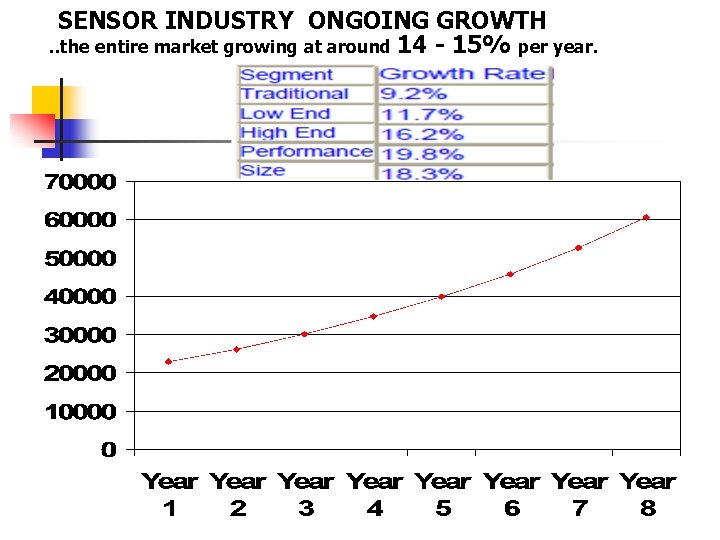
SENSOR INDUSTRY ONGOING GROWTH. . the entire market growing at around 14 - 15% per year.
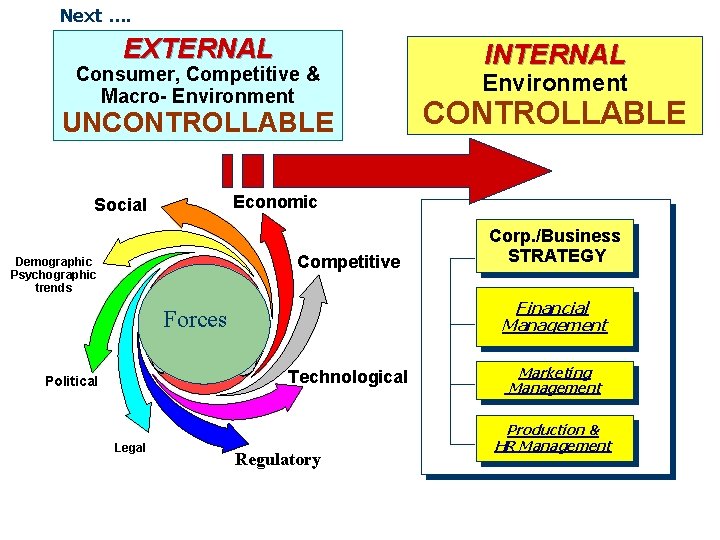
Next …. EXTERNAL Consumer, Competitive & Macro- Environment UNCONTROLLABLE Competitive Demographic Psychographic trends CONTROLLABLE Corp. /Business STRATEGY Financial Management Forces Technological Legal Environment Economic Social Political INTERNAL Regulatory Marketing Management Production & HR Management
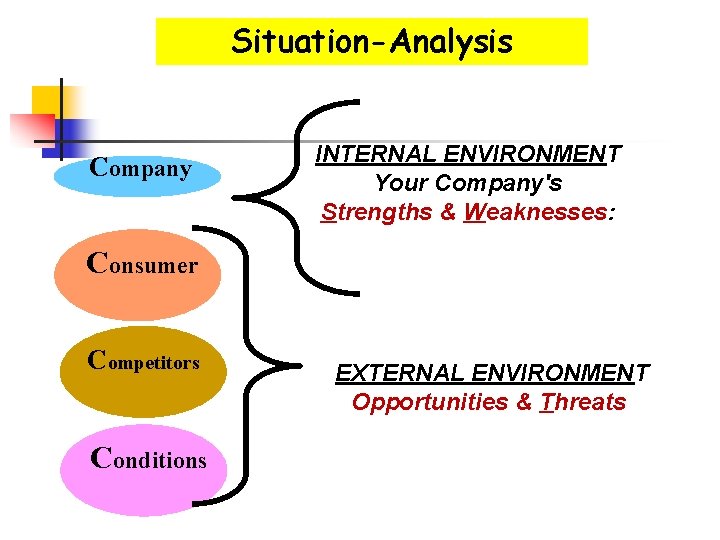
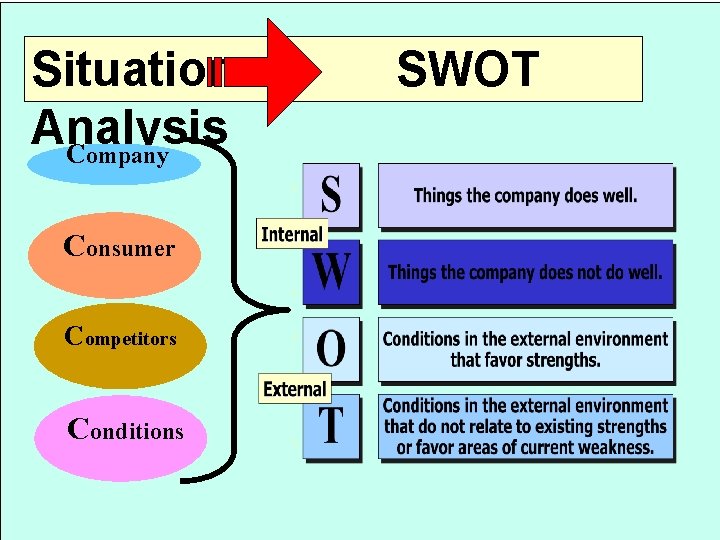
Situation-Analysis Company INTERNAL ENVIRONMENT Your Company's Strengths & Weaknesses: Consumer Competitors Conditions EXTERNAL ENVIRONMENT Opportunities & Threats
st 1 KEY Q: 1. Is what you are making any good?
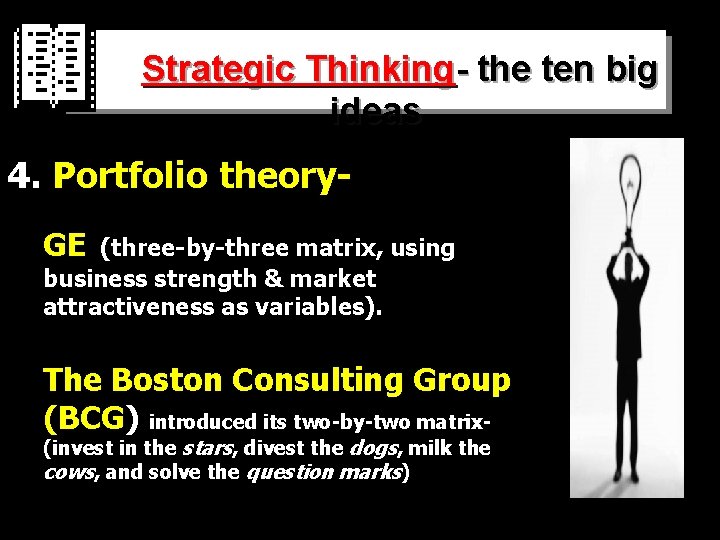
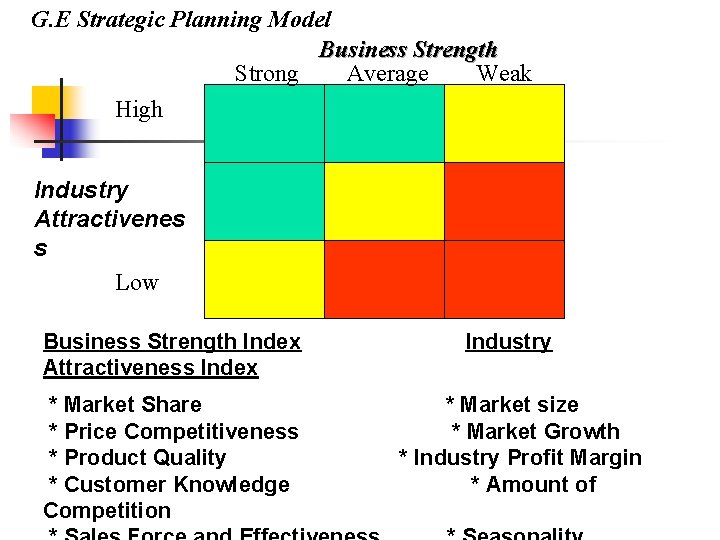
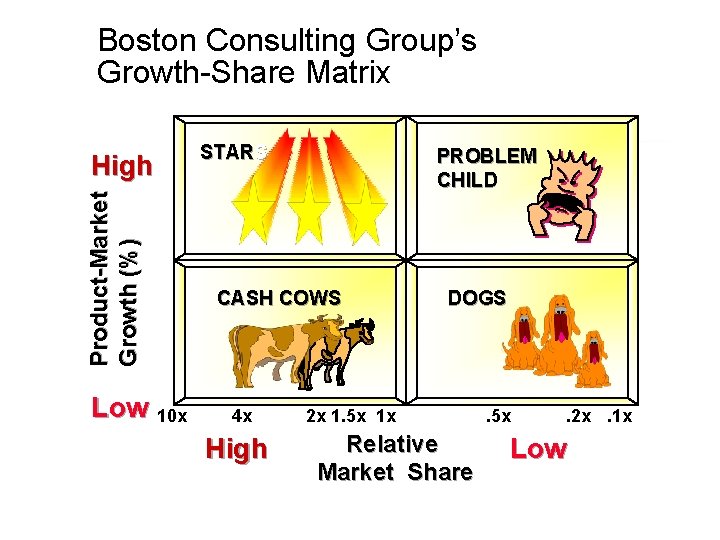
Strategic Thinking- the ten big ideas 4. Portfolio theory. GE-(three-by-three matrix, using business strength & market attractiveness as variables). The Boston Consulting Group (BCG) introduced its two-by-two matrix(invest in the stars, divest the dogs, milk the cows, and solve the question marks)
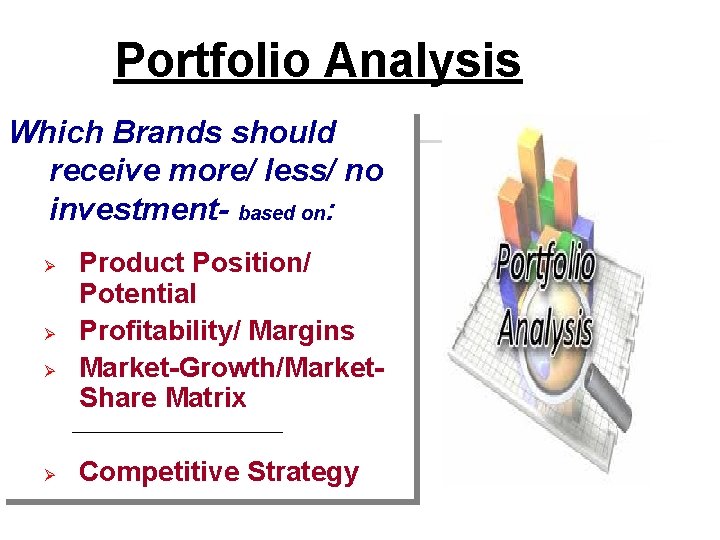
Portfolio Analysis Which Brands should receive more/ less/ no investment- based on: Ø Ø Product Position/ Potential Profitability/ Margins Market-Growth/Market. Share Matrix Competitive Strategy
G. E Strategic Planning Model Business Strength Strong Average Weak High Industry Attractivenes s Low Business Strength Index Attractiveness Index * Market Share * Price Competitiveness * Product Quality * Customer Knowledge Competition Industry * Market size * Market Growth * Industry Profit Margin * Amount of
Boston Consulting Group’s Growth-Share Matrix Product-Market Growth (%) High Low 10 x STARS PROBLEM CHILD CASH COWS 4 x High DOGS 2 x 1. 5 x 1 x Relative Market Share . 5 x . 2 x. 1 x Low
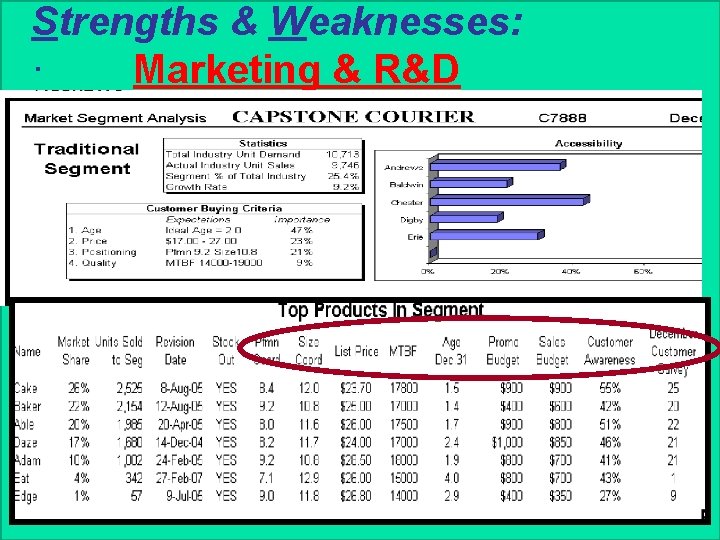
Strengths & Weaknesses: · Marketing & R&D
Evaluating Your Company’s Marketing
nd 2 1. Is what you Big Q are making any good? 2. Is “how you are making it”—any good?
“Generically, profits are driven by the company’s asset base and by its efficiency working those assets”
Evaluating Your Company’s Production & HR
M A N A G E M E N T Last but not Least. S I M U LA T I ON
Various Measures of Your PROFITABILITY ØNet Profits ØCum Profits n n n Profitability Ratios: ROS---Return on Sales ROA—Return on Assets
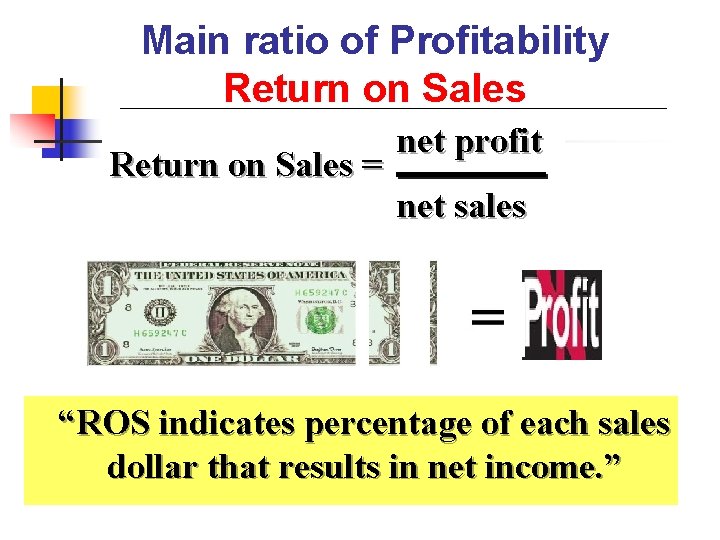
Main ratio of Profitability Return on Sales = net profit net sales “ROS indicates percentage of each sales dollar that results in net income. ”
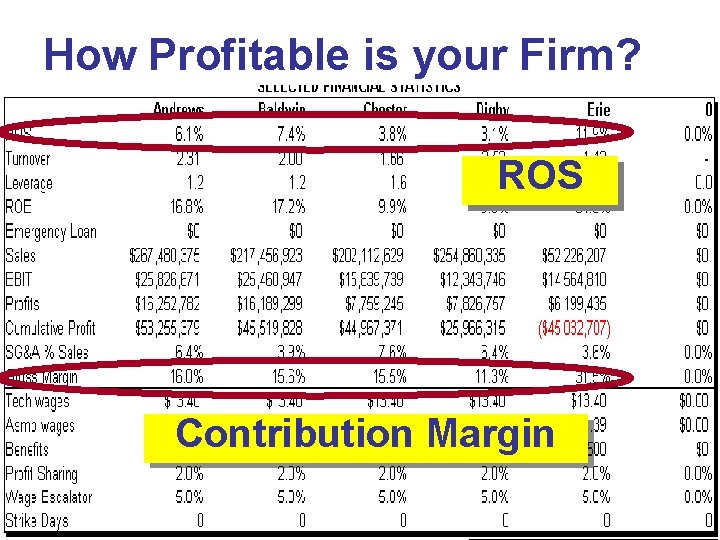
How Profitable is your Firm? ROS Contribution Margin
Financial Guidelines: Profitability. ROS & Margins
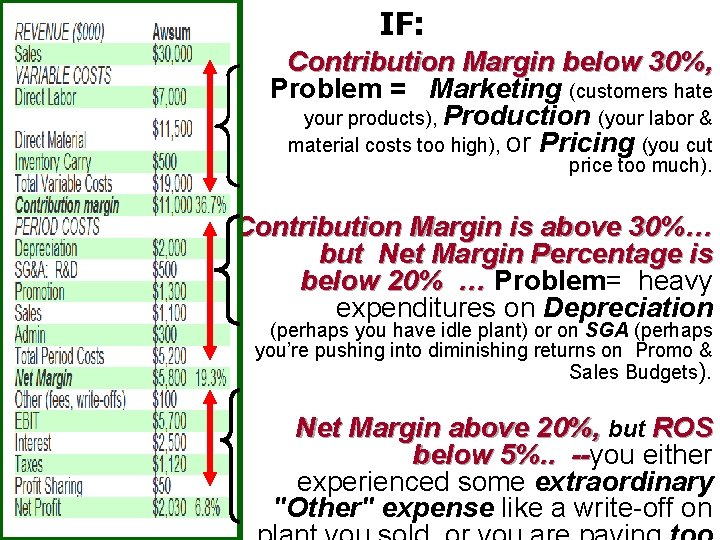
IF: Contribution Margin below 30%, Problem = Marketing (customers hate your products), Production (your labor & material costs too high), or Pricing (you cut price too much). Contribution Margin is above 30%… but Net Margin Percentage is below 20% … Problem= heavy expenditures on Depreciation (perhaps you have idle plant) or on SGA (perhaps you’re pushing into diminishing returns on Promo & Sales Budgets). Net Margin above 20%, but ROS below 5%. . --you either -experienced some extraordinary "Other" expense like a write-off on
“Generically, profits are driven by the company’s asset base and by its efficiency working those assets”
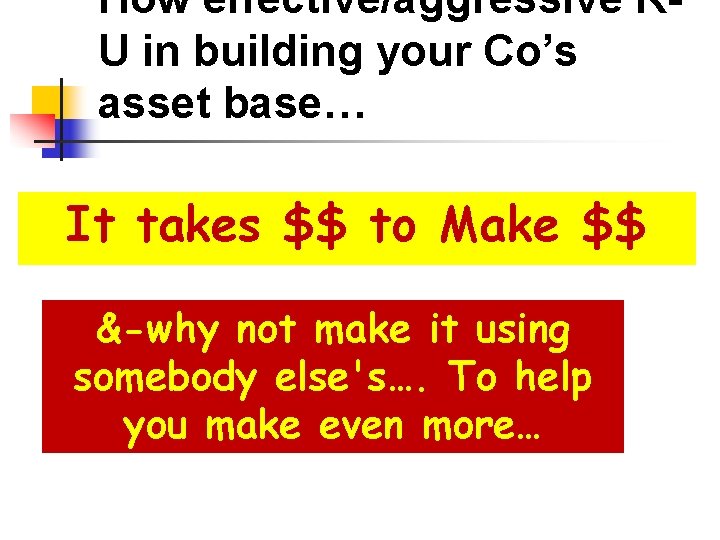
How effective/aggressive RU in building your Co’s asset base… It takes $$ to Make $$ &-why not make it using somebody else's…. To help you make even more…
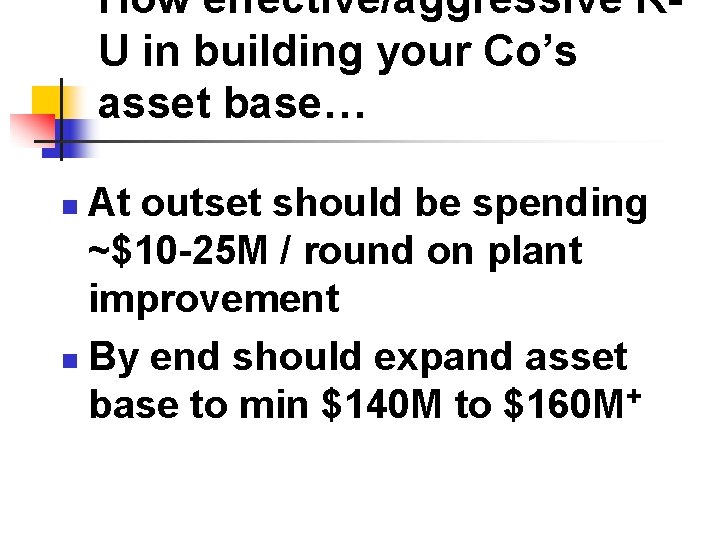
How effective/aggressive RU in building your Co’s asset base… At outset should be spending ~$10 -25 M / round on plant improvement n By end should expand asset base to min $140 M to $160 M+ n
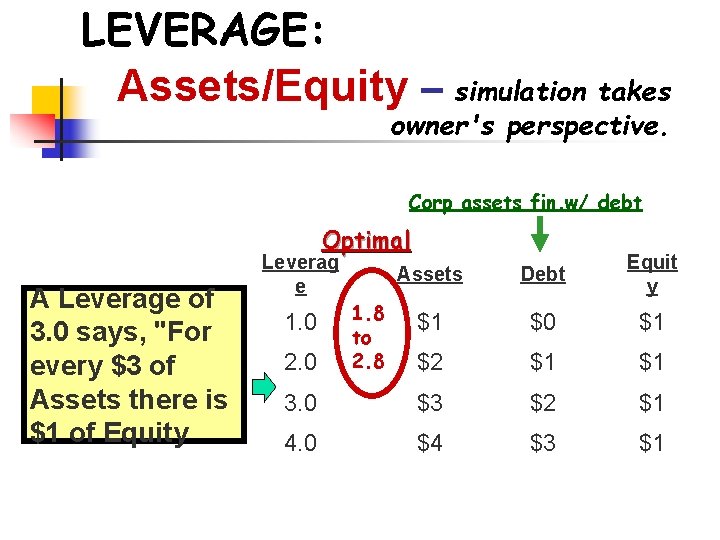
LEVERAGE: Assets/Equity – simulation takes owner's perspective. Corp assets fin. w/ debt Optimal A Leverage of 3. 0 says, "For every $3 of Assets there is $1 of Equity Leverag e Assets Debt Equit y $1 $0 $1 $2 $1 $1 3. 0 $3 $2 $1 4. 0 $4 $3 $1 1. 0 2. 0 1. 8 to 2. 8
“Generically, profits are driven by the company’s asset base and by its efficiency working those assets”
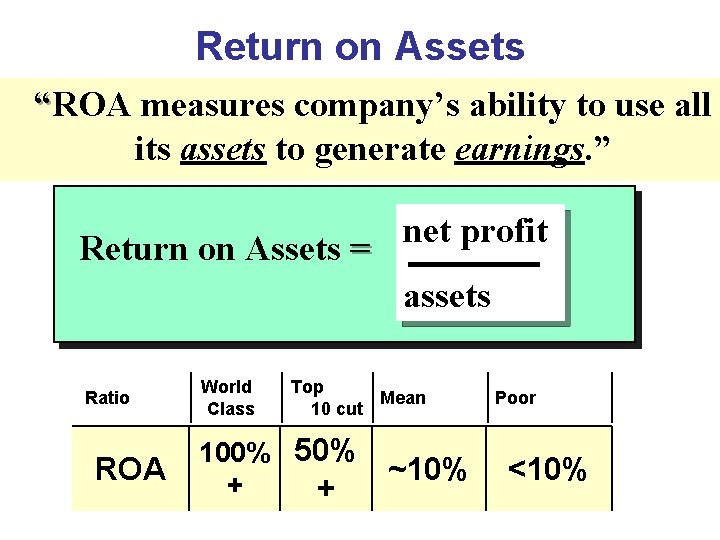
Return on Assets “ROA measures company’s ability to use all its assets to generate earnings. ” net profit Return on Assets = assets Ratio ROA World Class Top Mean 10 cut 100% 50% + + ~10% Poor <10%
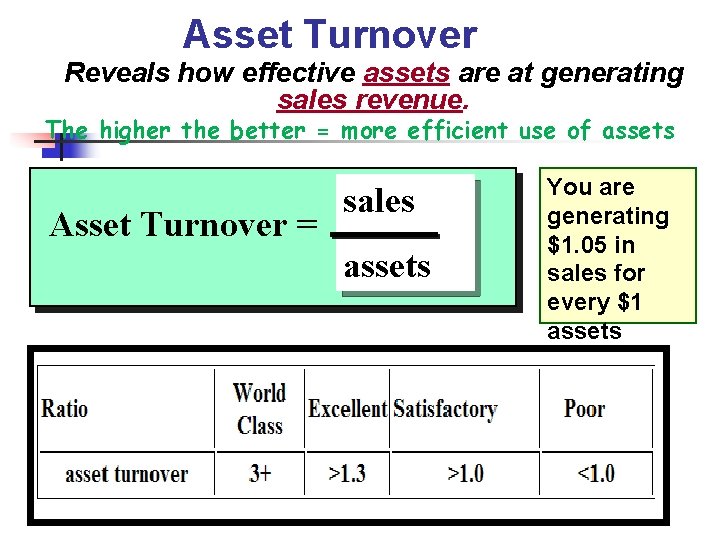
Asset Turnover Reveals how effective assets are at generating sales revenue. The higher the better = more efficient use of assets Asset Turnover = sales assets You are generating $1. 05 in sales for every $1 assets
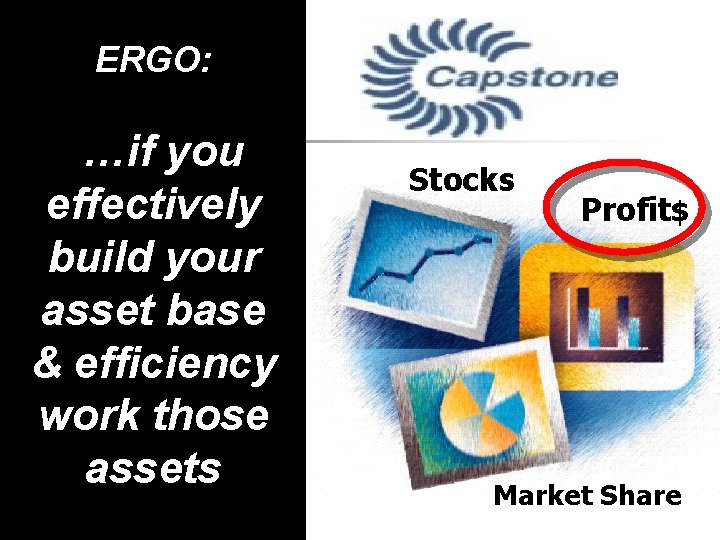
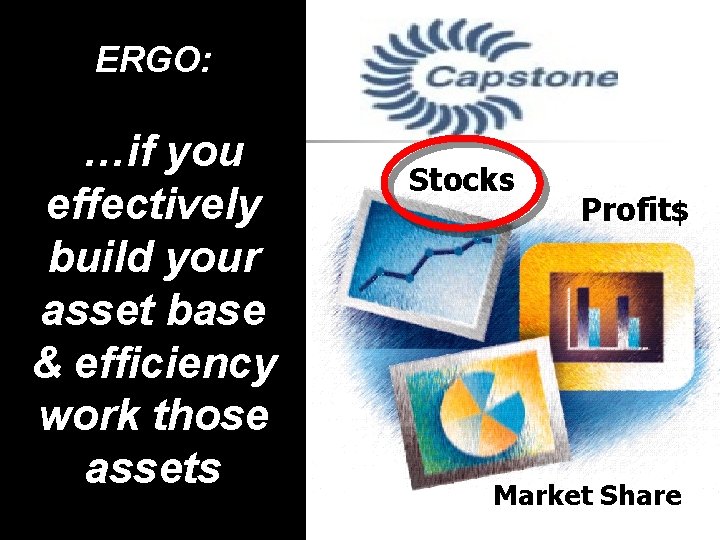
ERGO: …if you effectively build your asset base & efficiency work those assets Stocks Profit$ Market Share
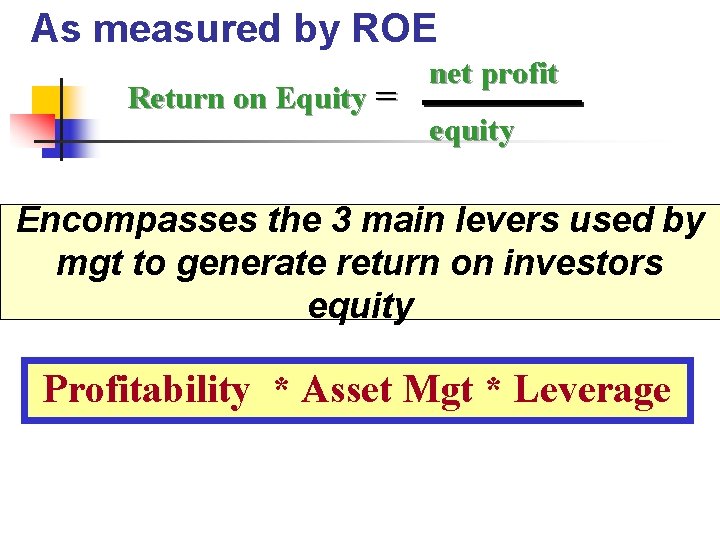
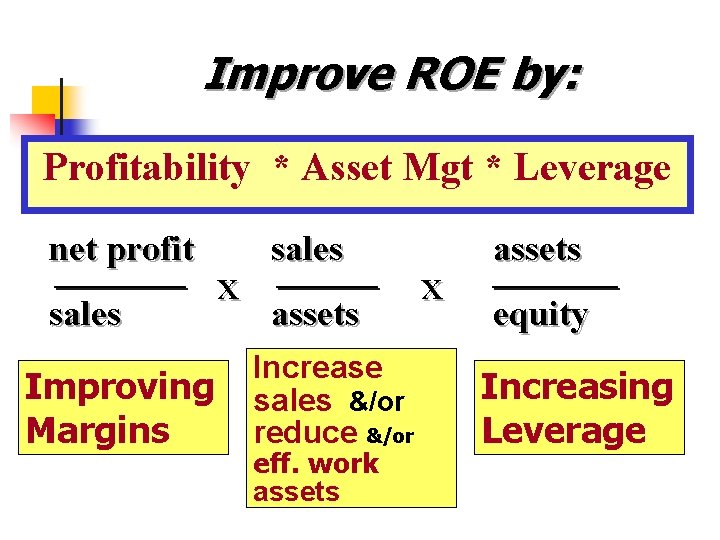
As measured by ROE Return on Equity = net profit equity Encompasses the 3 main levers used by mgt to generate return on investors equity Profitability * Asset Mgt * Leverage
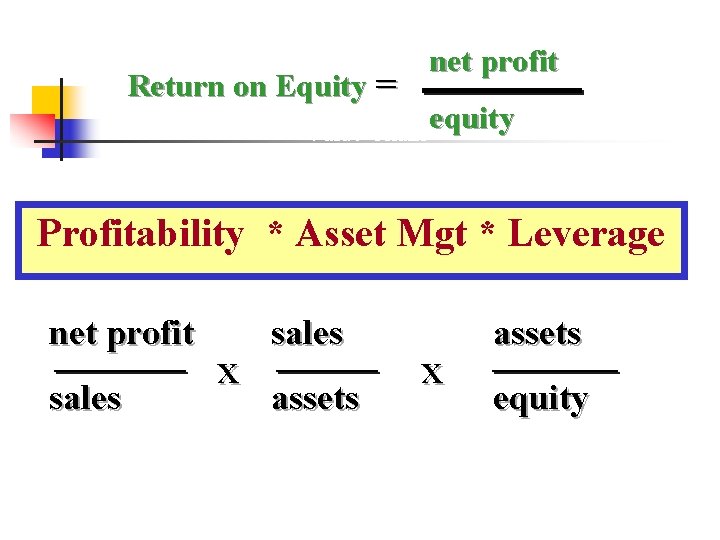
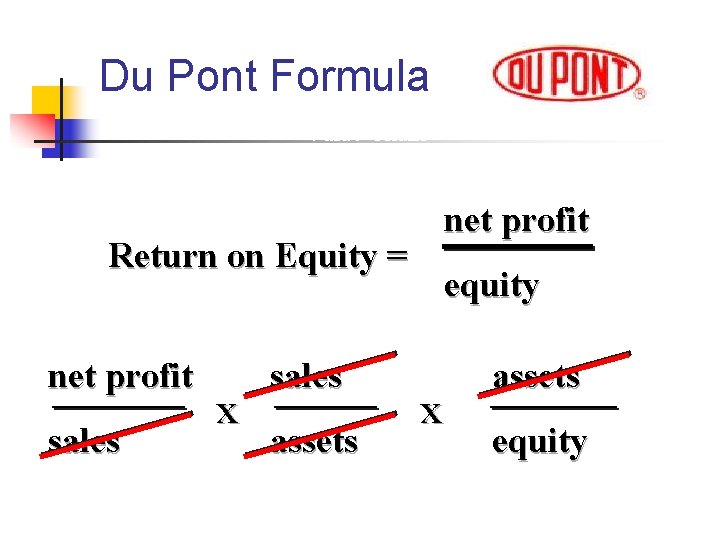
Return on Equity = net profit equity Value Chain equity Profitability * Asset Mgt * Leverage net profit sales x sales assets x assets equity
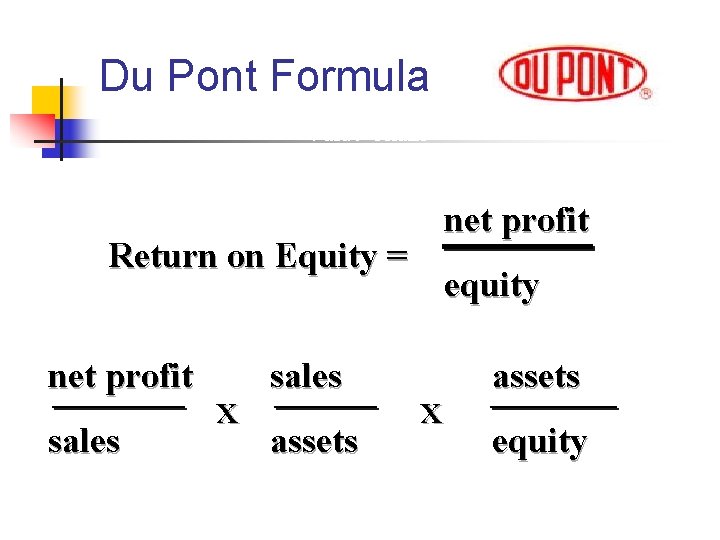
Du Pont Formula Value Chain net profit Return on Equity = net profit sales x sales assets equity x assets equity
Du Pont Formula Value Chain net profit Return on Equity = net profit sales x sales assets equity x assets equity
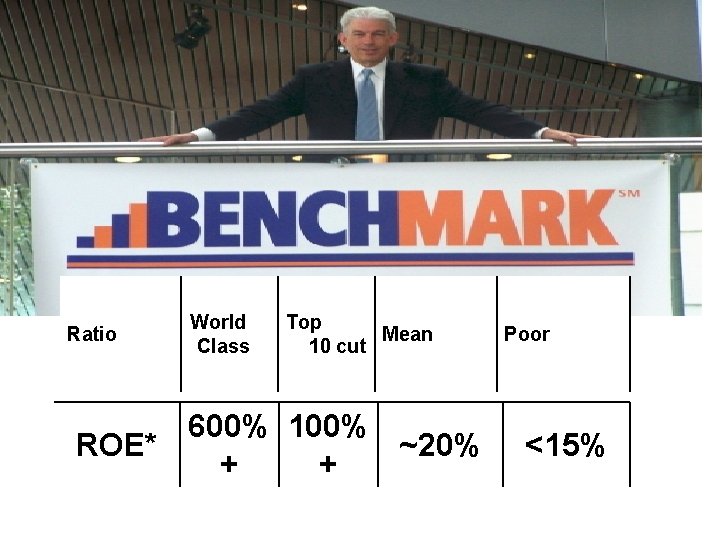
Ratio World Class Top Mean 10 cut 600% 100% ROE* ~20% + + Poor <15%
Improve ROE by: Value Chain Profitability * Asset Mgt * Leverage net profit sales Improving Margins x sales assets Increase sales &/or reduce &/or eff. work assets x assets equity Increasing Leverage
ERGO: …if you effectively build your asset base & efficiency work those assets Stocks Profit$ Market Share
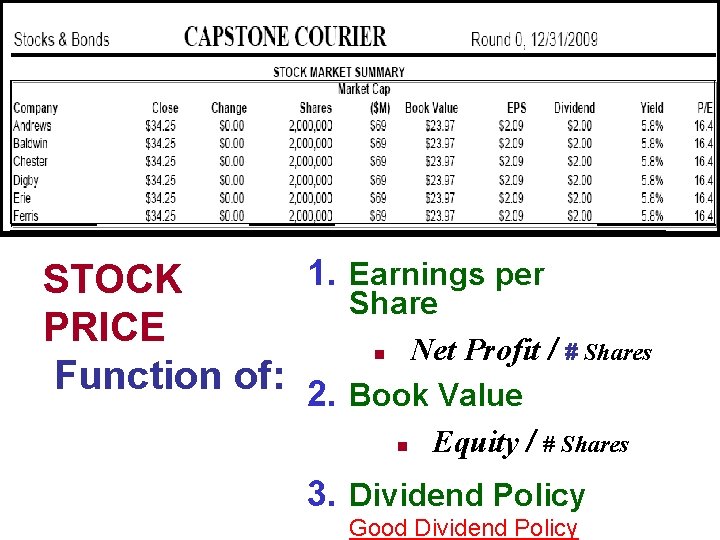
1. STOCK PRICE Function of: 2. Earnings per Share n Net Profit / # Shares Book Value n Equity / # Shares 3. Dividend Policy Good Dividend Policy
Financial Guidelines Re: Liquidity
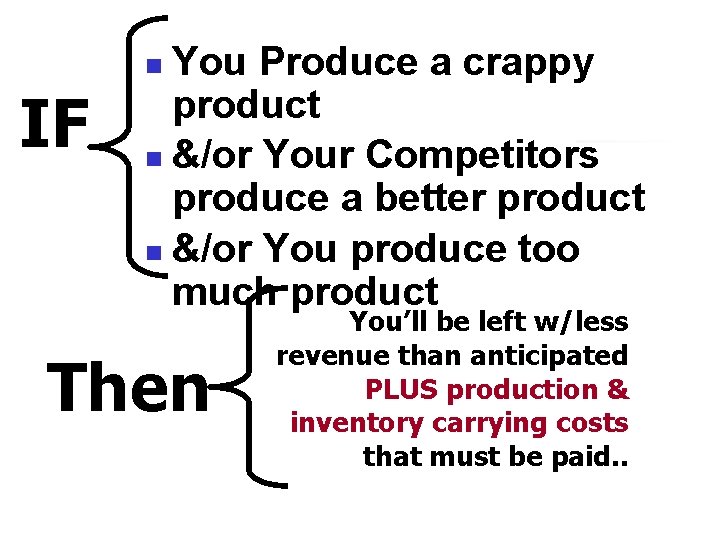
You Produce a crappy product n &/or Your Competitors produce a better product n &/or You produce too much product n IF Then You’ll be left w/less revenue than anticipated PLUS production & inventory carrying costs that must be paid. .
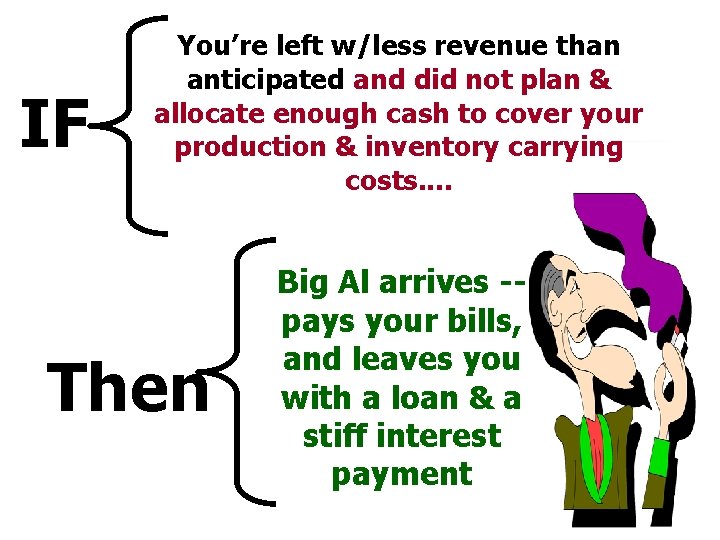
IF You’re left w/less revenue than anticipated and did not plan & allocate enough cash to cover your production & inventory carrying costs. . Then Big Al arrives -pays your bills, and leaves you with a loan & a stiff interest payment
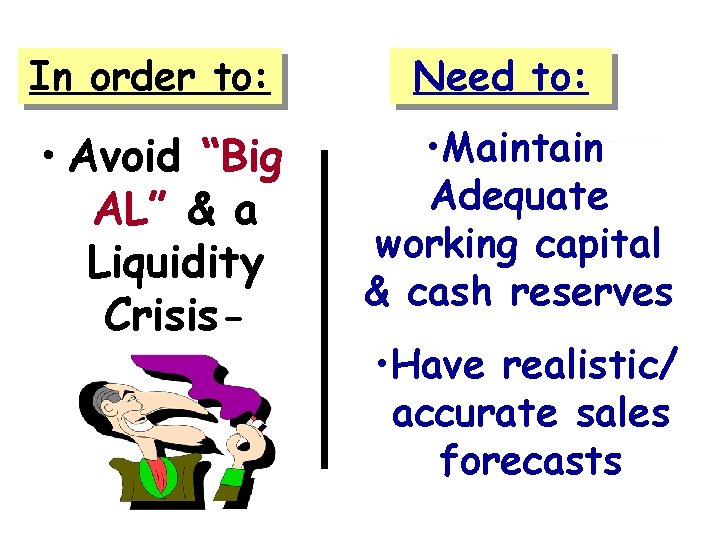
In order to: • Avoid “Big AL” & a Liquidity Crisis- Need to: • Maintain Adequate working capital & cash reserves • Have realistic/ accurate sales forecasts
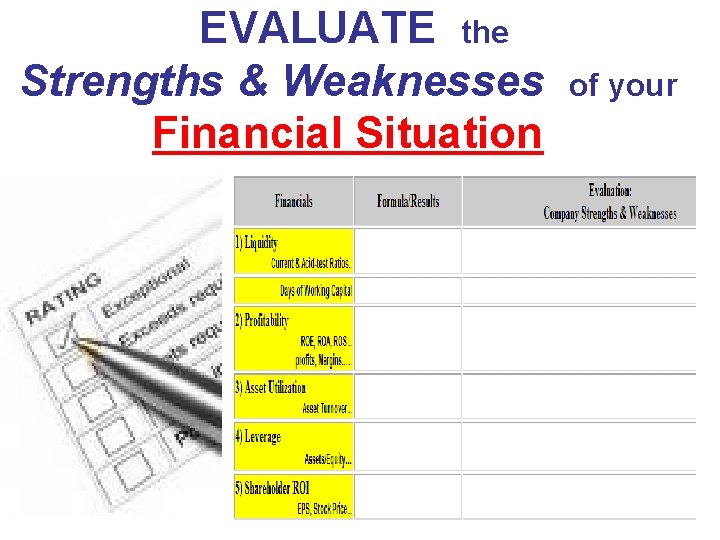
EVALUATE the Strengths & Weaknesses Financial Situation of your
Situation Analysis Company Consumer Competitors Conditions SWOT