
When in danger when in doubt run in

“When in danger, when in doubt, run in circles, scream and shout. ”
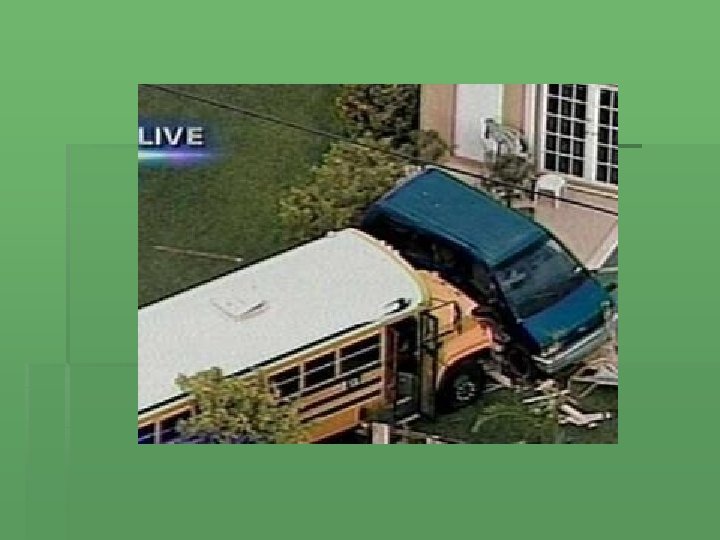
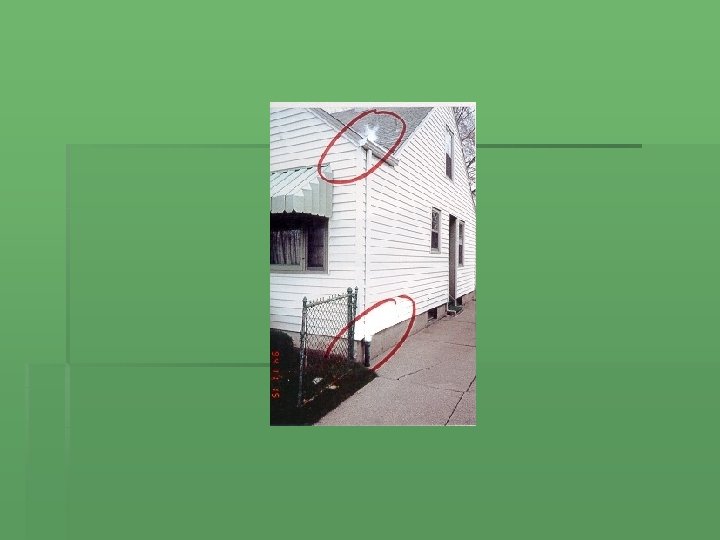
Survey the Scene --mechanism of injury --nature of illness
Survey the Scene --identify hazards --take universal precautions
Survey the Scene --locate all patients --arrange for needed resources

Level of Consciousness AVPU
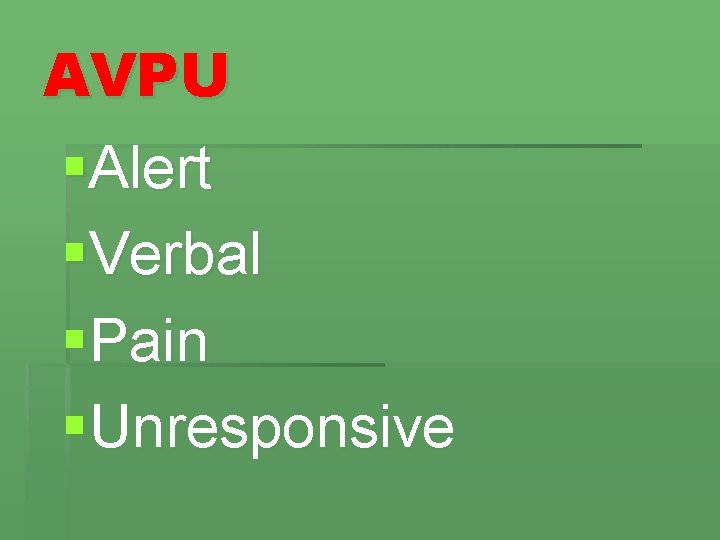
AVPU §Alert §Verbal §Pain §Unresponsive

Primary Survey: to identify and correct all life threatening problems
AIRWAY § Patent? ? § Use head-tilt/chin-lift or modified jaw thrust § protect airway § continual reassessment
BREATHING § § § Look, listen, and feel slow or rapid? deep or shallow? Symmetrical chest rise? Quiet or noisy?
CIRCULATION § Feel carotid and radial pulses § Fast or slow? § Thready or bounding? § Regular or irregular?
CIRCULATION § notice skin color § CRT: capillary refill time (should be <2 seconds) § major bleeding
DISABILITY § AVPU § CAOx 3? ? § --conscious, alert, and oriented to name, place, and time?

EXPOSE § Remove clothing as needed to look for life threatening problems § also note scars, medic alert bracelets, pacemakers, etc

VITAL SIGNS § Secondary Survey § Heart Rate, Blood Pressure, Respiratory Rate § Temperature, Skin, Pupils
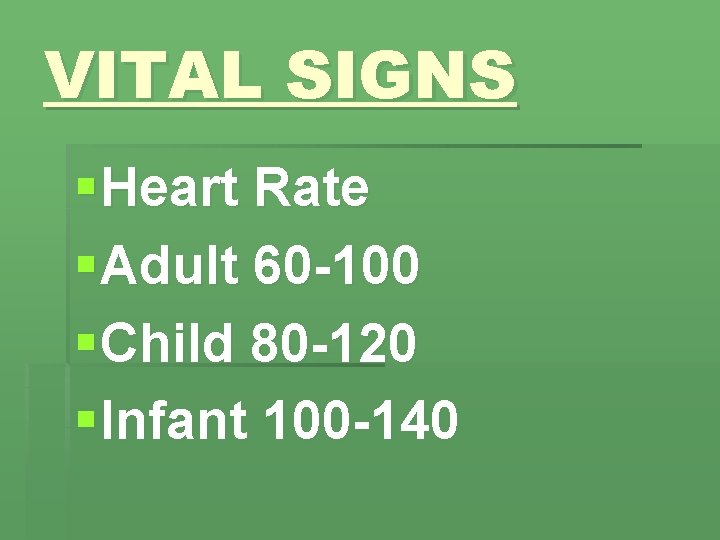
VITAL SIGNS § Heart Rate § Adult 60 -100 § Child 80 -120 § Infant 100 -140
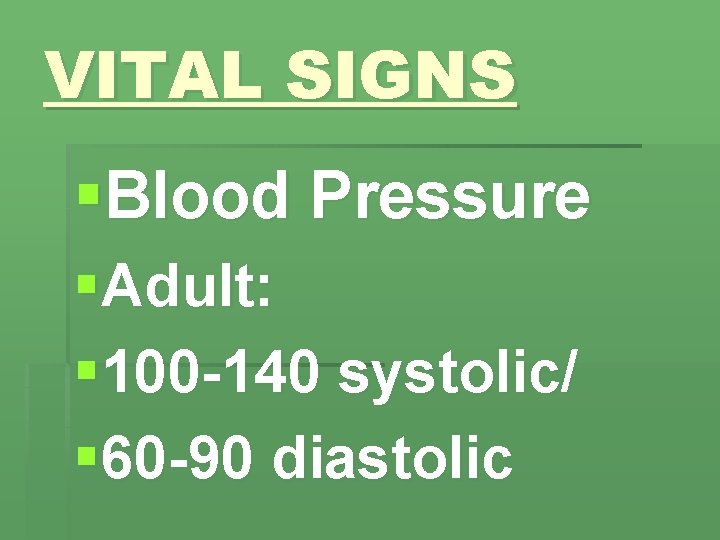
VITAL SIGNS §Blood Pressure §Adult: § 100 -140 systolic/ § 60 -90 diastolic
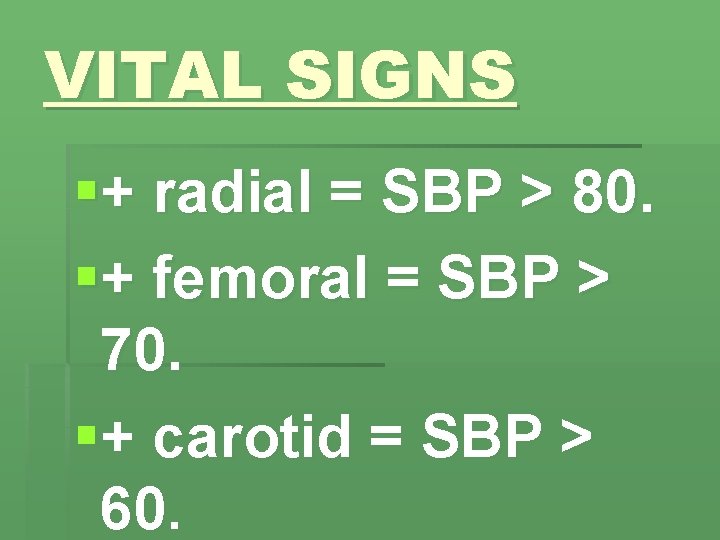
VITAL SIGNS §+ radial = SBP > 80. §+ femoral = SBP > 70. §+ carotid = SBP > 60.
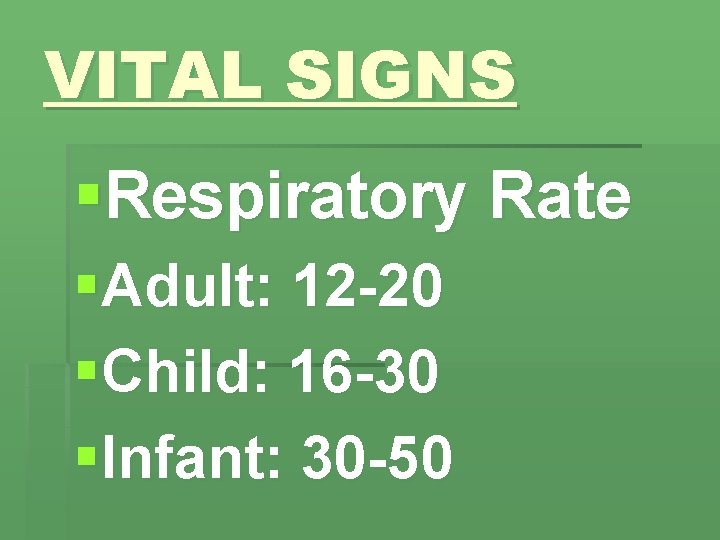
VITAL SIGNS §Respiratory Rate §Adult: 12 -20 §Child: 16 -30 §Infant: 30 -50
VITAL SIGNS §Temperature: §Oral: 97. 6 - 99. 6 §Rectal: 98. 6 - 100. 6 §Auxiliary: 96. 6 - 98. 6
VITAL SIGNS §Skin: §cool/warm/hot. . . §dry/moist/diaphoreti c §pale/ashen/flushed
VITAL SIGNS §Pupils: §equal? Reactive? §“PEARL” §dilated/constricted?

Head-to-Toe Survey
Methods of Assessment § Inspection § Palpation § Auscultation § Percussion
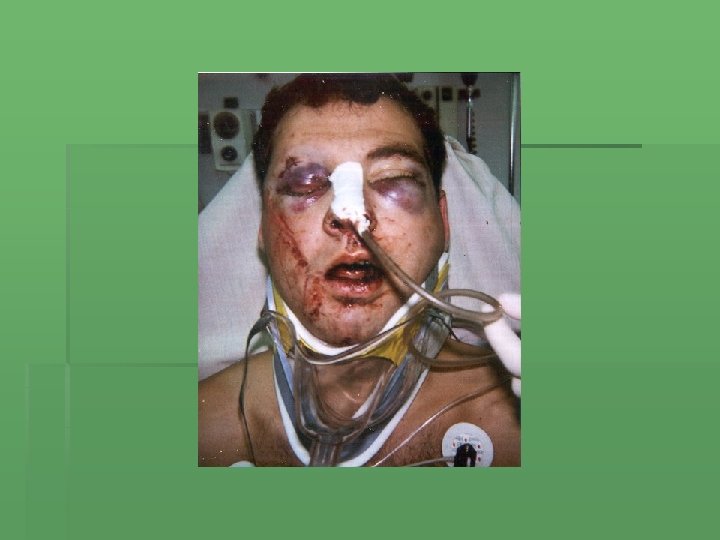
Head § Palpate skull for bleeding, fractures. Inspect eyes, mouth, nose, ears. Look for CSF, Raccoon Eyes, or Battle Signs.
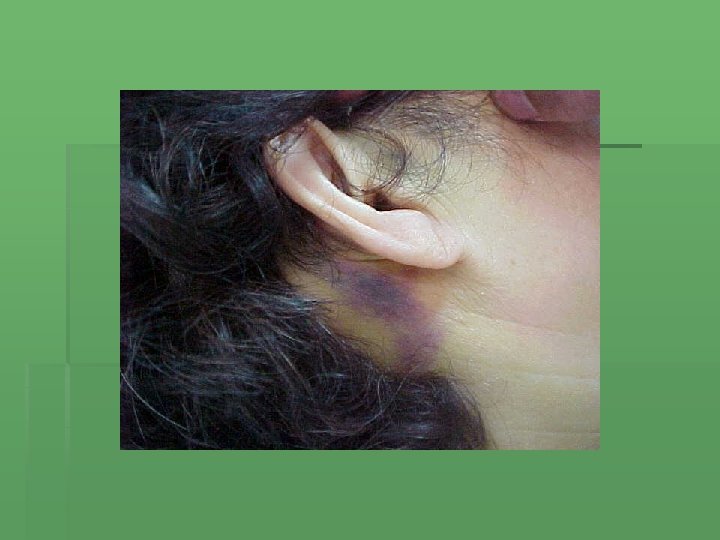
§ Raccoon’s Eyes: periorbital bruising § Battle Signs: mastoid bruising § These two signs are indicative of a basilar skull fracture.
Neck § Check position of trachea. § Assess jugular veins (JVD). § May palpate C-Spine.
Chest § Inspect for bruising, trauma, scars, pacemaker. § Palpate for symmetrical chest rise. § Auscultate breath
Abdomen (ABD) § Inspect for bruising, trauma, scars, distention. § Palpate for rigidity, masses. § Auscultate bowel sounds.
Pelvis § Inspect for bruising, trauma, scars, deformity. § Palpate for stability.
Lower Extremities § Inspect for bruising, trauma, scars, deformity. § Check each for circulation, sensation, movement (CSM).
Upper Extremities § Inspect for bruising, trauma, scars, deformity. § Check each arm for circulation, sensation, movement (CSM).
Posterior § Inspect and palpate posterior thorax and lumbar region for bruising, trauma, scars, deformity.

Patient Interview SAMPLE OPQRST
Scene/Situation What’s going on? What happened?

Allergies Are you allergic to any medications? ?
Medications Are you taking any medications daily? ? Have you taken anything today?
Past Medical History Do you have any medical problems?
Last…. § Meal eaten § menstrual period § bowel movement § Time you used drugs § time you took your insulin § time you took your meds…. .
Events leading up to problem… What were you doing when this started?
OPQRST Questions to ask regarding pain or a specific symptom
Onset What were you doing when this started?

Provoke What makes it better or worse?
Quality Is the pain burning, stinging, stabbing, cramping, aching, sharp, dull. . . ?
Radiation Does the pain go to your jaw, shoulder, arm, neck, back…. ? ?
Severity On a scale of 1 to 10, ten being the worst pain you’ve ever had, what is the pain now?
Time How long ago did this start?
Documentation: If you didn’t write it, you didn’t do it.
CHART § Chief complaint § history § assessment § RX (treatment) § Transport
SOAP §Subjective §Objective §Assessment §Plan
- Slides: 58