
Whats YOUR Learning Style Student Academic Support Services
- Slides: 14
What’s YOUR Learning Style? Student Academic Support Services and Inclusion (SASSI) University of Tennessee Health Science Center 901 -448 -5056 SASSI@uthsc. edu Adopted from Kay C. Dee & Glen A. Livesay Department of Biomedical Engineering Tulane University, New Orleans, LA 70118 USA
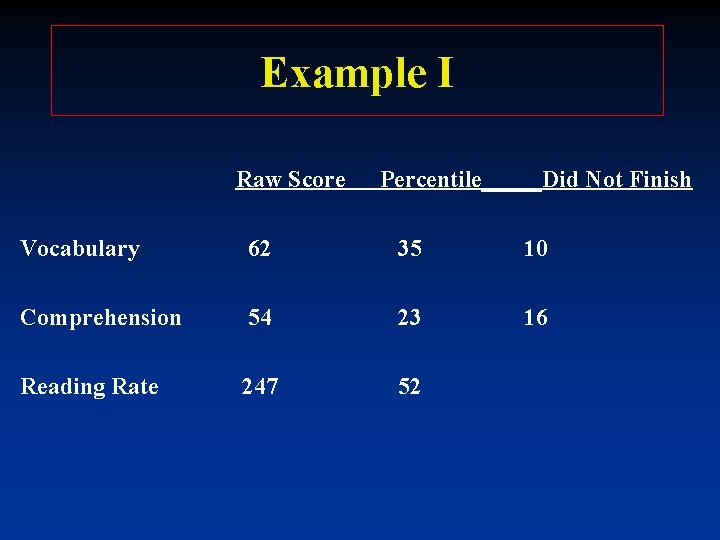
Example I Raw Score Percentile_____Did Not Finish Vocabulary 62 35 10 Comprehension 54 23 16 Reading Rate 247 52
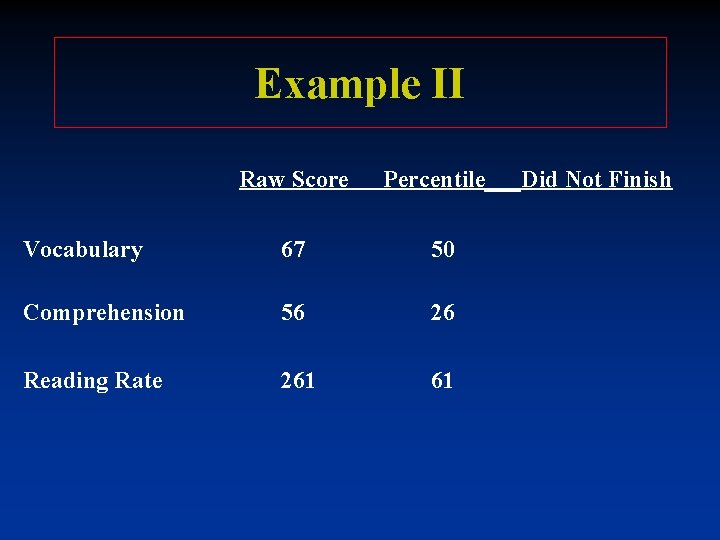
Example II Raw Score Percentile___Did Not Finish Vocabulary 67 50 Comprehension 56 26 Reading Rate 261 61
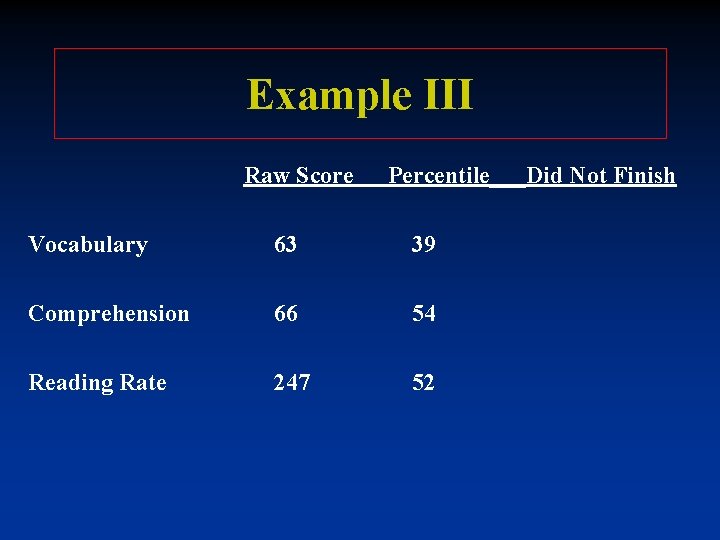
Example III Raw Score Percentile___Did Not Finish Vocabulary 63 39 Comprehension 66 54 Reading Rate 247 52
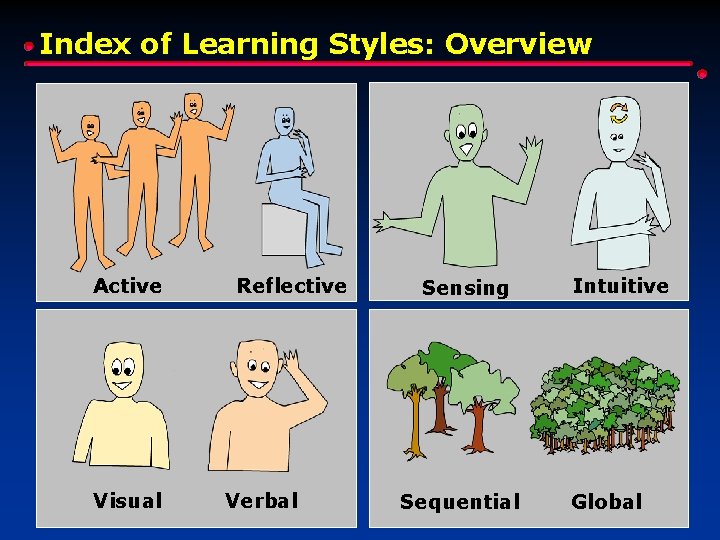
Index of Learning Styles: Overview Active Visual Reflective Verbal Sensing Sequential Intuitive Global
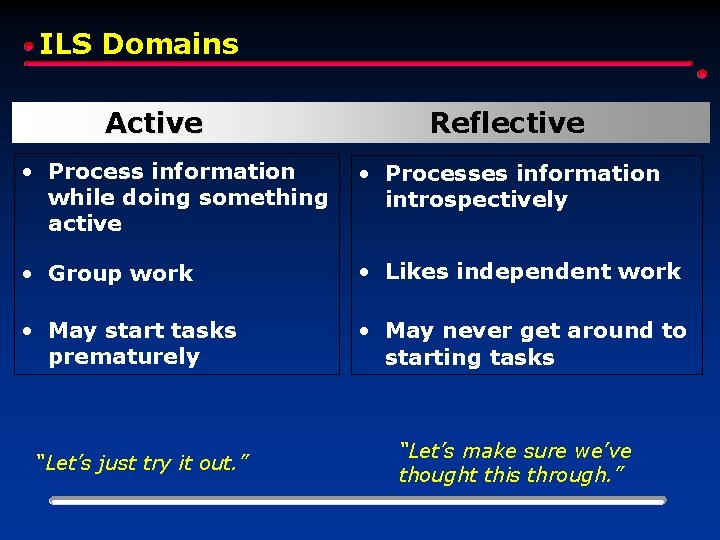
ILS Domains Active Reflective • Process information while doing something active • Processes information introspectively • Group work • Likes independent work • May start tasks prematurely • May never get around to starting tasks “Let’s just try it out. ” “Let’s make sure we’ve thought this through. ”
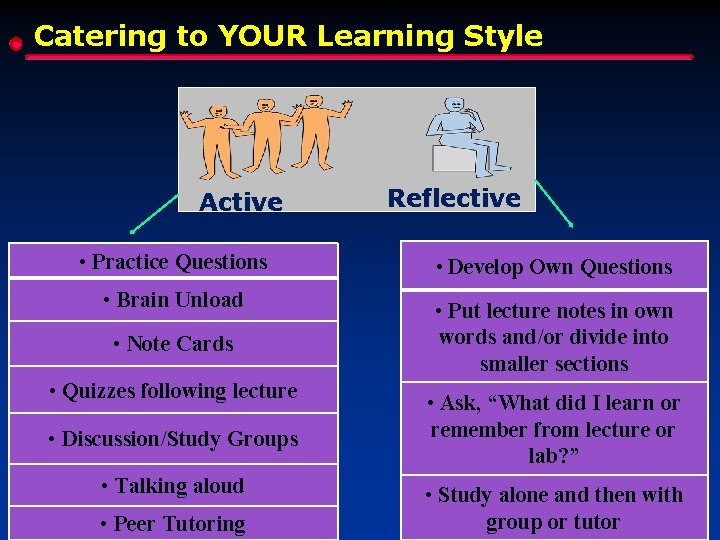
Catering to YOUR Learning Style Active • Practice Questions • Brain Unload • Note Cards • Quizzes following lecture Reflective • Develop Own Questions • Put lecture notes in own words and/or divide into smaller sections • Ask, “What did I learn or • Discussion/Study Groups remember from lecture or lab? ” • Talking aloud • Study alone and then with group or tutor • Peer Tutoring
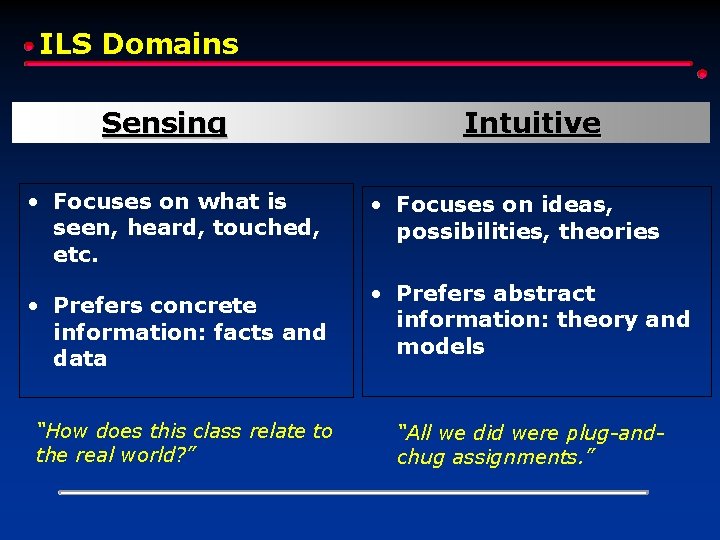
ILS Domains Sensing • Focuses on what is seen, heard, touched, etc. • Prefers concrete information: facts and data “How does this class relate to the real world? ” Intuitive • Focuses on ideas, possibilities, theories • Prefers abstract information: theory and models “All we did were plug-andchug assignments. ”
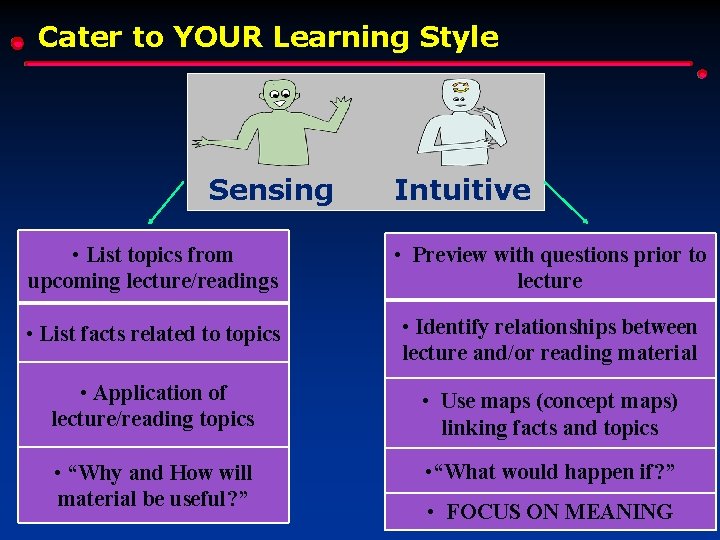
Cater to YOUR Learning Style Sensing Intuitive • List topics from upcoming lecture/readings • Preview with questions prior to lecture • List facts related to topics • Identify relationships between lecture and/or reading material • Application of lecture/reading topics • Use maps (concept maps) linking facts and topics • “Why and How will material be useful? ” • “What would happen if? ” • FOCUS ON MEANING
ILS Domains Visual Verbal • Pictures • Spoken words • Diagrams • Written words • Flow charts • Formulas/Numbers • Mapping “Show me the systems you’re talking about. ” “Explain what’s going on inside the systems. ”
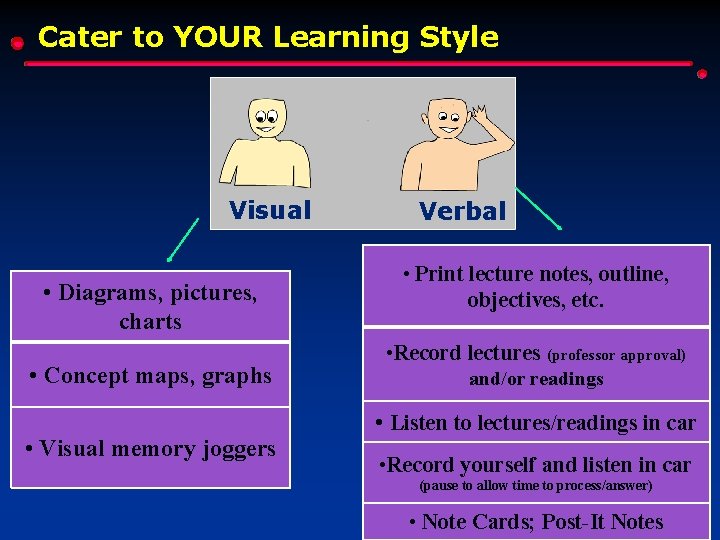
Cater to YOUR Learning Style Visual • Diagrams, pictures, charts • Concept maps, graphs • Visual memory joggers Verbal • Print lecture notes, outline, objectives, etc. • Record lectures (professor approval) and/or readings • Listen to lectures/readings in car • Record yourself and listen in car (pause to allow time to process/answer) • Note Cards; Post-It Notes
ILS Domains Sequential • Details, steps, process, etc. • Steady progress • Good at detailed analysis “I need to focus on one part of the project and get it done - then I can move onward. ” Global • Big picture • Starts slow and then makes conceptual leaps • Good at creative synthesis “I need to see how this all fits together before I can start the project. ”
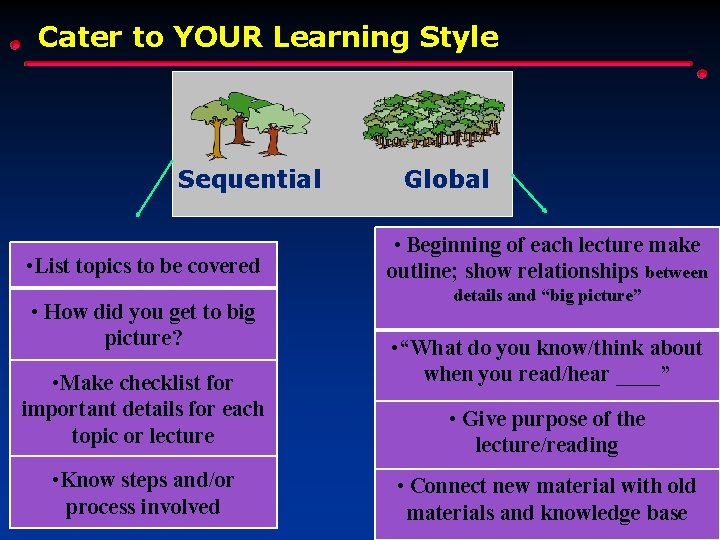
Cater to YOUR Learning Style Sequential • List topics to be covered • How did you get to big picture? • Make checklist for important details for each topic or lecture • Know steps and/or process involved Global • Beginning of each lecture make outline; show relationships between details and “big picture” • “What do you know/think about when you read/hear ____” • Give purpose of the lecture/reading • Connect new material with old materials and knowledge base
This doesn’t mean we “put people in boxes. ” Everyone learns both actively and reflectively, both visually and verbally, etc. However, most people have a stronger preference for one. Try to balance the two modalities to enhance the learning process.