
WHATS NEW TECHNOLOGIES IN OPTOMETRIC MANAGEMENT OF EYE



- Slides: 28
WHAT’S NEW? TECHNOLOGIES IN OPTOMETRIC MANAGEMENT OF EYE DISEASE ASHLEY S. REDDELL, OD, FCOVD HOACLS 2015
ABOUT ME • From Haysville, KS • Graduated from KU…. . Rock Chalk! • Graduated from Southern College of Optometry • Completed pediatric residency at SCO • Joined a private practice in Leavenworth in 2010 • Now have 3 locations, 5 ODs, and ~28 staff
HOUSEKEEPING • I have no financial interests in any of the products I may mention during this presentation. • If you have questions please email me…. areddell@Family. Eye. Care. Center. LV. com
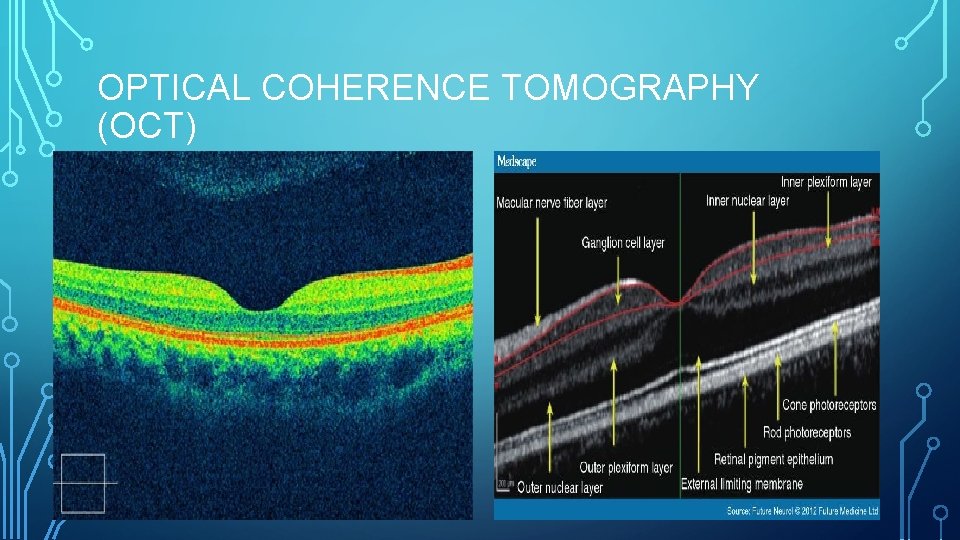
OPTICAL COHERENCE TOMOGRAPHY (OCT)
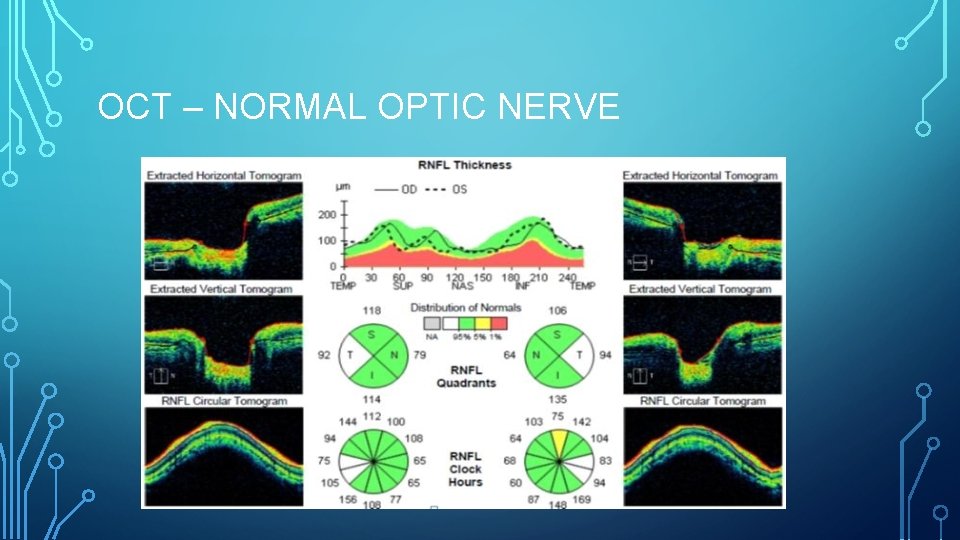
OCT – NORMAL OPTIC NERVE
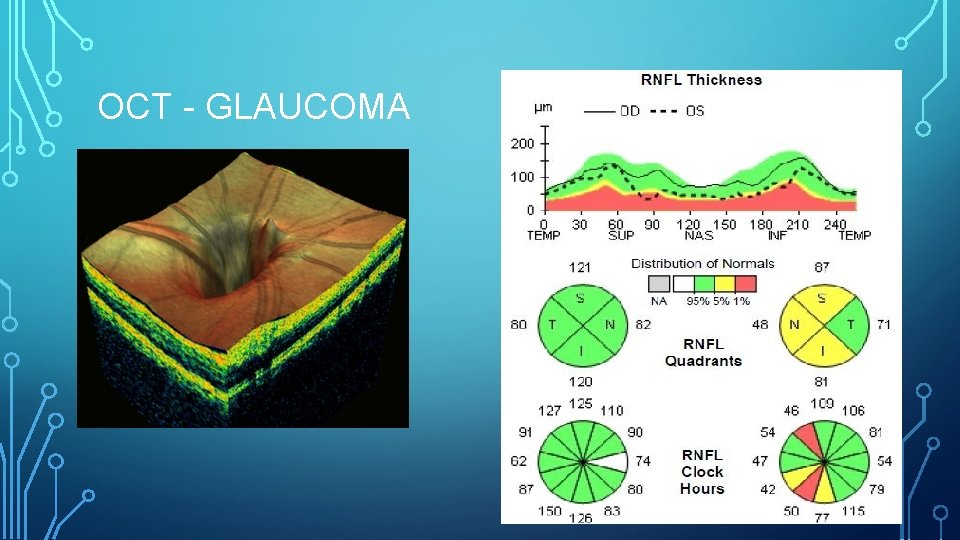
OCT - GLAUCOMA
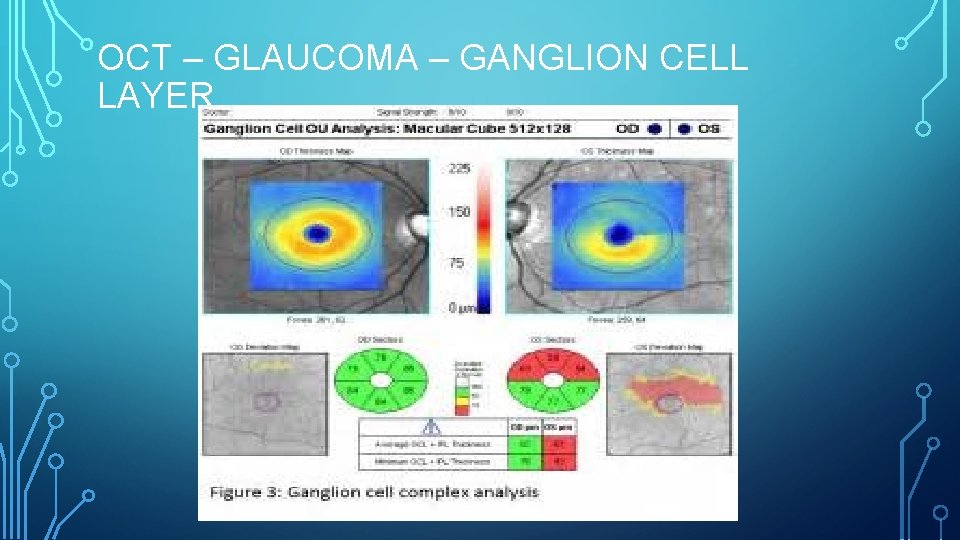
OCT – GLAUCOMA – GANGLION CELL LAYER
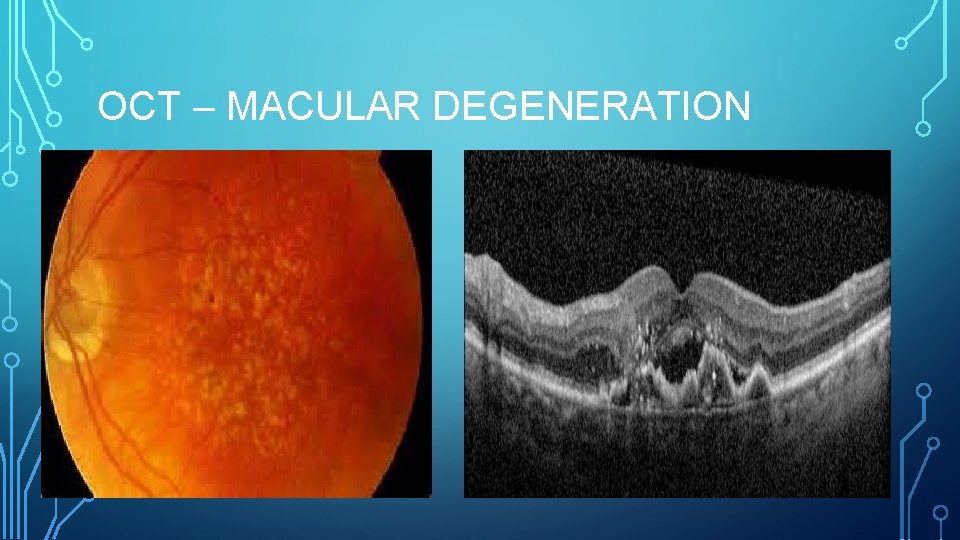
OCT – MACULAR DEGENERATION
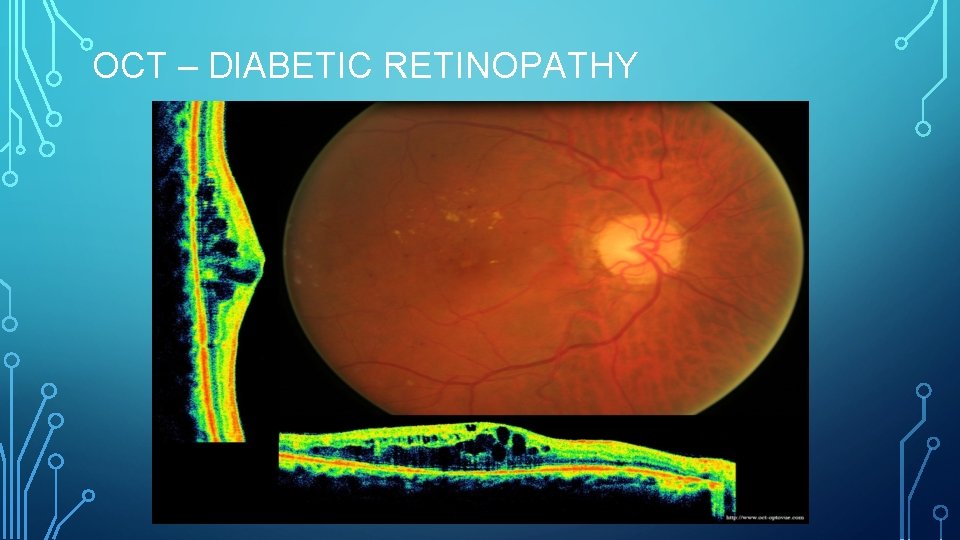
OCT – DIABETIC RETINOPATHY
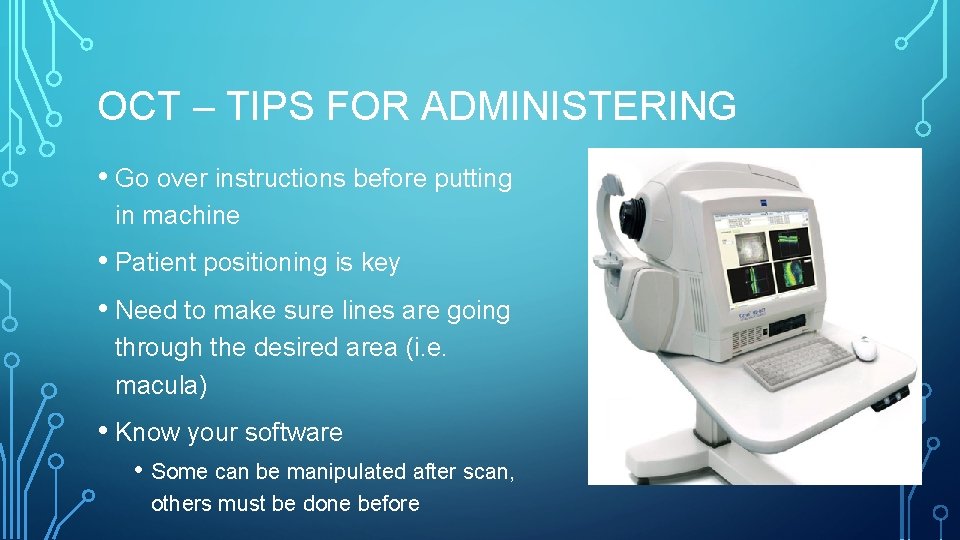
OCT – TIPS FOR ADMINISTERING • Go over instructions before putting in machine • Patient positioning is key • Need to make sure lines are going through the desired area (i. e. macula) • Know your software • Some can be manipulated after scan, others must be done before
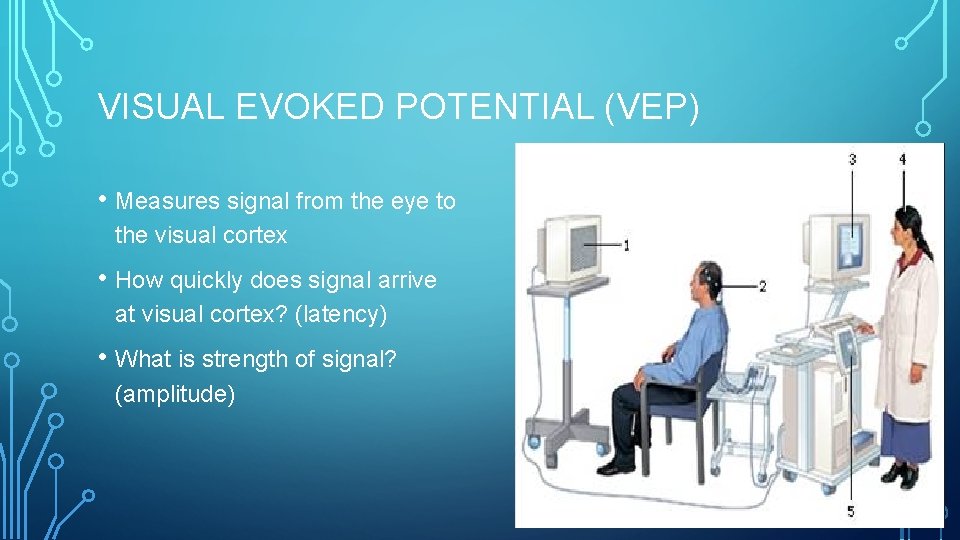
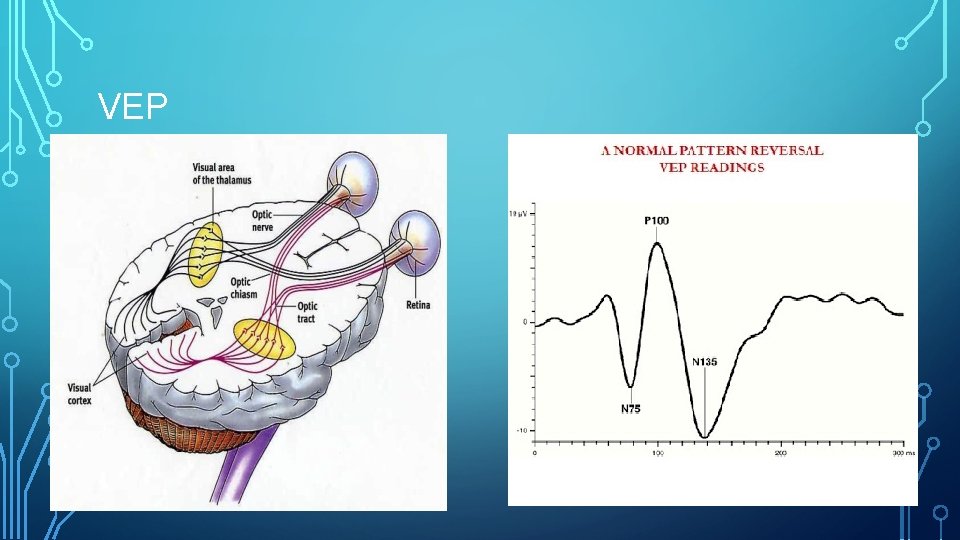
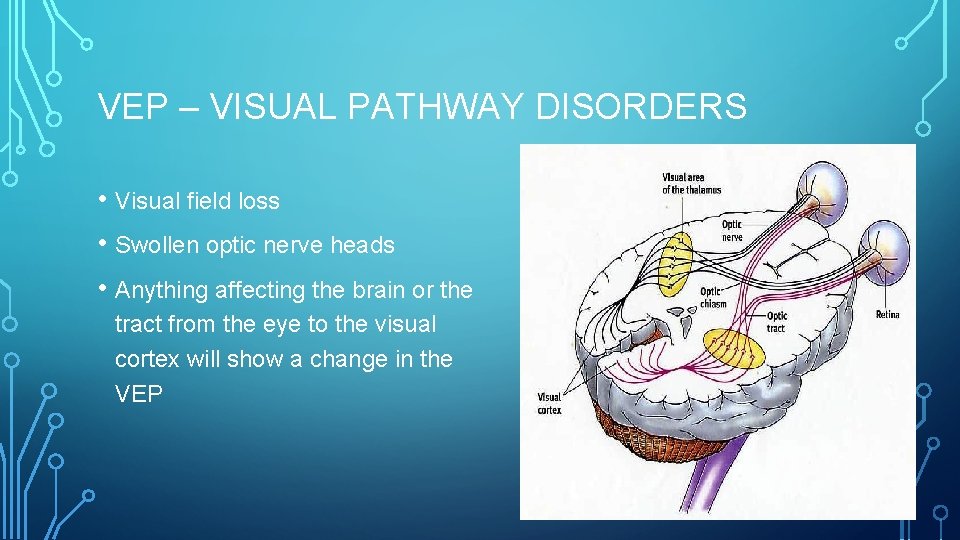
VISUAL EVOKED POTENTIAL (VEP) • Measures signal from the eye to the visual cortex • How quickly does signal arrive at visual cortex? (latency) • What is strength of signal? (amplitude)
VEP
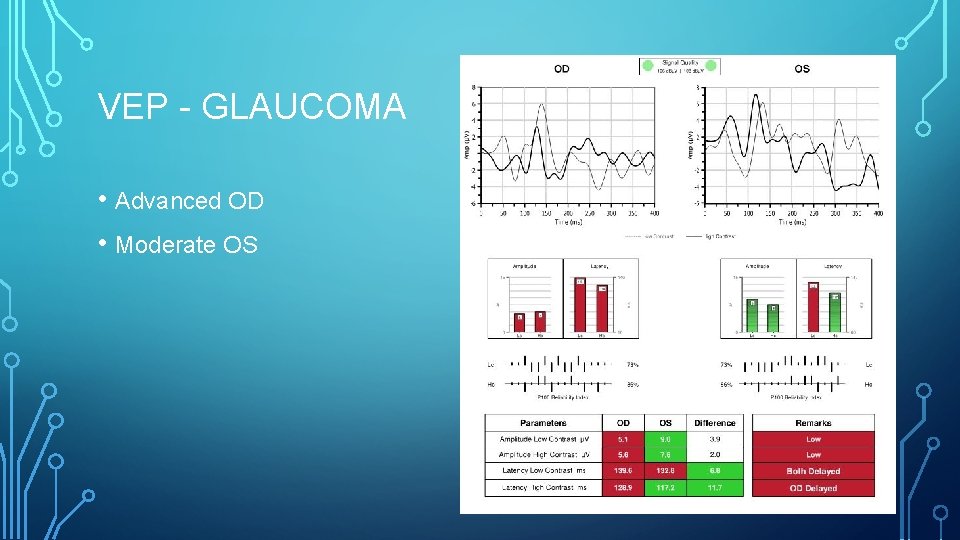
VEP - GLAUCOMA • Advanced OD • Moderate OS
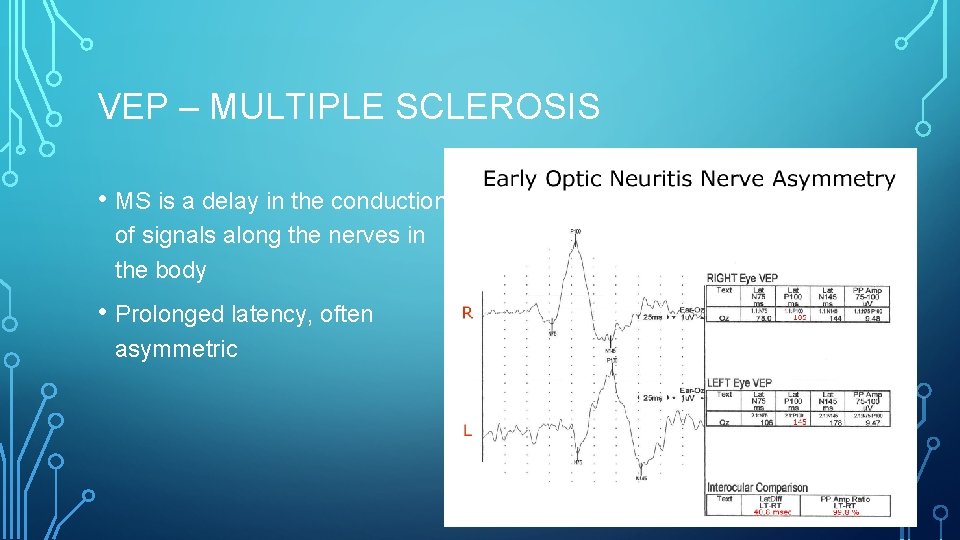
VEP – MULTIPLE SCLEROSIS • MS is a delay in the conduction of signals along the nerves in the body • Prolonged latency, often asymmetric
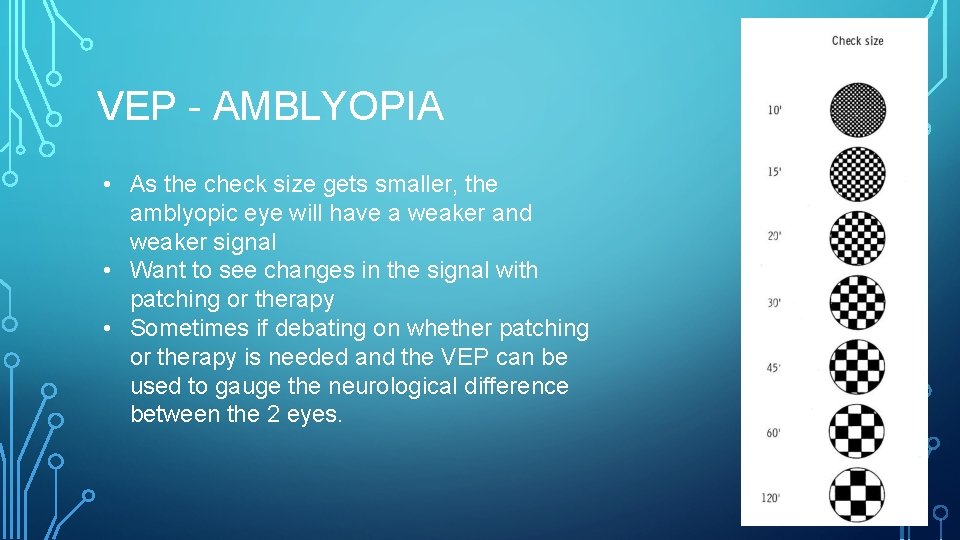
VEP - AMBLYOPIA • As the check size gets smaller, the amblyopic eye will have a weaker and weaker signal • Want to see changes in the signal with patching or therapy • Sometimes if debating on whether patching or therapy is needed and the VEP can be used to gauge the neurological difference between the 2 eyes.
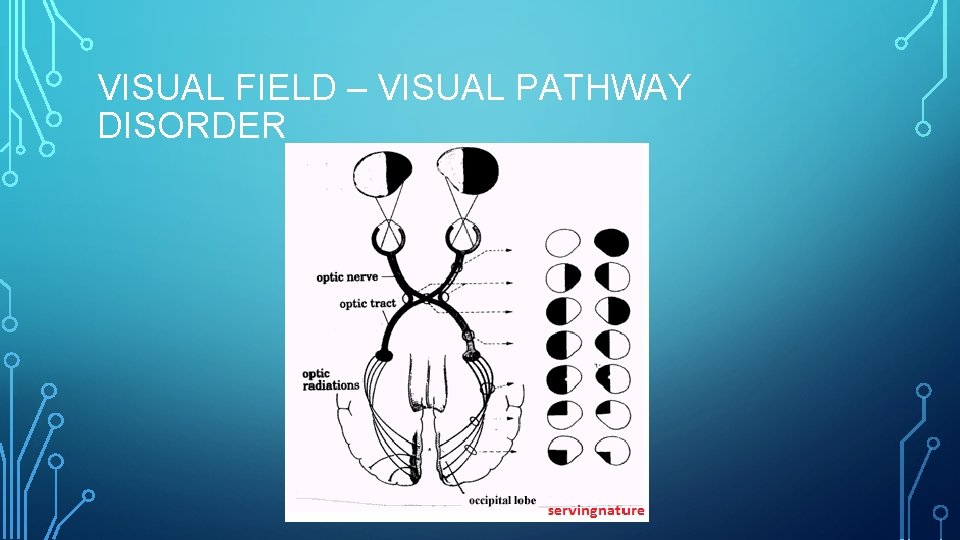
VEP – VISUAL PATHWAY DISORDERS • Visual field loss • Swollen optic nerve heads • Anything affecting the brain or the tract from the eye to the visual cortex will show a change in the VEP
VEP - AUTISM • Can help if non-communicative to prove that vision is normal. • Larger check-size measures more peripheral vision • Smaller check-size measures more central vision • ASD found to have reduced fine tuning between mid- to high-spatial frequency. Could explain the lack of desire to make eye contact, etc. • More research is being done in this area
VEP – TIPS FOR ADMINISTERING • Good connection with all 3 probes is the most important thing • Need a quiet, distraction free room without interruptions • Try to have patient information entered ahead of time to speed up the process • Warn people you will be messing with their hair
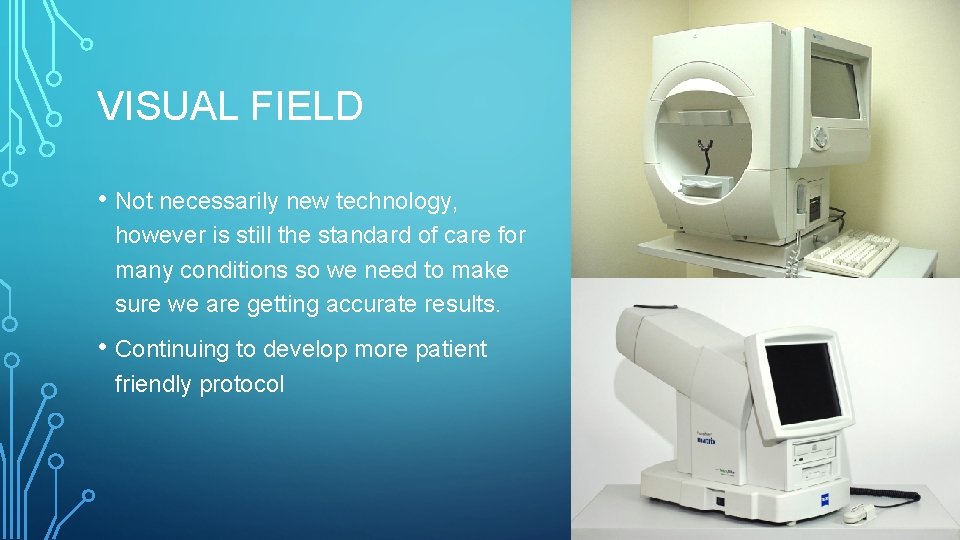
VISUAL FIELD • Not necessarily new technology, however is still the standard of care for many conditions so we need to make sure we are getting accurate results. • Continuing to develop more patient friendly protocol
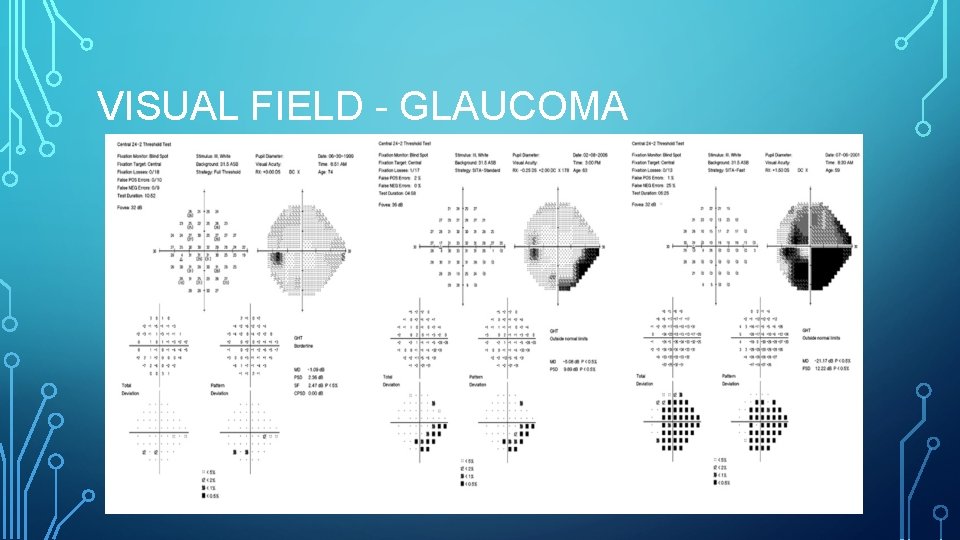
VISUAL FIELD - GLAUCOMA
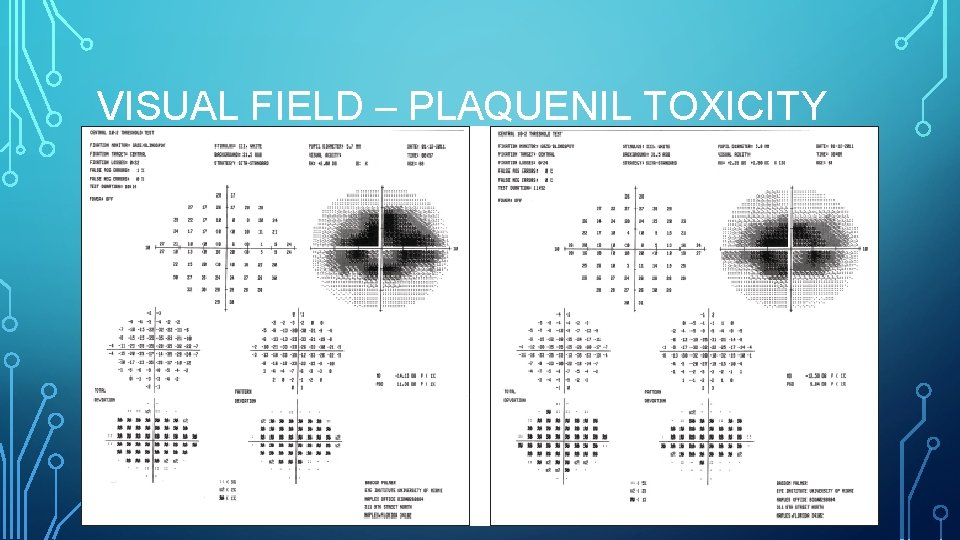
VISUAL FIELD – PLAQUENIL TOXICITY
VISUAL FIELD – VISUAL PATHWAY DISORDER
VISUAL FIELD - TIPS FOR ADMINISTERING • Goals • • • Fixation losses <30% (roaming eyes) False positives <30% (trigger happy) False negatives <30% (the hold out) • Take a break if starts to go south • Remind them to blink • Let them know how much time left • “You are over half way”
DNA TESTING • Cheek swab for knowing likelihood of progression of ARMD • Identified as • Low Risk • High Risk • If high risk, make lifestyle changes/treatment recommendations earlier
TEAR TESTING • If tears are evaporating quickly in Dry Eye Syndrome then the tears are more concentrated stresses the corneal epithelium & conjunctiva. • This test is looking for hyperosmolarity of tears (increased concentration) • Objective and more accurate at identifying mild to moderate DES than schirmer testing and corneal staining
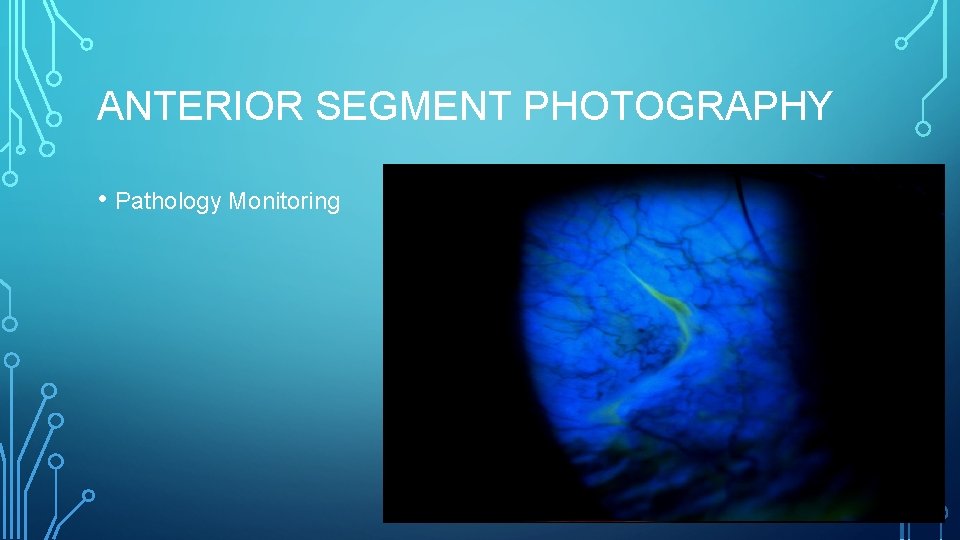
ANTERIOR SEGMENT PHOTOGRAPHY • Pathology Monitoring
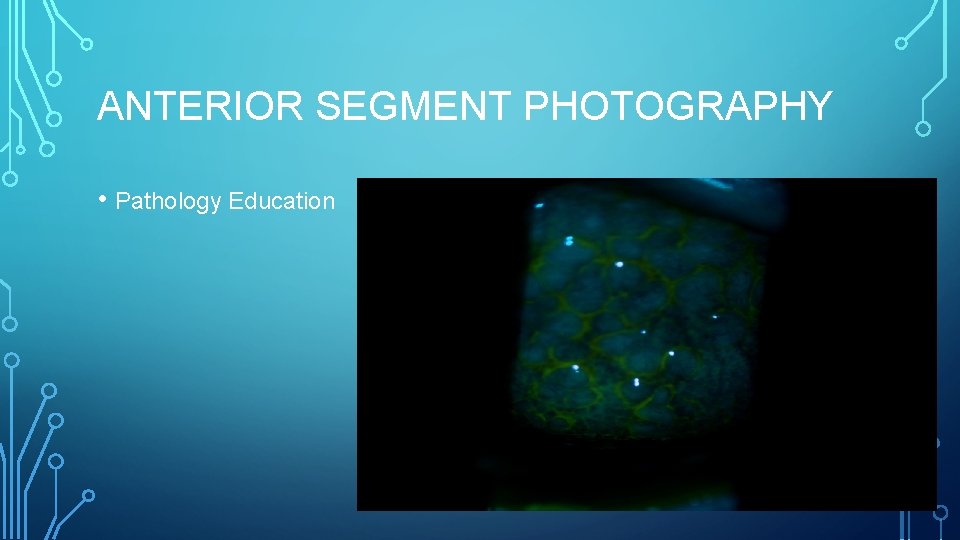
ANTERIOR SEGMENT PHOTOGRAPHY • Pathology Education
QUESTIONS • areddell@Family. Eye. Care. Center. LV. com