
Whats Alive How can you tell if something
- Slides: 24
What’s Alive? How can you tell if something is living, used to be alive or nonliving?
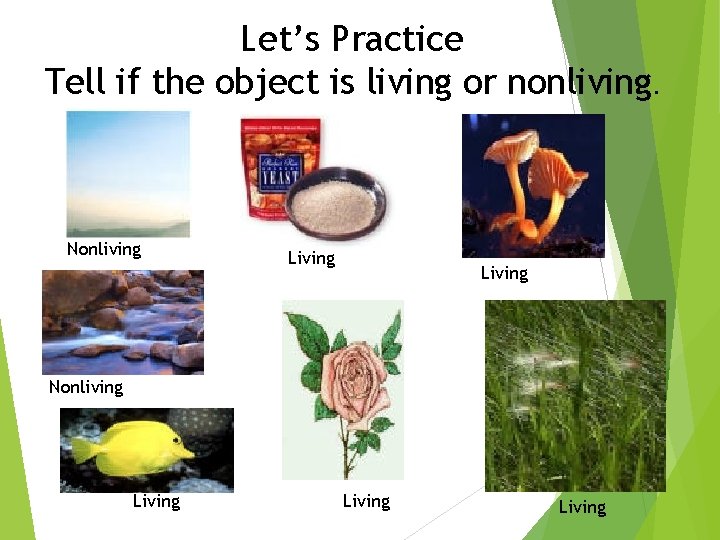
Let’s Practice Tell if the object is living or nonliving. Nonliving Living Living
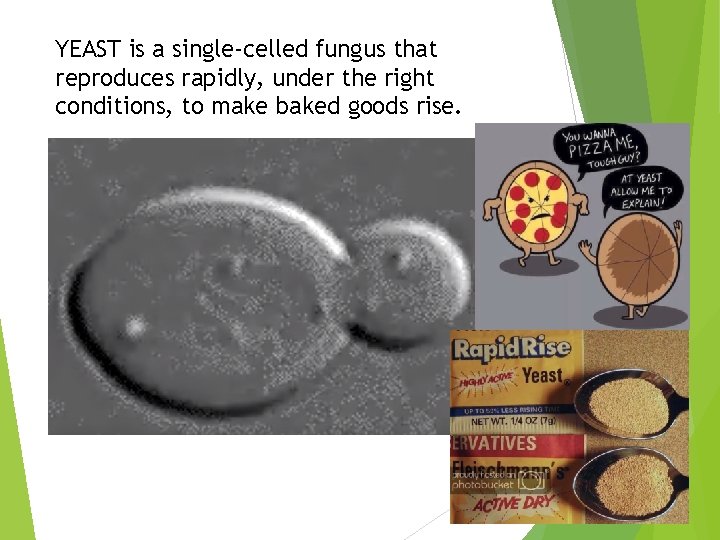
YEAST is a single-celled fungus that reproduces rapidly, under the right conditions, to make baked goods rise.
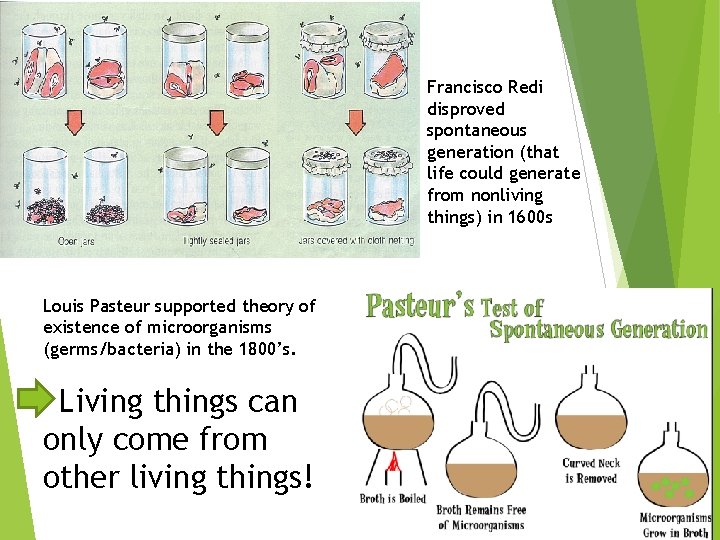
Francisco Redi disproved spontaneous generation (that life could generate from nonliving things) in 1600 s Louis Pasteur supported theory of existence of microorganisms (germs/bacteria) in the 1800’s. Living things can only come from other living things!
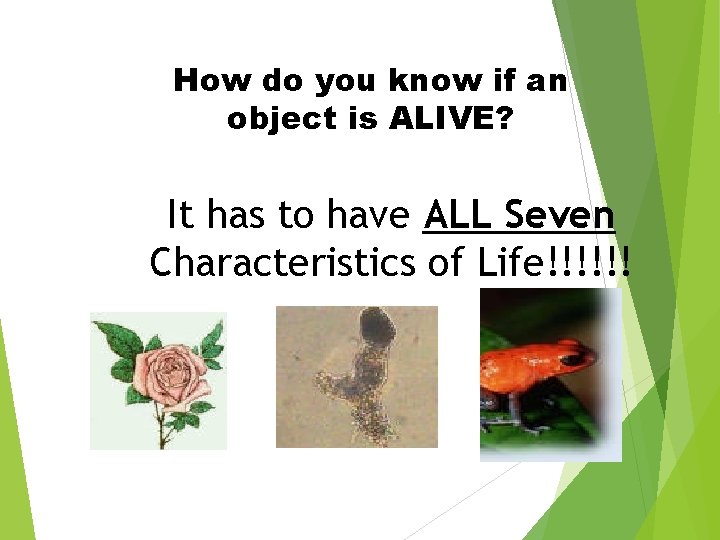
How do you know if an object is ALIVE? It has to have ALL Seven Characteristics of Life!!!!!!
Let’s learn about the 7 characteristics of life - DOGRACE
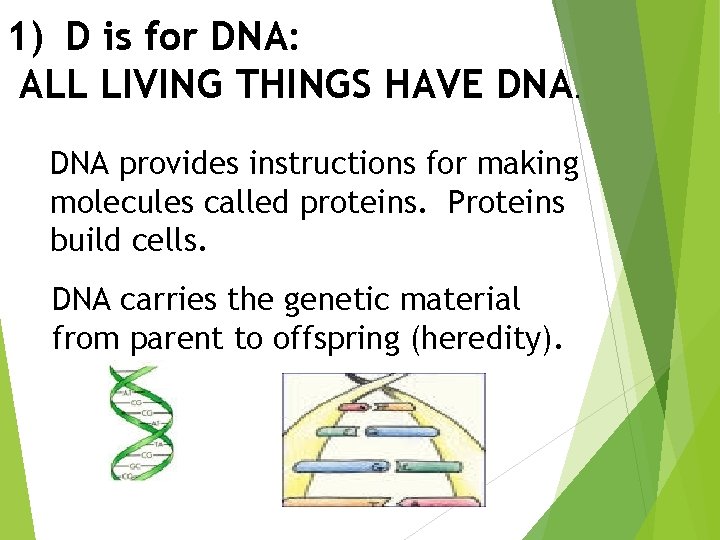
1) D is for DNA: ALL LIVING THINGS HAVE DNA provides instructions for making molecules called proteins. Proteins build cells. DNA carries the genetic material from parent to offspring (heredity).
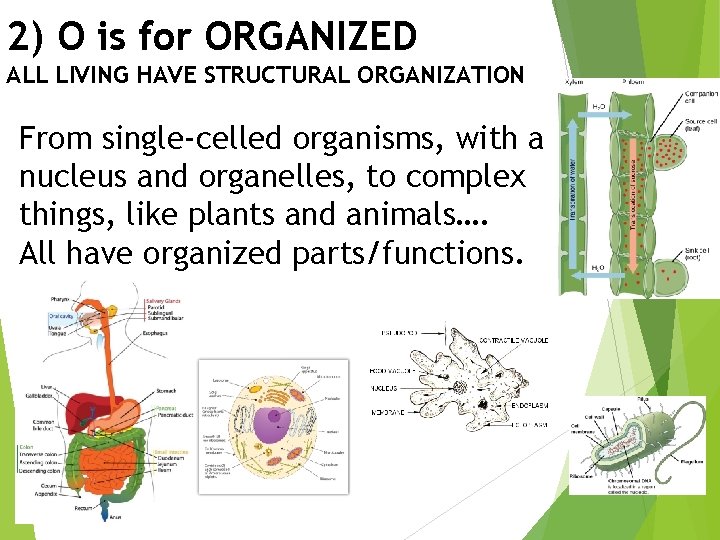
2) O is for ORGANIZED ALL LIVING HAVE STRUCTURAL ORGANIZATION From single-celled organisms, with a nucleus and organelles, to complex things, like plants and animals…. All have organized parts/functions.
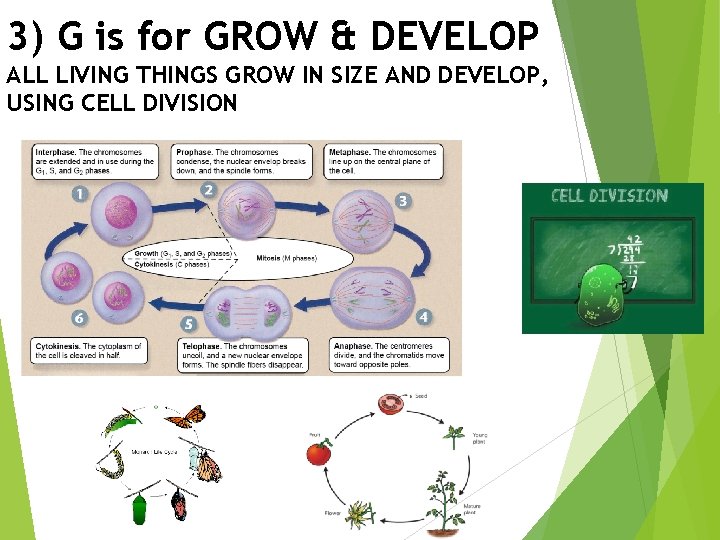
3) G is for GROW & DEVELOP ALL LIVING THINGS GROW IN SIZE AND DEVELOP, USING CELL DIVISION
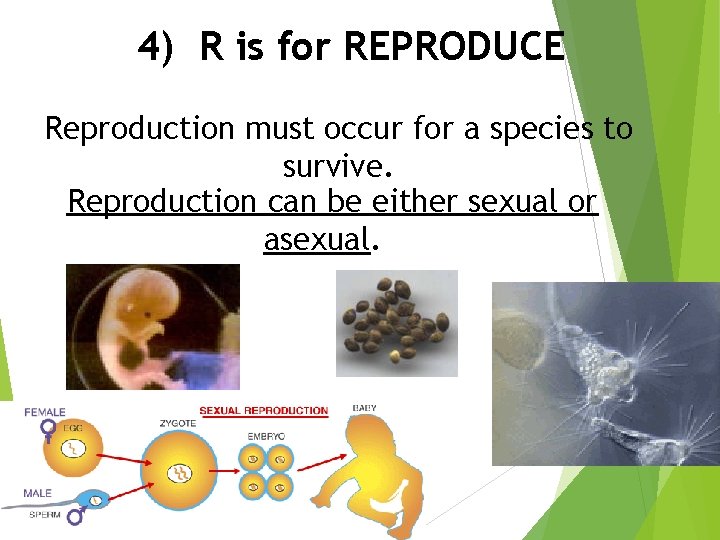
4) R is for REPRODUCE Reproduction must occur for a species to survive. Reproduction can be either sexual or asexual.
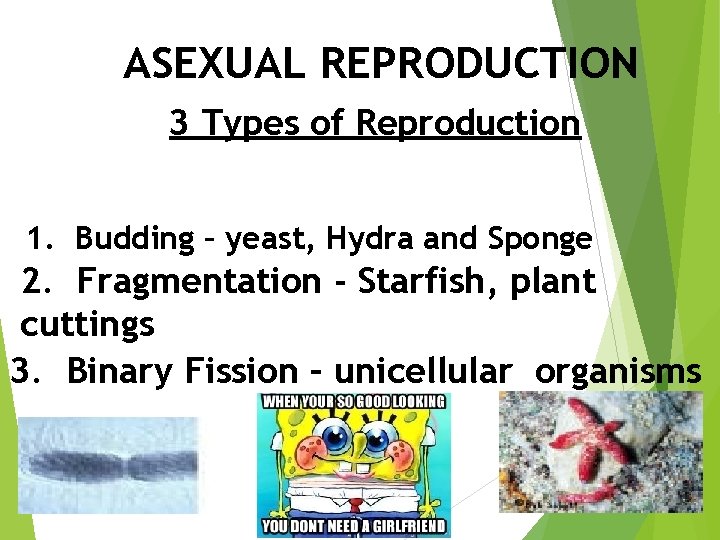
ASEXUAL REPRODUCTION 3 Types of Reproduction 1. Budding – yeast, Hydra and Sponge 2. Fragmentation - Starfish, plant cuttings 3. Binary Fission – unicellular organisms
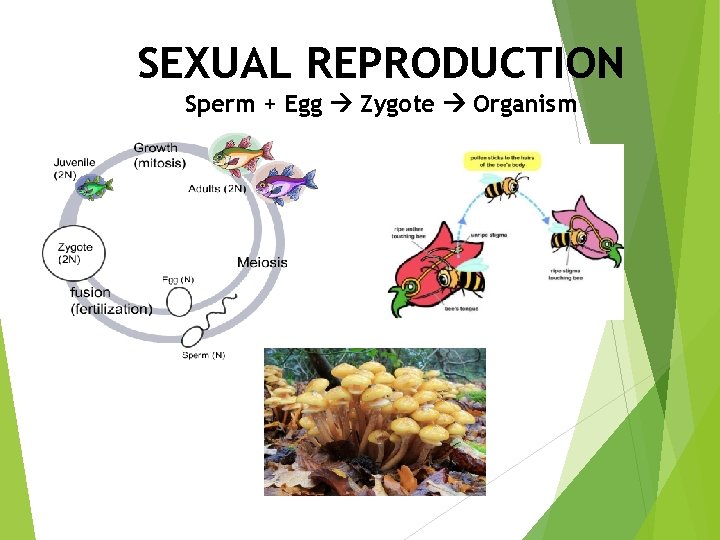
SEXUAL REPRODUCTION Sperm + Egg Zygote Organism
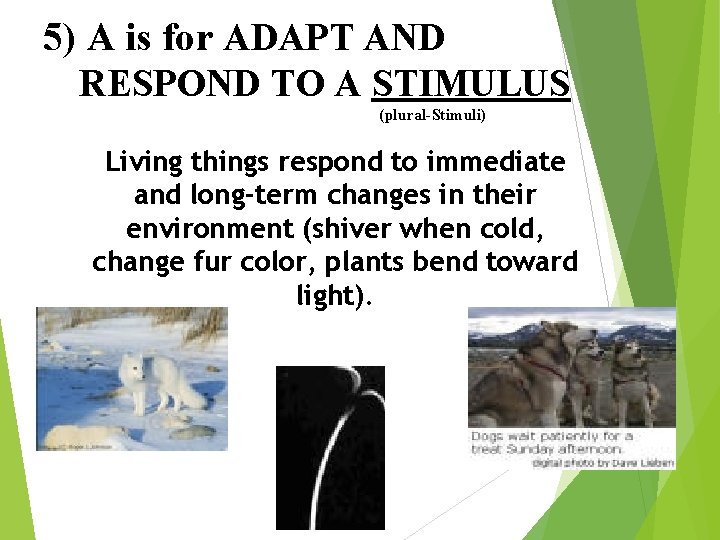
5) A is for ADAPT AND RESPOND TO A STIMULUS (plural-Stimuli) Living things respond to immediate and long-term changes in their environment (shiver when cold, change fur color, plants bend toward light).
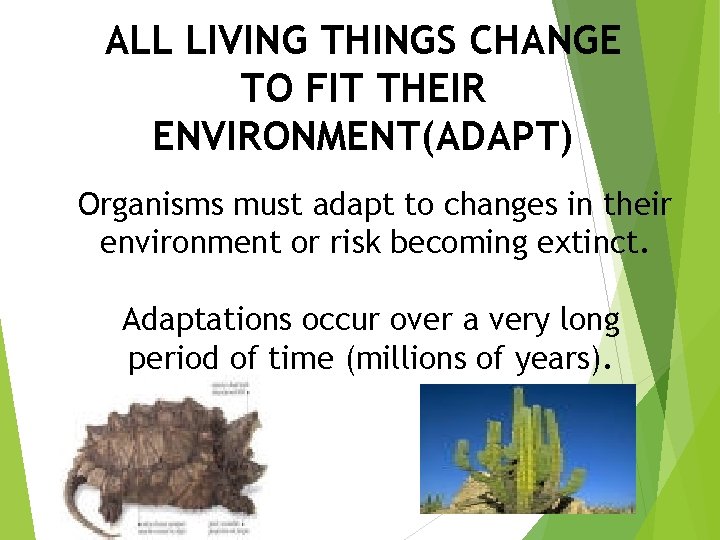
ALL LIVING THINGS CHANGE TO FIT THEIR ENVIRONMENT(ADAPT) Organisms must adapt to changes in their environment or risk becoming extinct. Adaptations occur over a very long period of time (millions of years).
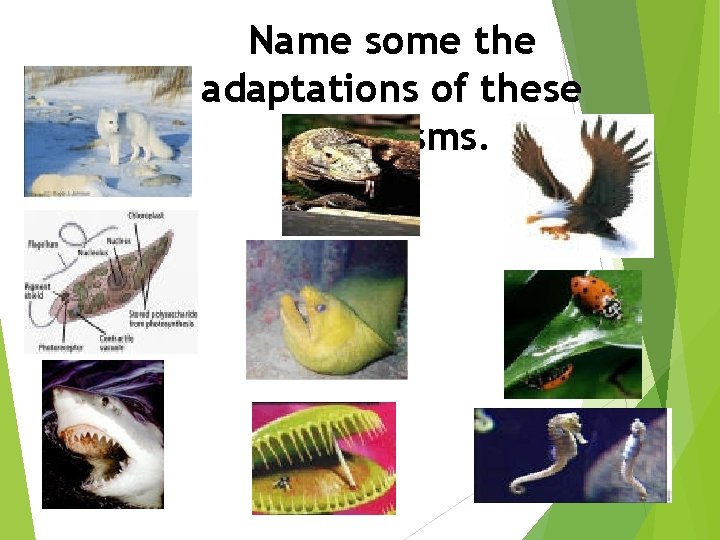
Name some the adaptations of these organisms.
Responding to Stimuli – HOMEOSTASIS: living things must keep things the same/balanced in order to survive (same)(stay) a. dogs pant when hot b. pupils dilate in lower light levels c. humans sweat when body gets too hot d. reflexes – touch hot stove, fight/flight e. Eating to maintain energy and keep body processes functioning
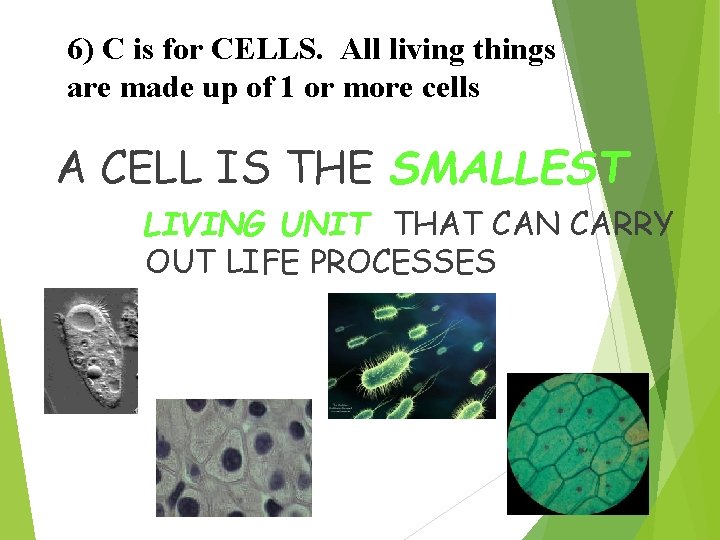
6) C is for CELLS. All living things are made up of 1 or more cells A CELL IS THE SMALLEST LIVING UNIT THAT CAN CARRY OUT LIFE PROCESSES
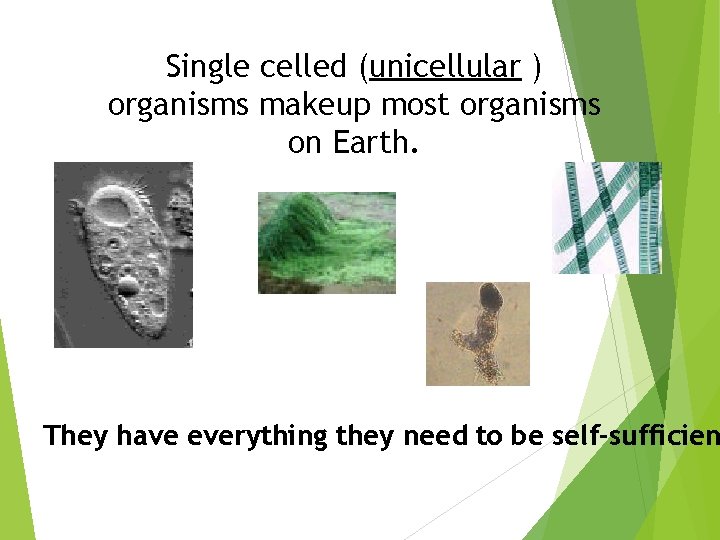
Single celled (unicellular ) organisms makeup most organisms on Earth. They have everything they need to be self-sufficien
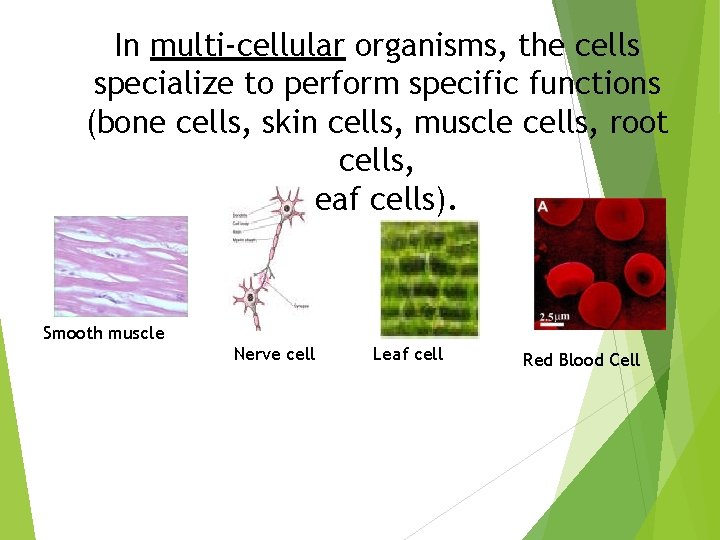
In multi-cellular organisms, the cells specialize to perform specific functions (bone cells, skin cells, muscle cells, root cells, leaf cells). Smooth muscle Nerve cell Leaf cell Red Blood Cell
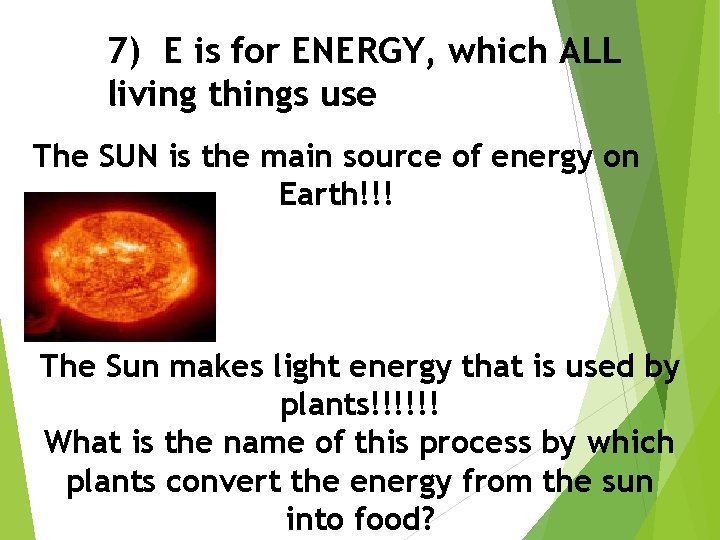
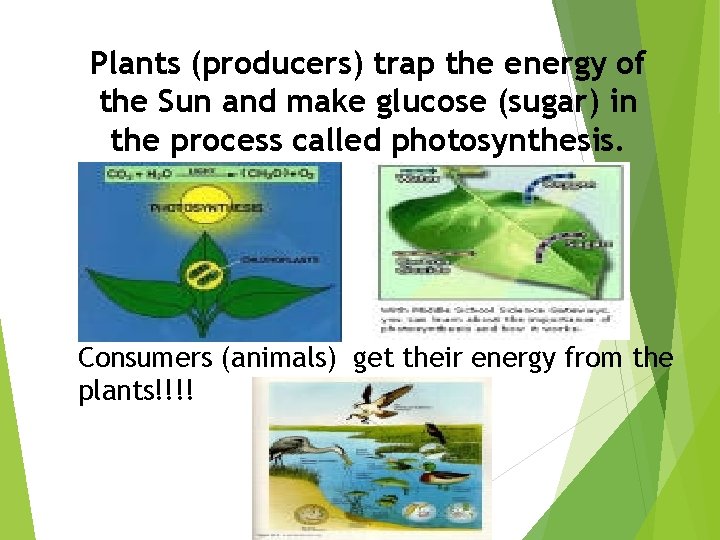
7) E is for ENERGY, which ALL living things use The SUN is the main source of energy on Earth!!! The Sun makes light energy that is used by plants!!!!!! What is the name of this process by which plants convert the energy from the sun into food?
Plants (producers) trap the energy of the Sun and make glucose (sugar) in the process called photosynthesis. Consumers (animals) get their energy from the plants!!!!
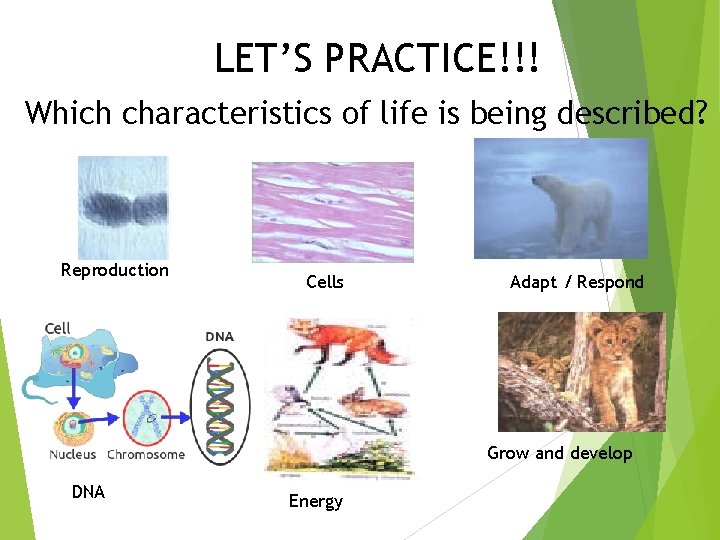
LET’S PRACTICE!!! Which characteristics of life is being described? Reproduction Cells Adapt / Respond Grow and develop DNA Energy
BELLRINGERS 1. Define: living, dead, nonliving. 2. Give examples of living, nonliving and dead objects. 3. Describe how you would know if an object is living or nonliving? 4. Define: multicellular, unicellular 5. Define: prokaryotic cell, eukaryotic cell 6. Define: taxonomy, classification, kingdom, organism
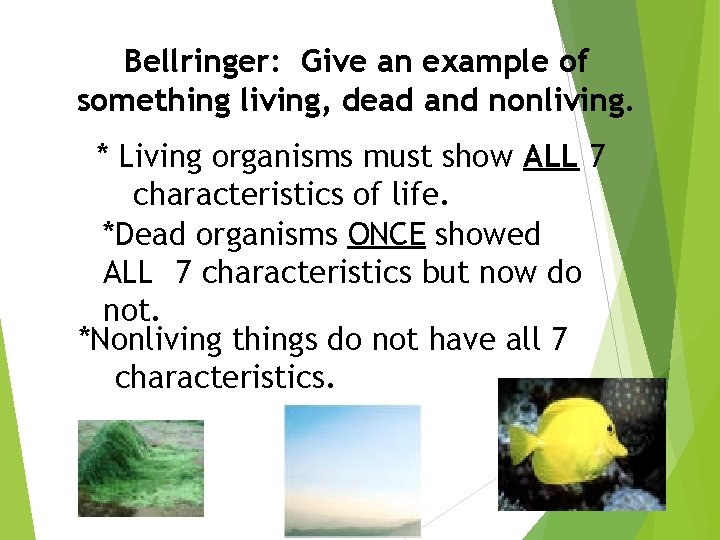
Bellringer: Give an example of something living, dead and nonliving. * Living organisms must show ALL 7 characteristics of life. *Dead organisms ONCE showed ALL 7 characteristics but now do not. *Nonliving things do not have all 7 characteristics.