
What we know about global climate change Philip
What we know about global climate change Philip Mote (206) 616 -5346 philip@atmos. washington. edu University of Washington
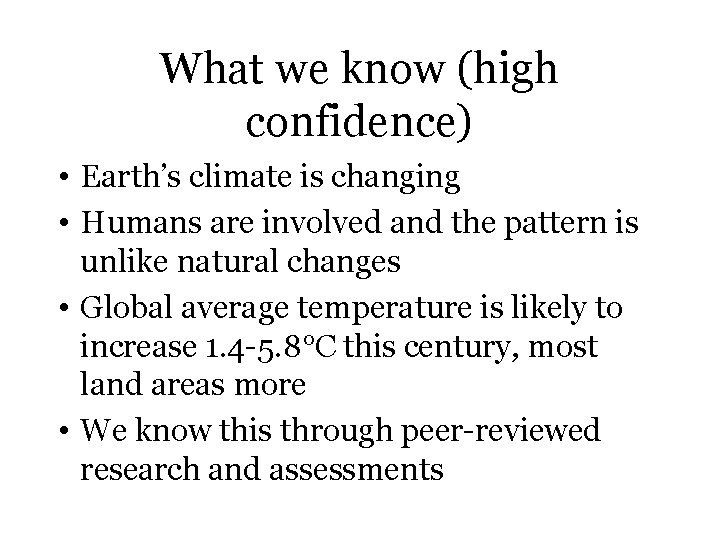
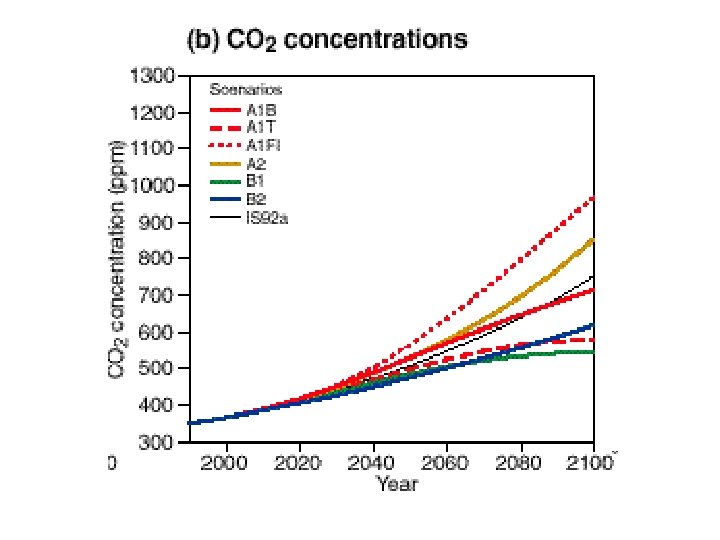
What we know (high confidence) • Earth’s climate is changing • Humans are involved and the pattern is unlike natural changes • Global average temperature is likely to increase 1. 4 -5. 8°C this century, most land areas more • We know this through peer-reviewed research and assessments

Evidence of warming • • • Direct measurements Glaciers receding Ice shelves collapsing Snow declining and streamflow shifting Shifts in ranges and behavior of species
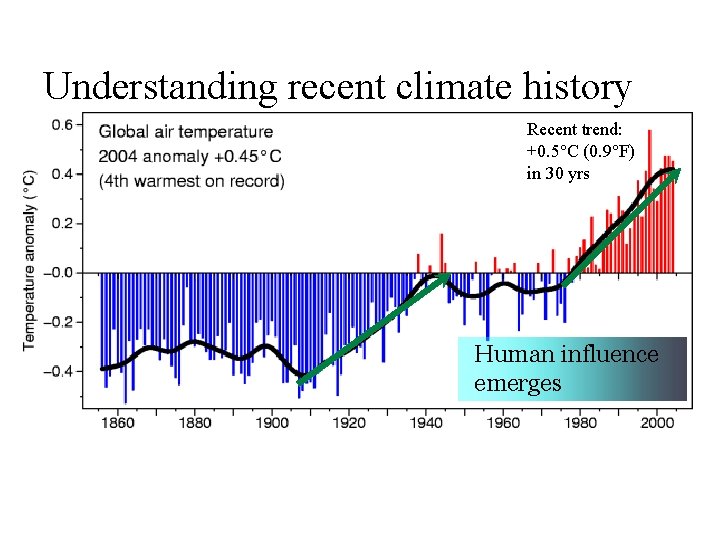
Understanding recent climate history Recent trend: +0. 5°C (0. 9°F) in 30 yrs Human influence emerges

Larsen B Ice shelf Antarctica January 31, 2002 MODIS data Courtesy NSIDC
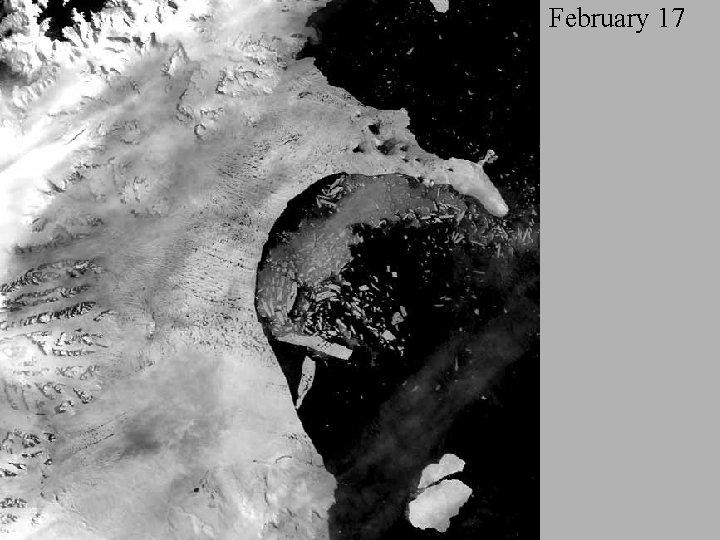
February 17
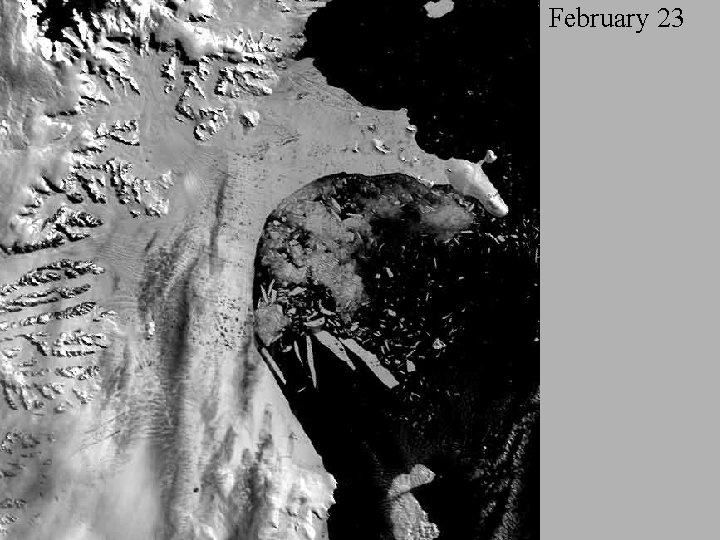
February 23
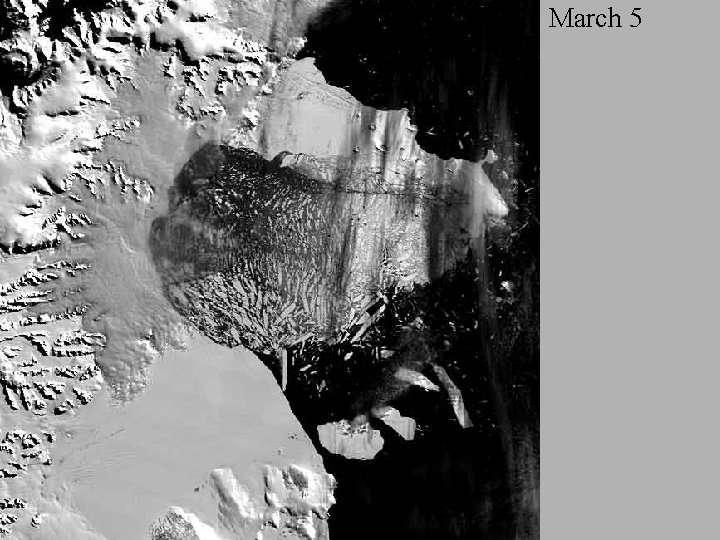
March 5
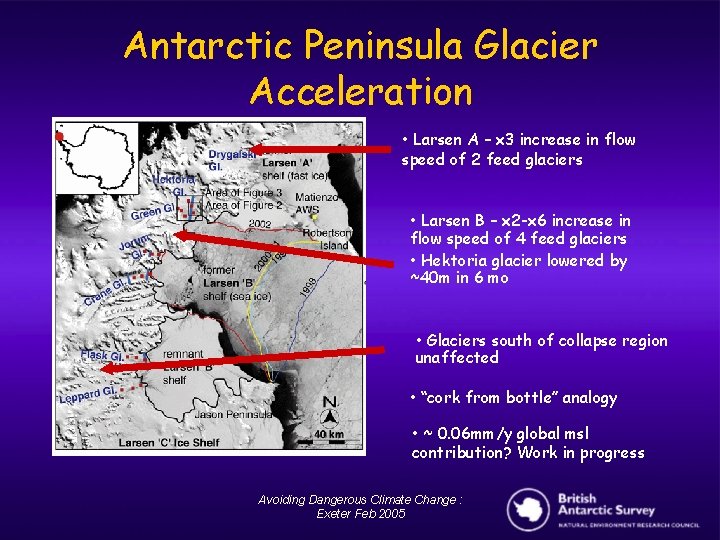
Antarctic Peninsula Glacier Acceleration • Larsen A – x 3 increase in flow speed of 2 feed glaciers • Larsen B – x 2 -x 6 increase in flow speed of 4 feed glaciers • Hektoria glacier lowered by ~40 m in 6 mo • Glaciers south of collapse region unaffected • “cork from bottle” analogy • ~ 0. 06 mm/y global msl contribution? Work in progress Avoiding Dangerous Climate Change : Exeter Feb 2005
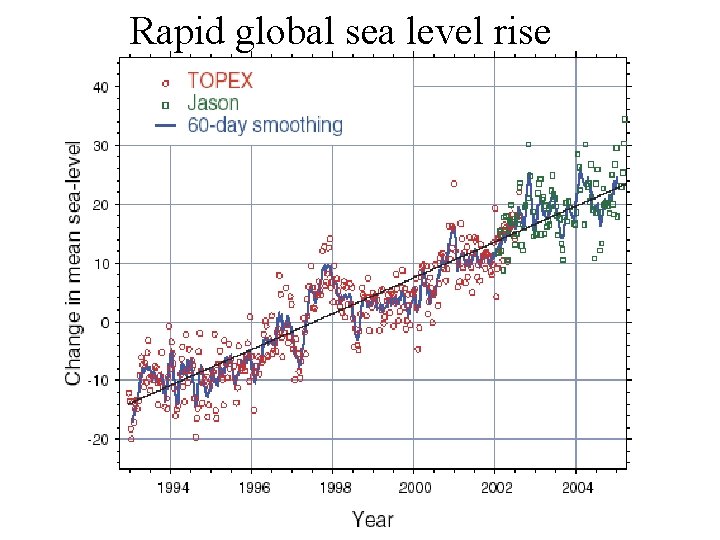
Rapid global sea level rise
Local evidence of warming 13
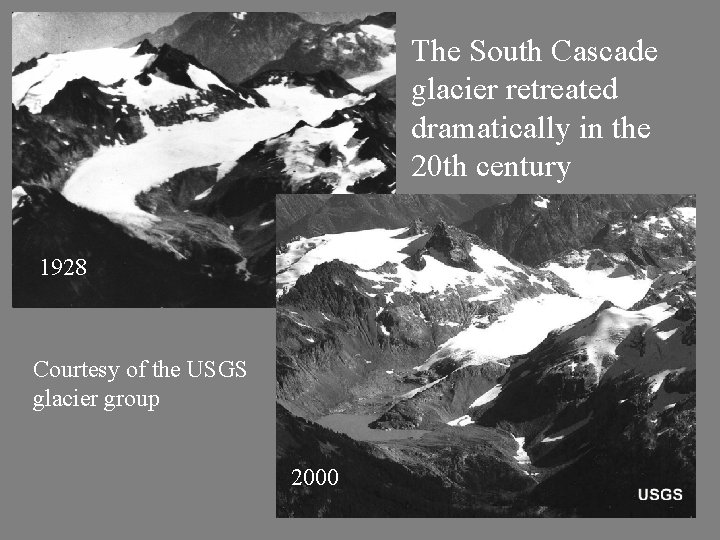
The South Cascade glacier retreated dramatically in the 20 th century 1928 Courtesy of the USGS glacier group 2000
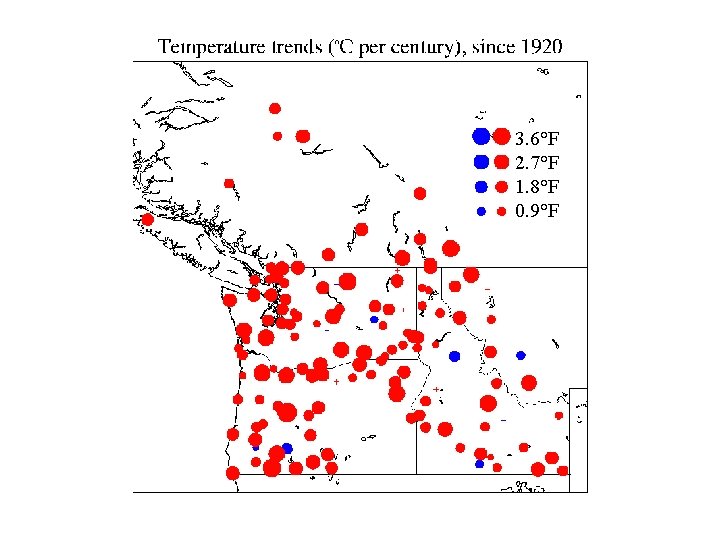
3. 6°F 2. 7°F 1. 8°F 0. 9°F
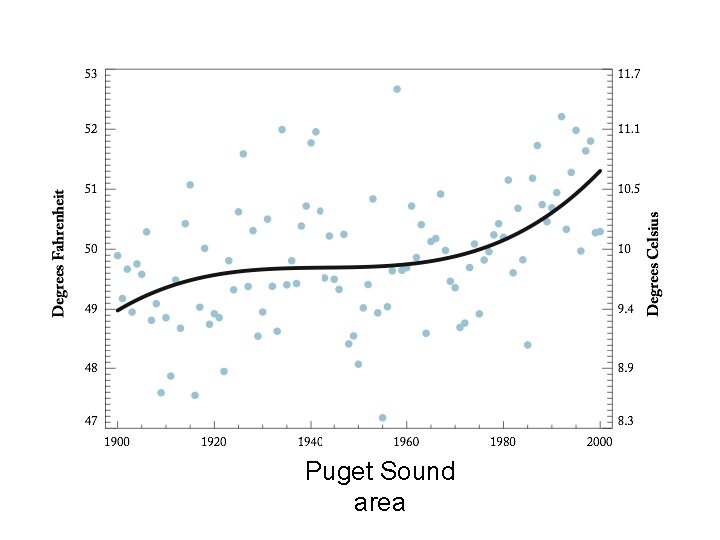
Puget Sound area
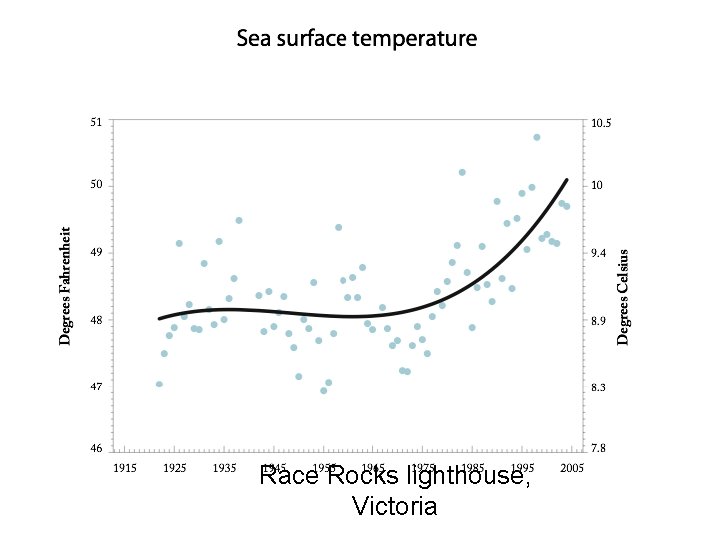
Race Rocks lighthouse, Victoria
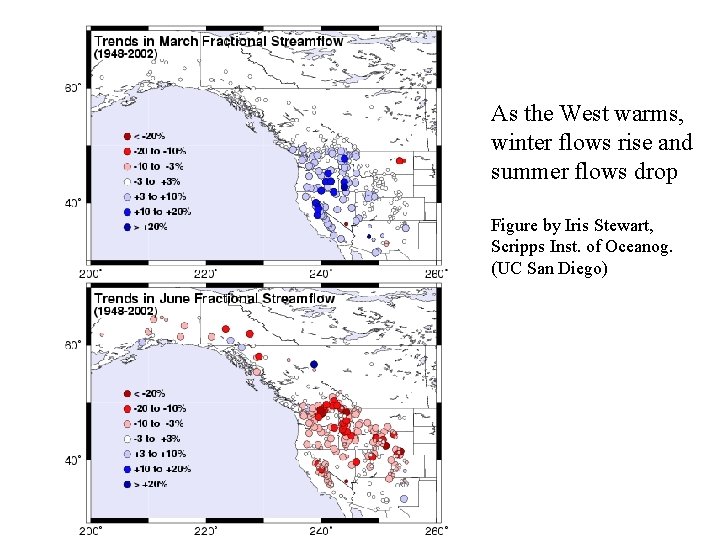
As the West warms, winter flows rise and summer flows drop Figure by Iris Stewart, Scripps Inst. of Oceanog. (UC San Diego)
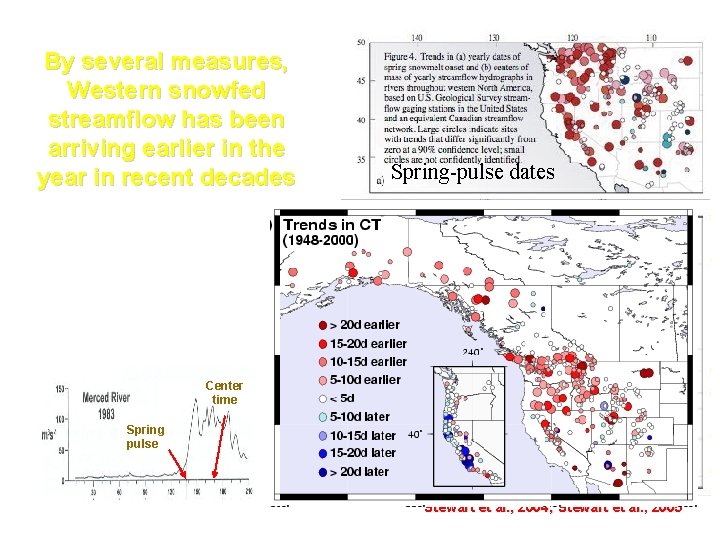
By several measures, Western snowfed streamflow has been arriving earlier in the year in recent decades Spring-pulse dates Center time Spring pulse Centers of Mass Stewart et al. , 2004; Stewart et al. , 2005
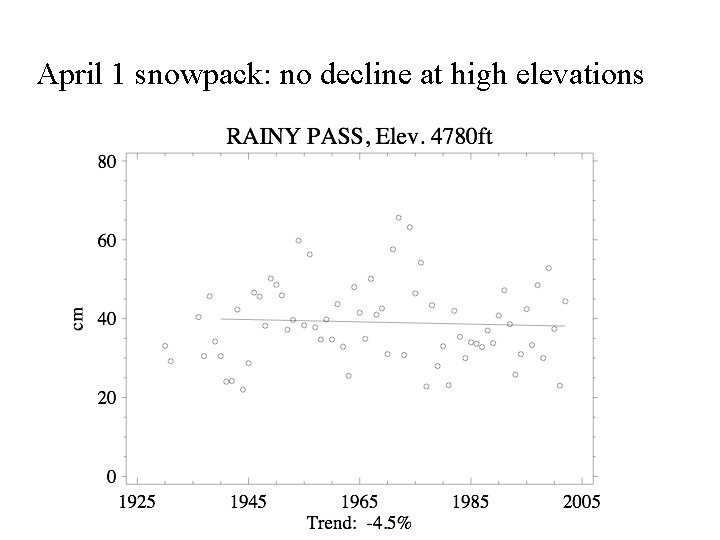
April 1 snowpack: no decline at high elevations
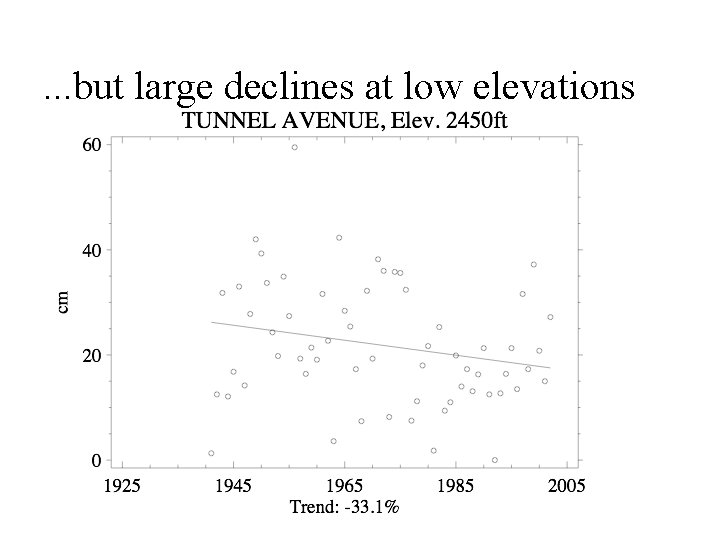
. . . but large declines at low elevations
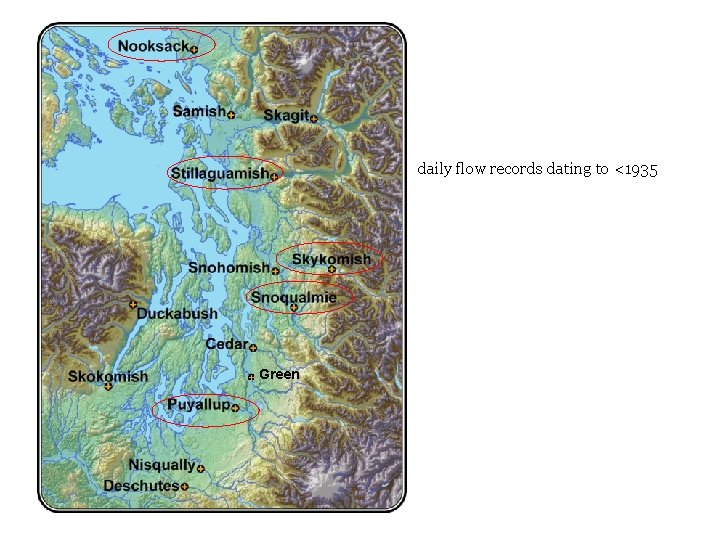
daily flow records dating to <1935 Green
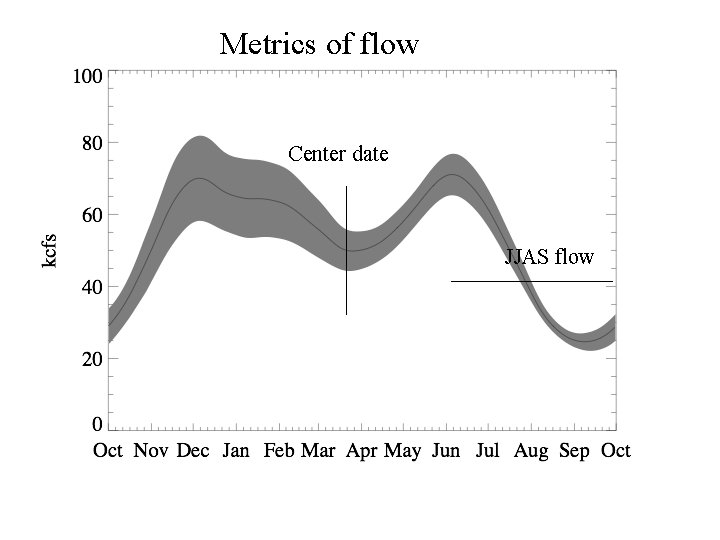
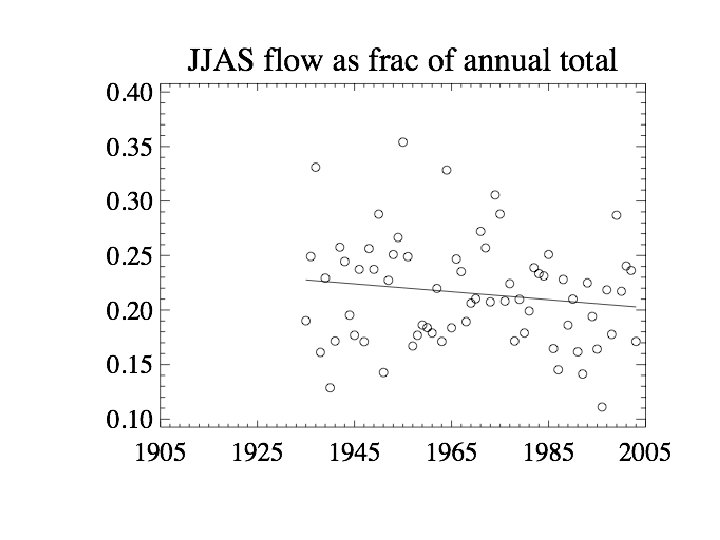
Metrics of flow Center date JJAS flow
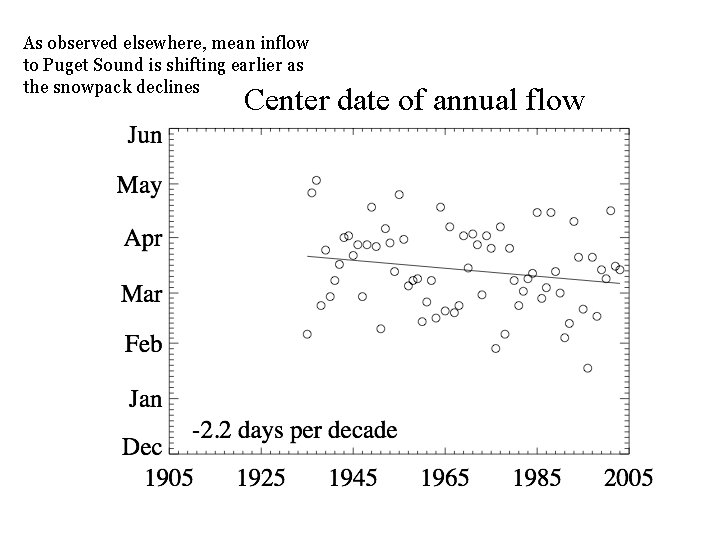
As observed elsewhere, mean inflow to Puget Sound is shifting earlier as the snowpack declines Center date of annual flow
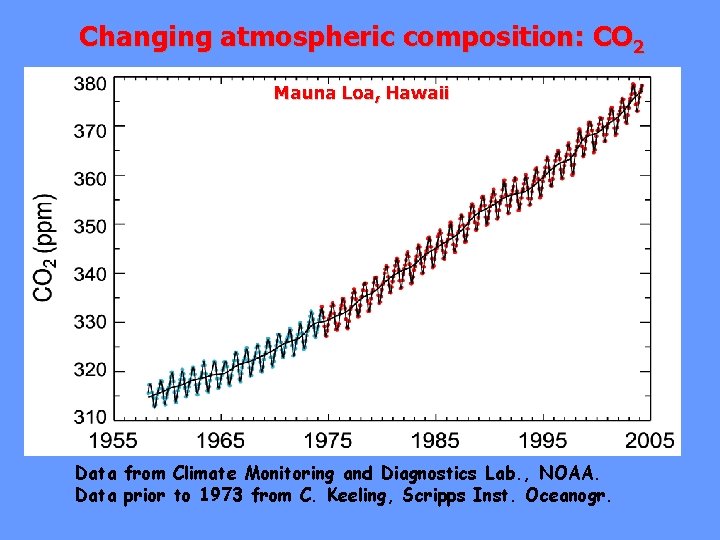
Changing atmospheric composition: CO 2 Mauna Loa, Hawaii Data from Climate Monitoring and Diagnostics Lab. , NOAA. Data prior to 1973 from C. Keeling, Scripps Inst. Oceanogr.
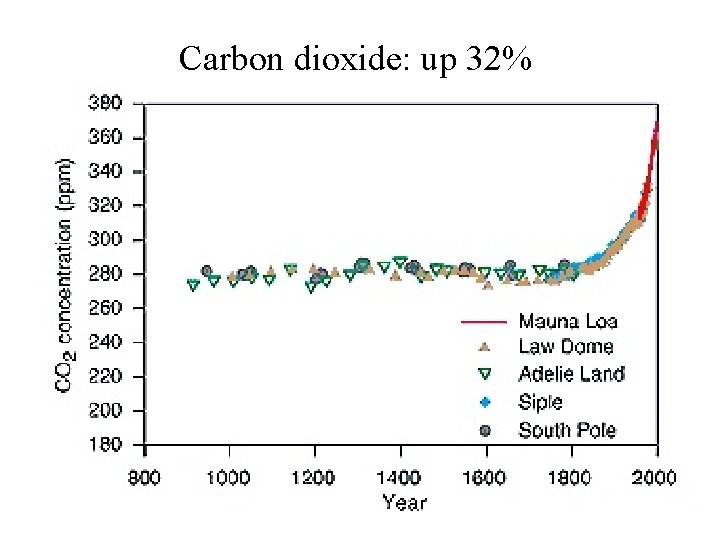
Carbon dioxide: up 32%
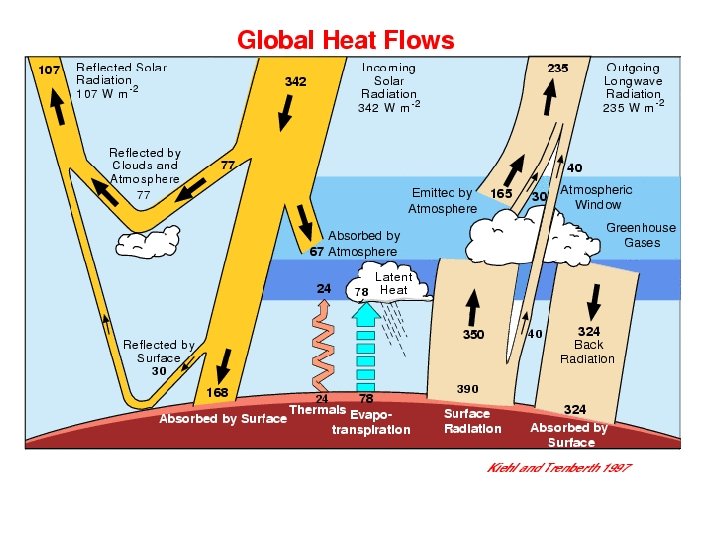

Natural Climate Influence Human Climate Influence All Climate Influences
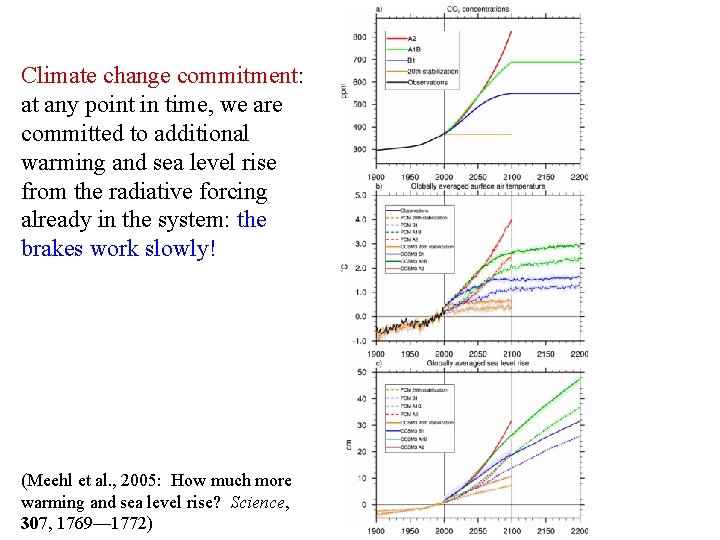
Climate change commitment: at any point in time, we are committed to additional warming and sea level rise from the radiative forcing already in the system: the brakes work slowly! (Meehl et al. , 2005: How much more warming and sea level rise? Science, 307, 1769— 1772)
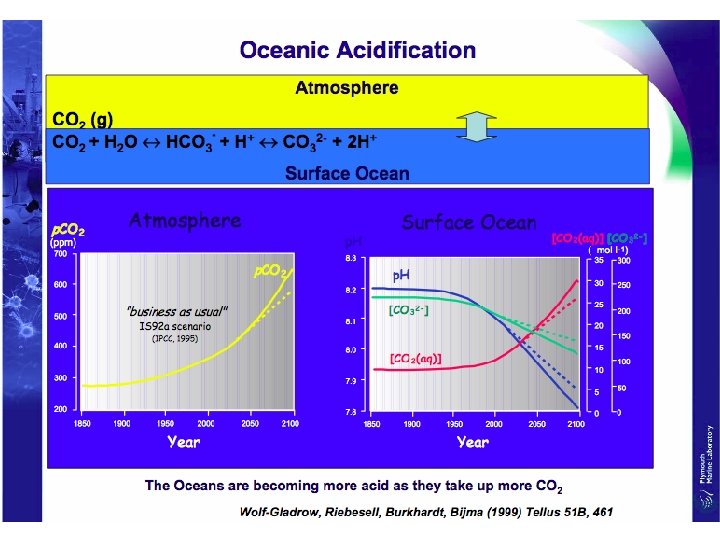
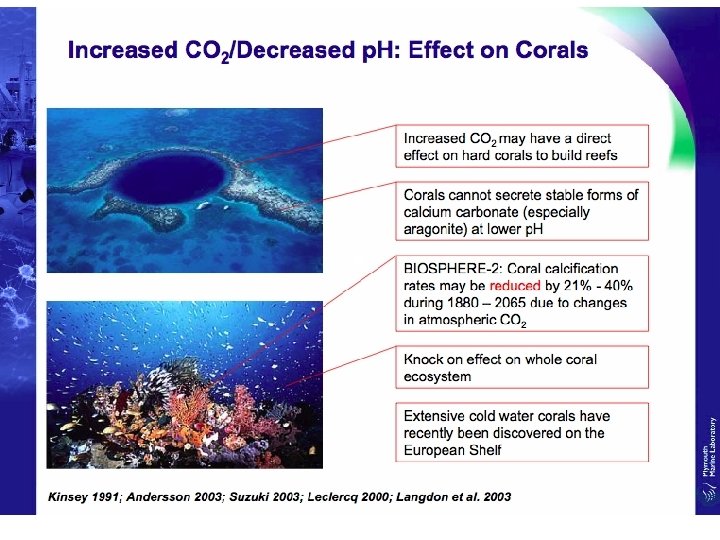
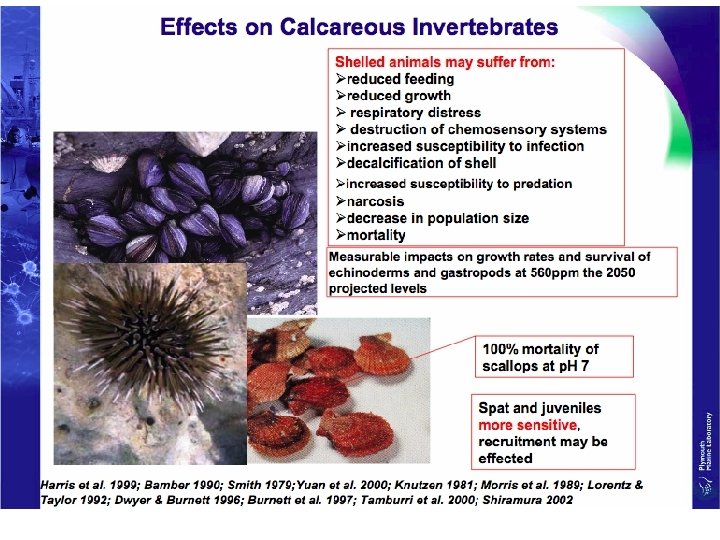
Recent findings and events z. Ocean acidification z. Intensity and destructiveness of tropical cyclones may be increasing (controversial) z. Unprecedented 2003 European heat wave may have been accentuated by warming
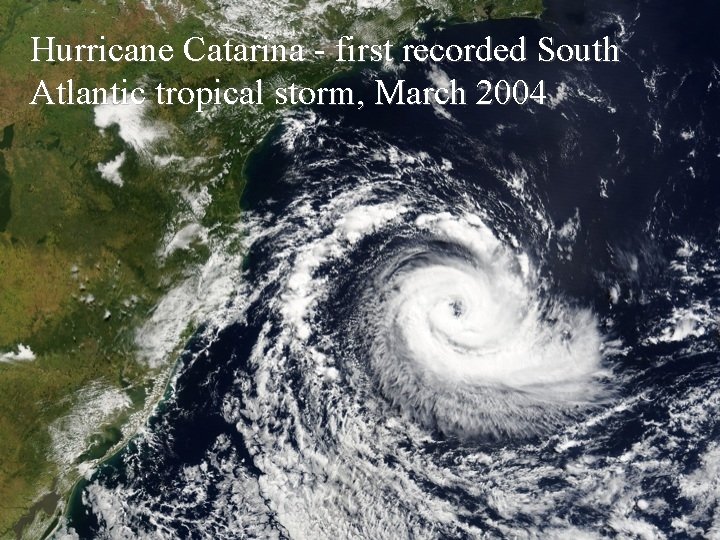
Hurricane Catarina - first recorded South Atlantic tropical storm, March 2004
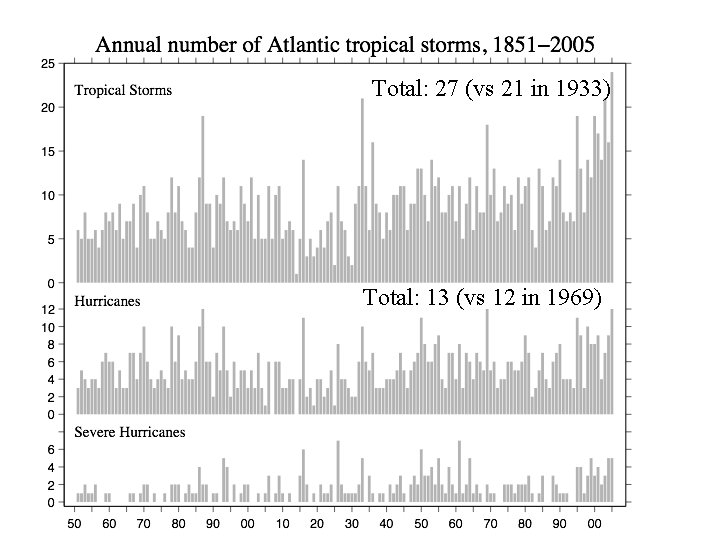
Total: 27 (vs 21 in 1933) Total: 13 (vs 12 in 1969)
Conclusions z. Human influence on climate has emerged z. Warming and its consequences will continue even after greenhouse gas concentrations are stabilized z
- Slides: 36