
What types of pathology can we identify and
- Slides: 32
What types of pathology can we identify and study from EKGs? • • • Arrhythmias Myocardial ischemia and infarction Pericarditis Chamber hypertrophy Electrolyte disturbances (i. e. hyperkalemia, hypokalemia) • Drug toxicity (i. e. digoxin and drugs which prolong the QT interval)
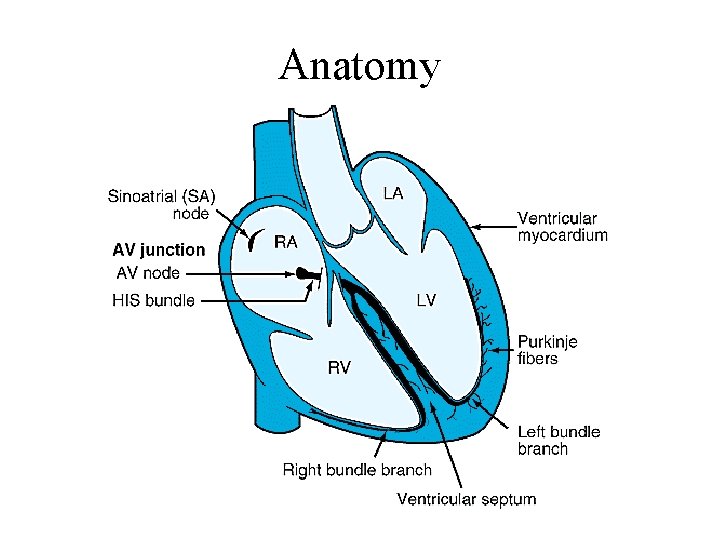
Anatomy
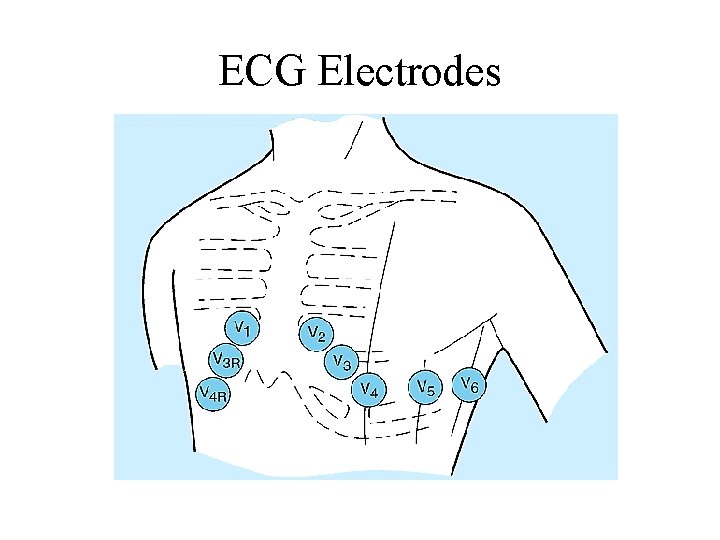
ECG Electrodes
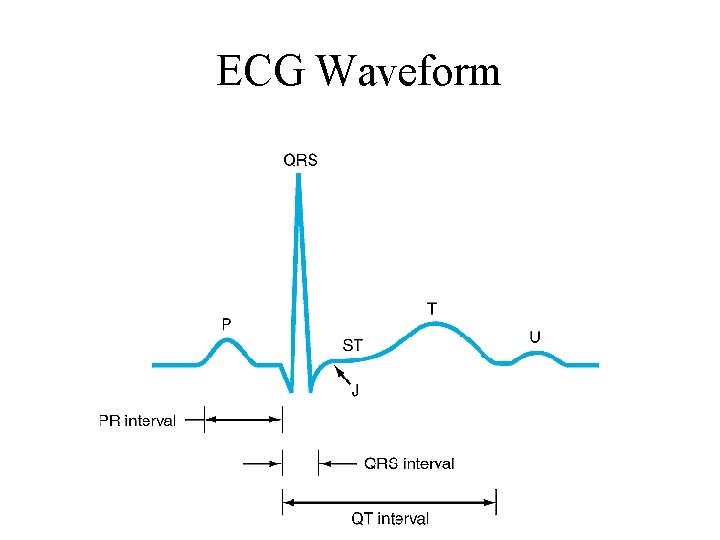
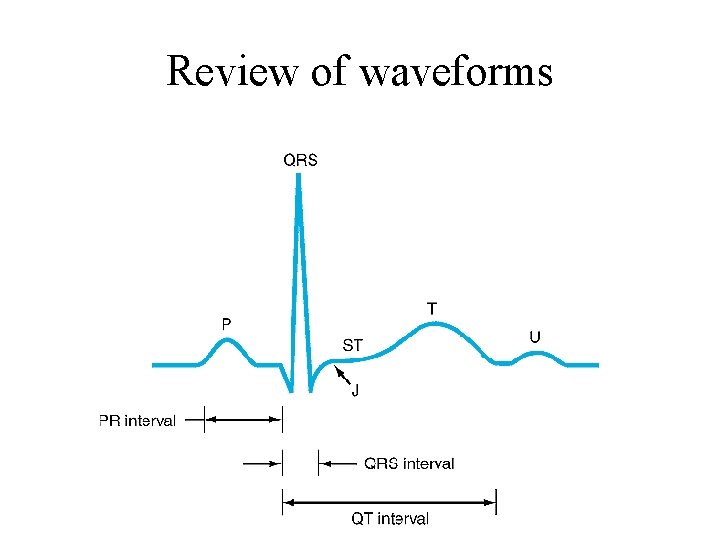
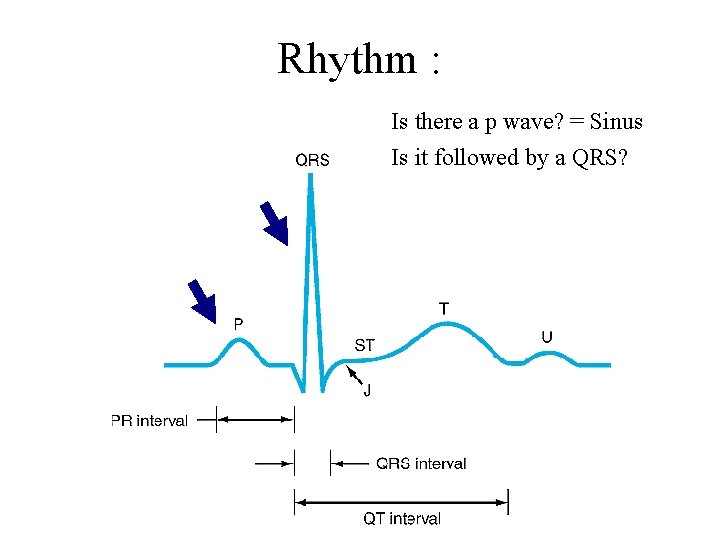
ECG Waveform
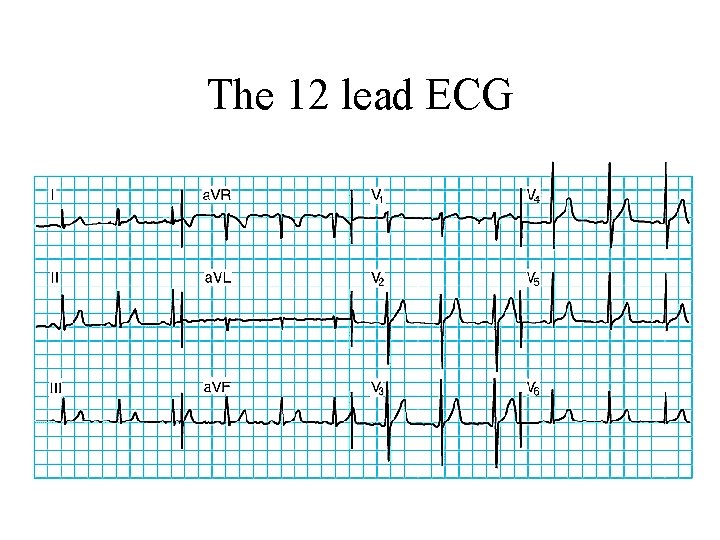
The 12 lead ECG
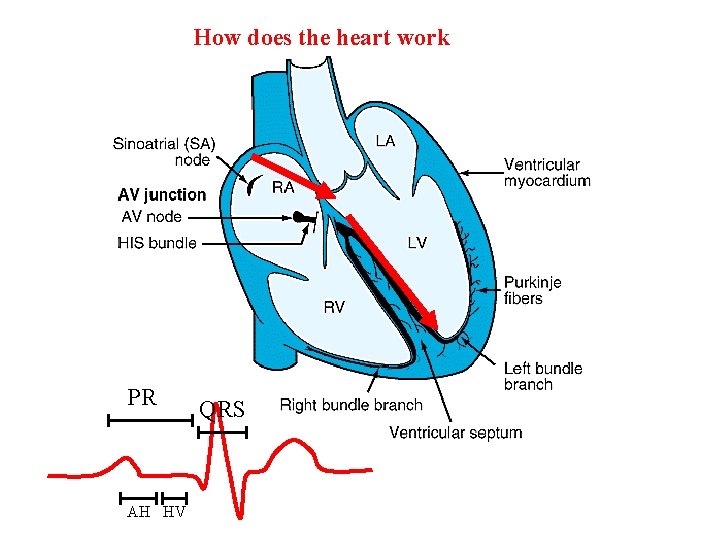
How does the heart work PR AH HV QRS
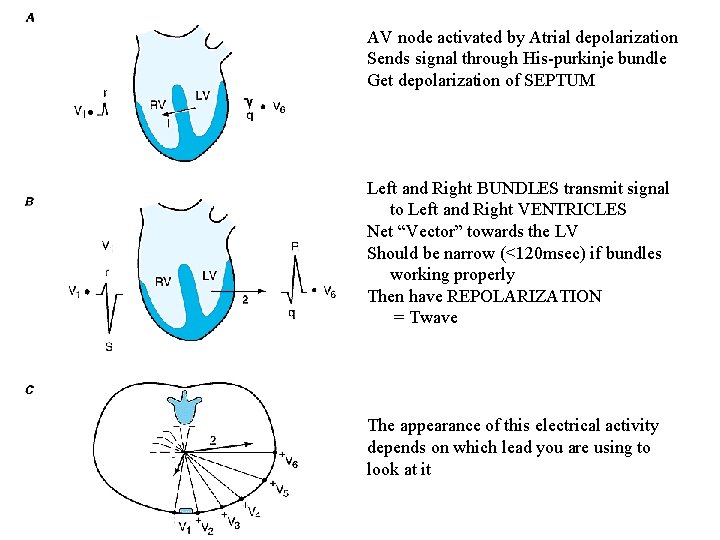
AV node activated by Atrial depolarization Sends signal through His-purkinje bundle Get depolarization of SEPTUM Left and Right BUNDLES transmit signal to Left and Right VENTRICLES Net “Vector” towards the LV Should be narrow (<120 msec) if bundles working properly Then have REPOLARIZATION = Twave The appearance of this electrical activity depends on which lead you are using to look at it
Review of waveforms
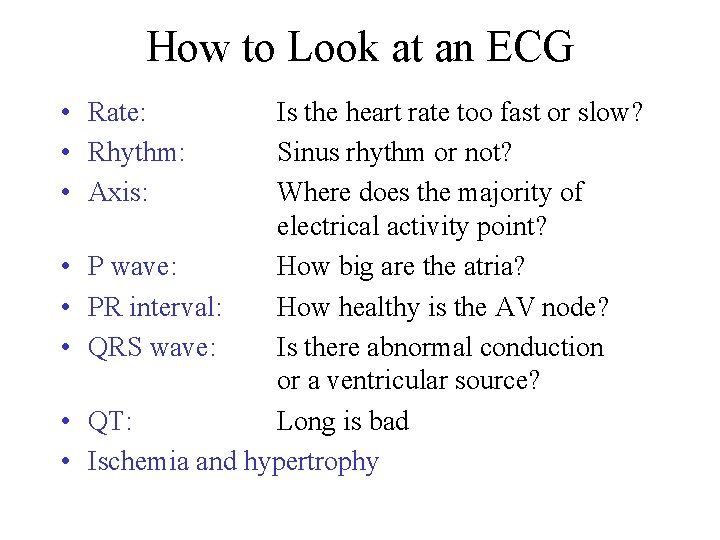
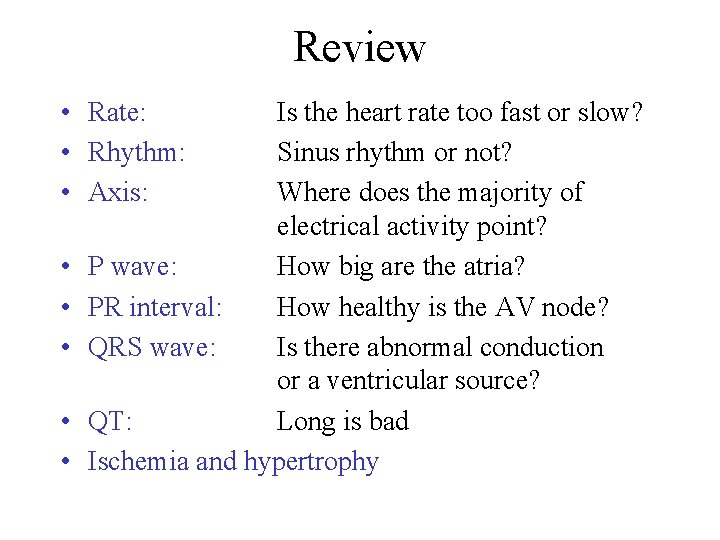
How to Look at an ECG • Rate: • Rhythm: • Axis: • • • Is the heart rate too fast or slow? Sinus rhythm or not? Where does the majority of electrical activity point? P wave: How big are the atria? PR interval: How healthy is the AV node? QRS wave: Is there abnormal conduction or a ventricular source? QT: Long is bad Ischemia and hypertrophy
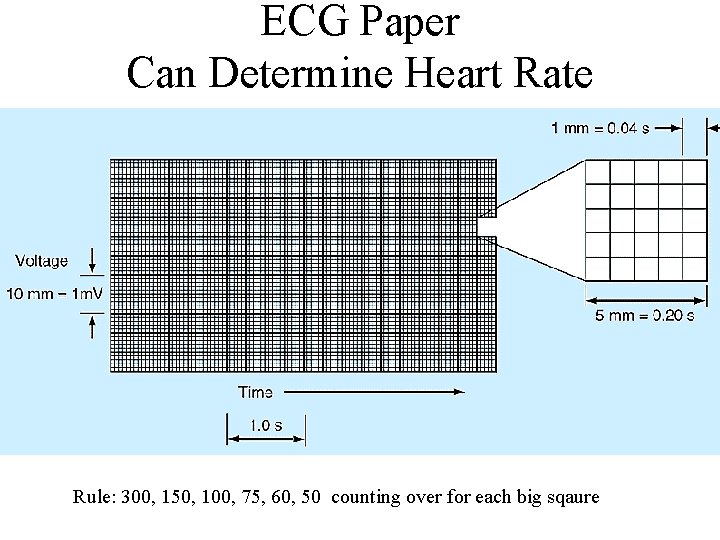
ECG Paper Can Determine Heart Rate Rule: 300, 150, 100, 75, 60, 50 counting over for each big sqaure
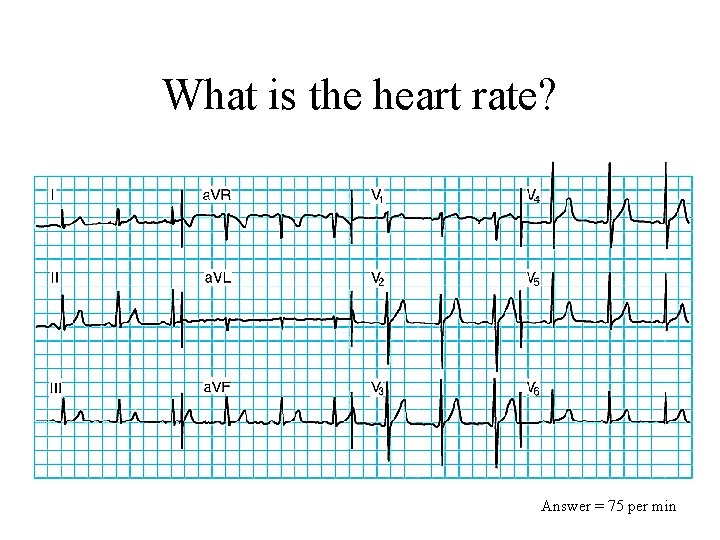
What is the heart rate? Answer = 75 per min
Rhythm : Is there a p wave? = Sinus Is it followed by a QRS?
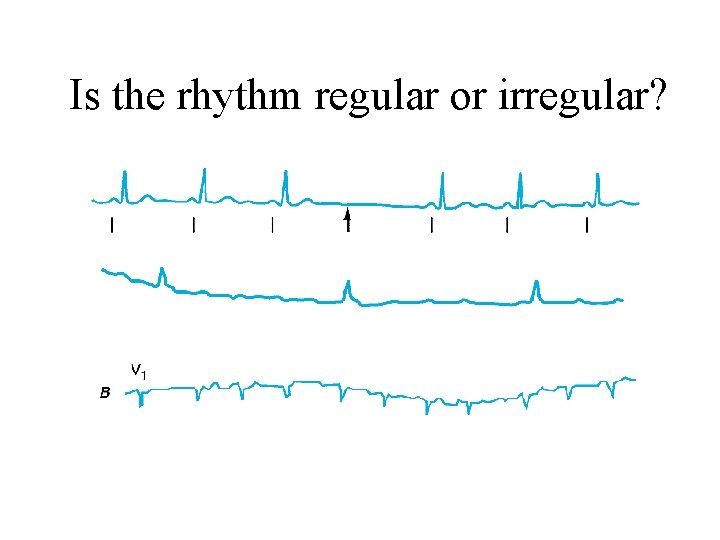
Is the rhythm regular or irregular?
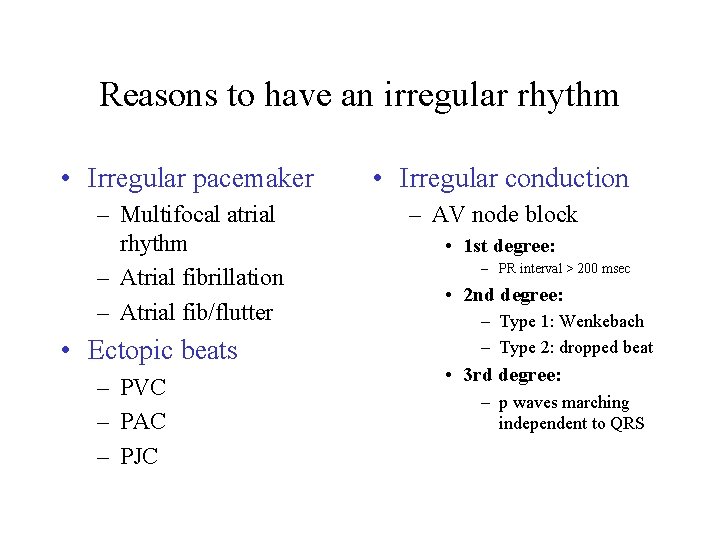
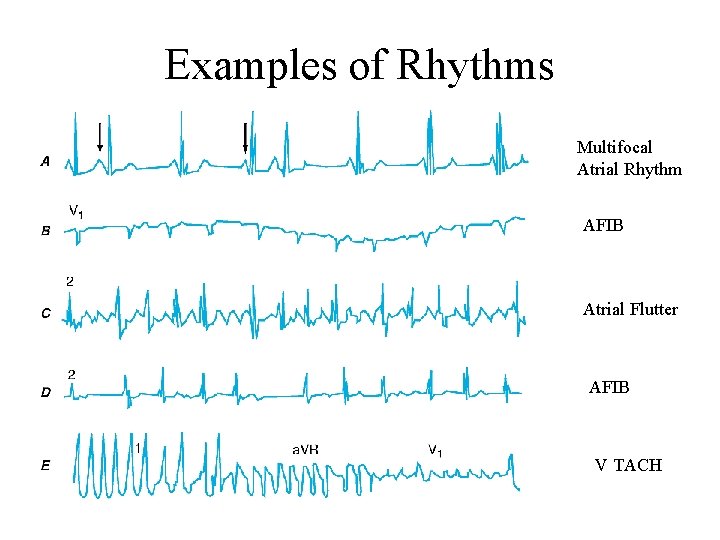
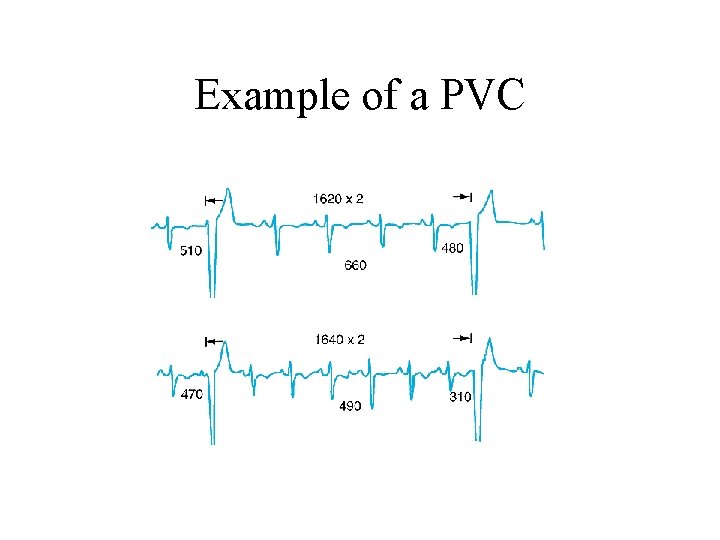
Reasons to have an irregular rhythm • Irregular pacemaker – Multifocal atrial rhythm – Atrial fibrillation – Atrial fib/flutter • Ectopic beats – PVC – PAC – PJC • Irregular conduction – AV node block • 1 st degree: – PR interval > 200 msec • 2 nd degree: – Type 1: Wenkebach – Type 2: dropped beat • 3 rd degree: – p waves marching independent to QRS
Examples of Rhythms Multifocal Atrial Rhythm AFIB Atrial Flutter AFIB V TACH
Example of a PVC
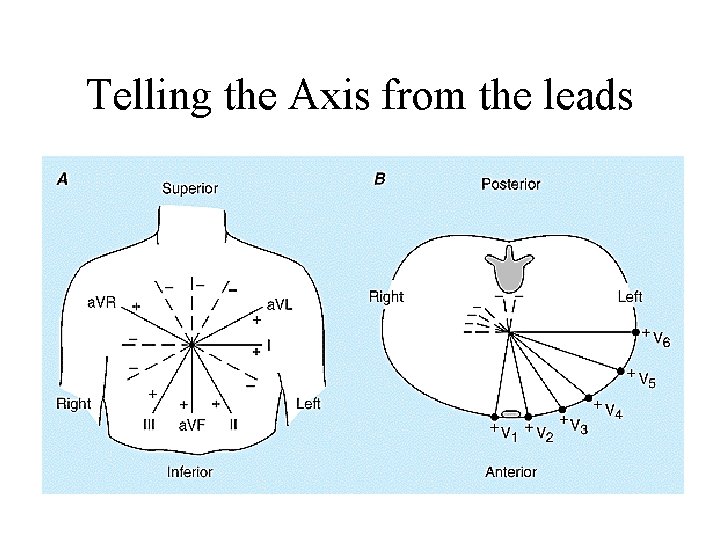
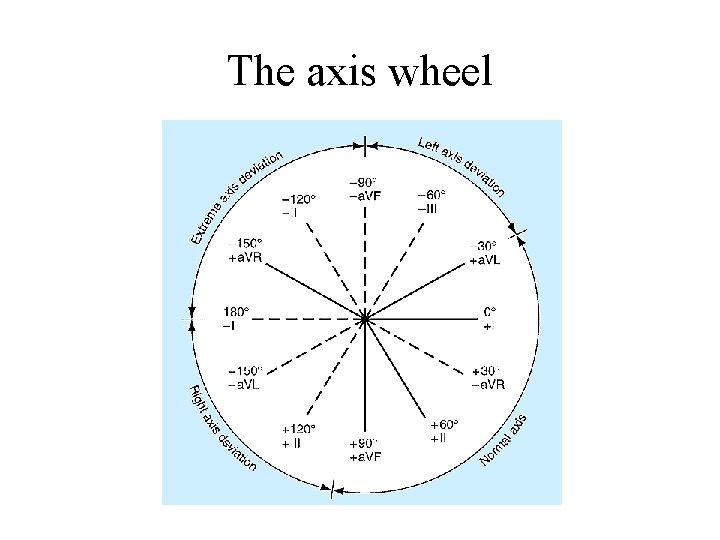
Telling the Axis from the leads
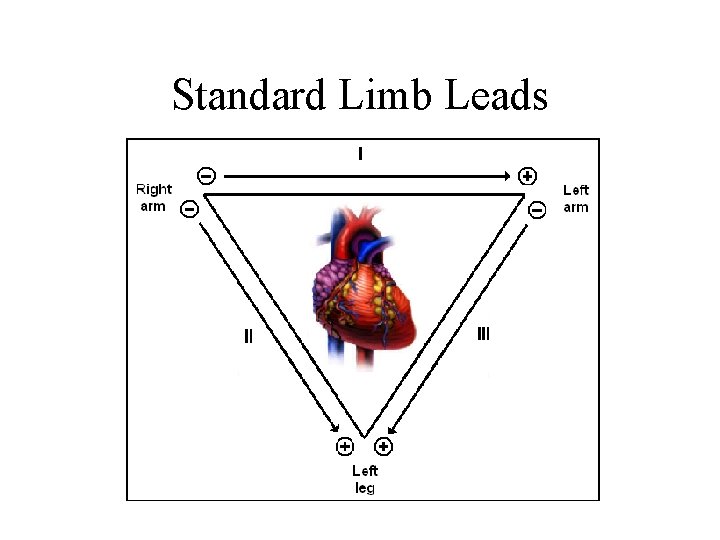
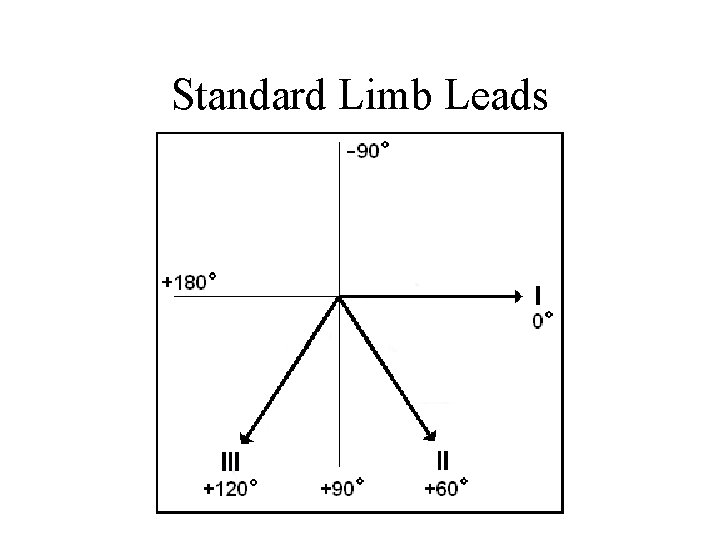
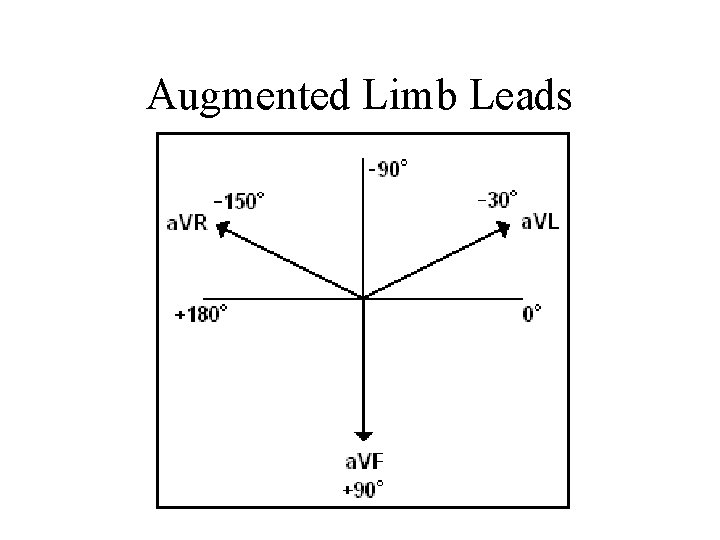
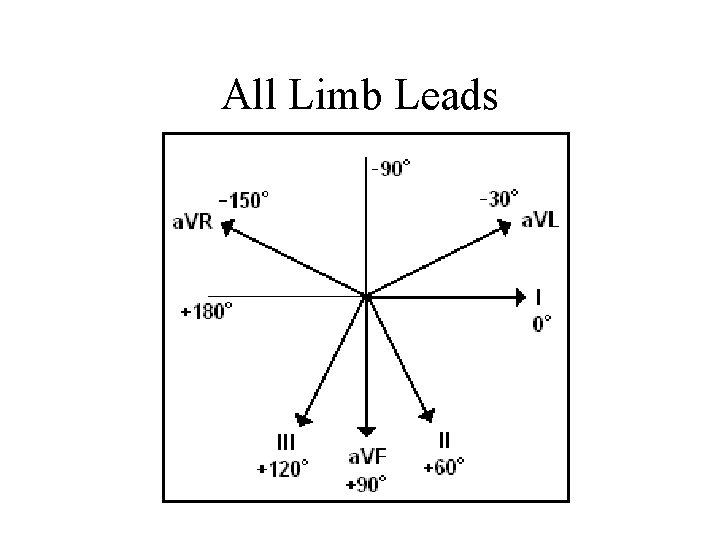
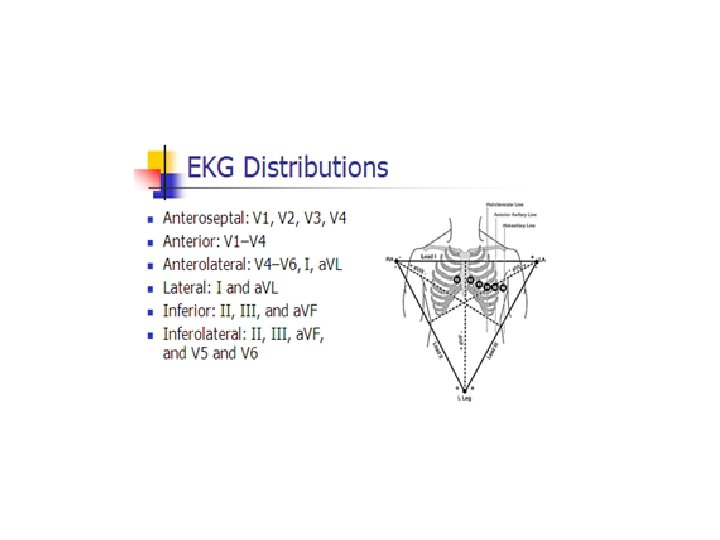
EKG Leads The standard EKG has 12 leads: 3 Standard Limb Leads 3 Augmented Limb Leads 6 Precordial Leads The axis of a particular lead represents the viewpoint from which it looks at the heart.
Standard Limb Leads
Standard Limb Leads
Augmented Limb Leads
All Limb Leads
The axis wheel
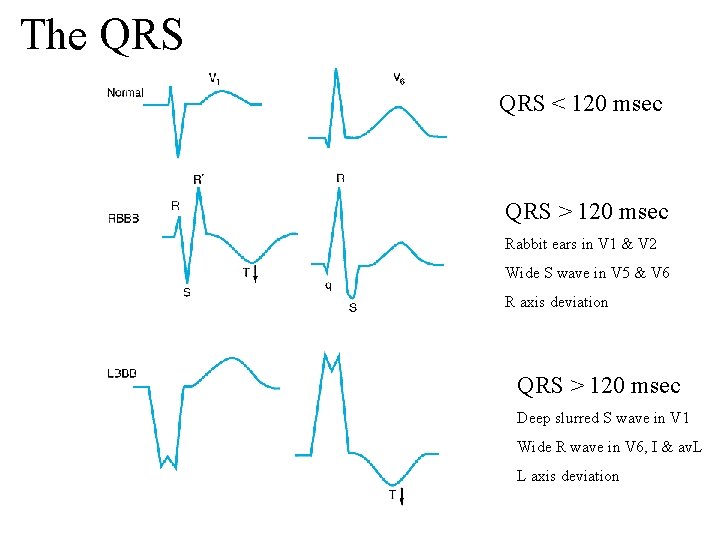
The QRS < 120 msec QRS > 120 msec Rabbit ears in V 1 & V 2 Wide S wave in V 5 & V 6 R axis deviation QRS > 120 msec Deep slurred S wave in V 1 Wide R wave in V 6, I & av. L L axis deviation
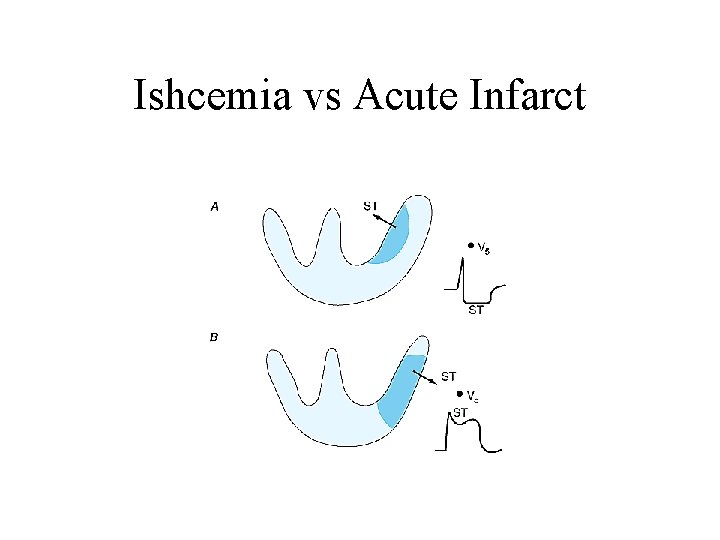
Ishcemia vs Acute Infarct
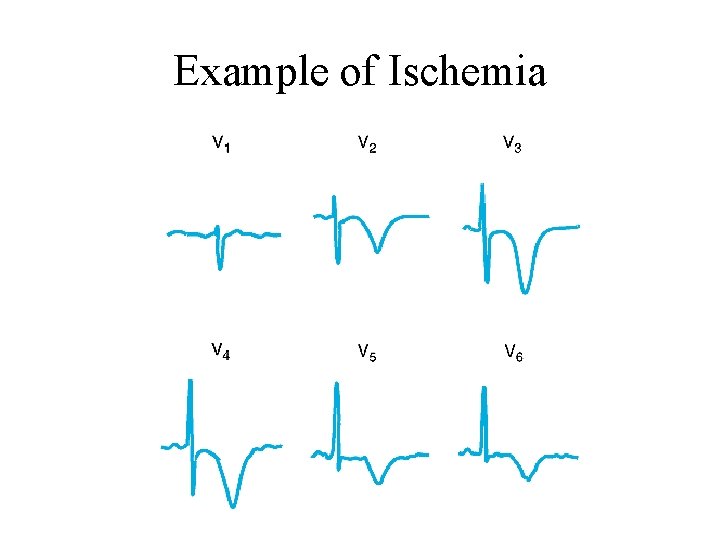
Example of Ischemia
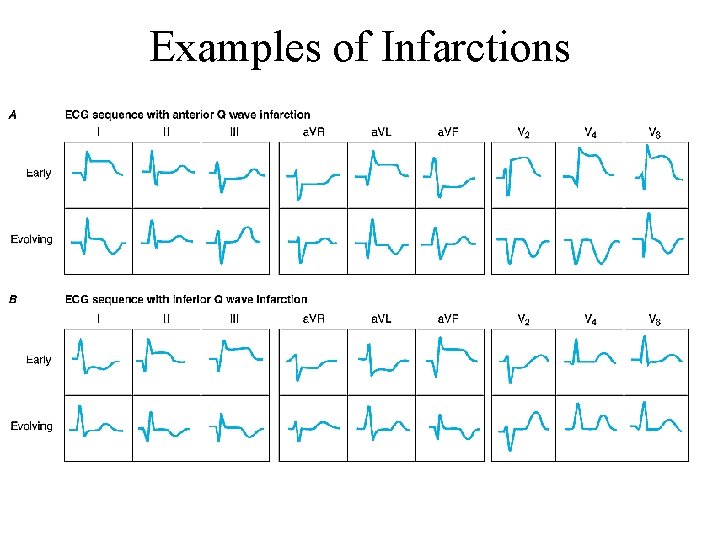
Examples of Infarctions
Review • Rate: • Rhythm: • Axis: • • • Is the heart rate too fast or slow? Sinus rhythm or not? Where does the majority of electrical activity point? P wave: How big are the atria? PR interval: How healthy is the AV node? QRS wave: Is there abnormal conduction or a ventricular source? QT: Long is bad Ischemia and hypertrophy
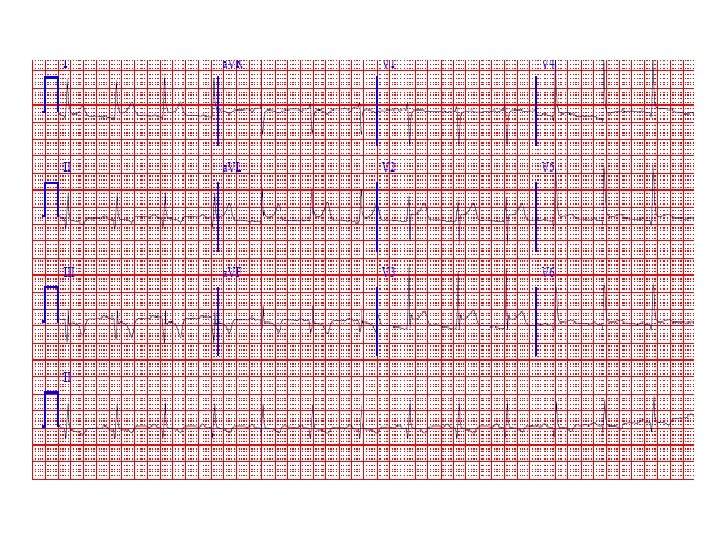
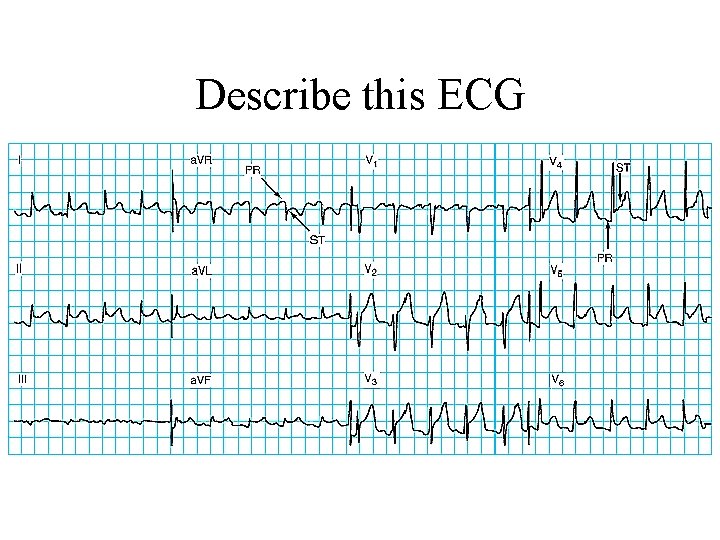
Describe this ECG