
What makes a successful headline and standfirst combination

What makes a successful headline and standfirst combination?
You’ve only got a few seconds to pull your readers onto the page

Success depends on how well you put three elements together: Your reader Your subject and what your magazine is aiming to do with it.
And one more thing It needs to feel new As if they haven’t read it before
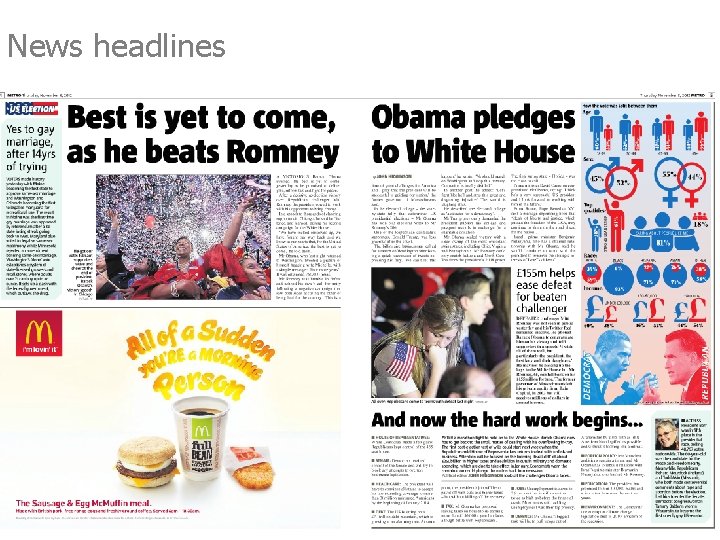
News headlines
12 hit features headlines (which can also be used for news)
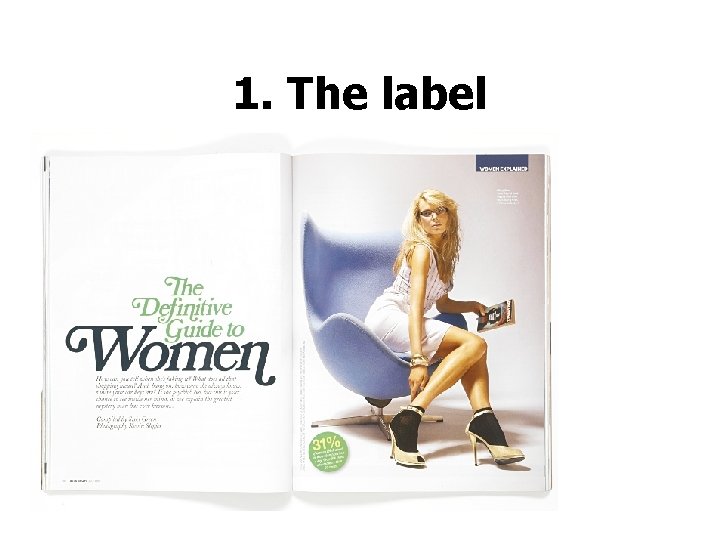
1. The label
The label Why it will work: If the subject sounds attractive to your readers Why it won’t: If it doesn’t, there are no verbs to give it life
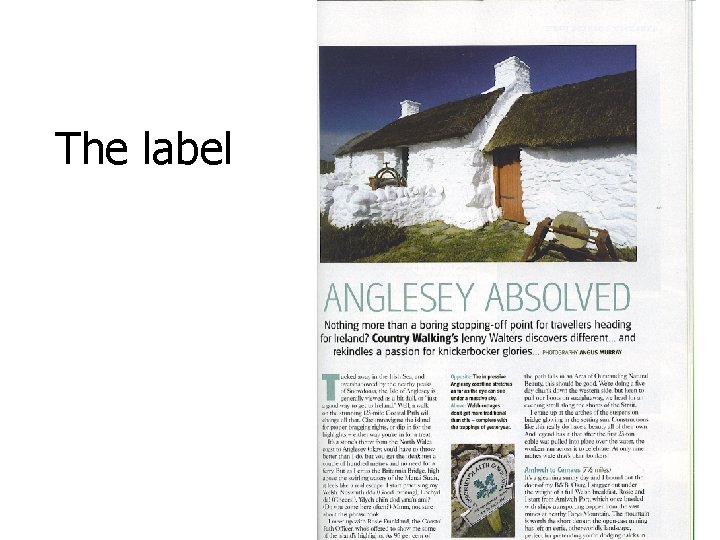
The label
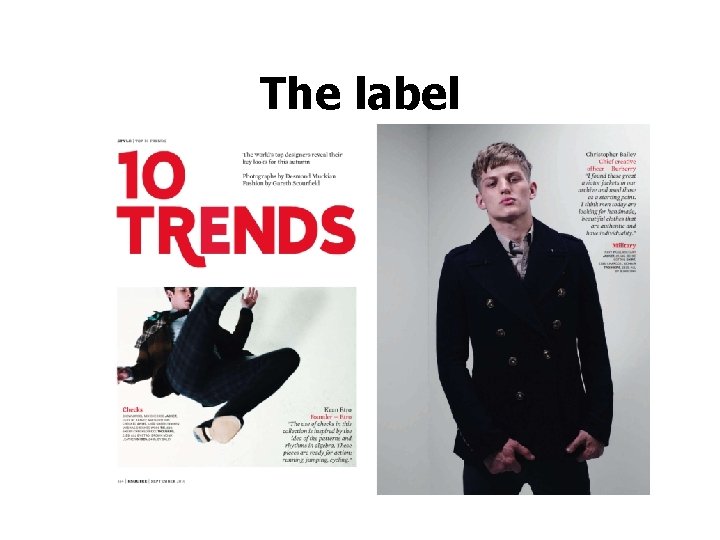
The label
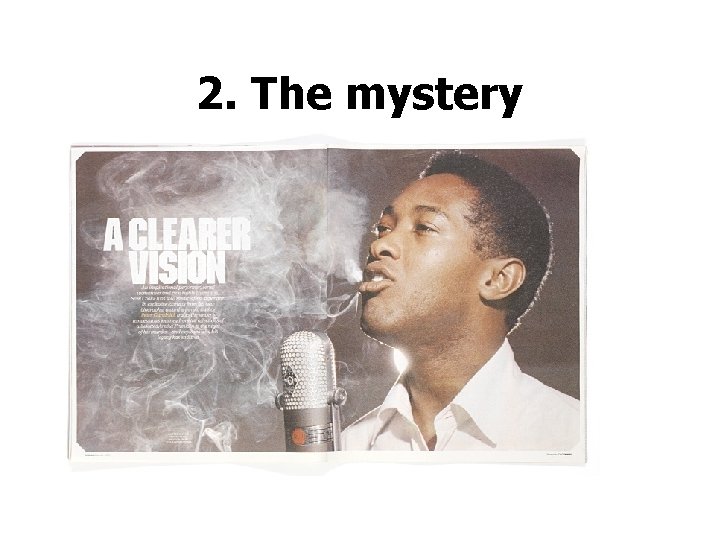
2. The mystery
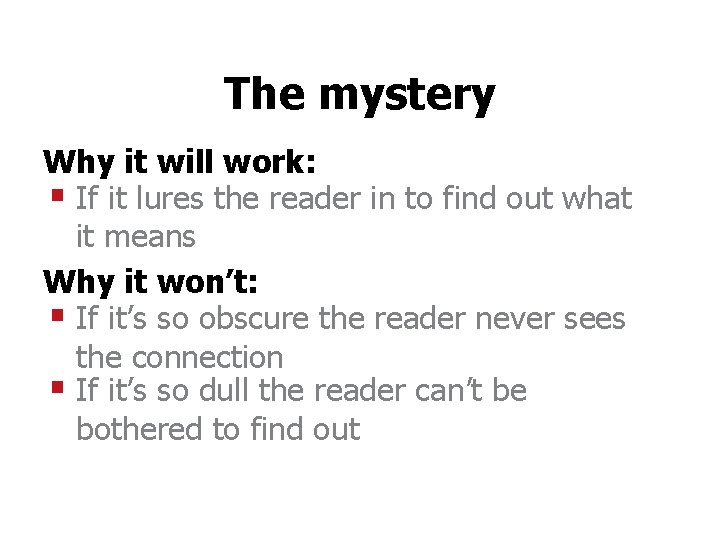
The mystery Why it will work: § If it lures the reader in to find out what it means Why it won’t: § If it’s so obscure the reader never sees the connection § If it’s so dull the reader can’t be bothered to find out
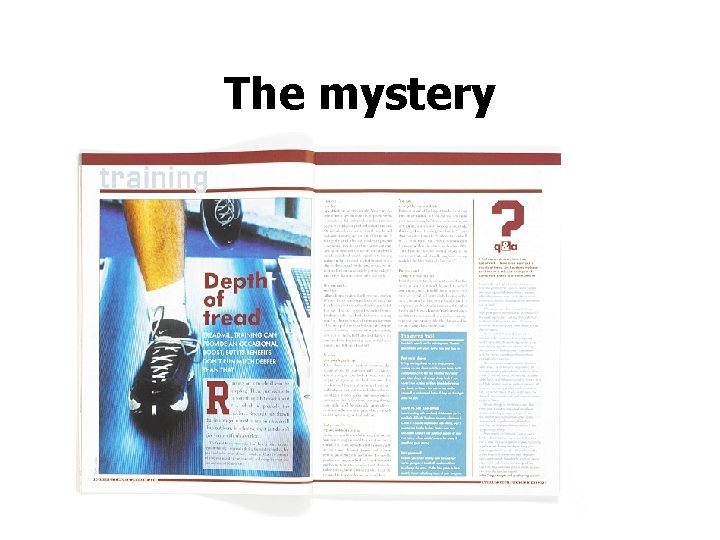
The mystery
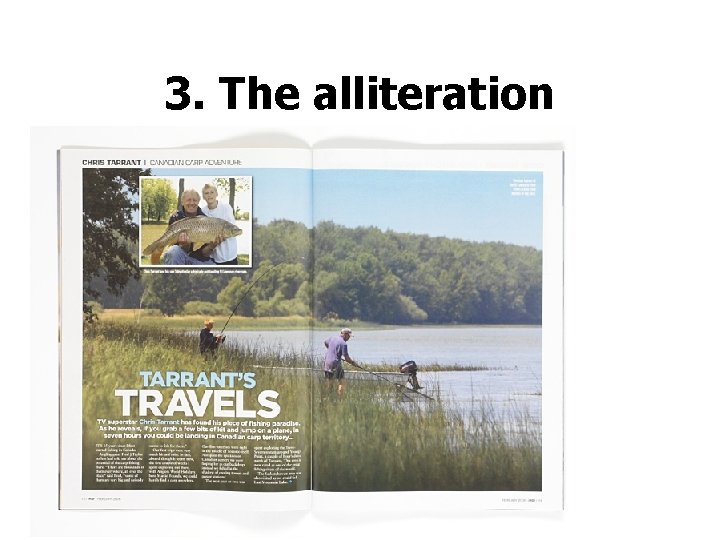
3. The alliteration
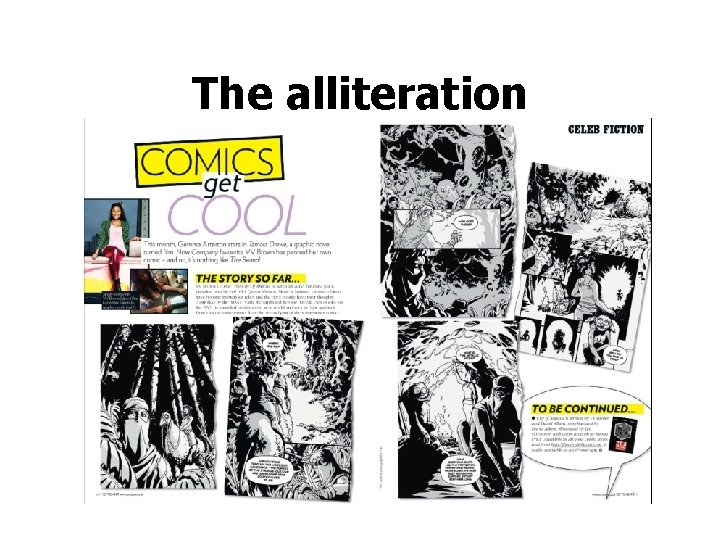
The alliteration
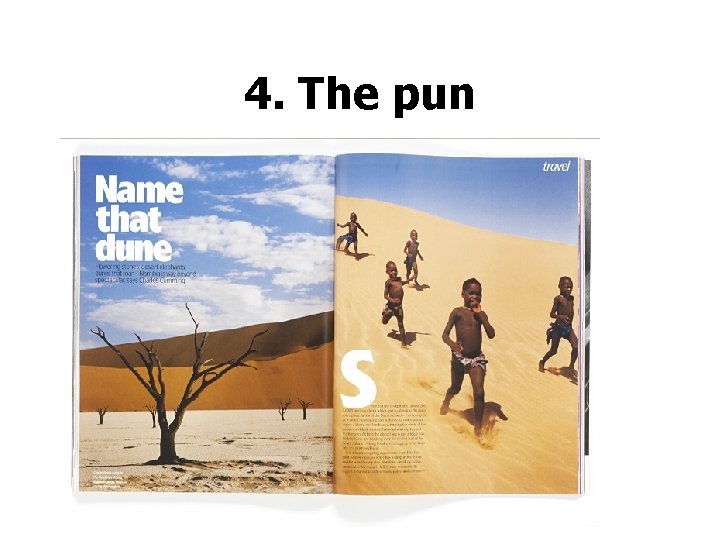
4. The pun
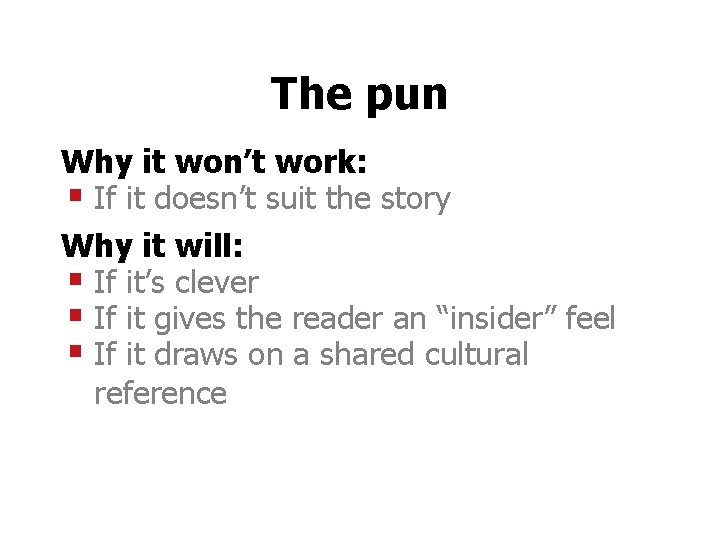
The pun Why it won’t work: § If it doesn’t suit the story Why it will: § If it’s clever § If it gives the reader an “insider” feel § If it draws on a shared cultural reference
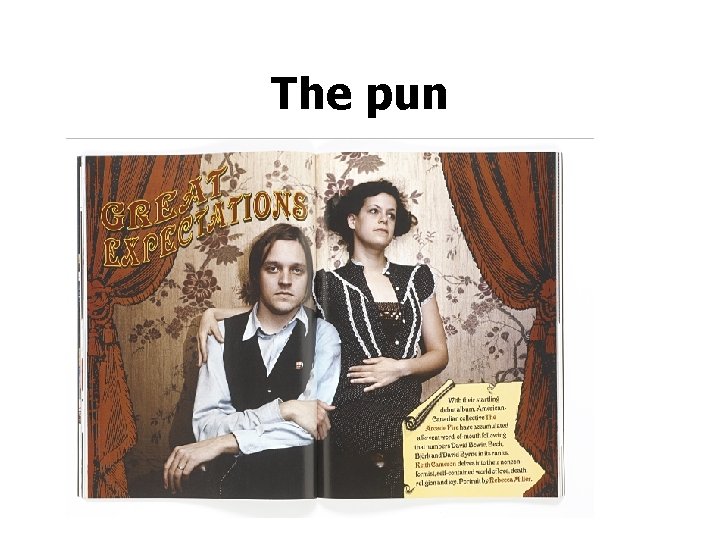
The pun
Use colour and typography to add spice
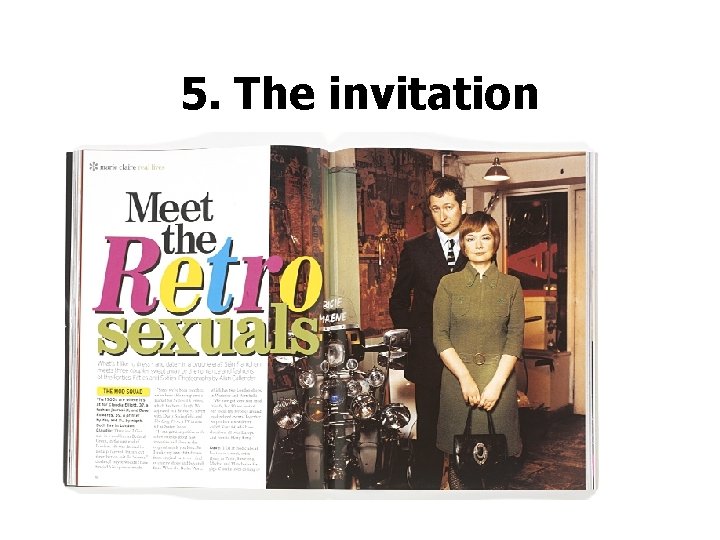
5. The invitation
Why it will work: If you are engaging directly with the reader
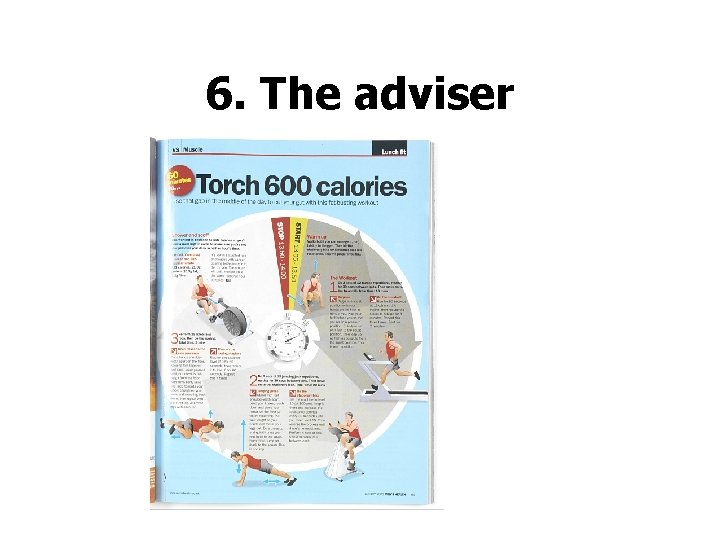
6. The adviser
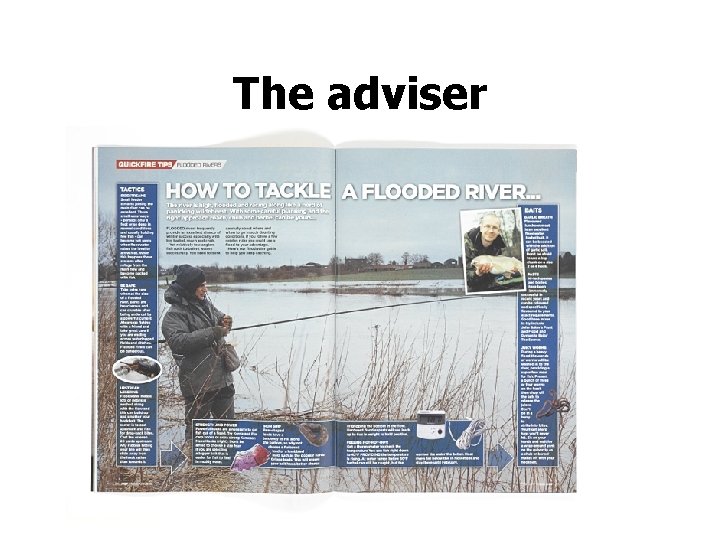
The adviser
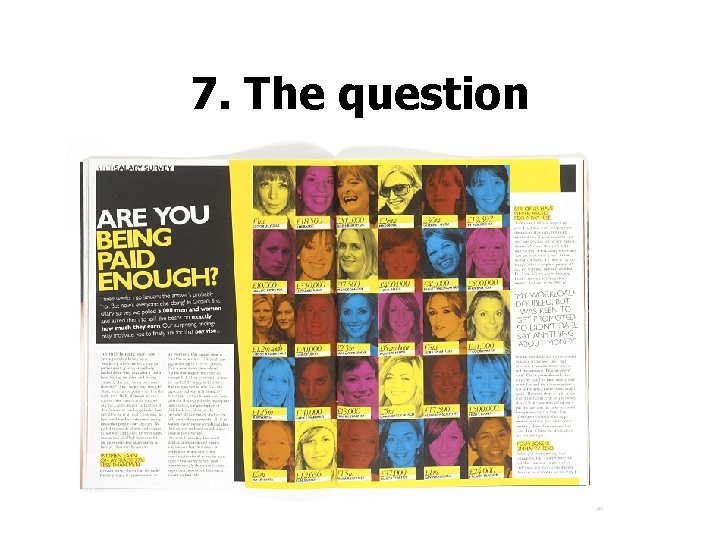
7. The question
The question Why it will work: § If it engages the reader § If it is a riddle and they want to know the answer Why it won’t: § If they can say no § If it’s dull
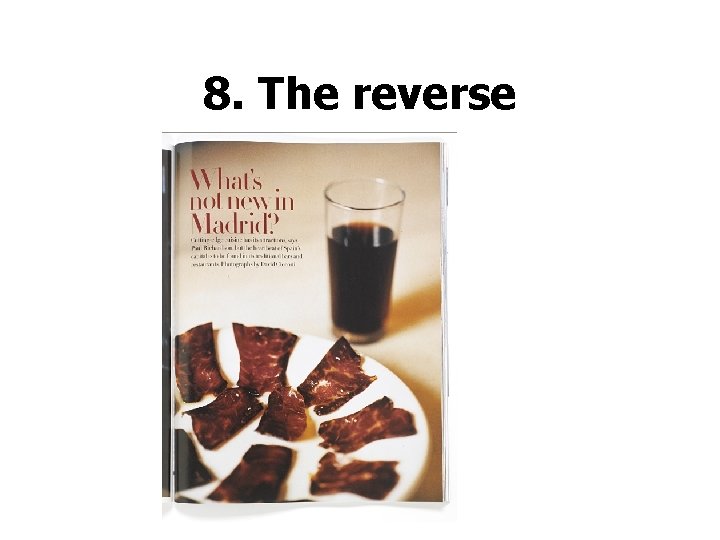
8. The reverse
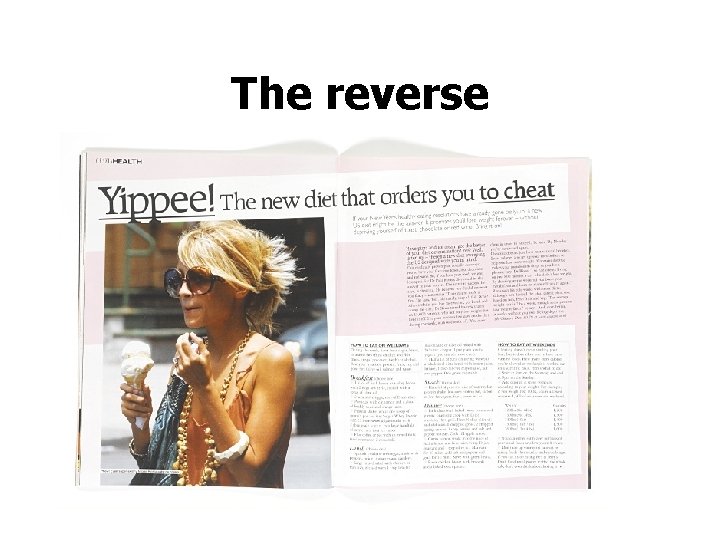
The reverse
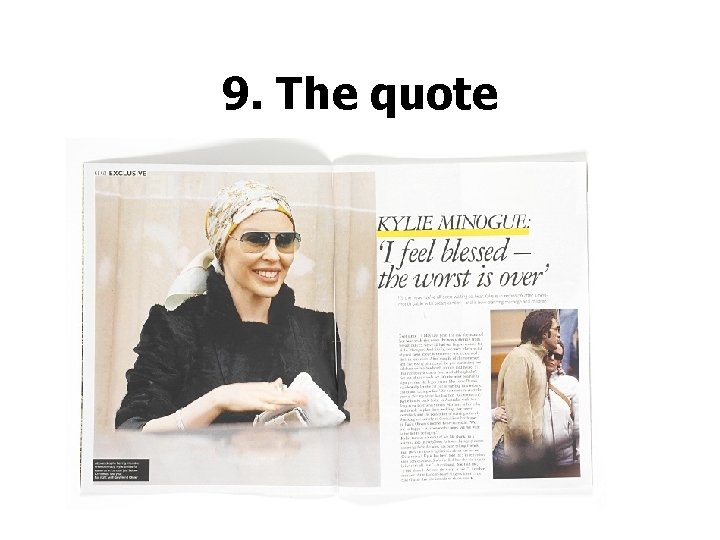
9. The quote
The quote Why it will work: § Because the reader cares about the person § who says it Because it tells the reader something they want to know – no matter who says it Why it won’t: § If it’s dull
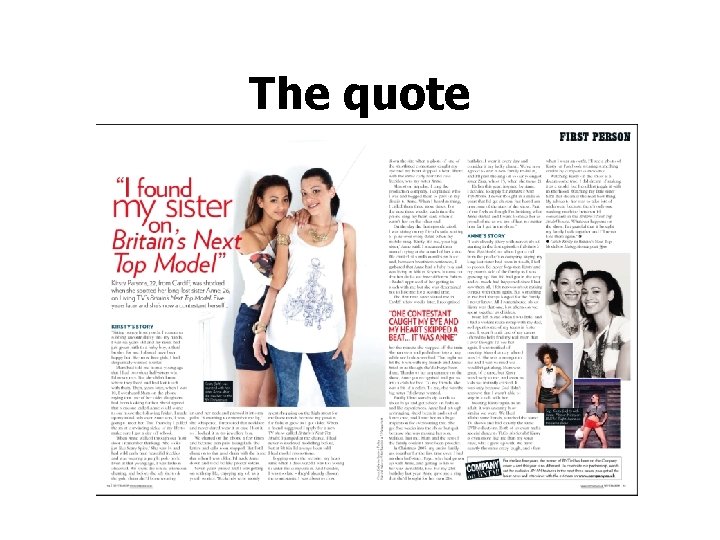
The quote
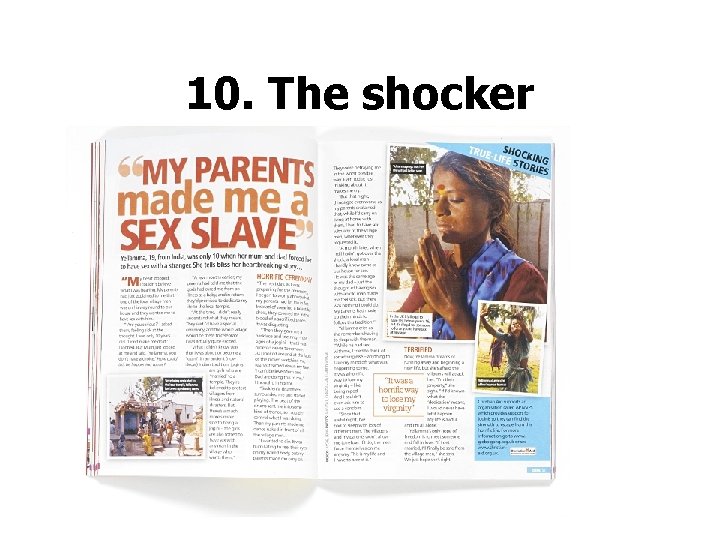
10. The shocker
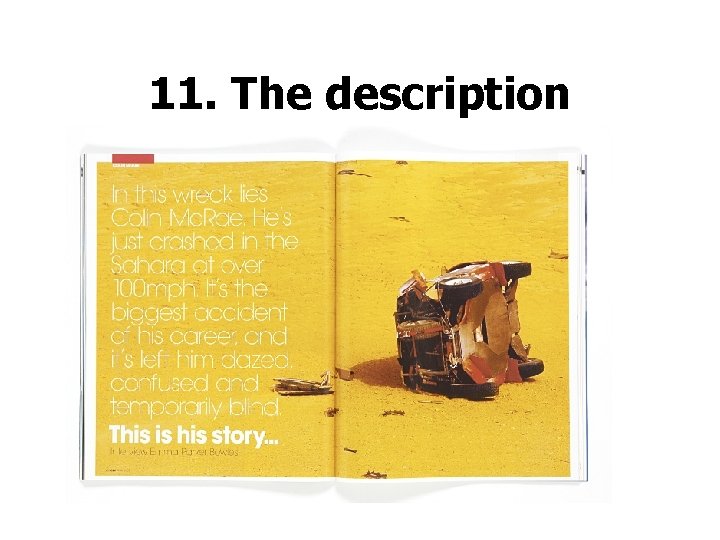
11. The description
The description Why it will work: § Because it’s describing something unusual or interesting § Because it makes the most of a great image
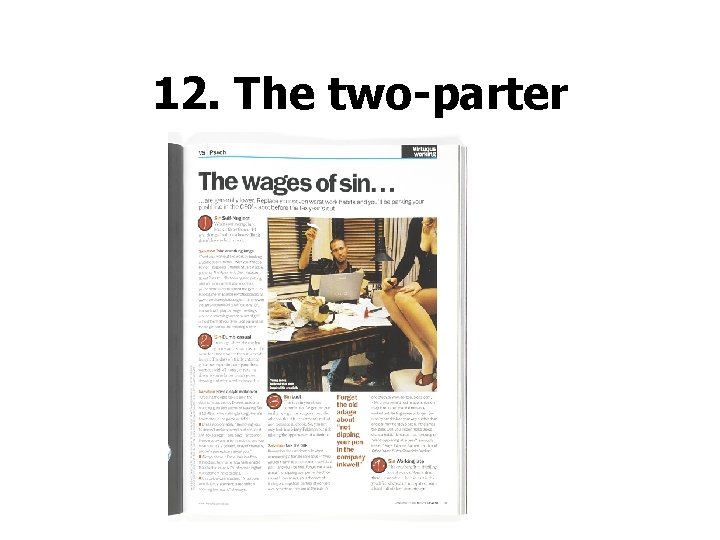
12. The two-parter
The two-parter Why it will work: § Because the first bit is interesting enough to lead you on to the second Why it won’t: § Because it isn’t
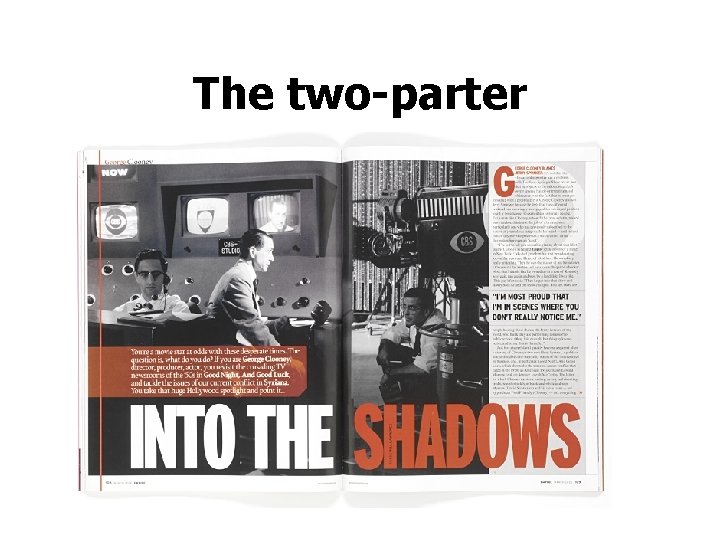
The two-parter
Heads up on heads § It’s part of a package – make it work with § § everything else on the page Try to make everything work both separately and together Make it work with the illustration (that doesn’t mean describing the pic) Make sure it makes sense on the first reading Test it for the obscure factor
§ Make sure it fits the tone of the story § Try to use active verbs (especially in newsier pieces) Use punctuation to add impact § § Use strong language § Ban overused words § Don’t use the same kind of head over and over § again Use colour and typography to pull the reader in

Heads up on heads Break these rules (as long as you’re sure the head works for the reader) Create a unique headline style for your mag with your use of language, tone and look
Stunning standfirsts Offer the reader a taster
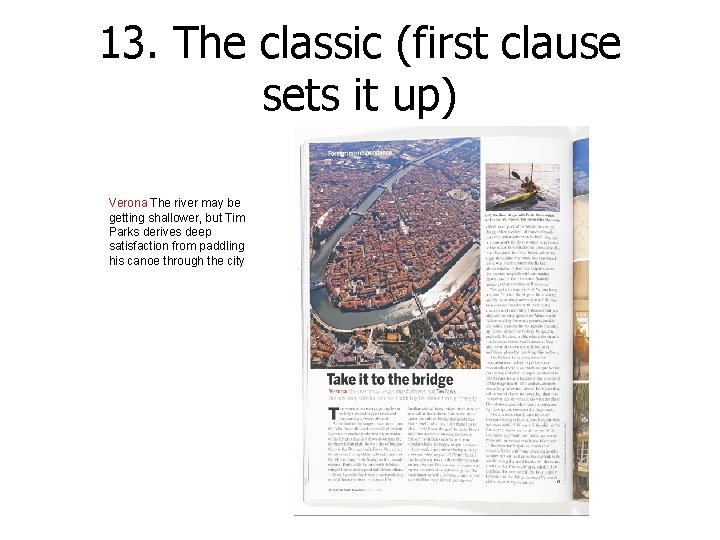
13. The classic (first clause sets it up) Verona The river may be getting shallower, but Tim Parks derives deep satisfaction from paddling his canoe through the city
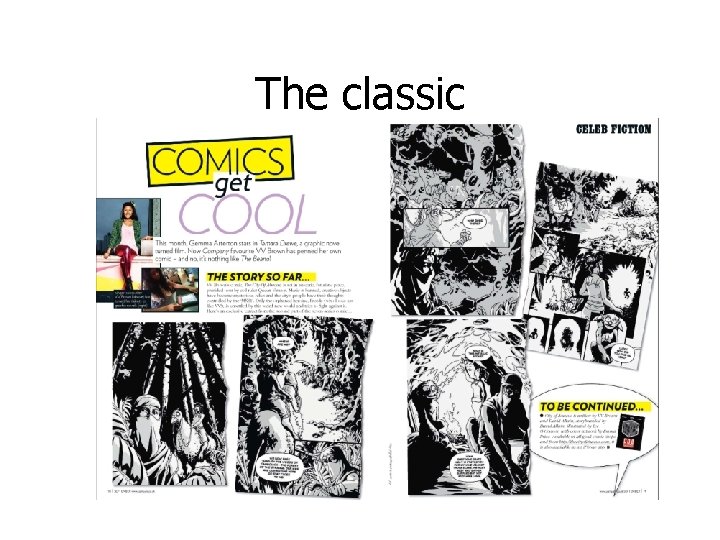
The classic
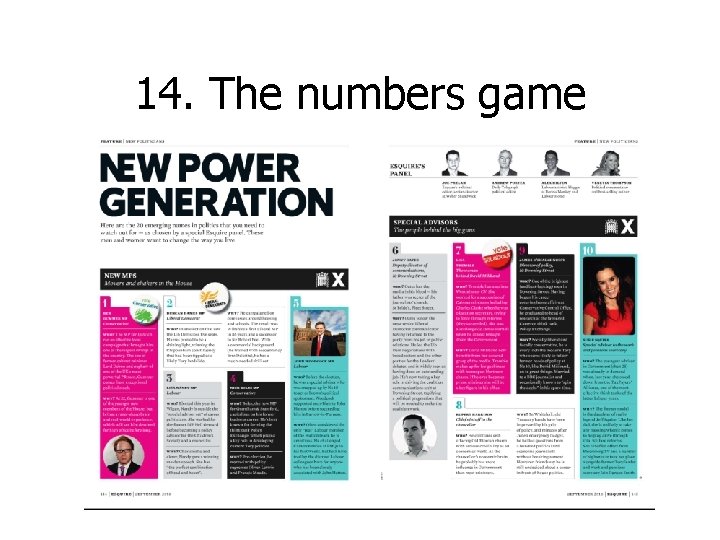
14. The numbers game
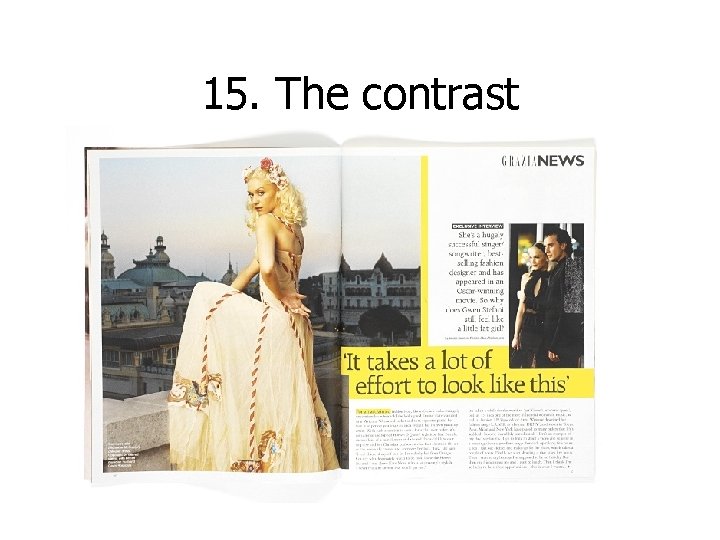
15. The contrast
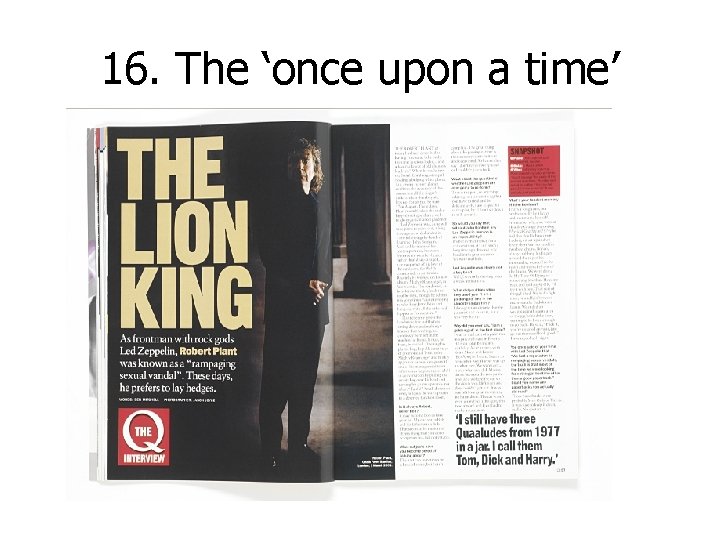
16. The ‘once upon a time’
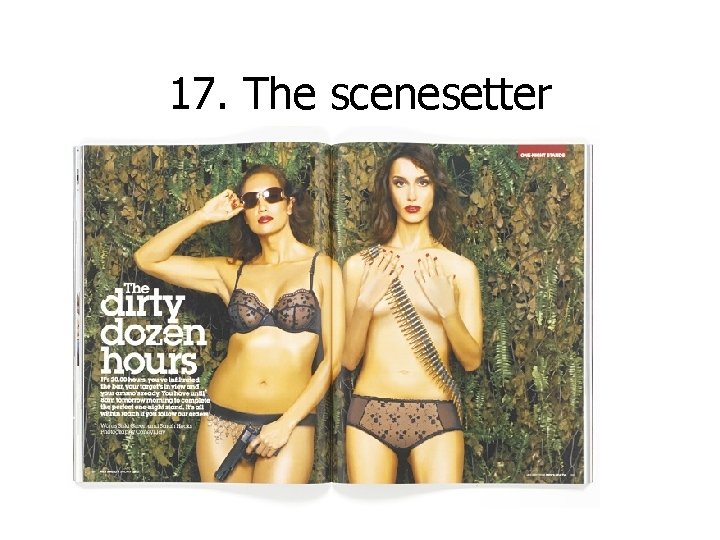
17. The scenesetter
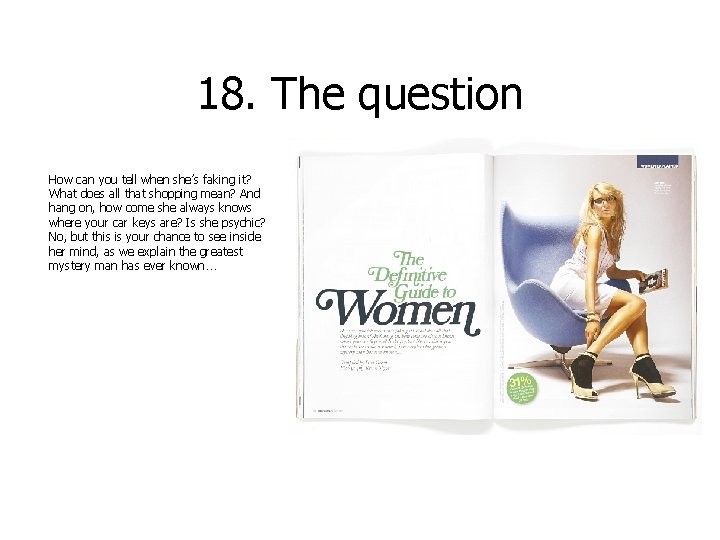
18. The question How can you tell when she’s faking it? What does all that shopping mean? And hang on, how come she always knows where your car keys are? Is she psychic? No, but this is your chance to see inside her mind, as we explain the greatest mystery man has ever known…
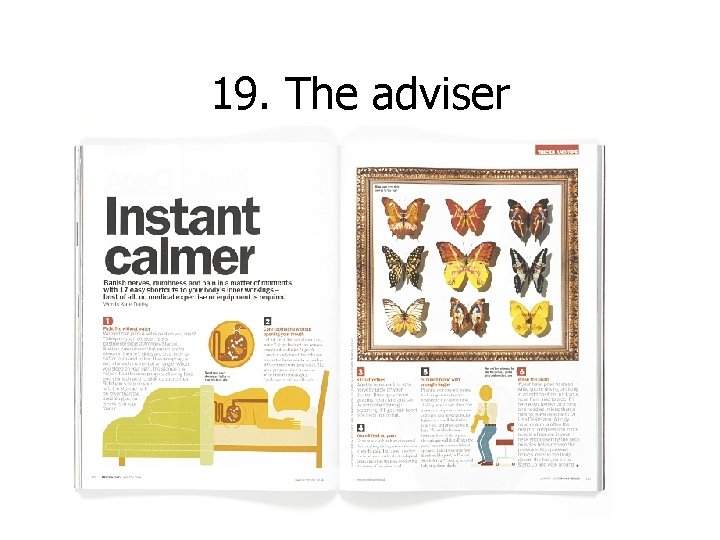
19. The adviser
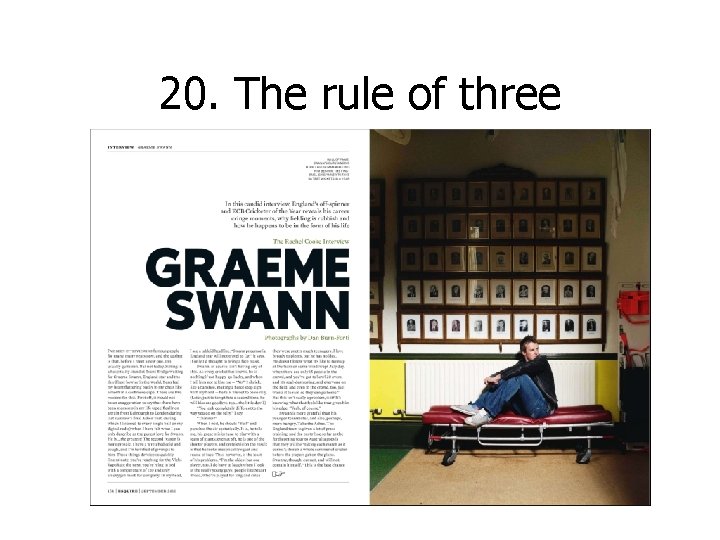
20. The rule of three
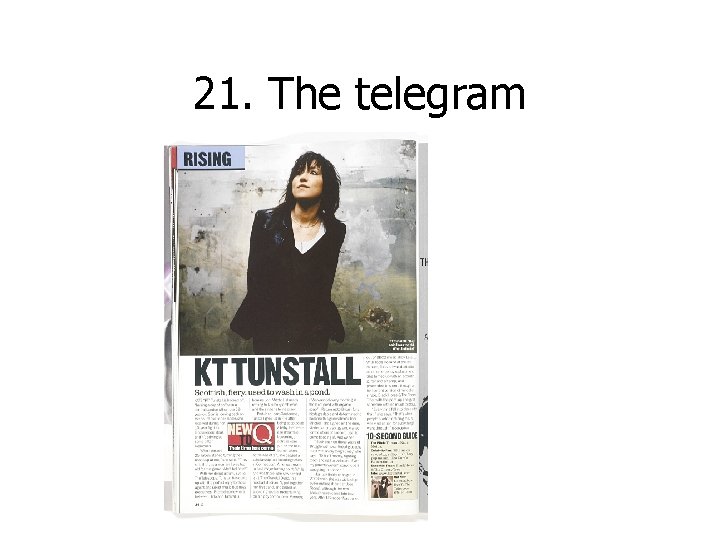
21. The telegram
Standfirst standbys § Be specific: the more specific you are, the more likely you § are to hook the reader Don’t repeat either the headline or the first paragraph § Pull something in from later in the story so they’ll go looking for it § Keep the tone true to the copy § See if it makes sense if read by itself – you never know what people will read first on a page
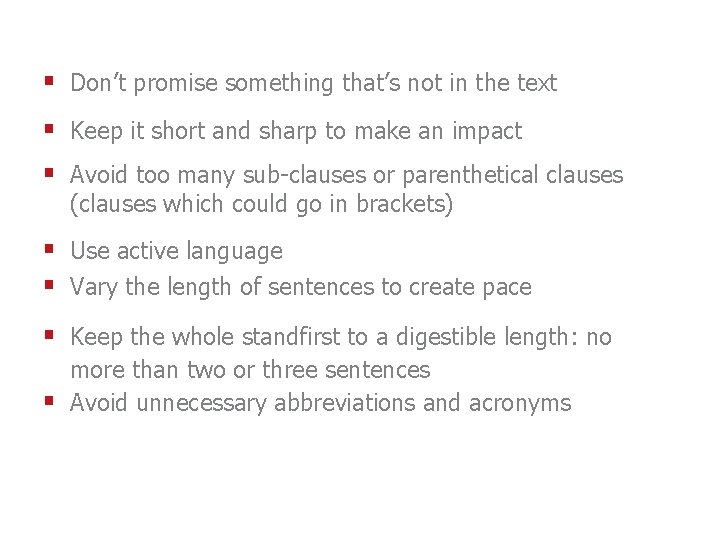
§ Don’t promise something that’s not in the text § Keep it short and sharp to make an impact § Avoid too many sub-clauses or parenthetical clauses (clauses which could go in brackets) § Use active language § Vary the length of sentences to create pace § Keep the whole standfirst to a digestible length: no § more than two or three sentences Avoid unnecessary abbreviations and acronyms
Standfirst standbys Break these rules (as long as you’re sure the standfirst works for the reader)
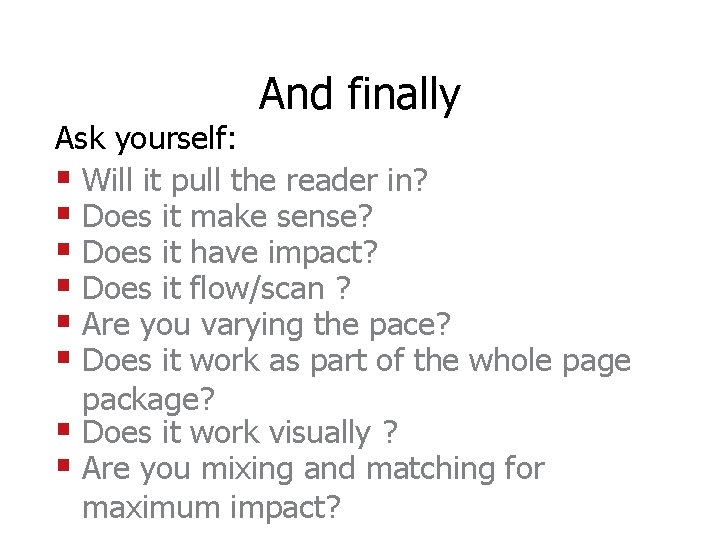
And finally Ask yourself: § Will it pull the reader in? § Does it make sense? § Does it have impact? § Does it flow/scan ? § Are you varying the pace? § Does it work as part of the whole page package? § Does it work visually ? § Are you mixing and matching for maximum impact?
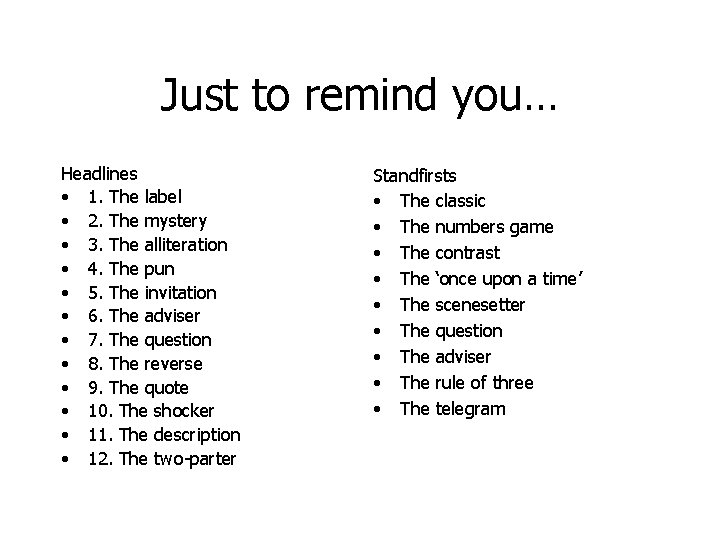
Just to remind you… Headlines • 1. The label • 2. The mystery • 3. The alliteration • 4. The pun • 5. The invitation • 6. The adviser • 7. The question • 8. The reverse • 9. The quote • 10. The shocker • 11. The description • 12. The two-parter Standfirsts • The classic • The numbers game • The contrast • The ‘once upon a time’ • The scenesetter • The question • The adviser • The rule of three • The telegram
- Slides: 55